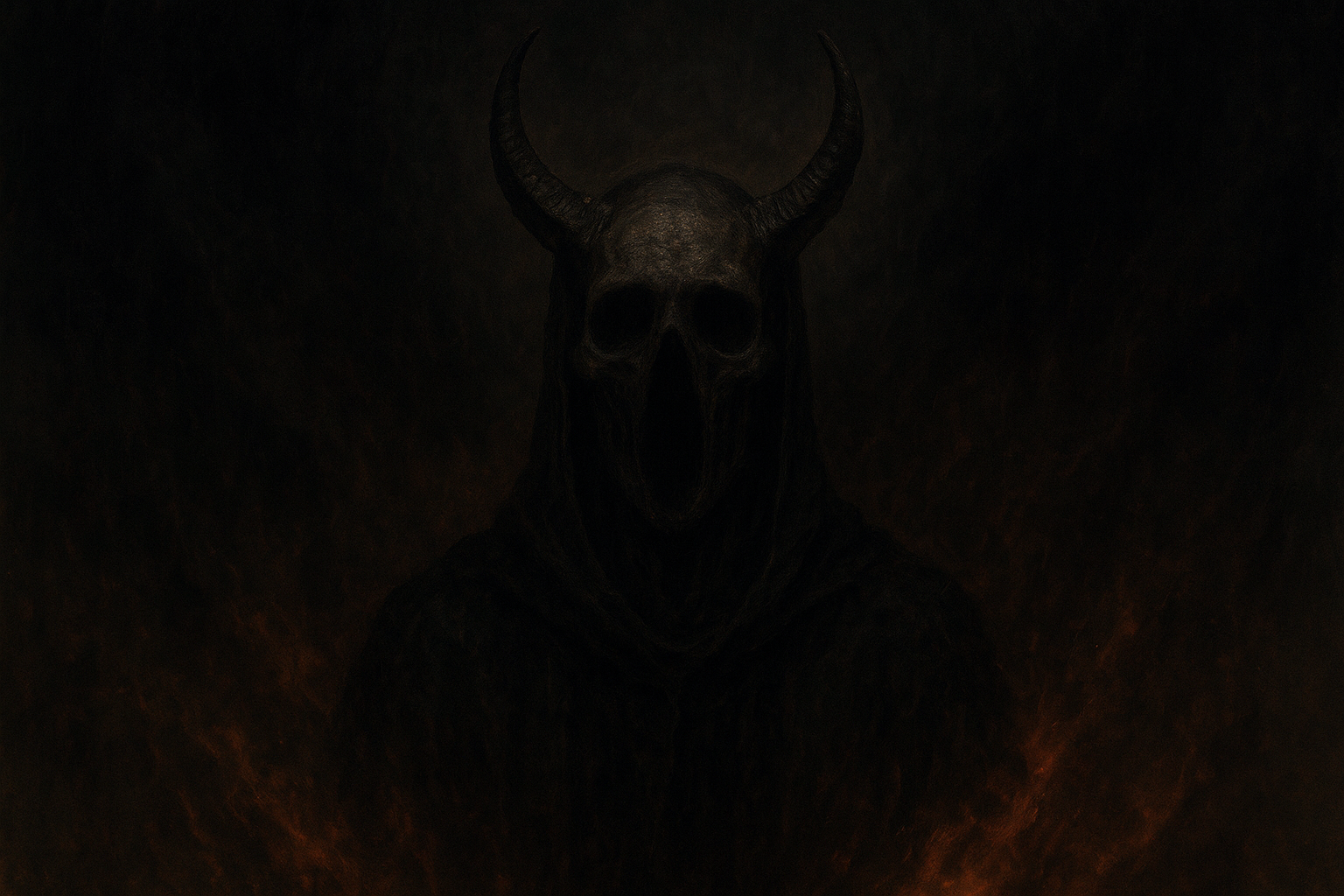
In the realm of demonic lore, few concepts are as intriguing and paradoxical as the idea of infernal emptiness. This is the notion that demonic entities are not merely malevolent forces, but also represent profound absences. These archetypes of absence compel us to explore the spaces where darkness reigns not by the presence of evil, but by the vacuum of light, hope, and essence.
The Nature of Absence in Demonology
Throughout history, demons have often been seen as agents of chaos and destruction. However, a deeper examination reveals that many demonic figures embody a more profound absence. This absence takes on various forms, from the lack of empathy and compassion to the void of meaning and purpose.
“For indeed, darkness is largely the absence; and it is not the forces of evil that invade but rather the voids in which light fails to suffice,” suggests C.G. Jung, the renowned Swiss psychiatrist. This perspective reframes demons not just as invaders, but as entities that thrive in the spaces left unguarded by human neglect or spiritual deficiency.
Demonic Archetypes Representing Absence
-
Astaroth: The Space of Forgotten Knowledge
Astaroth, a demon often associated with laziness, is considered a major source of emptiness concerning knowledge and wisdom. This figure represents the forgotten lore, the abandoned wisdom that once was and could be again if not for humanity’s neglect.
-
Baal: The Void of Community
Representing the absence of community, Baal embodies the breakdown of societal structures and the isolation of the individual. Where unity should strengthen, Baal’s influence creates divides, ensuring that solidarity crumbles into the emptiness of alienation.
-
Azazel: The Gentleness Left Behind
Azazel, often associated with scapegoating and atonement, signifies the existence of absence within the soul. This demon thrives in the voids where gentleness and empathy are intentionally abandoned, leaving behind a barren inner landscape.
The Psychological Implications of Demonic Absence
Understanding demons as archetypes of absence allows us to confront our own deficiencies. The notion of infernal emptiness acts as a mirror, forcing individuals to acknowledge the parts of their lives and societies that they have neglected.
“The demons are content to gnaw away at our souls, not by presenting an overwhelming force, but by letting us fall into our own emptiness,” says Psychology Today.
This perspective invites a re-evaluation of how individuals approach personal growth and community development. By recognizing these absences, people can work towards filling them with positive action and intention, reclaiming these voids from demonic influence.
Cultural Reflections on Infernal Emptiness
The archetypes of absence observed in demonic figures are not just limited to the confines of folklore and myth. They permeate culture, literature, and modern media, reflecting humanity’s deep-seated fears and shortcomings. From Shakespeare’s Macbeth to modern horror narratives, the theme of a void where something vital is missing recurs as a central motif.
In literature, the absence can often symbolize a deeper societal commentary. Shakespeare’s exploration of ambition without conscience, for instance, can be viewed as a reflection of infernal emptiness within the soul. Similarly, modern horror films, such as The Babadook, exploit the idea of absence within familial relationships and mental health to create narratives that resonate with contemporary audiences.
Reclaiming the Void: A Pathway Forward
To counteract the effects of infernal emptiness, individuals and communities must strive to fill their voids with purpose and positive values. This involves active participation in creating connections, seeking knowledge, and nurturing empathy.
The New York Times highlights this journey as essential, noting that, “It’s our urgent task to heal the divides of absence left by our own inattention.”
In doing so, people can transform spaces of absence into areas of abundance, warding off the metaphorical demons that seek to inhabit those voids. By understanding and confronting the archetypes of absence, humanity gains a chance to reclaim its narrative from the clutches of infernal emptiness.
Demonic archetypes, while daunting, provide a valuable lens through which to examine the human condition. As humanity advances further into the 21st century, these figures offer both a warning and an opportunity: to recognize the voids within and strive to fill them with light, rather than letting them be consumed by darkness.
Comments