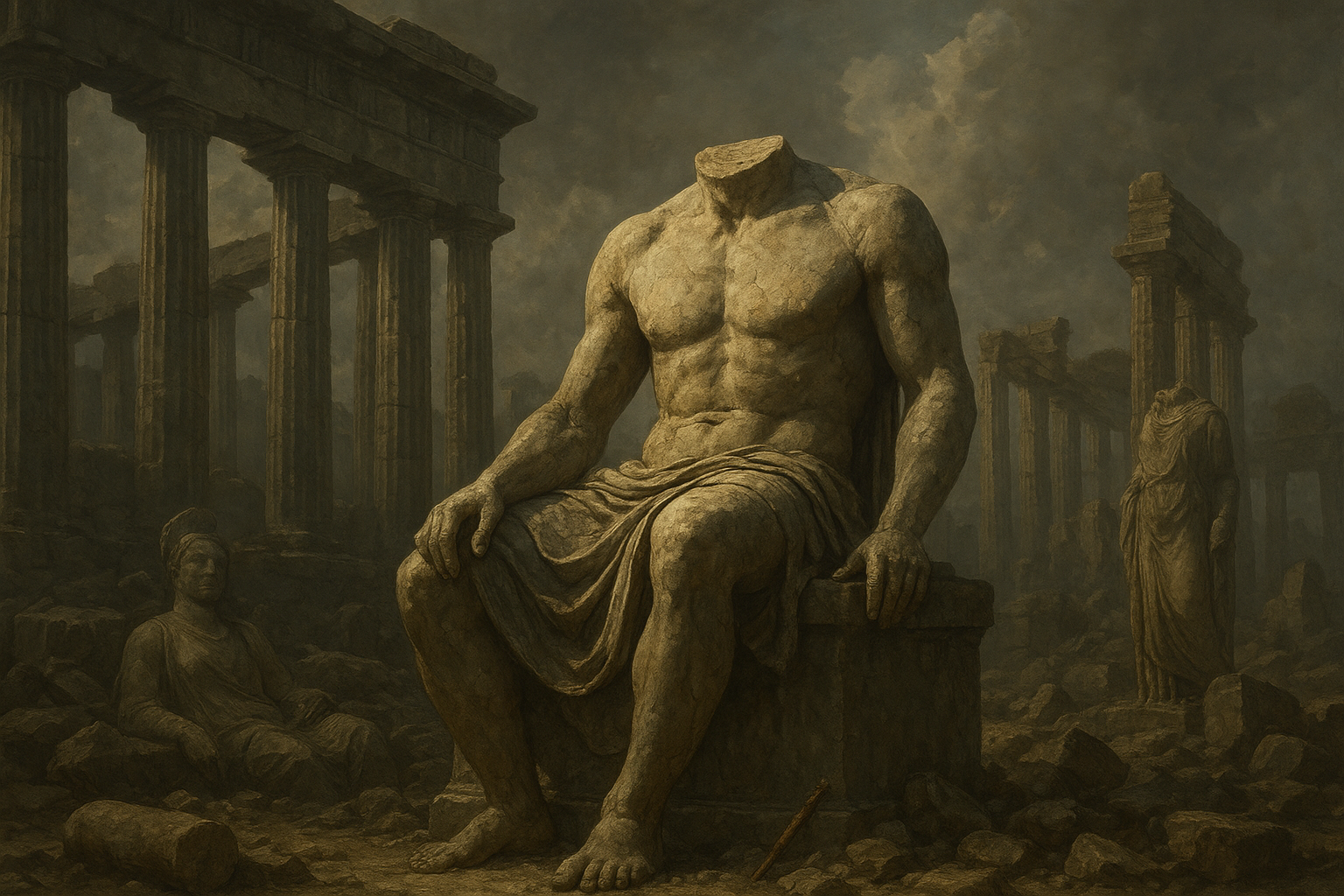
Mythology has long held a mirror to human societies, reflecting cultural values and existential questions while explaining the mysteries of nature and the universe. Yet, as time progresses, the once held esteemed gods of ancient pantheons have faded from the collective consciousness. In an era increasingly dominated by science and empirical evidence, the allure of ancient myths begs the question: what becomes of these myths and their gods?
The Rise and Influence of Mythological Pantheons
Throughout history, civilizations have crafted elaborate mythologies to comprehend the enigmas of existence. From the complex deities of the ancient Greeks to the divine dynasties of Egypt and the Norse gods standing proud in Scandinavia, myth served as a bridge between humanity and the unknown.
- Greek Pantheon: The Olympian gods – led by Zeus and including figures like Athena, Apollo, and Hera – were central to Greek culture and religion. Their narratives, chronicled by poets such as Homer and Hesiod, offered explanations for natural phenomena and social order.
- Egyptian Deities: In Egypt, gods like Ra, the sun god, and Osiris, god of the afterlife, were integral to daily life and afterlife beliefs, with elaborate rituals supporting their worship.
- Norse Gods: With Odin, Thor, and Freya, the Norse pantheon explored themes of war, exploration, and fate, encapsulating the harsh and dynamic life of Northern Europe.
These gods were more than characters in ancient tales; they inspired art, governance, and moral codes, deeply interwoven into the fabric of their societies.
The Vanishing of the Gods in a Modern Age
With the spread of monotheism and scientific rationalism, polytheistic religions waned. The expansion of Christianity throughout Europe played a significant role in diminishing the old gods. Scholar Thomas P. Finn notes that many Norse traditions were absorbed into Christian practices, leading to a gradual eclipse of these deities.
“The gods of yesterday pass into oblivion, and their stories become articles for historians and literary enthusiasts rather than living, breathing parts of daily life.” — Thomas P. Finn
Moreover, the Enlightenment further propelled society away from mythological explanations. A focus on observation and empirical evidence slowly rendered mythical explanations obsolete. The gods retreated into the artworks, myths, and archaeological remnants they once animated.
The Revival and Adaptation of Ancient Myths
Interestingly, while these gods no longer preside over human lives, they are far from forgotten. Their myths have witnessed a resurgence, being repurposed and recontextualized for a contemporary audience. This revival largely owes itself to their adaptability and the universal themes they address.
- Literature: Writers like Neil Gaiman have reincarnated these ancient tales in works such as “American Gods”, examining the role and evolution of myth in a secular world.
- Film and Television: Movies such as the “Thor” series from Marvel Studios have reintroduced Norse mythology to a global audience, wrapping age-old narratives in modern storytelling.
- Video Games: Titles like “God of War” adapt these myths into visceral experiences, attracting players to explore mythological themes interactively.
These adaptations keep mythology alive, asserting its relevance by exploring timeless human concerns such as identity, power, and mortality.
Myth as a Source of Cultural Identity and Moral Reflection
Mythology serves as a repository of collective human experience and wisdom. The tales often encapsulate moral and ethical dilemmas, offering reflections pertinent even today. According to Joseph Campbell in “The Hero with a Thousand Faces”, myths are “clues to the spiritual potentialities of the human life” (Joseph Campbell, 1949).
By examining mythological stories, modern societies can glean insights into past mentalities and values, allowing for introspection on contemporary moral frameworks. They act as a cultural compass, helping societies navigate the complexities of modern life by drawing upon age-old narratives understood and revered by ancestors.
Conclusion: The Pantheon’s Timeless Resonance
Though science and rationalism have usurped myth’s explanatory power, the allure of myths persists. They serve as vessels for cultural identity, artistic inspiration, and philosophical pondering. In the modern consciousness, gods may no longer hold dominion or evoke literal worship, but their symbolic potency remains undiminished. They fill a niche that logically defies extinction, resonating through time as a testament to humanity’s unending quest for understanding and meaning.
Ultimately, the return of a hollow pantheon speaks not of resurrection but evolution. It highlights humanity’s ability to creatively reinterpret and contemporize the past, ensuring that despite their physical absence, the gods never truly vanish. They are simply reborn, reimagined by each generation, thus maintaining their significance through the ages.
Comments