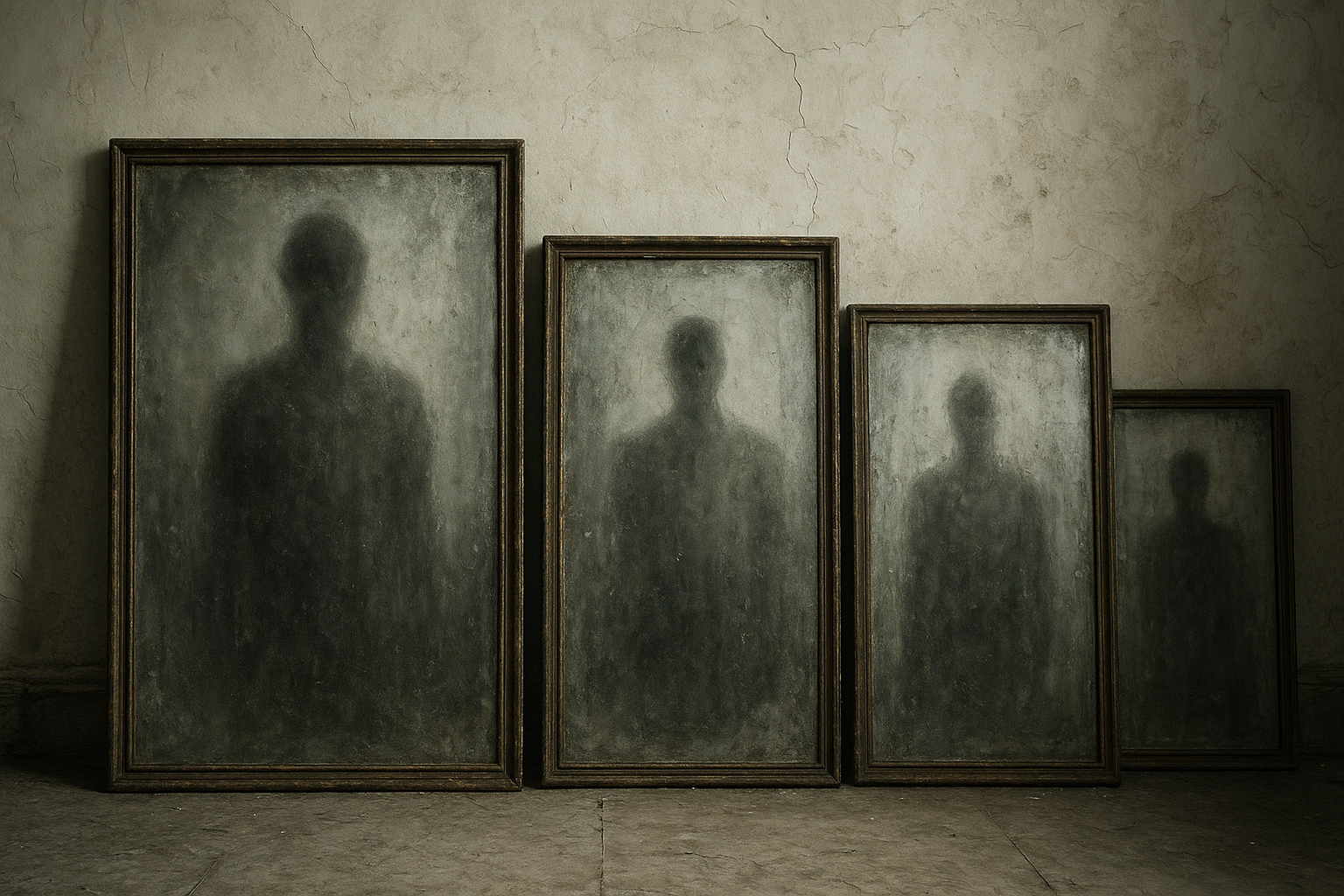
Depersonalized Mirrors: Archetypes in Dissolution
Mirrors have long been symbols of reflection—both literally and metaphorically. They serve as conduits to self-awareness, holders of truth, and sometimes agents of deception. As we delve into the notion of depersonalized mirrors, the dissolution of archetypes emerges as a central theme. This article explores how mirror symbolism intersects with shifting paradigms in identity and archetypal theory.
The Symbolic Nature of Mirrors
For centuries, mirrors have been endowed with symbolic meaning across different cultures and philosophies. They are often seen as portals to self-exploration and metaphysical understanding. In literature, mirrors act as reflective tools, revealing the innermost essence of characters. As Lewis Carroll famously wrote in Alice’s Adventures in Wonderland, mirrors allow us to see “who in the world am I?” (Project Gutenberg).
Archetypes: A Brief Overview
Archetypes are innate, universal symbols and themes that reappear across various narratives and cultural expressions. Carl Jung, the Swiss psychiatrist and psychoanalyst, introduced the concept of archetypes as part of his theory of the collective unconscious. These symbols, such as The Hero, The Shadow, and The Anima, are thought to reside within each individual, shaping behaviors and beliefs.
“The mirror would reflect something more than just a face; it would reflect all the accumulated, supportive symbolisms rooted in archetypes.” – Carl Jung
From Archetypal Symbols to Dissolution
In our contemporary world, the traditional archetypes are undergoing a process of dissolution, much like the depersonalized mirrors that reflect vague and shifting identities. The postmodern critique challenges these age-old symbols, questioning their universal applicability and often highlighting their limitations in accounting for diverse human experiences.
- The Depersonalized Mirror: As a metaphor, it represents the fragmented self, a reflection of modern existential crises where identity is continuously redefined.
- The Dissolution of The Hero: No longer does the monomyth of the hero’s journey resonate with all individuals, as varied narratives arise challenging the traditional heroic virtues.
- The Evolving Shadow: Jung’s Shadow, once a stable repository of the unconscious, now shifts and transforms with societal changes, absorbing deviations and contradictions.
These changes prompt us to ask whether archetypes still hold relevance in personal development and cultural narratives.
Identity in the Age of Individualism
Today’s focus on individualism poses further challenges to classical archetypal frameworks. People are more inclined to carve personal identities, unique narratives diverging from collective myths. The digital age further complicates this with social media acting as a metaphorical mirror, offering reflections that are often distorted or idealized.
As Sherry Turkle, a professor at MIT, argues in her book Alone Together:
“The social networks themselves become a mirror, reflecting idealized self-images rather than authentic ones.” – Sherry Turkle
Recalibrating the Mirror: Towards New Archetypes
The evolution of identity demands new symbols and archetypes that are more inclusive and adaptable. Emerging archetypes take into account complexities beyond traditional binaries, acknowledging fluidity in gender, culture, and belief systems. This recalibration reflects a growing need for symbols that resonate with the contemporary human experience.
Some scholars propose that rather than abandoning archetypes altogether, we should transform them to accommodate diverse narratives. By doing so, literature and media can offer mirrors that reflect a more nuanced reality, echoing both personal and collective transformations.
Conclusion
The depersonalized mirror and the dissolution of archetypes represent a dual narrative of change. While our understanding of identity evolves, mirrors continue to symbolize the quest for self-awareness, albeit now through multifaceted and fluid reflections. As mirrors of the modern psyche, they challenge us to rethink our narratives and embrace new crystalline patterns of meaning.
In a world where the symbolic is in constant flux, the task lies in finding, or perhaps co-creating, archetypes that speak to the kaleidoscope of human experiences, serving as both guides and reflections for the future.
Comments