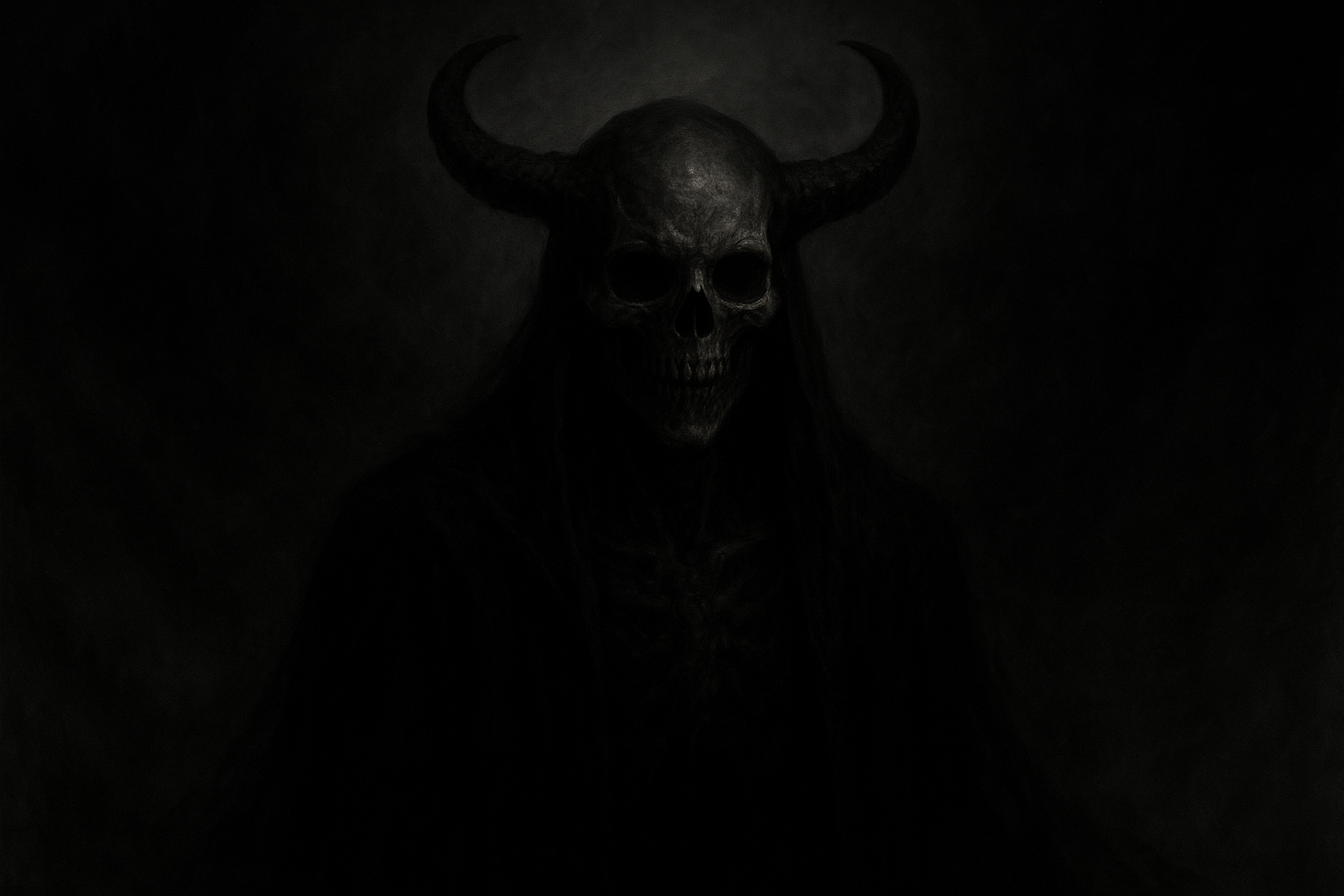
Demonic Emptiness – Death and Shadow Archetypes
The concepts of demonic emptiness, death, and shadow archetypes have fascinated human minds across cultures and ages. From the mysterious allure of gothic literature to the scholarly dissections of Carl Jung, the exploration of these archetypes offers insight into the human psyche and our relationship with the darker aspects of existence.
The Concept of Demonic Emptiness
Demonic emptiness, as a philosophical construct, refers to the existential void that symbolizes fear, destruction, and nothingness. It is the abstraction of the ultimate terror—the absence of being. Understanding this concept often involves delving into various mediums that capture its essence, from literature to art.
“Long is the way, and hard, that out of Hell leads up to light.”
— John Milton, Paradise Lost
In literature, especially in works like Milton’s Paradise Lost, demonic emptiness represents the profound isolation and despair faced by characters grappling with the aftereffects of their hubris and downfall. Milton’s depiction of Hell itself is not just physical torment but an emotional vacuum devoid of hope and redemption.
Death as an Archetype
The archetype of death is perhaps one of the most universal, symbolizing the inevitable conclusion of life and often serving as a gateway to transformation and renewal. Death is frequently depicted as a catalyst for change, a necessary end that paves the way for new beginnings.
- Mythology: Many cultures have personified death to make sense of its role in the cosmic order. The Grim Reaper, for instance, is a symbol of inevitability and impartiality.
- Literature: In works such as William Shakespeare’s Hamlet, death is a central theme, providing a lens through which characters explore the morality and consequence of their actions.
- Psychology: Carl Jung posited that death is not merely an end but a part of the psyche’s growth, asserting that embracing the concept of death can lead to a more profound self-understanding.
“To sleep: perchance to dream: ay, there’s the rub; For in that sleep of death what dreams may come.”
— William Shakespeare, Hamlet
The Shadow Archetype
Coined by Carl Jung, the shadow archetype embodies the unconscious part of the psyche that contains repressed weaknesses, desires, and instincts. Understanding and integrating the shadow into our conscious awareness is crucial for personal growth and authenticity.
Jung explains in his writings that the shadow often manifests when individuals resist confronting parts of themselves they find undesirable or shameful. This confrontation is vital not only for self-awareness but for avoiding psychological projections onto others.
- Confrontation: Accepting the shadow involves a process of embracing the full scope of one’s nature, which can lead to greater empathy and insight into human behavior.
- Integration: This step involves harmonizing the shadow with the conscious ego, allowing for deeper personal integration and understanding.
- Projection: Failing to recognize the shadow often results in projecting these unacknowledged aspects onto others, leading to conflict and misunderstanding.
“One does not become enlightened by imagining figures of light, but by making the darkness conscious.”
— Carl Jung
Interplay of Demonic Emptiness, Death, and Shadow Archetypes
The intersection of these archetypes reveals a complex web of human experience anchored in the tension between life and death, light and shadow. The journey into demonic emptiness, through the face of death, and the confrontation with one’s shadow forms a narrative deeply embedded in human storytelling.
These archetypes are prevalent in both ancient texts and modern narratives, emblematic of the hero’s journey or the transformative quest. Whether in classical mythologies or contemporary novels, they guide the audience through an exploration of human morality, existential dread, and the quest for self-understanding.
In essence, the exploration of these archetypes serves as a reminder of the intrinsic darkness and light within us all. They offer profound wisdom on navigating life’s complexities and embracing the realities of our existence. The resonance of these archetypes in cultural consciousness underscores their importance in shaping our understanding of life’s mysteries and human nature.
Understanding demonic emptiness, death, and the shadow archetype allows for a richer, more nuanced appreciation of literature, art, and psychology. By exploring these concepts, individuals can gain greater insight into their own lives, building a bridge between fear and awareness, destruction and creation, emptiness and fulfillment.
Comments