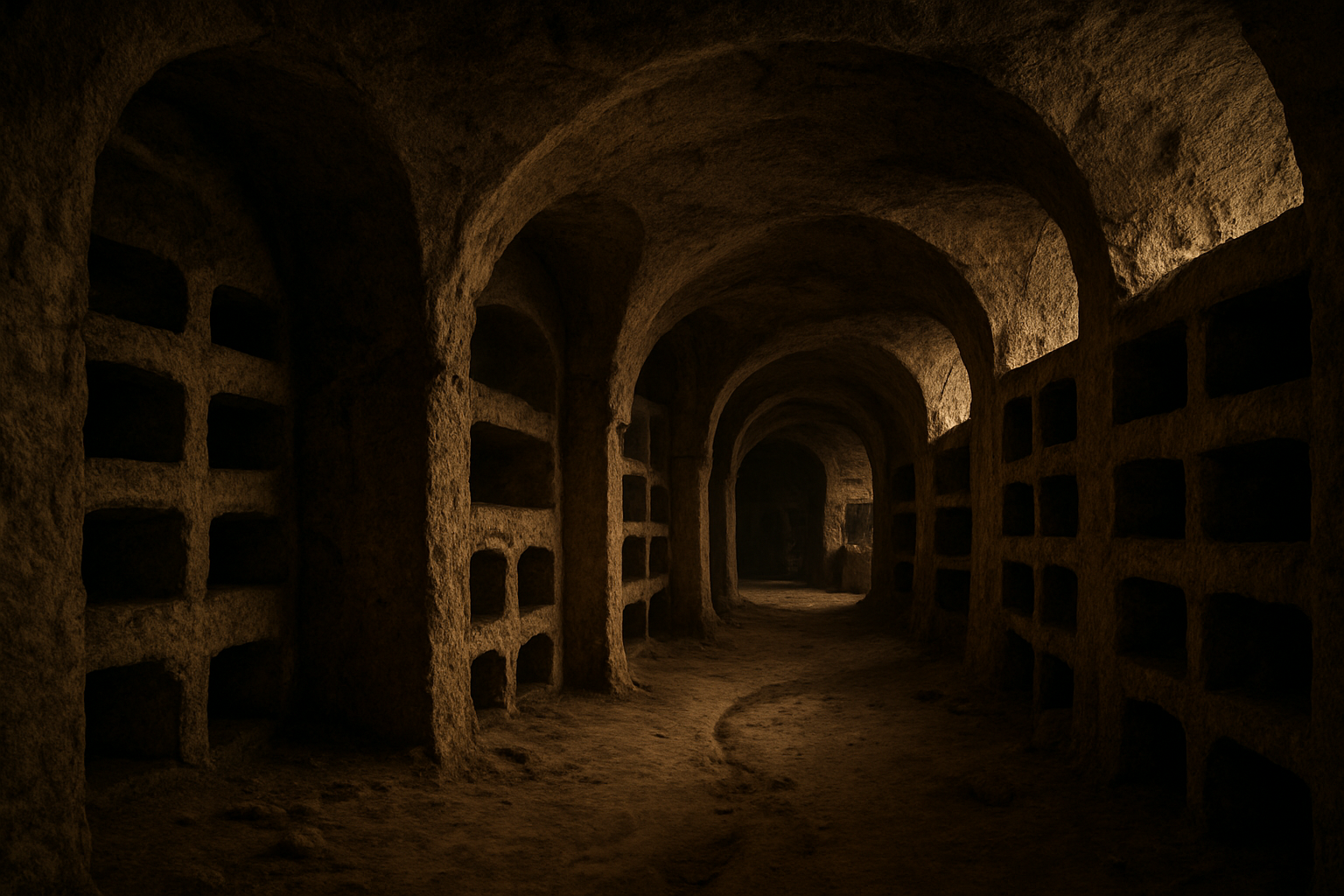
Abstract Catacombs: Mystery in the Mind’s Architecture
The human mind is an elaborate maze, stretching out in abstract catacombs laden with mystery, creativity, and psychological depth. Exploring these cognitive corridors opens doors to understanding not only human behavior but also the potential of untapped intellectual capabilities.
The Brain’s Structure: A Brief Overview
Our brains are composed of interwoven networks, a notion supported by Dr. Tara Swart, a neuroscientist and author who states, “The human brain is this incredibly intricate network that harnesses both individual and collective neural pathways.” (Brain Facts)
- The Cerebral Cortex: It’s the outermost layer packed with billions of neurons, responsible for complex thought processes.
- The Limbic System: This is where our emotions and memories reside, playing a significant role in human behavior.
- The Brainstem: Often dubbed the ‘reptilian brain,’ it controls the body’s basic functions.
Creativity: Wandering the Cognitive Passageways
The abstract catacombs of the mind are most vividly navigated during the exercise of creativity. According to a study published in The Journal of Creative Behavior, creative processes engage multiple brain areas simultaneously. Professor Rex Jung, a neuroscientist specializing in creativity, notes, “Creativity involves divergent thinking that requires flexible, open networks in the brain.” (The Journal of Creative Behavior)
“The ability to think outside of the box really means stepping into different cognitive rooms and using them in ways that they were not originally intended for.” – Professor Rex Jung.
Mysteries within Mental Corridors
Despite advances in neuroscience, there remain vast unknowns within the labyrinthine structure of the mind. The subconscious mind, in particular, operates beneath our awareness, much like hidden catacombs beneath ancient cities.
- Memory Formation: The exact mechanisms behind memory retention and recall remain significantly mysterious.
- Conscious vs. Subconscious: Understanding the interplay between the conscious thoughts and subconscious impressions is still at a nascent stage.
Dr. Elizabeth Phelps, a psychologist at Harvard University, discusses these mysteries: “Despite our best efforts, there are still vast regions of the mind that we do not fully understand, regions that operate beneath the threshold of consciousness.” (Harvard University)
Psychological Implications of the Abstract Mind
The abstract catacombs of the mind have profound implications for both psychology and mental health. Understanding these complex networks can lead to better treatment for mental disorders and enhancements in cognitive therapy.
- Cognitive Behavioral Therapy (CBT): By understanding how specific pathways are formed, CBT can be tailored for more effective interventions.
- Neuroplasticity: The brain’s ability to rewire itself, as described by neurologist Dr. Norman Doidge, helps us comprehend how therapy aids recovery from trauma and stress. (Dr. Norman Doidge)
Emotional Intelligence is another psychological domain impacted by these abstract brain structures. Developing an understanding of these patterns aids in better managing one’s emotions and empathy toward others.
Conclusion: Navigating the Abstract Catacombs
As our scientific understanding progresses, the abstract catacombs of the mind offer perhaps the last intellectual frontier. By delving into this mystery, we not only unravel the complexities of human cognition but also expand the boundaries of human potential.
In conclusion, while many questions remain unanswered, what we know encourages further exploration into the fascinating labyrinth that is the human mind—a testament to the brain’s profound intricacies.
This exploration beckons not just scientists, but anyone intrigued by the endless possibilities hidden in the mind’s deepest recesses. The journey into the abstract catacombs has just begun.
Comments