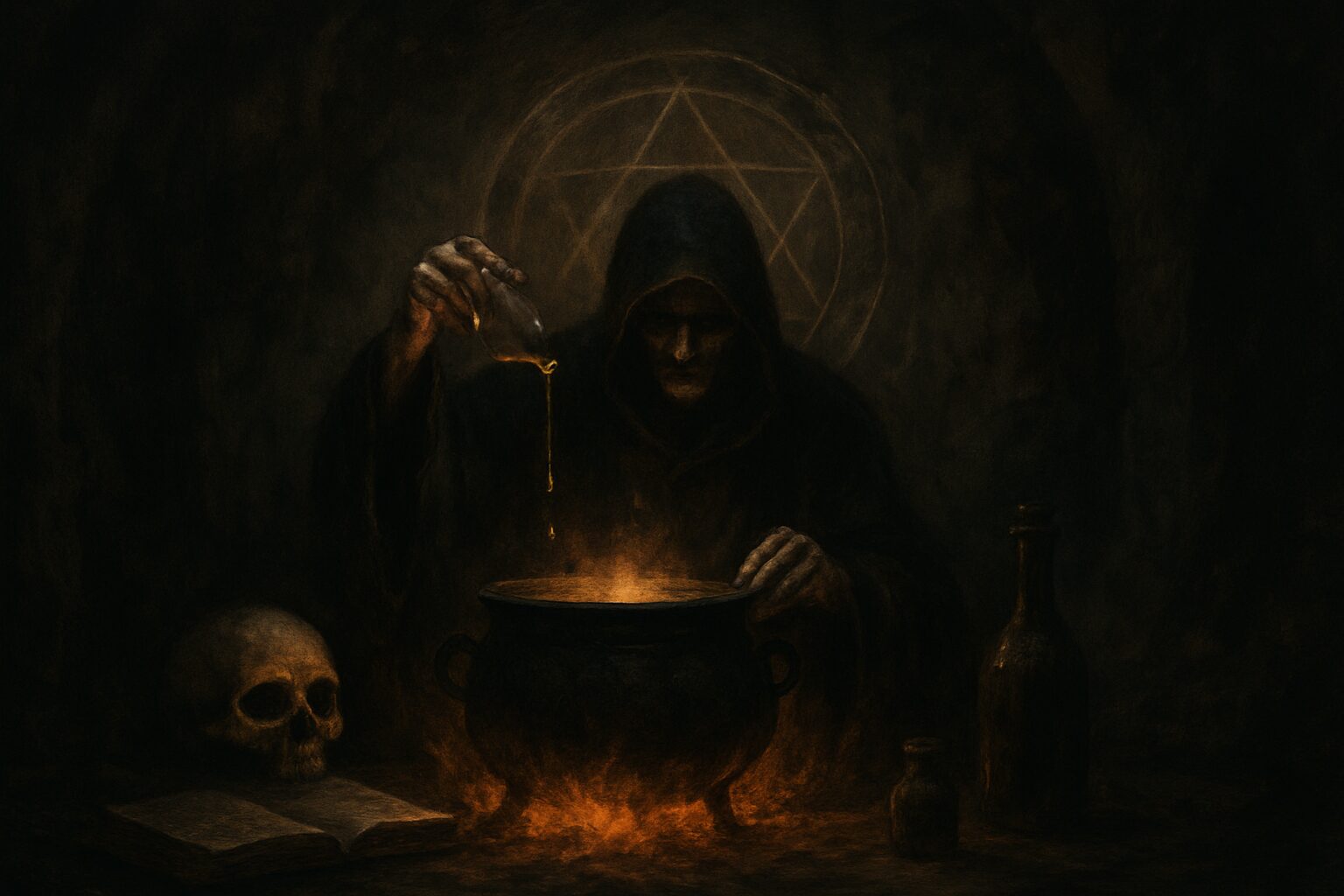
The Occult City: Exploring Hidden Spiritual Spaces
In the shadowy corners of bustling urban landscapes, there exists a parallel world resonating with whispers of mysticism and the esoteric. The occult city, often hidden in plain sight, offers spaces where spiritual seekers and curious souls converge to explore metaphysical realms. This exploration delves into the fascinating world of secret sanctuaries, mystical histories, and the thriving communities that sustain the occult in today’s modern cities.
The Allure of Occult Spaces
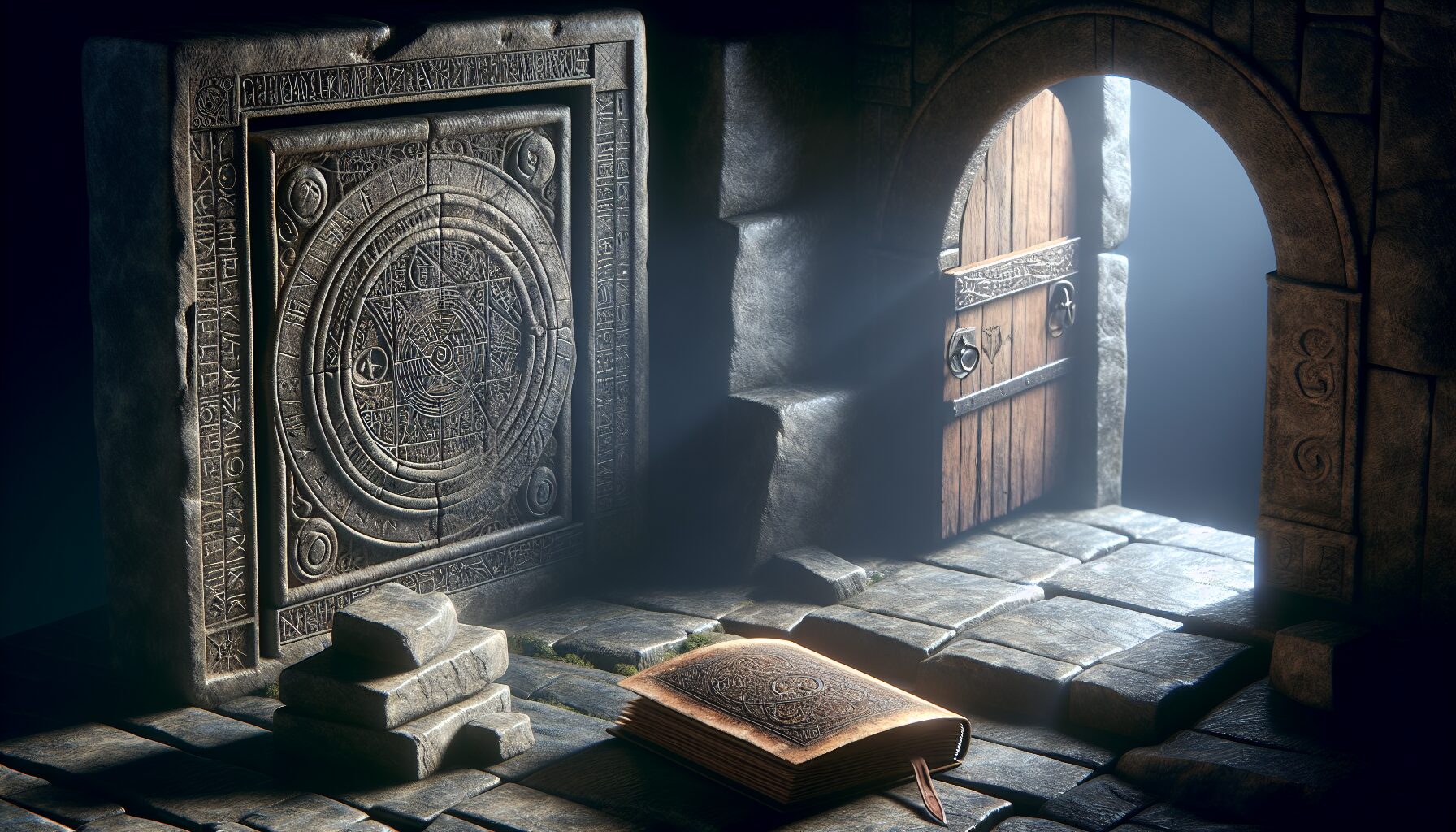
Urban environments, with their fast-paced lifestyles, often mask the subtle enchantments lying beneath their surfaces. Yet, for those willing to seek, the city reveals itself as a labyrinth of hidden occult spaces. Places such as hidden bookstores filled with ancient texts, intimate coven gatherings, and spiritualist reading rooms transform the urban sprawl into a haven for esoteric exploration.
“There is a deeper reality beneath the visible city—a spiritual city within the material one,” writes Alain de Botton, capturing the essence of these mystical enclaves.
Mystical History Woven Into the Urban Fabric
The history of many cities is interwoven with myth and magic. From the ancient alchemists of Paris to the spiritualist movements in New York, urban centers have long been fertile grounds for occult practices. Exploring these historical roots offers a glimpse into how past esoteric traditions continue to influence present-day spiritual landscapes.
- Paris: Often dubbed the city of light and shadow, Paris has been home to notable occult figures, including alchemists like Nicolas Flamel, whose legendary quest for the philosopher’s stone still captivates imaginations.
- London: This metropolis boasts numerous tales, such as the reputedly haunted Highgate Cemetery and the secretive gatherings of the Hermetic Order of the Golden Dawn, a group dedicated to exploring Western esoteric traditions.
- New York: The late 19th-century spiritualist movement found a vibrant community in New York, with figures like Madame Blavatsky bringing Theosophy to the forefront of urban spiritual life.
Modern Manifestations of the Occult
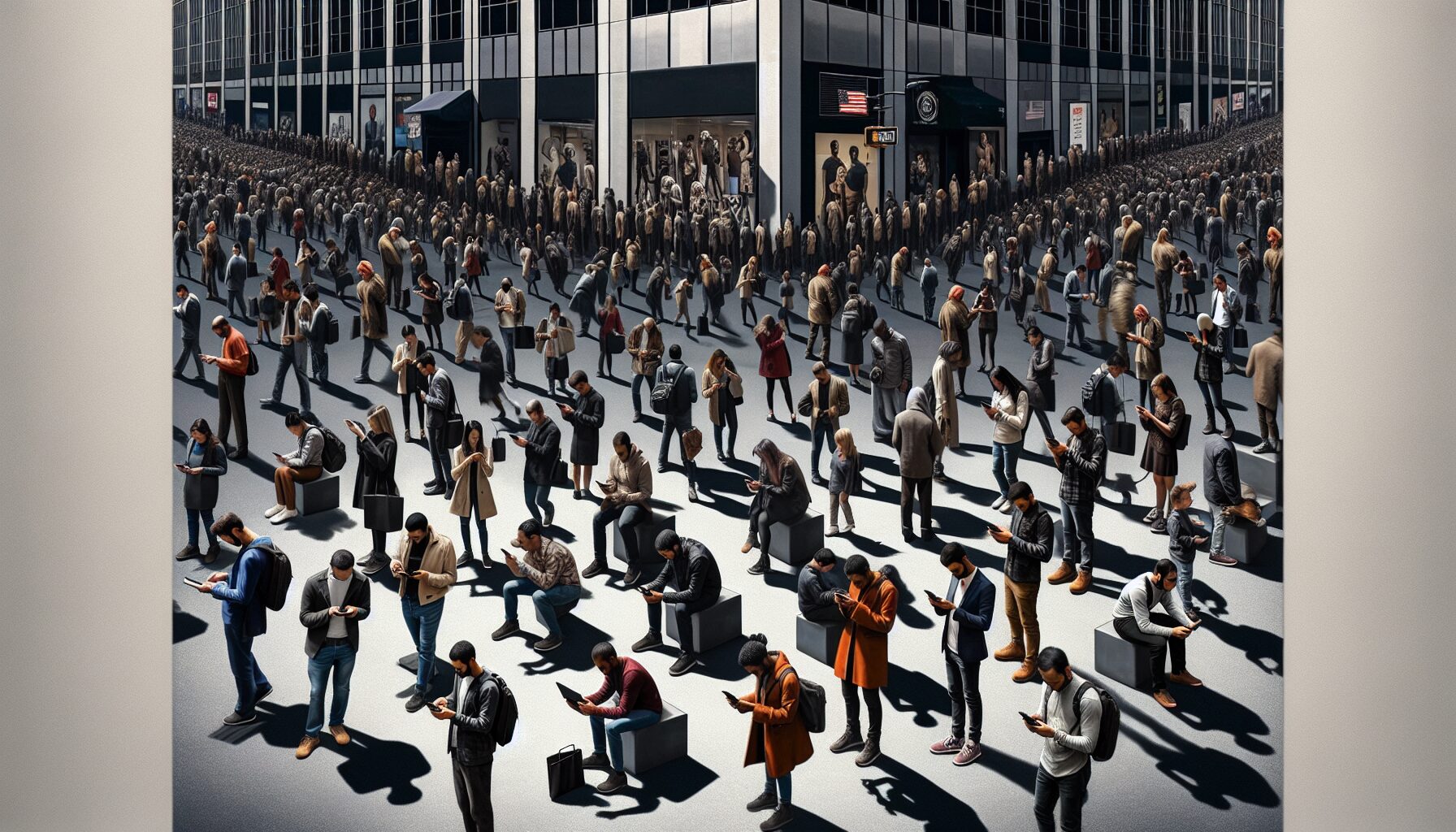
In contemporary cities, the occult thrives within both conventional and unconventional spaces. Mystic shops sell talismans and tarot cards, while online platforms offer virtual communities for those unable to visit physical locations. The accessibility of spiritual practices through social media and digital resources enables an ever-growing community of practitioners.
Esoteric Bookstores: Bookstores dedicated to arcane subjects are hubs for the modern seeker. These stores offer more than just books; they host workshops, tarot readings, and lectures that connect individuals on their spiritual paths. Stores like Watkins Books in London and The Astrology Store in Phoenix are quintessential examples of such spiritual nexuses.
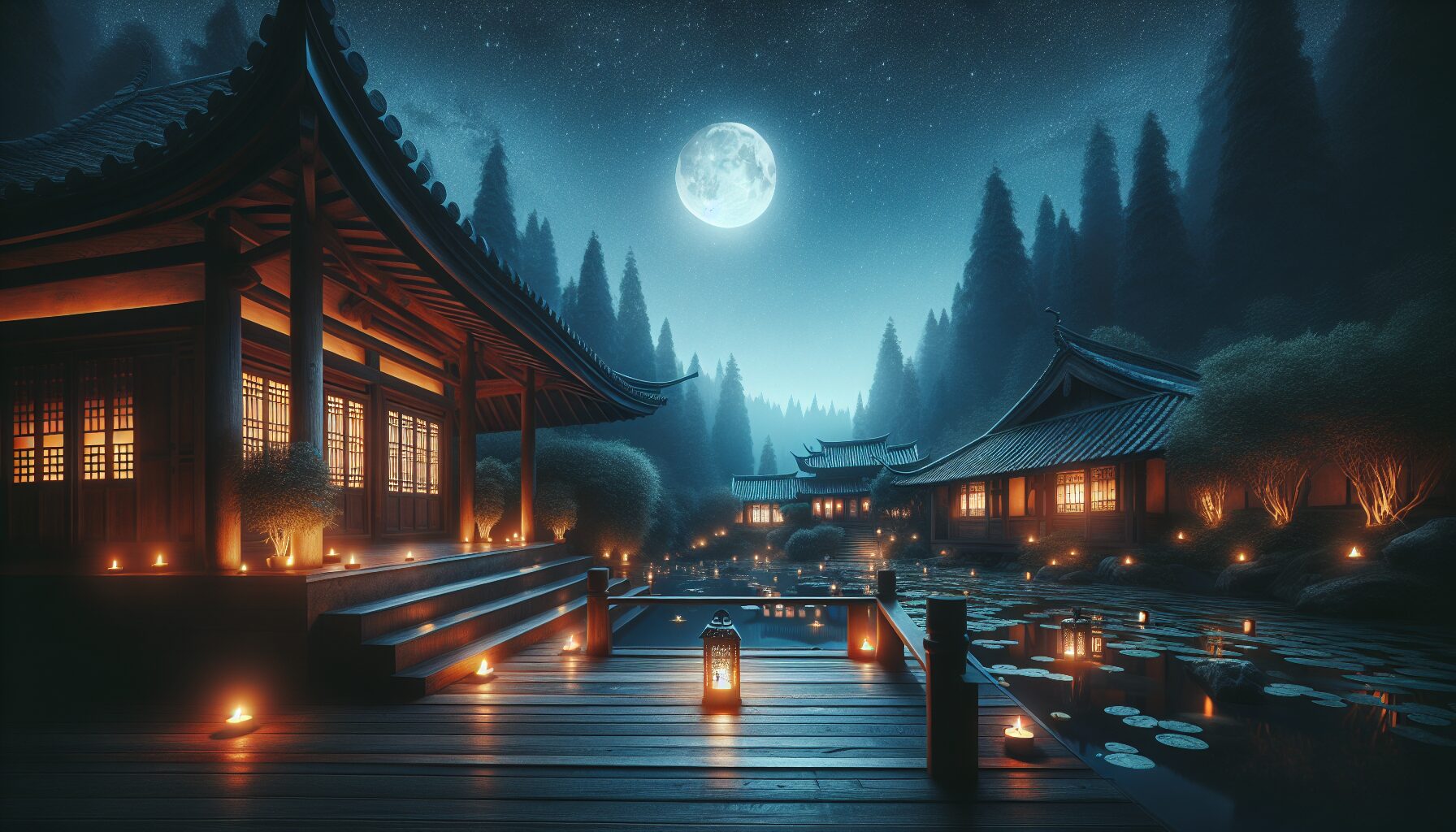
Urban Rituals: In the heart of the city, occult practitioners create sacred spaces for rituals and ceremonies. Rooftop gatherings under a full moon, public city park ceremonies, and private apartment rituals showcase a blend of old traditions with new urban realities.
“The city is not merely a landscape of concrete and steel; it is a world alive with energies waiting to be felt and understood,” notes urban culture analyst Sarah Goode.
Connecting with Urban Spiritual Communities
To truly explore the occult landscape of a city, one must engage with its communities. Meetups, social media groups, and local clubs provide platforms for both novice and veteran practitioners to connect. These networks serve as vital lifelines, facilitating learning and growth within the spiritual practice.
The advent of Meetup and other social networking sites has revolutionized how seekers find and engage with like-minded individuals. Whether through organized meditation groups or informal gatherings, these communities foster a sense of belonging and shared purpose.
Conclusion: The Unseen City
The journey through the occult city is one of discovery, revealing a world layered with mysticism and hidden knowledge. As urban life continues to evolve, the spiritual undercurrents persist, inviting inhabitants to look beyond the material and engage with the mystical tapestry of their environment. In this quest, the true heart of the city is unveiled—not in its skyscrapers and streets, but in its quiet corners and secret gatherings where the occult finds its home.