Author: editor

  • The Forgotten Rituals: DIY Guide

    The Forgotten Rituals: DIY Guide

    The Forgotten Rituals: DIY Guide

    The Forgotten Rituals: DIY Guide

    In a world that races ahead at the speed of technological breakthroughs and constant connectivity, the quiet
    undertones of ancient rituals are often forgotten. Yet, these rituals, steeped in tradition and cultural
    significance, offer a serene counterbalance to our otherwise hectic lives. This guide provides a glimpse into
    some lesser-known rituals across the world and how you can incorporate aspects of these forgotten traditions
    into your daily routine to find meaning and mindfulness.

    The Power of Rituals

    Rituals have been an intrinsic part of human culture for millennia. They offer us a sense of identity and
    community and provide a moment to pause and reconnect with ourselves. As Joseph Campbell once
    said,

    “Rituals are an enactment of myth. By moving into altered space with intention, we invite in something
    sacred that regularly gets ignored in the hustle and bustle of life.”

    Exploring Forgotten Rituals

    Although many rituals are tied to specific cultural events or religious beliefs, others simply celebrate life and
    the rhythm of nature. Here, we delve into a few fascinating rituals from around the globe that you can adapt for
    personal use.

    • The Japanese Tea Ceremony

      The Japanese Tea Ceremony, or Chanoyu, is more than just sipping brewed leaves—it’s a performative art that celebrates mindfulness and simplicity. The ritual is deeply rooted in Zen Buddhism, emphasizing a serene and contemplative atmosphere. To incorporate this into your life:

      • Designate a small space in your home as a tea corner, where you can escape from daily distractions.
      • Choose your favorite tea, and prepare it mindfully, focusing on each step from boiling water to steeping the leaves.
      • Invite a friend or loved one to share in the experience, emphasizing presence and silence.
    • Balinese Offerings

      In Bali, Canang Sari are offerings made to thank the Hindu deities for peace and harmony on Earth. These small, handmade baskets are filled with flowers, rice, and fragrance, symbolizing self-sacrifice. To create your own version:

      • Craft a simple basket using banana leaves or any natural material readily available.
      • Fill it with fresh flowers, herbs, or other items that hold personal significance.
      • Set your intention for the day as you place your offering, focusing on gratitude.
    • Native American Smudging Rituals

      Smudging involves burning sacred herbs like sage to cleanse one’s space and self. It’s an ancient ritual for purifying and bringing balance to the energy in a space. To incorporate smudging:

      • Gather a bundle of sage or palo santo and light the end until it smolders, producing smoke.
      • Move through your space, allowing the smoke to enter every corner, while setting an intention to remove negativity.
      • Once finished, extinguish the sage and express gratitude for the cleansing.

      Note: Always respect the origins of this practice, understanding it’s a sacred tradition for Native Americans.

    Creating Your Own Rituals

    Alongside adopting historical practices, crafting your own rituals can be just as powerful. Here are steps to
    create meaningful rituals tailored to your personal needs:

    • Identify the Purpose: Decide whether your ritual aims to cultivate gratitude, promote relaxation, or achieve another personal goal.
    • Create a Sacred Space: Find a quiet and comfortable area where you won’t be disturbed.
    • Gather Personal Objects: Use candles, crystals, music, or scents that evoke the desired emotions.
    • Set an Intention: Begin your ritual with a clear intention, focusing your thoughts on what you wish to achieve.
    • Reflect and Adjust: After completing your ritual, reflect on how it made you feel and adjust to enhance its effectiveness.

    The Return to Rituals

    The revival of traditional rituals offers a pathway to restoring balance in our lives. Whether you choose to delve
    into an ancient culture’s practice or develop something entirely personal, the grounding effect of rituals is
    undeniable. As we navigate the future with its inevitable innovations, let us not forget the past’s wisdom that
    can guide us to more mindful living.

    Conclusion

    Rekindling the forgotten rituals is akin to rediscovering parts of ourselves that long to be acknowledged. As
    Maria Popova
    writes,

    “Rituals are the placeholders of meaning in our lives, reminders of heritage and habit.”

    Embrace them, and in doing so, embrace a richer, more centered existence.
  • Shadowed Corridors: Exploring Abandoned Places

    Shadowed Corridors: Exploring Abandoned Places

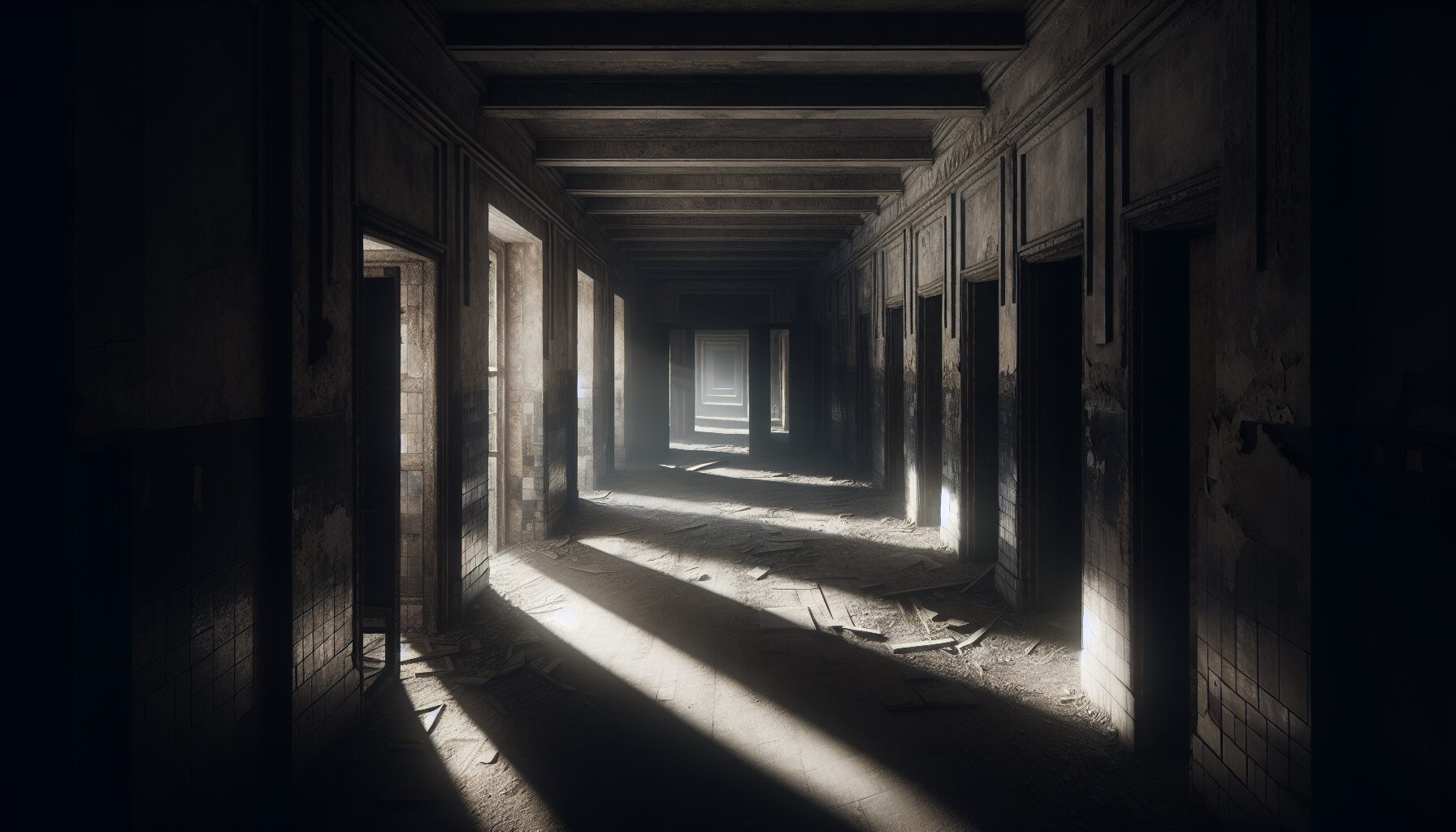
    There is a captivating allure in the abandoned, a silent testimony to the passage of time and the enduring legacy of human ambition. From forgotten factories to deserted theaters, these shadowed corridors tell stories of both past vibrancy and sudden desolation. In this article, we delve into the enigmatic world of abandoned places, exploring their history, charm, and the whispering echoes of the lives that once animated them.

    The Fascination with Abandoned Places

    The allure of abandoned sites often stems from their mysterious nature. According to The Atlantic, these spaces provoke a blend of curiosity and nostalgia. “There’s something hauntingly beautiful about places that have been left to the mercy of time,” notes urban explorer John Willard, “They are snapshots of a world that, in its haste to move forward, forgot to bring everything along.”

    Historical Narratives Encased in Ruins

    Each abandoned place has a story to tell. Take, for instance, the haunting halls of the Pripyat in Ukraine, left deserted after the Chernobyl disaster in 1986. Once a vibrant, burgeoning city, it now stands as a chilling reminder of the catastrophic implications of nuclear power gone awry. The town’s faded Soviet murals and decaying amusement park rides stand as poignant relics of the past.

    Similarly, the urban decay of Detroit tells a tale of industrial decline. Once a thriving hub, the decline of the American automobile industry left a landscape dotted with abandoned factories and homes. In some ways, the remains of these buildings serve as a stark canvas upon which the narrative of economic shifts and societal changes can be read.

    Exploration: A Journey through Decay

    For urban explorers, known as “urbexers,” stepping into these places is much more than an adventure—it’s a pilgrimage. They are drawn to the aesthetic of decay, where rust and ruin coalesce into unexpectedly stunning art forms.

    “The beauty of abandonment is its raw vulnerability,” says photographer Laura Iverson. “Each visit feels like a whispered secret between the walls and me.”

    • Infrared Photography: Some explorers use infrared photography to capture the eerie, otherworldly beauty of these sites, further enhancing their mysterious allure.
    • Videography: Others create haunting documentaries that chart their explorations, aimed at preserving these places in digital eternity.

    Safety and Legal Considerations

    Despite their appeal, abandoned places can be fraught with danger. Unstable structures, hazardous materials, and unauthorized access are real concerns. Explorers are often reminded of the motto “Take only pictures, leave only footprints.” It is essential to research and adhere to local laws, as trespassing can result in significant fines or penalties.

    Moreover, safety gear is indispensable. Wearing sturdy boots, gloves, and sometimes respirators can protect against potential hazards such as asbestos and sharp debris. Utilizing flashlights and reliable communication devices can help navigate these often dimly-lit, expansive places.

    The Cultural Impact of Abandonment

    Abandoned places have also left an indelible mark on pop culture. Movies like “28 Days Later” and series like “The Walking Dead” use abandoned urban settings to evoke a sense of foreboding and isolation. These representations tap into the universal fear of what could be lost, as well as the dystopian allure of what might arise from the ashes.

    Moreover, literature and art persist in exploring these themes, using ruins as metaphors for fallen empires, lost civilizations, and forgotten dreams. Sites like Detroit and Pripyat feature prominently in exhibitions and photography books that aim to capture their unique blend of beauty and desolation.

    Preserving the Past

    Efforts are increasingly being made to preserve some of these spaces as historical sites and museums. The crumbling remains of old buildings are seen not just as relics of failure but as opportunities for renewed cultural engagement and learning.

    The Plymouth Cordage Company in Massachusetts, once one of the largest rope manufacturers in the world, now serves as a rejuvenated commercial space while maintaining its historical charm. Similarly, the ghost towns of the American West, though silent, speak volumes about the dreams and hardships of the country’s early settlers.

    Conclusion

    Abandoned places are more than just deserted spaces; they are vibrant tapestries woven from stories of life, ambition, and entropy. They challenge us to ponder the impermanence of human endeavors and invite us into a dialogue with history itself. As they stand, silent yet resonant, these shadowed corridors will continue to captivate and inspire generations to explore not just with their eyes, but with their hearts and minds.

  • Night Bazaar: Surreal Market Experiences

    Night Bazaar: Surreal Market Experiences

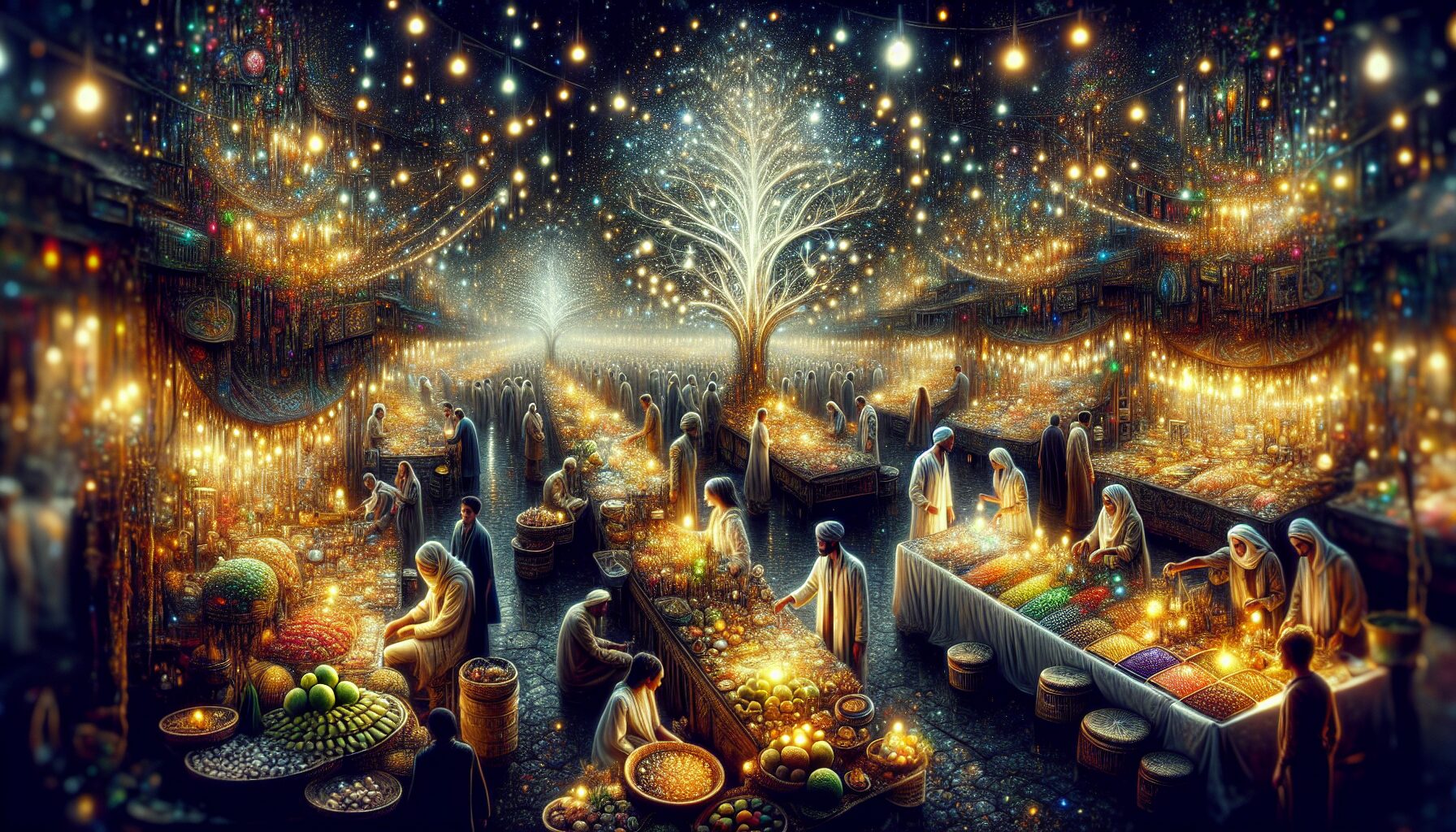
    Night bazaars are a mesmerizing blend of sights, sounds, and scents, offering a unique experience that transcends the ordinary. These nocturnal markets, found in various parts of the world, are as much about the ambiance as they are about shopping. They offer a sensory overload that entices visitors to wander through their vibrant stalls and bustling alleys, often long into the night.

    The Origins and Evolution of Night Bazaars

    The concept of a night market dates back centuries, originating from the traditional souqs in the Middle East and sprawling street markets in Asia. Historically, these markets were established to avoid the oppressive heat of the day, allowing merchants and buyers to transact in the comfort of cool, evening breezes. According to Al Jazeera, early night markets were not only hubs of commerce but also centers of socialization and cultural exchange.

    As societies evolved, so did these markets. Today’s night bazaars have expanded to become cultural phenomena, showcasing a mix of traditional and contemporary elements. From street food vendors hawking local delicacies to artisans displaying intricate handicrafts, these markets cater to both locals and tourists, providing a taste of local life and culture.

    The Allure of Street Food

    • Sizzling Delights: The aroma of grilled meats and spices permeates the air, making the food offerings a cornerstone of the night bazaar experience. Favorites might include satay skewers in Malaysia, kebabs in Turkey, and taco stands in Mexico.
    • Sweet Temptations: Sugar-dusted churros, syrup-soaked baklava, and vibrant macaroons challenge even the staunchest sweet tooth.
    • Local Specialties: From Thailand’s famous Pad Thai to Nigeria’s Jollof Rice, street foods offer an authentic taste of the local cuisine, prepared fresh for every customer.

    The significance of food in night bazaars is perhaps best encapsulated by Anthony Bourdain, who once said, “Street food, I believe, is the salvation of the human race.”

    Artisans and Crafts: A Handmade Haven

    The creative spirit of a region is often reflected in the crafts found within its night bazaars. Artisans showcase handmade goods, each with a story woven into its fabric. Visitors can find:

    • Textiles: Vibrant tapestries and intricate weavings that tell the history and traditions of the area.
    • Jewelry: Unique, handcrafted pieces that often incorporate local materials and designs.
    • Art: Paintings, sculptures, and pottery that capture the imagination.

    The authenticity of these crafts is a draw for collectors and casual shoppers alike, with each piece serving as a tangible memory of the bazaar experience.

    The Market as a Cultural Melting Pot

    Night bazaars are more than just commercial spaces—they are vibrant cultural hubs where music, dance, and art are showcased amidst the stalls. Street performers and musicians add to the eclectic atmosphere, creating a lively soundtrack for the evening’s activities. As noted by travel writer Rick Steves, “Cultural exchange is not only enriching but also necessary,” and night bazaars provide the perfect setting for such exchanges.

    “In the swirl of colors and languages, one realizes that a night bazaar is a true microcosm of a global village.” — The Daily Traveler

    Iconic Night Bazaars Across the Globe

    Chiang Mai Night Bazaar, Thailand

    Perhaps one of the most famous night markets, the Chiang Mai Night Bazaar spreads over several city blocks and is a sprawling mix of vendors selling everything from traditional Thai silks to counterfeit watches. It’s a shopper’s paradise where haggling is considered a game.

    Marrakech Souks, Morocco

    Although not strictly a night bazaar, the evening ambiance within the Marrakech souks is undeniably enchanting. As the call to prayer sounds, the market transforms into a magical arena of flickering lanterns and aromatic spices.

    Temple Street Night Market, Hong Kong

    Known for its vibrant atmosphere, Temple Street Night Market is the epitome of a bustling bazaar. It’s famous for fortune-tellers, street performers, and stalls offering everything from electronics to jade trinkets.

    Conclusion: More than Just a Market

    In essence, night bazaars offer far more than a shopping experience. They are a window into the soul of a city, encapsulating its history, culture, and vitality. As darkness falls, they come alive, casting a surreal spell on all who wander within their glowing labyrinths. For travelers and locals alike, these markets promise a kaleidoscope of memories where each visit offers a new discovery.

    Whether you’re in search of a unique souvenir, a delectable meal, or simply an adventure, night bazaars envelop you in their enchanting embrace, making it an experience to be relished and remembered.

  • The Paper Relic: Creating Tangible Memory

    The Paper Relic: Creating Tangible Memory

    The Paper Relic: Creating Tangible Memory

    The Paper Relic: Creating Tangible Memory

    In a rapidly digitalizing world where almost everything from photographs to correspondence exists in some ethereal form, the significance of physicality sometimes seems to diminish. Yet, there remains an ineffable charm in tangible memories—a charm best epitomized by the paper relic. From letters yellowed by time to notebooks filled with thoughts, the paper relic stands as a testament to enduring memories.

    The Historical Context of Paper

    The invention of paper marked a pivotal turning point in human history. As aptly put by Tsien Tsuen-Hsuin in A History of Paper, “Paper is an invention of the first consequence for the spread of human culture and dissemination of information” (Tsien, 1980).

    Paper originated in China around 105 AD, attributed to Cai Lun. This remarkable invention facilitated the documentation and dissemination of ideas, becoming fundamental to historical documentation, culture, and education. The transition from oral traditions and stone carvings to manual scripts and printed books revolutionized how history was preserved and shared.

    Personal Memories Imprinted on Paper

    One integral aspect of a paper relic is its personal nature. Handwritten letters or journals often carry a sense of intimacy, providing a reflection of an individual’s life and emotion. These documents serve not only as a personal outlet for expressions but also as historical artifacts of personal experiences.

    Journals and Diaries: These personal records offer a window to the diarist’s soul. The musings of Anne Frank, recorded in her renowned diary, continue to resonate and educate. Her diary, originally penned on paper, tells an enduring story of resilience amidst turmoil.

    • The tangibility of a diary acts as a bridge, connecting the reader with the writer across time.
    • It serves as an introspective canvas where thoughts transform into words.

    Letters: A Romance with Pen and Paper

    Letters have forever been harbingers of personal and historical narratives. Whether it’s the richly descriptive letters of Vincent van Gogh to his brother Theo or the poignant wartime correspondences between loved ones, letters encapsulate profound connections and cultural exchanges.

    “Letters are among the most significant memorial a person can leave behind them” (Johann Wolfgang von Goethe).

    The tactile interaction with paper—the effort of shaping words, the dry imprint of ink—renders each letter unique. Today, the revival of the art of letter writing is observed among a new generation seeking a deeper connection than what digital text may offer.

    The Craft of Scrapbooking

    Scrapbooking represents the artistic assembly of paper relics. This activity transforms collections of photos, letters, and mementos into personalized books recounting cherished memories. Originating in the 15th century, this hobby has evolved to reflect the creativity of its pursuers.

    Significance of Scrapbooks:

    • They are catalysts for nostalgia, providing a tactile means to revisit moments with sentimental value.
    • Scrapbooks act as handcrafted stories, connected by thematic embellishments and the creativity of the scrapbooker.

    The Resurgence of Analog Media

    In an era dominated by smartphones and digital cameras, there is a perceptible renaissance of analog media, including film photography and typewritten notes. The inherent unpredictability of film, with its grain and texture, provides a richer canvas for memories to reside.

    This rebuttal to the excesses of digital life is mirrored in the growing popularity of typewriters for writing personal notes. The clickety-clack of a typewriter is as much an auditory memory as it is visual, adding another dimension to the recollection process.

    The Psychological Impact of Tangibility

    Psychologists assert that tangible objects enhance cognitive memory by creating multi-sensory experiences. The journal of Sage Publications discusses how physical and emotional engagement with materials like paper can improve recall and invoke stronger emotions.

    “The physical act of writing something down appears to leave a deeper imprint on the memory,” says Amy Knapp, a psychologist specializing in memory and cognition.

    Conclusion

    The resonance of the paper relic lies in its capacity to anchor memories in the real world. It *bridges* capricious memory and materiality, allowing experiences to be relived in their original form—perceptible, immediate, and enduring. As we move further into the digital age, the allure of the paper relic grows stronger, reminding us that sometimes, permanence can be gently folded within a simple piece of paper.

    The paper relic is more than just a keepsake; it is history, memory, and identity tightly rolled into one potent artifact, creating an indelible impact that technologies like artificial intelligence or digital storage can scarcely replicate. Whether through cherished letters, intimate journals, or creatively arranged scrapbooks, paper relics weave stories of past, present, and future with every fiber of their being.

  • Dusty Windows: Urban Decay Photography

    Dusty Windows: Urban Decay Photography

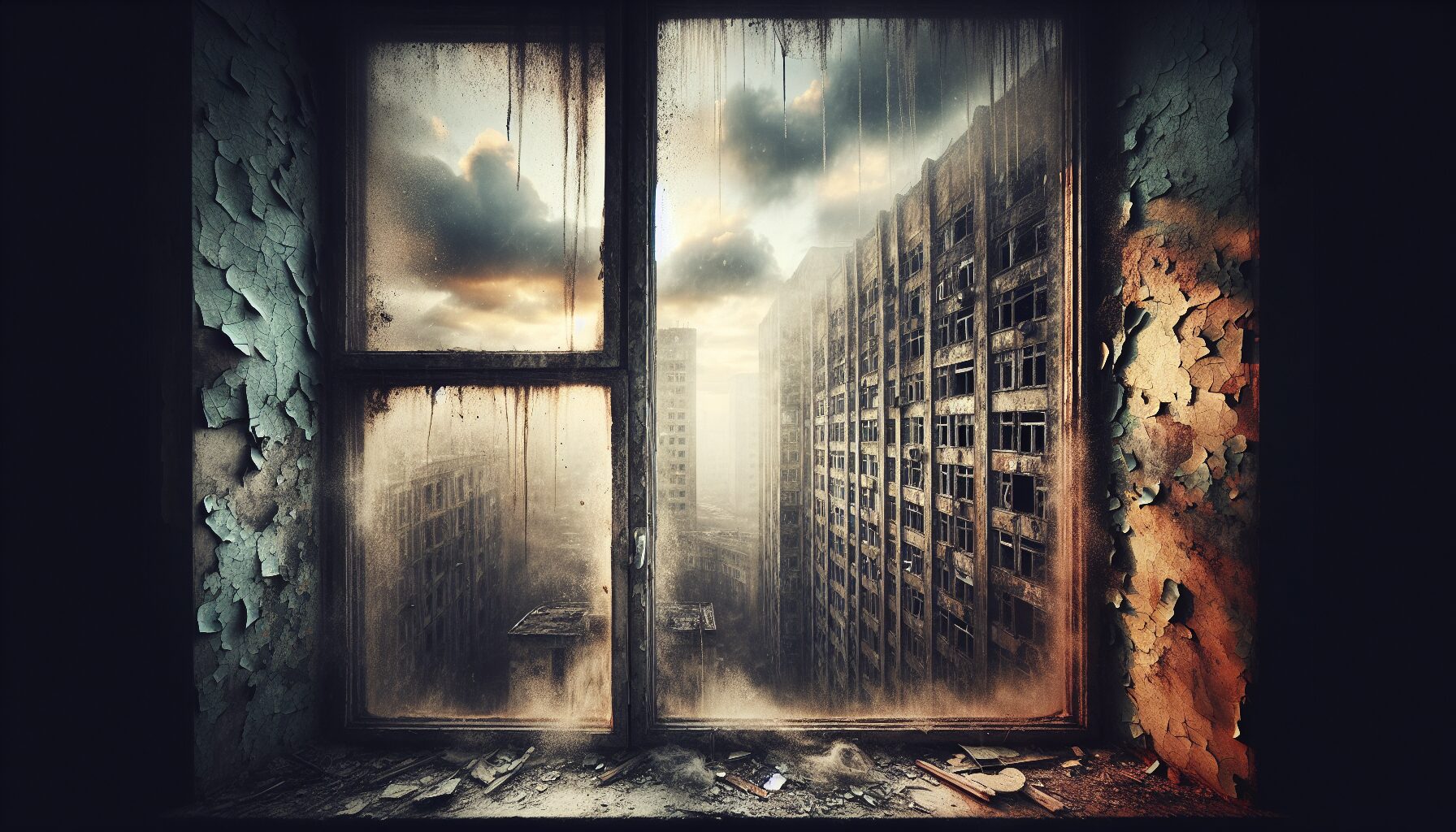
    Urban decay photography is an art form that invites the viewer to explore the beauty in desolation and abandonment, capturing scenes of neglect while evoking a sense of history, nostalgia, and sometimes eeriness. With dusty windows, peeling paint, rusting metal, and overgrown vegetation, these images speak volumes about the passage of time and the stories that have unfurled within these aging structures.

    The Allure of Urban Decay Photography

    The attraction to urban decay photography often stems from its ability to evoke emotions that are both haunting and profound. This genre taps into the human fascination with ruins and their historical significance. As structures crumble, they tell the stories of the people who once inhabited them, their dreams, their failures, and ultimately, their abandonment.

    “Ruins are the visible symbols and landmarks of our societies and our cultures. They are the unconscious projections of our own desires. They are the places people want to escape to.” — The New York Times

    • Nostalgia and History: Many photographers are drawn to the historical aspect of urban decay. They relish the opportunity to document once-thriving institutions now succumbing to the march of time.
    • Textural Beauty: The textures found in decaying environments—the cracked walls, peeling wallpaper, and rusting metal—provide a canvas that is unmatched by new and pristine edifices.
    • Mood and Atmosphere: The moodiness of a decaying urban landscape provides photographers with a backdrop that no studio could replicate. It’s real, raw, and tangible.

    The Techniques Behind Capturing Decay

    To effectively photograph these decaying urban landscapes, photographers employ a variety of techniques. Craftsmanship is key in capturing the right ambience and detail.

    • Lighting: Natural light is often the photographer’s best friend when capturing the somber tones of urban decay. The play of shadows and light through broken windows and door frames can dramatically enhance the moodiness of the image.
    • Composition: Effective composition is essential to tell the story behind the decay. Positioning elements such as staircases, corridors, and broken windows can guide the viewer’s eye through the scene.
    • Post-Processing: Post-editing software allows photographers to enhance details and textures that might not be immediately visible. Converting images to black and white can heighten the sense of nostalgia and mood.

    Ethics and Safety in Urban Decay Photography

    While the allure of capturing the sublime beauty of decay is strong, photographers must also remain aware of the ethical and safety considerations involved.

    • Permission and Trespassing: Many abandoned sites are private property, and entering without permission can be illegal and dangerous. It is crucial to seek proper authorization before venturing into such areas.
    • Safety Precautions: Old buildings can be structurally unstable, presenting risks like falling debris or weak floors. Photographers need to take precautions such as wearing sturdy footwear, using masks, and having a reliable light source.
    • Respect for History: Urban decay photographers are stewards of the past. It’s important to document with integrity, ensuring that these forgotten places are preserved through photographs without causing damage or disturbance.

    “Ethically, you shouldn’t alter what you find. These places tell a story, and it’s not our place to say what that story should be—or to rearrange it for aesthetic reasons.” — PetaPixel

    Notable Urban Decay Photographers

    Several photographers have made significant contributions to the field of urban decay photography. Their work captures the essence of this unique art form and inspires upcoming photographers.

    • Camilo José Vergara: Known for documenting the decline of urban America, Vergara has an extensive archive that paints a vivid picture of cities like Detroit.
    • Tom Kirsch: Founder of the website Opacity, Kirsch’s work focuses principally on the grandiose architecture of abandoned hospitals, factories, and asylums.
    • Yves Marchand and Romain Meffre: Their joint work on abandoned theaters and factories celebrates the detailed decay of stunning architecture.

    The Creeping Impact of Urbanization

    Urban decay photography also serves as a commentary on the effects of urbanization. As cities grow and change, old buildings are often left behind, their stories obscured by the modern world. Through the lens of these photographers, viewers are forced to reckon with the transient nature of human-built environments and the continuous cycle of development and obsolescence.

    These photographs do not just display the past; they push viewers to ask critical questions about industry, economic shifts, and social changes. Why were these places abandoned? What forces led to their negligence? In pondering these questions, urban decay photography highlights the impermanence of our creations and the enduring nature of nature itself.

    Conclusion

    Urban decay photography, with its dusty windows and haunting emptiness, is more than just an artistic pursuit; it’s a chronicle of time and transformation. It invites us to consider not only the narrative of the structure itself but also the broader societal changes it represents. In the textures of rust and dust, we find not just decay, but a dialogue with the past.

  • The Last Confession: Audio Stories

    The Last Confession: Audio Stories

    In recent years, there has been an unprecedented resurgence in the popularity of audio storytelling. From gripping murder mysteries to profound personal narratives, audio stories have captivated audiences, offering a unique blend of intimacy and immersion. Among the myriad podcasts and audio novels, one genre that has particularly intrigued listeners is the concept of “The Last Confession.”

    The Power of the Spoken Word

    Audio stories have a unique power rooted in the human desire for storytelling. According to Valerie Kalfrin, writer at No Film School, “the auditory experience sparks imagination, trust, and even the empathy needed to transport listeners into different worlds.” The act of listening is a personal journey—one that leaves much to the imagination and allows the listener to create a tailored visual experience.

    The Allure of Confession

    Confessions have always held a mystique, pulling listeners into the raw and unfiltered corners of human experience. The act of confessing can be seen as a cathartic release and an opportunity for redemption. Audio stories that revolve around final confessions often reveal a character’s deepest fears, regrets, and triumphs, offering an emotional depth that is both engaging and haunting.

    The Emerging Genre of “The Last Confession”

    “The Last Confession” represents a burgeoning subgenre in audio storytelling where the central theme revolves around characters divulging their deepest secrets, fears, and regrets at the brink of death or significant life changes. This concept strikes a chord with audiences by blending mystery, tension, and empathy—all hallmarks of compelling storytelling.

    “We are drawn to stories about darkness—of crime and confession—because they fulfill a need for both intrigue and psychological acumen,” suggests Megan Garber in her article on The Atlantic.

    Characteristics of “The Last Confession” Audio Stories

    • Emotional Depth: These stories delve into the psychological landscape of the confessing individual, providing insights into moral dilemmas and personal regrets.
    • Mystery and Suspense: The unknown elements of a character’s confession keep listeners on the edge, eager to uncover hidden truths.
    • Universal Themes: Life, death, guilt, and redemption are explored in a way that resonates with a wide audience.

    Successful Examples in the Genre

    Numerous podcasts and audio serials have successfully tapped into this genre, creating captivating narratives that leave a lasting impact on their listeners. Some noteworthy examples include:

    • Serial: A critically acclaimed podcast that explores complex narratives, often involving deep confessions that unravel with each episode.
    • Criminal: A podcast that highlights intriguing stories from confessions to criminal tales, showcasing the raw humanity behind every crime.
    • Undisclosed: This podcast delves into the nitty-gritty of criminal cases, often revisiting cases where confessions play a pivotal role.

    The Role of Technology in the Rise of Audio Stories

    Technological advancements have played a crucial role in propelling the audio storytelling movement. With the ubiquity of smartphones and the rise of smart speakers, audiences have unparalleled access to content. Streaming services such as Spotify and Apple Podcasts provide platforms for storytellers to reach millions with ease.

    Additionally, the technological strides in audio equipment have enabled creators to produce high-quality narratives that reflect the nuances in voice, background sound, and storytelling techniques, enhancing the listener’s experience even further.

    The Future of Confessional Audio Stories

    The potential for growth in this genre appears limitless as more creators and audiences are drawn to the intimate and immersive nature of audio stories. As the genre of “The Last Confession” develops, the scope for exploring various social, psychological, and philosophical themes broadens. Perhaps most significantly, these stories provide a platform for overlooked voices and narratives, giving listeners a new perspective on the beautiful complexities of human nature.

    In a world increasingly consumed by visual media, the allure of audio stories and their confessional nature shines bright, promising to engage and inspire listeners for years to come.

    Conclusion

    As audio stories continue to evolve, the fascination with “The Last Confession” illuminates our collective yearning for authenticity, connection, and understanding. These stories tap into the fundamental aspects of what it means to be human, offering a deep, empathic look into the lives and minds of others. Whether drawn by the realness of a confessional tale or the suspense of unfolding mysteries, listeners are left contemplating their own truths long after the story ends.

  • Ashes in the Attic: Micro-Essays on Memory

    Ashes in the Attic: Micro-Essays on Memory

    Ashes in the Attic: Micro-Essays on Memory

    Ashes in the Attic: Micro-Essays on Memory

    The human memory is as fragile as it is powerful, often acting as both a treasure trove and a receptacle for forgotten relics. In “Ashes in the Attic: Micro-Essays on Memory,” we explore the intricate dance between remembrance and oblivion through a series of micro-essays that delve into personal anecdotes, scientific insights, and philosophical musings.

    The Shadow of Recollection

    “Memory is the treasury and guardian of all things.” – Cicero

    Memories often lie hidden like shadows beneath our consciousness, waiting for a beam of light to bring them to life. The attic of our minds is filled with dusty boxes labeled with half-forgotten tales and deeply etched experiences. Yet, it’s the shadows themselves that often tell the most vivid stories, revealing truths we hadn’t considered when they first appeared.

    Psychological Perspectives

    According to psychologists, memory is not a single, static entity, but a complex process involving several different systems and mechanisms. The American Psychological Association suggests this complexity means our memories are not always as reliable as we might think.

    • Short-Term Memory: The ability to hold information in our minds for a brief period.
    • Long-Term Memory: The storage system where information is kept for extended periods.
    • Episodic Memory: Personal experiences and specific events, including contextual details.
    • Semantic Memory: General world knowledge that we have accumulated throughout our lives.

    The Art of Forgetting

    “The act of forgetting is one that can heal, but it can also hinder.” – Anonymous

    Forgetting is often portrayed as a thief in the night, but it can also be a quiet healer. While we may mourn the loss of certain memories, the act of letting go can provide relief and space for new experiences. As research published in Nature suggests, forgetting plays an essential role in our ability to maintain a healthy mind.

    Memory as a Narrative

    Our memories craft the narratives of our lives, shaping our identities and providing continuity to our stories. As philosopher John Locke proposed, our sense of self is intrinsically linked to the memories we carry. The stories we tell ourselves about who we are often hinge on the selective reconstruction of past experiences, illustrating how memory is not just recording but storytelling as well.

    Technology’s Impact on Memory

    In an age where digital devices augment our natural capacity for memory, the question arises: Do we still rely on the dusty attics of our minds, or are we outsourcing our memories to technology? The Atlantic discusses how our dependence on devices to capture moments might alter the way we recollect them, potentially shifting the landscape of recalling from intrinsic to extrinsic storage.

    The Fragile Beauty of Memory

    Despite our best efforts to preserve it, memory is inherently fragile. The exquisite nature of reminiscence reminds us of the beauty in transience. When approached with a mix of reverence and acceptance, these “ashes in the attic” turn from clutter to cherished mementos of the life paths we have chosen and the lessons we have learned along the way.

    Conclusion

    Ultimately, “Ashes in the Attic: Micro-Essays on Memory” encourages us to embrace the inconsistent, sometimes fallible nature of memory. As we sift through the mental artifacts stored away in our attics, we learn to appreciate the significance and impermanence of each recollection, understanding that memory shapes us as much as we shape it.

  • Ritual Cartography: Mapping Spiritual Spaces

    Ritual Cartography: Mapping Spiritual Spaces

    The concept of ritual cartography might initially appear as an intersection of disparate fields—geography and spirituality. However, this unique blend offers profound insights into how humans interpret and interact with spiritual spaces and landscapes. Exploring this concept involves understanding how spiritual practices are mapped out, both physically and metaphorically, across landscapes and within communities. This journey highlights the significance of ritual spaces and their transformative impact on human consciousness.

    Understanding Ritual Spaces

    Ritual spaces are locations where spiritual practices and ceremonies are performed. These can range from ancient stone circles, like Stonehenge, to modern-day places of worship. As anthropologist Victor Turner noted, “A ritual is like a journey, and the ritual space a map that traces the road.” These spaces are imbued with significance, often marked by cultural, historical, and symbolic layers that communicate profound meanings to their participants.

    Humans have been creating and using ritual spaces for millennia, and these spaces serve as focal points for communal identity, storytelling, and spiritual practices. Today, ritual spaces continue to be dynamically linked to how communities envision the sacred and enact their beliefs.

    The Cartographer’s Role in Ritual Spaces

    Cartography, the study and practice of making maps, plays a crucial role in ritual spaces. The act of mapping these spaces not only marks physical locations but also brings to light their symbolic dimensions. Cartographers translate spiritual and ritualistic practices into visual forms that can be interpreted and studied.

    Cartographers often rely on a combination of traditional mapping techniques and ethnography. They consider geographical features and the spiritual narratives that overlay them. For instance, the mapping of Mount Kailash in Tibet offers insight into how a physical space is perceived spiritually. Mount Kailash is revered in several religions including Hinduism, Buddhism, and Jainism, each of which ascribes different spiritual meanings to its features.

    Symbolic Landscape and Spiritual Narratives

    Ritual cartography often transcends physical dimensions, delving into the metaphysical space created by spiritual narratives. This symbolic landscape is populated with myths, legends, and religious teachings that are grounded in physical locations. These narratives serve to deepen the spiritual resonance of a site, transforming simple geographical locations into sacred spaces.

    For example, the Plains of Abraham in Canada host a rich tapestry of history and spirituality. Initially a battleground, they now symbolize various socio-cultural identities intertwined with ecological and ceremonial practices of the First Nations. Such sites demonstrate how ritual cartography can encompass both cultural remembrance and spiritual renewal, charting a path between past and present.

    Modern Technologies and Spiritual Mapping

    In recent years, advancements in technology have revolutionized how we engage with ritual spaces. Technologies such as GIS (Geographic Information Systems) and remote sensing are now being employed to map spiritual sites across the globe. These technologies provide new insights into the layout and scope of historical ritual spaces, revealing hidden structures or previously unknown aspects of known sites.

    “By interpreting spiritual landscapes through GIS, we can appreciate not only the physical but also the symbolic connections these sites maintain,” says Maria Lobo, a geospatial analyst specializing in cultural landscapes.

    Virtual reality (VR) has also made it possible to experience ritual spaces in previously unimaginable ways, offering digital pilgrimages and immersive encounters with sacred spaces that may be inaccessible due to distance or preservation concerns.

    The Impact of Ritual Cartography

    Mapping spiritual spaces allows us to preserve sacred narratives and comprehend the geographical expressions of faith. It enables present and future generations to connect with inherited and evolving spiritual identities. Understanding the spatial dimensions of rituals encourages appreciation for cultural diversity and promotes cross-cultural dialogue.

    Ritual cartography also highlights the geopolitical aspects of spiritual spaces: the conflicts over sacred sites, accessibility issues, and the interplay between different religions and cultural practices. By documenting and recognizing these spaces, peace-building and community engagement initiatives can be fostered, offering reconciliation and mutual understanding in areas fraught with historical tensions.

    Conclusion

    Ritual cartography serves as a bridge between the physical and metaphysical, documenting human interactions with sacred spaces throughout history. It respects and preserves the myriad expressions of human spirituality, allowing for a deeper understanding of our world and ourselves. As technology continues to evolve, so too will our methods of capturing and interpreting the stories contained within ritual maps, continually offering fresh insights into the sacred dimensions of our landscapes.

    “`

  • Letters from the Hollow: Epistolary Experiments

    Letters from the Hollow: Epistolary Experiments

    Letters from the Hollow: Epistolary Experiments

    Introduction to Epistolary Storytelling

    The art of epistolary storytelling breathes life into narratives through a series of letters, newspaper clippings, emails, or diary entries that reveal the inner thoughts and happenings of characters from a deeply personal perspective. This narrative device offers readers an intimate glimpse into the minds of its characters, blurring the lines between reader and narrator, and engaging them in a unique and immersive storytelling experience.

    The Historical Roots of Epistolary Narratives

    The epistolary form is one of the oldest methods of storytelling, with examples dating back to ancient times. In its long history, this form has evolved, capturing the imaginations of readers with its authenticity and directness. Notable historical examples include Samuel Richardson’s Clarissa and Bram Stoker’s Dracula.

    “The power of the epistolary novel lies in its ability to let readers peer into the hearts of its characters through their own words.” — Literary scholar Robert McCrum

    Modern Epistolary Experiments

    In contemporary literature, authors have pushed the boundaries of the epistolary form, experimenting with new mediums and formats that reflect the digitally connected world we live in today. Social media platforms, emails, and text messages have become the modern-day letters, reshaping how stories are told and experienced.

    Digital Storytelling and Social Media

    With the rise of digital communication, epistolary storytelling has spread into platforms like Twitter, Instagram, and blogs. Authors create entire worlds within the constraints of character limits or visual posts, such as David Mitchell, who released his short story, The Right Sort, entirely on Twitter in a series of 280-character tweets.

    Epistolary Novels that Transcend Mediums

    Books like Robin Sloan’s Mr. Penumbra’s 24-Hour Bookstore successfully integrate technology and traditional literary forms, using emails printed as part of the narrative to enhance the story’s modern context. Another noteworthy mention is Steven Hall’s The Raw Shark Texts, which cleverly incorporates visual text and abstract layouts alongside conventional prose.

    Reader Engagement and Interpretation

    The epistolary form requires active reader engagement as they piece together the narrative from disparate pieces. This form of storytelling invites readers to interpret and connect the dots, creating a more participatory experience. As the lines blur between fiction and correspondence, readers might even find themselves questioning the nature of truth within the story.

    “Each letter reveals pieces of the puzzle, urging readers to become detectives in their own right.” — The Guardian

    The Future of Epistolary Storytelling

    As technology progresses, the possibilities for epistolary storytelling are limitless. Virtual reality and augmented reality offer avenues for epistolary narratives to become even more immersive. Imagine stepping into a virtual world where you can read letters as they are being written or engage in real-time conversations that advance the story.

    Interactive Epistolary Experiences

    Interactive fiction is taking epistolary storytelling into new terrain. Platforms like Twine allow writers to craft stories that branch off in multiple directions based on reader choices, creating a dynamic narrative that is unique to each reader’s journey.

    The Soul of Epistolary Storytelling

    Regardless of technological advancements, the heart and soul of epistolary storytelling remain unchanged—the power of intimate, personal communication. As long as humans have stories to tell and emotions to express, the epistolary form will endure, continuously reshaping itself to reflect the times.

    Conclusion

    Letters from the Hollow: Epistolary Experiments serves as a testament to the enduring power of the written word, capturing fleeting thoughts and emotions through letters and digital correspondence. As writers push the boundaries of storytelling, the epistolary form will continue to evolve, forging new paths for creative expression, ensuring that every hollow is filled with the sound of letters calling out, eager to be read and understood.

  • The Invisible Choir: Songs for the Departed

    The Invisible Choir: Songs for the Departed

    In a world characterized by constant noise and ceaseless chatter, there exists a serene realm where silence is golden, but melodies echo through the ether—an ethereal sphere occupied by The Invisible Choir. This imagined ensemble sings for those who have departed, offering a haunting yet beautiful testament to lives once lived and stories worth remembering.

    “Music is the divine way to tell beautiful, poetic things to the heart,”

    – Pablo Casals

    The concept of music as a form of communication with the departed is not new. Across different cultures and throughout history, music has played an integral role in funerary practices and rituals aimed at easing the soul’s journey to the afterlife. These traditions, from mournful dirges on Scottish bagpipes to the spiritually uplifting chants of Buddhist monks, illuminate music’s unique power to bridge the gap between the earthly and the divine.

    • Historical Roots: In ancient Egypt, tunes were believed to accompany the deceased through the underworld. Similarly, in Greece, music was an offering to gods and guides for the souls.
    • Cultural Significance: African griots use music as a storytelling vehicle, keeping the spirit of ancestors alive through generations.
    • Modern Interpretations: Contemporary compositions, like those of composer Eric Whitacre’s Virtual Choir, allow voices worldwide to join in ethereal harmony, demonstrating the continuing evolution of this tradition.

    The Invisible Choir taps into this rich tapestry of cultural practices. While the choristers may be unseen, their voices resonate with those left behind. Singing of joy and sorrow, loss and remembrance, The Invisible Choir provides solace to the living. Amidst quietude, their songs decorate silence with warmth and reflection, embracing the grieving with the comfort of melody.

    Technological Connection: The digital age offers new pathways for The Invisible Choir. With platforms like YouTube, SoundCloud, and others, compositions can be shared globally, reaching those who need the healing touch of music, no matter where they are.

    This metaphoric choir isn’t about grieving alone; it’s a celebration of legacy and memory. With each note, The Invisible Choir reaffirms that while the body may fail, the spirit endures through the connective tones of music. It is a gentle reminder that life, though temporary, leaves an indelible mark, and through song, the departed remain among us, serenading through the echoes of eternity.

    The Invisible Choir is an invitation—to pause, listen, and feel—the undying lullaby sung for the departed, a promise that melodies never die.