Author: editor

  • The Mourning Altar: Personal Rituals

    The Mourning Altar: Personal Rituals

    The Mourning Altar: Personal Rituals

    The Mourning Altar: Personal Rituals

    Coping with loss is an intensely personal journey, one that is profoundly nuanced and unique to each individual. While the path to healing varies, many find solace and meaning in creating a mourning altar—a sacred space that encapsulates memories, love, and the cherished essence of those who have passed.

    The Tradition of Mourning Altars

    Though the creation of altars is often associated with religious practices, personal mourning altars have been part of human tradition across cultures and time. In Mexican culture, for example, altars or ofrendas are essential components of the Día de los Muertos celebrations, offering a vibrant, tangible means of honoring deceased loved ones. These altars might be adorned with photographs, favorite foods, and cempasúchil flowers to encourage the spirit’s return.

    “It is a place to pay respect and provide an inviting greeting to the spirits.”National Geographic

    What Constitutes a Mourning Altar?

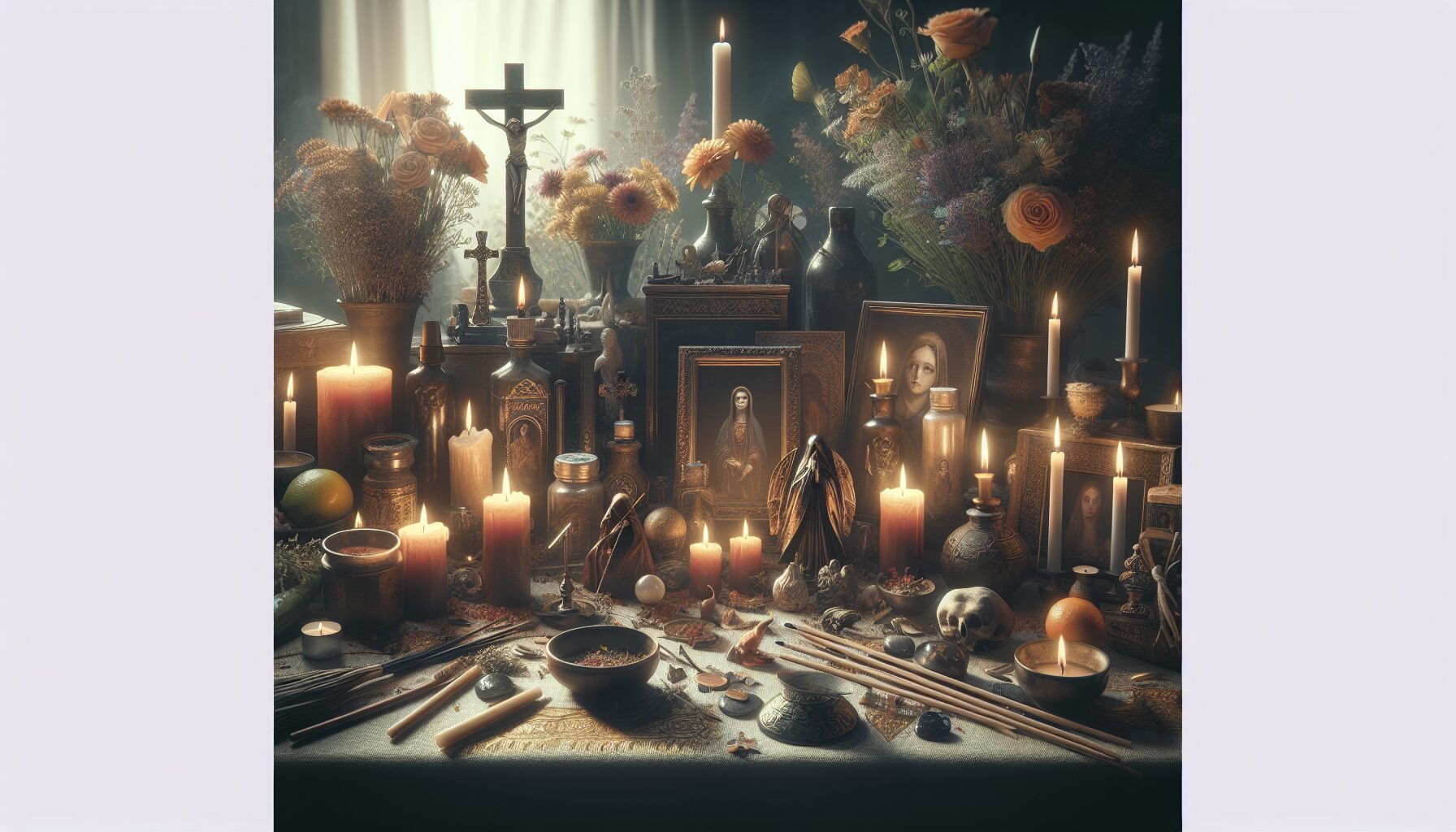
    A personal mourning altar might be a small shelf in a quiet corner of a house or a dedicated room filled with memories. The essence lies not in the grandeur of the space but in the items chosen to represent the loved one lost.

    • Photographs: A visual remembrance encapsulating shared moments and experiences.
    • Personal Items: Belongings that were significant to the deceased, such as a favorite book or piece of jewelry, add depth to the altar.
    • Candles: Often used to symbolize the continuation of the soul and the light they brought into the lives of others.
    • Flowers: Specific flowers may hold personal or cultural significance, symbolizing beauty and transience.
    • Written Messages: Letters written to the deceased can serve as a cathartic outlet for expressions of love, regret, or unspoken words.
    • Religious Icons: If faith is a part of the individual’s life, religious symbols or icons can be incorporated to seek peace or blessings.

    The Therapeutic Aspect of Mourning Altars

    Creating a mourning altar is an act of psychological and emotional healing. As James E. Miller notes in his book Personal Mourning Rituals, the process allows individuals to “externalize feelings of loss and fortify the grieving journey with tangible acts of love.”

    “Such rituals provide structure to the amorphous experience of sorrow, offering a point of focus and a measure of comfort.” — James E. Miller

    The construction and tending of a mourning altar offer a meditative process that invites reflection, remembrance, and reverence. This ritual not only honors the departed but also facilitates a connection with them, serving as a bridge of love between realms.

    Personal Expressions and Cultural Variance

    The beauty of a mourning altar is its inherent flexibility, allowing it to be tailored to personal and cultural beliefs. In Japan, for example, the Butsudan is a household Buddhist altar that commemorates deceased family members and spiritual figures. Similarly, in West African traditions like those observed by the Akan people, offering libations and creating shrines are central elements of ancestor veneration.

    Despite cultural differences, a universal thread among mourning rituals is the underlying desire to maintain a bond with the departed. The altar becomes a sacred domain where grief transforms gradually, enabling the living to continue a narrative of love and remembrance.

    Conclusion: A Sanctuary of Solace

    In conclusion, a mourning altar represents more than a collection of objects; it is a sanctuary of solace, reflection, and continuity. Through this personal ritual, individuals can navigate the complexities of grief, embrace transformation, and celebrate the lives of those held dear. In the words of Henri Nouwen, whose work frequently explores themes of spirituality and healing, “A death transforms the world for those who live on, and healing is found in the sanctity of remembering.”

  • Lanterns Under the Rain: Night Photography

    Lanterns Under the Rain: Night Photography

    Night photography is an enchanting art form that transforms the familiar world into a mystique landscape of lights and shadows. Among the various subjects captured under the night sky, lanterns have held a perpetual allure, especially when seen through the veils of rain. This confluence of light, water, and darkness creates a canvas rich in color and emotion. In this article, we explore the techniques, challenges, and beauty of capturing ‘Lanterns Under the Rain’.

    The Allure of Night Photography

    Night photography offers a distinct visual experience that differs vastly from daytime captures. The lack of sunlight transforms the environment, emphasizing contrasts and introducing dynamic light sources that become photographic focal points. As Ansel Adams, the legendary photographer, once said, “

    I believe the world is incomprehensibly beautiful—an endless prospect of magic and wonder.

    ” In night photography, this magic is ever-present, with each click of the shutter opening a window to an enchanting world.

    Preparations and Equipment

    • Camera and Lenses: A DSLR or mirrorless camera with manual control capabilities is ideal. Lenses with wide apertures (f/2.8 or better) are recommended for capturing more light.
    • Tripod: Stability is crucial for long exposure shots necessary in low light conditions.
    • Remote Shutter Release: This minimizes camera shake during long exposures, ensuring sharp images.
    • Rain Gear: Waterproofing for both photographer and equipment is vital to protect against the elements.

    Mastering Exposure in Low Light

    Understanding exposure in night photography demands mastery over aperture, shutter speed, and ISO settings. The interplay of these settings allows photographers to capture the soft glow of lanterns and the intricate dance of rain. In low light conditions:

    • Aperture: A wider aperture lets in more light, providing more details from the surroundings, especially in the dim ambiance created by rainfall.
    • Shutter Speed: Longer exposures can create beautiful light trails from moving lanterns or soften the texture of falling rain.
    • ISO: Higher ISO settings increase sensor sensitivity to light but can introduce noise; finding the right balance is key.

    Capturing the Magic of Lanterns

    Lanterns, with their gentle glow, act as natural beacons in the night. When photographing them in the rain, the challenge becomes magnified, yet so does the reward. Here are some tips to perfectly encapsulate their charm:

    • Reflection: Utilize wet surfaces to capture reflections. Puddles can double the visual impact by mirroring the lanterns’ light.
    • Angles and Perspectives: Experiment with different angles to find a unique perspective that highlights the lanterns against the contrasting dark backdrop.
    • Light Trails: Use longer exposures to capture light trails, depicting the motion of swinging lanterns or passing cars.

    Challenges and Creative Solutions

    Photographing in the rain presents specific challenges including maintaining dry equipment, ensuring stability, and dealing with low light. However, these can also lead to creative solutions:

    • Rain Covers: Waterproof housing or improvised rain covers using plastic bags can help protect equipment.
    • Stability: Avoid touching or altering the camera setup during exposures to prevent blurs.
    • Capture the Rain: Play with shutter speed to either freeze raindrops mid-air or to create a sweep of rain that enhances the scene.

    Post-Processing Techniques

    Post-processing is often an integral part of night photography. It allows photographers to adjust exposure, contrast, and colors to more closely match the scene as it appeared:

    • Noise Reduction: Programs like Adobe Lightroom can help reduce noise while preserving detail.
    • Enhancing Colors: Use software tools to accentuate the vibrant colors of lanterns, enhancing their glow against the dark backdrop.
    • Adjusting White Balance: Correcting the white balance can be crucial to accurately representing the warmth of light emitted by the lanterns.

    Inspiration and Conclusion

    Photographing lanterns under the rain invites photographers to challenge their skills and creativity, pushing the boundaries of what can be captured after dark. It opens up endless opportunities for storytelling and emotional expression. As you embark on this journey, let yourself be inspired by the raw beauty of night and rain.

    For more inspiration and guidance, consider visiting photography blogs and forums such as DPReview where photographers share tips and personal experiences. As you explore this art form, recall the words of Henri Cartier-Bresson, “

    Your first 10,000 photographs are your worst.

    ” Keep shooting, experimenting, and creating your own magical worlds through the lens in the nighttime rain.

  • Fragments of a Ghost: Short Fiction

    Fragments of a Ghost: Short Fiction

    Short fiction, with its capacity to capture fleeting moments and ephemeral thoughts, often mimics the nature of human memory—fragments and echoes of a larger unseen whole. In this sense, a well-crafted short story resembles a ghost: both are haunting, ephemeral, and carry a weight that belies their brevity.

    “Short fiction captures the essence of a moment, a feeling, or a fleeting thought, much like a photograph does for a visual artist.” — Benjamin Percy

    The Art of Short Fiction

    Maurice Sendak, in a conversation on storytelling, once said that in short fiction, every word must count, as each serves as a building block for the entire narrative. The precision and economy of language in short stories create a concentrated effect, where the “ghost” of the protagonist’s experience lingers long after the story ends.

    • Characterization: Within these brief narratives, characters often appear fully formed, yet remain slightly out of reach, embodying traits that resonate universally.
    • Plot & Structure: Despite their brevity, short stories often employ intricate plots and structures that reveal the complexity beneath their simple surface.
    • Imagery and Symbolism: Imagery in short fiction is vivid and potent, using symbolism to hint at deeper meanings, much like the spectral whisperings of a ghost.

    The Ghostly Nature of Short Fiction

    Short stories often leave readers with an impression of something more, something lurking just outside the pages. This “ghost” quality infuses them with life and mystery. Renowned writer Alice Munro’s stories are a testament to this, as they explore complex emotional landscapes with sparse, yet impactful, prose.

    In her story “The Bear Came Over the Mountain”, Munro weaves a narrative that echoes with themes of memory, identity, and loss. Here, the ghostly fragments of past relationships haunt the characters, influencing their present actions and emotions. The spectral quality of these remnants creates a tension that is palpable, illustrating the guardian.co.uk those indelible moments that linger in our consciousness, much like a ghost lingers in a forgotten room.

    Conclusion

    The beauty of short fiction lies in its ability to evoke entire worlds through glimpses and whispers. These stories act as specters, capturing the fragments of a narrative that captivate and remain with us. As Raymond Carver once noted, “It’s possible, in a poem or short story, to write about commonplace things and objects using commonplace but precise language, and endow those things with immense, even startling power.” This is the ghostly magic of short fiction—its ability to resonate beyond the page, haunting us with its distilled potency.

  • The Clockwork Spirit: Time and the Supernatural

    The Clockwork Spirit: Time and the Supernatural

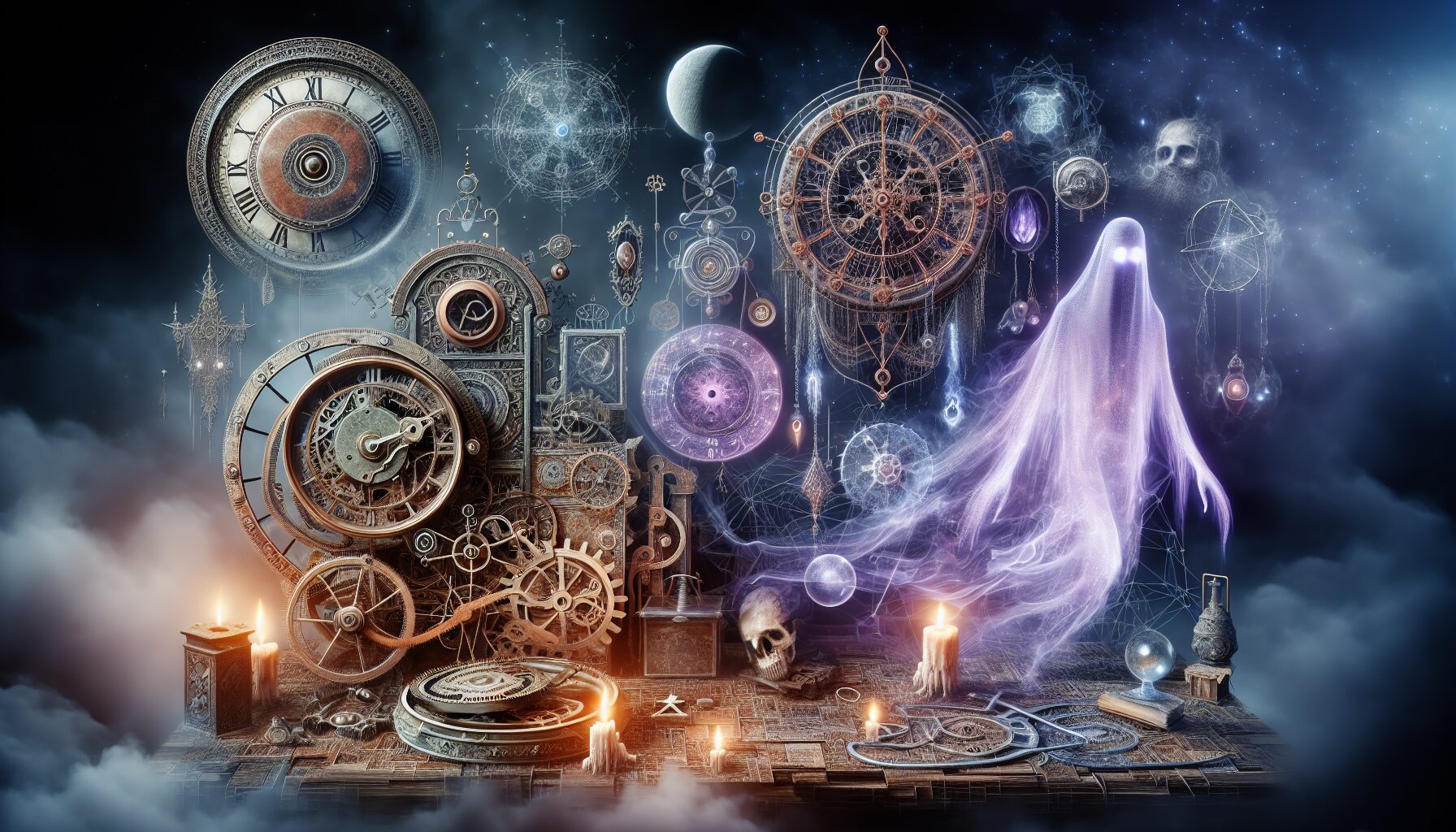
    The intricate dance between time and the supernatural has captured the human imagination for centuries. From the echoes of ghostly footsteps in abandoned mansions to clocks that stop at the precise moment of death, tales of time intertwining with the supernatural continue to haunt and fascinate. This article delves into the many ways these two enigmatic forces have intersected throughout history and explores why they hold such a powerful grip on our collective consciousness.

    The Ancient Roots of Time and the Supernatural

    The connection between time and the supernatural can be traced back to ancient civilizations. The Egyptians, for instance, revered the afterlife and the concept of eternity, thus intertwining their funeral rites with celestial time as observed through the stars. The Great Pyramids themselves are believed to be aligned with the cardinal points and celestial bodies, serving as conduits between life, death, and the cosmos.

    In ancient Greece, philosophers like Pythagoras and Plato theorized about time stretching beyond human mortality. Plato’s concept of the “timeless soul” suggested that our innermost essence is not confined to the linear progression of time—a notion that still resonates with many contemporary spiritual philosophies.

    Timeless Legends and Folklore

    Throughout history, folklore has been rich with stories where time plays a pivotal role in supernatural occurrences. Rip Van Winkle, a story written by Washington Irving, describes a man who falls asleep in the mountains for 20 years, waking up to a world that has moved on without him. This tale underscores the anxiety about time’s relentless march and its capacity to leave individuals stranded between different eras.

    Many cultures have legends of time slipping or bending under the influence of the supernatural. The Faerie folk of Celtic mythology, for example, are believed to inhabit lands where time flows differently, allowing them to abduct humans who return only to find that decades have passed in the real world. Similarly, ghost stories often feature clocks stopping at the exact moment of a significant event, suggesting a reality where temporality is distorted by otherworldly forces.

    The Victorian Era: A Time of Spiritual Exploration

    The 19th century was a period of increased interest in supernatural phenomena, heavily influenced by the spiritualist movement. Victorians were fascinated by the idea of cycling between life and death, a theme mirrored in their literature. Charles Dickens’ A Christmas Carol is a quintessential example, where Scrooge experiences a nightmarish journey through time guided by spirits.

    The growing popularity of seances during this era also revealed a longing to communicate across time with spirits. Mediums claimed the ability to bring forth voices from the past, igniting debates about the permeability of time and its boundaries.

    Scientific Perspectives on Time and the Paranormal

    In modern times, science has also investigated the concept of time in relation to supernatural phenomena. Albert Einstein’s theory of relativity revolutionized understanding by suggesting time is flexible, capable of being warped by speed and gravity. Some theorists propose that paranormal events might be explained by disruptions in the space-time continuum—places where the fabric of reality is temporarily altered, allowing glimpses into other times or dimensions.

    “The only reason for time is so that everything doesn’t happen at once.” — Albert Einstein

    While such ideas remain largely speculative, they open fascinating possibilities for why some individuals claim to witness ghosts or experience time slips. Could it be that these phenomena are not just figments of the imagination but reflections of Einstein’s theories in action?

    Time-Haunted Places

    Certain locations around the world are reputed to be hotspots where supernatural occurrences involving time are frequently reported. The Winchester Mystery House in California is one such place, with its labyrinth of unfinished rooms and staircases leading to nowhere, allegedly haunted by spirits trapped in time.

    In England, the Ancient Ram Inn is notorious for being one of the most haunted buildings in the country, with stories of time anomalies and encounters with historical apparitions. These places add to the allure that time can be manipulated—or even disturbed—by supernatural forces.

    Cultural Reflections in Modern Media

    Today’s pop culture continues to explore the relationship between time and the supernatural. Films like Interstellar and television series such as Stranger Things and Doctor Who delve into time’s mysterious nature and its intersection with the beyond.

    These stories often depict characters navigating timelines that rupture conventional boundaries, echoing eternal questions about our place in the universe and the nature of existence itself. Such narratives resonate powerfully with audiences, providing safe spaces to contemplate the mind-bending possibilities of time and spirituality interwoven.

    A Never-Ending Fascination

    Whether viewed through the lens of historical mythology, philosophical inquiry, or scientific hypothesis, the bond between time and the supernatural captivates human imagination across cultures and epochs. Our fascination with these themes reflects a broader quest to understand the universe, our place within it, and the ultimate mystery of existence beyond time.

    As we continue to explore these questions, perhaps the answers will unfold in surprising ways, revealing that time and the supernatural are not just eerie companions in our stories but integral components of reality’s intricate design.

  • Fading Murals: Street Art as Memory

    Fading Murals: Street Art as Memory

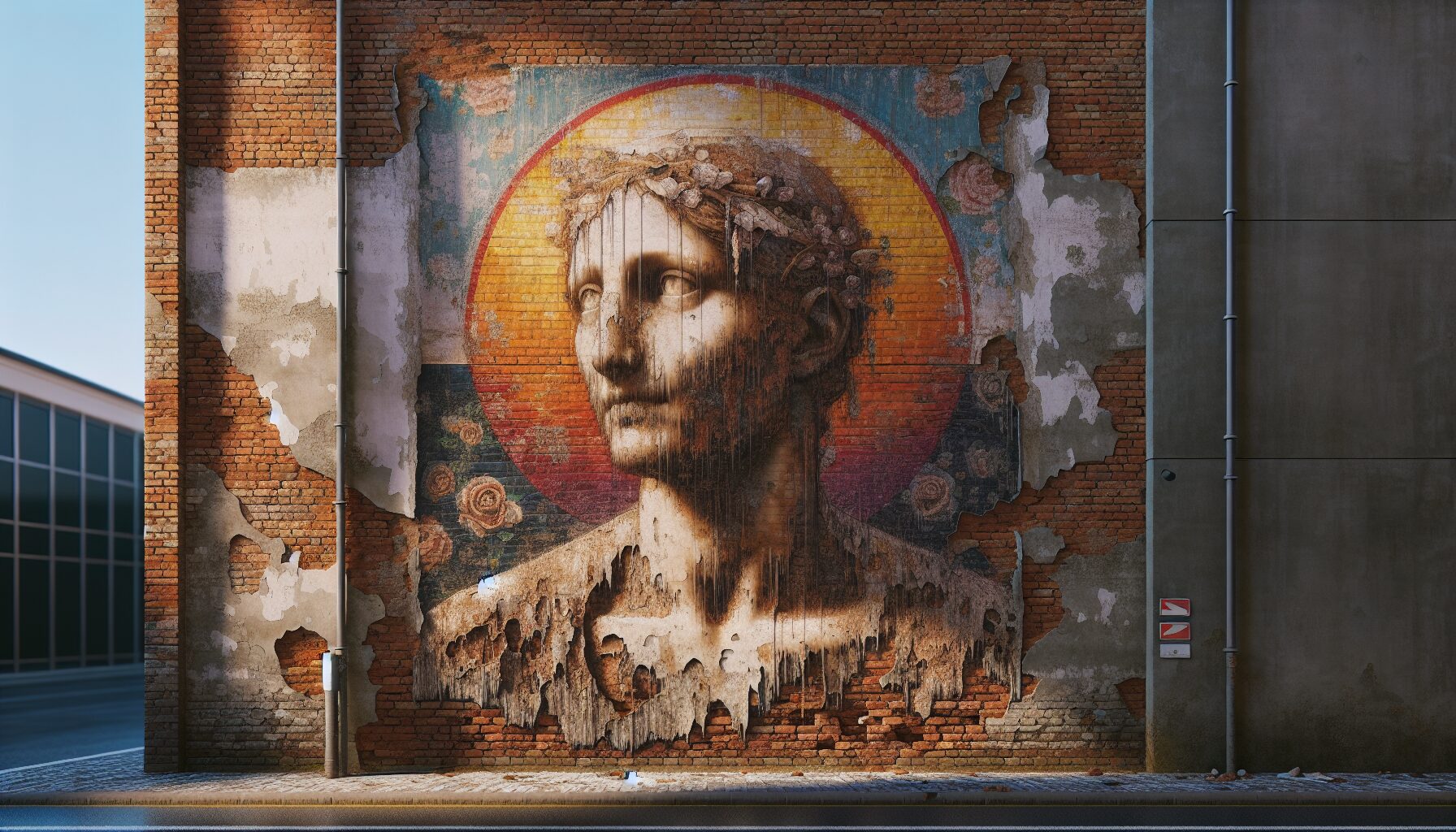
    In an ever-evolving urban landscape, street art stands as a vibrant testament to history, identity, and cultural expression. From colorful bursts of creativity on weathered building facades to evocative murals adorning abandoned lots, street art captures the zeitgeist of its community. Yet, as these murals inevitably fade, they serve not only as artworks but also as poignant recollections of a community’s shared memory.

    The Ephemeral Nature of Street Art

    The transitory nature of street art is one of its defining characteristics. Unlike works displayed in the hermetic chambers of art galleries, street murals are at the mercy of the elements. Rain, wind, sun, and time all contribute to their gradual decay.

    “That’s part of its beauty. The fact that it’s not meant to stay forever is what makes it special,” says Banksy, the elusive street artist whose works often appear overnight and carry messages that are as fleeting as their physical manifestations.

    Street Art as Historical Chronicle

    These murals often do more than decorate—they commemorate significant events, offer political commentary, or celebrate cultural narratives. Each piece becomes a historical marker, capturing snapshots of the socio-political climate at the time of its creation. As neighborhoods gentrify and cities expand, these murals offer glimpses into the past.

    • Bethlehem’s Wall: The separation barrier in Bethlehem is adorned with artwork depicting the struggles and aspirations of a divided people.
    • The Berlin Wall: Before its fall, it served as a canvas for artists to express the quest for freedom and unity against an oppressive regime.
    • The Painted Murals of Los Angeles: These depict the rich cultural tapestry of the city, celebrating its diverse communities and their histories.

    Community and Identity

    Street art often emerges from the heart of communities, reflecting the identities and stories of the people who live there. They transform mundane spaces into cultural landmarks that draw local and international attention.

    In neighborhoods such as Miami’s Wynwood Walls, the curated assembly of street art showcases pieces from artists worldwide, creating a global dialogue. This open-air gallery revitalizes the area while revealing its artistic heartbeat to the world.

    The Role of Memory in Art

    Memory plays a crucial role in the efficacy of street art. It not only imprints images on the viewer but ignites imagination and recall. With time, even as details fade, the emotional and cultural resonance persists.

    According to Jeff Wattenhofer of the Los Angeles Times, “Street art doesn’t just represent a static picture or story. It’s a dynamic recollection and, sometimes, a potent reminder of our world’s social justice struggles, hopes, and dreams.”

    Preservation Versus Impermanence

    As some advocate for the conservation of significant murals, debates arise around preserving the very essence of street art. While techniques are being developed to shield murals from the elements, others argue that their impermanence is integral.

    Some communities have taken steps to document street art before it vanishes. Digital archives and photography projects aim to preserve these memories and keep the spirit of the artwork alive for future generations. Initiatives such as the Philadelphia Mural Arts Program serve as examples of how street art can be curated and sustained.

    New Waves of Street Art

    The landscape of street art continues to evolve with emerging technologies and shifts in urban demographics. The introduction of augmented reality offers new dimensions to murals, allowing them to tell stories beyond the static image and engage audiences through interactive experiences, making the impermanent permanent in a digital form.

    As cities grow and memories evolve, street art will remain an indelible part of the urban fabric. With every new mural, there’s a new story etched into the collective consciousness of the community, proclaiming a moment in time even as it inevitably fades.

    In the end, fleeting and fragile as they may be, these vibrant canvases remind us of the power of art to act as a living, breathing memory for a society in constant motion.

  • Silent Processions: Observing Hidden Ceremonies

    Silent Processions: Observing Hidden Ceremonies

    Silent Processions: Observing Hidden Ceremonies

    Silent Processions: Observing Hidden Ceremonies

    Discover the enigmatic world of silent processions, where cultural traditions meet spiritual expressions in a cacophony of quietude.

    Introduction

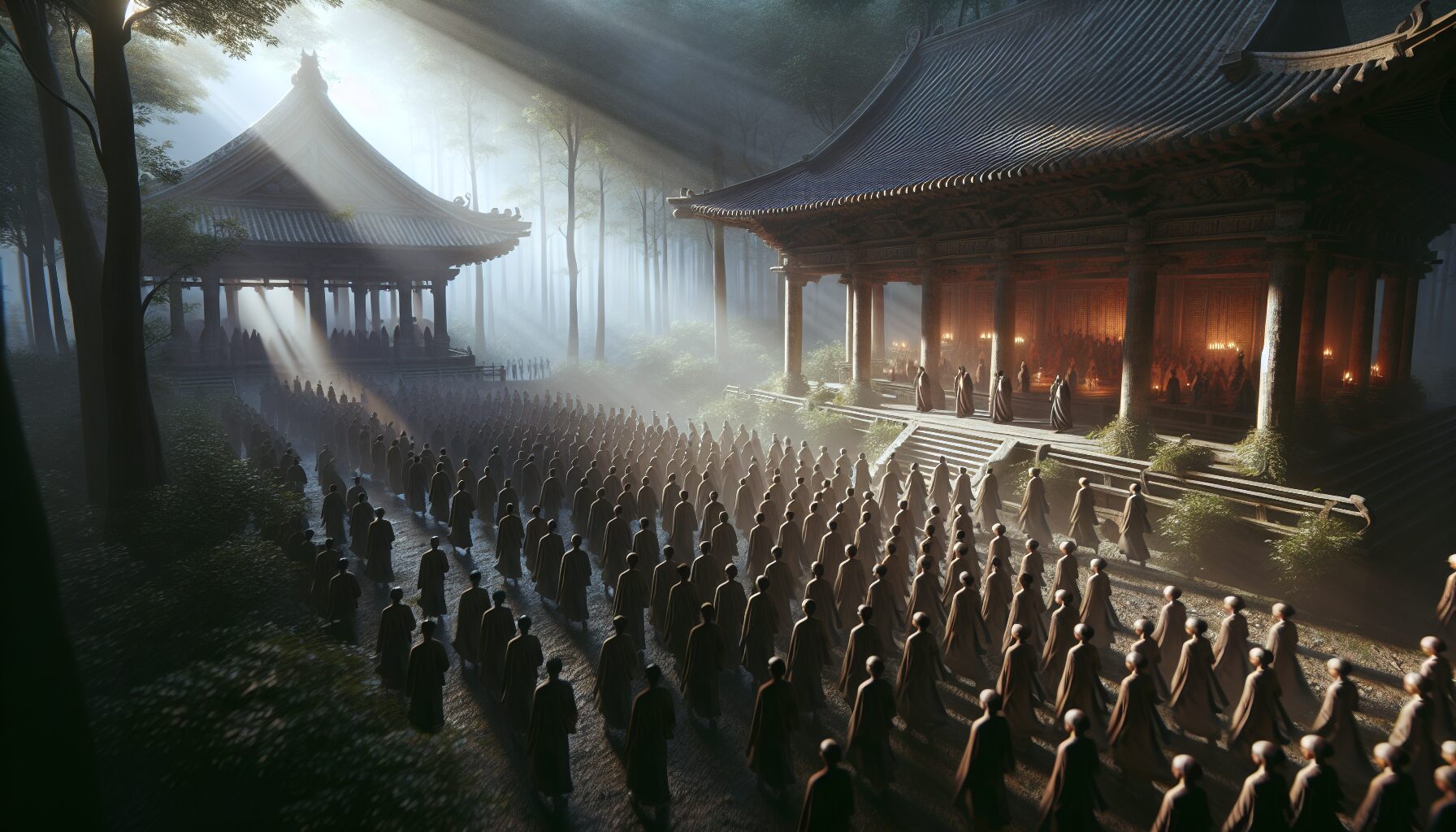
    Silent processions are enigmatic cultural phenomena that weave together the threads of tradition, spirituality, and community. These understated ceremonies, conducted in hushed reverence, are steeped in symbolism and resonate with those who practice them. While they vary greatly across different cultures and regions, silent processions share a common ethos of solemn observance.

    The Meaning Behind the Silence

    The silence that envelops these processions is not merely an absence of sound; it is a powerful presence in itself. As author Ursula K. Le Guin famously wrote,

    “The only thing that makes life possible is permanent, intolerable uncertainty; not knowing what comes next.”

    This uncertainty and openness to external forces defines the silent procession, allowing participants to reflect inwardly while engaging with their environment in a profound manner.

    The silence allows for introspection, fostering a meditative state that serves both personal and communal purposes.

    Regional Variations and Practices

    • Northern Europe: In regions such as Scandinavia, silent processions often coincide with seasonal changes or solstice celebrations, venerating natural cycles.
    • South America: Indigenous tribes incorporate silent walks during certain rites of passage or healing ceremonies, allowing individuals to attune themselves to spiritual energies.
    • Asia: In many parts of Asia, silent processions are linked to Buddhist practices, where monks engage in walking meditation, embodying mindfulness and peace.

    The Role of Symbols and Rituals

    Symbols play a crucial role in silent processions, serving as touchstones for the community’s shared values and beliefs. Whether it’s the Lotus Flower in Buddhist traditions or the Lion Dance in some East Asian cultures, each element speaks volumes despite the absence of verbal expression. These symbols often carry a dual meaning—both historic and personal, providing layers of depth to the ceremony.

    An Expression of Collective Identity

    According to sociologist Emile Durkheim,

    “A society is not a mere sum of individuals; it is the system formed by their association, representing a specific reality which has its own characteristics.”

    Silent processions epitomize this principle by acting as a manifest expression of a community’s collective identity. Each step taken in unison reinforces the bonds among participants, creating a tapestry of shared purpose and trust.

    The Impact of Modernity

    In an era of increasing digital noise and 24/7 connectivity, silent processions offer an antidote to modern life’s chaos. However, they are not immune to contemporary influences. Many communities are now integrating digital elements into their silent ceremonies, using technology to amplify the experiences—like projecting symbolic images onto nearby buildings or creating virtual spaces for remote participation.

    Despite these adaptations, the core principles remain unaltered—silence, presence, and unity.

    The Challenge of Observation

    For outsiders wishing to observe these hidden ceremonies, understanding the cultural context is vital. It is essential to approach with respect, humility, and an open mind. Observers must remember that they are guests in a sacred space and should act accordingly, often keeping to the periphery to allow participants to engage fully in their rituals.

    Conclusion

    Silent processions are a poignant reminder of the enduring power of tradition and community in an ever-shifting world. By embracing the quiet, these ceremonies not only preserve cultural heritage but also promote a global understanding of the multifaceted nature of human expression. As we look toward the future, the silent procession remains an eloquent testament to the beauty of shared silence.

    Written by: Futurism Article Generator

    Source: Inspired by cultural traditions and social theories.

  • The Archive of Forgotten Dreams

    The Archive of Forgotten Dreams

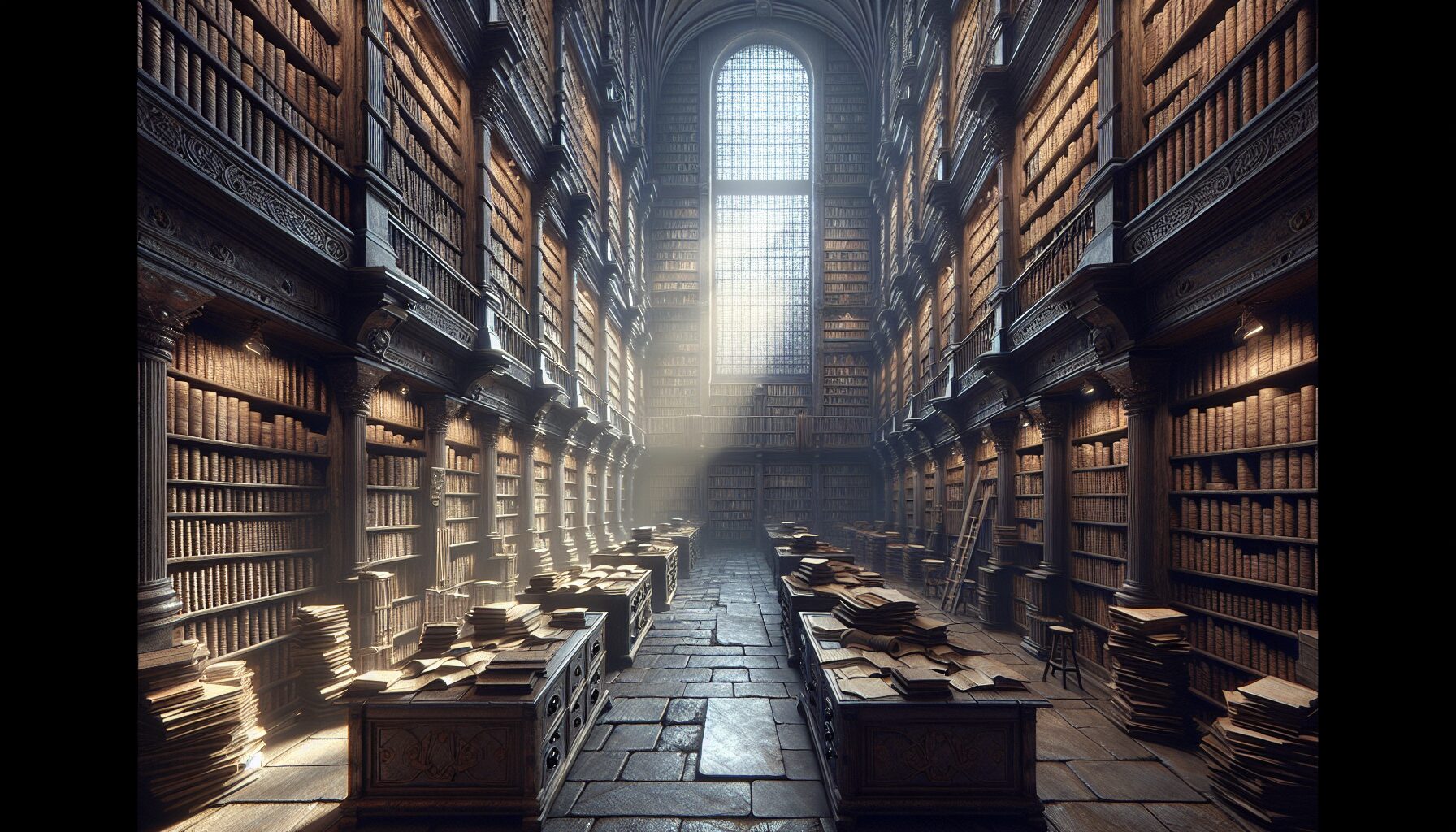
    Imagine a place where the ephemeral nature of dreams is preserved, where the whispers of forgotten thoughts linger, waiting to be uncovered. This realm is not a mere figment of the imagination but is conceptually known as the “Archive of Forgotten Dreams.” In this article, we will delve into the fascinating world of dreams, exploring their significance, the mysterious archive that keeps them alive, and what they reveal about our subconscious mind.

    The Significance of Dreams

    Dreams have long captivated the human mind. Across cultures and centuries, dreams have been regarded as messages from the divine, portals to other worlds, or simply the brain’s way of processing information. Sigmund Freud, often dubbed the father of psychoanalysis, famously suggested, “Dreams are the royal road to the unconscious.” (source)

    Modern science seeks to unlock the mysteries of dreams, understanding them as a manifestation of our deepest fears, desires, and memories. Studies have shown that dreams play a critical role in emotional regulation, memory consolidation, and problem-solving.

    Introducing the Archive of Forgotten Dreams

    In a world where technology constantly evolves, the idea of capturing and archiving dreams seems less fantastical and more like an impending reality. Imagine a digital archive where dreams are recorded, analyzed, and stored—a library not of books, but of human fantasies, nightmares, and desires. The Archive of Forgotten Dreams concept embraces this notion, aiming to compile the dreams that individuals often forget upon waking.

    Theoretical Framework

    • Dream Recording Technology: Emerging technologies like fMRI and EEG provide glimpses into brain activity during sleep. These advancements fuel speculation about future devices that could record and play back dreams.
    • Psychological Insights: By archiving forgotten dreams, researchers could potentially gather data to explore recurring themes, symbols, and emotional patterns within the human psyche.
    • Artistic Inspiration: The dream archive could serve as a fountain of inspiration for artists, writers, and creators, offering a repository of vivid images and narratives beyond conscious imagination.

    The Mechanics of Dream Forgetting

    Despite their vivid nature, the majority of dreams are forgotten within moments of waking. This phenomenon can be attributed to several factors:

    • Lack of Attention: Dream recall requires attention and focus, which is often lacking as one transitions from sleep to wakefulness.
    • Brain Functionality: The hippocampus, responsible for memory formation, is less active during REM sleep—when dreaming most vividly occurs.
    • Biological Prioritization: The brain prioritizes creating new memories after waking, and often dreams take a back seat.

    Exploring the Dream Archive: Case Studies and Insights

    To illustrate the potential findings from the Archive of Forgotten Dreams, imagine hypothetical scenarios wherein individuals’ forgotten dreams unveil subconscious intricacies:

    Case Study: Recurring Symbols

    One subject experiences recurring dreams of doors—some open, some locked. Dream analysis reveals that doors symbolize opportunity and the subject’s challenges in decision-making.

    Such consistent imagery not only aids personal introspection but also enhances understanding of human symbolism universally.

    Insight: Collective Dream Patterns

    By examining dreams across demographics, cultural trends may surface. For example, during a global pandemic, archived dreams might reveal an increase in themes related to isolation or anxiety, reflecting widespread societal emotions.

    Cultural Perspectives on Dream Archives

    In many indigenous cultures, dreams hold sacred meanings and are passed down through oral traditions. The Archive of Forgotten Dreams can bridge these ancient practices with modern technology:

    • Preservation of Traditions: Archiving dreams allows for the preservation and cross-referencing of cultural symbols and stories.
    • Exchange of Knowledge: Sharing dream archives with diverse cultures can foster an exchange of knowledge that highlights both unique and shared human experiences.

    Challenges and Ethical Considerations

    While the concept of an Archive of Forgotten Dreams tantalizes with possibilities, it also raises significant ethical questions:

    • Privacy Concerns: Dreams are intensely personal; archiving them raises issues regarding consent and privacy.
    • Interpretation Risks: Misinterpretation of dreams can lead to inaccurate conclusions and psychological distress.
    • Data Security: Maintaining the confidentiality and security of archived dream data is crucial.

    The Future of Dream Archives

    As technology advances, the dream of creating a tangible Archive of Forgotten Dreams edges closer to reality. While still theoretical, such an archive promises to deepen our understanding of human consciousness, creativity, and cultural diversity.

    In conclusion, the Archive of Forgotten Dreams stands as a symbol of our unending quest to understand the mind. It beckons us to consider the unfathomable potential that lies within the realm of dreams, reminding us that what we forget is often just as vital as what we remember.

    Further Reading:

  • Cemetery Chronicles: Stories from the Margins

    Cemetery Chronicles: Stories from the Margins

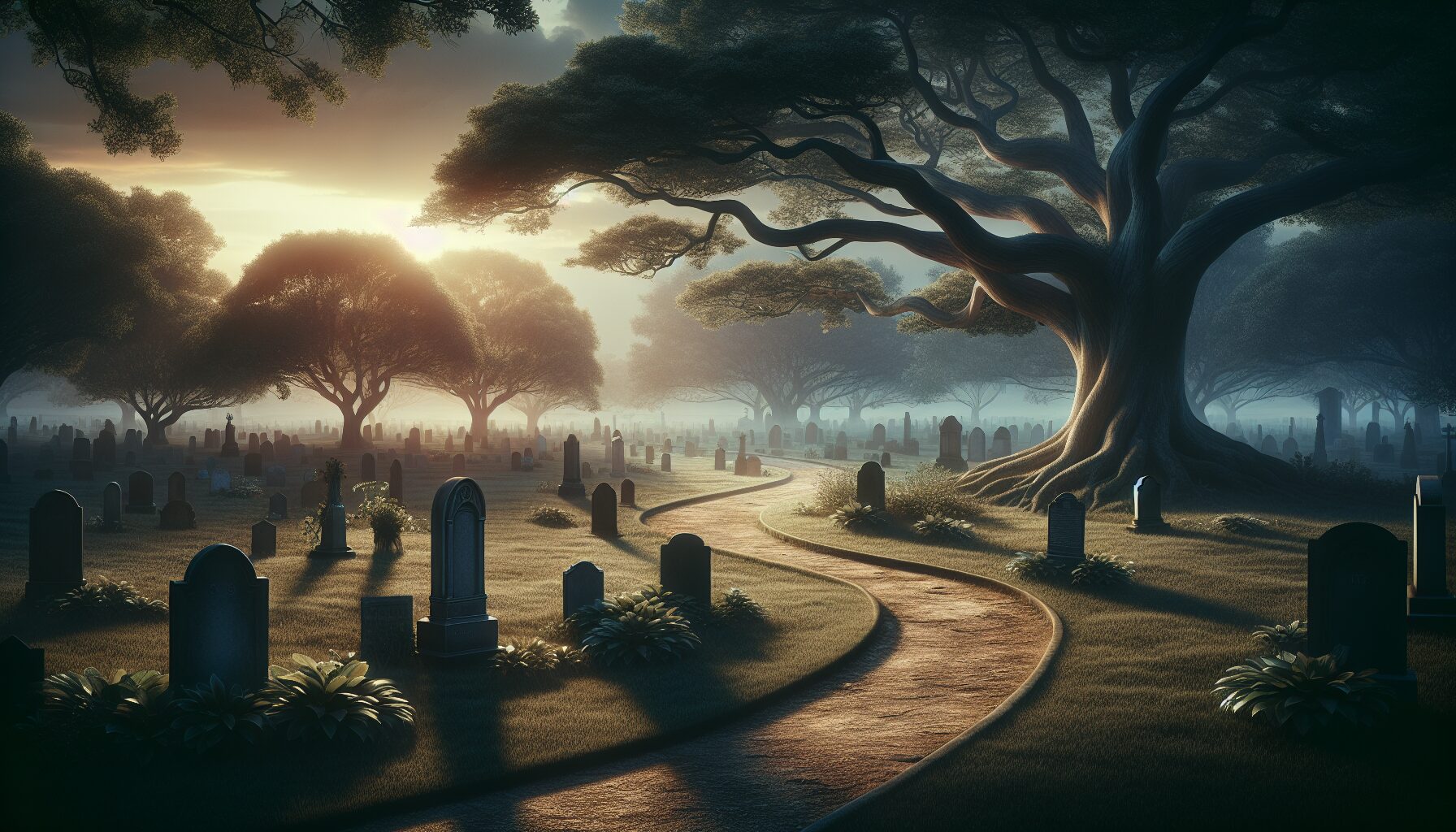
    Cemeteries evoke a mixture of solemnity and mystery. These hallowed grounds, silent witnesses to countless histories, have stories to tell—stories that often reside at the edges of society’s collective memory. Delving into these stories reveals not just the lives of the deceased but also the cultural and social contexts that shaped their existences.

    The Silent Witnesses

    “To forget one’s ancestors is to be a brook without a source, a tree without a root.” — Chinese Proverb

    For many, cemeteries are places of mourning and remembrance, where visitors pay respects to their ancestors. Yet beyond the headstones bearing the names of the renowned lie the graves of those who lived in the margins, whose stories remain largely untold. These graves belong to individuals who may not have altered the course of history but nonetheless contributed to the rich tapestry of human life.

    • The Unnamed: Many cemeteries host the remains of those whose identities are lost to time. Often, these were impoverished individuals, immigrants, or those who lived transient lives, their graves marked by simple stones or, sometimes, not at all.
    • The Indigent Burials: Public graves for paupers might appear unkempt, a reminder of societal inequalities. These plots are poignant markers of those who couldn’t afford a traditional burial, yet they signify the commonality of death.

    Unveiling the Past: How Cemeteries Bring History to Life

    Cemeteries function as open-air museums, teaching us lessons about architecture, art, culture, and history. Headstones and plaques offer insights into past lives through epitaphs, iconography, and dates.

    Differentiating Cultures: Historical cemeteries often reflect cultural diversity and changing societal norms. Religious symbols may coexist, demarcating diverse spiritual beliefs in life and after death. Inscriptions in various languages testify to the multicultural communities that thrived over different eras.

    Resilient Narratives: Stories of courage and resilience can also be found in these memorial gardens. Graves of soldiers who fell in wars far from home, immigrants who journeyed to new lands in search of better lives, and activists who fought for rights and justice all rest within the cemetery’s embrace.

    In an article by the National Geographic, the role of cemeteries as historical records is emphasized: “From slaves in African American burial grounds to Indigenous peoples whose grave markers are symbols rather than written words, cemeteries are testaments to lives lived and lessons learned.”

    The Art of Mourning: Cemetery Aesthetics and Symbolism

    The visual language of cemeteries tells stories about societal values and personal beliefs. Ornate statues, intricate carvings, and symbolic motifs serve as bridges between the living and the dead.

    • Angels and Lambs: Popular in Victorian-era cemeteries, these symbols signify innocence and divine protection. They are often found in graves of children, highlighting the emotional burden of lives cut short.
    • Obelisks and Crosses: These symbols convey strength and faith. The obelisk, rooted in ancient Egyptian tradition, represents permanence and connection to the divine.
    • Nature’s Motifs: Trees, laurel wreaths, and acorns symbolize eternal life and resurrection, while weeping willows evoke mourning and lamentation.

    An article by the Smithsonian Magazine explores these aspects: “The symbolic language of funerary art speaks volumes about the deceased’s identity, beliefs, and the grieving family’s aspirations.”

    Preserving the Legacy: Challenges and Initiatives

    As urban landscapes evolve, cemeteries face numerous challenges, including neglect, vandalism, and encroachment. Many community initiatives and historical societies have emerged to preserve these invaluable spaces.

    Conservation Efforts: Groups dedicated to cemetery preservation advocate for the maintenance of these sites, ensuring they continue to serve as repositories of history and culture. Restorative efforts often involve clearing overgrown vegetation, repairing damaged headstones, and protecting cemeteries from development threats.

    Educational Programs: Tours, workshops, and public talks organized by museums and educational institutions aim to raise awareness about the significance of cemeteries. These programs invite the public to explore and appreciate the stories etched into these timeless landscapes.

    However, maintaining these efforts requires ongoing support and recognition of the importance of cemeteries as cultural heritage sites. In an article from Historic New England, the necessity of these initiatives is highlighted: “Cemeteries are not just places of rest but also a vital part of our historical narrative, deserving of protection and preservation.”

    Cemetery Chronicles: An Invitation to Discover

    Cemeteries, with their silent stone monuments, invite us to explore the stories of those who came before us. By engaging with these narratives, we ensure that the lives led on the margins are remembered and honored.

    To walk through a cemetery is to participate in a complex tapestry of history, geography, and sociology. Each grave, marked or unmarked, tells a tale that adds depth to our understanding of human heritage. The act of remembering is itself a sacred rite, one that celebrates the resilience, diversity, and shared humanity of the deceased.

    In visiting these sacred grounds, we are offered a profound connection to history and a poignant reminder of the impermanence of life. These cemetery chronicles urge us to listen closely to the whispers from the margins, learning from the forgotten tales embedded in our shared history.

  • Veils of Fog: Photography of Hidden Spaces

    Veils of Fog: Photography of Hidden Spaces

    In the enigmatic realm where nature’s breath cloaks landscapes with misty veils, photographers find an elusive canvas to capture the ethereal beauty of hidden spaces. This niche of photography, where fog becomes both a veil and a brush, transforms ordinary scenes into mysterious and magical compositions that intrigue and inspire.

    The Allure of the Mist

    The allure of fog photography lies in its ability to shroud the familiar, turning well-known spaces into secret havens. Photographers like Michael Kenna, known for his black and white landscapes, often utilize the fog to highlight shapes and silhouettes. Kenna once said, “I find beauty in the simple, quiet, and sometimes overlooked details.” The fog acts as a natural diffuser, softening harsh lines and allowing the photographer to focus on form and shadow.

    Techniques and Approaches

    • Embracing Minimalism: Fog inherently simplifies scenes by hiding distracting elements. Photographers can use this to their advantage by composing minimalistic photos that stress form and texture over detail.
    • Playing with Depth: The layers of mist provide a natural depth to photographs. By capturing more layers, photographers create a sense of infinity, inviting viewers to lose themselves in the composition.
    • Utilizing Silhouettes: Fog provides a unique opportunity to highlight stark contrasts between light and dark. Silhouettes become more pronounced, forming striking focal points against the softened backgrounds.

    “Photography takes an instant out of time, altering life by holding it still.” – Dorothea Lange

    Challenges in Fog Photography

    Despite its beauty, fog photography presents unique challenges. The diminished light levels and lack of contrast require photographers to adjust exposure settings and potentially use tripods for longer exposures. Additionally, the unpredictable nature of fog means photographers must be patient, sometimes waiting for hours to capture the perfect moment.

    Artists and Inspirations

    Works of contemporary artists like Sarah Ann Loreth and Simon Baxter provide excellent reference points. Their photography highlights how fog transforms the landscape, adding depth, emotion, and drama to their compositions. Viewing their captured ethereal scenes can ignite a passion for photographers and onlookers alike to explore the hidden spaces that fog can unveil.

    For enthusiastic photographers and nature lovers, these veiled landscapes offer something profoundly novel—a reminder that beauty often lies in what remains unseen at first glance. To delve deeper into the world of fog photography, websites like National Geographic offer a wealth of stunning images and inspiration.

  • The Last Pilgrim: Journeys in the Between

    The Last Pilgrim: Journeys in the Between

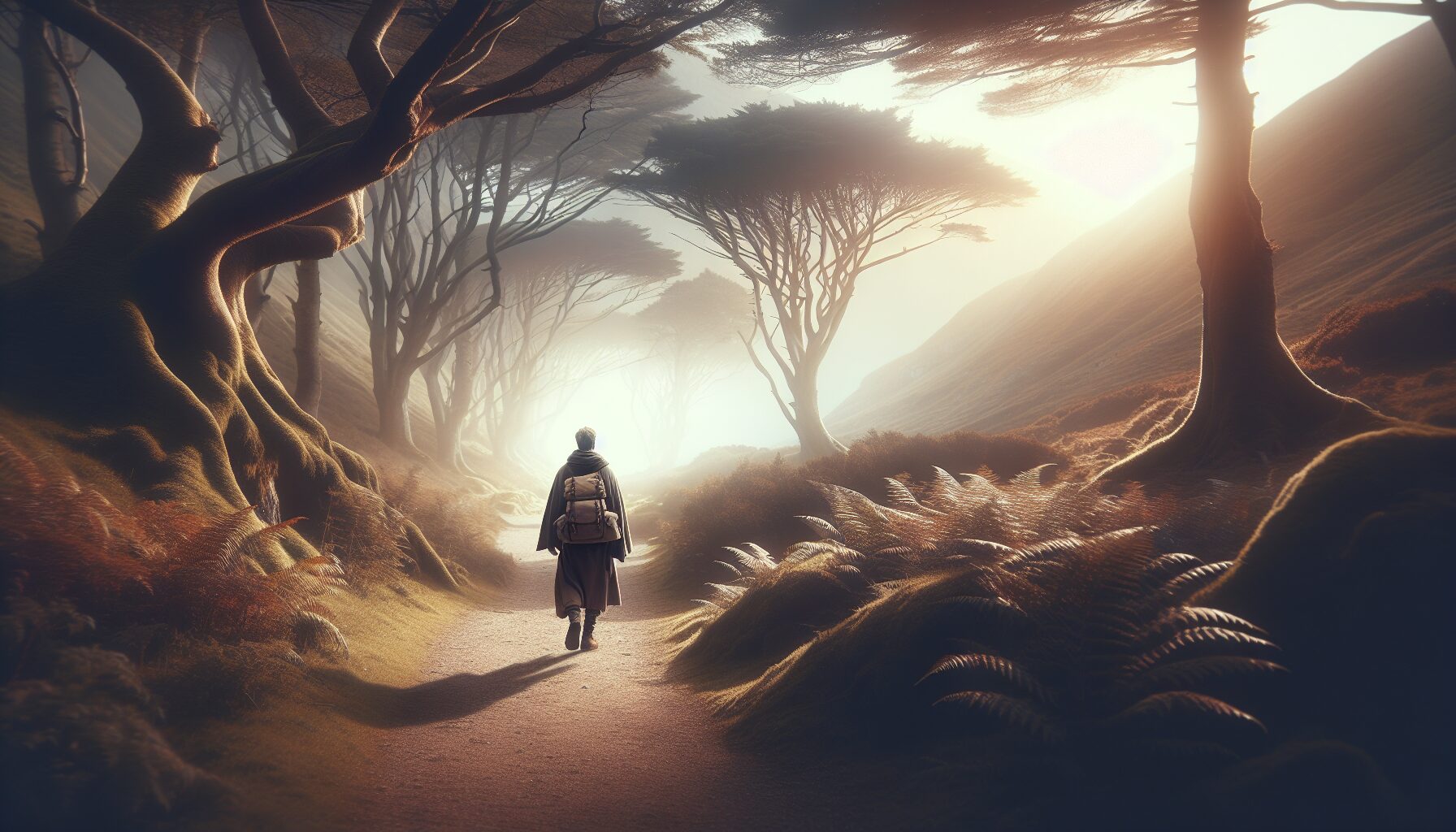
    In a world where the realms of the material and ethereal intertwine, there exists a solitary figure known as The Last Pilgrim. Her journeys traverse landscapes unseen by most, bearing tales of the “in-between”—a realm where echoes of ancient worlds and whispered promises of futures yet to come converge.

    “The real voyage of discovery consists not in seeking new landscapes, but in having new eyes.” — Marcel Proust

    The Last Pilgrim’s journey is not one of mere physical landscapes, but a deep dive into the intricacies of time and existence. Her path meanders through places that exist only in the peripheries of human understanding, blurring the lines between what is real and imagined. Here, she finds herself engaged in dialogues with history, offering us glimpses into the narratives long forgotten by the incessant march of time.

    The Path Less Traveled

    Her pilgrimage is defined by a deep connection to the concept of the “between”—an existential study of that which binds then to now, and the tangible to the ephemeral. It’s a path less trodden, marked by her introspective musings and quiet resolve. Her quest is respectfully narrated by fellow traveler and scholar, John Willoughby, who once wrote:

    “In the company of The Last Pilgrim, one discovers that the journey is as much an exploration of the self as it is of the world at large.” — John Willoughby

    Encounters Along the Way

    During her travels, The Last Pilgrim encounters various spectral figures and echoes of civilization. They offer her wisdom and riddles, contributing to a collection of stories and insights she carries with her. Each interaction enriches her understanding of the liminal spaces where the boundaries of worlds fade and overlap.

    • Ancient voices: The whispers of those long gone guide her, sharing the secrets of their era.
    • Timeless Landscapes: She wanders through spaces that seem suspended in time, untouched by modernity’s relentless grip.
    • Symbolic Mysteries: Along her path, she deciphers symbols and omens that point towards universal truths.

    The Last Pilgrim’s journey is one of courage and solitude, capturing the imagination of all who hear her tales. As she ventures into the unknown, she invites us to reconsider our perception of reality and embrace the mystique of the in-between.

    Her saga reminds us that there is more to the world than meets the eye; and perhaps, like her, we are all pilgrims navigating unseen journeys.