Author: editor

  • Whispered Icons: Creating Sacred Miniatures

    Whispered Icons: Creating Sacred Miniatures

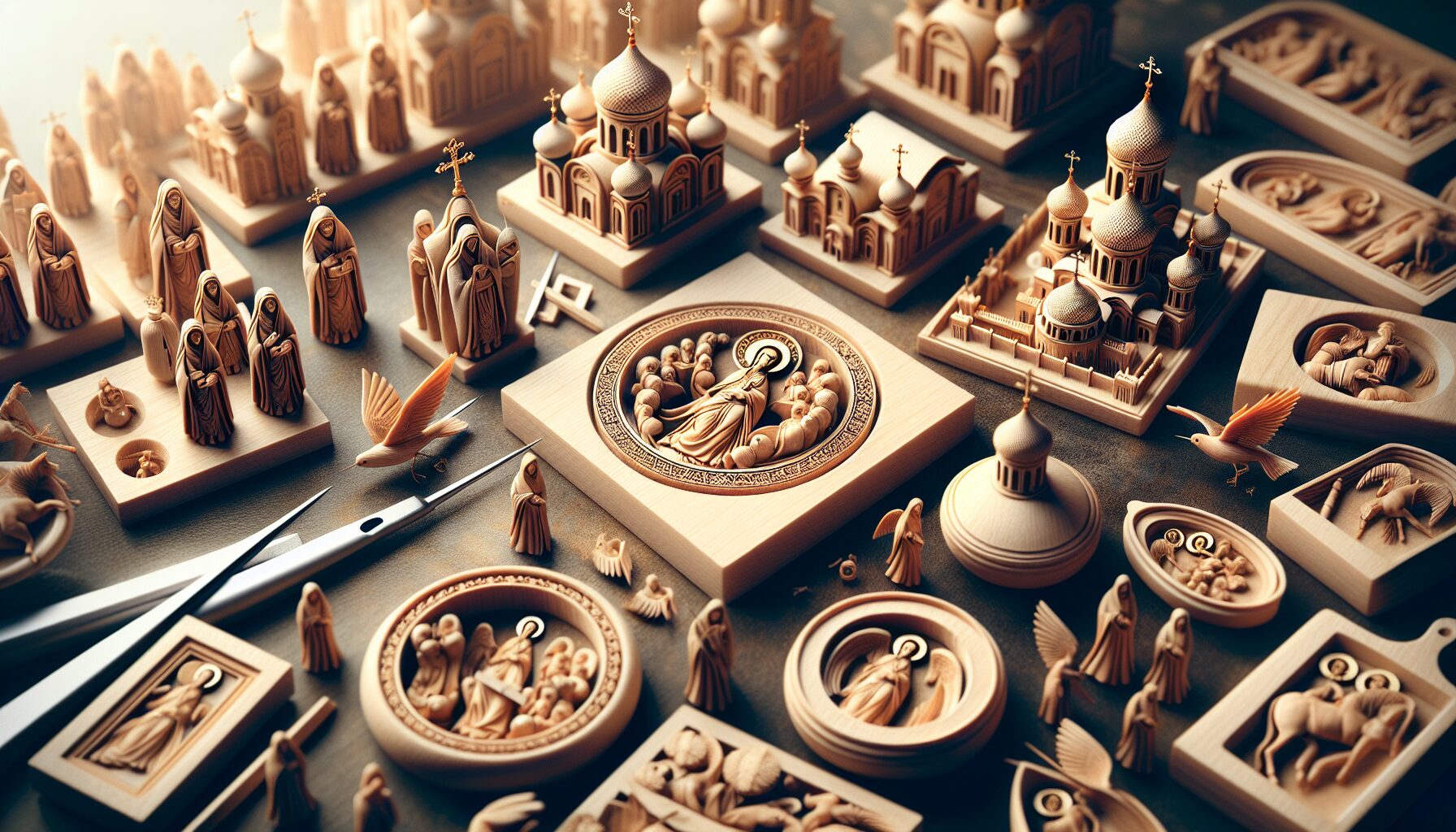
    In the hushed corners of ancient monasteries and hidden ateliers of devout artisans, the creation of sacred miniatures has long been considered a divine act of devotion and skill. These ‘whispered icons’ not only serve as spiritual tokens but also as windows into a realm where art and faith intertwine seamlessly.

    The Origins of Sacred Miniatures

    The tradition of crafting sacred miniatures can be traced back to the early days of religious worship. According to The Metropolitan Museum of Art, miniatures found their place within illuminated manuscripts of the medieval period, fusing intricate artwork with spiritual texts. These small, detailed images acted as focal points during contemplation and prayer, allowing the observer a closer connection to the divine.

    “Illuminated manuscripts were not just books—they were holy acts of creation, crafted with devotion and skill to honor the divine.”

    – Art Historian Dr. Jane Dempsey

    The Artistry Behind Miniatures

    The meticulous process of miniature creation requires not just artistic prowess but deep spiritual dedication. Artists spend countless hours laboring over each tiny figure, often under magnifying glasses, to ensure that every detail is perfect. Essential tools in this sacred craft include:

    • Pigments: Derived from natural sources such as minerals, plants, and even insects, these vibrant pigments offer longevity and depth. Gold leaf is frequently used to add a holy luminance to the miniatures.
    • Brushes: Paintbrushes made of fine animal hairs, such as sable, allow for the precision required in crafting minute details.
    • Supports: Traditional supports include vellum—processed calfskin—or delicate paper, prepared meticulously to accept pigments smoothly.

    These elements are combined within a framework of religious symbolism and prayer, making the creation process as sacred as the images themselves.

    The Symbolism in Miniatures

    Sacred miniatures often depict scenes from holy texts, iconography of saints, or symbolic representations of theological concepts. Their iconography is rich in symbolism:

    • Colors: Each color bears its significance, like blue representing the heavens and divine wisdom, while red symbolizes sacrifice and divine love.
    • Figures and Gestures: The placement and gestures of figures can indicate narratives or convey blessings and teachings.
    • Objects: Common symbols such as doves, crosses, or stars are used to communicate deeper meanings beyond the obvious visual depictions.

    Modern-day Resonance

    While technology and modern art forms have evolved, the allure of sacred miniatures persists, captivating both artists and worshippers worldwide. Modern-day artisans continue to honor this tradition, merging historical techniques with contemporary interpretations.

    The British Library showcases ongoing exhibitions that highlight the significance of illuminated miniatures, proving their timeless ability to inspire and convey spiritual narratives.

    “Despite the shifting sands of time and trends, the artistry and spirituality encapsulated in these miniature works remain as potent today as they were centuries ago.”

    – Curator Emily Robertson

    The Spiritual Practice of Creating Miniatures

    For many contemporary artists, the creation of sacred miniatures is not merely an artistic endeavor but a spiritual practice. It involves entering a meditative state where each brushstroke becomes an act of worship. This dedication often results in pieces that not only portray but also embody the spiritual truths they represent.

    Concluding, the creation of sacred miniatures remains a profound cultural and religious practice. Through mastery of technique and deepening of spirit, these ‘whispered icons’ continue to invite both creator and observer into a timeless dialogue with the divine.


  • The Hollow Lantern: Guides to Ephemeral Light

    The Hollow Lantern: Guides to Ephemeral Light

    In the realm of illumination, where the interplay between light and shadow crafts our perception of the world, the concept of the hollow lantern emerges not just as a metaphor but as a vital guide to understanding ephemeral light. Hollow by definition implies an emptiness, perhaps a void, yet when paired with the notion of a lantern, it evokes an intriguing juxtaposition—a vessel for holding light without being bound by its own solidity.

    Origins of the Hollow Lantern

    The idea of the hollow lantern transcends geographical and cultural barriers, resonating across various traditions from ancient Japan to modern artistic endeavors. Its inception can be traced to the Chōchin, a traditional Japanese lantern made of a bamboo frame covered with paper or silk. The Chōchin is both a practical and artistic device that encapsulates the essence of fleeting light.

    “The Chōchin, with its delicate paper walls, is a beautiful metaphor for the fleeting nature of life itself, casting a soft glow that is as temporary as a cherry blossom.” — Japanese Lifestyle

    This lantern, hollow yet capable of hosting a flame, represents the balance between utility and aesthetics—a theme that continues to inspire contemporary designers and philosophers alike.

    The Aesthetic and Functional Paradigm

    Modern interpretations of the hollow lantern reflect a profound understanding of light as an ephemeral force. Designers in the fields of architecture and art often leverage this concept to evoke emotional responses and alter perceptions of space.

    • In Architecture: Architects often incorporate open frameworks and translucent materials into structures, allowing natural light to permeate and transform spaces at different times of the day.
      Example: The Maison de Verre (House of Glass) in Paris, which uses glass blocks to diffuse daylight, creating an ever-changing interior environment.
    • In Art: Artists experiment with installations that utilize shadows and light projections, crafting experiences that are as temporal as they are tangible.
      Example: Olafur Eliasson’s installations that challenge viewers to reconsider their interaction with light, space, and time.

    The Science of Ephemeral Light

    Beyond its aesthetic allure, the science behind ephemeral light offers insights into the physics of luminescence, reflection, and refraction. Light behaves in curious ways when it interacts with hollow structures, leading to phenomena such as:

    • Diffusion: Light spreads out when passing through a medium, as in the case of paper or fabric lanterns, creating a soft glow.
    • Reflection and Refraction: Light can bounce within hollow shapes, bending and twisting to create unexpected patterns on surrounding surfaces.

    Such effects are not only visually captivating but also essential in applications ranging from photography to optical engineering, where control over light’s behavior can lead to technological innovations.

    Philosophical Perspectives

    The hollow lantern can also be seen as a symbol of the philosophical balance between emptiness and existence. It embodies the Zen principle of mu (nothingness), a concept central to understanding the nature of the universe:

    “When your mind is empty of thoughts, it reflects all. This is the Zen state of mind.” — Zen proverb

    This state of reflective emptiness is mirrored in the structure of the hollow lantern, which, though physically empty, becomes the perfect vessel for holding and displaying light.

    Guiding Through Ephemeral Light

    For centuries, lanterns have been used as guides both literally and symbolically, illuminating paths through darkness and uncertainty. The hollow lantern, with its transient light, serves as a guide in our ephemeral journeys, offering:

    • Spiritual Guidance: Rituals across various cultures use hollow lanterns in festivals and ceremonies, marking transitions and celebrating the impermanent nature of life.
    • Cultural Significance: Lantern festivals worldwide, from China’s Lantern Festival to Thailand’s Loy Krathong, showcase the timeless appeal of light in hollow vessels to unify and inspire communities.
    • Environmental Awareness: As design shifts towards sustainability, the hollow lantern symbolizes eco-friendly lighting, using minimal resources to achieve maximum aesthetic and functional impact.

    Conclusion

    The hollow lantern stands as a testament to the delicate interplay between light and darkness, presence and absence, permanence and transience. As guides to ephemeral light, they challenge us to rethink our perspectives on illumination, inviting us to explore the subtleties of both our physical and metaphysical environments. Embracing their simple yet profound design, we find a deeper connection to the ephemeral beauty that surrounds and permeates our world.

    In the end, the hollow lantern, much like the light it holds, reminds us that it is not the source of illumination that matters, but the way it shapes our experience of the world.

  • Dustbound Letters: Correspondence with the Departed

    Dustbound Letters: Correspondence with the Departed

    In an age of rapid technological advancements, the concept of communicating with the deceased remains a topic of profound curiosity and debate. The idea of “Dustbound Letters”, or messages intended for the departed, bridges the timeless human desire to connect with those we’ve lost with modern innovations in communication and technology.

    A History of Communicating Beyond the Veil

    The notion of communicating with the afterlife is not new. Historically, this connection has taken forms from ancient oracles to spiritual séances. The Victorian era, in particular, saw a fascination with the supernatural and spiritualism, as noted by Smithsonian Magazine. People sought to connect with lost loved ones using methods that ranged from the esoteric to the elaborate.

    However, as technology advances, how we conceptualize and facilitate these connections evolves dramatically. Humans, it seems, have always yearned to transcend the finality of death, creating a tapestry of rituals and practices aimed at maintaining bonds that death threatens to sever.

    Modern Technology: Bridging Worlds

    The 21st century has brought technologies that challenge the very notion of communication boundaries. For instance, The Guardian discusses algorithms that maintain digital interactions with avatars created from the digital footprints of the deceased, forging ethereal yet tangible connections with lost loved ones.

    “AI and digital legacy technologies are not just shaping how we live, but how we remember and, perhaps, continue our lives beyond death.”

    Companies focused on augmented reality, virtual reality, and AI are designing experiences that allow us to see and speak with holograms of our departed loved ones. Could AI-generated letters be far behind?

    Digital Afterlives and Ethical Dilemmas

    As we push the boundaries of posthumous connections, ethical dilemmas abound. What are the rights of the deceased in the digital realm? Should there be regulations governing the digital footprints left behind, and who wields control over this eternal correspondence?

    Privacy concerns rise as digital dust unsettles. The ethicality of digital resurrection is a burgeoning field of discourse, questioning the limits of these technologies.

    • Privacy: Who has the right to access, use, or monetize a person’s digital afterlife?
    • Consent: Did the departed consent to posthumous digital interactions?
    • Authenticity: Can a digitally replicated message truly capture the essence of the sender?

    The Emotional Landscape of Dustbound Letters

    The impact of dustbound letters extends beyond technology and ethics into the emotional fabric of human experience. The ability to continue a dialogue with the deceased provides comfort and closure to many. However, it can also muddy the waters of grief, prolonging attachment and possibly delaying the natural progression of healing.

    “Grief changes shape, but it never ends… Our deceased loved ones continue to live within us, and perhaps these digital relics help us in keeping their stories alive.”

    Future Horizons

    The future of dustbound letters is intimately tied to the evolution of AI and immersive technologies. As we refine these tools, they promise to usher us into an era where the boundaries between life and the hereafter become increasingly intertwined. Could future generations find solace in ever-more sophisticated conversations with grids of virtual consciousness?

    Only time will unravel the true potential and pitfalls of dustbound letters. Until then, they remain artifacts of our intrinsic need to connect, a poignant reminder of humanity’s unending dance with mortality, reverence, and remembrance.

    In light of these advancements, dustbound letters may indeed become the standard carriers of love and memory, transcending the boundaries of life and death to preserve the essence of human connection for all eternity.

  • The Lamenting City: Urban Melancholy Essays

    The Lamenting City: Urban Melancholy Essays

    The Lamenting City: Urban Melancholy Essays

    The Lamenting City: Urban Melancholy Essays

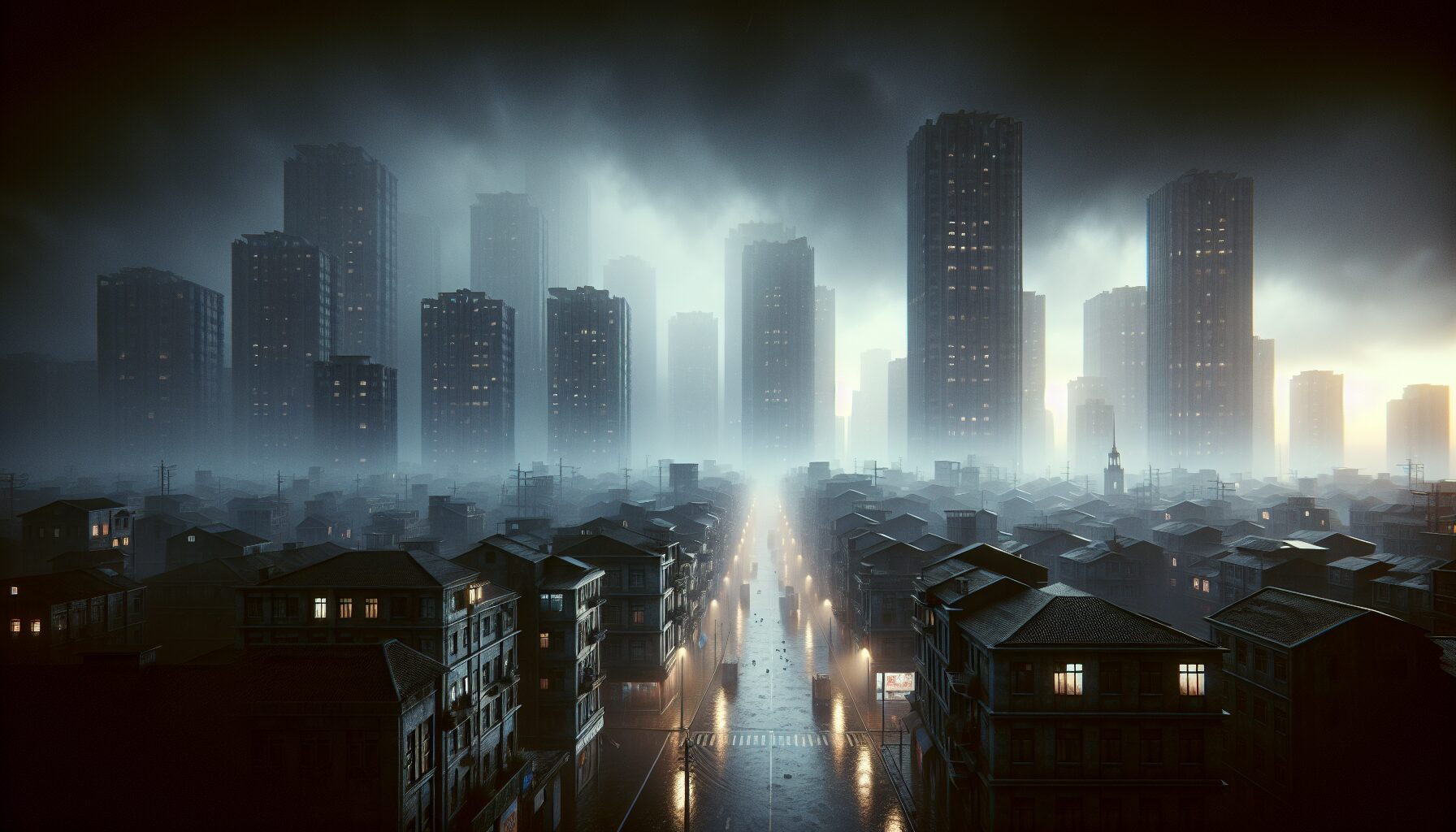
    The urban landscapes of the world, with their sprawling concrete labyrinths and luminous skylines, have long been
    the subject of fascination and introspection. These cities, bustling with energy and pulsating with life, are
    paradoxically imbued with an underlying current of melancholy. This melancholy is not necessarily borne from
    sadness but from the profound reflections of life amidst the chaos. A fitting depiction of this urban condition
    comes from French philosopher Paul Virilio, who once said, “The city is a translation of war into three
    dimensions.”

    The Anatomy of Urban Melancholy

    An exploration into the anatomy of urban melancholy reveals a complex interplay of solitude, anonymity, and the
    relentless passage of time. These elements create a distinct emotional palette unique to the urban experience.

    • Solitude Amidst Crowds

      The irony of urban living is the pervasive sense of solitude encountered amidst the throngs of people. As
      American sociologist David Riesman articulated in his seminal work The Lonely Crowd, modern
      urbanites are often “surrounded by people but feeling disconnected.” In bustling cityscapes, one
      can find themselves enveloped by a sea of faces yet remain enveloped in their personal solitude.

    • Anonymity and Identity

      Cities provide a canvas for individuals to blend, disappear, or reinvent themselves. The anonymity that
      metropolitan areas afford can be both liberating and isolating. As Charles Baudelaire noted, the city
      enables people to “become one with the crowd,” often leading to a dissonance between external
      identities and internal realities.

    • The Relentlessness of Time

      Cities operate under the tyranny of time, with every second counted towards progress and productivity.
      This relentless pace can lead to an existential reflection on one’s role in the machinery of urban life
      as discussed by author Alain de Botton in The Architecture of Happiness: “Time in the city
      marches unyielding, reminding its denizens of their impermanence.”

    Expressions of Urban Melancholy in Art and Literature

    Artistic expressions of urban melancholy provide a mirror to the invisible yet palpable emotions that cities
    carve into their inhabitants’ souls.

    • Paintings and Photography

      The paintings of Edward Hopper encapsulate feelings of urban isolation. His iconic piece “Nighthawks”,
      with its depiction of individuals seated within a desolate diner, highlights the solitude prevalent in urban settings.
      Photographers like Brassaï have captured the nocturnal beauty and desolation of urban landscapes, revealing a melancholic serenity.

    • Literary Works

      Literature offers profound insights into the urban experience. T.S. Eliot’s “The Waste Land” powerfully
      portrays the fragmented, alienated existence in the modern metropolis. Likewise, Franz Kafka’s works often depict
      cities as places of bureaucratic absurdity and existential dread.

    Urban Design and the Human Psyche

    The design of urban spaces has a significant impact on the human psyche. Modern cities often prioritize functionality
    over aesthetic and human needs, contributing further to urban melancholy.

    • Concrete Jungles

      The prominence of concrete, glass, and steel in cities often leads to environments that can feel cold and
      uninviting. Architect Peter Zumthor stresses the importance of material warmth in urban design, suggesting
      that cities need to embrace textures and materials that resonate with human experience.

    • The Need for Green Spaces

      Green spaces within urban landscapes serve as sanctuaries. Richard Louv, in his book Last Child in the Woods,
      discusses “Nature Deficit Disorder,” emphasizing the necessity for natural elements to break the concrete monotony and rejuvenate the spirit.

    Combating Urban Melancholy

    Addressing urban melancholy requires intentional efforts to cultivate community, foster engagement with art and
    culture, and prioritize individual well-being.

    • Building Community Connections

      Initiatives to build community connections can counter feelings of isolation. Public events, communal spaces,
      and interactive urban projects can foster a sense of belonging and reduce urban alienation.

    • Incorporating Culture

      Integrating cultural experiences into daily urban life fosters a deeper connection to the environment and
      enhances emotional well-being. Art installations, music festivals, and urban farms are examples of how cities
      can infuse culture into their infrastructure.

    • Promoting Psychological Resilience

      Urban planners and policymakers must consider mental health services as a crucial element of urban
      development. Accessible mental health resources can provide support for individuals struggling with
      the pressures and expectations of city life.

    “Cities have the capability of providing something for everybody, only because, and only when, they are created
    by everybody.” – Jane Jacobs

    Urban melancholy, while deeply ingrained in the city poems of lived experiences, can be channeled into a force for
    positive change. Through intentional design, community building, and cultural integration, cities can transform
    into spaces that nurture rather than deplete the human spirit. As we continue to navigate the complexities of
    urban life, reimagining our cities with empathy and creativity remains paramount.

  • Moonlight Altars: Nighttime Devotion

    Moonlight Altars: Nighttime Devotion

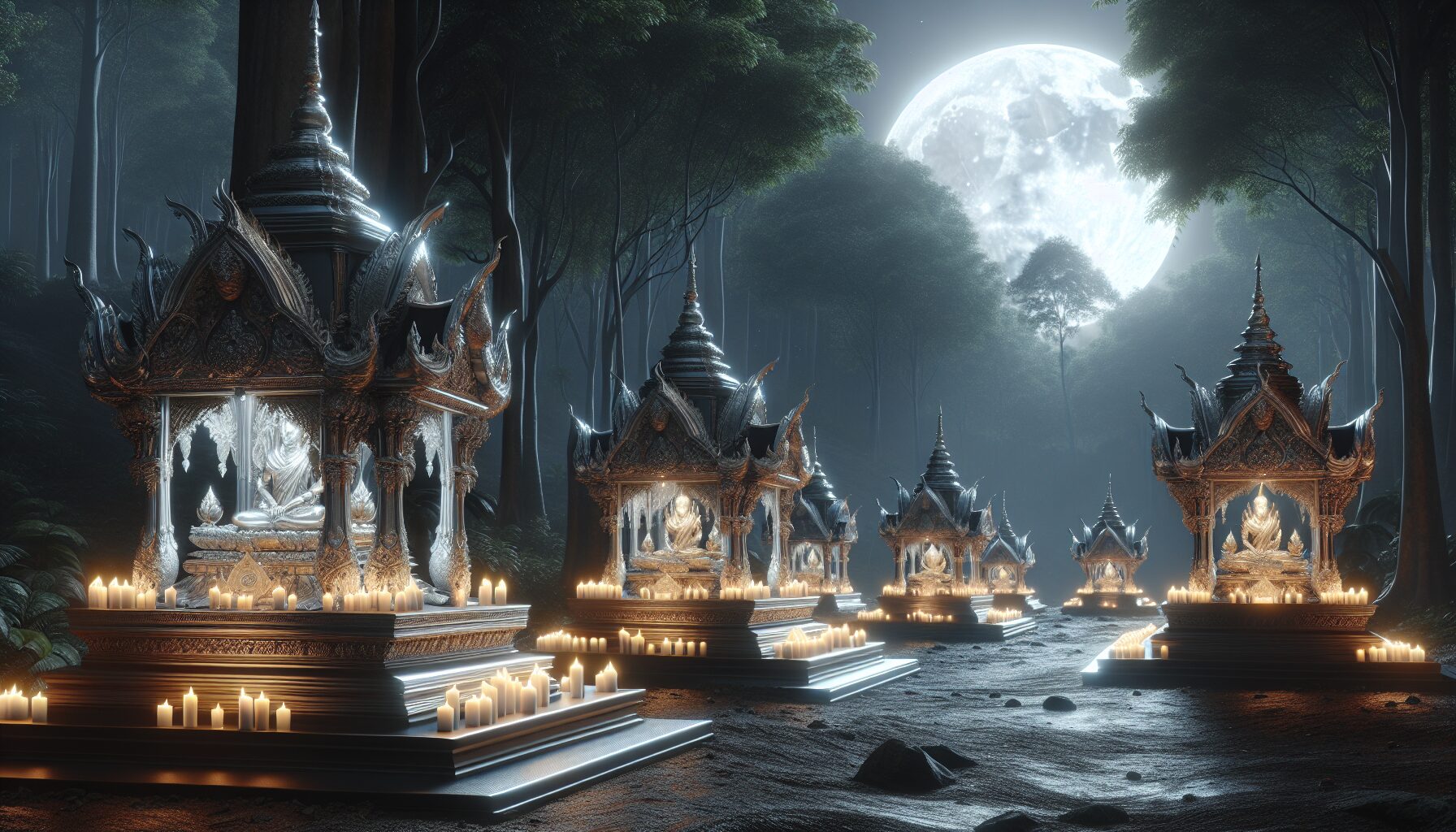
    The night has always held a mystical allure, a time when the veil between the mundane and the magical seems to thin. Across cultures and epochs, the moonlit hours have given rise to the construction of moonlight altars, spaces for nighttime devotion. These sacred sites are dedicated to reflection, worship, and communication with the divine. In this article, we will explore the history, significance, and contemporary practices associated with moonlight altars, underlining their timeless appeal.

    The Historical Roots of Moonlight Altars

    Moonlight altars have an ancient lineage, with evidence of their existence in cultures as far back as the prehistoric era. The moon has always been a powerful symbol, associated with rhythm and time. Archaeological findings, such as the passage tomb at Newgrange in Ireland, suggest that ancient peoples constructed sites aligned with lunar cycles. The Newgrange tomb, dating back to around 3200 BC, is oriented such that the inner chamber is illuminated by the rising sun on the winter solstice, an event often celebrated at night with rituals aimed at rebirth and renewal under the moonlight.

    In ancient Rome, the moon goddess Luna was worshipped with altars dedicated to her on hilltops, where her followers could gather under the celestial glow. Similarly, in ancient Egypt, the moon god Khonsu was associated with time and nighttime, and temples were often sites for devotions held during the night.

    Symbolism and Significance

    The moon influences tides and time, symbolizing change, cycles, and renewal. As the poet John Keats once wrote,

    “The moon, like a flower in heaven’s high bower, With silent delight Sits and smiles on the night.”

    The symbolism of the moon has been central to the creation of moonlight altars, which serve as focal points for spirituality and human connection to the cosmos.

    These altars are designed to harness the moon’s energy, providing a sacred space for introspection, meditation, and worship. The shifting phases of the moon echo the cycles of human life, including birth, growth, decay, and renewal. The nighttime silence enhances these spiritual experiences, allowing individuals to delve deeply into their consciousness.

    Cultural Perspectives on Moonlight Altars

    • In the East: In Hinduism, the goddess Chandra is revered during nighttime rituals. In Japan, the moon is celebrated in festivals like Tsukimi, where altars are adorned with offerings such as dango (rice dumplings) and seasonal produce to honor the autumn moon.
    • In the West: The Western mystics often constructed altars for moon phases, especially during the esoteric practices of the Middle Ages. Wiccan traditions have inherited these practices, using moonlight altars for full moon ceremonies that focus on healing and manifestation.
    • Indigenous Cultures: Native American tribes have a longstanding tradition of moon veneration, celebrating the Grandmother Moon in cycles marked by rituals and storytelling aimed at connecting individuals with nature and their ancestors.

    Modern Interpretations and Practices

    Today, moonlight altars are witnessing a resurgence among those seeking spiritual solace in modern life. Known as neo-paganism and modern witchcraft, these practices have evolved but still hold a deep reverence for the moon. Social media platforms feature communities sharing their altar setups, exchanging rituals, and guiding lunar-based meditative practices.

    Creating a moonlight altar can be a deeply personal venture. Essential elements typically include:

    • Nature-inspired items: Stones, crystals, and seashells that reflect the altar creator’s intentions.
    • Candles and incense: Used for purification and invoking the moon’s energy.
    • Symbolic objects: Statues, offerings, or talismans representing lunar deities.

    Devotional practices often include meditation, prayer, and chanting under the moonlight. These rituals aim to foster a connection with the subconscious, encouraging mindfulness and inner peace.

    The Science and Psychology Behind Nighttime Devotion

    While moonlight altars are steeped in tradition, there is a psychological element that modern science acknowledges. The tranquility of night, coupled with dim lighting, can enhance relaxation and focus. Taking time for quietude and reflection without the clanging demands of daily life can have a meditative effect, similar to modern mindfulness practices.

    Psychologically, the act of constructing and attending to an altar can serve as a healthy ritual that provides structure and comfort. These repetitive actions are found to reduce stress and allow individuals to process their emotions. The presence of a tangible, sacred space can also be grounding, acting as a physical marker of spiritual intention.

    Creating Your Own Moonlight Altar

    If you feel drawn to the idea of a moonlit altar, the process of creation is simple and open to personalization. Begin by selecting a location that you can easily access at night, such as a garden, balcony, or even a windowsill that catches moonlight.

    Consider the following elements to include in the creation of your altar:

    • Moon Journal: Keep a journal for reflections and aspirations you wish to revisit during different lunar phases.
    • Botanical Arrangement: Use flowers, leaves, or plants that bloom uniquely under moonlight, such as moonflowers or night-blooming jasmine, to create natural beauty.
    • Lunar Artwork: Artistic representations of the moon or its deities can personalize your altar further and foster deeper connections.

    Above all, allow your altar to reflect personal spirituality and connection to the moon’s energy. Whether it’s for meditation, ritual, or simply a moment of peace under the night sky, a moonlight altar can become a cherished focal point in your spiritual journey.

    Moonlight altars are symbolic of humanity’s long-standing reverence for the night and its celestial overseer. These sacred spaces are not only a testament to ancient wisdom but also a bridge to contemporary spiritual exploration, continuing to offer solace and reflection under the tranquil gaze of the moon.

  • The Phantom Ledger: Accounting for the Invisible

    The Phantom Ledger: Accounting for the Invisible

    In the world of finance and business, the concept of a phantom ledger goes beyond mere numerical recordings—it represents the often unquantifiable factors that influence an organization’s true value and operations. These elements, often invisible on the traditional balance sheet, can nonetheless have profound impacts.

    Understanding the Phantom Ledger

    The phantom ledger isn’t about ghost entries or accounting errors; rather, it involves accounting for the intangible assets and liabilities a business holds. These are not directly visible in financial statements but play a crucial role in long-term success. Consider the following key components:

    • Intellectual Capital: The knowledge, experience, and intellectual property that employees bring to the table is invaluable. As Nicole Forsgren, a noted scholar on organizational performance, observed, “The people are the differentiators.” [1]
    • Brand Equity: The value of a well-regarded brand can eclipse physical assets. As Simon Anholt stated, “A good reputation is more valuable than money.” [2]
    • Customer Loyalty: Retaining customers is often more beneficial than constantly acquiring new ones. This loyalty, though hard to measure, is a critical asset.
    • Corporate Culture: The shared values and behaviors within an organization can either drive success or lead to downfall. Successful companies nurture a positive culture that pervades their operations.

    The Challenges of Invisible Accounting

    One of the most significant challenges in accounting for the phantom ledger is the inherent difficulty in measurement. While financial accounting boils down to numbers, the phantom ledger involves qualitative assessments. Businesses must strive to quantify these intangibles as much as possible, often relying on proxies like customer satisfaction scores or employee engagement metrics.

    Moreover, there is the risk of neglecting these factors since they do not have immediate, visible impacts. However, as the business writer Peter Drucker wisely noted, “What gets measured gets managed.” Therefore, integrating these aspects into regular assessments can foster a more holistic view of an organization’s health.

    Conclusion

    The phantom ledger is an essential framework for businesses aiming to remain competitive in a complex market. By recognizing and accounting for these invisible forces, organizations can better navigate the intricacies of modern economies. While these elements may not appear in formal reports, their influence is unmistakable and, when properly managed, can serve as the bedrock of sustainable success.

    For further exploration, consider reading about the value of intangible assets in contemporary business scenarios.

  • Ash and Echoes: Tracing Forgotten Rituals

    Ash and Echoes: Tracing Forgotten Rituals

    In the quiet corners of the world where tradition and time intermingle, rituals long forgotten by mainstream society are experiencing a subtle resurgence. These ancient practices, echoing through the corridors of history, offer a profound connection to an era when spirituality and daily life were closely woven together. Ash and Echoes: Tracing Forgotten Rituals unveils the journey of rediscovering these practices, revealing their enduring relevance and beauty.

    The Significance of Rituals in Human Culture

    Rituals have been an intrinsic part of human culture for millennia, often serving to mark significant life stages, agricultural cycles, and celestial events. As noted by cultural anthropologist Victor Turner,

    “Rituals can be seen as the performance of social dramas, reaffirming the community’s values and beliefs.”

    From ancient Egyptian burial ceremonies to Native American healing circles, these practices have shaped societies and cultures.

    Rituals Hidden in the Ashes

    Many rituals, though forgotten by the modern world, continue to exist in the ashes of tradition. Practices such as the Celtic festival of Samhain, which marks the end of the harvest season and the beginning of winter, are seeing a revival. According to a study by Harvard University, interest in these rituals has increased over the past decade, largely driven by a growing desire for authentic connection and mindfulness.

    Celtic Rooted Practices like Samhain provide a lens into how ancient communities understood and celebrated the natural world. Today, people are observing this festival not only for its historical significance but also as a means to connect with the land and its cycles.

    The Revival of Mindful Practices

    In an era dominated by technology and constant connectivity, many individuals are turning to ancient practices to find solace and grounding. The resurgence of interest in rituals such as meditation, yoga, and seasonal ceremonies reflects a yearning for introspection and presence. Psychology Today suggests that these practices contribute significantly to mental health and well-being by fostering a sense of community and shared intention.

    Seasonal Ceremonies, once primarily agricultural in intent, are now celebrated as moments of reflection and gratitude. This shift transforms these historical markers into contemporary moments of mindfulness.

    Echoes Across Borders

    The revival of forgotten rituals is not confined to any single culture or region. In Asia, the ancient art of tea ceremonies is celebrated for its meditative qualities and emphasis on mindfulness. Meanwhile, the African continent’s traditional dance and storytelling rituals are being rediscovered as forms of cultural preservation and identity. As anthropologist Margaret Mead eloquently stated,

    “A culture is only as great as its dreams, and its dreams are dreamed by artists.”

    Through these revived rituals, the stories of ancestors are retold, renewing cultural pride and continuity.

    Challenges in Revival

    While there is a surge in interest, reviving forgotten rituals presents challenges. Questions of authenticity and cultural appropriation often arise. It’s crucial to approach these practices with respect and understanding of their roots, as the line between appreciation and appropriation can sometimes blur. Ensuring that rituals are conducted authentically and with respect to their origins is essential to their revival.

    The Cultural Appropriation and Arts organization emphasizes the importance of engaging with the communities to whom these rituals belong, to ensure they are celebrated correctly and respectfully.

    The Future of Rituals

    As these echoes from the past gain new life, their future looks promising. The integration of old rituals with contemporary practices has the potential to enrich collective human experience and foster deeper connections between past and present. The rediscovery and revival of such practices can illuminate pathways toward a more mindful, interconnected society.

    Ultimately, the journey of tracing forgotten rituals is one of rekindling humanity’s collective memory, drawing on the ashes of the past to create an echoing symphony of cultural resurgence that resonates across the globe.

  • Nightmare Anthology: Fiction and Poetry

    Nightmare Anthology: Fiction and Poetry

    Throughout the annals of literature, nightmares have been a compelling source of inspiration for both fiction and poetry. These haunting dreams tap into the deepest recesses of the human psyche, revealing truths and fears that might otherwise remain hidden. The anthology of nightmares, explored through creative expression, is a treasure trove for both writers and readers alike.

    The Allure of Nightmares

    What is it about nightmares that captivate writers? In essence, nightmares allow a direct exploration of our most profound fears and anxieties. As poet Sylvia Plath once noted:

    “I am terrified by this dark thing that sleeps in me; all day I feel its soft, feathery turnings, its malignity.”

    Nightmares provide a fertile ground for Plath’s lyrical expression of internal conflicts, serving as a mirror reflecting the darker aspects of the human condition. For many poets and authors, the act of writing about nightmares offers a cathartic release, a way to confront and understand the incomprehensible.

    Fiction Rooted in Darkness

    Nightmares have long provided fodder for some of the most haunting fiction. Consider the works of renowned authors like Stephen King and Edgar Allan Poe, who have woven suspenseful tales that draw deeply from the realm of nightmares. King’s It and Poe’s The Tell-Tale Heart both illustrate how fear can become an entity within itself, making the imaginary feel all too real.

    • Stephen King: Masterfully crafts narratives where nightmares blur into the waking world, challenging the boundary between fiction and reality.
    • Edgar Allan Poe: Penetrates the soul with tales of madness and dread, drawing his readers into the depths of his characters’ tortured minds.

    The Poetic Nightmare

    Painters of language, poets often use nightmares to delve into themes of existential dread, death, and the inexplicable. Consider this excerpt from T.S. Eliot’s The Hollow Men:

    “This is the way the world ends, not with a bang but a whimper.”

    Eliot taps into the nightmare of existential despair, illustrating how our deepest fears often lie in quietude rather than chaos. These poetic explorations serve to illuminate, challenge, and ultimately enrich the human experience.

    Conclusion

    The anthology of nightmares in fiction and poetry is ever-growing, allowing readers to explore the depths of fear and imagination. As we continue to grapple with the unknown, the nightmarish visions conjured by writers will remain a powerful tool in the literary world, offering insights into our most primal emotions.

    For more exploration into the world of nightmares in literature, delve into the works of Sylvia Plath, T.S. Eliot, and Stephen King.

  • The Ethics of Specters: Essays on Ghosts

    The Ethics of Specters: Essays on Ghosts

    In the realm of the immaterial, where the known meets the unknown, lies an intriguing ethical conundrum: the existence and treatment of specters. These ethereal beings, often depicted as the residual presence of the departed, challenge our understanding of reality and morality. What do we owe them, if anything, and how should they be treated?

    Ghosts in Cultural Context

    Throughout history, ghosts have played a crucial role in various cultural narratives. From the vengeful spirits in Japanese folklore to the sorrowful specters of Western literature, such as the famous Ghost of Hamlet’s father, these entities raise questions about justice and the afterlife.

    “The past is never dead. It’s not even past.” – William Faulkner

    Faulkner’s words, though metaphorical, remind us of the ghostly presence of history, where unresolved issues linger in cultural memory much like ghosts in deserted halls. But how do we ethically engage with such specters?

    The Ethical Dilemma

    Firstly, acknowledging their presence is pivotal. In some beliefs, ghosts represent individuals who remain tethered to the physical world due to unresolved issues or trauma. Is it our moral duty to aid these spirits in finding peace? If we consider them sentient, the answer could be yes.

    Consider the perspective shared by Kishore Mahbubani, who speaks on the importance of understanding and reconciliation in human conflicts, principles which some argue extend to our relationships with ghosts. Acceptance, understanding, and perhaps a sense of duty to help them move on could be seen as necessary virtues.

    The Role of Stories and Beliefs

    Stories about ghosts often leave us pondering our beliefs about life, death, and morality. They challenge us to consider the ramifications of actions in life that might ripple into the afterlife. The Ethics of Specters: Essays on Ghosts posits whether tales of ghosts are cautionary, reminding us of unfinished business and the need for ethical considerations transcending mortal life.

    • Respect: Treating all beings, living or spectral, with kindness and respect.
    • Empathy: Understanding the existential plight of spirits as narratives of human emotion.
    • Resolution: Endeavoring to resolve our own “ghosts” of regret and unfinished business.

    In conclusion, whether we believe in the literal presence of ghosts or interpret them as metaphors, they serve an essential function in exploring human conscience and ethics. They remind us that ethics is not confined to the tangible but extends into the whispers of the past and the specters of our morally conflicted imaginations.

  • Mapping the Invisible: Spiritual Cartography

    Mapping the Invisible: Spiritual Cartography

    In an era where technology has mapped almost every corner of the earth, there remains a vast, unmapped expanse: the spiritual realm. Spiritual cartography explores how different cultures, faiths, and individuals conceptualize the unseen worlds surrounding and within us. This intriguing field serves as a bridge between the tangible and the transcendental, offering insights into human consciousness, beliefs, and the quest for meaning.

    What is Spiritual Cartography?

    Unlike traditional cartography, which renders geographical features on paper or digitally, spiritual cartography is an abstract discipline. It seeks to chart realms that are not visible to the naked eye yet are vividly real for those who traverse them. These maps are figurative, representing journeys through cultural myths, religious doctrines, personal introspections, and mystical experiences.

    Historical Perspectives: Tracing Early Spiritual Maps

    The idea of mapping spiritual terrains is not new. Ancient civilizations like the Egyptians, Mayans, and Greeks created maps to illustrate their beliefs about the cosmos and afterlife. The Egyptian Book of the Dead, for instance, can be seen as a form of spiritual cartography, guiding the soul through the complex geography of the afterlife to achieve immortality.

    In the realm of literature, The Divine Comedy by Dante Alighieri is a masterful exploration of the afterlife, delineating a journey through Hell, Purgatory, and Paradise. Similarly, John Bunyan’s The Pilgrim’s Progress serves as a metaphorical map for the Christian soul’s journey towards salvation.

    “Dante’s epic poem gives us more than a vision of the medieval Christian cosmos; it provides insight into the human psyche, reflecting our internal struggles, aspirations, and fears.” — Encyclopedia Britannica

    Indigenous Cultures and Sacred Geography

    Many indigenous cultures possess an intimate connection to their lands, often viewed as sacred geographies imbued with spiritual significance. These communities have crafted intricate spiritual maps, though they may not exist in a physical form.

    • Aboriginal Australians – Their conception of the Dreamtime is a spiritual map of Australia’s landscapes, embodying creation stories and guiding laws.
    • Native American Tribes – Tribes like the Navajo view their land as a living entity, with each sacred site signifying a spiritual node on their internal maps.

    Such maps emphasize the symbiotic relationship between landscape and spirituality, where geography acts as a canvas for cultural myths and spiritual practices.

    Modern Interpretations and Personal Journeys

    In contemporary times, spiritual seekers often create their personal spiritual maps. These may involve practices such as meditation, journaling, and art, helping individuals navigate their inner landscapes.

    “Meditation is akin to charting a map of one’s inner world, where each moment of insight represents a landmark in the journey towards enlightenment.” — Psychology Today

    The Role of Technology and Virtual Worlds

    The digital age presents new opportunities and challenges for spiritual cartography. Virtual reality and online platforms allow for the creation of immersive spiritual experiences, simulating journeys through spiritual realms. However, the risk of disconnecting from authentic experiences is real, prompting a need for integration of traditional wisdom with modern innovations.

    • Virtual Reality Meditation: Platforms like Headspace offer guided meditations, helping users explore their mental landscapes.
    • Interactive Storytelling: Games like Journey and Abzû create a sense of spiritual exploration and discovery through interactive, virtual worlds.

    Challenges in Spiritual Cartography

    Charting spiritual realms comes with its challenges. Unlike physical maps, spiritual maps are subjective, varying dramatically from one culture or individual to another. Their interpretation requires an openness to different belief systems and an understanding of the symbolic language unique to each faith or personal mindset.

    An essential challenge is ensuring respect for diverse spiritual practices while taking an inclusive approach toward the universal human quest for meaning and connection.

    The Future of Spiritual Cartography

    As global connectivity increases and cultural exchanges become more frequent, spiritual cartography could evolve into a more integrated discipline, blending insights from multiple traditions. Scholars, artists, and technologists may find new ways to depict the spiritual journey, offering guides for future generations seeking wisdom and solace in the unseen realms.

    Mapping the invisible is ultimately a reflection of humanity’s enduring longing to understand our place within the cosmos. As we continue to explore both outer and inner worlds, spiritual cartography remains a vital tool for navigating the mysteries of existence and embracing the invisible ties that bind us all.

    For further exploration and to dive deeper into your own spiritual journey, consider starting with resources like Mindful.org or engaging with communities that practice introspective art and meditation.