Category: Uncategorized

  • Echoes of the Departed: Interviews with Grief Artists

    Echoes of the Departed: Interviews with Grief Artists

    You need to be logged in to view this content. Please . Not a Member? Join Us
  • Veins of Light: Exploring Abandoned Sacred Spaces

    Veins of Light: Exploring Abandoned Sacred Spaces

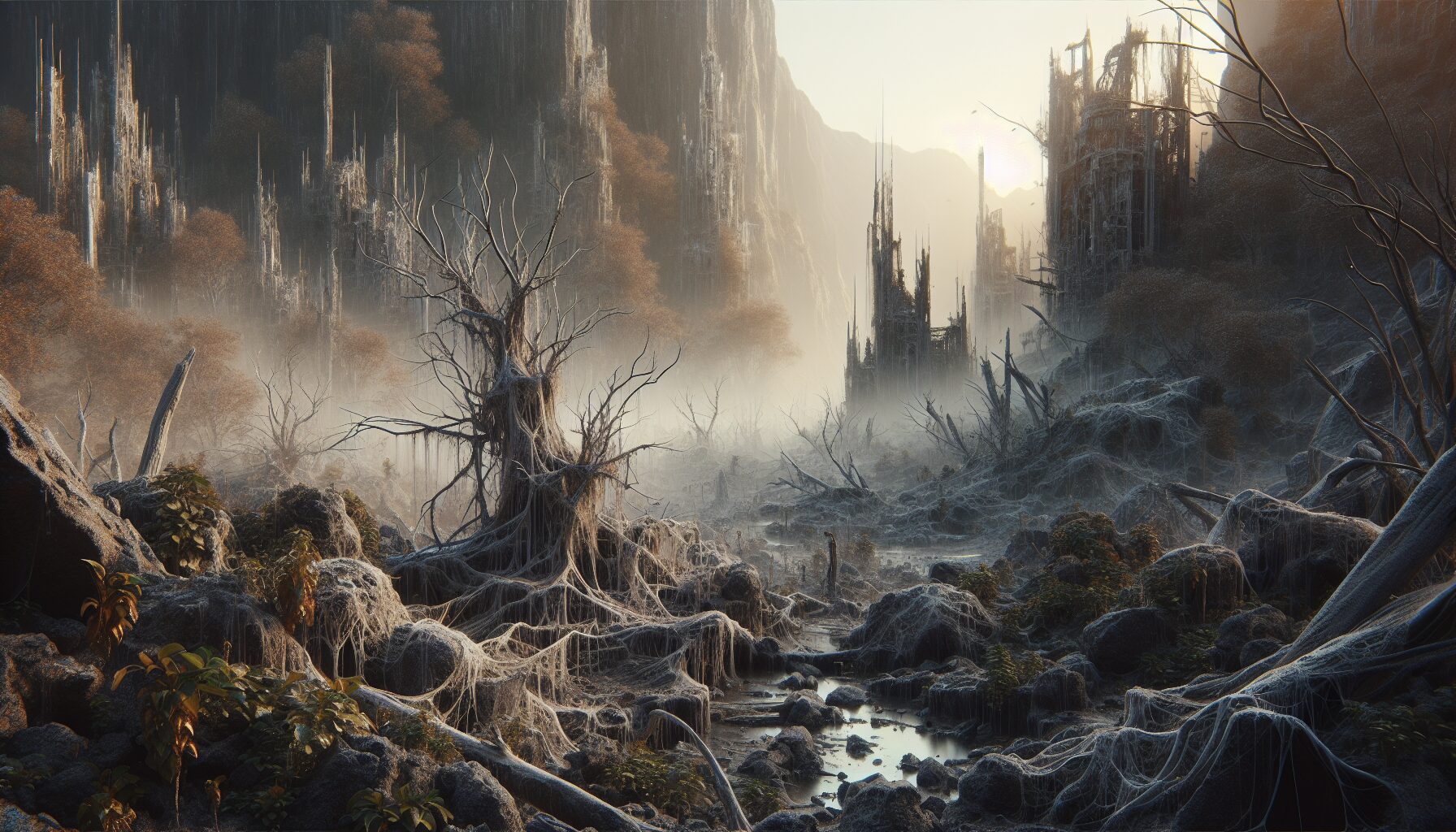
    Across the world, abandoned sacred spaces stand as haunting, yet beautiful relics of the past. These forgotten churches, temples, and shrines tell stories of communities that once gathered in worship, drawn together by shared beliefs and a common reverence for the divine. While the echoes of sacred chants have faded, these spaces are now filled with a new kind of allure, characterized by silence, decay, and a poetic interplay of light and shadow.

    “These abandoned churches, temples, and synagogues form a rich tapestry of architectural and cultural history, where nature and neglect collaborate in poignant serenity.”
    — Art Historian Susan Fisher

    Many of these buildings, though neglected, continue to captivate photographers, historians, and explorers alike. Here lies the unique aesthetic of impermanence—a reminder of the past’s grandeur reflected in crumbling frescoes and overgrown sanctuaries. As the sunlight filters through broken stained glass windows, it creates a stunning spectacle, transforming dust into specks of life momentarily suspended in mid-air.

    The Intersection of Nature and Human Craft

    Abandoned sacred spaces illustrate an extraordinary union between natural reclaim and human craftsmanship. Consider the Church of San Rocco in Venice, Italy, now overtaken by lush greenery which weaves itself through the wrought-iron gates and cracks in the walls. Similarly, in the French countryside, the Abbey of Saint-Evroult stands open to the elements, yet somehow retains a sense of its former sanctity.

    • Architectural Details: Ornate stonework and delicate tracery adorn these spaces, often surviving the ravages of time and acting as a testament to the artisans’ skills.
    • Natural Reclamation: Flora thrives in the humid, shadowed crevices, merging architecture with wilderness.
    • Historical Significance: Each site is a living archive, offering insights into historical cultural practices and religious rituals.

    A Modern Pilgrimage

    For contemporary visitors, exploring these sites often becomes a modern pilgrimage—a journey to experience the profound quiet and contemplative atmosphere that prevails in the absence of active worship. The abandoned church of St. George in the Czech Republic, for instance, with its eerie rows of ghostly statues, serves as both art and reminder of mortality, compelling those who enter to reflect on the larger existential questions.

    As these spaces slowly succumb to nature’s embrace, they offer a fleeting opportunity to touch the divine—in the undisturbed tranquility, in the whispers of the past, and in the veins of light that illuminate their sacred corridors.

  • Nocturnal Graffiti: Writing the Invisible

    Nocturnal Graffiti: Writing the Invisible

    You need to be logged in to view this content. Please . Not a Member? Join Us
  • The Quiet Revolution of Forgotten Saints

    The Quiet Revolution of Forgotten Saints

    You need to be logged in to view this content. Please . Not a Member? Join Us
  • Ink and Ash: Creating Ritual in Everyday Life

    Ink and Ash: Creating Ritual in Everyday Life

    You need to be logged in to view this content. Please . Not a Member? Join Us
  • Twilight Between Worlds: The Art of Mourning and Memory

    Twilight Between Worlds: The Art of Mourning and Memory

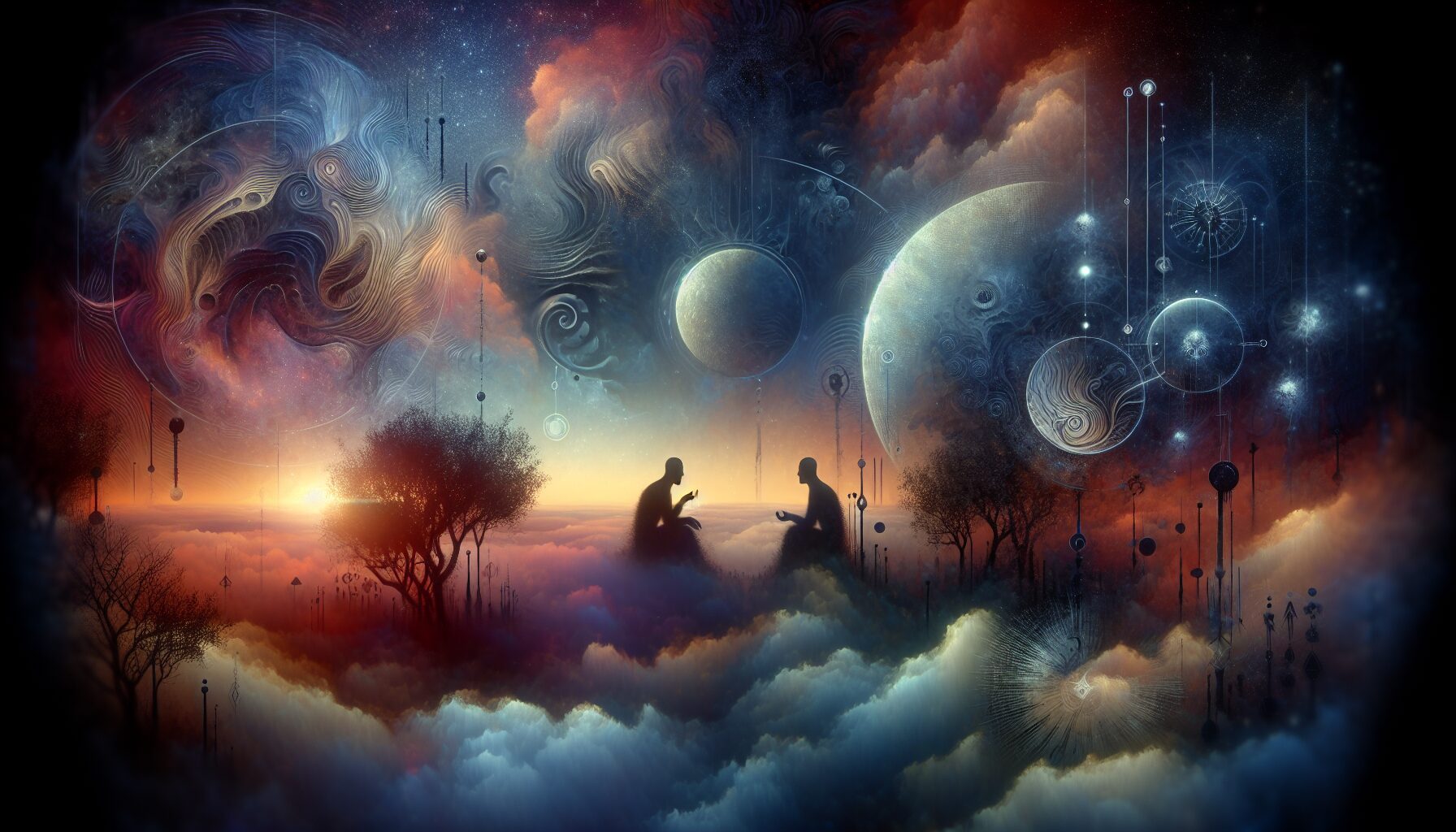
    Mourning is a universal language, an inevitable journey traversed by every human heart. It is an art form, a complex tapestry woven with strands of memory, emotion, and ritual. The experience of mourning often exists in a “twilight” between worlds—caught between the tangible reality of loss and the intangible presence of memory.

    The Universality of Mourning

    Every culture around the globe engages in mourning practices, each bringing its own unique traditions. These practices serve as a bridge, helping the living to connect with the dead and to reconcile with the void left behind. As psychologist William Worden suggested, mourning involves a series of tasks that must be worked through, such as accepting the reality of the loss and adjusting to a world without the deceased (source).

    Art as a Vessel for Memory

    Art has long been a crucial conduit for expressing the inexpressible facets of grief. Whether through painting, music, or literary expression, art captures the essence of our memories and immortalizes them. Author Joan Didion, in her poignant memoir The Year of Magical Thinking, portrays her exploration of personal grief following the loss of her husband. Didion writes, “Grief turns out to be a place none of us know until we reach it” (source).

    “The role of art is not to only show what is pleasing but to connect with the facets of existence that remain unspoken,” philosopher Alain de Botton once remarked (source).

    • Music: Compositions like Mozart’s Requiem evoke the depth of sorrow while offering solace through harmony and melodic beauty.
    • Visual Art: Painters like Frida Kahlo and Edvard Munch externalized their grief, creating enduring works that resonate through time.
    • Literature: From Emily Dickinson’s elegiac poetry to contemporary memoir, writing has been a sanctuary for the bereaved.

    Evolving Traditions

    In modern times, technology has invited new dimensions to the act of remembering. Virtual memorials and digital legacies have emerged, providing platforms for expressing grief and commemorating lives in ways previously unimaginable. This evolution reflects society’s continuous attempt to harness new mediums to maintain a connection with those who have departed.

    The journey of mourning is not about reaching a defined destination but about existing in that twilight—cherishing memories while navigating the new normal. It’s the precious blend of past and present, sorrow and solace, that allows us to truly appreciate the art of loss and remembrance.

  • Ghostlight Diaries: Stories from the Urban Spirit Realm

    Ghostlight Diaries: Stories from the Urban Spirit Realm

    You need to be logged in to view this content. Please . Not a Member? Join Us
  • Fallen Wings: An Introduction to Angels Morts

    Fallen Wings: An Introduction to Angels Morts

    You need to be logged in to view this content. Please . Not a Member? Join Us
  • The Liminal Library: Reading Between Worlds

    The Liminal Library: Reading Between Worlds

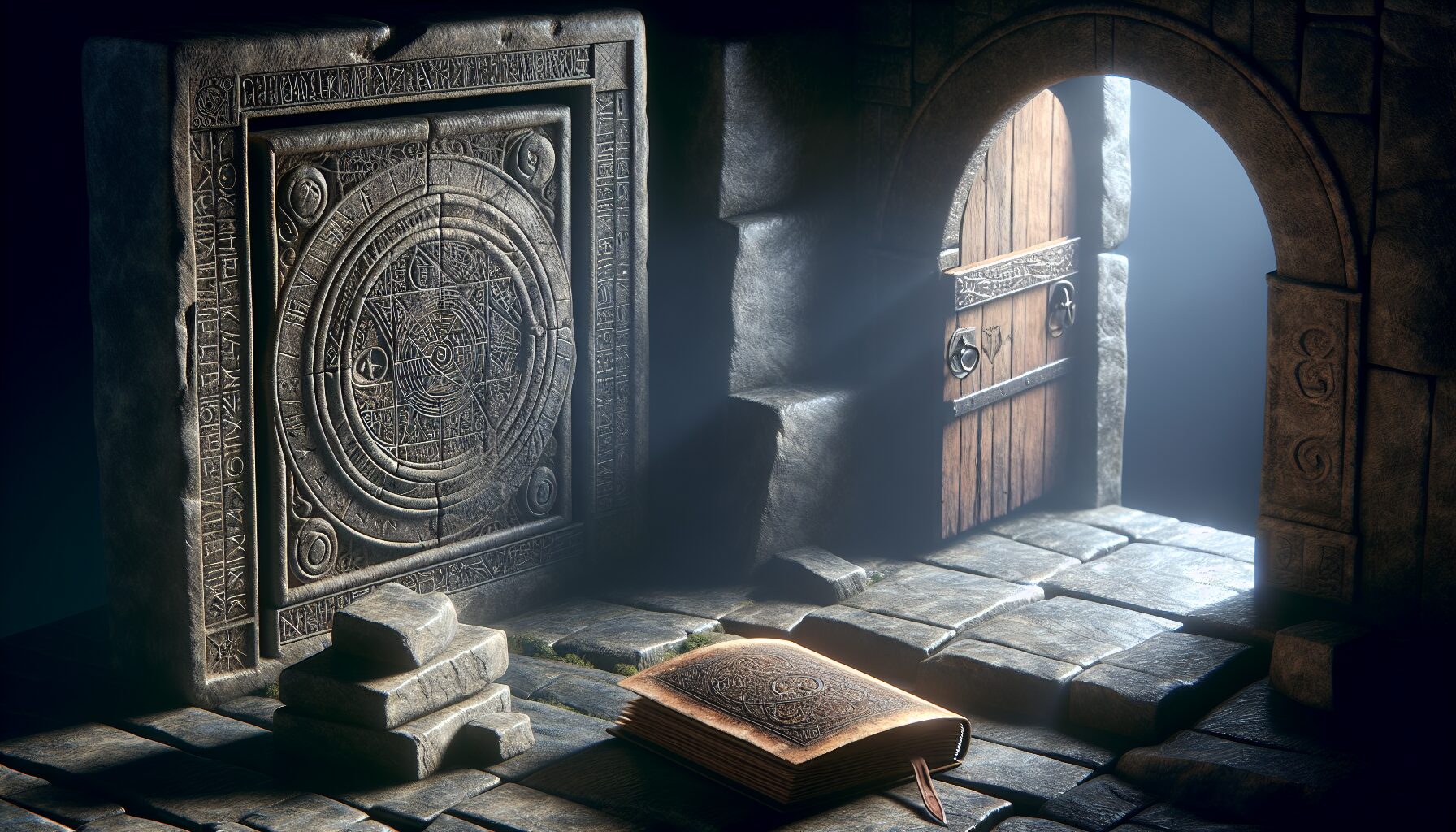
    Throughout history, libraries have served not only as repositories of knowledge but also as portals to other realms—places where the lines between reality and imagination blur. Often referred to as “liminal spaces,” libraries are unique locales where transitions exist between the known and the unknown. This liminal quality of libraries turns them into magical thresholds for readers, allowing passage between worlds through the pages of a book.

    Bridging Realities

    In many ways, a library functions as a bridge between diverse realities, offering insights into varied cultures, histories, and ideas. Neil Gaiman, a renowned author, once remarked, “A town isn’t a town without a bookstore, it may call itself a town, but unless it’s got a bookstore it knows it isn’t fooling a soul.” Even more, a library transcends a bookstore in its scope and depth, serving as a crossroads of human experience and knowledge.

    The Magic of the Stacks

    Each visit to a library can be considered an adventure into the unknown. The act of selecting a book from the stacks is akin to choosing a key to unlock a new dimension. Libraries invite introspection and exploration, linking us to stories and discoveries that shape our understanding of the world. As the late Carl Sagan famously said, “The library connects us with the insight and knowledge, painfully extracted from Nature, of the greatest minds that ever were, with the best teachers, drawn from the entire planet and from all our history, to instruct us without tiring, and to inspire us to make our own contributions to the collective knowledge of the human species.

    Liminality in Literature

    Libraries themselves often symbolize transitions in literature, embodying the journey between the mundane and the fantastical. J.K. Rowling’s Hogwarts Library in the Harry Potter series, for example, is filled with spellbinding tomes and magical secrets waiting to be uncovered. Libraries play a critical role within such narratives, acting as facilitators for characters embarking on quests that stretch beyond ordinary boundaries.

    Conclusion

    As places of both solitude and community, libraries possess a special kind of enchantment, making them ideal liminal spaces. They hold the power to transform readers, granting access to new perspectives and worlds. In doing so, libraries remain timeless sanctuaries of human curiosity and imagination. For those who venture into their depths, the rewards of discovery are boundless.

    “A town isn’t a town without a bookstore, it may call itself a town, but unless it’s got a bookstore it knows it isn’t fooling a soul.” – Neil Gaiman

    “The library connects us with the insight and knowledge, painfully extracted from Nature, of the greatest minds that ever were…” – Carl Sagan