Tag: abstract

  • Abstract Twilight – Emptiness and the Hidden

    Abstract Twilight – Emptiness and the Hidden

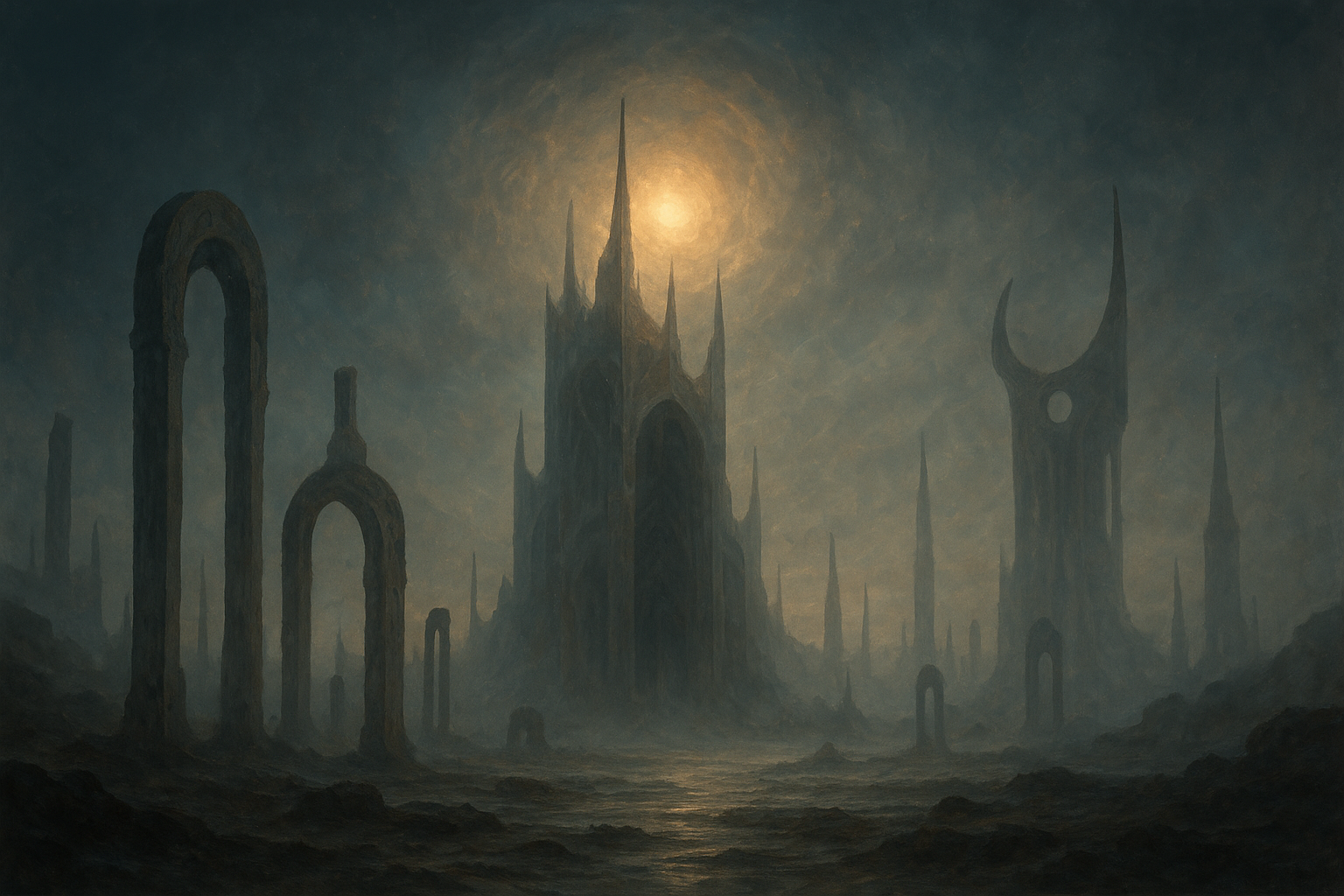
    Abstract Twilight: Emptiness and the Hidden

    In the vast realm of psychology, the concepts of emptiness and the hidden carry significant weight. These abstract notions do not merely exist as philosophical ponderings; they are central to understanding the human psyche’s intricate landscape.

    The Notion of Emptiness

    Emptiness often evokes a sense of void or absence, yet within psychology, it signifies more than just a lack of substance. It relates to existential perspectives where individuals confront a perception of meaninglessness or disconnection. According to existential psychologist Viktor Frankl, finding meaning is fundamental to our well-being. He asserts, “Life is never made unbearable by circumstances, but only by lack of meaning and purpose.”

    Feeling empty can lead to a profound exploration of one’s inner self. It acts as a catalyst, pushing individuals to seek purpose and connection. As Frankl’s work often highlights, the journey through perceived emptiness can lead to personal growth and realization, offering a canvas where individuals can paint their essence anew.

    The Allure of the Hidden

    In contrast, the hidden aspects of our psyche often involve elements we are not readily aware of. Sigmund Freud’s model of the human mind emphasizes the transformative power of the unconscious. He suggested that much of our behavior and feelings are influenced by hidden memories, desires, and fears residing in the unconscious. Freud himself posited, “Unexpressed emotions will never die. They are buried alive and will come forth later in uglier ways.”

    Understanding the hidden facets of the human mind involves delving into the shadowy recesses of the unconscious. This journey can unveil powerful insights, allowing individuals to confront and integrate these aspects, fostering a greater sense of self-awareness and psychological balance.

    Interwoven Dynamics

    The interplay between emptiness and the hidden paints a complex picture essential to comprehending human emotional and psychological experiences. Abstract twilight, as a metaphor, serves to encapsulate this boundless expanse where these concepts reside. It invites us to not only introspect but to appreciate the subtle harmony between perceived voids and concealed truths.

    As Carl Jung eloquently put it, “I must also have a dark side if I am to be whole.” Embracing both emptiness and the hidden allows us to transcend beyond mere survival, beckoning us toward enlightening self-discovery.

    Ultimately, navigating this abstract twilight is a journey of embracing uncertainty and unveiling new dimensions of ourselves, inviting a deeper understanding of our place in the vast tapestry of human experience.

  • Abstract Night – Emptiness as Experience

    Abstract Night – Emptiness as Experience

    “The night is more than a time to rest,” wrote Henry David Thoreau. It is a boundary, a canvas, drawing us into the embrace of its abstractness. For centuries, poets, artists, and philosophers have explored the multifaceted dimensions of night, revealing profound insights about its nature and our experiences within it.

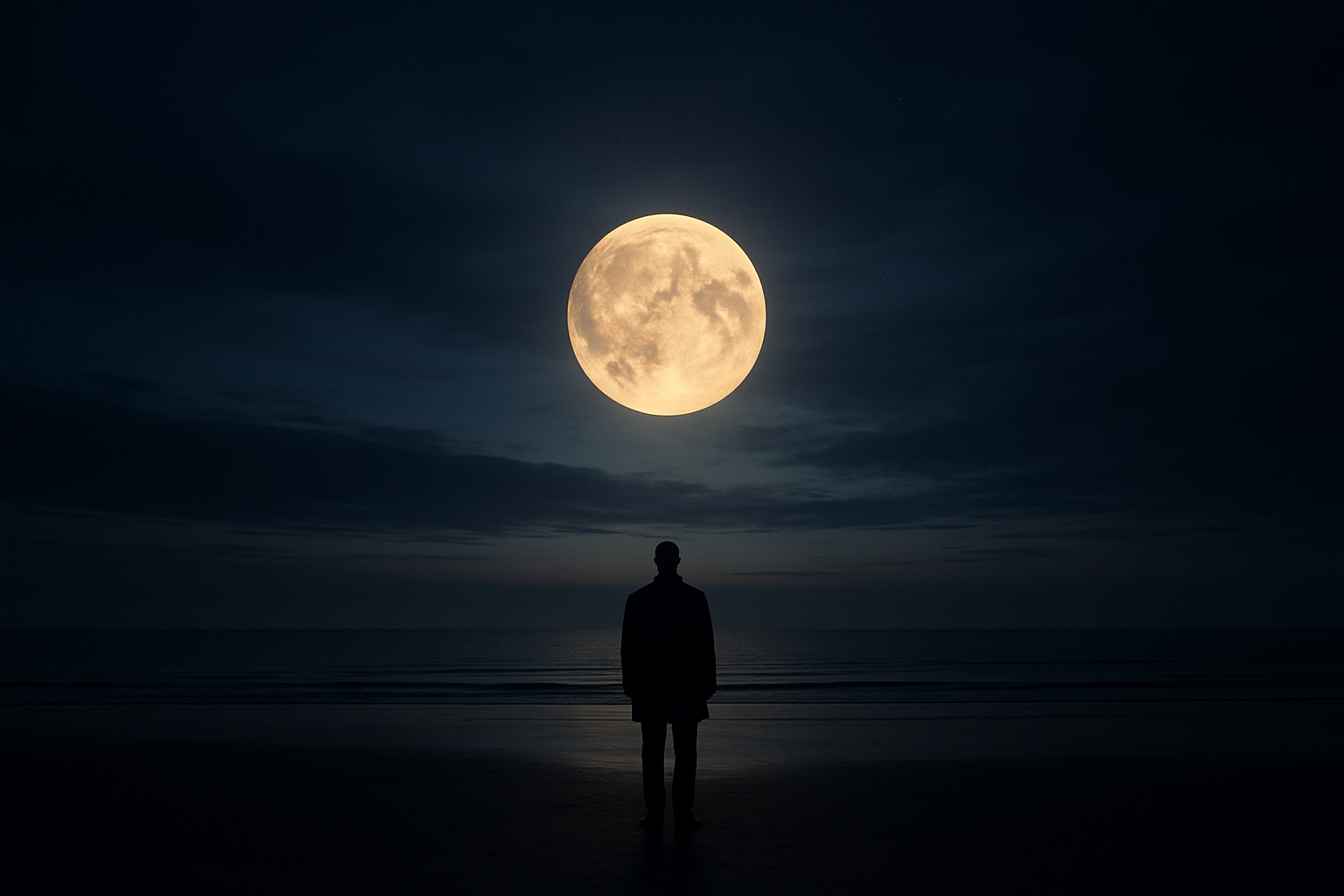
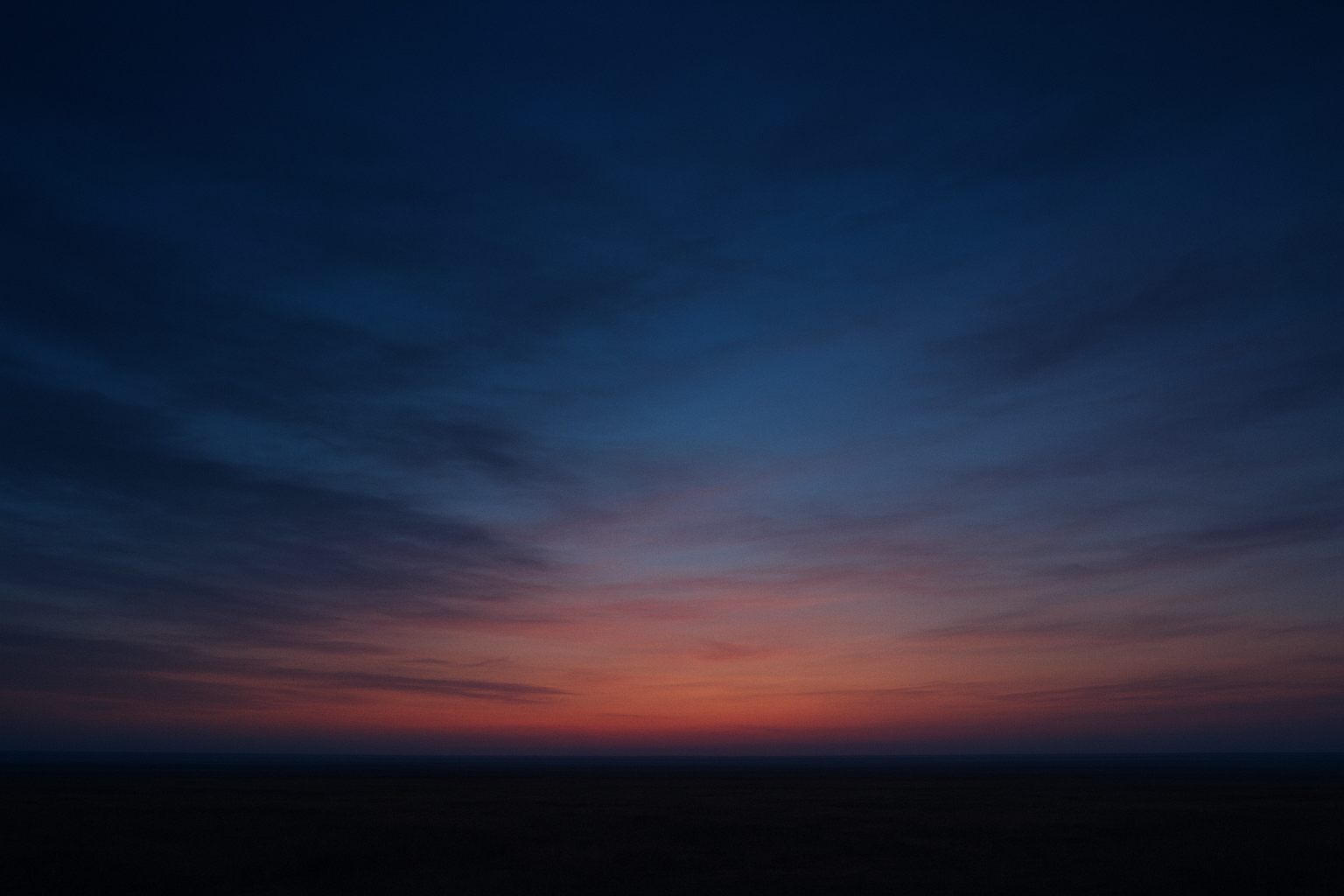
    To venture into a nightscape is to enter a realm seemingly void, yet full of potential. This concept, referred to as the “abstract night,” is not a mere absence of light but a gateway to an experience of emptiness that is profoundly rich and transformative.

    The Enigma of Darkness

    From the earliest human history, night has been both feared and revered. In ancient cultures, darkness often stood as a synonym for the unknown, concealing dangers but also providing the solitude necessary for deep introspection. As Carl Jung observed, the darkness “carries both the threat of the untamed and the promise of the sacred.”

    “Knowing your own darkness is the best method for dealing with the darknesses of other people.” — Carl Jung

    Under the veil of night, the abstract becomes perceivable. The structured outlines of the day blur into shadows, allowing for a different perception of reality. This is not just a physical but a mental transformation, where emptiness fosters creativity and introspection.

    The Artistic Interpretation

    Artists have long been captivated by the abstract night, using it as a backdrop to explore themes of emptiness and existence. Joseph Mallord William Turner’s iconic painting The Fighting Temeraire immerses viewers in the twilight’s abstraction, where the visible dissolves into the subconscious.

    • Van Gogh’s Starry Night: Emotionally charged swirls in the star-filled sky offer not the usual emptiness but a celestial fullness that hints at the universe’s vastness.
    • Pablo Picasso’s Blue Period: The dominance of blue in paintings like The Old Guitarist creates an abstract void filled with melancholy that invites viewers to ponder the voids within themselves.

    These artists illustrate how night’s perceived emptiness can be a cradle for imagination, turning the absence of light into a presence of mind.

    Literature and Philosophy’s Dance with Night

    In literature, writers repeatedly explore the abstract night to delve into themes of human solitude and potential. Through the words of Rainer Maria Rilke, night becomes a meditative state where words and thoughts take new forms: “The only journey is the one within.”

    Nights, described by Emily Dickinson, become stages where the self is both the audience and the main act, as illustrated in her poem A Nerve Disconnected with Its Motion, portraying night as a theater of contemplation.

    The Psychological Perspective

    Modern psychology suggests that the concept of an abstract night relates deeply to mindfulness. It is a space for cultivating the inner world. In darkness, the mind is less distracted by visual stimuli, allowing for deeper perception and cognitive processing. This emptiness is not a void but a mental landscape primed for personal exploration.

    Dr. Susan Cain, in her book Quiet: The Power of Introverts in a World That Can’t Stop Talking, discusses the value of such solitude inherent in abstract nights. According to her, these moments allow introverts—a third to a half of the population—to recharge, fostering innovative thinking and emotional health:

    “Solitude is a catalyst for innovation. The night’s emptiness inspires insights that are often unheard in the noisy world of daylight.” — Susan Cain

    Cultural Rituals and Night

    Across cultures, the abstract night has inspired rituals and practices aimed at embracing the night’s potential. The Japanese concept of Yin and Yang positions night with the Yin, traditionally associated with dark, passive, and intuitive qualities, necessary to balance the energetic daylight.

    • Ramadan: A month-long Islamic tradition where night gains importance as fasting occurs during daylight, reminding participants of the value of reflection and spiritual discipline under the night’s guidance.
    • Shabbat: In Judaism, night marks the beginning of a day. This cultural interpretation transforms emptiness into a space for spiritual reflection and family connection.

    These practices find their resonance in night’s abstractness, revealing how experiencing emptiness is embedded into the fabric of cultural meaning and understanding.

    The Night and Technological Advances

    Today, technology attempts to redefine the abstract night, creating experiences that blend digital and physical realms. Virtual reality (VR) experiences are now capable of simulating nightscapes that challenge our perception of emptiness.

    One such project is VR Trips, which offers immersive night environments where users can engage in meditative practices. As the CEO, John Smith, stated:

    “We aim to provide users with a digital sanctuary that recreates the contemplative expanses of the night, aiding emotional well-being and creativity.”

    These innovations underscore the timeless allure of the abstract night, now enhanced and explored through the lens of modern science and technology.

    Embracing Emptiness

    The abstract night, with its emptiness, does not solely exist to be filled but to be embraced. It is through this embrace that we acknowledge the whispers of the universe and the echoes of our own souls. The night allows us to see the intricacies of our inner landscapes, free from the cacophony of the world.

    As darkness descends, the abstract night opens up a path. It invites not fear but exploration—an opportunity to seek and to understand, to find serenity in emptiness. In recognizing this, we discover that the abstract night is not a state of nothingness, but a profound experience waiting to be lived.

  • Abstract Catacombs – Mystery in the Mind’s Architecture

    Abstract Catacombs – Mystery in the Mind’s Architecture

    Abstract Catacombs: Mystery in the Mind’s Architecture

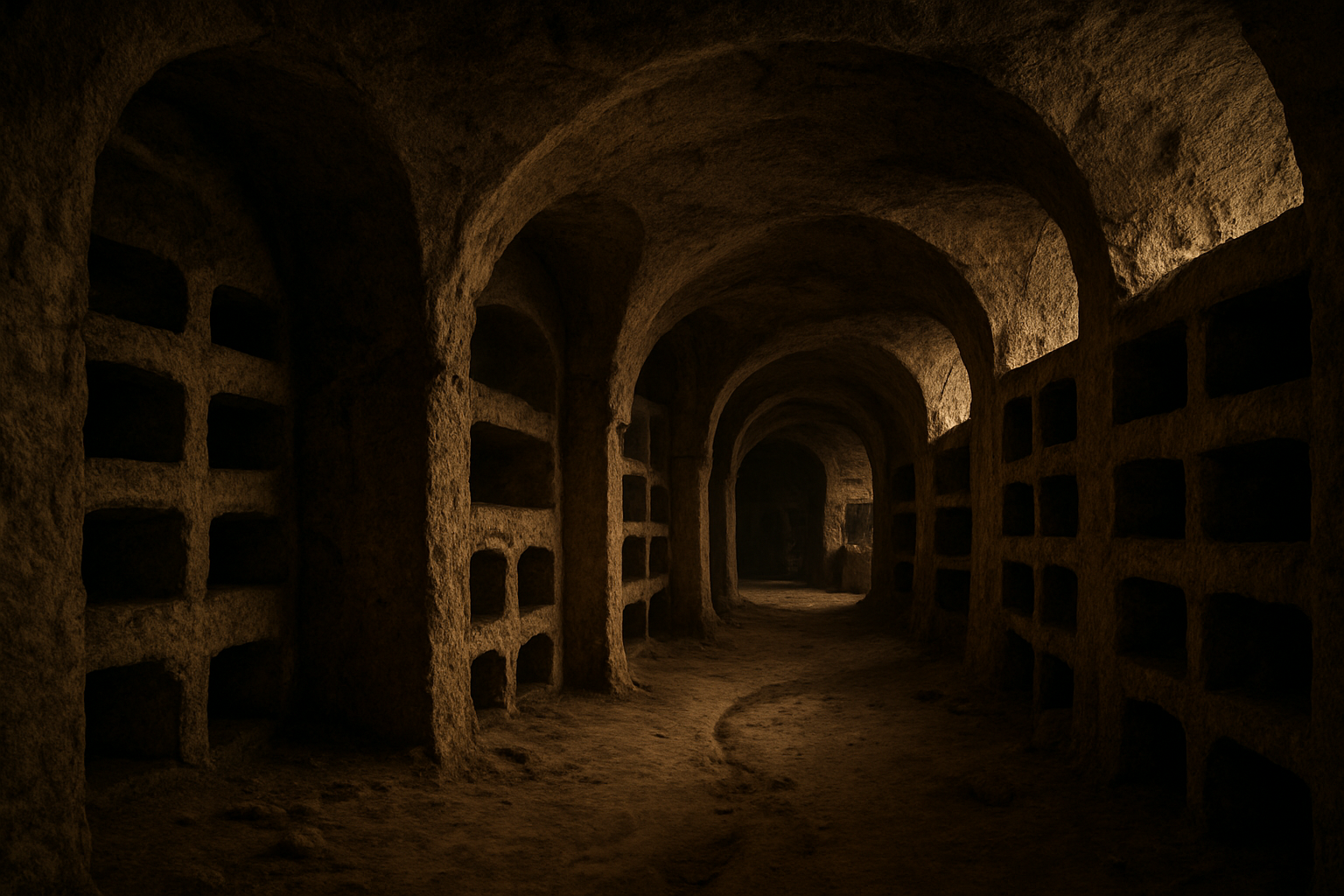
    The human mind is an elaborate maze, stretching out in abstract catacombs laden with mystery, creativity, and psychological depth. Exploring these cognitive corridors opens doors to understanding not only human behavior but also the potential of untapped intellectual capabilities.

    The Brain’s Structure: A Brief Overview

    Our brains are composed of interwoven networks, a notion supported by Dr. Tara Swart, a neuroscientist and author who states, “The human brain is this incredibly intricate network that harnesses both individual and collective neural pathways.” (Brain Facts)

    • The Cerebral Cortex: It’s the outermost layer packed with billions of neurons, responsible for complex thought processes.
    • The Limbic System: This is where our emotions and memories reside, playing a significant role in human behavior.
    • The Brainstem: Often dubbed the ‘reptilian brain,’ it controls the body’s basic functions.

    Creativity: Wandering the Cognitive Passageways

    The abstract catacombs of the mind are most vividly navigated during the exercise of creativity. According to a study published in The Journal of Creative Behavior, creative processes engage multiple brain areas simultaneously. Professor Rex Jung, a neuroscientist specializing in creativity, notes, “Creativity involves divergent thinking that requires flexible, open networks in the brain.” (The Journal of Creative Behavior)

    “The ability to think outside of the box really means stepping into different cognitive rooms and using them in ways that they were not originally intended for.” – Professor Rex Jung.

    Mysteries within Mental Corridors

    Despite advances in neuroscience, there remain vast unknowns within the labyrinthine structure of the mind. The subconscious mind, in particular, operates beneath our awareness, much like hidden catacombs beneath ancient cities.

    • Memory Formation: The exact mechanisms behind memory retention and recall remain significantly mysterious.
    • Conscious vs. Subconscious: Understanding the interplay between the conscious thoughts and subconscious impressions is still at a nascent stage.

    Dr. Elizabeth Phelps, a psychologist at Harvard University, discusses these mysteries: “Despite our best efforts, there are still vast regions of the mind that we do not fully understand, regions that operate beneath the threshold of consciousness.” (Harvard University)

    Psychological Implications of the Abstract Mind

    The abstract catacombs of the mind have profound implications for both psychology and mental health. Understanding these complex networks can lead to better treatment for mental disorders and enhancements in cognitive therapy.

    • Cognitive Behavioral Therapy (CBT): By understanding how specific pathways are formed, CBT can be tailored for more effective interventions.
    • Neuroplasticity: The brain’s ability to rewire itself, as described by neurologist Dr. Norman Doidge, helps us comprehend how therapy aids recovery from trauma and stress. (Dr. Norman Doidge)

    Emotional Intelligence is another psychological domain impacted by these abstract brain structures. Developing an understanding of these patterns aids in better managing one’s emotions and empathy toward others.

    Conclusion: Navigating the Abstract Catacombs

    As our scientific understanding progresses, the abstract catacombs of the mind offer perhaps the last intellectual frontier. By delving into this mystery, we not only unravel the complexities of human cognition but also expand the boundaries of human potential.

    In conclusion, while many questions remain unanswered, what we know encourages further exploration into the fascinating labyrinth that is the human mind—a testament to the brain’s profound intricacies.

    This exploration beckons not just scientists, but anyone intrigued by the endless possibilities hidden in the mind’s deepest recesses. The journey into the abstract catacombs has just begun.

  • Abstract Mourning Rites – Emptiness Expressed in Symbol

    Abstract Mourning Rites – Emptiness Expressed in Symbol

    Abstract Mourning Rites: Emptiness Expressed in Symbol

    As the 21st century progresses, the way societies process grief undergoes continuous transformation. The practices that bind us in shared sorrow and remembrance evolve alongside technological advances and cultural shifts. Within this context, abstract mourning rites emerge as a poignant reflection of humanity’s grappling with loss, employing symbols and metaphors to express the profound emptiness left by those who have departed.

    The Evolution of Mourning Practices

    The history of mourning rites is rich and varied, stretching from the ritualistic burial ceremonies of ancient Egypt to the dirgelike elegies of the Victorian era. Each culture has developed its unique way of honoring the dead, reflecting its beliefs, values, and technological capabilities. In recent times, the rise of digital technology has ushered in new forms of remembrance. Online memorials, virtual funerals, and social media tributes have become commonplace, providing platforms for collective mourning beyond geographical constraints.

    However, beyond these technological transformations lies a more subtle shift towards abstraction in mourning rituals. As societies increasingly prioritize individual expression and personalized memorials, symbolic gestures and abstract representations become integral to modern mourning practices.

    Symbolism in Mourning: A Language of Loss

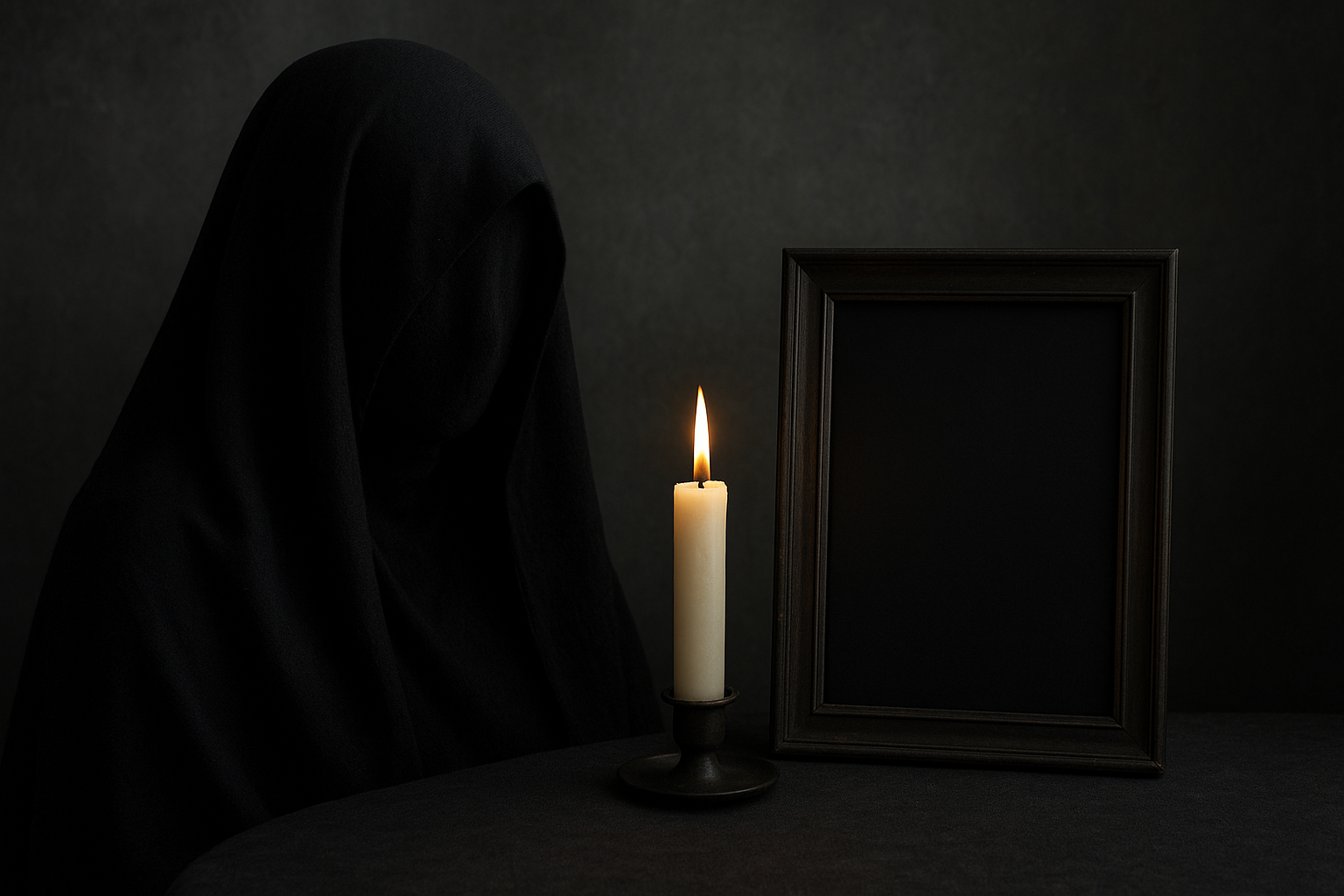
    Symbolism serves as a bridge between the tangible and the intangible, offering a language through which the ineffable nature of grief can be conveyed. The empty chair at a family gathering, the candle flame flickering in a dark room, or a single white rose — all are symbols that speak volumes about absence.

    “Art is not what you see, but what you make others see.” – Edgar Degas

    Degas’s observation resonates profoundly in the context of mourning. Abstract symbols in ritual and art allow individuals to express their inner turmoil and connect with others who share similar experiences. The emptiness experienced in loss is articulated through these artistic expressions, making the invisible, visible.

    Contemporary Artists and Abstract Mourning

    The contemporary art world plays a significant role in shaping abstract mourning rites. Artists like Anish Kapoor and Olafur Eliasson utilize large-scale installations that often explore themes of absence and memory. Kapoor’s “Descent into Limbo”, for example, features a dark void that beckons viewers into contemplation. Such works challenge the perception of space and presence, metaphorically echoing the void left in the wake of death.

    In a similar vein, Yayoi Kusama‘s Infinity Rooms envelop individuals in endless reflections, suggesting the infinite nature of memory and the enduring legacy of those lost. Through immersive environments, these artists foster spaces where individuals can reflect, mourn, and find solace in shared experiences of absence.

    The Role of Collective Memory

    Abstract mourning rites are not solely individualistic; they often serve as conduits for collective memory. Public memorials, such as the 9/11 Memorial in New York City, utilize abstract design to evoke a communal sense of mourning and resilience. The memorial’s twin reflecting pools mark the footprints of the towers, symbolizing both the loss suffered and the enduring memory of those who perished.

    Similarly, the Memorial to the Murdered Jews of Europe in Berlin employs a field of concrete stelae of varying heights, inviting visitors to wander through its labyrinthine structure. The memorial’s abstract design encourages introspection and confrontation with the immensity of historical grief.

    The Psychological Impact of Abstract Mourning

    Abstract mourning rites offer psychological benefits by acknowledging the complexities of grief. The ambiguity in symbolic representations allows individuals to project their personalized emotions, leading to catharsis and healing. In a Psychology Today article, grief counselor David Kessler describes this as the need for narrative—where symbols facilitate storytelling in the absence of words.

    “Each person’s grief is as unique as their fingerprint, but what everyone has in common is that no matter how they grieve, they share a need for their grief to be witnessed.” – David Kessler

    By engaging with abstract representations in art and ritual, mourners find spaces for witnessing and validation, crucial elements in the healing process.

    The Future of Mourning Rites

    As societies continue to grapple with the presence of technology and its impact on interpersonal connections, the future of mourning rites will likely see further abstraction and digital integration. Augmented reality (AR) and virtual reality (VR) could provide new dimensions for mourning, creating interactive memorial spaces that bridge the gap between the living and the deceased.

    Moreover, there is potential for developing new symbols and metaphors that resonate with contemporary experiences of loss. In this dynamic interplay between tradition, innovation, and abstraction, mourning rites will continue to evolve, providing a vital outlet for expressing the universal human experience of grief.

    Conclusion

    Abstract mourning rites underscore the need for symbolic representation in processing loss and commemorating the departed. As contemporary societies navigate the complexities of modernity, these abstract expressions offer profound insights into the human condition, creating spaces for healing and reflection amidst the void of absence.

  • Abstract Nightfall – Emptiness Encounters the Soul

    Abstract Nightfall – Emptiness Encounters the Soul

    The concept of nightfall often symbolizes more than the mere end of daylight. It represents the deeper dive into our existential fears and desires. In the poetic and philosophical realm, this transition into darkness beckons introspection, vulnerability, and the encounter with the self amidst the vacuum of existence.

    The Philosophy of Emptiness

    Philosophers from various traditions have grappled with the idea of emptiness, attempting to decipher its implications for human consciousness and fulfillment. In Buddhism, for instance, emptiness (or śūnyatā) is a pivotal concept. It suggests the absence of an inherent, independent self or essence, positing that all phenomena are interdependent and ultimately void of a permanent identity.

    “Form is emptiness, emptiness is form,” a profound assertion found in the Heart Sutra, encapsulates this philosophical view. It challenges us to perceive the ephemeral nature of existence.

    The existentialists also explore emptiness, though often with a more disquieting lens. Jean-Paul Sartre famously opined that “existence precedes essence,” proposing an existence fraught with the absence of predetermined purpose, thus thrusting humanity into a “nothingness” from which meaning must be carved.

    Nightfall: A Metaphor for the Internal Journey

    Nightfall serves as a potent metaphor in literature and art, representing the segue into the subconscious mind. As daylight wanes, the outer world recedes, prompting exploration into the uncharted territories of our interior landscapes. The encounter with this internal “night” often uncovers fears, desires, and truths we otherwise keep at bay under the sunlit veneer of day-to-day existence.

    • Fearlessness in Vulnerability: The cloak of night can either amplify our anxieties or ironically serve as a comforting veil, a space where deeper truths can emerge free from the harsh light of rational scrutiny.
    • The Canvas of Dreams: Dreams serve as a conduit, a negotiation space between the conscious and the unconscious. In this creative nightscape, the soul grapples with unresolved conflicts, constructing meaning from the abstract chaos.

    The Art of Embracing The Void

    Confronting emptiness at nightfall demands a willingness to engage with the void, affirming life not through external validations but through intrinsic understanding and acceptance.

    “Our task is to kiss the earth and do our best to keep it, and to build as much zing into it as we can,” Hans Hofmann once said, illustrating an artist’s resolve to transform void into vital presence (Brain Pickings).

    This transformation is an active, creative engagement with life’s inherent uncertainties. By embracing the void, we allow ourselves the courage to dream and craft personal meaning.

    Contemplative Cultures and Nightfall Rituals

    Many cultures have ritualized the transition of day into night, recognizing it as not just a temporal shift but a sacred passageway. Practices such as meditation, prayer, or journaling during this time serve as tools to decode personal narratives hidden within the folds of darkness.

    • Japanese Zen Gardens: The Zen garden exemplifies the beauty and power of simplicity, encouraging contemplation on the often overlooked spaces of silence and shadow.
    • Western Contemplative Traditions: The Christian practice of Compline, for instance, marks the end of the day’s labors, fostering a moment of reflection and peace.

    In these rites, the soul finds both chaos and clarity, mirroring the metaphysical dance of nightfall and the dawn. Through allowing the darkness to speak to us, we embark on a journey that often finds its narrative in the profoundly personal.

    Conclusion: Embracing the Abstract Night

    In the abstract night, emptiness and the soul encounter one another in a dance as old as time. Navigating this encounter involves acknowledging the intertwined fabric of fear and inspiration, void and fulfillment.

    The challenge remains to wield the night’s potential for introspection not as a source of dread but rather as an opportunity for renewal and profound self-awareness. Through engaging with the abstract nightfall—by witnessing and embracing the soul’s encounter with emptiness—we truly discover what it means to be human.

  • Abstract Vanishing – Emptiness in Form and Mind

    Abstract Vanishing – Emptiness in Form and Mind

    The realm of art and psychology are often interconnected, illustrating how abstract concepts can profoundly affect the human psyche. One such notion is the idea of emptiness, both in form and mind. This concept is a recurring theme in abstract art, deeply resonating with our cognitive processes and emotional experiences.

    The Essence of Emptiness in Art

    Abstract art has long grappled with the paradox of emptiness. Artists like Mark Rothko and Kazimir Malevich have famously exploited color and form—or the lack thereof—to invoke intense emotional responses. In Rothko’s words,

    “A painting is not a picture of an experience; it is an experience.”

    Indeed, emptiness in art is not merely the absence of structure or content but a deliberate choice that invites viewers to engage more actively with the artwork.

    According to Dr. Ellen Winner, a professor of psychology at Boston College specializing in art perception, “The less an artwork tells us directly, the more we fill in with our own mental stories.”

    Psychological Interpretations of Emptiness

    In the field of psychology, emptiness may refer to a state of a lack of subjective meaning or engagement in one’s activities, often leading to feelings of ennui and insignificance. Psychologists explore how this state of mind can influence human behavior and relationships, suggesting ways to cultivate fulfillment and purpose.

    The Appeal of Minimalism

    Minimalist environments and practices, much like abstract art, emphasize simplicity and clarity. They invite introspection by reducing external clutter, thus highlighting the internal landscape. Minimalism speaks to the desire for psychological clarity amid the chaos of modern life. By eliminating distractions, individuals often find amplified focus and emotional relief.

    The Philosophical Underpinnings

    Philosophically, the concept of emptiness can be traced back to Buddhist teachings, which advocate for the notion of ‘sunyata’—emptiness as a fundamental nature of all phenomena. This perspective encourages a liberation from attachment and a deeper understanding of the transient nature of existence.

    Emptiness, in this light, is not a void to be feared but a realization to be embraced. It underscores the impermanent and interdependent nature of reality. As the Buddha addressed,

    “Form is emptiness, emptiness is form.”

    Understanding this can lead to profound insights into the mind’s workings and our interactions with the world.

    Mindfulness and Embracing Emptiness

    Practices like mindfulness and meditation have become popular pathways to exploring the constructive aspects of emptiness. By focusing on the present moment and releasing judgments about the past and future, individuals can attain a greater understanding of themselves and lessen the burden of mental clutter.

    • Acceptance: Embracing things as they are without wishing for change.
    • Presence: Being fully engaged in the present moment.
    • Detachment: Developing a sense of self that is not dependent on external successes or failures.

    These practices aim to refine our mental states by clearing the mind of preoccupations, thereby opening up space for creativity, tranquility, and contentment.

    Conclusion

    The intersection of emptiness in abstract art and psychology offers a compelling view into human perception and cognition. It challenges us to reconsider our relationship with void and uncertainty, viewing them not as drawbacks but as opportunities for deeper engagement and personal growth.

    By acknowledging and embracing emptiness, both in form and mind, we open ourselves to new interpretations, both in art and life. Such a perspective transforms emptiness from a daunting absence into a canvas of potential, inviting introspection, connection, and ultimately, understanding.

  • Abstract Mourning – Symbols of Loss and Absence

    Abstract Mourning – Symbols of Loss and Absence

    The human experience of loss is both universal and deeply personal. Across cultures and throughout history, societies have developed various ways to express grief and commemorate those who have departed. These expressions often take on symbolic forms, allowing individuals to channel their emotions into tangible abstractions. This article delves into the abstract symbols of mourning and how they manifest the profound sensations of loss and absence.

    The Evolution of Mourning Symbols

    From ancient rituals to modern memorials, symbols of mourning have evolved, yet their core purpose remains the same—to provide solace and facilitate the grieving process. According to Dr. Susan Williams, a grief therapist, “Symbols can convey complex emotions more powerfully than words, bridging the gap between the conscious and unconscious aspects of our mourning.”

    Historically, mourning symbols have ranged from physical objects to color associations. For example, in Victorian England, it was customary to wear black clothing as a sign of grief—a practice that still persists in various forms today.

    Floral Symbolism: The Language of Flowers

    Flowers have long been associated with mourning, each variety representing different sentiments. The lily, for instance, often symbolizes the restored innocence of the soul of the deceased. Meanwhile, chrysanthemums are popular in many cultures as mourning flowers due to their association with death, especially in Europe. The act of laying flowers at a grave serves as a poignant symbol of remembrance, beauty, and the ephemeral nature of life.

    “The flower that you hold in your hands was born today and already it is as old as you are.” — Antonio Porchia

    Symbols of Light: Candles and Lanterns

    Light has an age-old connection to life, purity, and the soul. Lighting a candle for someone who has passed away is a ritual practiced across many faiths and cultures. In Judaism, the Yahrzeit candle is lit in memory of the departed, illuminating the darkness and symbolically representing the spirit of the deceased.

    During Bon Festival in Japan, families light lanterns and set them afloat on water to guide the souls of their ancestors back to the spirit world. This ancient custom, known as toro nagashi, is both a celebration of life and a solemn farewell.

    Stone and Monument: The Eternal Presence

    Stone is a powerful symbol of endurance and permanence, making it an ideal medium for memorials. Tombstones and cenotaphs serve not only as physical reminders of those who have left this world but also as symbols of the unyielding presence of memory.

    The National Memorial Arboretum in the UK and the Vietnam Veterans Memorial in Washington, D.C., are significant examples where stones and names serve as enduring symbols of sacrifice and absence. These spaces provide places for reflection, allowing mourners to connect with the past and bring personal closure.

    Colors and Fabrics: The Palette of Grief

    While black is predominantly associated with mourning in Western cultures, other colors have different connotations globally. In China and other East Asian cultures, white is the color of mourning, symbolizing purity and rebirth. This divergence highlights the diversity in emotional expression and cultural interpretations of grief.

    %The use of fabrics, such as veils and shrouds, carries symbolic meanings as well. The act of veiling, for example, can symbolize the separation between the grieving person and the outside world, providing a sheltered space to process sorrow.

    Emptiness and Absence: The Artistic Dimension

    Contemporary art has embraced the abstract nature of mourning through installations and performances that evoke a sense of emptiness and absence. Artists like Yoko Ono and Marina Abramovic have explored these themes, creating works that invite viewers to confront and reflect on their own experiences of loss.

    For instance, Ono’s “Cut Piece” performance piece involved allowing viewers to cut away pieces of her clothing. This interactive approach to mourning emphasizes participation, vulnerability, and the shared nature of grief.

    The Personal Aspects of Mourning Symbols

    While public symbols of grief offer communal spaces for mourning, individuals often possess their own personal symbols of loss. These might include cherished photographs, handwritten notes, or even favorite places that evoke the presence of the deceased. As poet Sylvia Plath wrote, “I am myself, that is not enough,” capturing the search for connection with lost loved ones through personal mementos.

    Conclusion: The Ongoing Journey of Grieving

    Mourning is a deeply personal process, and symbols of loss offer a means to express and interpret this complex emotion. Whether through traditional rituals or modern artistic expressions, these symbols help mourners navigate their grief, ensuring that the memory of the departed remains an indelible part of the living world.

    Ultimately, abstract mourning extends beyond mere representation; it transforms the intangible into something that can be held, seen, and felt, enabling those who grieve to find solace and strength in the face of absence.

  • Abstract Magic – Arcane Structures Beyond FormThe Hollow Pantheon – Mythology of Lost Souls

    Abstract Magic – Arcane Structures Beyond FormThe Hollow Pantheon – Mythology of Lost Souls

    Abstract Magic – Arcane Structures Beyond Form

    Abstract Magic – Arcane Structures Beyond Form

    The concept of magic transcends the boundaries of what is tangible and logical. Throughout history, magic has been described as a mysterious force that lies beyond the grasp of conventional wisdom, shaping civilizations and inspiring awe. As humanity delves deeper into the mysteries of its existence, a new breed of magic, termed here as Abstract Magic, has arisen—one that defies traditional forms to embrace the ethereal and the arcane.

    The New Age of Magic: Boundless and Formless

    In the ages of yore, magic was often associated with arcane rituals, enchanted objects, and powerful incantations. Today’s Abstract Magic, however, eclipses these earlier forms, presenting itself as an entity beyond substance and structure. It suggests that magic is not confined to the physical realm; instead, it resides within the psychic landscapes of collective consciousness.

    “Magic may just be humanity’s attempt to reach beyond the constraints of reality, to touch the divine chaos of creation.” — Dr. Elise Manning, Mythologist and Ancient History Scholar

    This abstract understanding of magic is both revolutionary and reminiscent of older mystical philosophies. It aligns with the theories of quantum mechanics, where certainty and predictability evaporate at the subatomic level, leaving only the strange dance of possibilities.

    The Hollow Pantheon: Mythology of Lost Souls

    Every civilization has spun tales of gods, heroes, and spirits, embodying virtues and vices that reflect the human condition. Among these myths lies a lesser-known assembly known as The Hollow Pantheon. Unlike the classical deities, the gods and goddesses of The Hollow Pantheon are spectral forms, embodiments of concepts rather than anthropomorphic figures.

    • Eratos: The God of Aether, a formless deity representing unlimited potential and the chaotic energy of creation.
    • Nebula: The Goddess of the Veil, reigning over mysteries and unseen truths, her influence felt in the enigmatic whispers of the wind.
    • Morpheon: The Liminal Guide, who navigates the boundary between dreams and reality, offering visions that reshape destiny.

    The Hollow Pantheon draws its mythology from the lost souls of time—those untethered spirits who wander the annals of history. Each story within the Pantheon speaks to themes of transcendence, transformation, and the stark beauty of an unknowable force.

    Resonance with Modern Thought

    The contemporary embrace of The Hollow Pantheon aligns with the evolving understanding of identity and purpose among modern societies. As technological advances blur the lines between digital and physical realms, the ethereal nature of The Pantheon finds its place in the tapestry of today’s worldview. The digital nomad, the interconnected soul seeking meaning in a virtual world, may find comfort in the narratives of The Hollow Pantheon.

    “Perhaps these myths are not lost but merely waiting to be rediscovered, speaking to the parts of ourselves that yearn for something more than the material.” — Roselyn Fields, Modern Mythologist

    The Future of Magic and Myth

    As humanity stands on the brink of a new epoch, the lines between science, magic, and mythology continue to blur, merging into an indivisible trinity. The Abstract Magic that once seemed as elusive as a whisper in the wind now finds expression in digital art, virtual realities, and the expanding horizon of quantum science. Similarly, The Hollow Pantheon serves as a reminder of where humanity has been and where it is heading—toward a synergy of the seen and unseen, the real and fantastical.

    In this age of digital enlightenment, magic is not just something one witnesses in the performance of a conjuror but something one carries within—a spark, a potential, an arcane structure beyond form.

  • Abstract Portals – Arcane Gateways Beyond Time

    Abstract Portals: Arcane Gateways Beyond Time

    Throughout history, the idea of portals has fascinated humanity. The concept of an abstract portal—a gateway beyond the physical world, accessible through thought and imagination—pierces the veils of reality, offering tantalizing glimpses into other dimensions and realms. These arcane gateways challenge our perception of time and space, compelling us to rethink what is possible.

    The Philosophical Underpinnings of Abstract Portals

    From Plato’s Allegory of the Cave, where prisoners mistake shadows for reality, to modern interpretations in science fiction, abstract portals serve as a profound metaphor for perception and understanding. H.P. Lovecraft, in his exploration of cosmic horror, famously wrote, “The most merciful thing in the world, I think, is the inability of the human mind to correlate all its contents.” (Lovecraft, Call of Cthulhu), suggesting that these portals lie just beyond our capacity to fully comprehend.

    Non-linear Time and Space

    One of the remarkable aspects of abstract portals is their defiance of linear time. In literature, portals often transport characters to eras and places unreachable by physical means. Take, for instance, C.S. Lewis’s wardrobe in The Lion, the Witch, and the Wardrobe, which opens gateways not only to another world but to alternate temporal realities. These narratives demolish the barriers imposed by conventional temporality and space.

    “Imagination is more important than knowledge. For knowledge is limited, whereas imagination embraces the entire world, stimulating progress, giving birth to evolution.” — Albert Einstein

    Einstein’s sentiment underscores the idea that these abstract portals are not bound by empirical evidence but thrive through the power of imagination. They challenge our constructs and redefine boundaries, instilling a sense of wonder that fuels both philosophical inquiry and scientific exploration.

    The Modern Interpretation

    In the digital age, technologies such as virtual reality and the concept of the Metaverse underscore humanity’s perennial quest for these portals. These innovations promise to blend the abstract with the tangible, offering new modalities to traverse these arcane gateways. They hint at a future where limitations of physics are obviated, and where our minds are the only requisite pass to these miraculous doorways.

    Thus, abstract portals serve as a unique intersection of philosophy, science, and art. They invite us to ponder the mysteries of existence, beckoning us to explore not just other dimensions, but the depths of our consciousness. In contemplating these gateways, we are reminded that the realm of the possible is as boundless as the imagination itself.

  • Abstract Divinities – Symbols Beyond Form

    Abstract Divinities – Symbols Beyond Form

    In the vast tapestry of human history, art and spirituality have danced together in a timeless ballet, resulting in a profound repository of symbols that transcend the mere physicality of form. “Abstract divinities” signify more than just visual interpretations; they represent the essence of cultures, beliefs, and the progression of human thought.

    The Nature of Abstract Divinities

    Abstract divinities are not confined to the limits of anthropomorphic representations. Instead, they dwell in the realm of the intangible, the metaphysical, and the esoteric. These symbols may appear in a myriad of forms—including geometric shapes, patterns, or even color arrangements—that encapsulate deeper meanings recognized across cultures.

    • Universal Connectivity: Many abstract symbols signify universal concepts such as infinity, movement, or unity. The circle, for example, is found in countless cultures symbolizing eternity and completeness.
    • Transcendent Ideals: Not concerned with the literal portrayal of the divine, abstract symbols focus on transcending earthly ideals, allowing believers and viewers alike to reach for higher spiritual planes.
    • Expressive Potential: Abstract art permits a breadth of interpretation that accommodates personal experiences and beliefs, encouraging introspection and spiritual exploration.

    Historical Perspectives

    Throughout history, the abstract has been an intrinsic part of religiosity and art:

    Ancient Civilizations

    The ancient Egyptians, with their complex pantheon, employed abstract art forms alongside the more widely recognized imagery of gods like Ra and Anubis. The Ankh, with its looped top, is more than a depiction of life and eternity; it is an abstract representation of the balance between male and female energies, life’s dualities.

    Eastern Philosophies

    In Eastern religions such as Buddhism and Hinduism, abstract representation thrives. The Mandala, a circular symbol used in various meditative practices, represents the universe and is a powerful tool for sacred contemplation. According to Learn Religions, “its apparent simplicity transcends our understanding to unfold deeper psychological awareness and spiritual growth.”

    Modern Artistic Movements

    The 20th century witnessed an explosion of abstract art with figures like Kandinsky and Rothko. In Kandinsky’s words, “Color is a power which directly influences the soul.” Artists used this language to evoke spiritual and emotional responses, much like abstract symbols in religious contexts.

    Symbolism Across Cultures

    Abstract divinities often carry varying meanings across different cultural landscapes but share a commonality in their abstract representations. They convey spiritual truth that, while maybe culturally specific, resonates globally:

    • Yin and Yang: In Taoist philosophy, the yin yang symbol represents balance—a dance between opposing forces that is essential to the harmony of the universe.
    • The Eye of Horus: An ancient Egyptian symbol often associated with health, protection, and royal authority, embodying abstract qualities that transcend its origin.
    • The Om: Vibrating through the cosmology of Hinduism, Buddhism, and Jainism, the Om symbol is an abstract representation of the sacred sound, often described as “the vibration of the universe.”

    The Influence of Technology and Science

    As our world becomes increasingly intertwined with technology, abstract symbols continue to evolve. Code, with its enigmatic algorithms and binary systems, is an abstract language with its own set of divinities—shaping the digital universe in much the same way symbols shaped the spiritual one.

    Space exploration has given rise to new abstract symbols. The NASA insignia, known as the ‘meatball’, incorporates abstract elements that reflect grand ideas of discovery and innovation while paying homage to the astronomical landscapes beyond Earth.

    Modern Reflection and the Future of Abstract Divinities

    In modern times, there is a renaissance of interest in abstract divinities. With global connectivity, ancient symbols are rediscovered and reinterpreted. Individuals seek new forms of spirituality and expression outside traditional frameworks, often turning to abstract symbols to guide their inward journeys.

    “Symbols and archetypes present us with universal motifs that transcend time and place, leading us gently into layers of the unconscious. Here we connect with something profoundly innate and intimately human,” says Joshua Anderson, a noted Jungian therapist.

    Closing Thoughts

    Abstract divinities, those symbols beyond form, are more than archaic relics or esoteric curiosities; they are an ongoing human effort to articulate the inarticulable, to visualize the invisible. They remind us that beneath our differences exists a shared pursuit—finding meaning and connection within the grand, sometimes abstract, architectures of life and the universe.

    In an era where the visual is manufactured, consumed, and discarded at lightning speed, the enduring nature of abstract symbols holds invaluable lessons. Their timelessness and adaptability offer both a lens into our collective past and a beacon lighting the path for future spiritual exploration.