Tag: ancient

  • Twilight Rituals Reimagined – Practices for Modern Occultists

    Twilight Rituals Reimagined – Practices for Modern Occultists

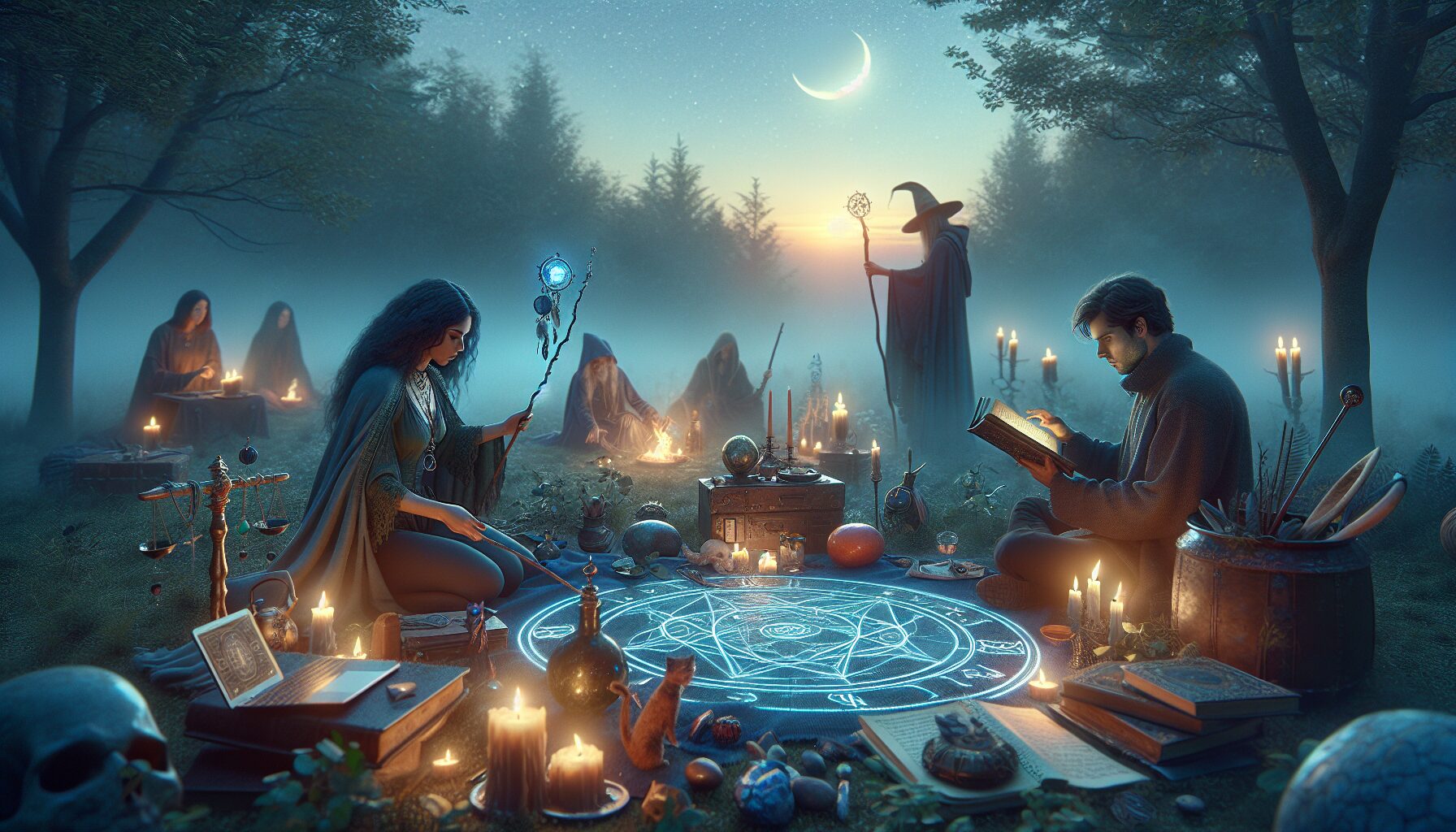
    The twilight hours, often seen as a mystical time, have long attracted those interested in the occult. As the boundary between day and night, twilight is said to be a magical juncture, ideal for rituals and practices that connect the practitioner with other realms. For modern occultists, these practices have evolved, adapting to contemporary life while preserving their esoteric essence.

    Embracing Technology

    Modern occultists have found ways to incorporate technology into their practices. Digital tools can be used to enhance meditation and visualization, offering new avenues for engagement. Many spiritual practitioners use apps that simulate the soothing sounds of a forest or gentle waves, creating an ambient environment conducive to twilight rituals. Social media has also served as a platform for sharing knowledge and fostering community among those with similar interests.

    Mindfulness and Meditation

    Mindfulness and meditation have become integral to the new-age occultist’s twilight rituals. With the increasing pace of life, dedicating time to these practices helps practitioners ground themselves. Incorporating elements like guided meditations or chanting can deepen the sense of connection with the mystical.

    “Modern meditation practice places importance on calm and being present, which are crucial elements for any ritual practice.”
    Psychology Today

    Reviving Ancient Practices

    Despite the modernization, there is a strong revival of ancient practices among today’s occultists. Many are drawn to the wisdom of historical rituals, such as the drawing of sacred circles, the use of herbal incense, and the guidance of ancient texts during twilight rituals. According to a History.com feature, the resurgence in traditional pagan and witchcraft practices speaks to a broader interest in connecting with the past.

    Personalized Rituals

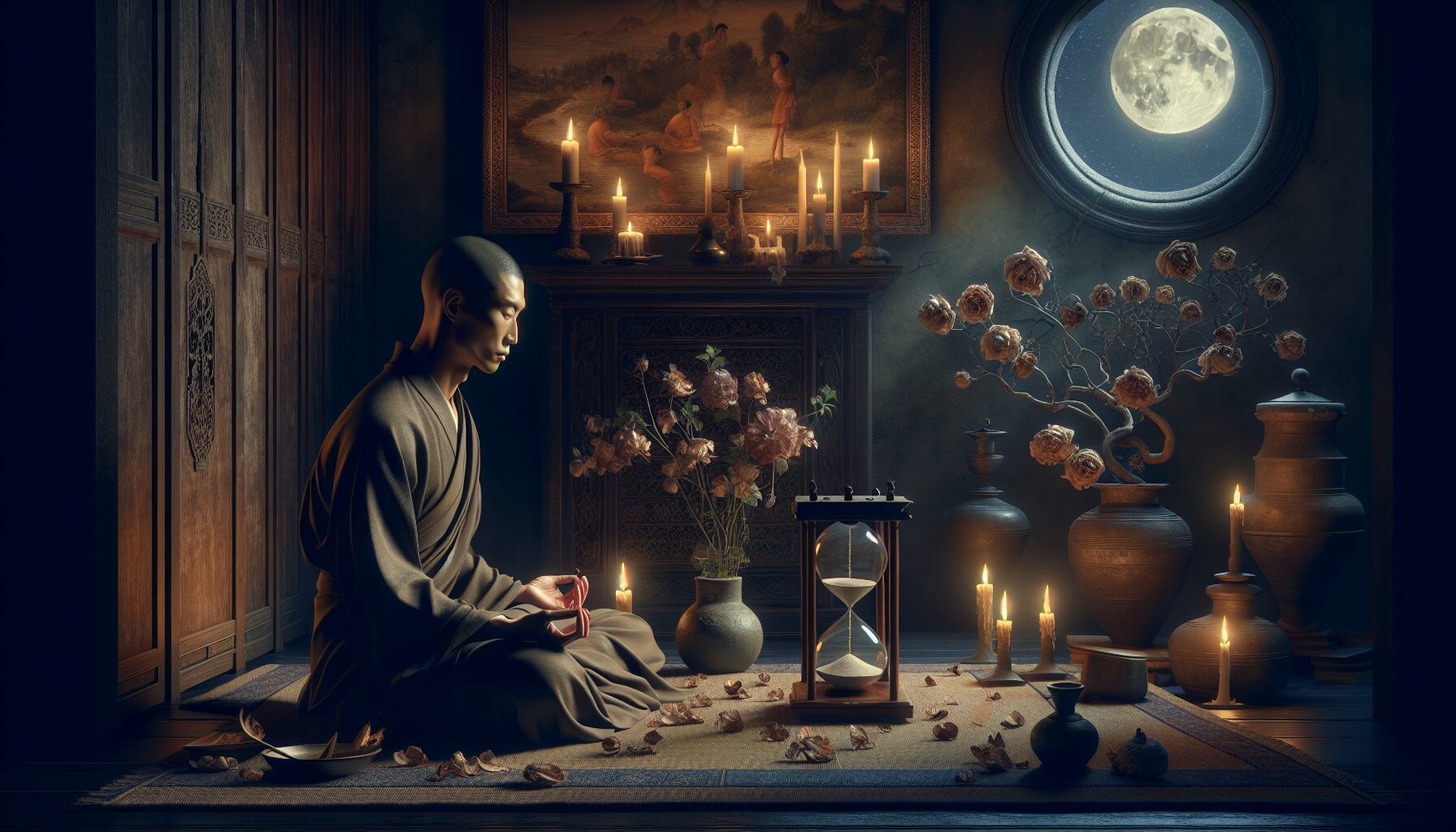
    Individualization is key in contemporary occultism. Modern practitioners tend to craft rituals that resonate personally, ensuring a deep spiritual connection. This might include journaling by candlelight, creating personal sigils, or even performing yoga at dusk to synchronize the body’s rhythms with nature’s transitions.

    Conclusion

    Twilight rituals offer a profound way for modern occultists to engage with both ancient and contemporary practices. As technology transforms, so too will these mystical practices, continuing to reflect and respond to the changing world. The blend of innovation and tradition speaks to the enduring human desire to transcend the ordinary and tap into the mystical.

  • Necropolis Codex – Hidden Texts of Mortality and Meaning

    Necropolis Codex – Hidden Texts of Mortality and Meaning

    Necropolis Codex: Hidden Texts of Mortality and Meaning

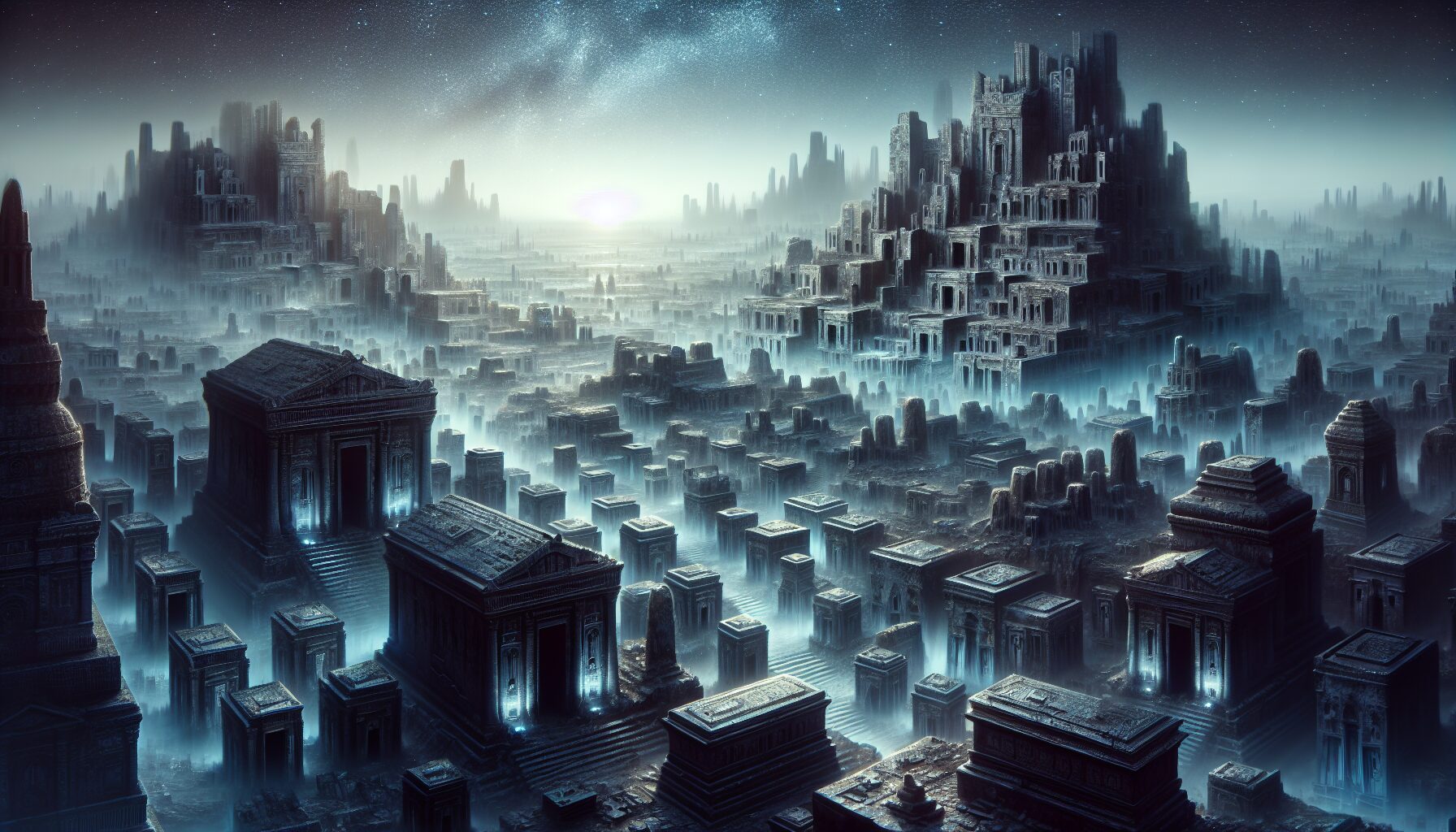
    The term necropolis conjures images of ancient cities of the dead, crypts, and hallowed catacombs. It signifies the interplay between mortality and the undying quest for meaning beyond life’s tangible boundaries. The Necropolis Codex epitomizes this mysterious interplay, inviting explorers to delve into the hidden textual tapestries interwoven with humanity’s timeless engagement with death and the afterlife.

    Understanding the Necropolis Codex

    While actual texts labeled as the Necropolis Codex may remain elusive, the concept invites an exploration of hidden scripts and ancient manuscripts that offer insights into humanity’s relationship with mortality. These are not merely writings; they are portals linking the living with the ancestral echo of those who have departed. The best analogies might be the works of ancient Egyptian funerary texts, such as the Book of the Dead, a compilation intended to guide the deceased through the afterlife.

    Origins and Historical Context

    The word “necropolis” originates from the Greek nekropolis, meaning “city of the dead.” These ancient burial grounds were often located close to major population centers, enabling the living to engage with their ancestors in daily life. The Codex, by invoking these ancient notions, invites a symbolic reconstruction of humanity’s journey through life towards the eventuality of death.

    The Codex as a Portal

    Consider the notion shared by renowned philosopher Marcus Aurelius in his Meditations, “It is not death that a man should fear, but he should fear never beginning to live.” These sentiments remind us that the hidden texts of the Necropolis Codex might serve not merely as remembrances for the dead but as guides for the living, challenging us to deepen our comprehension of life itself.

    Key Themes of the Necropolis Codex

    • Mortality: The Codex presents mortality not as an endpoint but as a phase in a greater continuum, where understanding death enriches one’s grasp of life.
    • Meaning: By examining hidden knowledge embedded in funerary texts, individuals are encouraged to seek and affirm life’s purpose, echoing the existential inquiries of philosophers through the ages.
    • Transcendence: Death, as suggested by the Codex, offers a form of transcendence. The belief in an afterlife or continuation beyond corporeal death finds resonance across cultures, from ancient Egypt to contemporary spirituality.
    • Legacy: Just as ancient scripts were intended to preserve wisdom across generations, the Codex symbolizes the enduring impact an individual leaves on the world.

    Case Studies: Texts Reflecting Codex Themes

    The Egyptian Book of the Dead

    Among the most studied funerary texts, the Book of the Dead, known originally as the Pert em hru or “Coming Forth by Day,” offers insight into the beliefs surrounding afterlife rites and moral importance.

    “I shall have power in my heart; I shall have power in my legs; I shall have power to do whatever my ka (soul) wisheth…”

    This excerpt reflects the Egyptians’ belief in personal empowerment even in death, underscoring themes of readiness and capability during the transition to the afterlife.

    The Tibetan Book of the Dead

    Also known as the Bardo Thodol, this Tibetan text is a guide for the deceased, aiming to lead the soul through states of consciousness or bardos until rebirth or liberation.

    “O son/daughter of noble family, that which is called death has now arrived. You are going from this world to the next.”

    Such guidance emphasizes an ongoing journey, reinforcing the Codex’s transcendent themes.

    Modern Interpretations and Relevance

    In the contemporary era, interest in the intersection of life and death remains potent. Literature from writers like Carl Jung and psychologists such as Elisabeth Kübler-Ross, who famously explored the stages of grief, resonate deeply. These studies and texts reflect a cultural continuity with the themes emblematic of the Necropolis Codex.

    The digital age has brought about newer ways of interacting with the concepts of mortality. Virtual memorials, online legacies, and social media platforms challenge traditional notions, creating living necropolises, wherein digital footprints serve as modern scripts echoing the Codex’s ancient call.

    Interactive Engagement: A Call to Reflect

    The Codex invites each reader to engage with the self through interactive rituals, from meditation on one’s mortality to envisioning one’s personal legacy. Spiritual practices and philosophies like mindfulness and existential therapy encourage people to confront such reflections proactively.

    Conclusion: Embracing the Codex’s Lessons

    The Necropolis Codex, as a concept more than literal text, serves as a powerful reminder of the inevitable truth of human existence: death is inseparable from life. By engaging with its themes, modern audiences find not morbid resignation, but rather enriching insight leading to a more profound appreciation of life.

    Such hidden texts remain a testament to the ageless dance between living and dying, a lesson articulated centuries ago and iterated through every breath, until life concludes its elegant and eternal cycle.

  • Twilight Archetypes – Mythcore Symbols for Modern Life

    Twilight Archetypes – Mythcore Symbols for Modern Life

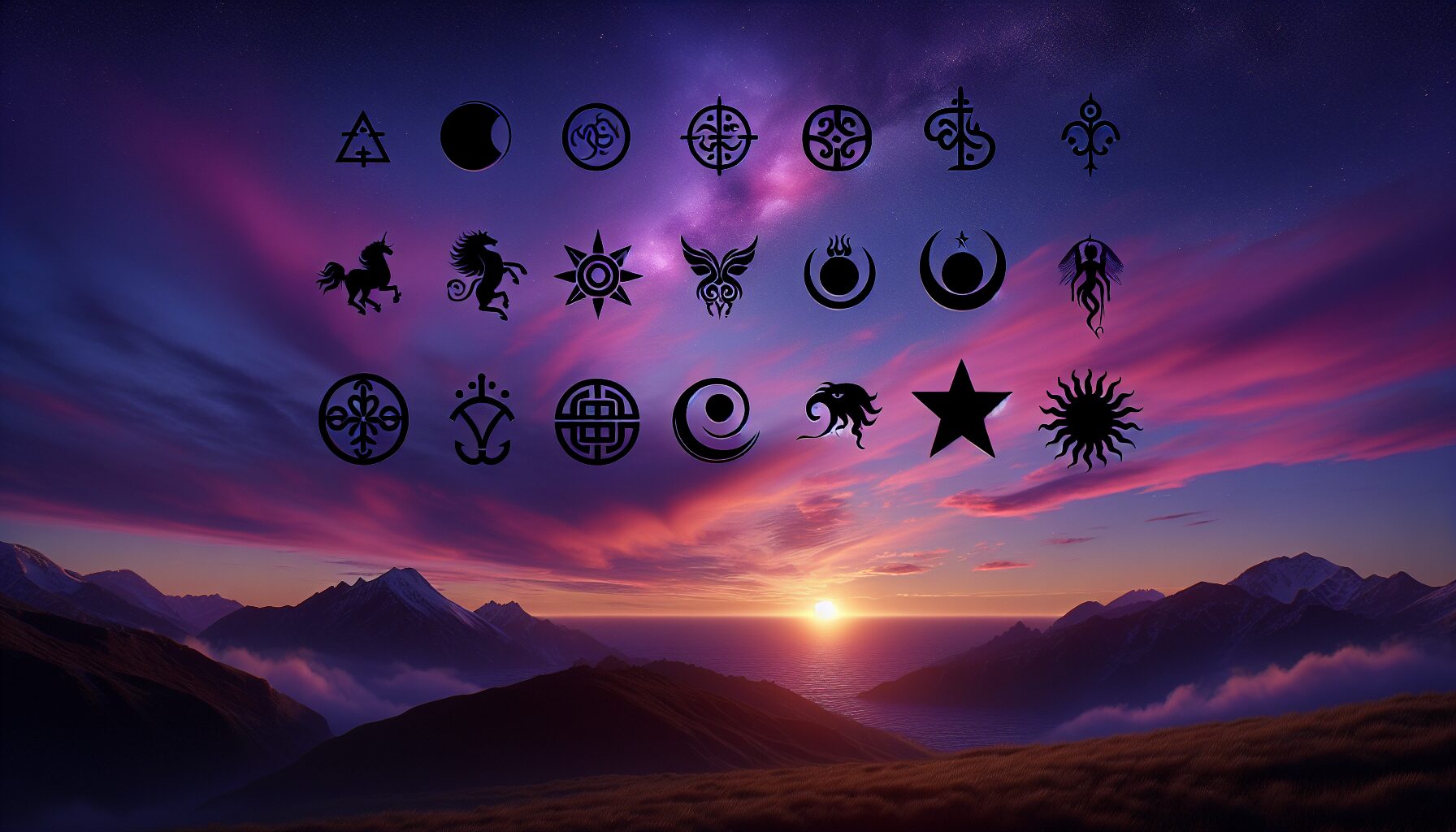
    In an era where the lines between the digital and tangible worlds blur, the rise of mythcore offers a fascinating look into how ancient symbols continue to permeate modern consciousness. Twilight archetypes, those shadowy figures and mythic motifs, are enjoying a renaissance, capturing the imagination of a generation seeking depth and meaning.

    The Power of Archetypes

    Archetypes are universally understood symbols or behavior patterns that recur in stories across different cultures and eras. They serve as a bridge between the conscious mind and the collective unconscious, as posited by Carl Jung. According to Jung, “Who looks outside, dreams; who looks inside, awakes” (source: Carl Jung). In this context, archetypes invite us to explore our inner worlds, connecting us with universal human experiences.

    Key Mythcore Symbols

    • The Wanderer: Embodying both curiosity and restlessness, the wanderer seeks to embrace the journey itself. In mythcore, this archetype symbolizes a perpetual quest for knowledge and self-discovery, encouraging us to venture beyond our familiar boundaries.
    • The Shadow: Often depicted as the antagonist in stories, the shadow represents our repressed fears and desires. Today, embracing the shadow helps us confront personal and societal issues that need transformation.
    • The Muse: A source of inspiration and creativity, the muse archetype reminds us of the beauty and unpredictability of life. As more individuals pursue creative ventures, the muse becomes an essential symbol in our narratives.

    Relevance in Modern Culture

    Mythcore as a movement has found its place in artistic expressions, fashion, and digital culture. Platforms like Instagram and Pinterest are replete with imagery that draws on these archetypes, creating a sense of nostalgic yet contemporary mythos. This aesthetic embraces a world where past and present effortlessly coexist, allowing people to craft new identities that resonate with ancient motifs.

    “Myths are public dreams, dreams are private myths.” — Joseph Campbell

    As Joseph Campbell elucidated, these symbols guide us in understanding the shared psychological and cultural frameworks that shape our personal and collective narratives. In a world yearning for meaning, twilight archetypes offer a pathway to engage with our rich mythological past in the modern context.

    Conclusion

    Twilight archetypes and mythcore symbols serve as a toolkit for navigating contemporary life. By engaging with these timeless motifs, we not only connect with our historical roots but also find new ways to articulate our evolving identities. As the mythcore movement reinforces, the ancient and the modern are not disparate; they are facets of the same, ever-turning wheel of human experience.

  • Mythic Shadows – Dark Stories from Ancient Lore

    Mythic Shadows – Dark Stories from Ancient Lore

    Throughout history, tales deeply entrenched in myth and mystery have captivated our imaginations, often reflecting the unexplored fears and dark corners of human nature. Ancient lore is rich with stories that evoke shadowy figures and haunting lessons, offering a glimpse into the fears and morals of past civilizations.

    The Tale of Hades and Persephone

    One of the most well-known dark myths originating from ancient Greece is the story of Hades and Persephone. Hades, the god of the underworld, abducted Persephone, the daughter of Demeter, the goddess of the harvest. This tale is not merely about love and abduction; it embodies the seasonal cycle of life and death. The ancient Greeks believed that Persephone’s descent into the underworld brought the barren winter, while her return marked the fertile spring.

    “Although she was mourned for in heaven, happier far than she were the maidens who had gone before, for these suffered an eternity of memories in the lowering realms.” — Edith Hamilton, Mythology

    Norse Myths: Ragnarok and the End of Days

    In Norse mythology, the concept of Ragnarok serves as an apocalyptic tale that foretells the ultimate doom of the gods and humankind. According to the Prose Edda and Poetic Edda, two key sources of Norse myths, Ragnarok is a series of future events, including a great battle, ending with the death of major gods like Odin, Thor, and Loki, followed by natural disasters submerging the world in water. This speaks to the Norse belief in the cyclical nature of the world, highlighting inevitable destruction and rebirth.

    The Egyptian Underworld: Duat

    The ancient Egyptians harbored a deep belief in the afterlife and its challenges. The journey through the Duat was perilous, filled with obstacles and monstrous creatures. The deceased were expected to pass a series of tests, including having their heart weighed against the feather of Ma’at. Those found wanting were devoured by the fearsome goddess Ammit, a composite creature that was part lion, part hippopotamus, and part crocodile.

    “In the Duat, the deceased are judged based on their actions on earth. Only the pure of heart may proceed to the peaceful fields of Aaru.” — Encyclopaedia Britannica

    Conclusion

    These stories, steeped in myth and darkness, offer more than mere entertainment; they mirror the values, fears, and worldviews of the ancient worlds from which they emerged. Through these tales, modern audiences can explore the universal themes of life, death, and rebirth, understanding that even in darkness, there is much to be learned.

  • The Occult Archive – Unveiling Hidden Cultural Texts

    The Occult Archive – Unveiling Hidden Cultural Texts

    The world of the occult has fascinated generations, offering a labyrinth of intriguing beliefs, practices, and texts that often lie at the heart of mystical traditions. These cultural texts, veiled in secrecy and mystery, provide a window into the metaphysical and esoteric beliefs of ancient and modern societies.

    Understanding Occult Texts

    Occult texts are written works that delve into the hidden aspects of the universe. The word “occult” itself is derived from the Latin occultus, meaning “hidden” or “secret.” These texts cover a wide range of topics including alchemy, astrology, magic, divination, and other supernatural phenomena. They are considered to be key to understanding the mysteries of the universe and human experience beyond empirical science.

    One of the most famous collections is the Corpus Hermeticum, a series of writings attributed to Hermes Trismegistus, a mythical figure considered a sage and mystic. As noted by Stanford Encyclopedia of Philosophy, these texts influenced Renaissance magic and contributed to the development of science and philosophy.

    The Role of Occult Texts in Culture

    Occult texts have played a crucial role in cultural and religious movements around the world. They often serve as foundational documents for various secret societies and organizations, which hold arcane knowledge as their core tenet. Groups such as the Freemasons and the Rosicrucians have long been associated with the preservation and dissemination of occult knowledge.

    “The magical writings that inspired much of Renaissance thought were secretly passed down through initiatory orders that kept these texts hidden from mainstream view,” wrote Esoteric scholar Dr. William Cooper, underlining the deep cultural impact of these works.

    Notable Occult Texts

    • The Book of the Dead – An ancient Egyptian funerary text used to guide the deceased through the afterlife. This text contains magical spells designed to protect and aid the soul in its journey, providing invaluable insight into ancient Egyptian beliefs about life after death.
    • The Zohar – A foundational work in the literature of Jewish mysticism, the Zohar explores complex philosophical and mystical questions about the universe, God, and the nature of human beings. It plays a critical role in Kabbalistic tradition.
    • The Picatrix – An influential grimoire of astrological magic originally written in Arabic and later translated into Latin. The Picatrix offers comprehensive magical knowledge from various ancient traditions, including rituals and spells aimed at harnessing cosmic energies.
    • The Necronomicon – While largely fictional and popularized by H.P. Lovecraft’s stories, it symbolizes the fear and fascination surrounding occult knowledge. Lovecraft described it as a “blasphemous tome” that brought danger to those who dare to explore its secrets.

    The Reemergence of Occult Texts in Modern Times

    In the 21st century, interest in the occult is once again on the rise. This resurgence is fueled by a digital age where once-hidden texts are more accessible than ever, thanks to scans and translations available online. Websites and forums dedicated to esoteric knowledge foster discussions and exploration, inviting a new generation to delve into these mysterious subjects.

    Moreover, popular culture has embraced the aesthetic and narrative of the occult. Books, films, and television series often draw from such texts to create compelling stories that blend reality with the supernatural. As noted by cultural historian Sarah Laskow, “Today’s creators are capturing the public’s imagination by fusing historical mysticism with modern storytelling.”

    The Significance of Occult Texts

    While the occult may forever remain shrouded in mystery, its texts offer a unique lens through which to understand human curiosity and the quest for knowledge beyond the tangible world. These cultural artifacts remind us of our eternal desire to unlock and understand the mysteries of existence.

    As we continue to unearth and interpret these texts, the scope of their influence grows, illustrating our shared history of seeking wisdom in the shadows. Each page turned reveals not only the world’s hidden past but promises new futures bound by the same thirst for the unknown.

    Thus, the occult archive remains a timeless repository of cultural secrets waiting to be explored by both skeptics and believers alike.

  • Whispered Tomes – Secret Knowledge for Seekers of Shadows

    Whispered Tomes – Secret Knowledge for Seekers of Shadows

    Whispered Tomes: Secret Knowledge for Seekers of Shadows

    In the hidden nooks and crannies of the world, where light seldom reaches, lie the whispered tomes of ancient lore. These books, cloaked in mystery and legend, promise enlightenment to those who dare seek their wisdom. Whispered tomes have fascinated adventurers, scholars, and mystics for centuries, drawing them into a shadowy world brimming with secret knowledge.

    “To find the whispered tomes is not just to discover hidden texts, but to unravel the very threads of the universe,” noted renowned occult researcher Dr. Ellora Fane in her controversial work, The Shaded Codex.

    The Allure of the Unknown

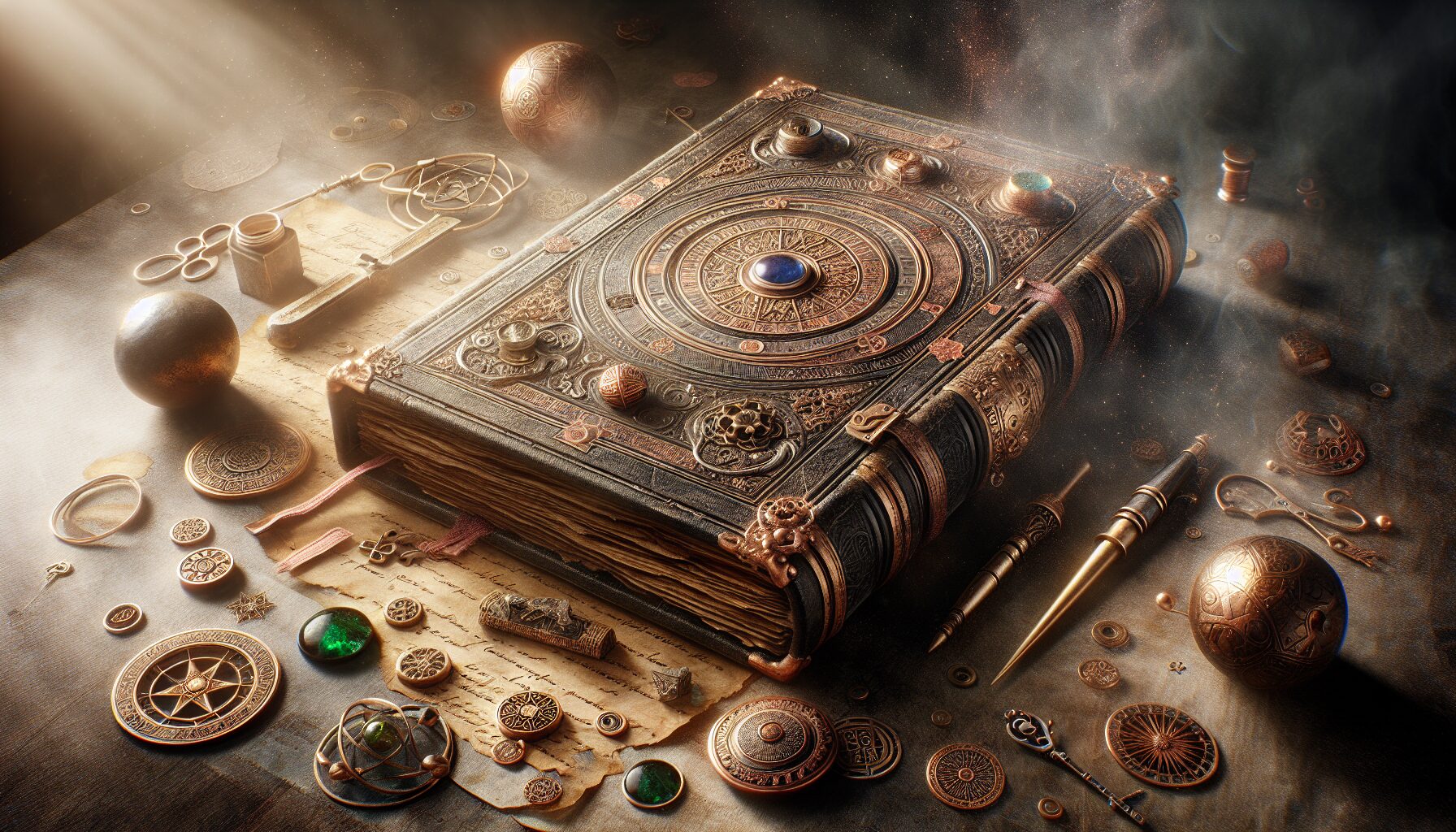
    These tomes often guard their secrets jealously. Bound in ancient leather and inscribed in arcane symbols, they are not for the faint-hearted. Many legends state that the words within change as the reader gains understanding, a mirror to their soul’s growth. Their allure lies not only in the knowledge they hold but the journey they inspire.

    • The Book of Shadows – Often associated with witchcraft, this tome is said to contain spells and insights into the natural and supernatural worlds. Its origins are enigmatic, with each copy believed to be unique, passed through generations of devoted practitioners.
    • The Codex Umbra – A mysterious manuscript believed to be written by an ancient civilization, the Codex Umbra is thought to hold secrets of time manipulation and cosmic truths.
    • The Liminal Grimoire – Said to be the diary of a dreamwalker, this grimoire offers guidance to those who wish to explore the boundary between reality and dreamscapes.

    The Quest for Whispered Tomes

    Finding one of these tomes is considered a quest in itself. Rumors swirl around forgotten libraries and hidden vaults protected by age-old guardians. Recently, a group of explorers claimed to have discovered a new section of the Vatican Apostolic Archive, hinting at unprecedented access to ancient texts yet to be read by modern eyes.

    The quest for whispered tomes is not just about the acquisition of rare books but an exploration of what lies beyond the veil of ordinary understanding. It challenges seekers to look beyond the obvious, to question the known world, and to embrace the uncertainties of the shadowy unknown.

    In the words of William Somerset Maugham, “The greatest truths are too important to be new,” and so whispering tomes continue to tempt seekers with the promise of ancient wisdom.

    To those who venture into the shadows, these tomes stand as beacons of enlightenment and a reminder that the world still holds mysteries waiting to be unfolded.

  • Ash and Echoes: Tracing Forgotten Rituals

    Ash and Echoes: Tracing Forgotten Rituals

    In the quiet corners of the world where tradition and time intermingle, rituals long forgotten by mainstream society are experiencing a subtle resurgence. These ancient practices, echoing through the corridors of history, offer a profound connection to an era when spirituality and daily life were closely woven together. Ash and Echoes: Tracing Forgotten Rituals unveils the journey of rediscovering these practices, revealing their enduring relevance and beauty.

    The Significance of Rituals in Human Culture

    Rituals have been an intrinsic part of human culture for millennia, often serving to mark significant life stages, agricultural cycles, and celestial events. As noted by cultural anthropologist Victor Turner,

    “Rituals can be seen as the performance of social dramas, reaffirming the community’s values and beliefs.”

    From ancient Egyptian burial ceremonies to Native American healing circles, these practices have shaped societies and cultures.

    Rituals Hidden in the Ashes

    Many rituals, though forgotten by the modern world, continue to exist in the ashes of tradition. Practices such as the Celtic festival of Samhain, which marks the end of the harvest season and the beginning of winter, are seeing a revival. According to a study by Harvard University, interest in these rituals has increased over the past decade, largely driven by a growing desire for authentic connection and mindfulness.

    Celtic Rooted Practices like Samhain provide a lens into how ancient communities understood and celebrated the natural world. Today, people are observing this festival not only for its historical significance but also as a means to connect with the land and its cycles.

    The Revival of Mindful Practices

    In an era dominated by technology and constant connectivity, many individuals are turning to ancient practices to find solace and grounding. The resurgence of interest in rituals such as meditation, yoga, and seasonal ceremonies reflects a yearning for introspection and presence. Psychology Today suggests that these practices contribute significantly to mental health and well-being by fostering a sense of community and shared intention.

    Seasonal Ceremonies, once primarily agricultural in intent, are now celebrated as moments of reflection and gratitude. This shift transforms these historical markers into contemporary moments of mindfulness.

    Echoes Across Borders

    The revival of forgotten rituals is not confined to any single culture or region. In Asia, the ancient art of tea ceremonies is celebrated for its meditative qualities and emphasis on mindfulness. Meanwhile, the African continent’s traditional dance and storytelling rituals are being rediscovered as forms of cultural preservation and identity. As anthropologist Margaret Mead eloquently stated,

    “A culture is only as great as its dreams, and its dreams are dreamed by artists.”

    Through these revived rituals, the stories of ancestors are retold, renewing cultural pride and continuity.

    Challenges in Revival

    While there is a surge in interest, reviving forgotten rituals presents challenges. Questions of authenticity and cultural appropriation often arise. It’s crucial to approach these practices with respect and understanding of their roots, as the line between appreciation and appropriation can sometimes blur. Ensuring that rituals are conducted authentically and with respect to their origins is essential to their revival.

    The Cultural Appropriation and Arts organization emphasizes the importance of engaging with the communities to whom these rituals belong, to ensure they are celebrated correctly and respectfully.

    The Future of Rituals

    As these echoes from the past gain new life, their future looks promising. The integration of old rituals with contemporary practices has the potential to enrich collective human experience and foster deeper connections between past and present. The rediscovery and revival of such practices can illuminate pathways toward a more mindful, interconnected society.

    Ultimately, the journey of tracing forgotten rituals is one of rekindling humanity’s collective memory, drawing on the ashes of the past to create an echoing symphony of cultural resurgence that resonates across the globe.