Jung and the Angelic Archetype
Carl Jung is known for his pioneering work on the subject of archetypes – that is, the fundamental images and symbols which are part of our collective human experience. The term archetype refers to these fundamental patterns of behavior and thought which exist within the collective human mind. It is these archetypes which are responsible for our unique personality and which, Jung argued, are the source of our creativity. The most compelling of Jung’s insights, however, was the idea that there were some archetypal figures in the collective human mind which were, and continue to be, the source of all religious faiths, myths and legends. These archetypes are the source of the collective human soul, Jung argued, and it is they which form the basis of our spiritual development.
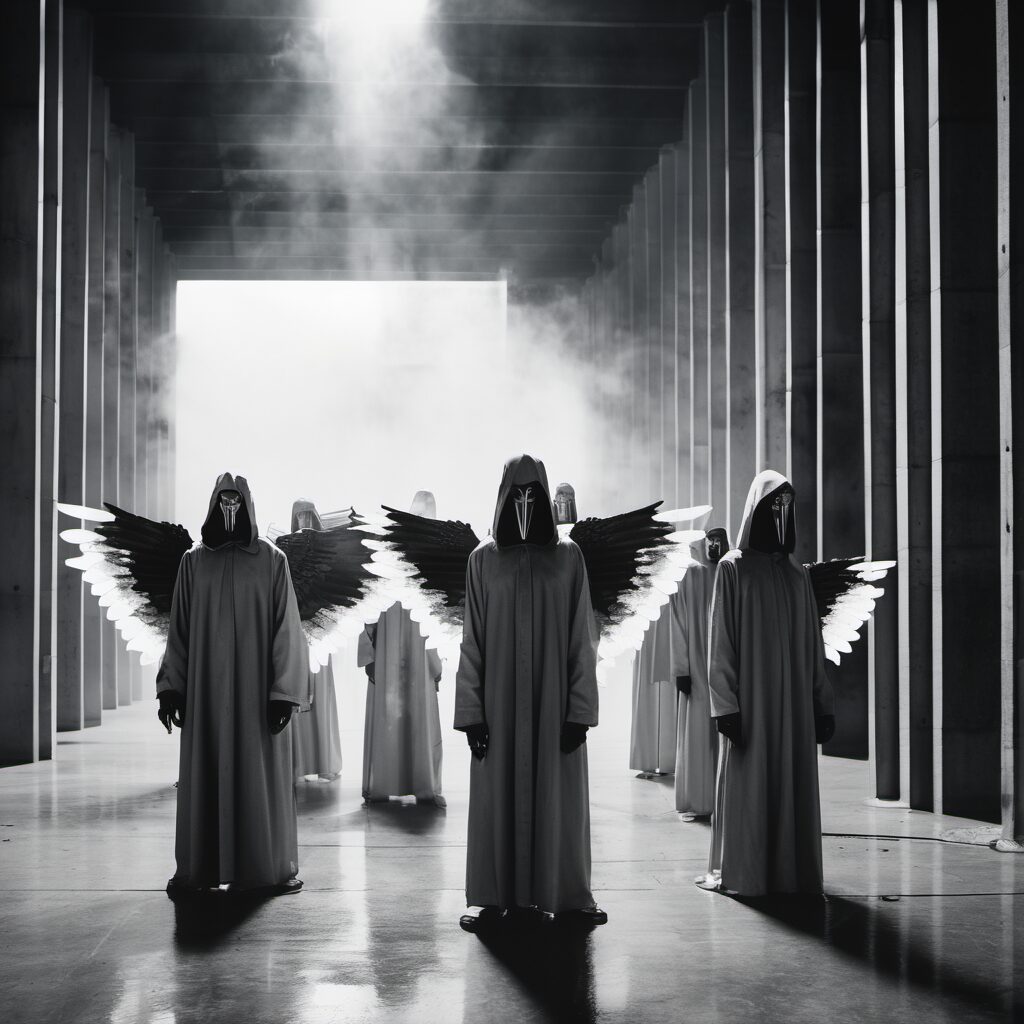
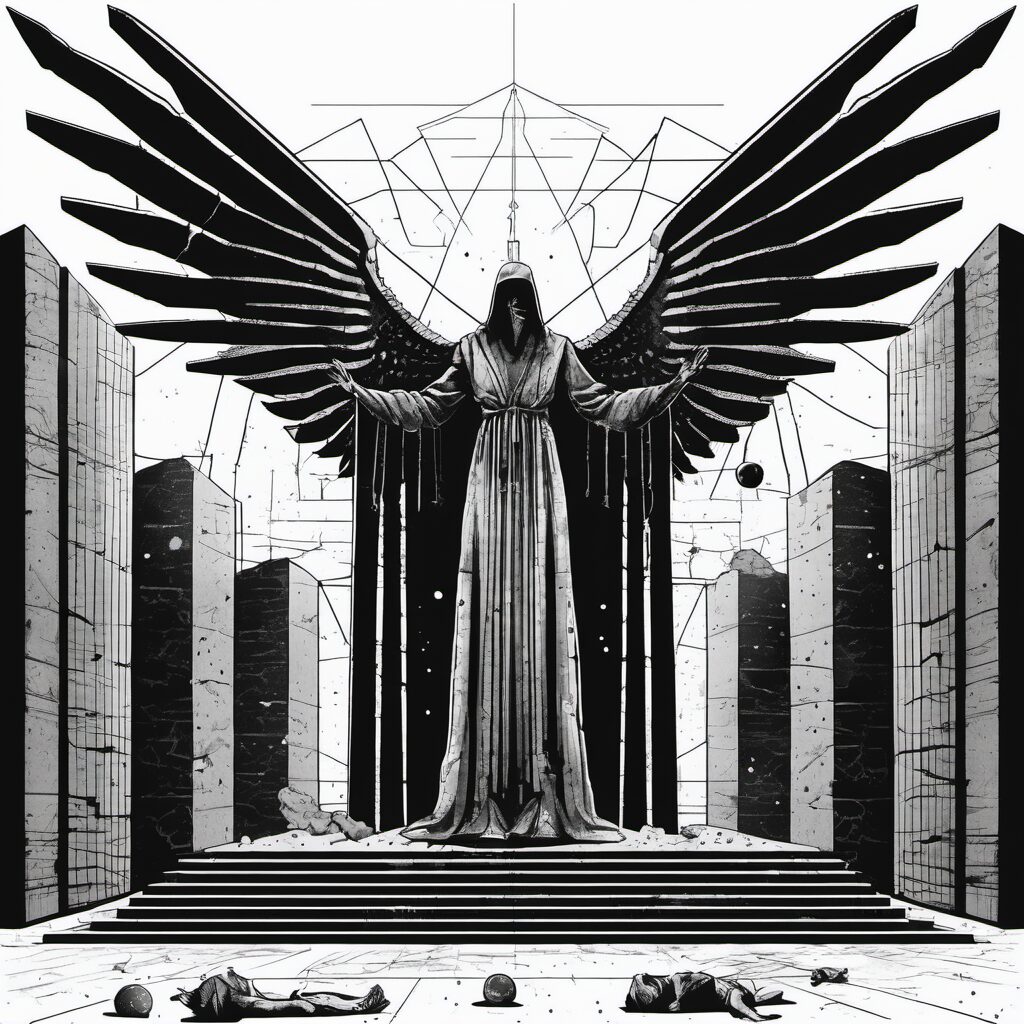
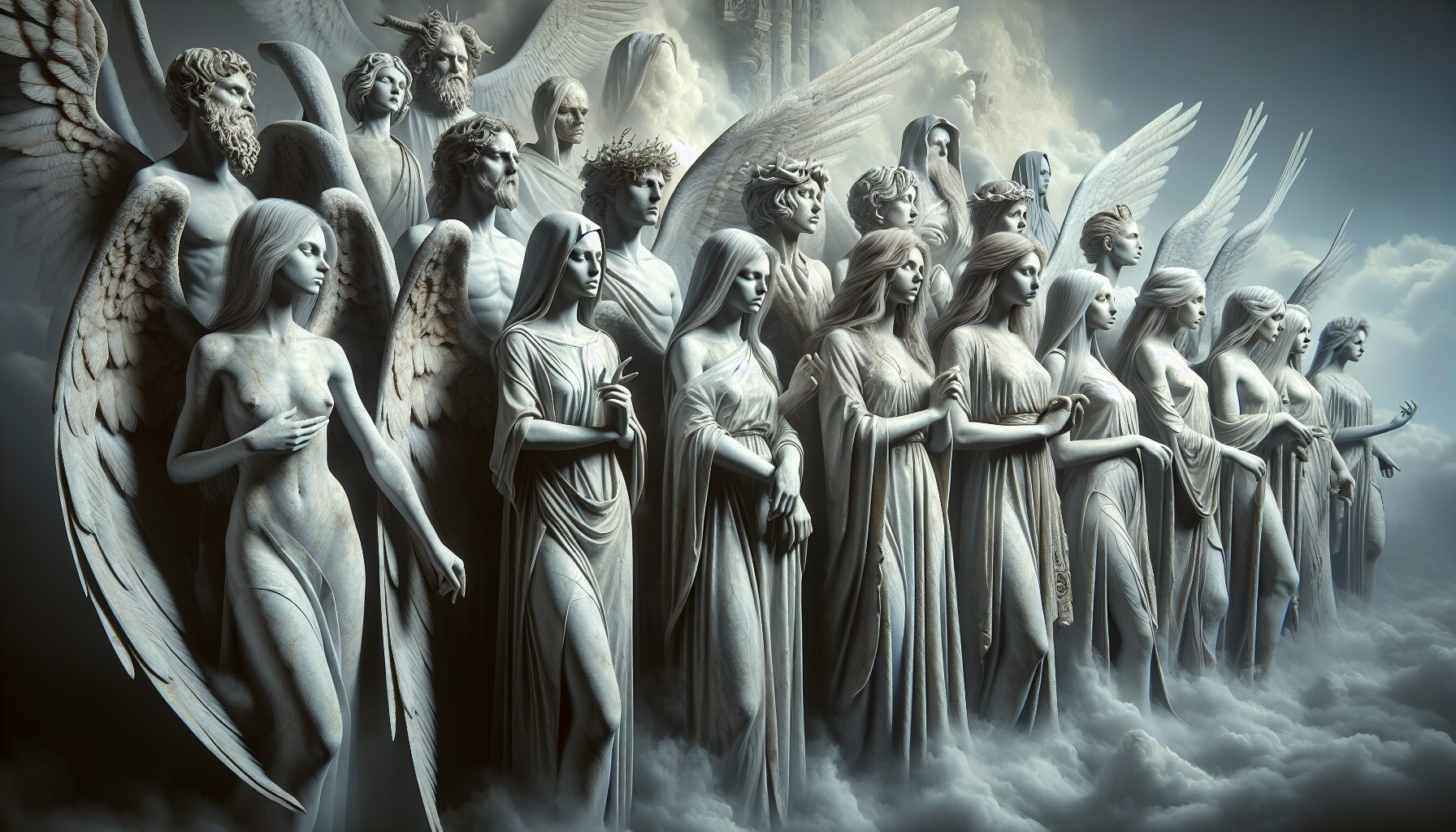
One of Jung’s most famous concepts is that of the archetypal image of the angel. In Jungian terms, an angel is an archetype which can manifest in many forms. These angels, as Jung argued, can manifest as a physical embodiment of the archetype, an idea or symbol which can be expressed through art, language and religious belief systems. In addition to the archetypal angel, Jung also suggests that we have our own guardian angels, which are not the physical manifestation of the archetypal angel, but rather a more unique expression of the archetype. These angels are unique to each person, and can manifest in the form of a guide, guardian or protector of the individual.
In this respect, Jung was a firm believer in the power of the unconscious mind. The unconscious is, as Jung argued, the source of our creativity and imagination. In his book, “The Red Book”, Jung explored the concept of the unconscious extensively, and found that it is this source of creativity which manifests in our dreams and fantasies. Jung also suggested that the unconscious mind is the source of our archetypal images – that it is these images which form the basis of our spiritual development. It is the unconscious which, in Jungian terms, is the source of the “collective unconscious” – that part of our mind which we share with all other individuals in the world.
The archetypal angel, however, is one which can manifest itself in many ways. In some cases, it is a physical manifestation of an angelic being, while in others it is an internal angelic figure that emerges from the depths of our unconscious mind. Jung argued that these angels can be found in all religions, mythologies and spiritual traditions.
In this respect, Jung’s work on the archetypal angel was revolutionary. Jung’s concept of the archetypal angel can be found in a variety of spiritual and religious traditions, including that of Christianity, Islam, Judaism and many more. In addition to the physical manifestation of the angel, Jung also suggested that there is an internal manifestation of the angel, which can be seen in those moments when we feel an inexplicable connection with another individual. In this respect, the archetypal angel is a figure which exists at the source of our being.
Jung’s concept of the archetypal angel, therefore, forms the basis of all spiritual and religious beliefs. It is the source of all religious icons, the image which we each worship, and which is part of our spiritual and cultural heritage.
User