Tag: arcane

  • Abstract Portals – Arcane Gateways Beyond Time

    Abstract Portals: Arcane Gateways Beyond Time

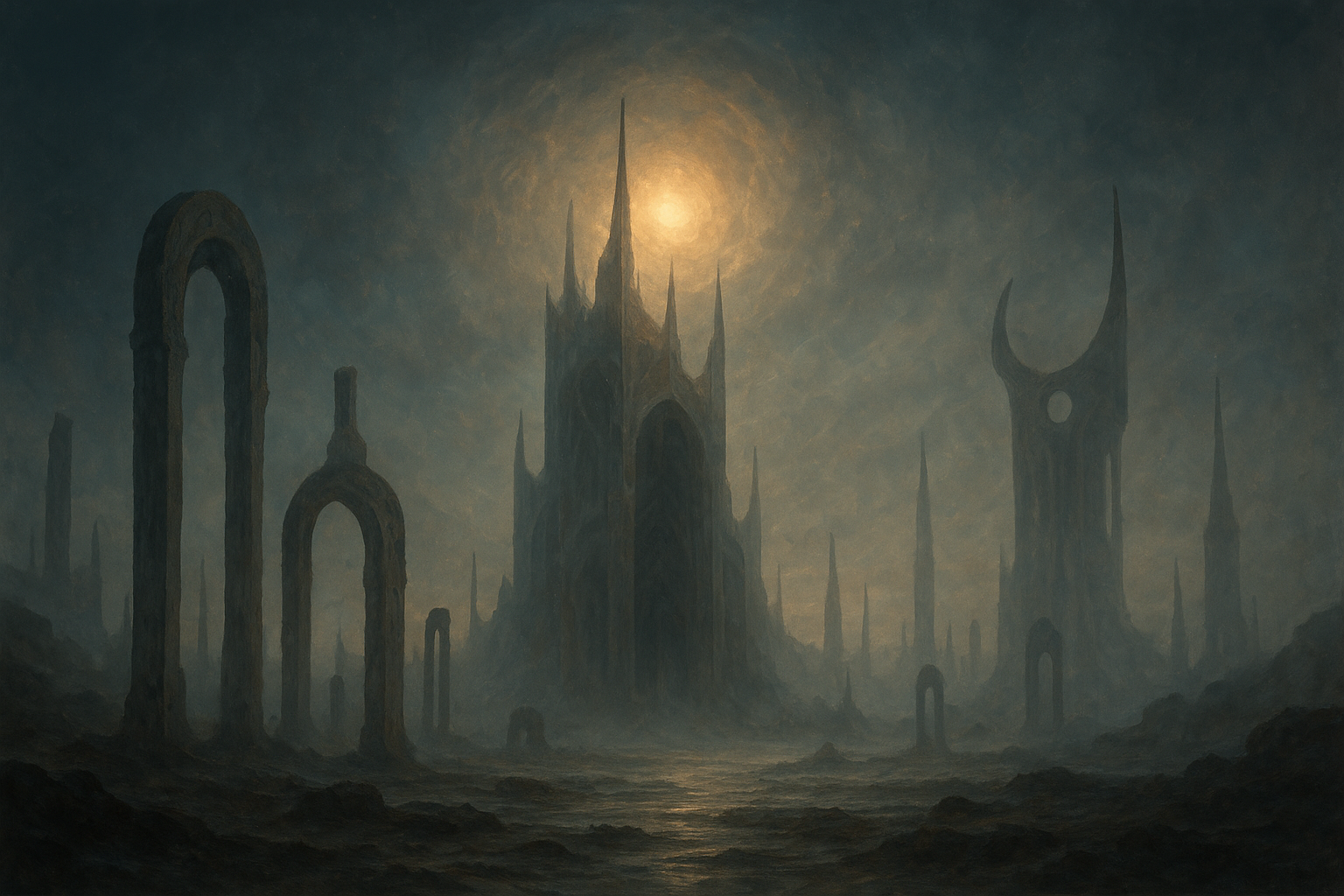
    Throughout history, the idea of portals has fascinated humanity. The concept of an abstract portal—a gateway beyond the physical world, accessible through thought and imagination—pierces the veils of reality, offering tantalizing glimpses into other dimensions and realms. These arcane gateways challenge our perception of time and space, compelling us to rethink what is possible.

    The Philosophical Underpinnings of Abstract Portals

    From Plato’s Allegory of the Cave, where prisoners mistake shadows for reality, to modern interpretations in science fiction, abstract portals serve as a profound metaphor for perception and understanding. H.P. Lovecraft, in his exploration of cosmic horror, famously wrote, “The most merciful thing in the world, I think, is the inability of the human mind to correlate all its contents.” (Lovecraft, Call of Cthulhu), suggesting that these portals lie just beyond our capacity to fully comprehend.

    Non-linear Time and Space

    One of the remarkable aspects of abstract portals is their defiance of linear time. In literature, portals often transport characters to eras and places unreachable by physical means. Take, for instance, C.S. Lewis’s wardrobe in The Lion, the Witch, and the Wardrobe, which opens gateways not only to another world but to alternate temporal realities. These narratives demolish the barriers imposed by conventional temporality and space.

    “Imagination is more important than knowledge. For knowledge is limited, whereas imagination embraces the entire world, stimulating progress, giving birth to evolution.” — Albert Einstein

    Einstein’s sentiment underscores the idea that these abstract portals are not bound by empirical evidence but thrive through the power of imagination. They challenge our constructs and redefine boundaries, instilling a sense of wonder that fuels both philosophical inquiry and scientific exploration.

    The Modern Interpretation

    In the digital age, technologies such as virtual reality and the concept of the Metaverse underscore humanity’s perennial quest for these portals. These innovations promise to blend the abstract with the tangible, offering new modalities to traverse these arcane gateways. They hint at a future where limitations of physics are obviated, and where our minds are the only requisite pass to these miraculous doorways.

    Thus, abstract portals serve as a unique intersection of philosophy, science, and art. They invite us to ponder the mysteries of existence, beckoning us to explore not just other dimensions, but the depths of our consciousness. In contemplating these gateways, we are reminded that the realm of the possible is as boundless as the imagination itself.

  • Arcane Symbols – Hidden Knowledge Revealed

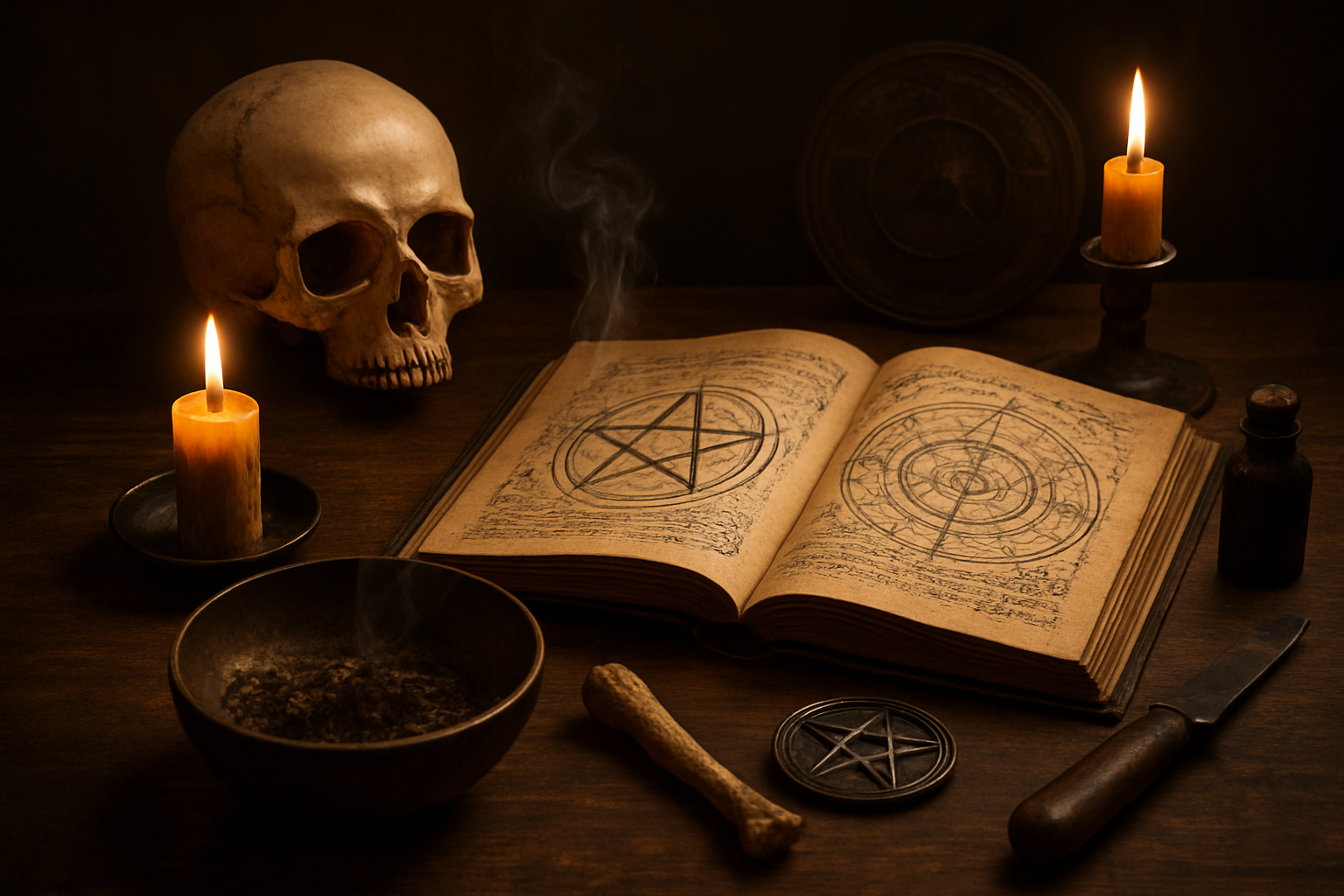
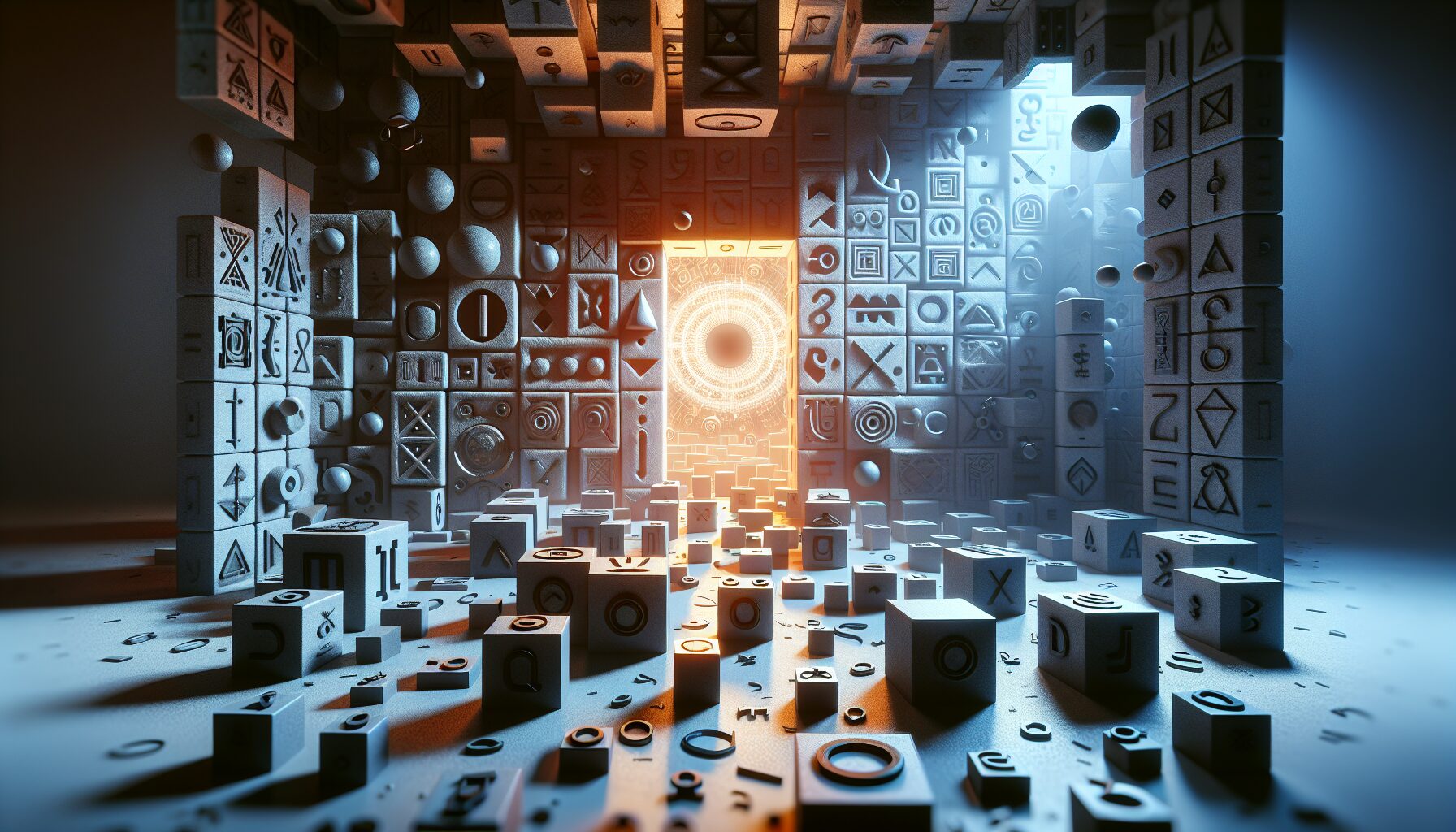
    The language of symbols has always played a crucial role in various cultures and disciplines. These cryptic icons, often steeped in history and shrouded in mystery, hold a wealth of knowledge waiting to be deciphered. From ancient alchemical glyphs to modern-day esoteric signs, arcane symbols are the keys to understanding hidden wisdom.

    The Historical Significance of Symbols

    Throughout history, symbols have been used to convey complex ideas succinctly and powerfully. For instance, the Ouroboros, represented as a serpent devouring its tail, is a symbol of eternal renewal, deriving from the ancient Egyptians and later adopted by the Gnostics.

    “Symbols are the language of something unseen and unconscious.” – Carl Jung

    This idea from psychologist Carl Jung underscores the profound impact symbols have on shaping human thought and culture. They serve as bridges between the known and the unknown, allowing us to tap into the deeper layers of human consciousness.

    Symbolic Interpretation in Modern Times

    In today’s world, the study of arcane symbols continues to fascinate students and scholars alike. In a world driven by technology and logic, symbols represent a connection to our intuitive and mystical roots. Mystical traditions such as the Kabbalah or the symbolism found within Freemasonry continue to influence modern spiritual and esoteric practices.

    • The Alchemical Elements: Alchemy, known as a precursor to modern chemistry, is rich with symbols. The classical elements such as earth, air, fire, and water symbolize foundational principles of existence.
    • Sacred Geometry: Patterns like the Flower of Life and Metatron’s Cube are revered for their mathematical precision and spiritual significance, believed to chart the fundamental aspects of space and time.
    • Tarot Symbols: Tarot cards, adorned with a complex system of symbols, are employed as tools for divination and self-reflection from the major arcana like The Fool to the minor arcana suits.

    The Future of Symbolic Understanding

    As digital communication continues to dominate, the timeless nature of symbols ensures their relevance. Their ability to convey profound insights in a single image makes them invaluable in an ever-evolving world seeking balance between the tangible and the mystical.

    In the quest for knowledge, understanding and interpreting arcane symbols could be likened to solving a puzzle. The deeper the dive into these symbols, the more wisdom emerges, often revealing the interconnectedness of cultural wisdom across eras and societies.

  • The Arcane Loom – Weaving Fate and Magic

    The Arcane Loom – Weaving Fate and Magic

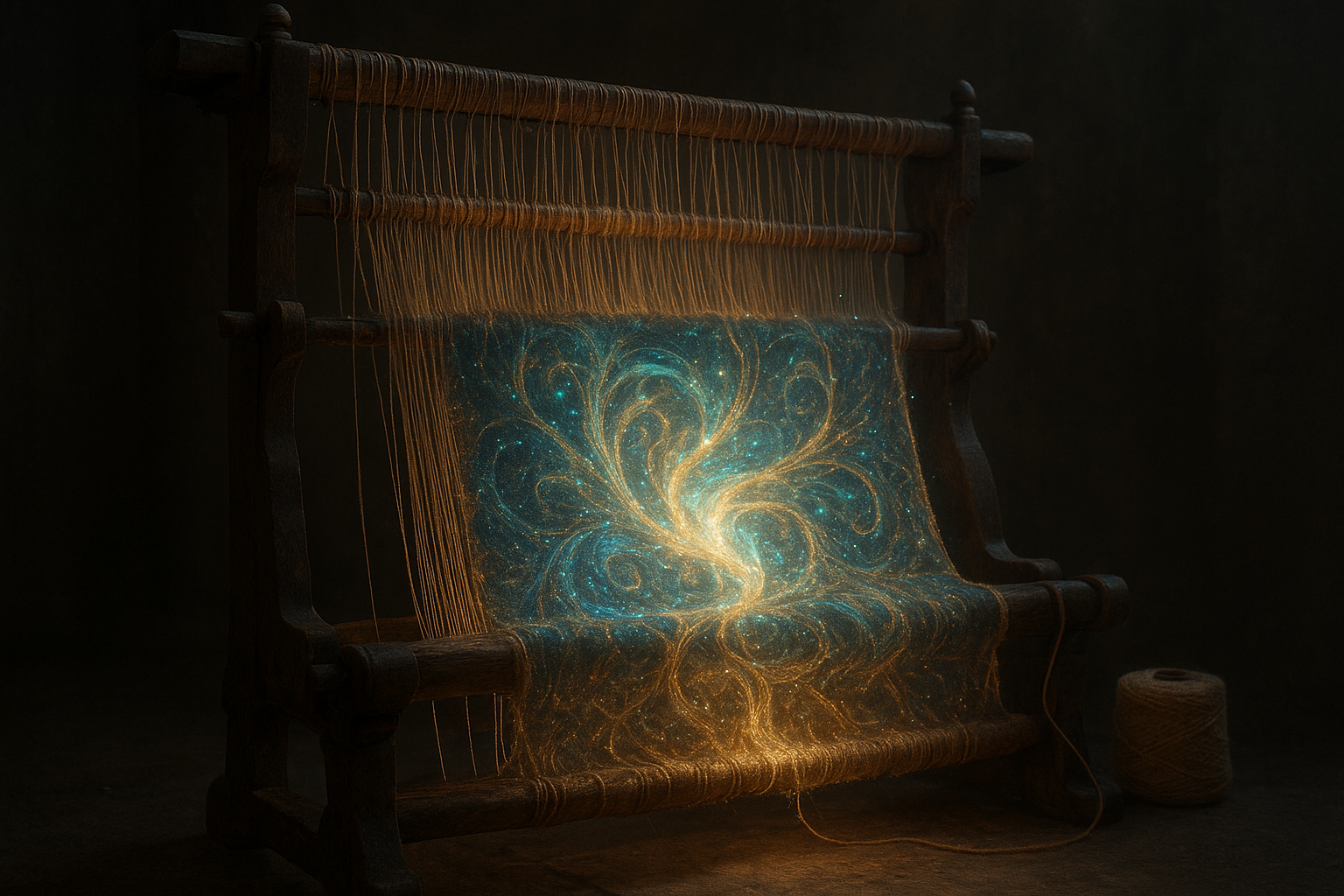
    The intricate art of weaving magic into the fabric of reality has long been a fascinating endeavor, both in myth and in the diverse worlds of modern gaming. The concept of the Arcane Loom metaphorically represents this sublime confluence of fate and magic, where every thread holds potential—every weave a choice.

    The Mythical Foundation of the Arcane Weave

    Historically, the motif of weaving has been a powerful symbol of fate and destiny. In Greek mythology, the Moirai, or the Fates, were often depicted as weavers who spun the threads of mortal lives. Similarly, in Norse mythology, the Norns wove the strands of fate beneath the roots of Yggdrasil, the world tree.

    “Man’s life is a thread – the Norns weave and the loom is shuttled with whispers of the future.”

    Norse Proverb

    In these tales, the loom acts as a stage where cosmic forces—be it destiny, luck, or magic—intersect, bringing about a tapestry that dictates the course of life and events. Such narratives lay an indelible foundation for the entwining of arcane power and destiny in gaming environments.

    Arcane Loom in Modern Fantasy Gaming

    Translating this mythos into interactive experiences, game developers have ingeniously crafted worlds where the Arcane Loom manifests as a critical game mechanic. Through strategic choices, players become active participants in weaving the fate of their characters and shaping the game’s narrative tapestry.

    Example 1: “The Elder Scrolls V: Skyrim”

    • System of Fate: In Skyrim, the skill tree represents the players’ ability to influence and control destiny via choices. Each skill advancement feels like a new thread added to the player’s unique story quilt.
    • Magic as the Thread: Magic and shouts (known as Thu’um) serve as the mystical threads of the Arcane Loom, allowing players to perform feats that alter their fate and the world around them.

    Franchises like The Elder Scrolls illustrate how fate and magic interplay to provide players with a dynamic and immersive experience, merging choice with power.

    Example 2: “Final Fantasy XIV”

    • Arcane Sciences: In the realm of Eorzea, players don not just engage with magic but engage with a more intricate network of fate termed ‘the Echo’ which enables players to glimpse into the past.
    • The Fabric of Destiny: The elaborate job system allows players to switch between roles, weaving a complex tapestry of combat and support that pivots on tightly-knit strategies and fate-deciding spells.

    Final Fantasy XIV exemplifies how players can manipulate destiny using arcane might, maintaining balance and progress within the game’s universe.

    The Mechanics of the Arcane Loom

    The core of the Arcane Loom lies not just in the accumulation of magical powers or fatalistic threads, but in the interplay of causality and consequence. The successful integration of such systems springs from well-balanced game mechanics and narrative structures that ground player choices in meaningful outcomes.

    Dynamic Outcome Systems

    In games like Telltale’s releases, the choice-driven stories highlight how every choice branches into unprecedented outcomes. While magic remains a thematic element, it’s the player’s actions—woven together—that define the storyline’s resolution.

    Skill Trees and Arcane Choice

    Modern RPGs employ skill trees that allow players to invest in various magical and non-magical abilities. These function as individual threads, with the individual choices advancing character development and plotline evolution.

    Take, for example, Path of Exile—its intricate skill tree embodies the very essence of planning and fate-weaving, giving players countless ways to construct their path.

    Visual Artistry in Weaving Magic

    The artistic representation of the Arcane Loom in video games is as essential as mechanical design. The visual component not only enhances immersion but provides a tangible representation of magical threads and objects of power.

    Games often visually represent magic and fate weaving through iconic visuals like shimmering threads, glowing auras, or ethereal patterns that provide sensory feedback to the players. Such designs ensure that the mystical nature of the Arcane Loom is an integral and visible aspect of the gaming experience.

    The Future of Fate and Magic in Gaming

    As gaming technology advances, developers continue to push the boundaries of how magic and fate are intertwined. Virtual reality and augmented reality present new frontiers for the experience of the Arcane Loom, allowing players to engage with the mythos on an unprecedented visceral level.

    With AI-driven narratives and procedural generation, the notion of fate and magical interaction can be further expanded, offering dynamic, evolving storylines that grow and react to every choice, every spell, and every action of the player.

    The art of weaving fate and magic into intricate tapestries will remain a hallmark of fantasy games, challenging players to both strategize and immerse themselves in worlds where every choice is a new thread in their desired destiny.

    Conclusion

    The Arcane Loom represents one of the most potent symbols in interactive fantasy. It bridges ancient mythologies with modern technologies, providing a playground in which players actively engage with their destinies. As with the weavers of old, today’s gamers don the mantle of creators, binding magic with fate into a singular narrative tapestry that is forever their own.
  • Arcane Codes – Secrets Hidden in Abstract Symbols

    Arcane Codes – Secrets Hidden in Abstract Symbols

    Throughout history, humans have used symbols to communicate complex ideas, preserve secrets, and convey spiritual insights. These arcane codes often go unnoticed in our modern world, yet they hold the power to unlock profound mysteries. This article explores the history, significance, and application of abstract symbols in various cultures and traditions.

    The Language of Symbols

    Symbols serve as a bridge between the known and unknown realms, providing insight into the consciousness of different eras. According to Carl Jung, “The psychological mechanism that transforms energy is the symbol. The symbol is the psychological machine that transforms meaning into another, higher meaning” (Goodreads).

    • Mandala: In Hinduism and Buddhism, mandalas are intricate patterns representing the universe. They serve as spiritual guides and are used during meditation to focus the mind and invoke a state of peace.
    • Tree of Life: Found in various cultures, including the Kabbalistic tradition, the Tree of Life symbolizes interconnectedness and the path to spiritual enlightenment. Its roots and branches depict the continuum of life linking heaven and earth.
    • The Ouroboros: This ancient symbol of a serpent eating its own tail represents the cyclical nature of life, death, and rebirth. It illustrates the concept of eternal return, an idea recurring in many philosophical and spiritual texts.

    Historical Significance of Abstract Symbols

    Symbols have long been used to convey hidden meanings and foster communities bonded by shared knowledge. During the Medieval and Renaissance periods, allegorical art flourished, rich with symbolism reflecting religious and philosophical ideals. The secretive use of symbols was often necessary to avoid persecution.

    “Symbols are powerful because they are the visible signs of invisible realities” — Saint Augustine

    One noteworthy instance is the use of fish symbols by early Christians. Known as the Ichthys, this symbol not only represented Christ but also served as a covert means for believers to identify one another during times of persecution.

    Modern Applications of Arcane Codes

    Today, the use of symbols continues to pervade society in subtle forms. From corporate logos to national flags, these symbols encapsulate shared identities and values. For instance, the use of symbolism in branding harnesses the power of visual language to communicate a company’s ethos succinctly and memorably.

    • Logos: Companies strategically develop logos that resonate on an emotional level, creating a connection with their audience. Consider Apple’s logo, a simple bitten apple, which symbolizes knowledge and innovation.
    • Flags: National flags are steeped in symbolism; they embody a country’s history, ideals, and future aspirations. The American flag, for instance, uses stars and stripes to symbolize the original colonies and the union.

    Esoteric Knowledge and Secret Societies

    Throughout the ages, secret societies have utilized arcane symbols to encode knowledge and preserve ancient wisdom. The Freemasons, for example, deploy intricate symbols such as the square and compass to illustrate concepts of morality and personal development.

    “The most beautiful experience we can have is the mysterious. It is the fundamental emotion that stands at the cradle of true art and true science” — Albert Einstein

    Organizations like the Hermetic Order of the Golden Dawn, founded in the late 19th century, relied heavily on symbols derived from hermeticism, alchemy, and the Kabbalah. These symbols were employed in rituals designed to unlock higher states of consciousness and spiritual awakening.

    Interpreting the Unseen

    Unlocking the secret messages hidden within symbols requires a deep reflection and an open mind. While some symbols carry universal meanings, others are context-dependent and require understanding the culture or tradition from which they originate.

    The study and interpretation of symbols—symbology—can be a rewarding endeavor for those who seek to deepen their understanding of the world. As Thomas Merton aptly noted, “Art enables us to find ourselves and lose ourselves at the same time.” In this way, symbols provide both a guide and a challenge, drawing us into the exploration of the seen and unseen.

    Conclusion

    The arcane codes embedded in abstract symbols continue to shape our world, serving as a testament to the enduring power of symbolic language. Whether through ancient art or modern design, these symbols invite us to carry forward the wisdom of our ancestors and explore the depths of our own spiritual journeys.

    In a world where words often fail, symbols bridge gaps through their rich expression and profound simplicity. As we continue to navigate the complexities of life, may these ancient codes offer guidance, insight, and inspiration.