Tag: beyond

  • Abstract Portals – Gates Beyond Reality

    Abstract Portals – Gates Beyond Reality

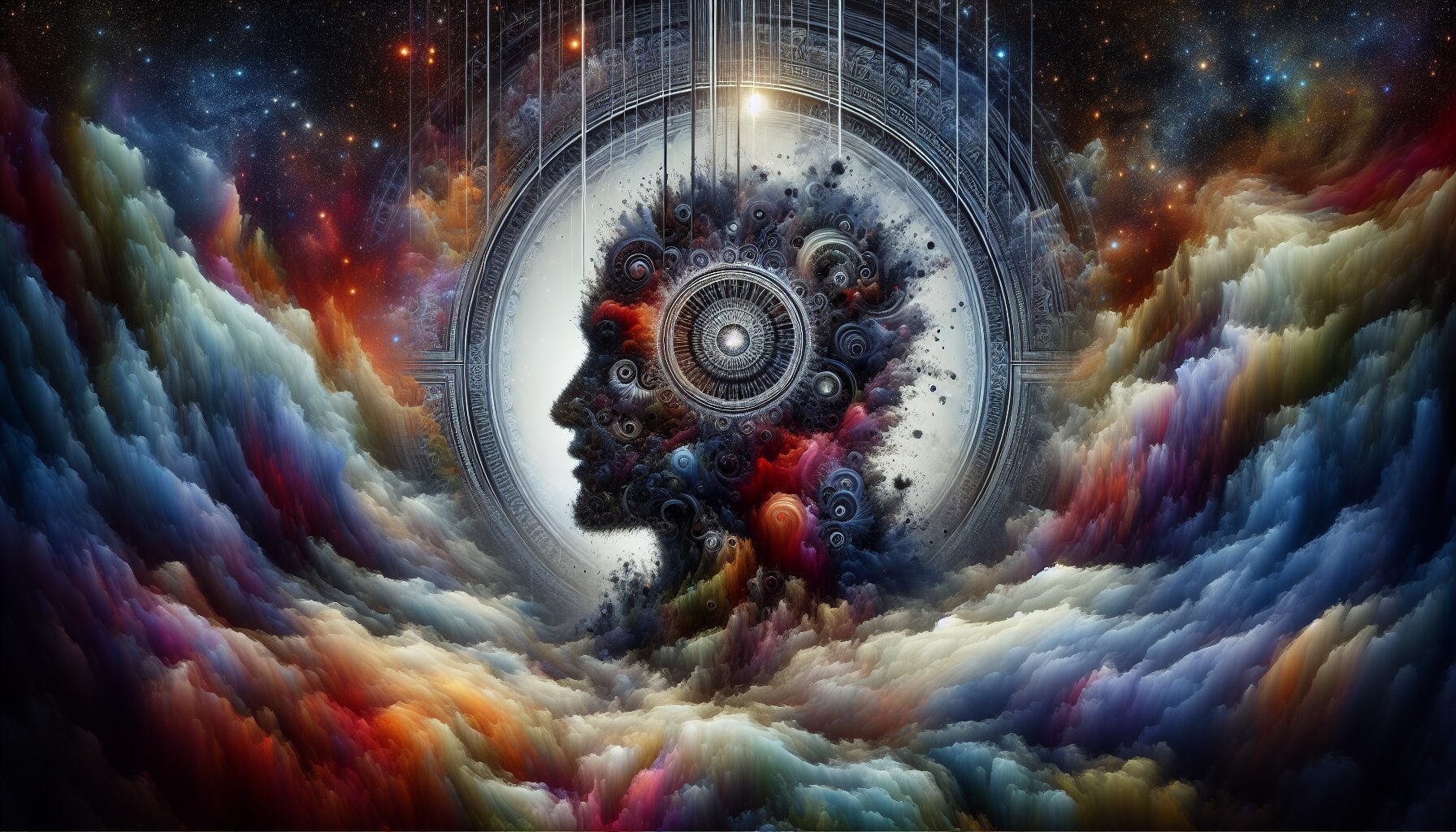
    In the realm where fantasy and the unknown intertwine, abstract portals serve as mystical gateways to other dimensions, realms, and universes. These ain’t just mere plot devices for captivating stories but represent deeper psychological and philosophical paradigms that have fascinated humanity since time immemorial.

    “The universe is full of magical things patiently waiting for our wits to grow sharper.” — Eden Phillpotts

    The concept of portals has been a cornerstone in speculative fiction, encompassing everything from wormholes in science fiction to magical wardrobes and rabbit holes in fantasy tales. These passages challenge the boundaries of reality, inviting the curious and the brave to venture beyond their world.

    The Allure of Otherworldly Passages

    The fascination with portals stems from a universal yearning for discovery and escape. They offer characters—and readers—a chance to leave ordinary life behind, exploring new realms filled with endless possibilities. But what drives this intrigue? Let’s delve into the reasons behind humanity’s enduring obsession with these enigmatic gates.

    • The Desire for Escape: Portals offer an escape from the mundane, providing a passage to worlds where magic is real, and adventure awaits. They allow us to break free from our current reality and explore the endless possibilities of the unknown.
    • Exploration of the Unknown: There’s an inherent curiosity about what lies beyond our perception. Portals are bridges to these hidden worlds, offering a playground for the imagination.
    • Transformation and Growth: Passing through a portal often signifies change. Characters—and by extension, readers—undergo transformative journeys, emerging with renewed understanding and purpose.

    Portals in Mythology and Folklore

    Portals aren’t a modern invention; they have roots in ancient myths and folklore. Cultures across the globe have legends and tales featuring mystical gateways:

    • The Norse Bifröst: In Norse mythology, the Bifröst bridge connects the world of the gods, Asgard, with Midgard, the world of humans. Seen as a rainbow bridge, it symbolizes the connection between the divine and mortal realms.
    • Fairy Rings: In Celtic folklore, fairy rings—mushroom circles—are said to be portals to the fairy realm. Stepping into one might lead to enchantment or, as some tales caution, peril.
    • Shinto Torii Gates: In Japan, torii gates mark the transition from the mundane to the sacred at Shinto shrines, serving as spiritual passageways.

    Literary Portals: Bridging Fantasy and Reality

    Many classic and contemporary works of fiction use portals as key narrative elements:

    • The Chronicles of Narnia by C.S. Lewis: The wardrobe that leads to Narnia is perhaps one of the most iconic portals, introducing readers to an unforgettable world of magic and talking animals.
    • Alice’s Adventures in Wonderland by Lewis Carroll: Alice’s fall down the rabbit hole is the perfect metaphor for a portal to the surreal and absurd.
    • Harry Potter by J.K. Rowling: Platform 9¾, the portal to the Hogwarts Express, symbolizes the entrance to a world brimming with magic and wonder.

    Scientific Hypotheses: The Realities of Fictional Constructs

    While portals are predominantly seen in a fantastical context, modern science hasn’t entirely ruled out their existence. Theoretical physics suggests the possibility of wormholes, which might function as cosmic shortcuts connecting distant parts of the universe. As physicist Albert Einstein and his colleague Nathan Rosen theorized, “A wormhole is much like a tunnel with two ends at separate points in spacetime” (source).

    Though speculative, such theories fuel our imagination, blurring the line between science fiction and reality. While the practicality and ethics of such interdimensional travel remain in question, the potential for discovery is truly limitless.

    The Symbolism of Portals: Personal and Collective Journeys

    In addition to their narrative roles, portals often symbolize personal growth, spiritual awakening, or transitioning phases in life. They reflect our inner desires to explore uncharted territories, both externally and within ourselves.

    In conclusion, abstract portals serve as beguiling symbols, opening doors to infinite possibilities, adventures, and existences. They remind us of the vast unknown yet to be explored, urging us to question, imagine, and perhaps even prepare for that moment when we might just step through the veil, leaving the mundane behind to discover what lies beyond. As long as human curiosity endures, so too will the allure of portals—these enigmatic gates beyond reality.

  • Abstract Runes – Symbols Beyond Understanding

    Abstract Runes – Symbols Beyond Understanding

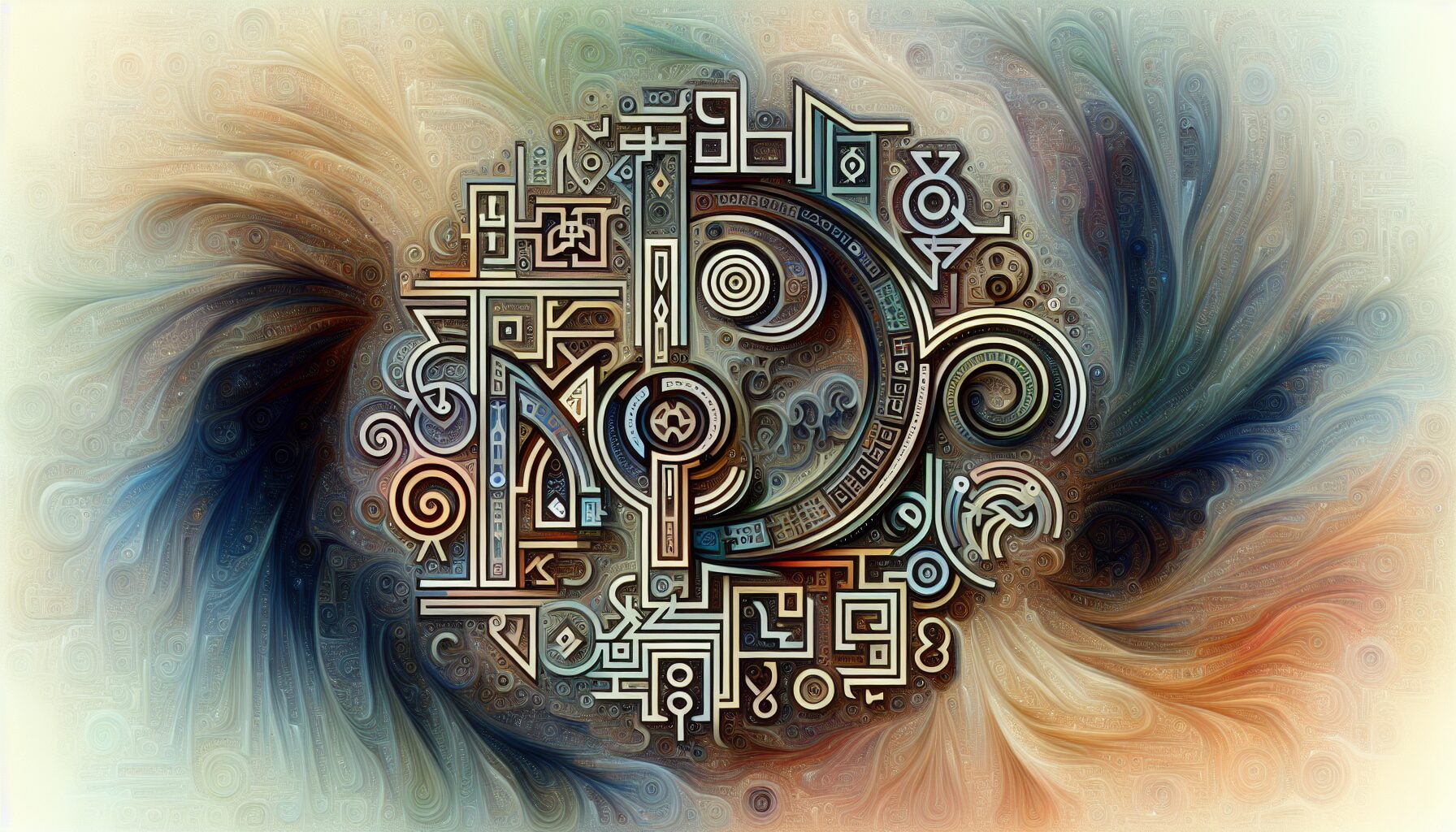
    Runes are ancient symbols that hold a mystic allure through their complex and enigmatic nature. Often associated with Northern European cultures, these symbols have transcended their historical roots to become a powerful element in modern mysticism and artistic expression. Runes have traditionally been employed not just as an alphabet, but as tools of divination, symbols of power, and gateways into the unknown realms.

    “Runes embody the universal energies and experiences of life. They are abstract, esoteric, and connect us to the ineffable.” – Freya Aswynn, British author and practitioner of Germanic Neopaganism.

    The allure of runes lies in their abstract symbolism, which goes beyond the mere conveyance of linguistic messages. Each rune carries a meaning, a story that connects with fundamental aspects of life, nature, and the cosmos. Collectively, they form a language of symbolism that continues to mystify and inspire.

    The Origin of Runes

    The earliest runes date back to around 150-800 AD and are part of the Futhark family. The most well-known versions are the Elder Futhark and Younger Futhark. Each rune is made up of straight lines, a design choice likely made for ease of carving into wood, stone, or bone.

    • Elder Futhark: Consisting of 24 runes, it is the oldest form of the runic alphabets and was widely used before the Christianization of Scandinavia.
    • Younger Futhark: This simplified version contains only 16 characters and was developed around the 9th century.

    While runes were used for practical communication, they also held magical properties for the Germanic peoples, serving as potent talismans and instruments of mystical operations.

    Runes in Divination and Magic

    In modern times, runes are often used in divination, much like tarot cards and astrology. Each rune embodies a specific archetype or energy, representing different facets of the human experience. For instance:

    • Fehu: Signifies wealth and abundance, often associated with material gain.
    • Uruz: Represents strength, health, and the untamed power of nature.
    • Raido: Symbolizes the journey of life, travel, and rhythm.

    When used in divination, these symbols invite the practitioner to engage in reflection, tapping into their subconscious to garner insights and guidance. They are drawn with hands veiled in reverence, acknowledging the energies they represent.

    Magic and runes are inseparably intertwined. Norse mythology hints at the runes as gifts to humanity from the gods, with Odin himself said to have discovered them by sacrificing himself on the Yggdrasil, the World Tree. This myth underscores the divine nature of these symbols and their role as mediums between the human and divine.

    Modern Interpretations and Artistic Expression

    Today, runes have found a place in modern culture, extending beyond their original spiritual use. They appear in various forms of contemporary media, illustrating their persistent and versatile nature. Runes are featured in artworks, tattoos, and even digital media, each new context breathing fresh interpretations and meanings into these ancient symbols.

    For instance, runes have become a key element in the design of video games, such as in “God of War” and “The Elder Scrolls,” where they serve as both decorative and functional in-game elements. This broadens their reach to new generations, captivating them with a sense of mystery and ancient wisdom.

    The Eternal Mystery of Abstract Runes

    At the heart of the fascination with runes is their abstract nature. Unlike languages constrained by grammar and syntax, runes traverse beyond the linear confines of understanding. Their very ambiguity allows for diverse interpretations, resonating deeply with those who seek personal and spiritual growth.

    “The runes themselves are not just letters, but keys to unlocking the mysteries of the universe and the soul.” – Norse Mythology for Smart People

    This abstract nature is both a challenge and a gift. It calls upon individuals to delve into their intuition, experiencing the runes not as static symbols but as dynamic forces woven into the fabric of existence. The true beauty of runes lies in this mystical dance of understanding and the perpetual discovery of the unknown.

    Conclusion

    Runes, with all their mystery and magic, remain an enticing realm for explorers of the mind and spirit. They remind us of our connection to nature and the divine, urging us to look beyond the visible and the known. In understanding these abstract symbols, we embark on a journey not just of knowledge, but of existential curiosity and personal transformation.

  • Funerary Chant – Sound as Passage Beyond Form

    Funerary Chant – Sound as Passage Beyond Form

    Funerary Chant – Sound as Passage Beyond Form

    Funerary Chant – Sound as Passage Beyond Form

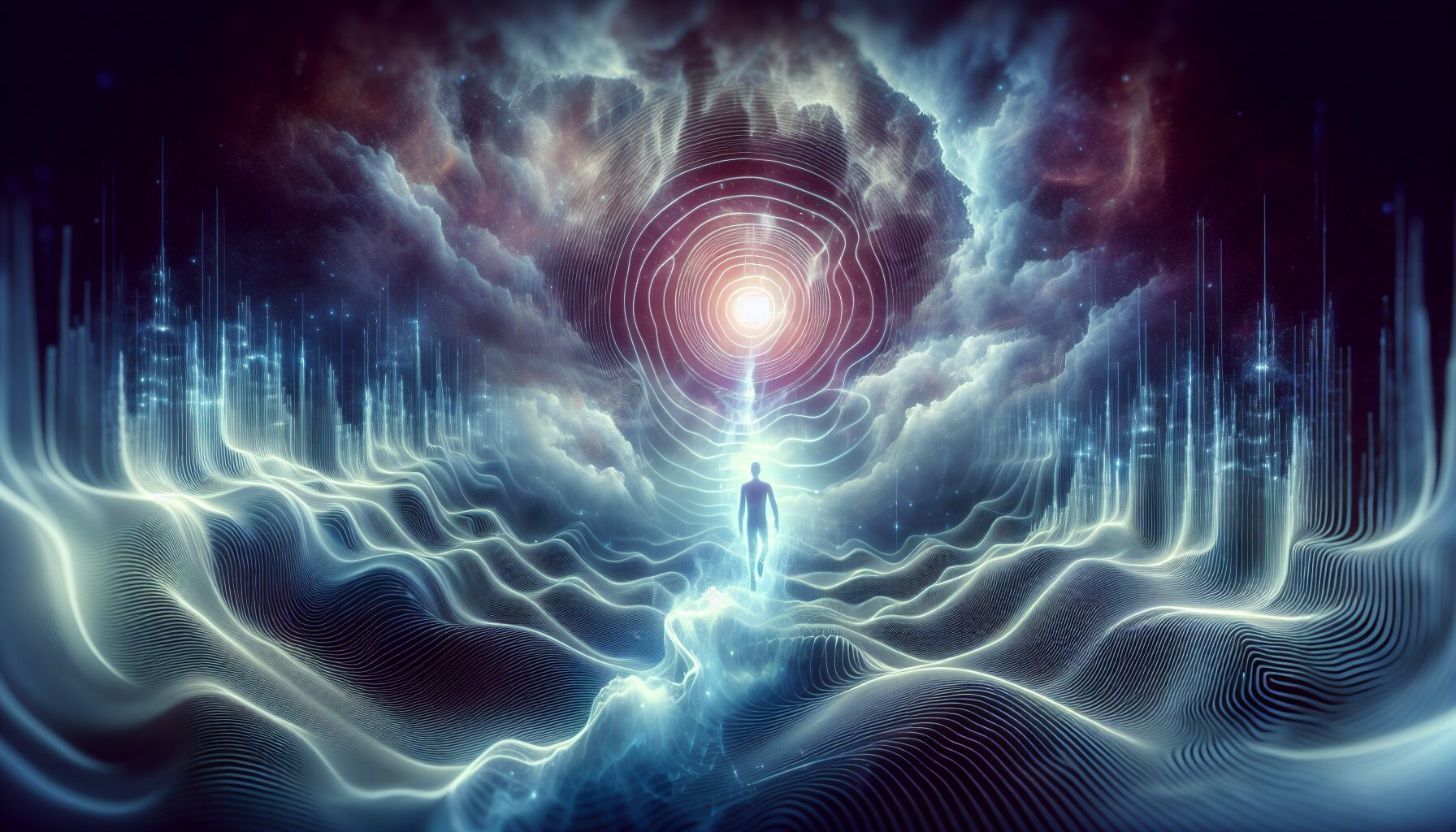
    Sound has always been an intrinsic part of human ritual and celebration, nowhere more so than in the practices surrounding death and the honoring of those who have passed. Funerary chants are poetic articulations meant to transcend the physical world, guiding the spirit to the next realm with the aid of resonant vibrations. This article delves into the significance of funerary chants, exploring their form, function, and the cultural variances that color their expression worldwide.

    The Universality of Song in Ritual

    Among the many cultural practices, the funerary chant bridges the corporeal and the ethereal, allowing mourners a channel to express grief while celebrating the life of the departed. As Joseph Campbell once reflected, “Ritual is the enactment of a myth, and by participating in it, the individual paves the way to experience the transcendent.” Such rituals embody the collective emotions and spiritual beliefs of a community, offering comfort and a sense of continuity.

    The Mechanics of the Chant

    Funerary chants often rely on simple, repetitive melodies and rhythms that enable participants to enter a meditative or trance-like state. This repetition is not merely a characteristic of the chant but forms the essence of its power. It creates an altered state of consciousness where participants might feel the presence of those who have left the material world. The use of echoes, reverberations, and harmonics can enhance this effect, producing a soundscape that feels otherworldly.

    Variations Across Cultures

    • Tibetan Buddhist Chants: Tibetan Buddhists perform chants known as Thoday during funerals. These chants involve deep harmonic undertones and the use of Tibetan singing bowls to facilitate meditation and connection with the divine. The Culture Change Life describes the purpose of these chants as aiding the soul’s journey through the Bardo, the state between death and rebirth.
    • Gregorian Chants: Originating in the Western Christian tradition, Gregorian chants are marked by their monophonic and free-flowing style. They are used in liturgical settings to evoke a sense of peace and contemplation, employing Latin verses to elevate the sacredness of the ceremony. The melodic lines of these chants guide the spirit with reverence and serenity.
    • Native American Songs: Native American tribes each have their unique funerary practices. These often include chants that incorporate natural elements, such as wind and water sounds, aligning the passage of an individual with the sacred cycles of nature. The significance of these chants is honored in the belief that they help restore balance and harmony to the cosmos.

    Modern Interpretations and Evolutions

    In current times, funerary chants are evolving as cultures mingle and technology advances. Electronic music artists and modern composers have begun to draw inspiration from traditional chants, reimagining them with synthesized sounds and global influences. This fusion reflects the ever-changing landscape of human spirituality and our eternal quest to understand and express life’s transitions.

    “Music, in particular, possesses an extraordinary power to evoke deep and varied emotions. In the context of funerals, chants lull mourners into a state of shared remembrance and consolation.”

    As discussed in Psychology Today, our relationship with musical rituals is emblematic of an innate, shared comprehension underscoring human experience—offering solace and connection.

    Conclusion: The Soundtrack of Passage

    Funerary chants, in their diverse forms, serve as a bridge between worlds, a manifestation of our yearning to connect with what lies beyond the visible and tangible. Through sound, humans find a way to communicate the inexpressible, to house grief and hope in melodies that echo through time. Whether traditional or modern, the funerary chant remains a vital part of how humans celebrate, mourn, and transcend, embodying sound as the passage beyond form.

  • Alien Afterlife – Imagining Death Beyond Earth

    Alien Afterlife – Imagining Death Beyond Earth

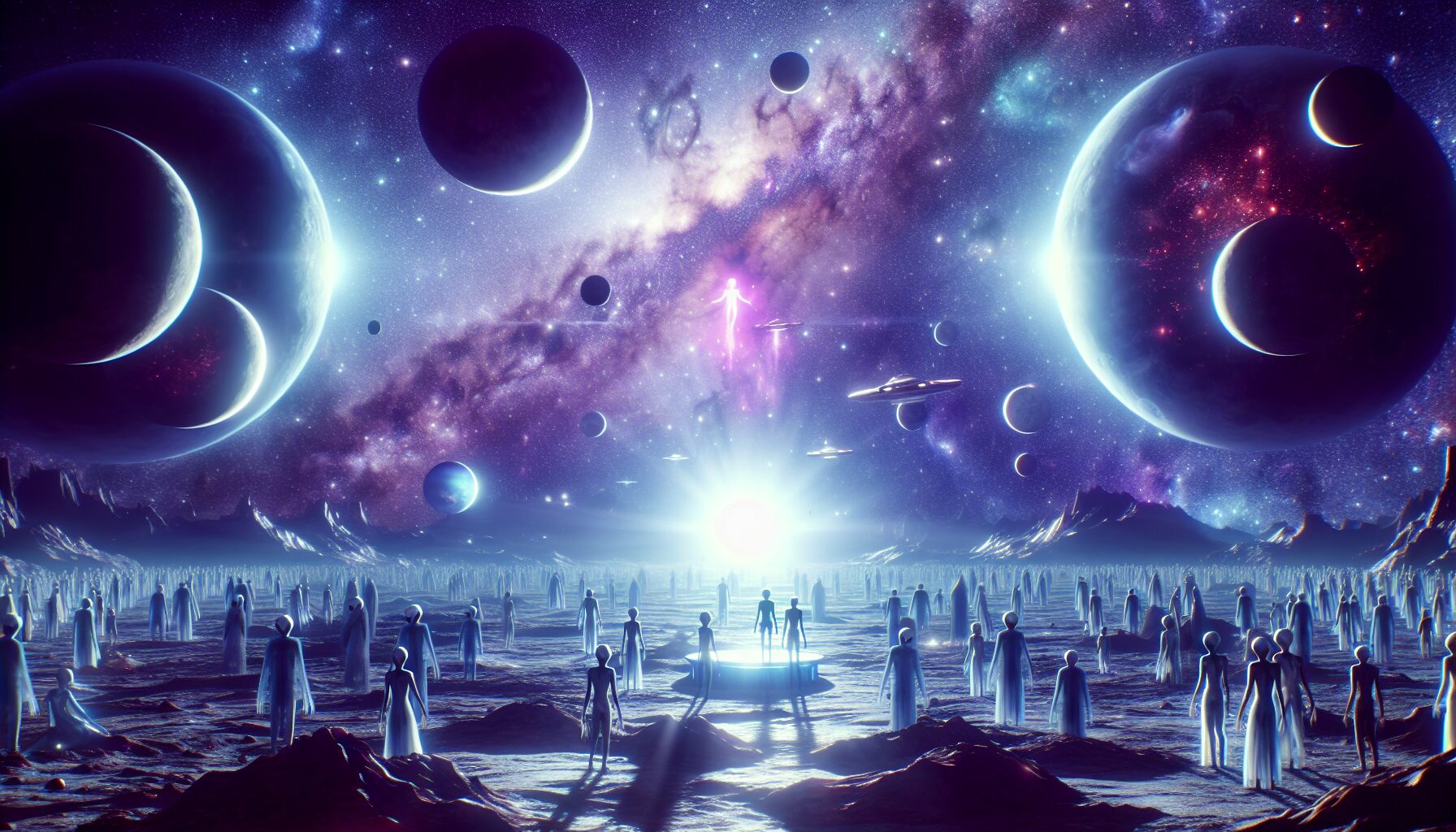
    What happens after death? This universal question extends into the curious domain of extraterrestrial life. If intelligent beings exist beyond our planet, how might they conceive of an afterlife? Or would they view death through an entirely different lens altogether?

    Exploring Concepts of Life Beyond Earth

    As humans, our notions of the afterlife are deeply intertwined with cultural, religious, and philosophical beliefs. From the grand halls of Valhalla in Norse mythology to the eternal cycle of reincarnation in Hinduism, these concepts shape our understanding of existence beyond death. Considering the potential for alien life forms introduces a vast array of possibilities and challenges us to think beyond earthly constraints.

    Alien Theologies and Philosophical Thought

    Imagining how extraterrestrial civilizations might perceive death requires understanding the cultural and intellectual frameworks they might have developed. Would their societies formulate religious beliefs, scientific hypotheses, or philosophical theories about life and death?

    • Religious Constructs: Just as humanity has developed diverse religious beliefs, alien societies might possess their own spiritual traditions. These could center around energy, cosmological cycles, or entirely unknown elements.
    • Scientific Perspectives: Perhaps alien civilizations, driven by advanced technology, lean more towards scientific explanations, viewing death as a transformation of energy or a temporary state until reanimation is possible.
    • Philosophical Musings: Alien thought might focus on existential philosophies, contemplating consciousness and the universe in ways humans have yet to conceive.

    Astrobiologist Douglas Vakoch suggests, “By considering the diversity of life on Earth, we open our minds to the myriad possibilities of alien life and their unique perspectives on death and an afterlife” (Daily Galaxy).

    Cultural Constructs and Their Impact on Alien Afterlife Perceptions

    Cultural differences on Earth elucidate how varied alien cultures could perceive death. Consider:

    • Community vs. Individuality: Alien societies that prioritize communal existence might see death as a transition to a collective consciousness, while those that value individuality could focus more on personal continuity.
    • Technological Influence: Societies with advanced technology could view immortality or consciousness transfer as realistic outcomes.
    • Environmental Factors: The environment of an alien planet—such as extreme climates—could foster unique survival strategies that influence beliefs about life and death.

    Scientific Speculations: From Energy to Entropy

    Physicist Michio Kaku posits that “an alien civilization might have overcome death, potentially achieving a form of immortality through technology” (Scientific American). Imagine a society that has mastered the manipulation of consciousness, transferring it seamlessly from one vessel to another, sidestepping the traditional notion of death.

    “We are not bound to the same cosmic laws and limitations to which we believe ourselves enslaved,” writes Arthur C. Clarke. “Each new wave of discovery presses back the envelop of the known universe—opening further mysteries” (Goodreads).

    Speculative Narratives in Fiction

    Science fiction literature and media have long explored the concept of alien afterlife, crafting narratives that stretch the imagination. The Orville, Star Trek, and other series explore civilizations with unique afterlife beliefs. Authors such as Arthur C. Clarke and Philip K. Dick have delved into these themes, proposing myriad possibilities for life after death.

    • The Enhancement of Human Understanding: Such fictional accounts push the boundaries of human creativity, prompting deeper inquiry into our own beliefs about life and death.
    • Anthropocentric Limitations: These narratives remind us of the limitations of projecting human experiences onto alien paradigms, inviting us to embrace broader perspectives.

    Conclusion: The Infinitude of Possibilities

    Whether advanced civilizations have outgrown our perceptions of death, or regard it with as much complexity as we do, only the future knows. They may possess wholly unimagined systems of belief and understanding. When speculating about alien afterlife, one must remain open to the vast, unpredictable possibilities the universe holds.

    The intrigue of imagining an alien afterlife lies not only in what it reveals about hypothetical extraterrestrial beings but also in what it suggests about human limitations and aspirations. Our quest to understand life and death extends beyond earthly confines, inviting us to travel among the stars in search of boundless truths.

    In the words of the astronomer Carl Sagan, “Somewhere, something incredible is waiting to be known.” As we ponder the afterlife, may we continue to look to the cosmos with wonder and humility.

  • DNA as Ghost Code – The Persistence of Information Beyond Death

    DNA as Ghost Code – The Persistence of Information Beyond Death

    DNA as Ghost Code – The Persistence of Information Beyond Death

    DNA as Ghost Code – The Persistence of Information Beyond Death

    In the quest to understand life and its enigmatic end, scientists have increasingly turned to the microscopic strands of DNA, revealing fascinating perspectives on the concept of biological immortality. DNA, the molecule that carries the genetic instructions for the development, functioning, growth, and reproduction of all known living organisms, holds within it a mysterious potential: the persistence of information beyond death.

    “DNA neither cares nor knows. DNA just is. And we dance to its music.” — Richard Dawkins

    The Digital Code of Life

    DNA has often been likened to a digital code, where the sequence of four nucleotides—adenine (A), thymine (T), cytosine (C), and guanine (G)—forms the language of life. This genetic script encodes the biological instructions that dictate the growth and maintenance of an organism. However, what happens to this information after death?

    Beyond the Physical

    While an organism may cease to exist in a corporeal sense, its genetic material can persist, affecting subsequent generations and ecosystems. Epigenetics, a field focusing on the changes in gene expression rather than alteration of the genetic code itself, further highlights how ancestral DNA continues to influence the present. As an article in Nature suggests, our genes carry echoes of our ancestors’ experiences, navigating through time and expressing themselves in contemporary biology.

    The Metaphor of Ghost Code

    The metaphor of DNA as “ghost code” underscores its spectral nature. Although the body decomposes, DNA frequently survives, often being retrieved from bones, teeth, and even soil. In archaeological contexts, this has allowed scientists to reconstruct genomes from long-dead species, as shown in the groundbreaking sequencing of the Neanderthal genome.

    Implications for the Future

    Understanding DNA as ghost code opens many doors for both science and philosophy. It challenges us to reconsider our definitions of life and death while enriching fields from forensic science to conservation biology. By recognizing the enduring legacy embedded in our genes, we gain insights into not only our past but our potential future—perhaps forecasting the shape of life yet to come.

    As we unravel the mysteries of our genetic heritage, DNA proves to be more than a static blueprint. It is a dynamic entity, resonating with the lives of those who came before us, a ghostly reminder of an eternal biological conversation.

  • The Eternal Night of Space – Decay Beyond the Sun’s Reach

    The Eternal Night of Space – Decay Beyond the Sun’s Reach

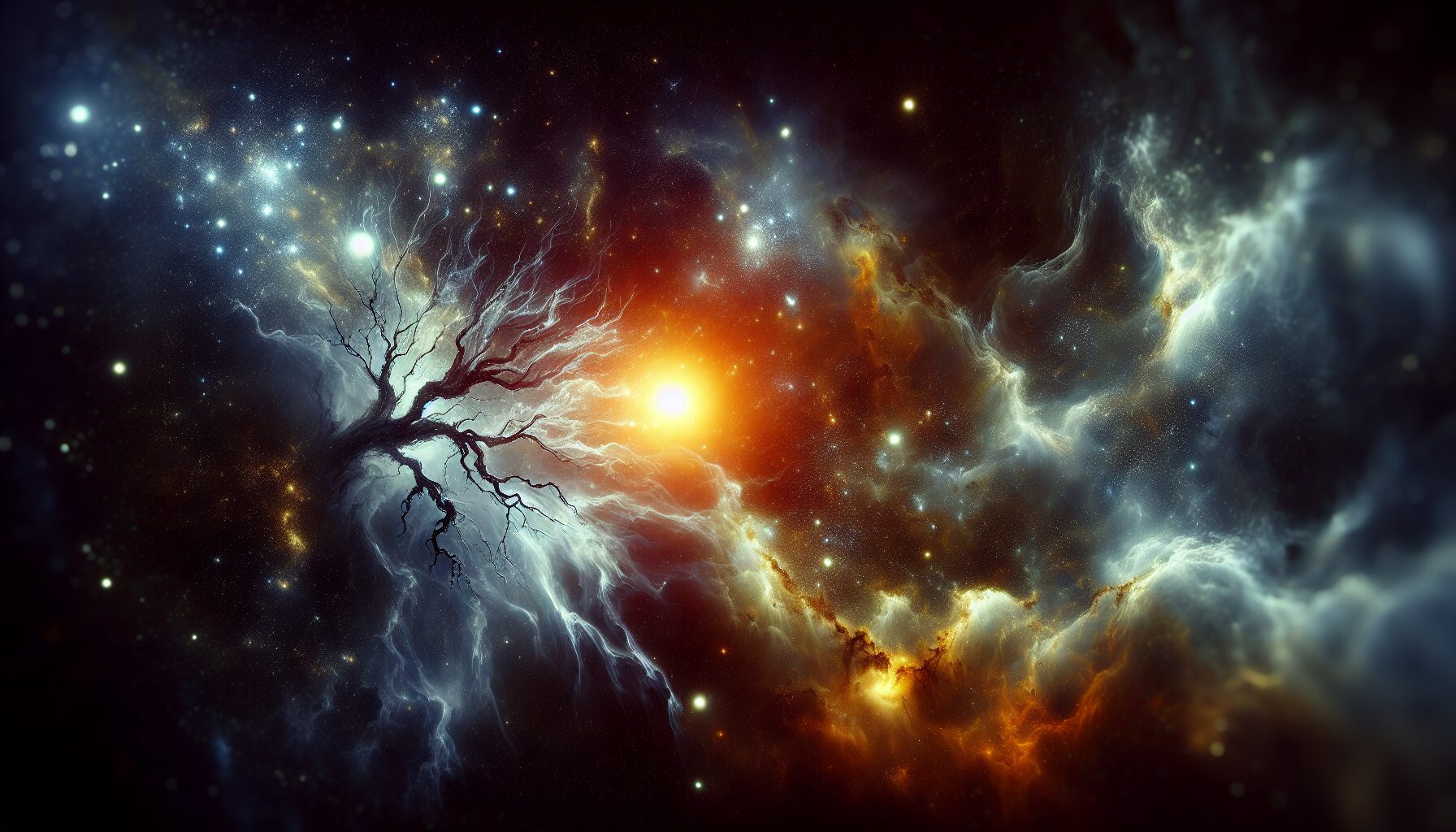
    In the vast, inky blackness that lies beyond our solar system’s gentle warmth exists a realm of perpetual darkness. This realm, where the sun’s nurturing rays cannot penetrate, offers a haunting yet fascinating glimpse into the inevitable fate of stars and planets alike. Here, objects die a slow death, succumbing to the unrelenting grasp of entropy.

    The Concept of Stellar Decay

    Stellar decay is an inexorable process that defines the lifecycle of celestial bodies. When a star exhausts its nuclear fuel, it enters a terminal phase, either collapsing into a white dwarf, neutron star, or, for more massive stars, a black hole. Each of these remnants contributes to the eerie tapestry of decay beyond the sun’s reach, fascinating astronomers and fueling numerous theories.

    “The long-term future of the universe is bleak, filled with fading and dying stars, burnt-out remnants drifting through the cosmos,” said Dr. Brian Cox, physicist and cosmologist.

    Space.com

    Planetary Decay in the Dark

    Not just stars, but planets too face a ghostly demise. Far from the warming embrace of a star, planets see their atmospheres freeze and oceans turn to ice. Without sunlight, photosynthesis ceases, leading to the collapse of ecosystems and the extinction of any life that might have thrived there.

    • Ice Deserts: Without stellar warmth, even the most hospitable planets transform into ice-covered wastelands.
    • Atmospheric Escape: Over time, a planet’s atmosphere can be stripped away by cosmic winds, leaving barren rocky or icy landscapes.
    • Orbital Decay: If a planet orbits too close to a stellar corpse, it may eventually spiral inward and be consumed or flung into the void.

    The Interplay of Time and Space

    This eternal night in space underpins the enthralling cycle of destruction and rebirth that governs the cosmos. As matter decays, it often seeds the formation of new stars and planets, suggesting a poignant, cyclical dance of life and death on a cosmic scale.

    Yet, as we ponder this eternal decay, we are reminded of the transient nature of our own existence. Here on Earth, under the gentle hearth of our sun, life remains, for now, a vibrant salute to the ephemeral and the enduring. Exploring the eternal night of space enriches our understanding of the Universe’s relentless march towards entropy, echoing across time.

  • Blackened Philosophy – Thinking Beyond Mainstream Thought

    Blackened Philosophy – Thinking Beyond Mainstream Thought

    Blackened Philosophy – Thinking Beyond Mainstream Thought

    Blackened Philosophy – Thinking Beyond Mainstream Thought

    The realm of philosophy has always been a domain where thinkers strive to unravel the complexities of existence, morality, and knowledge. However, there exists a certain form of philosophical inquiry that leaps beyond the confines of traditional discourse—a space we refer to as “Blackened Philosophy.” This term encapsulates ideas that challenge norms, question everything, and often tread the line between reality and the unknown.

    Origins and Meaning

    Blackened Philosophy” does not reference any specific philosophical school or thought. Instead, it symbolizes an approach, an audacity to delve into the darker, less-traveled paths of philosophical thinking. Influenced by existentialism, nihilism, and skepticism, this philosophy dares to question the very fabric of what we perceive as truth and existence.

    “The unexamined life is not worth living.”

    Socrates

    Socrates’ famous declaration underscores the necessity of critique and exploration inherent in philosophy. Blackened Philosophy embodies this spirit by encouraging a relentless questioning of the foundations upon which mainstream thoughts are built.

    Core Principles of Blackened Philosophy

    Although varied, there are several principles that often underpin this philosophical approach:

    • Abolition of Dogma: Nothing is sacrosanct. Every belief, tradition, and assumption should be scrutinized critically.
    • Embrace of Paradox: Conventional belief and logical reasoning are not always adequate. Embrace contradictions and discover deeper truths within them.
    • Existential Inquiry: Go beyond asking if something is true; ask why it matters. Explore existence’s raw and unmediated forms.

    Navigating Beyond the Mainstream

    Mainstream philosophy often centers around certain irrefutable tenets or ideas. Conventional wisdom insists on equilibrium, on concepts that ensure stability within the realms of moral, metaphysical, and epistemological debates. However, Blackened Philosophy frequently rebels against such norms.

    Challenging Moral Absolutism

    Moral absolutism posits that ethical standards apply universally without exception. Blackened Philosophy rejects this notion, advocating for a more nuanced understanding of morality that is subjective and contextual. Friedrich Nietzsche famously argued, “There are no moral phenomena at all, but only a moral interpretation of phenomena.”

    This critique propels thinkers to explore the vast range of ethical experiences, unshackled by prescribed moral codes. As the world grows increasingly complex, adopting a versatile philosophical lens becomes indispensable.

    Redefining Knowledge

    Rene Descartes, often regarded as the father of modern philosophy, declared, “I think, therefore I am.” This statement emphasizes a foundational belief in the certainty of one’s existence. Blackened Philosophy, in contrast, pushes even the boundaries of cogito ergo sum, questioning the nature and certainty of self-awareness and knowledge.

    Skepticism, a crucial tool in this philosophy, becomes the means through which understanding is continuously reshaped. As philosopher David Hume remarked:

    “A wise man, therefore, proportions his belief to the evidence.”

    David Hume

    Blackened Philosophy amplifies this sentiment by pushing beyond the limits of evidence, seeking subjective truths that may defy empiricism.

    The Dark Aesthetic

    The aesthetic of Blackened Philosophy often invokes dark imagery and symbolism. This reflects the depth and often daunting nature of philosophical inquiry it promotes. Literature, music, and art that embody this aesthetic help manifest its abstract principles into tangible experiences.

    Consider the works of Edgar Allan Poe or the melancholic compositions of black metal music, where themes like existential dread and the sublime emerge. These cultural artifacts give voice and substance to the abstract themes that Blackened Philosophy seeks to explore.

    Existentialism and the Absurd

    This philosophy often aligns itself with existentialist thought. Albert Camus, in his essay “The Myth of Sisyphus,” introduces the concept of the absurd—where the human tendency to seek inherent meaning conflicts with the chaotic, indifferent universe. Camus writes:

    “The struggle itself towards the heights is enough to fill a man’s heart. One must imagine Sisyphus happy.”

    Blackened Philosophy resonates with such ideas, inviting individuals not just to ponder but to embrace the contradictions and uncertainties of existence.

    Conclusion

    Blackened Philosophy is not about obtaining definitive answers but about embracing the journey of relentless questioning and exploration. It rejects the comfortably known, stepping instead into the shadows where new perspectives lurk. In doing so, it offers a profound challenge not just to established theoretical paradigms, but to our own preconceptions and biases.

    As we continue to navigate an ever-evolving world, the insights offered by thinking beyond mainstream thought can provide not only deeper understanding but also profound personal transformation. Blackened Philosophy is an invitation to those daring enough to venture into the unknown, with conviction not in finding answers, but in discovering new questions.

    Further exploration into this topic may be found in works by The Stanford Encyclopedia of Philosophy, where you can dive deeper into branches like existentialism, nihilism, and skepticism that inform much of this unorthodox approach.
  • The Nocturnal Eye – Observing the World Beyond Daylight

    The Nocturnal Eye – Observing the World Beyond Daylight

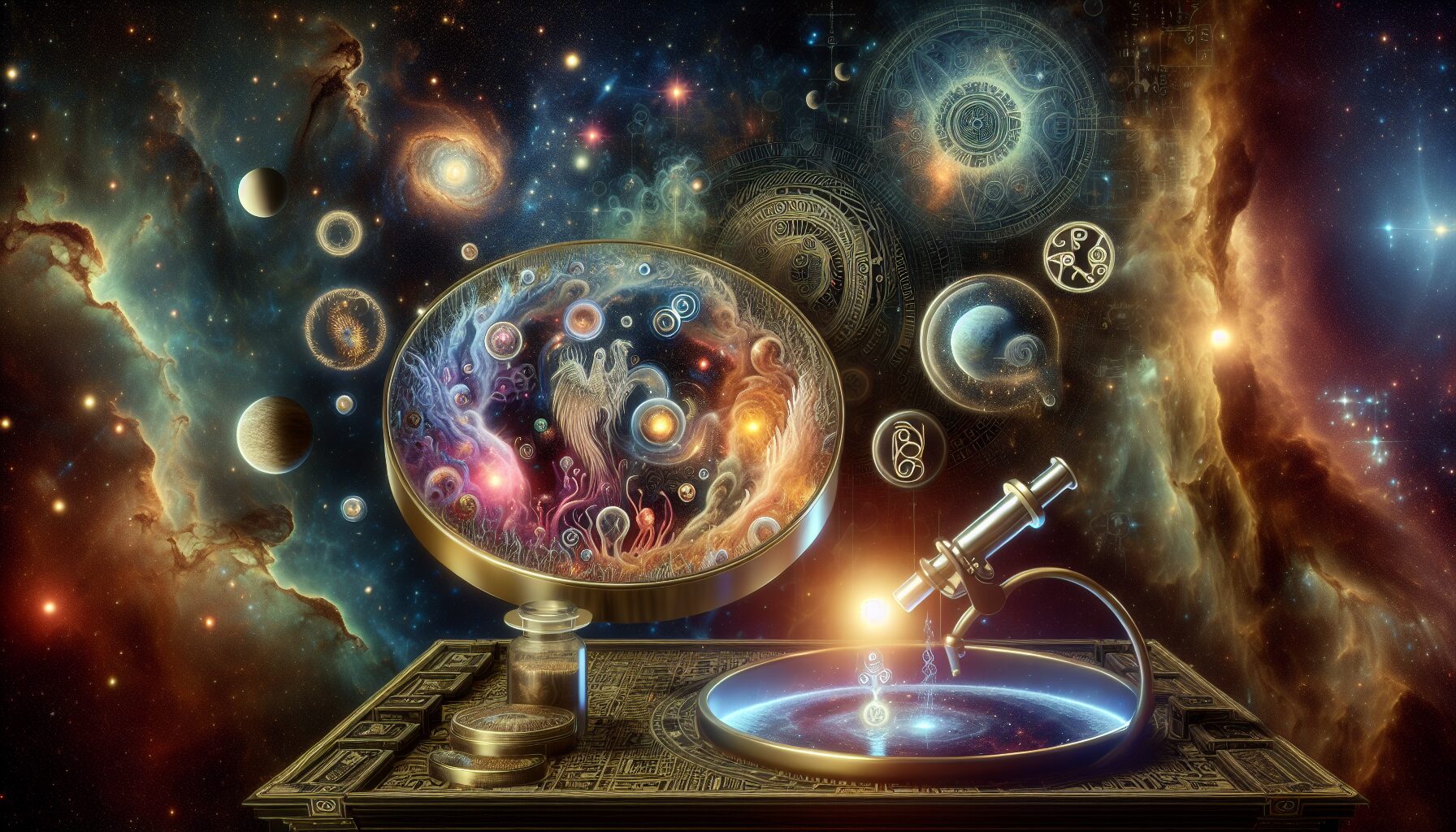
    The mysteries of the night sky have long captivated human imagination. Since the dawn of civilization, people have looked up at the cosmos, pondering the countless stars shimmering like scattered diamonds on a velvet canvas. Yet, Earth’s night offers an array of enigmas beyond the celestial. The nocturnal world, teeming with life and phenomena unseen during daylight, presents a rich tapestry worthy of exploration.

    The Biological Symphony of the Night

    Nighttime unveils a distinct world of creatures that thrive in darkness. These nocturnal beings have adapted uniquely to life without light, using highly evolved senses such as enhanced hearing and night vision. Owls, for example, are equipped with exceptional auditory abilities, enabling them to hunt with precision. According to a study by the Royal Society Publishing, the owl’s silent flight and acute sense of hearing give them an edge in the nocturnal landscape.

    Bats, another quintessential night dweller, navigate through echolocation, emitting calls that bounce off objects, revealing their surroundings. According to the American Association for the Advancement of Science, this form of biological sonar is so precise that some bats can detect textures and sizes of objects they encounter.

    Ethereal Light of the Night

    While the absence of sunlight defines night, it doesn’t imply darkness in absolute terms. The moon and stars provide a subtle luminescence, but the nocturnal world boasts its sources of light. Bioluminescence is a natural wonder where organisms like fireflies and certain deep-sea creatures produce light. This phenomenon, explained by researchers at Oxford Academic, involves chemical reactions within these organisms, often for attracting mates or deterring predators.

    Moreover, the night sky occasionally becomes a stage for spectacular light displays known as auroras. These occur when charged particles from the sun collide with Earth’s atmosphere, leading to shimmering curtains of green, red, and purple. The National Geographic delineates the science behind these awe-inspiring displays, illustrating how Earth’s magnetic poles harness solar particles to paint the sky.

    Human Perception and the Night

    The human relationship with night has evolved significantly over centuries. From early fire-lit evenings to modern artificial lighting, our capacity to conquer the dark has grown. However, this has not come without consequences. Light pollution, a glaring by-product of modern society, obscures our view of the stars and impacts nocturnal wildlife.

    Documented by the International Dark-Sky Association, light pollution disrupts natural ecosystems, confuses animal navigation and affects hormonal cycles, making it an ecological concern. “The ability to see the Milky Way is a heritage we should strive to preserve for future generations,” states Dr. John Barentine, an advocate for night sky preservation.

    Technological Eyes in the Dark

    Our quest to unveil the secrets of the nocturnal world extends into technology. Night vision devices, developed initially for military use, now aid in wildlife observation and exploration. Using infrared technology, these devices translate invisible light into visible images, granting humans the power to see in the dark.

    Furthermore, space telescopes such as the Hubble have revolutionized our understanding of the night sky. By observing at various wavelengths, including those invisible to the naked eye, these telescopes reveal the universe’s hidden textures and phenomena, from distant galaxies to nebulae. Research published by the Hubble Space Telescope expands our cosmic comprehension, showcasing the vibrant tapestry of the cosmos.

    Emotion and Inspiration: How the Night Articulates the Human Soul

    Nights have always inspired artists, philosophers, and scientists alike. The starry firmament encourages contemplation and reflection, a thematic constant in art and literature. Van Gogh’s The Starry Night, painted during his stay in an asylum, remains an enduring testament to the emotional power of the night.

    Reflecting on the allure of darkness, author Neil Gaiman eloquently encapsulates the human fascination with the night sky: “The night is also a kingdom. It’s not only that great musings and ideas are born out of this darkness, but also that in the night we encounter mysteries that stir our imagination” (Neil Gaiman).

    The Future of Observing the Nocturnal World

    As technology advances, our capacity to explore and understand the night will only expand. Innovations in satellite technology, deep-space exploration, and microscopic assessments of nocturnal creatures promise to unlock new chapters in our understanding of the world after dusk.

    The quest continues, driven by an age-old wonder and a modern curiosity. In the words of the astronomer Carl Sagan: “Somewhere, something incredible is waiting to be known.” This voyage into the nocturnal realm exemplifies our intrinsic desire to explore beyond our daily experiences, opening our eyes to a universe suffused with unseen beauty and mystery beyond daylight.

    “Night conceals a world lit by the beauty of stars and governed by a different rhythm of life,” recognizes astronomer Jane Houston. “In embracing the night, we embrace the unknown and expand our realm of discovery.”

    The journey of the nocturnal eye invites us to uncover the layers of the world that thrive beyond the sun’s dominion—a testament to the enduring allure of darkness and its dazzling offerings.

  • Ashes and Eternity – Meditations on Life’s Transience

    Ashes and Eternity – Meditations on Life’s Transience

    Ashes and Eternity: Meditations on Life’s Transience

    Throughout the ages, humanity has pondered the fleeting nature of life and the eternal mysteries that lie beyond. From ancient mythologies to modern philosophical explorations, the concepts of ashes and eternity have been central to our understanding of existence. This meditation aims to explore the themes of impermanence and eternity, drawing from diverse cultural and philosophical perspectives.

    The Symbolism of Ashes

    Ashes have historically been symbolic of both death and rebirth. In many cultures, ashes are what remain after fire—a powerful element of transformation—consumes the material. They remind us of the transient nature of life, how all things ultimately decay and return to the earth. Yet, they also symbolize what remains eternal.

    • Hindu Philosophy: In Hindu rituals, ashes are used in last rites and are scattered in sacred rivers. This symbolizes the body’s return to nature and the soul’s journey towards rebirth. The Bhagavad Gita, a sacred Hindu text, notes, “As a man casts off worn-out garments and puts on new ones, so the soul casts off the body and takes on a new one” (Bhagavad Gita 2:22).
    • Christianity: On Ash Wednesday, Christians don ashes on their foreheads, symbolizing repentance and mortality. The phrase “Remember that you are dust, and to dust you shall return” (Genesis 3:19) emphasizes human mortality and the promise of eternal life through faith.
    • Buddhism: The Buddhist concept of Anicca, or impermanence, reminds followers that all forms are transient. Ashes, as remnants of fire, teach the lesson that clinging to material life leads to suffering. This is encapsulated in teachings found in the Pali Canon, which urge detachment from the material world.

    Eternity in Philosophy and Religion

    While ashes symbolize the transient, eternity represents the timeless and boundless. The pursuit of understanding what exists beyond life’s fleeting moments has been a central theme in philosophy and religion.

    • Plato’s Eternal Forms: Plato posited that beyond the physical world lies a world of perfect forms, eternal and immutable. In his work, “The Republic,” he described the cave allegory, highlighting the belief that true knowledge comes from understanding the eternal world beyond our sensory experiences.
    • Christian Afterlife: Christianity promises eternal life through salvation. The Bible speaks of an everlasting realm where “God will wipe away every tear from their eyes, there will be no more death or mourning” (Revelation 21:4), offering hope of transcendence beyond mortal life.
    • Islamic Perspective: In Islam, life after death is a fundamental tenet. The Qur’an describes a day “when the Earth is flattened out and the mountains are crushed to powder” (Qur’an 56:4-5), preceding eternal paradise or punishment, emphasizing accountability beyond this world.

    The Interplay Between Temporality and Eternity

    The tension between life’s brevity and the promise of eternity offers profound reflections on how we live our lives. This duality encourages individuals to seek meaning and connection within the finite scope of their existence.

    “Man is the only creature who refuses to be what he is.” – Albert Camus

    Camus’ existential philosophy suggests that the quest for meaning is uniquely human, driven by awareness of mortality and the aspiration for transcendence. His idea of “The Absurd” revolves around the tension between the desire for meaning and the silence of the universe.

    • Mindfulness and Presence: Practices like mindfulness teach embracing each moment, aware of its impermanence. This philosophy draws from Buddhist traditions, reminding practitioners that life’s great beauty lies in its transience.
    • Legacy and Influence: Many find solace in the belief that their actions, contributions, and influences remain long after they are gone. As Maya Angelou once said, “Your legacy is every life you’ve touched.”
    • Spiritual Enlightenment: For some, spiritual enlightenment offers a path to understanding eternity. The concept of nirvana in Buddhism exemplifies liberating oneself from the cycle of death and rebirth, reaching an eternal state through inner peace and understanding.

    Conclusion

    The meditation on ashes and eternity is a reflection of the perennial human endeavor to understand and reconcile the finite with the infinite. Whether through cultural traditions, philosophical inquiry, or spiritual contemplation, the journey through life’s temporary nature onto the threshold of eternity offers us insights into the essence of existence. As we contemplate these themes, we are reminded of the wisdom in embracing life’s transience while aspiring for the eternal values that define our legacy and the cosmic continuity.

    In the end, as the Greek philosopher Heraclitus observed, “The only constant in life is change.” In acknowledging this, we find a pathway not to despair, but to profound appreciation and inspiration.

  • Echoes of Silence – Listening Beyond Words

    Echoes of Silence – Listening Beyond Words

    In a world dominated by ceaseless chatter and the constant ping of digital notifications, silence often feels like a luxury. Yet, it is in silence that we find a profound depth of communication and understanding. To truly listen beyond words requires an awareness of the subtleties and an appreciation for the unsaid.

    The Power of Silence in Communication

    Silence in conversation can be as powerful as words themselves. It can convey a myriad of emotions—respect, contemplation, discomfort, or even disapproval. According to a study published in the Journal of Experimental Social Psychology, “silence can emphasize the importance of what was just said, indicating that words are not sufficient to fully capture the speaker’s intent.”

    “In the attitude of silence the soul finds the path in a clearer light, and what is elusive and deceptive resolves itself into a crystal clearness,” said Mahatma Gandhi.

    From casual interactions to professional negotiations, the strategic use of silence allows both speaker and listener to reflect on the conversation, making the exchange more meaningful and deliberate.

    Silence in Different Cultures

    Cultural differences play a significant role in how silence is interpreted. In some Asian cultures, for example, silence is considered a sign of respect and thoughtfulness. In Japan, the phrase “chinmoku” describes an agreeable silence shared by individuals, a concept seen as a social lubricant rather than a conversational void.

    Contrast this with Western cultures, where silence might be more likely to be interpreted as awkwardness or disinterest. The perception of silence as an uncomfortable gap highlights a predominantly verbal-oriented mode of communication.

    Listening to Nature’s Silence

    Beyond human interaction, nature provides an entire spectrum of silence that speaks volumes. John Muir, famed naturalist and advocate for the conservation of the wilderness in the United States, encapsulated this beautifully: “The clearest way into the Universe is through a forest wilderness.” In these environments, silence is not the absence of sound but the presence of listening opportunities.

    • Forest Silence: The gentle rustling of leaves, the distant call of a bird, the sound of a stream flowing—these are the whispers of the wild which require a keen listener to comprehend.
    • Ocean Quietude: Standing at the edge of the ocean, the rhythmic crashing of waves provides a natural composition enabling deep reflection and mental clarity.
    • Desert Stillness: The vast, open stretches of a desert, where silence envelops everything, is a powerful reminder of the grandeur of natural landscapes.

    The Psychological Benefits of Silence

    Silence has a tremendous impact on our mental health and well-being. A study in the Journal of Clinical Psychology suggests that quietness can improve mental clarity and focus. Regularly embracing silence can reduce stress and enhance one’s ability to process emotions effectively.

    Furthermore, silence provides a necessary pause in our thought processes, fostering deeper insights and creativity. French philosopher Blaise Pascal once remarked, “All of humanity’s problems stem from man’s inability to sit quietly in a room alone.” Pascal’s observation highlights the inherent challenges and potential benefits of embracing silence.

    Cultivating a Practice of Silence

    Integrating silence into daily life can be transformative. To harness its power, one can begin with small, mindful practices:

    • Meditation: Spend just a few minutes each day in meditation, focusing on the breath and observing thoughts passing without judgment.
    • Nature Walks: Engage with the outdoors and notice the soft symphony of natural sounds, allowing them to guide your focus away from daily distractions.
    • Digital Detox: Dedicate specific times to unplug from devices and enjoy the quiet of your surroundings.

    Each of these practices can serve as a gentle reminder that silence, often seen as a passive absence, is in actuality a vibrant presence that demands to be heard.

    In conclusion, embracing the echoes of silence enhances our ability to listen beyond words. It is a journey of understanding where the unspoken often holds more weight than the expressed. As we learn to navigate this absence of sound, we uncover its potential to strengthen connections, foster peace, and deepen our understanding of the world and ourselves.

    To explore more about the profound impact of silence, consider visiting resources such as Psychology Today or engaging in a local meditation community.