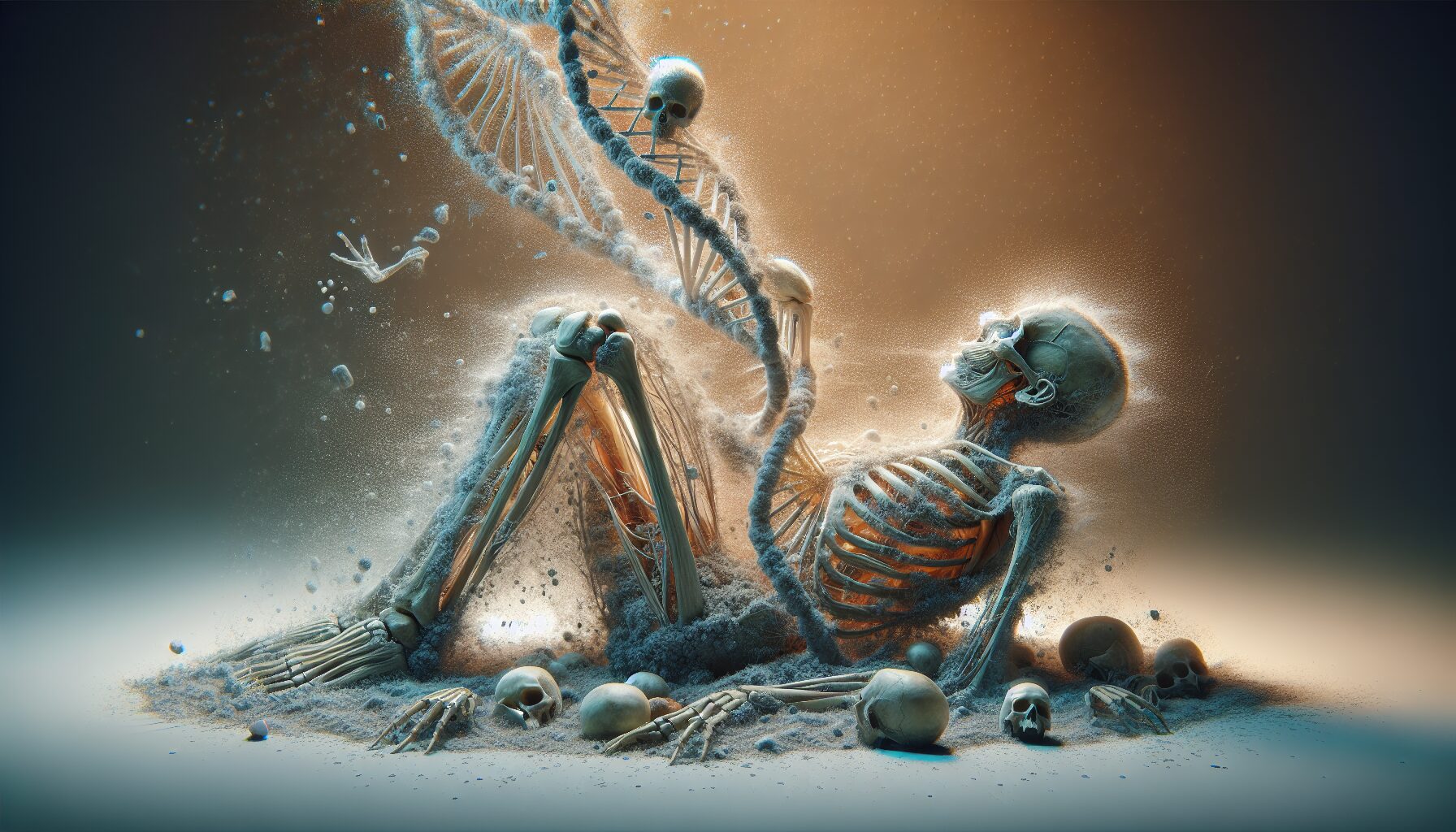
Biological Decay: The Science of Bodies Returning to Dust
Biological decay, or decomposition, is an essential part of the ecological cycle, transforming organic matter back into simpler compounds and enriching the earth with nutrients. This natural process plays a crucial role in nutrient recycling and maintaining the balance in ecosystems. From the moment life ends, a complex interplay of chemical and biological processes begins, offering a fascinating glimpse into the circle of life and death.
The Stages of Decomposition
The decomposition of a biological organism is often categorized into five primary stages, each defined by specific biochemical and microbial activities:
- Fresh: Beginning immediately after death, the body starts the decomposition process due to the cessation of cellular metabolic activities. The body’s temperature falls to match that of the environment, initiating autolysis, where lysosomal enzymes start breaking down cell components.
- Bloated: As bacteria, particularly anaerobic bacteria within the gut, continue to consume tissue, gas production increases. This leads to the bloating of the body, characterized by a pronounced distension of the abdomen.
- Active Decay: Marked by significant mass loss due to the feeding of maggots and other detritivores. The bloated body begins to lose its form as tissues break down, releasing fluids into the surrounding environment.
- Advanced Decay: With most soft tissues decomposed, remaining material begins to dehydrate and decompose at a slower rate. By this stage, plant roots might be visible on the surface, valuing the nutrients released from the decomposition process.
- Dry/Remains: The final stage where only bones, hair, and occasional dried skin remain. These can persist for years, gradually deteriorating through the slow process of weathering and mineralization.
The Role of Microorganisms in Biological Decay
Microorganisms such as bacteria and fungi play a pivotal role in decomposition. Bacteria are among the first decomposers to become active following death, initiating the breakdown of tissues:
“Decomposition is governed by the sequential action of microorganisms that not only break down the material but also alter the microbial community composition associated with a cadaver over time” — The ISME Journal.
These microbial communities are influenced by a variety of factors including temperature, oxygen availability, and the chemical composition of the dead organism. As these microorganisms metabolize organic compounds, they release nitrogen and other essential nutrients back into the environment, which are then reused by living plants and animals.
Environmental Factors Affecting Decomposition
Multiple environmental factors affect how decomposition occurs and its rate:
- Temperature: Warmer conditions generally accelerate decomposition by enhancing microbial activity. Conversely, extreme cold can preserve bodies through natural refrigeration, delaying decay indefinitely.
- Moisture: Water is crucial for microbial processes. Humid conditions favor faster decomposition, while arid environments can lead to desiccation, slowing the decay process.
- Oxygen Availability: Aerobic bacteria require oxygen to break down tissues, which makes shallow graves decompose faster than deeper ones where oxygen is limited.
- Soil Chemistry: The pH and mineral content of the soil can either inhibit or promote microbial growth. Acidic soils may slow decomposition, while alkaline conditions can enhance it.
Decomposition and Its Broader Implications
Understanding decomposition is not only central to ecological studies but also intersects with fields like forensic science. Forensic anthropologists study decomposition to estimate time since death, commonly referred to in legal contexts as the post-mortem interval (PMI). Such investigations require knowledge of decay patterns, environmental influences, and the succession of insect activity on the body.
Moreover, decomposition knowledge underscores practices like sustainable burial methods. Increasingly, there’s a move towards green burials that allow bodies to decompose naturally, avoiding embalming chemicals and non-biodegradable coffins.
Philosopher and naturalist Loren Eiseley succinctly highlighted the poetic nature of decomposition, stating:
“The journey is part of the experience—an expression of the seriousness of one’s intent. One doesn’t take the A train to Mecca.”
Ultimately, the science of biological decay provides profound insights into ecological processes and illustrates the pivotal role of decomposition in the continuous cycle of life and death. By understanding and respecting this natural process, we can better harmonize our existence with the planet’s ecosystems.