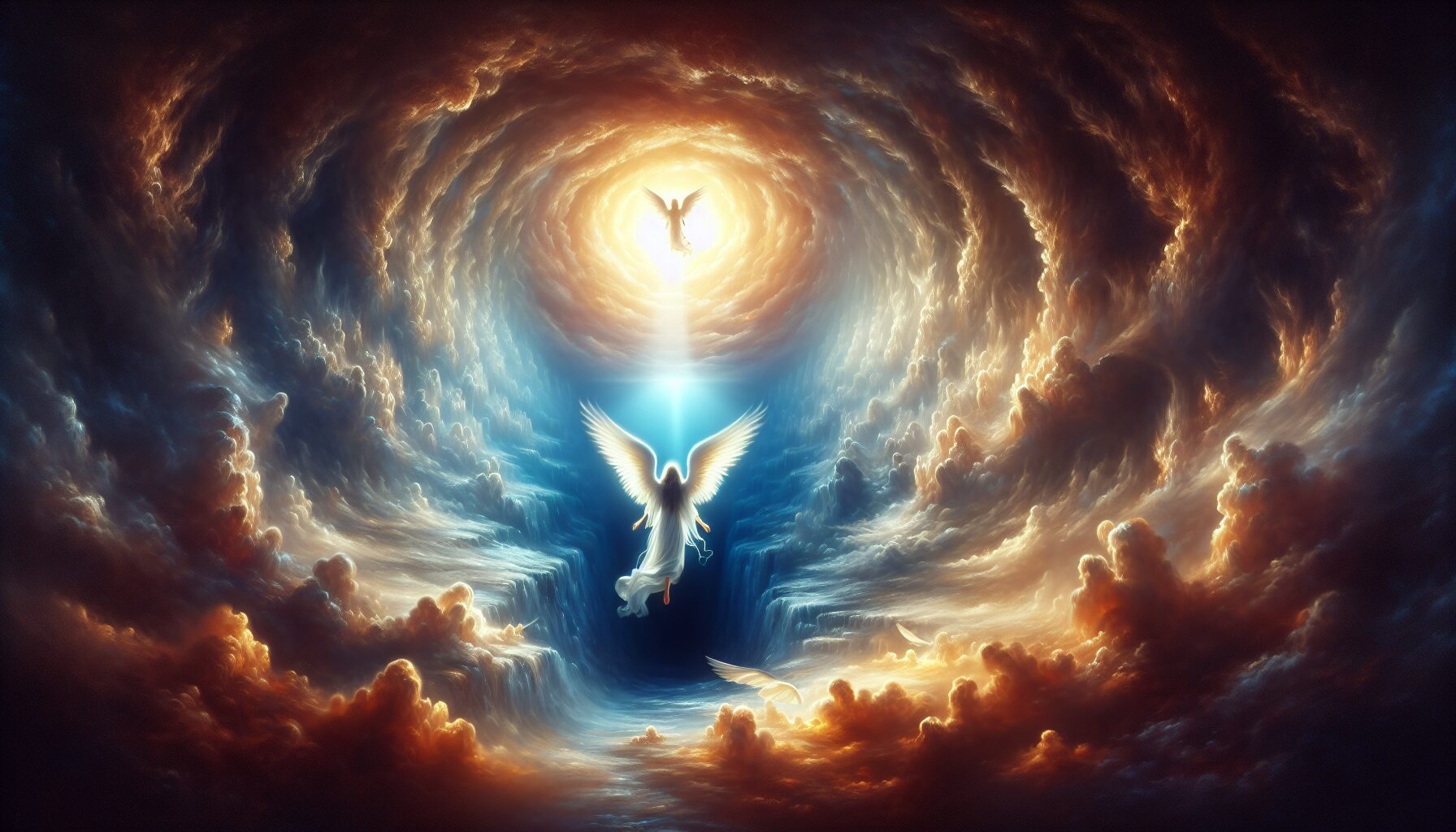
Angels and the Abyss: Spiritual Lessons from Darkness
The interplay between light and darkness forms a fundamental aspect of human spirituality, invoking both awe and introspection. In many religious and cultural beliefs, angels symbolize light, guidance, and purity. Yet, profound lessons also emerge from the shadows—what some might call the abyss. The journey through this metaphysical darkness can reveal deeper truths about existence, resilience, and transformation.
The Symbolism of Angels and Their Counterparts
Angelic figures are prevalent in various traditions, from Christianity to Zoroastrianism, often depicted as messengers or protectors. Within these doctrines, angels stand as symbols of divine will and the light of understanding. As Thomas Aquinas once articulated, “The angelic nature is illustrious and full of light” (Stanford Encyclopedia of Philosophy).
Conversely, darkness or the abyss frequently represents the unknown or feared. However, rather than denoting sheer negativity, this realm can also symbolize potential, the womb of creation, or the chaos from which order is born. The yin-yang philosophy emphasizes this balance, where darkness and light are complementary forces.
Lessons from the Abyss
Despite its daunting nature, the abyss holds valuable spiritual lessons:
- Embracing Change: Darkness often correlates with transformation. Symbolically, entering the abyss demands confronting fears and fostering growth.
- Resilience: The journey through metaphorical darkness builds strength. “The wound is the place where the light enters you,” quotes Rumi, highlighting how facing challenges can guide us toward enlightenment.
- Understanding Emotions: Darkness requires introspection and acceptance of our own shadow selves. Acknowledging these elements can lead to a more integrated and holistic self-image.
Finding Light in the Dark
Spiritual teachings suggest that angels and the abyss are not opposites but allies on the path to enlightenment. In traversing the darkness, individuals may encounter their inner angels—their potentials, strengths, and wisdom.
“Stars can’t shine without darkness,” so the saying goes, implying that our brightest moments arise only after we have endured the depths.
Unlocking the powers of both wings—light and dark—enables a profound understanding of life’s dual nature and the potential for renewal. Thus, exploring the abyss, rather than fearing it, becomes a crucial step in the soul’s evolution, reminding us to embrace both angels and shadows within us.