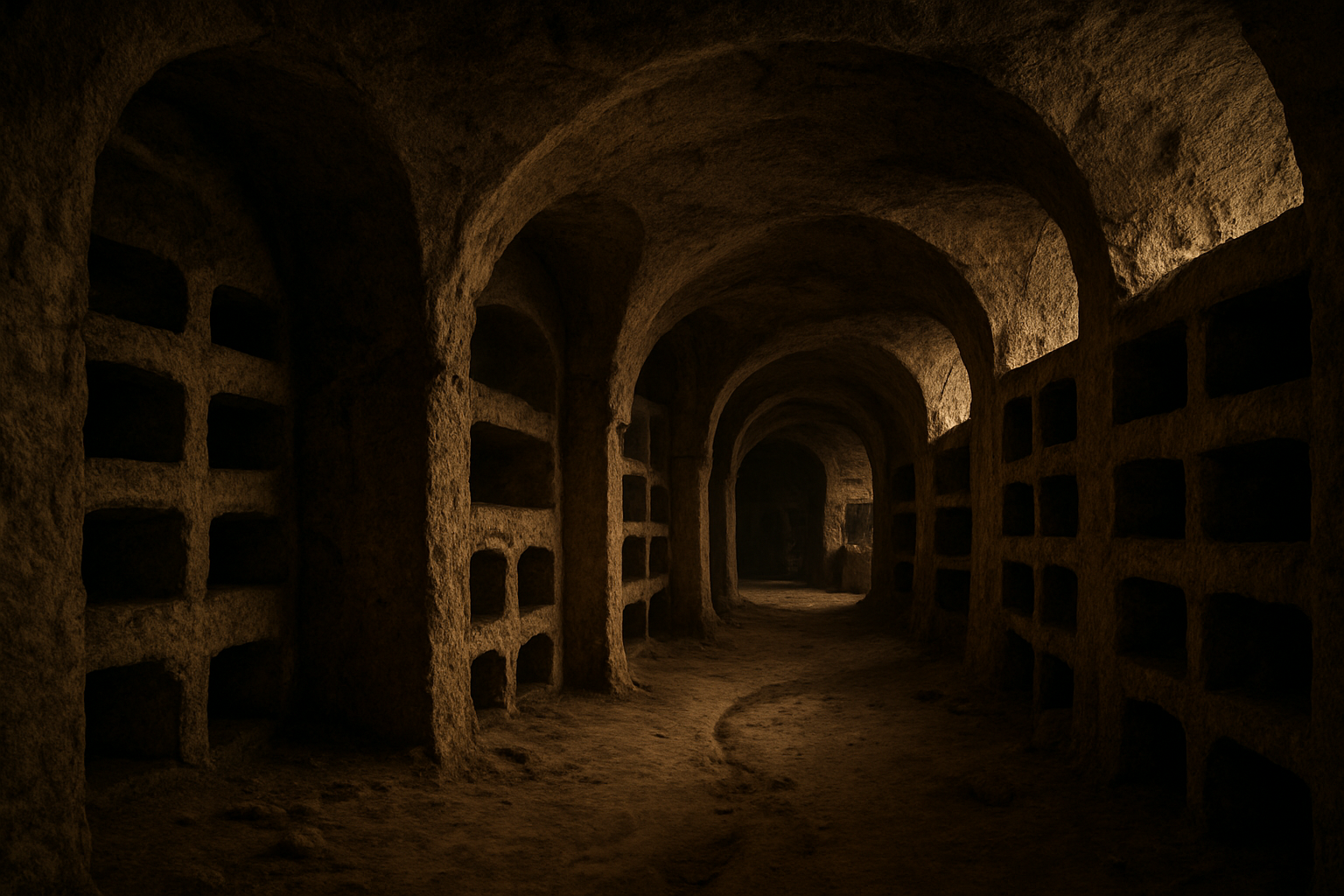
Tag: catacombs

  • Abstract Catacombs – Mystery in the Mind’s Architecture

    Abstract Catacombs – Mystery in the Mind’s Architecture

    Abstract Catacombs: Mystery in the Mind’s Architecture

    The human mind is an elaborate maze, stretching out in abstract catacombs laden with mystery, creativity, and psychological depth. Exploring these cognitive corridors opens doors to understanding not only human behavior but also the potential of untapped intellectual capabilities.

    The Brain’s Structure: A Brief Overview

    Our brains are composed of interwoven networks, a notion supported by Dr. Tara Swart, a neuroscientist and author who states, “The human brain is this incredibly intricate network that harnesses both individual and collective neural pathways.” (Brain Facts)

    • The Cerebral Cortex: It’s the outermost layer packed with billions of neurons, responsible for complex thought processes.
    • The Limbic System: This is where our emotions and memories reside, playing a significant role in human behavior.
    • The Brainstem: Often dubbed the ‘reptilian brain,’ it controls the body’s basic functions.

    Creativity: Wandering the Cognitive Passageways

    The abstract catacombs of the mind are most vividly navigated during the exercise of creativity. According to a study published in The Journal of Creative Behavior, creative processes engage multiple brain areas simultaneously. Professor Rex Jung, a neuroscientist specializing in creativity, notes, “Creativity involves divergent thinking that requires flexible, open networks in the brain.” (The Journal of Creative Behavior)

    “The ability to think outside of the box really means stepping into different cognitive rooms and using them in ways that they were not originally intended for.” – Professor Rex Jung.

    Mysteries within Mental Corridors

    Despite advances in neuroscience, there remain vast unknowns within the labyrinthine structure of the mind. The subconscious mind, in particular, operates beneath our awareness, much like hidden catacombs beneath ancient cities.

    • Memory Formation: The exact mechanisms behind memory retention and recall remain significantly mysterious.
    • Conscious vs. Subconscious: Understanding the interplay between the conscious thoughts and subconscious impressions is still at a nascent stage.

    Dr. Elizabeth Phelps, a psychologist at Harvard University, discusses these mysteries: “Despite our best efforts, there are still vast regions of the mind that we do not fully understand, regions that operate beneath the threshold of consciousness.” (Harvard University)

    Psychological Implications of the Abstract Mind

    The abstract catacombs of the mind have profound implications for both psychology and mental health. Understanding these complex networks can lead to better treatment for mental disorders and enhancements in cognitive therapy.

    • Cognitive Behavioral Therapy (CBT): By understanding how specific pathways are formed, CBT can be tailored for more effective interventions.
    • Neuroplasticity: The brain’s ability to rewire itself, as described by neurologist Dr. Norman Doidge, helps us comprehend how therapy aids recovery from trauma and stress. (Dr. Norman Doidge)

    Emotional Intelligence is another psychological domain impacted by these abstract brain structures. Developing an understanding of these patterns aids in better managing one’s emotions and empathy toward others.

    Conclusion: Navigating the Abstract Catacombs

    As our scientific understanding progresses, the abstract catacombs of the mind offer perhaps the last intellectual frontier. By delving into this mystery, we not only unravel the complexities of human cognition but also expand the boundaries of human potential.

    In conclusion, while many questions remain unanswered, what we know encourages further exploration into the fascinating labyrinth that is the human mind—a testament to the brain’s profound intricacies.

    This exploration beckons not just scientists, but anyone intrigued by the endless possibilities hidden in the mind’s deepest recesses. The journey into the abstract catacombs has just begun.
  • The Silence of Catacombs – Underground Cities of the Dead

    The Silence of Catacombs – Underground Cities of the Dead

    In the heart of many cities around the world lie hidden passages, ossuaries, and labyrinthine tunnels that whisper stories from the past. Known as catacombs, these underground cities of the dead are steeped in history, mystery, and the awe-inspiring silence of eternity. They serve as haunting reminders of the juxtaposition between life and death, weaving together tales that span across centuries.

    The Origins of Catacombs

    Catacombs have existed for millennia, initially serving as subterranean burial sites for ancient peoples. The concept of burying the deceased below ground was driven by various factors, including religious beliefs, the scarcity of land, and epidemics that necessitated quick and efficient interment solutions. The word “catacomb” is thought to originate from the Latin ad catacumbas, a reference to a location in Rome where early Christian burials took place.

    One of the most famous examples is the Catacombs of Rome, which served as both a burial site and a place of refuge for Christians facing persecution in the early centuries A.D.

    Architectural Marvels

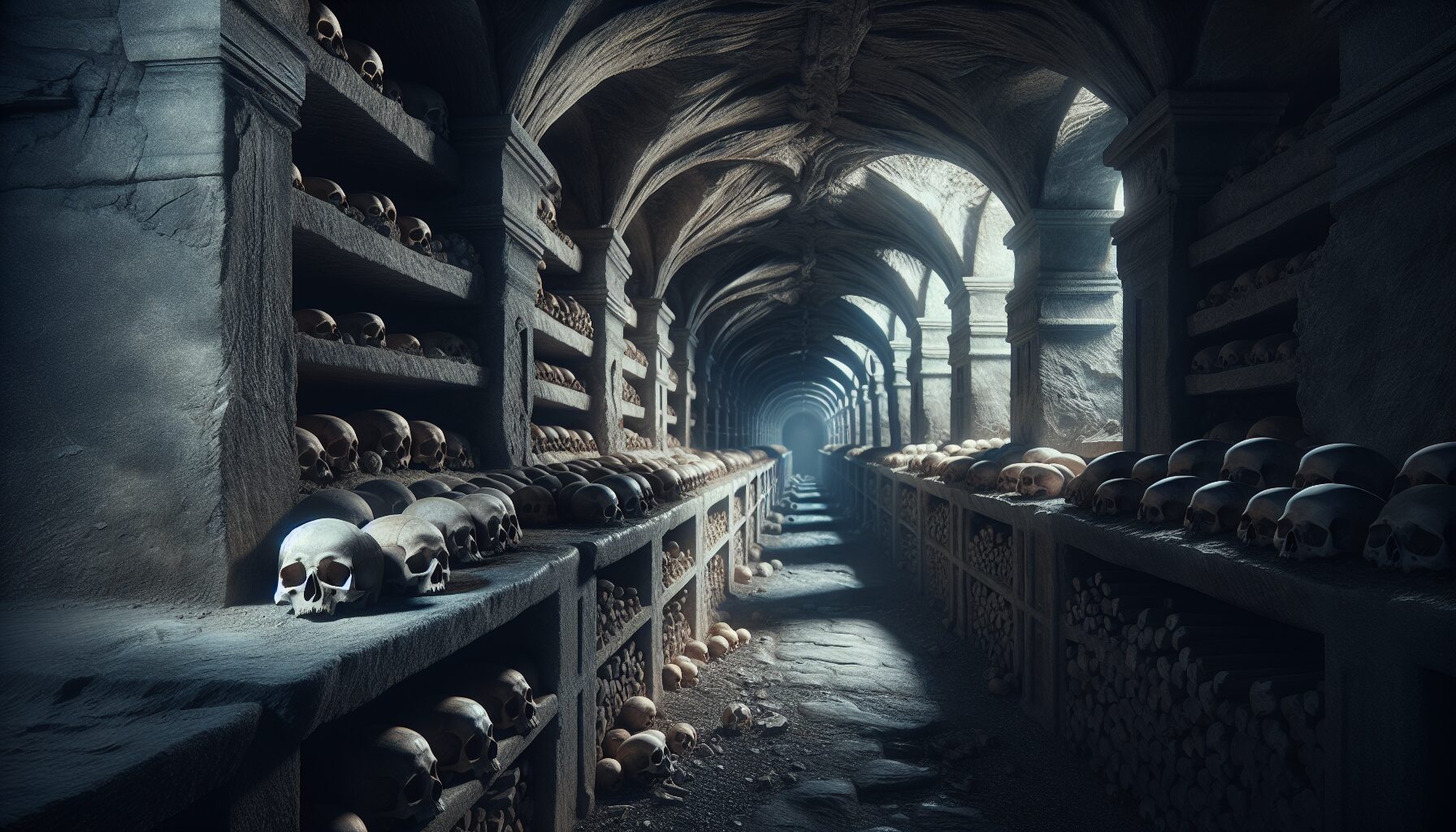
    The catacombs are architectural wonders in their own right, showcasing the ingenuity and craftsmanship of historical architects and laborers. Some feature elaborate stonework, meticulously carved tombs, and intricate murals that depict religious scenes, daily life, and even warnings for the living. One remarkable feature of these catacombs, as noted by Atlas Obscura, is the Paris Catacombs’ intricately arranged bones, turning death into an arresting form of art.

    Notable Catacombs Around the World

    • The Catacombs of Paris: Beneath the bustling streets of Paris lies a labyrinthine network of tunnels extending over 200 miles. Originally quarries, these tunnels became the final resting place for over six million people as cemeteries ran out of space during the 18th century.
    • Rome’s Catacombs: As the cradle of Christianity, Rome houses numerous catacombs where early Christians buried their dead, decorated with frescoes and symbols of their faith.
    • The Catacombs of San Francisco: Not to be confused with the Californian city, this catacomb in Lima, Peru, lies beneath the Monastery of San Francisco and is famous for its bone displays that form geometric patterns.
    • Odessa Catacombs: This extensive network in Ukraine is a mixture of natural caves and man-made tunnels, stretching approximately 1,500 miles and offering both historical intrigue and the perils of getting lost.

    Cultural and Religious Significance

    Catacombs have always held cultural and religious significance. For early Christians, they were not only burial sites but also places of worship and refuge. According to Smithsonian Magazine, “These sacred spaces were used to commemorate the deceased with prayer and respect, reinforcing a community’s common faith” (Smithsonian).

    In modern times, catacombs serve as portals to the past, providing historians, archaeologists, and the curious with a tangible connection to ancient customs and traditions. They allow us to understand how different cultures viewed death and the afterlife, showcasing humanity’s eternal quest for meaning in the face of mortality.

    The Silence and Solitude

    “Beneath the vibrant life above, the catacombs echo the quietude of the past; a tranquil reassurance that speaks of history, life, and the infinite silence that binds us all,” remarked historian and travel writer Emma Shaw.

    The silence of catacombs is profound. Walking through their dimly lit corridors, one is enveloped in an otherworldly calm, a stark contrast to the chaos of modern life just above the surface. This solemn stillness allows for reflection, encouraging visitors to ponder life’s transient nature and the persistence of memory.

    Conclusion

    The catacombs, these underground cities of the dead, offer more than just historical insight—they provide a unique perspective on life’s fleeting nature. Through their silent tunnels, they echo stories of resilience, faith, and humanity’s perpetual connection with those who came before. Whether for historical exploration, spiritual reflection, or the thrill of adventure, the quiet specter of the catacombs continues to draw visitors from around the globe, ensuring their vital place in the tapestry of human history.