Celestial Snowflakes: Identifying Angel-Made Crystals
In the realms of mysticism and spirituality, the notion of angels creating delicate crystals with divine energy has intrigued believers and gem enthusiasts alike. Known as “Celestial Snowflakes,” these ethereal crystals are said to harbor the essence of angelic presence, offering insights and spiritual healing to those who seek them. This article delves into the characteristics of these mythical gems, the legends that surround them, and how one might identify or experience these angel-made wonders.
The Mythical Origins of Celestial Snowflakes
The concept of angel-made crystals has roots in ancient tales and religious texts. Angels, as messengers of the divine, are often associated with purity, peace, and transcendence. It is said that these celestial beings can create physical manifestations of their spiritual energy, resulting in crystals that serve as conduits for divine wisdom.
“In the whisper of the wind and the twinkle of starlight, angels crafted gems of ice, each carrying a fragment of heaven’s own light” — Unknown Source
These crystals, or Celestial Snowflakes, are described in various cultures and mystical traditions. In Christian mysticism, they might be considered heavenly gifts left on earth to guide and protect. Meanwhile, in other spiritual beliefs, these crystals are seen as tools for personal transformation and spiritual awakening.
Characteristics of Angel-Made Crystals
While scientific evidence of angel-made crystals remains elusive, believers assert that these crystals can be identified by several key characteristics:
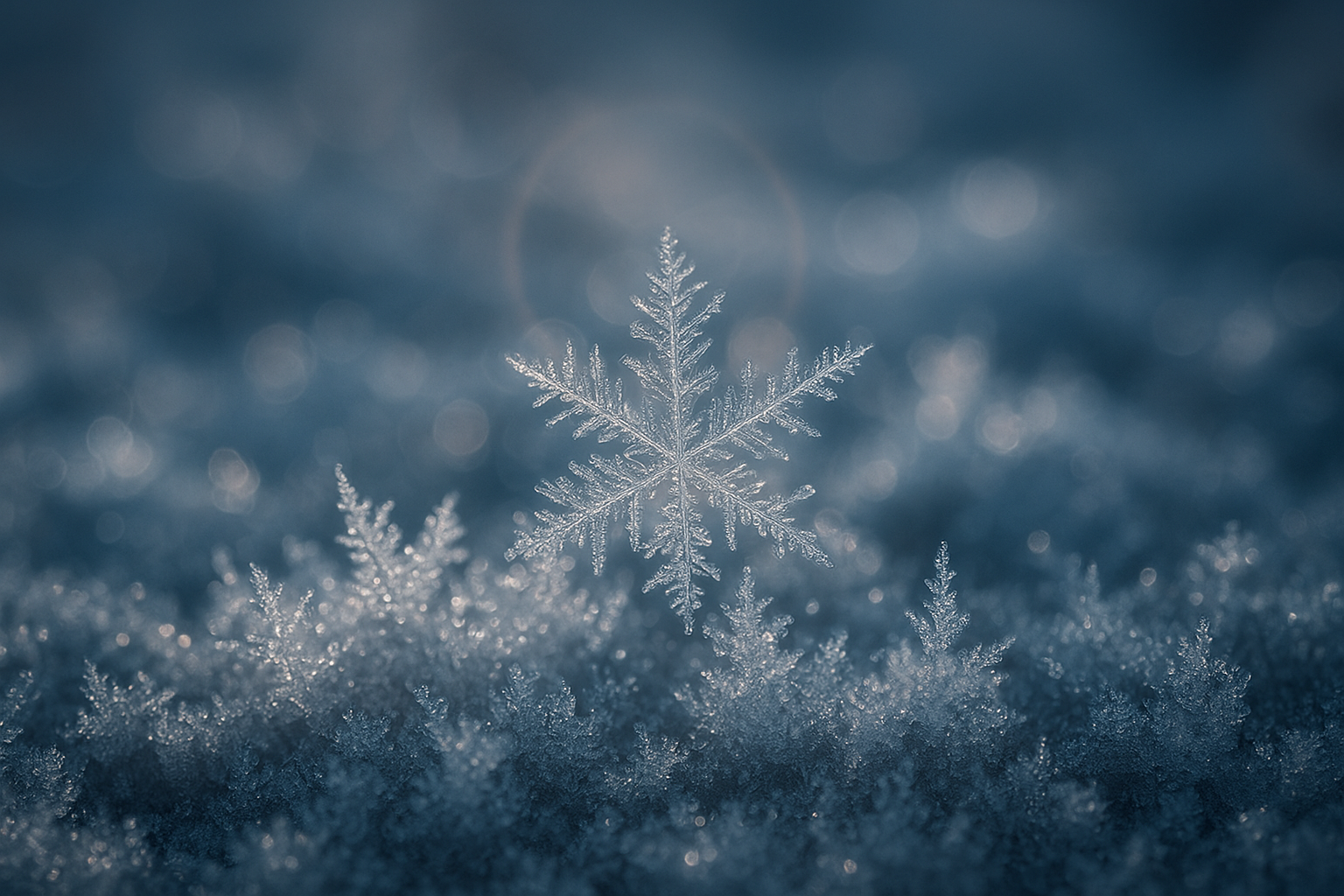
- Unique Patterns: Angel-made crystals are said to possess intricate, natural patterns that are unique and often resemble snowflakes.
- Unusual Clarity: These crystals might exhibit exceptional clarity, often appearing as though they are illuminated from within.
- Pristine Vibration: Many believe these crystals emit a higher frequency vibration that can be physically felt by sensitive individuals or mediums.
- Spiritual Resonance: Practitioners assert that when held or meditated upon, the user experiences a heightened sense of peace or direct communication with angelic beings.
Recognizing Celestial Snowflakes
Identifying a genuine Celestial Snowflake can be challenging, especially with the myriad of man-made and natural crystals available. Here are some ways to discern the authenticity of these angelic creations:
Instinct and Intuition
According to mystics, one of the best ways to identify an angel-made crystal is through intuition. Many claim that angels use subtle energy to communicate, so a genuine feeling or “pull” towards a particular crystal might indicate its celestial origins.
Meditative Practices
Using meditation to connect with a potential celestial crystal can also be revealing. Focusing one’s mind, meditating with the crystal in hand, and remaining open to any images or words that arise can often bring clarity about its origins.
Consulting Experts
While science may not support angel-made crystals, certain spiritual practitioners and gemstone experts might offer insights. Engaging with communities dedicated to crystal healing and spirituality can provide valuable information and personal experiences related to these mystical crystals.
The Transformative Power of Celestial Snowflakes
The allure of Celestial Snowflakes extends beyond their angelic associations. Many users report profound personal and spiritual transformations after interacting with these crystals. Their alleged ability to elevate emotional states and foster spiritual growth makes them sought after by those looking to deepen their metaphysical practices.
Some claimed benefits of using or keeping Celestial Snowflakes include:
- Enhanced Meditation: Improved focus and deeper meditative states.
- Emotional Healing: Aid in releasing negative emotions and past trauma.
- Protection: Symbolic shield against negative energies or psychic attacks.
- Intuition Enhancement: Boosted intuitive abilities and clearer perception of spiritual guidance.
Experiencing the Divine
Ultimately, whether one believes in the physical existence of Celestial Snowflakes or not, the pursuit of spiritual and inner peace remains a universal endeavor. Crystals—angel-made or otherwise—serve as reminders of the tranquility and wisdom that lie beyond the physical realm. Engaging with these ideas, one might feel closer to a part of their soul that transcends everyday life.
“It is not in the stars to hold our destiny but in ourselves” — William Shakespeare
Conclusion
The mystique and intrigue of Celestial Snowflakes lie not only in their purported angelic origins but also in the very human desire for connection with the divine. Whether these crystals are crafted by celestial beings or simply figments of imagination, their cultural and spiritual value endures. Those drawn to these mystical gems continue to find new ways to integrate the beauty and magic of these angel-made crystals into their lives, fostering a deeper sense of wonder and faith in the unseen.