Tag: death

  • Medical Death – Defining the Exact Moment of Ending

    Medical Death – Defining the Exact Moment of Ending

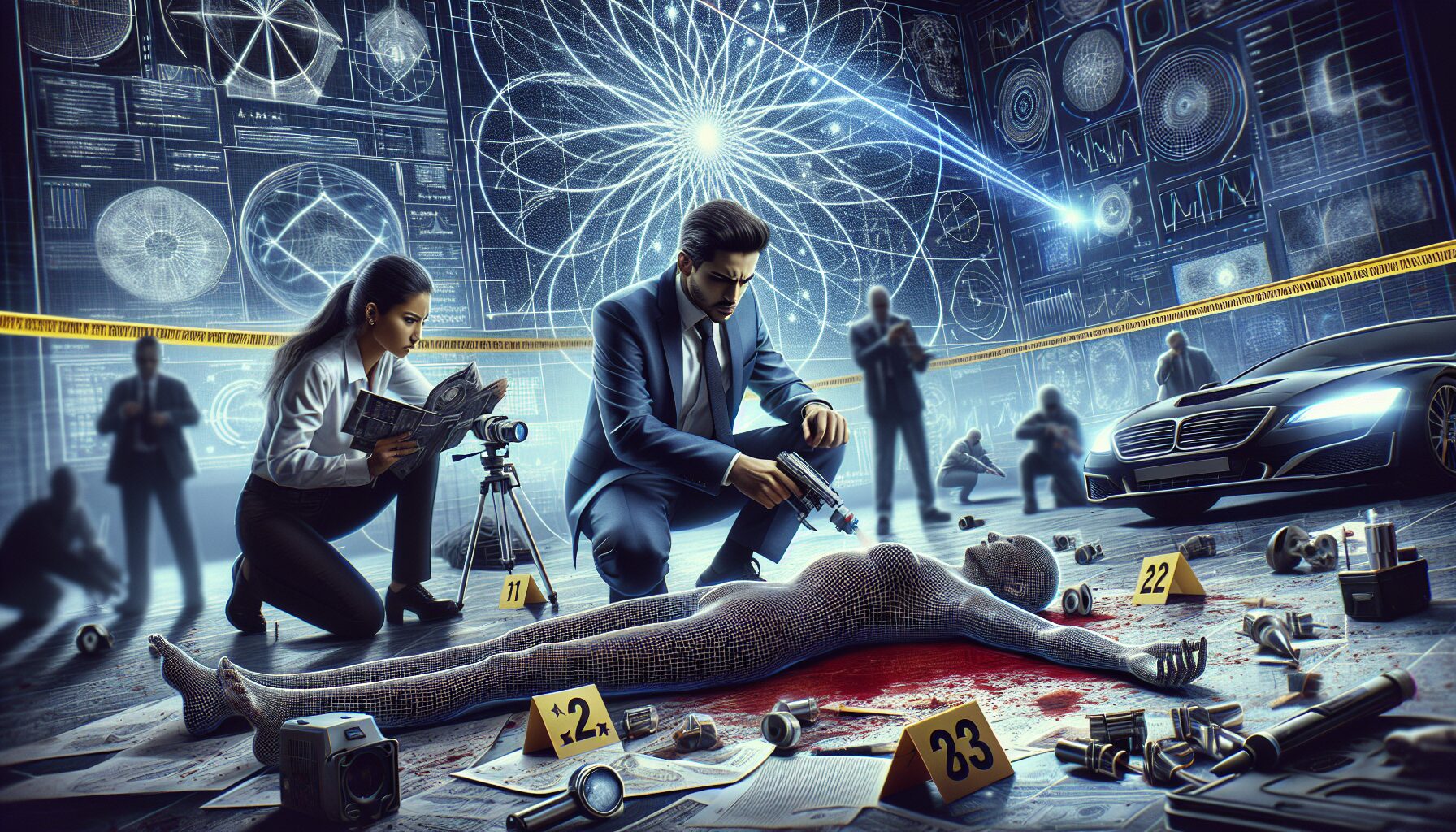
    In the realm of medical science, the concept of death has evolved significantly, both in terms of its definition and the precise moment it is recognized. As our understanding deepens, the criteria for determining the exact moment of death have become increasingly complex. This article delves into the intricate process of defining the end of life from a medical perspective.

    The Historical Perspective of Death

    In earlier times, death was often defined simply as the cessation of breathing and heartbeat. However, with advancements in medical technology, this definition has become more nuanced. The advent of organ transplantation and life-support systems has necessitated a clearer and more consistent definition of death.

    “The definition of death has significant personal and societal implications. It affects organ donation and transplantation, end-of-life care, and the determination of when to cease resuscitative efforts.”
    — The Journal of the American Medical Association

    The Modern Criteria for Death

    Today, death is defined by two primary standards: cardiopulmonary death and brain death.

    • Cardiopulmonary Death: This occurs when the heart stops beating and breathing ceases permanently. While historically this was the sole criterion, it is now often reevaluated depending on the context, particularly with the possibility of resuscitation.
    • Brain Death: According to the American Association of Neurological Surgeons, brain death is the “irreversible cessation of all brain function,” including the brain stem. This criterion has become particularly significant in cases involving life support, where a ventilator may maintain cardiopulmonary function despite the absence of brain activity.

    Challenges in Determining Brain Death

    Determining brain death involves a series of tests and examinations designed to confirm the absence of neurological activity. These include:

    • Coma Verification: The individual must be in an irreversible and profound state of unconsciousness.
    • Absence of Brainstem Reflexes: There must be no reactions such as pupil response to light, gag reflex, or response to pain.
    • Apnea Test: This confirms the absence of spontaneous respiration by disconnecting the patient from the ventilator and observing for any attempts to breathe.

    Despite these procedures, the interpretation and implementation of brain death criteria can vary across institutions and regions. According to a study published in the Lancet Neurology, inconsistencies exist globally, impacting the consistency and reliability of brain death diagnoses.

    The Ethical Dimension

    Death is not merely a medical event; it is deeply intertwined with ethical, cultural, and philosophical considerations. The determination of death, particularly brain death, often leads to profound ethical dilemmas for families and healthcare providers.

    “For many families, accepting brain death is challenging because the patient’s heart still beats, and the body appears warm and alive. This creates a contradiction between the clinical reality and the family’s perception.”
    — Journal of Medical Ethics

    These emotional challenges are compounded by potential conflicts between cultural and religious beliefs and the medical definition of death. Different cultures may have varying beliefs about what constitutes death, affecting acceptance and decision-making processes.

    Legal and Social Implications

    The determination of death has profound legal and social implications. Legally, death marks the end of an individual’s rights and responsibilities, impacting issues such as organ donation, life insurance, and inheritance. Socially, the recognition of death often marks the onset of grieving processes and the closure of life narratives for families and communities.

    In recent years, legal standards have generally aligned with medical criteria, recognizing both cardiopulmonary and brain death as legitimate definitions of death. However, controversies can arise when legal systems lag behind advancements in medical understanding and technology.

    The Future of Death Definition

    Technological advancements continue to redefine our understanding of life and death. Innovations in fields like artificial intelligence, biotechnology, and neuroscience could potentially alter the boundaries that define human existence.

    Looking ahead, the possibility of reversing brain death through novel scientific techniques, such as stem cell therapy or neural regeneration, poses challenging questions. When does an individual cease to exist if future technologies can restore life to previously irrecoverable states?

    “As science advances, the line between life and death may become increasingly blurred, leading to complex philosophical and ethical debates about the essence of humanity.”
    — The Lancet

    Conclusion

    The journey to understanding and defining the exact moment of death is a complex interplay of medical, ethical, and philosophical dimensions. As science and medicine continue to advance, it will be imperative to engage in an ongoing dialogue that includes healthcare professionals, ethicists, legal experts, and society at large. Such a dialogue is essential to responsibly navigate the profound implications of defining death in the modern world.

  • Decomposition Timelines – How Bodies Break Down After Death

    Decomposition Timelines – How Bodies Break Down After Death

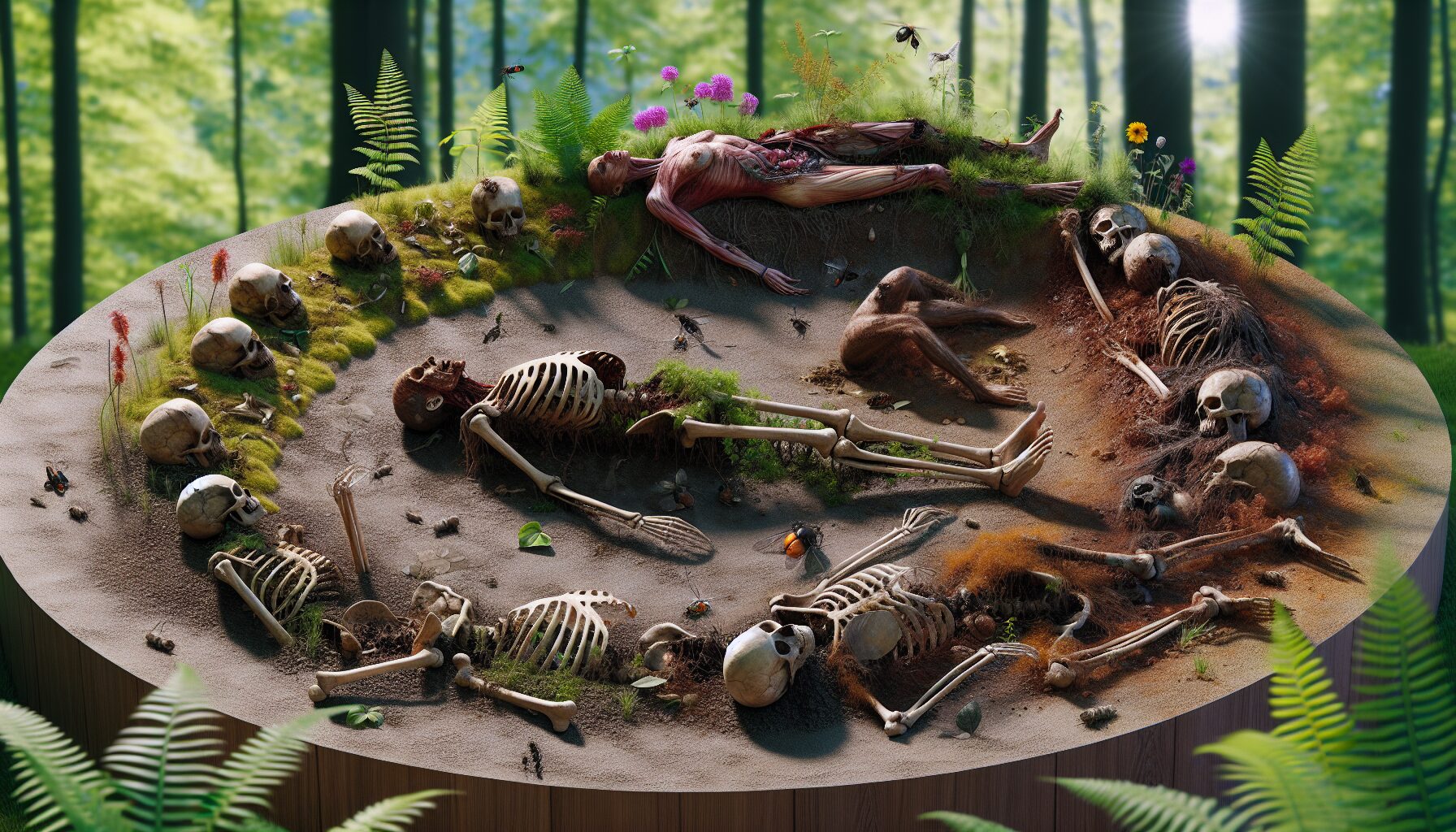
    The journey of a human body after death is a fascinating yet sobering process governed by nature’s unyielding laws. Understanding the decomposition timeline sheds light on how organisms, including humans, contribute to the cycle of life and death.

    Stages of Decomposition

    • Fresh Stage (Initial Decay):
    • The decomposition process begins almost immediately after death. During this stage, enzymes within the body start breaking down cells and tissues. Rigor mortis sets in within two to six hours post-mortem, giving the body a stiff appearance. This stage lasts for one to three days.

    • Bloat Stage:
    • Roughly after the third day, bacterial activity causes the body to produce gases, leading to bloat. The body may appear swollen, and a noticeable odor emerges due to the bacterial production of sulfur-containing compounds. This stage lasts between four to ten days.

    • Active Decay:
    • This stage can continue up to 20 days after death. Autolysis and putrefaction processes accelerate, and the body experiences significant tissue breakdown. During this time, remains may start to attract insects, such as blowflies, which aid in further decomposition.

    • Advanced Decay:
    • With most soft tissues decomposed, this stage leaves a skeleton with minimal remnants of body tissue. The decomposition rate slows significantly and can last until around 50 days post-mortem. Environmental factors like temperature and humidity play critical roles in this stage.

    • Dry/Remains Stage:
    • This is the final stage where all that remains of the body is bones, and in some cases, mummified tissues. Depending on environmental conditions, bones can persist indefinitely, although they will continue to gradually weather over years.

    Factors Influencing Decomposition

    Many factors influence how quickly or slowly a body decomposes:

    • Environmental Conditions: Humidity, temperature, and presence of fauna can hasten or slow down decay. Warmer climates, for example, expedite decomposition.
    • Body Condition: Health, body fat composition, and the circumstances of death (trauma, exposure, etc.) also affect decomposition.
    • Burial Practices: Being exposed versus being buried or submerged alters the rate significantly. Burial slows decomposition due to reduced access to oxygen and scavengers.

    “The body is but the covering of the soul. What lies beneath the surface is the essence of what’s truly everlasting.”

    The decomposition process might be unappealing at a glance, but it’s an essential part of nature’s cycle. By understanding this timeline, scientists, anthropologists, and forensic experts gain valuable insights not only in the field of healing and law enforcement but also in our acceptance of life’s transient nature. For more detailed study, check out Scientific American.

  • Cryonics – Freezing Death in the Hope of Future Life

    Cryonics – Freezing Death in the Hope of Future Life

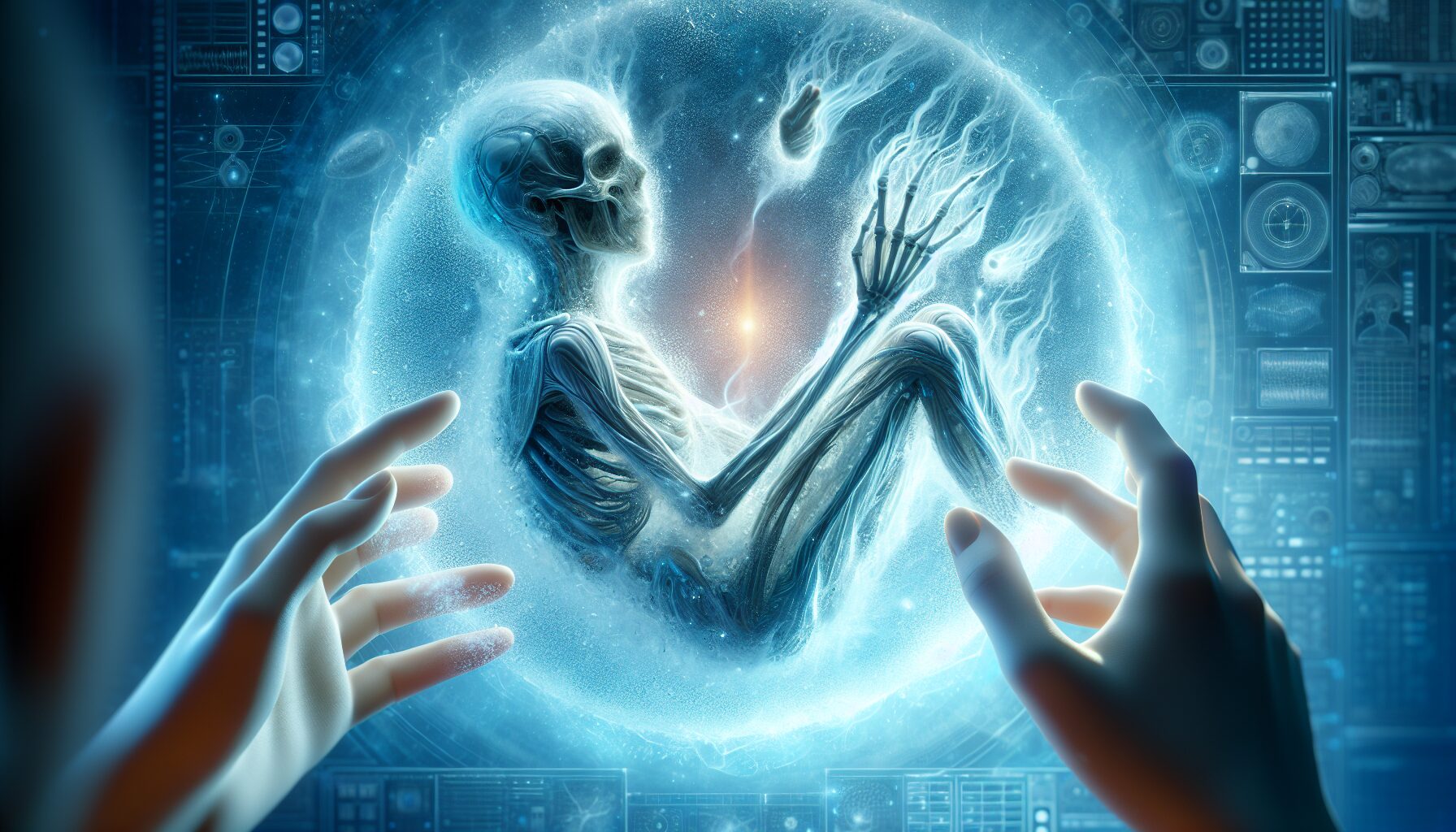
    Cryonics, the practice of preserving individuals at low temperatures after death with the hope that future medical technology can restore them to life and health, sits at the intriguing intersection of science, hope, and philosophy. Though still largely in the realm of speculative science, it captivates the imagination, spurring debates about the possibilities and ethics surrounding the extension of life.

    The Science Behind Cryonics

    At its core, cryonics is based on the premise that everything about a person, including memory and personality, can be preserved by preventing the physical decay of the brain. Upon legal death, cryonics organizations use a method called vitrification to replace bodily fluids with cryoprotectants that prevent ice formation, thus preserving the cellular structure. The body is then cooled to approximately -196 degrees Celsius and stored in liquid nitrogen.

    According to the Alcor Life Extension Foundation, one of the leading cryonics institutes, “Cryonics is not an interment method but rather the first step of a process that aims to save lives and is justified by the expectation that continued technological and scientific progress will provide remedies to currently fatal conditions.”

    Ethical and Scientific Controversies

    Cryonics faces considerable skepticism both from the scientific community and the general public. Many cite the lack of direct evidence that it is possible to revive a person once frozen as a substantial barrier. Critical questions remain unanswered: Will future technology be able to repair damage caused by freezing? Will we ever fully reverse death?

    “At present, cryonics is not reversible and its success in preserving life cannot be proven,” notes Dr. Arthur Rowe, a skeptic of the practice. “It is a speculative venture that, absent breakthroughs in technology, offers no current prospects.”

    The Psychological Aspect

    Emotionally, cryonics taps into humanity’s perennial desire for immortality or life extension. For some, it is a comforting thought to contribute to the future where revival might be possible. For others, it is seen as an unnecessary grasp at prolonging life unnaturally.

    Ethical considerations also abound. There are debates over consent, the potential socio-economic implications of making such a technology available, and the philosophical quandaries of identity and consciousness in a world where revival becomes reality. As Dr. Anders Sandberg, a research fellow at the Future of Humanity Institute at Oxford University, puts it, “Cryonics forces us to face some fundamental questions about the definition of life and death.”

    Conclusion

    The future of cryonics remains uncertain, caught between scientific feasibility and fantasy. Yet, it continues to inspire exploration, highlighting human curiosity and longing for a future where science fiction might just become science fact. As the debate rages on, one certainty remains: cryonics will continue to challenge our perceptions of life, death, and what lies beyond.

  • Quantum Immortality – A Scientific Glimpse of Rebirth?

    Quantum Immortality – A Scientific Glimpse of Rebirth?

    Quantum Immortality: A Scientific Glimpse of Rebirth?

    Quantum immortality is a fascinating concept that has sparked much debate among physicists and philosophers alike. Originating from the many-worlds interpretation of quantum mechanics, this theory proposes a sensational possibility: the survival of consciousness beyond death in a multiverse of infinite outcomes.

    The Many-Worlds Interpretation

    The many-worlds interpretation (MWI), first proposed by physicist Hugh Everett III in 1957, suggests that all possible outcomes of a quantum event actually occur, each in its own separate universe. According to this theory, for every decision we make or event we experience, there exists a branching into alternate realities.

    “The universe is constantly splitting into different versions which reflect different possibilities. We continue to exist in a continuous thread of one consciousness while our other ‘selves’ perpetuate in parallel universes.” – Hugh Everett III

    Understanding Quantum Immortality

    The notion of quantum immortality arises from thought experiments involving Schrödinger’s cat, where outcomes are both existent and non-existent in different realities simultaneously. In essence, if you face a life-threatening situation, in one universe you might perish, but in another, you survive. Your consciousness, according to the hypothesis, continues in the universe where you exist. This potentially infinite cycle of survival gives rise to the concept of “quantum immortality.”

    Philosophical Implications

    The philosophical implications of this theory are profound. It challenges traditional notions of life and death, suggesting the possibility of perpetual consciousness. As Michael Goren shares, “Quantum mechanics, with its ensemble of possibilities, opens up new avenues for understanding the very nature of life and the universe” (Scientific American).

    • Immortality Reimagined: If quantum immortality holds true, our understanding of existence and the afterlife could be transformed.
    • Moral and Ethical Concerns: The potential for infinite continuations raises questions about ethical decision-making if death may not be a true end.
    • Existential Considerations: The realization of continuous existence in some form may alter our perception of mortality and consciousness

    Criticism and Skepticism

    Despite its intriguing premise, quantum immortality is met with skepticism within the scientific community. Many argue that without empirical evidence, it remains a captivating but speculative notion. As noted physicist Sabine Hossenfelder comments, “The idea of quantum immortality lacks scientific basis; it’s an entertaining thought experiment more than anything else” (Nature).

    In conclusion, while quantum immortality offers a mind-bending perspective on life and death, it remains a theory grounded in the speculative domain of quantum physics. Nevertheless, it encourages us to reconsider the boundaries of scientific exploration and the nature of consciousness.

  • The Microbiology of Rot – Life Feeding on Death

    The Microbiology of Rot – Life Feeding on Death

    Decomposition might not be the most pleasant of topics, but it is an essential ecological process that supports life in myriad ways. The microbiology of rot is a fascinating subject, demonstrating how death begets life. Behind this transformative firework of breakdown and rebuilding lies a complex web of microbes, working tirelessly to convert organic matter back into vital nutrients.

    The Microbial Orchestra of Decomposition

    When an organism dies, a symphony of microbial activity begins almost immediately, aiming to recycle the body’s nutrients. The breakdown of organic material starts as bacteria, fungi, and other microorganisms feast on the tissues, releasing enzymes that catalyze decomposition.

    • Bacteria: These are the pioneers in the decomposition process, colonizing a dead organism within minutes to hours. According to a study published in Nature, specific bacterial strains such as Pseudomonas and Clostridium play critical roles by breaking down proteins and carbohydrates.
    • Fungi: As bacterial action progresses, mold fungi join the fray, capable of decomposing complex carbohydrates like cellulose and lignin in plant materials. Fungi’s mycelial networks increase surface area contact, breaking down matter even further.
    • Actinomycetes: These are a group of soil bacteria that come into play during the later stages of decomposition. Known for their earthy scent, they degrade the tough, woody substances left behind by other microorganisms.

    “Fungi and bacteria are the unsung heroes of the soil, working in harmony to convert death into life, sustaining the food web from the ground up.” — Dr. Elaine Ingham, a renowned soil scientist.

    The Stages of Decomposition

    Decomposition unfolds in several stages, each dominated by different microbial communities. Professor Lynn Margulis, a co-developer of the Gaia theory, emphasized the importance of this underappreciated process, saying, “Decomposition is the heroic act of the microbial world turning death into life-enabling nutrients.”

    1. Initial Decay: Begins immediately after death, during which microorganisms already present in the body start digesting tissues.
    2. Putrefaction: Characterized by the breakdown of soft tissues; bacteria thrive in an anoxic environment, emitting gases like methane and hydrogen sulfide.
    3. Black Putrefaction: Rapid microbial growth turns tissues black with an odor, attracting insects that also aid decomposition.
    4. Butyric Fermentation: Features a shift towards butyric-acid producing bacteria, breaking down remaining fats in anaerobic conditions.
    5. Dry Decay: The final stage where microorganisms decompose whatever material remains until only bones and hair are left.

    Ecosystem Impacts of Rot

    The process of decomposition releases a vast array of nutrients back into the soil, nourishing plants and, through them, the entire food web. Soil microbes such as Rhizobium and mycorrhizal fungi form symbiotic relationships with plant roots, facilitating nutrient exchange and promoting plant growth. This cycle is a testament to the essential connection between decay and ecological health.

    Human and Environmental Implications

    Understanding the microbial processes of decay can have significant applications, from forensic science to waste management and agriculture. In forensic science, the microbial ecosystems forming on decomposing bodies can help estimate time of death. In agriculture, harnessing microbial activity can optimize composting efforts and reduce reliance on chemical fertilizers.

    Furthermore, as we face the environmental impacts of modern waste, learning from nature’s decomposition experts offers sustainable solutions. According to a report in Frontiers in Ecology and Evolution, the study of microbial strains that efficiently decompose plastics and other pollutants is a burgeoning area of research.

    Conclusion

    The microbiology of rot illuminates a profound truth: life feeds on death, in a perpetual cycle essential for sustainability on Earth. By understanding and respecting this natural process, humans can work more harmoniously within ecological systems. Embracing the regenerative power of decay not only enriches soil but nourishes our understanding of life’s intertwined complexity.

  • Orbiting Death – The Fragility of Life in Vacuum

    Orbiting Death – The Fragility of Life in Vacuum

    The vastness of outer space is as beautiful as it is formidable. For centuries, humanity has gazed at the stars, dreaming of exploration and understanding our place in the universe. However, the majesty of space comes with a stark reminder of the fragility of life—a concept best encapsulated in the experiences of astronauts venturing into Earth’s orbit. In the vacuum of space, life hangs by a thread, orbiting death with each odyssey beyond our atmosphere.

    The Vacuum of Space: An Unforgiving Environment

    Space is a vacuum, meaning it lacks air and atmospheric pressure. Temperatures can plummet to hundreds of degrees below zero or skyrocket dramatically in direct sunlight. The absence of oxygen and the extremes in temperature create an inhospitable environment for life as we know it. As NASA researchers often point out, “Space is one of the most hostile environments that life has ever encountered.”

    “The Earth is the cradle of humanity, but mankind cannot stay in the cradle forever.” — Konstantin Tsiolkovsky

    This famous quote by Russian rocket scientist Konstantin Tsiolkovsky captures the dual nature of space exploration: humanity’s drive to reach beyond our planetary cradle and the immense challenges that lie in the emptiness beyond.

    The Thin Shield between Life and Death

    Astronauts aboard the International Space Station (ISS) provide firsthand accounts of living on the edge between life and death. The ISS itself is a testament to human ingenuity, engineered to withstand radiation, micro-meteorites, and the vast nothingness outside.

    • Air Supply: The station has a complex life-support system that scrubs carbon dioxide, regulates humidity, and provides breathable air. Any failure in this system could be catastrophic.
    • Temperature Regulation: Specialized thermal control systems manage the temperature inside the station, maintaining a stable environment for the crew.
    • Radiation Protection: Earth’s magnetosphere provides a shield from cosmic radiation, but outside its protective bubble, astronauts rely on the ISS’s structure to mitigate exposure to powerful and harmful rays.

    An Ever-Present Risk

    Space is inherently risky. SpaceX engineer Gwynne Shotwell has noted that “the relentless environment in space doesn’t care what we want. It exists independent of human need.” The diligent training astronauts undergo prepares them for situations where they must rely on their wits and the teamwork of ground control.

    “Failure is not an option.” — Gene Kranz, NASA Flight Director

    These legendary words were uttered during the Apollo 13 mission, a testament to the resilience and resourcefulness required to survive the challenges of space travel. When the vacuum of space looks to claim its toll, success depends on decisions made with precision and cool deliberation.

    Reflections on Mortality in Orbit

    For those who have ventured beyond Earth’s atmosphere, the experience often provokes profound reflection on mortality and existence. Astronaut Chris Hadfield discusses these thoughts in his book, An Astronaut’s Guide to Life on Earth. He shares how “gazing at the black, endless abyss” underscored the delicacy of human existence and the insignificant speck that life is amid the cosmos.

    The famed Overview Effect describes the shift in consciousness experienced by astronauts after viewing Earth from space. Many report an overwhelming sense of interconnectedness and a new appreciation for the planet’s fragile beauty. It’s a humbling reminder that while we orbit such inevitable nothingness, the essence of life shines boldly against the backdrop of the infinite.

    Conclusion: The Dual Beauty of Space

    Even as our technology advances, enabling new achievements in space exploration, the fundamental truth remains: life in the vacuum is an ephemeral flicker, a soft glow of humanity carrying forwards into the starry abyss. As we cultivate new dreams of lunar settlements and Mars outposts, the awareness of space’s unforgiving nature will continue to guide us with respect and caution.

    The paradox of space is this: it reveals to us both our profound vulnerability and our unyielding spirit to transcend it. In orbiting death, we manage to affirm life itself, striking a delicate balance that invites both wonder and awe.

  • The Silence Between Stars – Why the Void Feels Like Death

    The Silence Between Stars – Why the Void Feels Like Death

    When we gaze up at the night sky, we often marvel at the beauty of the stars, those distant points of light that punctuate the darkness. However, it’s not the stars themselves that captivate the most introspective among us, but rather the vast stretches of nothingness—the void that exists between them. This silence, this cosmic emptiness, evokes a profound existential reflection, one that is eerily akin to the notion of death.

    “The eternal silence of these infinite spaces frightens me,” said Blaise Pascal, encapsulating a common sentiment about the universe’s expanses.

    The Intimidating Silence

    The space between stars is not merely empty in a physical sense—it’s evocatively silent. Consider the void not as an absence of sound but as a presence of silence. This silence has a unique way of reflecting our own fears and uncertainties about life and death. It’s a mirror reflecting the depths of the universe while simultaneously revealing the limitations of our understanding.

    Why the Darkness Feels Like Death

    The void can feel like death because it echoes our primal fears. Here are a few reasons why these vast spaces affect us so:

    • Certainty vs. Uncertainty: In life, we yearn for certainty, for security and understanding. The spaces between stars challenge these desires by confronting us with the unfathomable.
    • Isolation: Many describe death as the ultimate isolation, a final departure into the unknown. Similarly, the cosmic void represents a separation from the warmth and awareness that light and life impart.
    • Timelessness: The void is ancient. It’s a direct reminder of the time before time, challenging our perception of existence within our brief, ephemeral lives.

    Scientific Mysteries and Philosophical Inquiry

    The mysteries of the void also captivate scientists and philosophers alike. For scientists, it represents an area of potential discovery. Dark matter and dark energy, which constitute the majority of the universe’s mass-energy content, remain elusive. As astrophysicist Avi Loeb notes, “We are but wayfarers on the shores of a vast cosmic ocean.” The unknown elements of the cosmos continue to invite inquiry, evoking both wonder and humility.

    On a philosophical level, the silence of the cosmic void propels us into deeper existential contemplation. As human beings, we are aware of our mortality and driven to seek meaning in our transient existence. The vastness of space offers no answers, only questions about the nature of our consciousness and our place in the universe. Is the silence of the stars a backdrop to our significance, or a reminder of our inconsequential presence?

    Finding Comfort in the Vastness

    Despite its intimidating nature, the vast emptiness of space also offers solace. Through meditation, one can overcome the fear associated with silence. In many spiritual practices, silence is valorized as a state of purity and enlightenment, a retreat into the self where external chaos dissipates.

    • Meditative Embrace: Engaging with the void meditatively can lead to a broader acceptance of death as a natural part of life. It helps us appreciate the continuity and unity of the universe.
    • Perspective Shift: Accepting the silence of the cosmos can shift our perspective, fostering gratitude and appreciation for the life and light we currently experience.
    • Creation of Meaning: The absence of inherent meaning in the void challenges us to create our own narratives and values.

    Conclusion

    The silence between the stars acts as a profound reminder of both the terror and beauty of our existence. It manifests our deepest fears while also inviting us to meditate on the wonders of the universe. As we contemplate the cosmic void, we are given a choice: to succumb to the fear of death’s isolation, or to find peace in the infinite potential that silence brings. In the words of poet Rainer Maria Rilke, “Let everything happen to you: beauty and terror. Just keep going. No feeling is final.”

    Whether we see the void as a reflection of death or as an invitation to marvel at the expanse of life is a choice that, ultimately, shapes how we define our own lives.

  • Entropy in the Universe – The Slow March Toward Heat Death

    Entropy in the Universe – The Slow March Toward Heat Death

    The concept of entropy is central to the second law of thermodynamics, which posits that the total entropy of an isolated system can never decrease over time. Entropy is often considered a measure of disorder or randomness in a system. In the vast scale of the universe, this translates into a gradual increase in entropy, driving everything toward a state of thermodynamic equilibrium—commonly referred to as “heat death.”

    The Nature of Entropy

    Entropy, defined as the degree of randomness or disorder in a system, plays a crucial role in the unfolding of cosmic events. Lord Kelvin first introduced the term “heat death” in the 19th century when contemplating the universe’s fate. He theorized that the universe would eventually reach a state where all energy is uniformly distributed, and no work can be extracted from any energy source.

    “The doctrine of energy fails to elucidate the ultimate goal of the universe, which is the state of uniform temperature and energy where reality as we know it ceases to exist.” – William Thomson, 1st Baron Kelvin

    The Slow March to Equilibrium

    • Energy Dispersal: The universe is a closed system, and as energy spreads out, systems lose their ability to perform work effectively.
    • Cosmic Scale: Stars exhaust their nuclear fuel and die, planets cool, and even black holes slowly evaporate through Hawking radiation.
    • Ultimate Equilibrium: Eventually, the universe could reach a state where no free energy remains to sustain processes, including life.

    As entropy increases, the difference in energy levels diminishes. Physicist Brian Greene elaborates on this inevitable process, stating:

    “The universe itself will wind down, just like all finite systems do, and transition into a universe where nothing ever happens again.”Brian Greene, Physicist

    The End of the Cosmic Age

    While the concept of heat death might sound bleak, it’s important to remember that this is a process unfolding over incomprehensible time scales, far beyond human existence. The universe’s current age of approximately 13.8 billion years is mere infancy when contrasted with the era of heat death, predicted to occur in 10100 to 101000 years.

    Understanding entropy and its implications offers a glimpse into the fundamental workings of the cosmos. While entropy may steer the universe toward an ultimate dissolution, it also hints at the profound beauty and complexity inherent in the cosmic order.

  • Ash and Spirit Revisited – Transformation Through Mortality

    Ash and Spirit Revisited – Transformation Through Mortality

    The concepts of transformation and mortality are intricately woven into the fabric of human consciousness. These themes resonate profoundly through literature, art, and philosophy. Ash and Spirit Revisited explores this perennial dialogue, offering a deeper understanding of how mortality is not just an end but a transformation leading to renewal and rebirth.

    Within this framework, transformational experiences often symbolize the transition from an old life to a new existence. Mortality, in particular, serves as a powerful catalyst for such change, prompting individuals to reassess their priorities and embark on a journey of self-discovery.

    “For in that sleep of death, what dreams may come,”

    These timeless words from Shakespeare’s Hamlet underscore the mystery and potential for transformation inherent in the concept of death itself. Much like the phoenix arising from its ashes—a potent symbol in many cultures—mortality is a gateway to the unknown, inviting change and evolution.

    • Symbolism of Ash: Ash is the remnant of fire, an element that destroys yet purifies. It signifies the end, but it also becomes the fertile ground for new life. Just as volcanic soil supports lush growth after an eruption, so can the experience of mortality cultivate profound understanding and renewal.
    • The Role of the Spirit: Spirit encompasses the essence of life that persists beyond the physical. It suggests that while the body may perish, the spirit transforms and evolves, signifying an ongoing journey rather than a conclusion.

    Philosophers and thinkers have long pondered these ideas. Albert Einstein remarked,

    “Energy cannot be created or destroyed, it can only be changed from one form to another.”

    This perspective aligns with the notion that life and death are but different faces of the same coin. Such reflections offer solace and inspiration, reinforcing the belief that transformation through mortality is a natural and necessary part of existence.

    From a personal perspective, confronting mortality often prompts individuals to live more authentically. The inevitability of death can inspire people to embrace change, prioritize meaningful relationships, and pursue passions with renewed vigor. It’s a call to live fully in the present, understanding that each ending naturally births a new beginning.

    In conclusion, Ash and Spirit Revisited encourages us to view mortality not as a finality but as a transformation leading to infinite possibilities. By embracing this cycle, individuals can find peace in the knowledge that life continues to evolve, offering new avenues for growth and enlightenment. Through understanding and acceptance, mortality becomes less a fearsome end and more a gateway to the unknown, where true transformation awaits.

  • Necropolis Horizons – Cities, Memory, and Dark Philosophy

    Necropolis Horizons – Cities, Memory, and Dark Philosophy

    Necropolis Horizons – Cities, Memory, and Dark Philosophy

    Necropolis Horizons – Cities, Memory, and Dark Philosophy

    The notion of necropolis—the city of the dead—serves as a vibrant intersection where architecture and the profound philosophies of existence meet. These cities represent not only the threshold between life and death but also a fertile ground for examining memory and dark philosophical thought. This article delves into the eerie and yet fascinating spaces of the necropolis, exploring how these intricate landscapes reflect human culture, memory, and existential thought.

    Historical Context and Significance

    From the majestic pyramids of Egypt to the catacombs under Paris, necropolises have long been vital parts of human civilization. Their historical significance is firmly rooted in their role as repositories of memory and as reminders of the past. Many ancient cultures constructed enormous, elaborate necropolises, which were designed not just as resting places, but as a means of ensuring the immortality of one’s name.

    • Egyptian Pyramids: The grandeur of these structures speaks to the Egyptian belief in an afterlife where the dead would live eternally, thus emphasizing the significance of the necropolis in their culture.
    • Paris Catacombs: Originally created due to sanitary issues, these tunnels now serve as an underground mausoleum, preserving the bones of over six million Parisians. This network of tunnels is a somber reminder of history’s unavoidable march.

    The Architecture of Memory

    Necropolises are, above all, spaces dedicated to the memories of those who have come before. In many cases, the architecture of these cities is designed to invoke reflection and introspection. As noted by Alain de Botton in his book “The Architecture of Happiness,” architecture often serves as a refuge for our memories, “reminding us of the good we’d forgotten and of the ideals that were prematurely abandoned.”

    “As we write the history of the dead, we also carve out a place for our eventual passage through this world.”

    —Alain de Botton

    Philosophical Underpinnings

    At the core of the necropolis lies a philosophical depth that invites contemplation about life, death, and what lies beyond. Philosophers like Martin Heidegger and Michel Foucault have examined how death shapes human experience and perception. Heidegger, in “Being and Time,” presents death as an inevitable aspect of being, stressing its role in defining authentic existence.

    “If I take death into my life, acknowledge it, and face it squarely, I will free myself from the anxiety of death and the pettiness of life – and only then will I be free to become myself.”

    —Martin Heidegger

    Dark Philosophy: The Allure and Fear of Nothingness

    The notion of a necropolis naturally extends into darker philosophical territories, particularly when confronting the allure and fear of nihilism. For some, these cities of the dead symbolize the existential dread encapsulated in the thought of nothingness. Philosophers like Friedrich Nietzsche have spoken of the danger and allure of gazing into the abyss, a metaphorical representation of confronting death and meaninglessness.

    “He who fights with monsters should be careful lest he thereby become a monster. And if you gaze long enough into an abyss, the abyss will gaze back into you.”

    —Friedrich Nietzsche

    Modern Reflections and Cultural Representations

    Today, necropolises continue to inspire writers, artists, and thinkers, who use them as canvases to explore contemporary issues. They appear in literature as central motifs or settings that allow for reflection on humanity’s transitory nature. The graphics, styles, and stories of spaces like the wandering alleys of the Père Lachaise Cemetery in Paris or the Recoleta Cemetery in Buenos Aires often evoke a haunting beauty that compels modern culture to confront the inevitability of death while celebrating life.

    Conclusion: Beyond the Horizon

    The horizon of necropolises stretches far beyond mere cities of the dead; they are places where memory and philosophy meet to wrestle with the profound truths of existence. As long as humans continue to ponder their mortality and construct spaces for the memorialization of the deceased, the necropolis will remain a complex tapestry of memory, architecture, and dark philosophy.

    To know more about necropolises and their impact on culture, you can explore further into resources such as Britannica’s extensive research on necropolis or delve into philosophical discussions on Stanford Encyclopedia of Philosophy.