Tag: divine

  • The Winged Lantern Makers – How Angels Craft Hope

    The Winged Lantern Makers – How Angels Craft Hope

    In many religious and spiritual traditions, angels are often depicted as celestial beings tasked with various divine responsibilities ranging from protection to guidance. Among their many metaphorical occupations, the image of angels as lantern makers of hope is both compelling and profound. This article explores how the symbolic crafting of hope by angels has been a source of inspiration and solace throughout human history.

    The Symbolism of Light and Hope

    Light has long been a symbol of hope and illumination, with its use prevalent in countless religious texts and spiritual teachings. In Christianity, for instance, Jesus is often referred to as the “Light of the World,” offering salvation to mankind. Similarly, in Buddhist traditions, enlightenment itself is depicted as a luminous state of being.

    “Hope is being able to see that there is light despite all of the darkness.” – Desmond Tutu

    Angels, as divine messengers, are seen as bearers of this light, crafting lanterns of hope to guide and comfort humanity. These spiritual lanterns illuminate paths forward for those who find themselves in moments of despair or uncertainty, thus engendering a deep sense of hope.

    Historical and Cultural Perspectives

    Throughout history, the image of winged beings crafting hope is evident in various cultures:

    • Ancient Egypt: The ba-bird, depicted as a bird with a human head, was believed to be a soul bringing messages from the gods, providing glimpses of hope in the afterlife.
    • Classical Greece: The concept of Eudaimonia suggests a guardian spirit that guides individuals to fulfilment and happiness, a clear metaphorical lantern in the journey of life.
    • Christianity: Guardian angels are tasked with the protection and guidance of individuals, ensuring they remain on paths filled with divine light.

    In every culture, the function of angels as entities that bring hope beautifully aligns with their identity as divine craftsmen shaping the human experience towards optimism.

    The Craft of Creating Hope

    Creating hope, much like crafting a lantern, is an intricate process requiring both delicacy and intention. Angels, as metaphorical artisans, construct hope through:

    • Guiding Actions: By influencing decisions and guiding individuals towards positive outcomes, angels craft a framework within which hope can thrive.
    • Inspiring Thought: By instilling faith and courage within individuals, these celestial beings kindle an internal light, encouraging perseverance and resilience.
    • Healing Presence: Through their comforting aura, angels provide solace during times of distress, acting as reassuring presences that lift spirits.

    These actions illustrate the many ways in which angels metaphorically craft and sustain the light of hope within human hearts.

    Modern Interpretations and Inspirations

    In contemporary settings, the notion of angelic hope persists as a source of motivation and strength. Literature, art, and music frequently draw on angelic imagery to evoke a sense of hope and transcendence. For instance, the well-known poet Emily Dickinson eloquently stated,

    “Hope is the thing with feathers that perches in the soul—and sings the tunes without the words—and never stops at all.”

    Such expressions continue to inspire and remind individuals of the resilience and optimism embodied by the metaphorical winged lantern makers.

    Conclusion: Embracing the Light

    The allegory of angels as artisans of hope is a powerful testament to the enduring belief in spiritual guidance and the transformative power of light. Whether through ancient mythology or modern interpretations, the winged lantern makers serve as a reminder that hope is an ever-present beacon, ready to illuminate our paths. As we navigate the complexities of life, we are urged to welcome this divine light, trusting that it will guide us through the shadows and into a future defined by possibility and promise.

    Ultimately, the angels’ lanterns burn brightly not merely in celestial realms but within each of us, igniting an unending flame of hope that defies the darkness.
  • Starlit Snowball Fights – How Angels Playfully Bless Us

    Starlit Snowball Fights – How Angels Playfully Bless Us

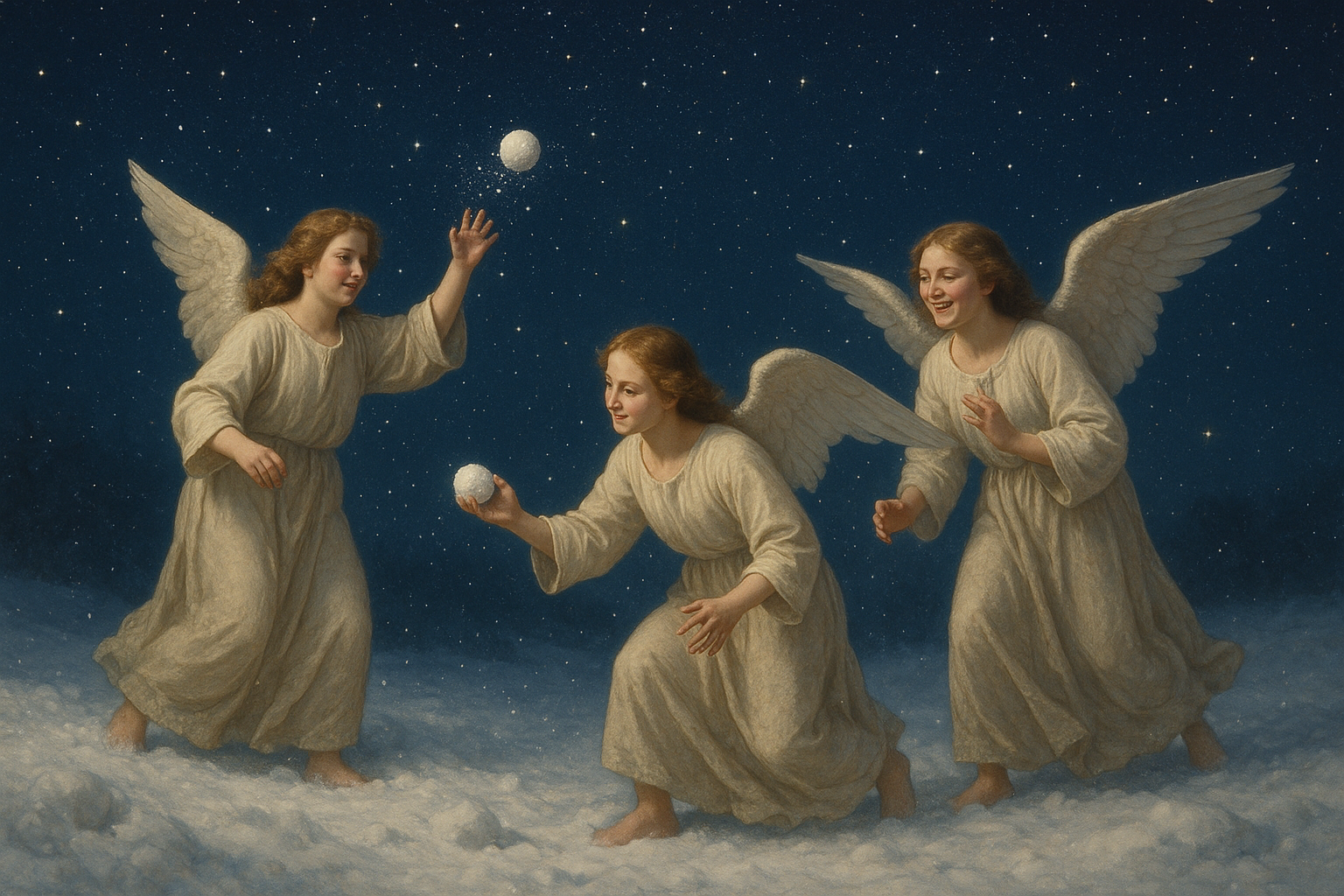
    The mystical playfulness of angels has long been a subject of fascination for those who believe in their existence. Among the many ways angels are said to interact with our world, few are as whimsical and enchanting as the idea of a starlit snowball fight.

    “The angels are nearer than we think, shining down on us, simple and patient as snow.”

    — Joan Walsh Anglund

    Picture a moonlit night, snowflakes gently dancing through the air, each flake a tiny celestial messenger. As the snow covers the earth in a blanket of purity and light, those who look closely might just imagine that angels are near, partaking in a divine frolic we might call a snowball fight.

    The Symbolism of Snow and Starlit Nights

    In many spiritual traditions, snow symbolizes the purity and peace brought forth by angels. The soft, untouched snow represents a fresh start, a clean slate gifted to us by celestial beings, embodying the divine nature of angelic presence. Starlit nights, with their ethereal glow, create a perfect backdrop for these mystical encounters, suggesting a universe alive with secrets.

    • Snowflakes, each unique, are often seen as gifts from angels, signifying individuality and divine beauty.
    • Stars symbolize guidance, and when they shine upon the earth, it’s as if the heavens are watching over us, joining in our earthly experiences.
    • Angelic play is thought to remind us to embrace joy and innocence, akin to the snowball fights of our childhood.

    How to Envision A Starlit Angelic Gathering

    Embrace the wintery chill with a heart open to possibilities. Stand beneath the stars, breathing in the frosty air. Let your imagination wander, picturing angels as ethereal beings who gather to play among the snow drifts. Listen for the delicate laughter of angels as they toss snowballs woven from magical, stardust-infused flakes.

    Author and angelologist Doreen Virtue writes, “Angels are pure souls who help us in any situation, and their love is abundant like freshly fallen snow.” This belief inspires us to feel their presence most keenly amidst the beauty of winter nights, when all seems possible.

    In essence, the concept of angels engaging in a starlit snowball fight serves as a gentle reminder that we are not alone. The universe may be vast, but perhaps it is also a place where divine beings share in our joy and innocence. Next time the snow falls thick and stars gleam bright, let this magic infuse your spirit, and you might just find yourself catching a snowball softly thrown by an angelic hand.

    For more on the mystical world of angels, visit Beliefnet.

  • How Angels Build Snow Creatures – Myths of Celestial Crafting

    How Angels Build Snow Creatures – Myths of Celestial Crafting

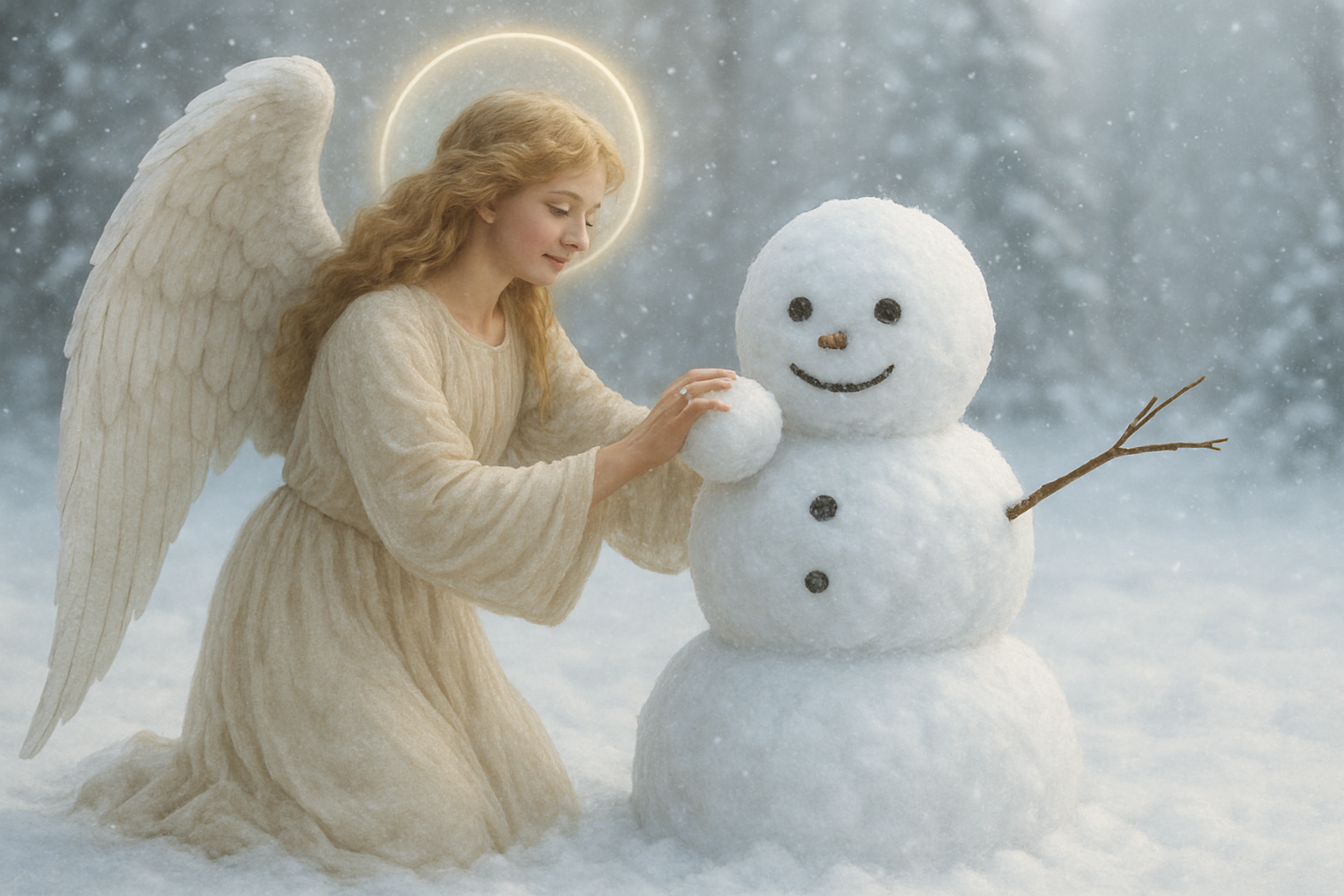
    In the ethereal realms where the heavens meet Earth, there exist enchanting myths of celestial beings indulging in a whimsical pastime: building snow creatures. This mystical confluence of art and divinity provides a fascinating look into how angels are imagined to craft in snowfall. These stories, rich with traditions, traverse cultures and epochs, reflecting humanity’s timeless connection with the divine and the imagination.

    The Origins of Angelic Snow Crafting

    The concept of angels crafting with snow emerges from a variety of folklore traditions, blending religious symbolism and cultural narratives. In exploring these tales, it is essential to recognize the multifaceted roles that snow and angels play in spiritual and material worlds.

    • Mary’s Divine Snow: According to a Christian legend, depicted in the Legend of the Snow, Mother Mary herself is said to have shaped snow in miraculous occurrences, guiding believers’ visions of purity and divine presence during the months of Winter.
    • Nordic Influence: In Norse mythology, spirits akin to angels, such as the Valkyries, have been depicted as weaving scenes of white and winters with their radiant presence. An old verse describes how, “The Valkyries sweep over a land blanketed in ice, their forms leaving behind shapes born of winter’s breath.”
    • Eastern Interpretations: In Eastern traditions, celestial beings are often associated with snow for their ability to bring peace and tranquility, manifesting harmony on the Earth below. The Buddhist tale of Jizo and the snow statues he animates presents an allegory for compassion’s eternal presence.

    Symbolism in Snow Creatures

    As angels are often considered messengers and custodians of divine will, their snow-borne creations are imbued with symbolism and intent. Here are common interpretations of snow creatures crafted by angels:

    • Purity and Innocence: The whiteness of snow represents purity, innocence, and new beginnings, a representation that transcends multiple cultures. When angels construct with snow, they convey messages of hope and renewal.
    • Temporality and Change: Snow creatures, like life itself, are ephemeral. This reflects the angels’ lessons on the beauty and temporality of existence. The fleeting nature speaks to the sublimity of life’s moments, urging appreciation and mindfulness.
    • Guidance and Guardianship: Snow creatures can also act as guiding symbols, much like angels themselves. Tales often describe travelers encountering these forms acting as spiritual waypoints on their journeys.

    “Every winter, a mysterious power heralds the very presence of angels; their hands etch divine forms in the snow, caressing the Earth with heavenly whispers.” — Unattributed Folklore

    Modern Interpretations and Cultural Impact

    The image of angels crafting with snow has transitioned into modern portrayals in literature and art. From children’s imaginations to contemporary movies, celestial snow art persists as a metaphor for higher existence and wonder:

    • Literature and Imagery: Writers and poets have long drawn from this mystical imagery. A prime example includes C.S. Lewis’s The Chronicles of Narnia, where enchanted winter landscapes become arenas for divine forces and moral battles.
    • Film and Media: Films such as A Christmas Carol and It’s a Wonderful Life subtly integrate the notion of snow as scenes of grace and celestial presence, transforming familiar landscapes into ones filled with potential for wonder and evolution.
    • Art Installations: Modern artists have taken the notion to a tangible level through snow sculpture exhibitions, interpreting angels’ influence by creating transformative experiences with frosty art.

    “Angels in the snow are art in motion: seen briefly, but ever felt.” — Leonard Oshanyk, Art Critic

    Conclusion: Connecting to the Celestial

    Ultimately, the legends of angels building snow creatures are a captivating symbolic tradition uniting humanity’s shared imagination with the ethereal. As snow falls each winter, perhaps consider the divine hands that, according to legend, shape its serene white sheet into forms that inspire awe and introspection. It’s a gentle reminder of the thin veil between the celestial and the mundane, urging us to see the divinity in fleeting beauty.

    The enduring enchantment of these myths continues to invite us into a space where creativity and spirituality merge, echoing the belief that with every snowfall, we are a little closer to touching the heavens.

  • Featherfall Dreams – Angelic Sleep Messages

    Featherfall Dreams – Angelic Sleep Messages

    In the stillness of the night, when the world slumbers and dreams take flight, there exists a phenomenon that many spiritual seekers have come to cherish. Known as “Featherfall Dreams,” these are believed to be ethereal messages delivered by angels, using sleep as a canvas for divine communication.

    The concept of angels communicating through dreams is not a new one. Historical texts, including the Bible, frequently mention angelic messengers. As Carl Jung once noted,

    “Dreams are the guiding words of the soul.”

    It’s this very notion that gives credence to the idea that heavenly beings might use dreams as a medium to deliver their wisdom and guidance.

    The Nature of Featherfall Dreams

    What distinguishes a Featherfall Dream from a regular dream? Enthusiasts and believers suggest several hallmark signs:

    • Clarity and Vividness: Unlike typical dreams that may fade quickly upon waking, Featherfall Dreams are often clear, vivid, and remembered long after waking.
    • Recurring Symbols: These dreams frequently feature repeat symbols or motifs, such as feathers, light, or celestial landscapes.
    • Emotional Resonance: A profound sense of peace, comfort, or divine presence accompanies these dreams.

    Believers of Featherfall Dreams often recount feelings of warmth or light, as if embraced by an unseen presence. The dreams might involve messages delivered through symbolic language or be accompanied by the sound of gentle whispers in an unknown tongue.

    Interpreting Angelic Dreams

    Understanding these dreams involves a blend of personal insight and spiritual guidance. Dream journals are often recommended to document occurrences and identify patterns or recurring themes that may signify a particular message or lesson. As dream expert Robert Moss suggests in his book “Dreamgates”, repeated symbols may reveal deeper truths and insights into one’s current life path.

    Additionally, meditation and contemplation can aid in deciphering the often cryptic messages received in dreams. Many turn to spiritual advisors or angelic meditation practices to further deepen their understanding and connection.

    Embracing the Messages

    Regardless of one’s beliefs, the idea that dreams could be messages from beyond invites both curiosity and introspection. Featherfall Dreams remind us of the limitless nature of the universe and the unseen forces that may be guiding us. Whether seen as a literal message from the divine or a metaphorical reflection of the subconscious, these dreams provide a unique opportunity for personal growth and insight.

    In embracing Featherfall Dreams, one opens themselves to the remarkable realm of angelic symbols and messages, ever-intertwining the world of divine intervention with the simple serenity of sleep.

  • The Yawning Seraph – A Comedic Look at Celestial Wake-Up Routines

    The Yawning Seraph – A Comedic Look at Celestial Wake-Up Routines

    In the vast expanse of the heavens, where stars twinkle like glittering diamonds and time seems irrelevant, resides a peculiar phenomenon that often goes unnoticed—celestial beings waking up. Among these heavenly dwellers is the Yawning Seraph, renowned for its grand yet peculiarly comedic wake-up routine.

    Celestial Mornings

    Imagine, if you will, a serene celestial morning. The cosmos is draped in a gentle hue, as if painted by an ethereal artist, with nebulae swirling whimsically like celestial alarm clocks. It’s not just the humans down on Earth who struggle with morning wakefulness; angels, too, have their battles with sleepy halos and drooping wings.

    The Yawning Seraph Unveiled

    Seraphs, those six-winged celestial beings mentioned in sacred texts, are often depicted as ever-alert, divine messengers. But the Yawning Seraph is a testament to the fact that even the most holy need to hit the snooze button now and then.

    • First Yawn: The first indication of the seraph’s stirring is a yawn so deep it causes the stars to twinkle in synchrony, like a universal wink.
    • The Wing Stretch: The seraph extends its majestic wings, each feather unfurling with a slight rustle reminiscent of leaves in a gentle wind. This ritual is said to cause the gentle breezes on Earth.
    • The Heavenly Hum: While humans hum tunes in the shower, the Yawning Seraph emits a hum so divine that it aligns the celestial bodies for the day.

    Heavenly Alarms: A Symphony of Stars

    Seraphs, like humans, have their own unique methods of waking up. Unlike the abrupt ringing of an alarm clock, celestial beings prefer a melodious start to the day.

    • Shooting Stars: Known as the universe’s gentle nudge, shooting stars are whispered messages from the cosmos to wake the seraphs.
    • Aurora Borealis: The spectacular auroras are said to be the afterglow of the seraphs’ stretching routine, shooting across the sky with bursts of color.
    • Comet Chimes: Comets gliding through space produce a faint sound akin to chimes, serving as the heavenly alarm that signifies it’s time to rise.

    Quotes from Sacred Texts

    While much of this is shrouded in cosmic mythos, there are textual nods to such phenomena in ancient scriptures. The Seraphim are mentioned in religious texts, most notably in Isaiah 6:2-3:

    “Above him were seraphs, each with six wings: With two wings they covered their faces, with two they covered their feet, and with two they were flying. And they were calling to one another: ‘Holy, holy, holy is the Lord Almighty; the whole earth is full of his glory.’

    This depiction is often interpreted humorously in modern times by theologians who muse over the seraphs’ possible challenges with sleep, laughter echoing through the divine halls.

    Celestial Coffee: The Heavenly Brew

    Ah, coffee—a drink renowned for its ability to awaken even the most stubborn sleepers. While angels don’t sip coffee per se, they have their own version of a celestial brew.

    • Nectar of the Gods: Said to be a concoction of stardust and morning dew, this aromatic beverage stirs even the sleepiest seraphs into action.
    • Star Fruit Elixir: A juice extracted from the mysterious star fruit grown on heavenly trees, providing a rejuvenating zing to their mornings.

    The Comedic Chorus

    While the gods and celestial beings are often seen as paragons of solemnity, a touch of humor flavors the cosmos. The Yawning Seraph, with its whimsical morning routine, brings a smile even to the sternest of cherubs.

    It’s said that when the Yawning Seraph stretches, it inadvertently tickles the feet of nearby angels, causing an uproar of celestial giggles that ripple throughout the universe.

    Conclusion: Laughter Among the Stars

    So next time you witness a shooting star, or gaze upon the magical dance of the aurora borealis, remember—it might just be the Yawning Seraph, stretching its wings and bringing a sprinkle of laughter to the cosmos. In the grand theater of the universe, even the most divine beings know the value of a good chuckle as they embark on a new day.

    In a celestial world where divine beings have their own comedic quirks, the story of the Yawning Seraph reminds us of the universal appeal of a lighthearted wake-up routine. Even in the most hallowed heavens, laughter and yawns echo with joy, reminding us all that we are never too divine to enjoy the simple pleasures of a comedic morning.

  • Angelic Silence – Depersonalization in the Divine

    Angelic Silence – Depersonalization in the Divine

    Angelic Silence: Depersonalization in the Divine

    The notion of depersonalization touches on the abstract boundaries of existence and the ethereal realm of spirituality. Within the divine contemplation of angelic silence, this phenomenon can be not only understood but experienced as a gateway to otherworldly serenity. This exploration delves into how depersonalization is both a spiritual and psychological journey, offering a bridge to divine communion and peace.

    The Concept of Depersonalization

    Depersonalization is often categorized by the sensation of detachment from one’s own body or identity. While usually considered a symptom of Depersonalization-Derealization Disorder, in spiritual contexts, it can be seen as a means of transcendence beyond the physical self, unlocking new dimensions of divine interaction.

    “You are not a drop in the ocean. You are the entire ocean in a drop.” – Rumi

    This sentiment conveys the esoteric truth that within every individual lies the potential for experiencing divine interaction, a sense of unity and wholeness that provokes deep inner peace and understanding.

    Angelic Silence: The Divine’s Quietude

    Angelic silence refers to a profound inner stillness that can arise during spiritual practice when the noise of the earthly plane falls away, allowing one to enter a deeper communion with the divine. This silence is not merely the absence of sound but a sacred space where the soul can align with higher planes of existence.

    • Transcendental Meditation: A practice highly effective in reaching a state of angelic silence, where individuals report a profound sense of oneness with the universe.
    • Contemplative Prayer: Often used by mystics and saints, this prayer technique allows a withdrawal of consciousness from the external world to communicate with the divine.

    No wonder mystics and spiritual leaders across cultures have sought such silence, as it is seen as the realm where angels whisper the secrets of the cosmos.

    Experiencing the Divine: The Role of Depersonalization

    To navigate angelic silence through the lens of depersonalization requires an understanding that losing oneself may lead to finding a deeper connection with the divine. This spiritual paradox highlights creative tension within one’s psyche, witnessing over time a metamorphosis towards self-realization and transcendence.

    Steps to Embrace Divine Detachment

    • Meditative Practice: Cultivate moments of silence daily, allowing yourself to slowly release your grasp on ego-driven thoughts.
    • Mindful Observation: Engage in practices of mindful observation, where you witness thoughts as clouds passing the sky, temporary and without inherent substance.
    • Journaling Divine Experiences: Record instances of spiritual illumination, which may emerge during meditative states of silence. These insights can serve as a guide and reaffirm your spiritual journey.

    “The more you are motivated by love, the more fearless and free your action will be.” – Dalai Lama

    When entering states of depersonalization purposefully, one may encounter love’s transcendental essence, leading to fearlessness and liberation.

    The Union of Psychology and Spirituality

    The psychological community acknowledges that depersonalization can be a challenging state when experienced unconsciously or due to trauma. However, spiritual teachers often mention that guided depersonalization under a caretaker of consciousness – such as a teacher or within divine practice – has the potential for profound spiritual awakening.

    Consider the words of contemporary spiritual teacher Eckhart Tolle, “The primary cause of unhappiness is never the situation but your thoughts about it.”

    This statement aligns with transformational paths such as those evident in Buddhism and the teachings of Advaita Vedanta, which expound on the dissolution of the ego as progress toward enlightenment.

    The Sacred Journey Toward Unity

    Discovering angelic silence through depersonalization is akin to a pilgrimage. Individuals explore vast spiritual solitude — a condition sought by hermits, mystics, and seers for ages. It reaffirms dual notions of individual divinity and unity with all that exits.

    • Ego Dissolution in Mysticism: Tales of saints like St. John of the Cross during the “Dark Night of the Soul” signify the cross-cultural theme of ego dissolution as a movement toward holiness.
    • The Role of Nature in Cultivating Silence: Engaging with nature can aid in entering states of angelic silence, magnifying feelings of connectivity that dispel loneliness and uncertainty.

    Such sacred exploration requires courage and commitment, promising rewards rich in spiritual wisdom and an expanded consciousness that stretches into the divine expanse.

    Conclusion

    Angelic silence harmonizes depersonalization with divine communion. This pathway of dissolution, while initially unsettling, beckons toward realms filled with light and love, where earthly fears dissolve into cosmic understanding. It is here that one truly finds their place within the universe, experiencing a profound peace that speaks directly to the soul.

    Thus, what begins with letting go of the self, in spirit, leads one back to discovering its heaviest truth: the boundless divinity within and without.

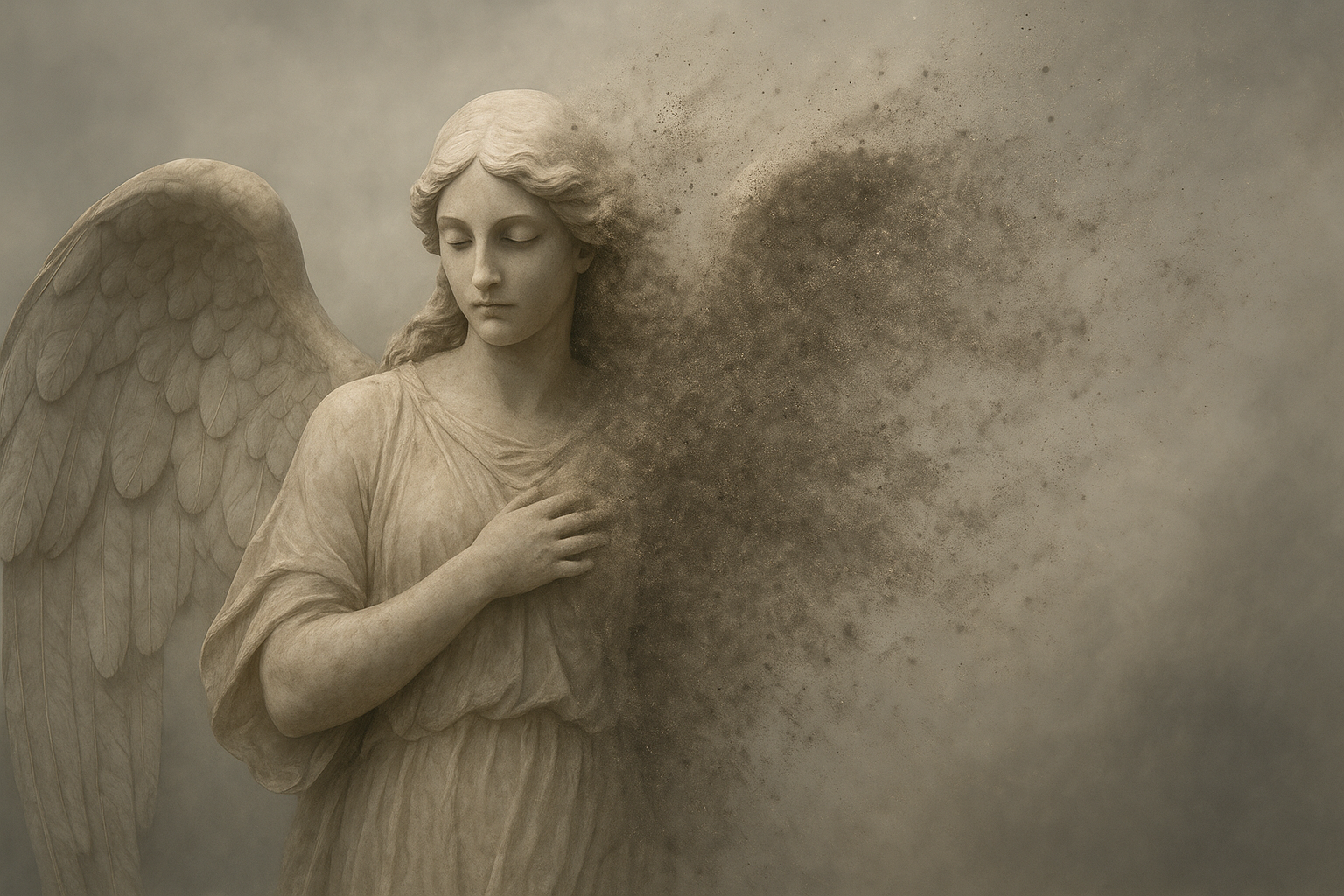
  • Angelic Dissolution – Depersonalization in the Celestial

    Angelic Dissolution – Depersonalization in the Celestial

    Throughout history, angels have been depicted as ethereal beings bridging the divine and mortal realms, exuding purity and purpose. Yet, within theological and philosophical discourse, the concept of depersonalization among celestial entities, termed “angelic dissolution,” challenges traditional perceptions. This exploration delves into how these divine figures might experience existential dilemmas akin to human depersonalization disorders.

    The Celestial Conflict

    Angelic beings, as described in various religious texts, are creatures of duty and divine mission. However, what occurs when such perennial purpose becomes monotonous or fades? As C.S. Lewis reflects through his allegorical narratives, angels sometimes experience a form of existential crisis:

    “There are those who refuse the life of the Most High, but it is not perpetual refusal that damns us, it is the refusal to be damned” — C.S. Lewis, The Great Divorce.

    This premise echoes the struggles akin to depersonalization, wherein the harmony between duty and self-awareness disrupts, leading to a crisis in celestial identity.

    Philosophical Perspectives

    Philosophers like Plotinus and theologians such as Saint Thomas Aquinas have pondered the perpetual existence of celestial beings. Plotinus, in his Enneads, considers the individual souls’ quest for union with the divine:

    “The soul, reascending towards its source, longs to become one with what is greater.” — Plotinus, Stanford Encyclopedia of Philosophy.

    Thus, could angels undergoing such existential re-evaluation face dissolution of self, much like humans experiencing a sense of detachment from their identities?

    Modern Interpretations

    In contemporary culture, writers and scholars interpret this heavenly detachment as a reflection of human struggles with identity and meaning. As expressed in Neil Gaiman and Terry Pratchett’s Good Omens, the portrayal of angels in flux conveys the narrative of recognition and reflection:

    “Angels could fly because they take themselves lightly.” — Neil Gaiman and Terry Pratchett, Good Omens.

    • This whimsical observation points towards the inherent tension between duty-bound existence and self-perception.
    • Cultural depictions offer a lens to consider celestial mindfulness, including identity crises across various domains.

    Conclusion

    While theological and artistic renditions may differ, the notion of angelic dissolution subtly intimates shared universals of existence and awareness. The inquiry into whether celestial forces may experience their realms of “depersonalization” propels the boundary between the sacred and the psychological into new, thought-provoking territories.

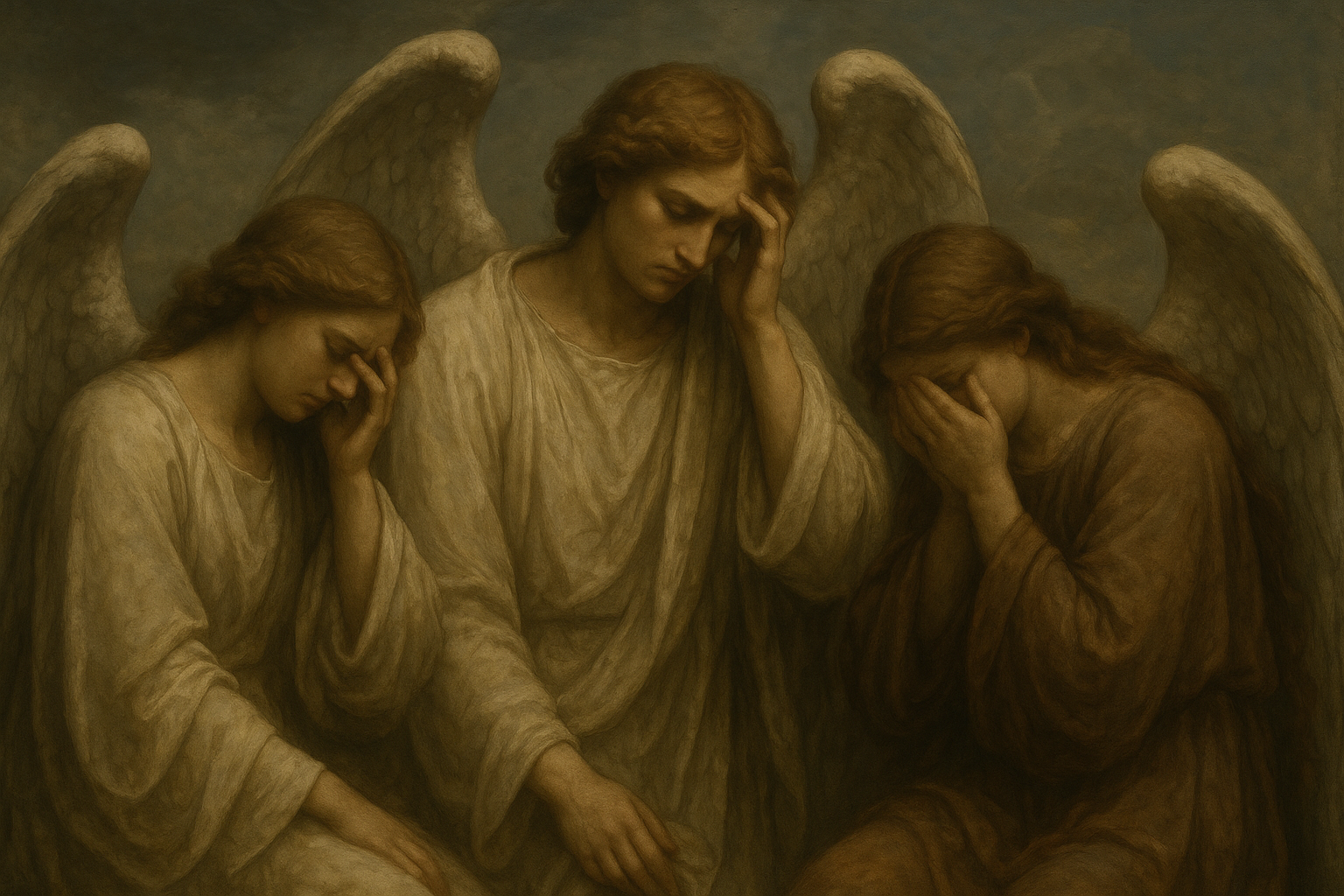
  • Angelic Laments – Mourning in Celestial Hierarchies

    Angelic Laments – Mourning in Celestial Hierarchies

    In many religious and mythological contexts, angels are depicted as divine celestial beings closely associated with themes of light, purity, and protection. Yet, within these heavenly domains, there exists an often overlooked aspect of their existence: the concept of mourning and how grief is expressed among the celestial hierarchies.

    The Nature of Angels

    Angels are generally perceived as intermediaries between God and humanity, delivering messages and offering guidance. They are revered across various cultures and religions, with distinct roles and attributes assigned to them.

    • In Christianity, angels are considered messengers of God, capable of both protecting humans and executing divine judgment.
    • In Judaism, various types of angels serve different functions, such as guarding the gates of heaven or recording the deeds of individuals.
    • In Islam, angels are believed to be made of light and are without free will, existing to serve Allah in obedience and piety.

    Exploring the Concept of Mourning

    Given their seemingly perfected existence, the concept of mourning within the angelic realm can appear contradictory. However, several texts and interpretations suggest that even angels experience a form of grief, especially when confronting the disobedience of humanity or witnessing the fall from grace of their fellow beings.

    “The angels, not half so happy in Heaven, / Went envying her and me— / Yes! that was the reason (as all men know, / In this kingdom by the sea) / That the wind came out of the cloud by night, / Chilling and killing my Annabel Lee.” —Edgar Allan Poe, Annabel Lee

    This poetic expression by Poe, while metaphorical, touches on the idea that angels are touched by emotions deeply rooted in the human condition, such as envy and loss. This suggests that they might indeed possess the capability, or at least an awareness, of mourning.

    The Fall and Mourning of Angels

    One of the most significant narratives involving angelic mourning is that of the fallen angels, most prominently depicted in John Milton’s Paradise Lost. Milton presents Lucifer, the most radiant of angels, as he falls from grace, pulling legions of fellow angels into his rebellion against God. The sorrow stemming from this betrayal resonates throughout their celestial peers.

    “Hail horrors, hail / Infernal world, and thou profoundest Hell / Receive thy new possessor: One who brings / A mind not to be changed by place or time. / The mind is its own place, and in itself / Can make a Heaven of Hell, a Hell of Heaven.” —John Milton, Paradise Lost

    Although Milton mainly focuses on the defiance and pride of the fallen, hints of regret and loss weave through their experience, suggesting a deeply resonant grief that accompanies their fall.

    Catholic Perspectives on Angelic Grief

    In Catholic teachings, while angels are considered incapable of error post-supernatural discipline (the state angels achieve after their trial and self-choice for God), the notion of them grieving for humanity’s sins is present. Their laments are more of a reflection of their commitment to divine justice and order, manifesting as a deep, albeit abstract, sorrow for human transgressions.

    The Catholic education resource EWTN suggests that angels experience sadness in a way that aligns with their nature: “Their sadness is purely intellectual and relates to the deviation from God’s plan, with whom they are perfectly aligned.”

    Angelic Lament in Art and Culture

    The portrayal of mourning angels in art and literature provides a visual and narrative exploration of celestial grief. In sculptures and paintings, angels are often depicted with tears or in postures of lament, suggesting deep emotional resonance with loss and sorrow.

    • Rodin’s Angels: The famous “Gates of Hell” by Auguste Rodin explores the harrowing emotions associated with the fall, including the depiction of anguished celestial beings among the damned.
    • Literary Mourning: In Dante Alighieri’s Divine Comedy, angels appear in varied forms, at times expressing sorrow for the souls they encounter in the Inferno’s realms.

    Philosophical Interpretations of Angelic Mourning

    Philosophers have long pondered the implications of angelic grief and what it reveals about the broader themes of justice, morality, and divine empathy. The intertwining of justice and emotion among celestial beings reflects an intricate balance between cosmic order and emotional intelligence.

    Thomas Aquinas, in Summa Theologica, discusses the nature of angelic intellect and will, suggesting that while angels operate on a different plane of emotions, their intellectual apprehension allows them a form of “grief.” They may not mourn as humans do, but their comprehensive understanding of divine injustice creates an intellectually-derived lament.

    The Human Connection

    The concept of angelic mourning resonates deeply with human experiences of grief and loss. It serves as a poignant reminder that even the divine contemplates the complexities of existence and the evocative power of justice and empathy.

    The notion that angels, who epitomize purity and divine alignment, could mourn over the missteps of humanity or their peer’s fall from grace suggests an unprecedented level of understanding and compassion transcending earthly boundaries. It positions mournful angels as intermediaries not merely of God’s will but also of celestial empathy, providing humanity with strength and solace in times of tribulation.

    Ultimately, the study and depiction of angelic laments help bridge the gap between divine perfection and flawed human nature, offering a unique lens through which to explore the interconnectedness of emotion, morality, and spirituality.

    Conclusion

    Angelic laments encapsulate the complex tapestry of sorrow and understanding that exists within celestial hierarchies. They reinforce the idea that even within realms of divine order, the echoes of grief and compassion persist, offering insights into the eternal dance between righteousness and empathy. Through the layered interpretations in religion, literature, and art, these divine figures continue to embody both the unyielding justice of the heavens and the profound, albeit otherworldly, compassion for the fallen.

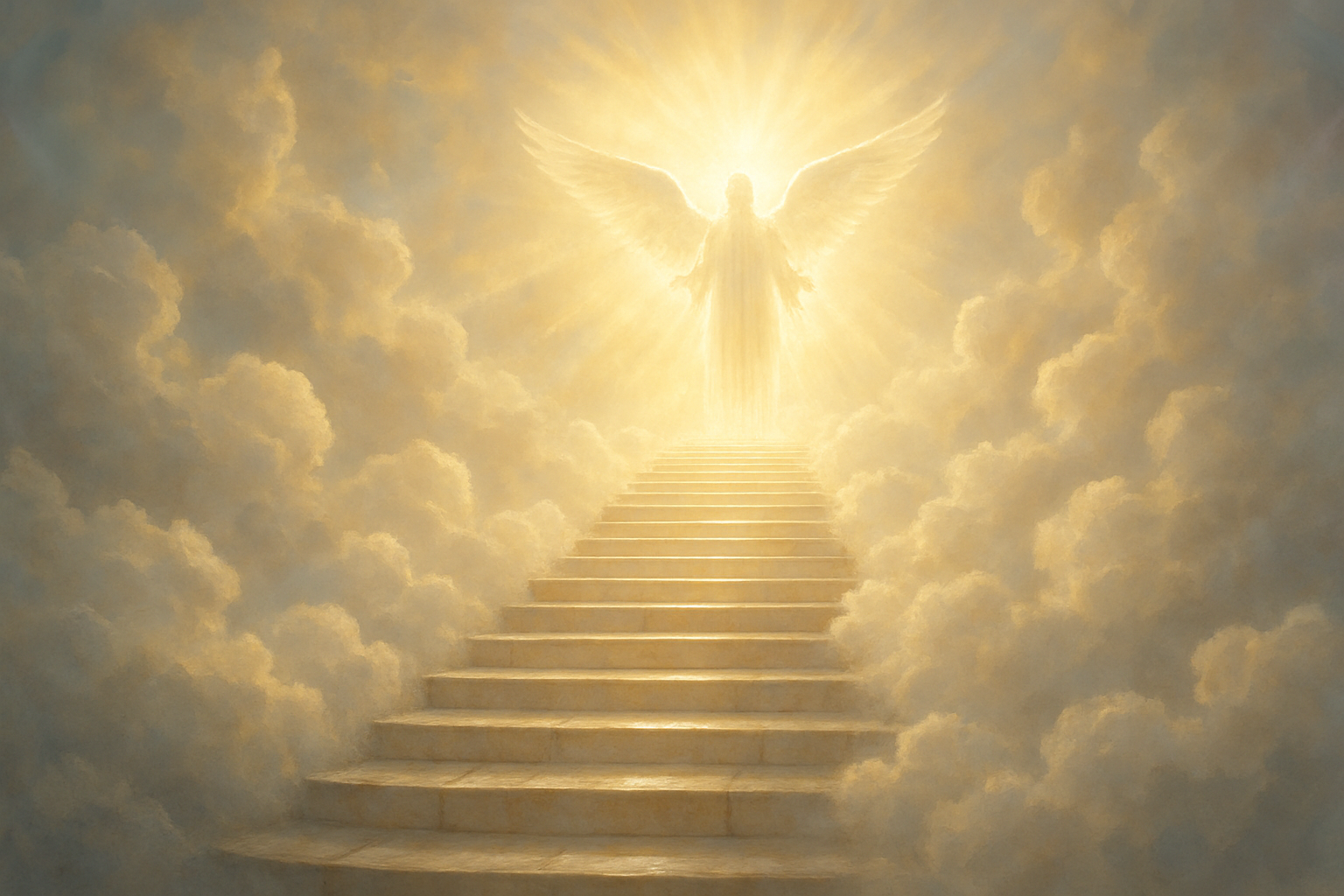
  • Angelic Pathways – Mysticism of Light

    Angelic Pathways – Mysticism of Light

    The journey towards understanding the mysticism of light is both a spiritual and metaphysical exploration that seeks to unravel the unseen dimensions of our reality. This path is often associated with the belief in angelic beings—symbols of purity, guidance, and higher wisdom.

    The Nature of Light in Mysticism

    Light has always played a pivotal role in mystical traditions. It signifies not only the transcendental illumination of the mind and soul but also the clarity that dispels the shadows of ignorance and fear. In numerous cultures and spiritual doctrines, light is a metaphor for divine knowledge and spiritual awakening. According to The Mystical Philosophy, “Light has become an object of aspiration for those pursuing a path of spiritual wisdom and enlightenment.”

    Angelic Presences

    • Angels as Messengers: Within the realm of mysticism, angels are often described as intermediaries between the divine and humanity. They act as guiding lights, offering insights and understanding. The Quran refers to them as ‘messengers with wings’, emphasizing their role in conveying divine will.
    • Encounters of Light: Individuals throughout history have reported seeing angels as beings of pure, radiant light. These encounters often bring profound peace and encouragement, aligning the experiencer with their higher purpose.

    Exploration of Angelic Paths

    Delving into angelic pathways involves seeking direct experiences of these luminous beings. Practices such as meditation, prayer, and visualization are common methods to connect with angelic energies. Many spiritual guidance systems suggest envisioning oneself enveloped in a cocoon of light, an exercise believed to facilitate a closer bond with higher realms.

    “The wings of angels are often found in the smallest hearts.” — Thinking Humanity

    This notion emphasizes that the divine qualities associated with angels—such as compassion, love, and wisdom—can be nurtured within each individual, opening personal channels to angelic realms.

    The Journey Within

    The pathway to understanding the mysticism of light intertwined with angelic guidance is, at its core, a journey within oneself. It is about aligning with the inner light that reflects the mystical relationships between humanity and the divine. As we explore these celestial avenues, we are reminded of the interconnectedness of all things and the ever-present guidance of the light that angels symbolize.

    For those interested in exploring these themes further, resources such as History’s examination of angels offer additional insights into historical and cultural perceptions of angelic beings.

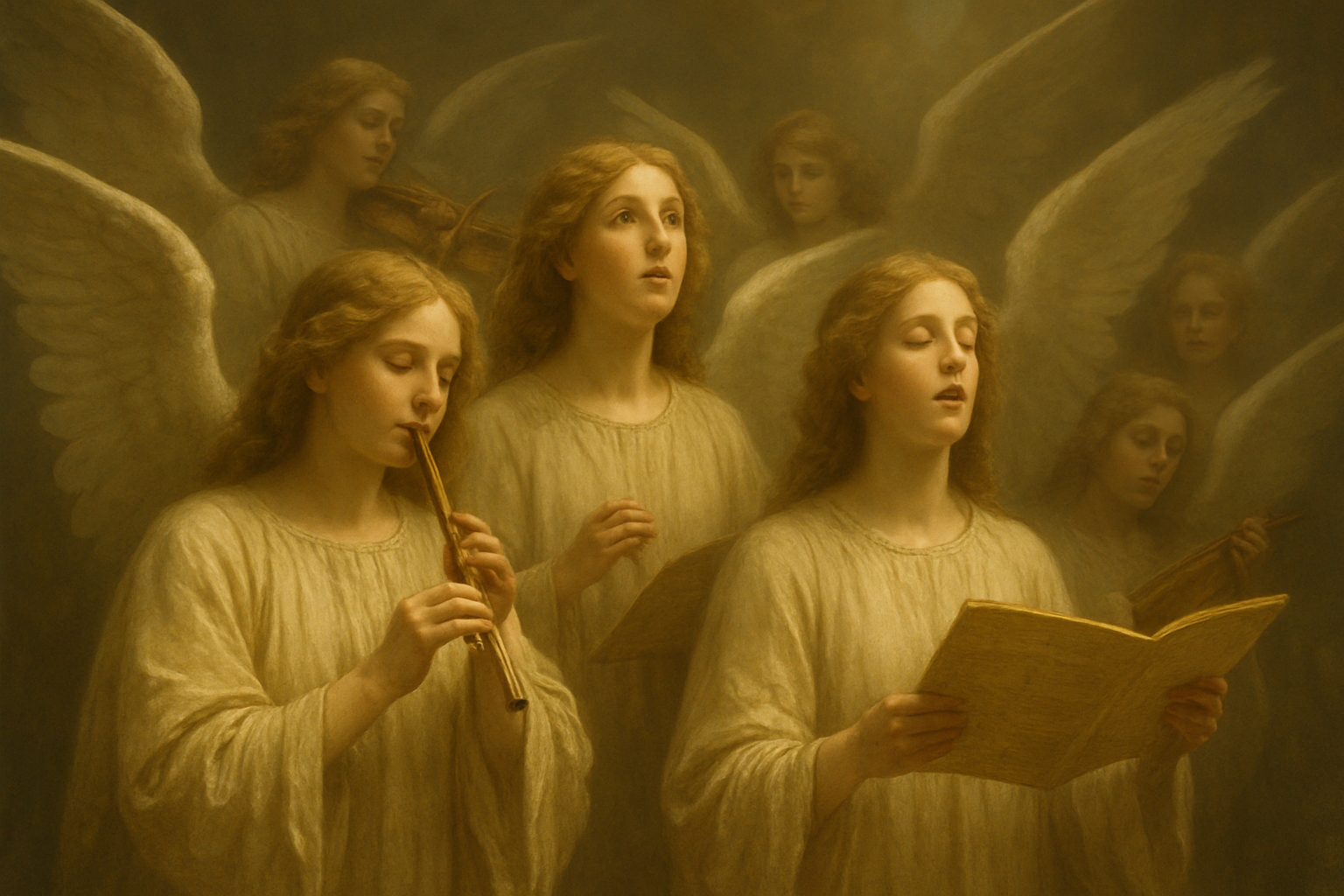
  • The Choir of the Celestial – Angels in Music and Mysticism

    The Choir of the Celestial – Angels in Music and Mysticism

    Throughout history, angels have been a profound symbol, captivating the imaginations of artists and mystics alike. Their ethereal presence has inspired countless musical compositions and provided a wellspring of spiritual exploration and artistic expression.

    Angels in Musical Composition

    From Gregorian Chants to contemporary symphonies, angels have consistently been depicted as conduits of divine music. Their celestial associations have led to them being portrayed as the ultimate harbingers of harmony and peace. Consider Hildegard von Bingen, a 12th-century composer and mystic, who believed her music was inspired by angelic visions. Her compositions often sought to reflect the heavenly choir she envisioned in her spiritual visions.

    “Heavenly beings are free of schema and display beauty by their simplicity, and elevate the spirit through divine song.” – Hildegard von Bingen

    In modern times, compositions such as Olivier Messiaen’s Quartet for the End of Time, composed during World War II, invokes the presence of angels in its movements. Messiaen, a devout Catholic, often composed with a deep sense of spiritual and mystical themes, and angels regularly occupied a sacred place within his works.

    Mystical Significance of Angels

    Beyond the symphonic halls, angels have also played a key role in mystic traditions. In Christianity, Islam, and Judaism, angels serve as messengers between the divine and the mortal. Mystics such as Emanuel Swedenborg claimed direct communication with the angelic realm, detailing these encounters in his works, which have been integral to the understanding of heavenly hierarchies and the afterlife in spiritual teachings.

    Their significance transcends religious boundaries, resonating with many who view angels as embodiments of divine protection and comfort. Angels are often cited in near-death experiences and are part of spiritual practices such as prayer and meditation. Their symbolic presence acts as a beacon of hope, offering solace in the face of adversity.

    The Legacy of Angels in Culture

    In sum, angels have imprinted themselves upon music and mysticism, blending these disciplines into a holistic narrative that speaks to the interconnectivity of the divine and the earthly. Their perpetual allure and the relationship between sound and spirituality create a resonant chord that spans centuries.

    From scripture to symphony, the angelic role as intermediaries invites us to listen, reflect, and embrace the harmonies of the heavens that surround our everyday lives.

    For further insight into the roles of angels in religious traditions, you can read more from Encyclopaedia Britannica.