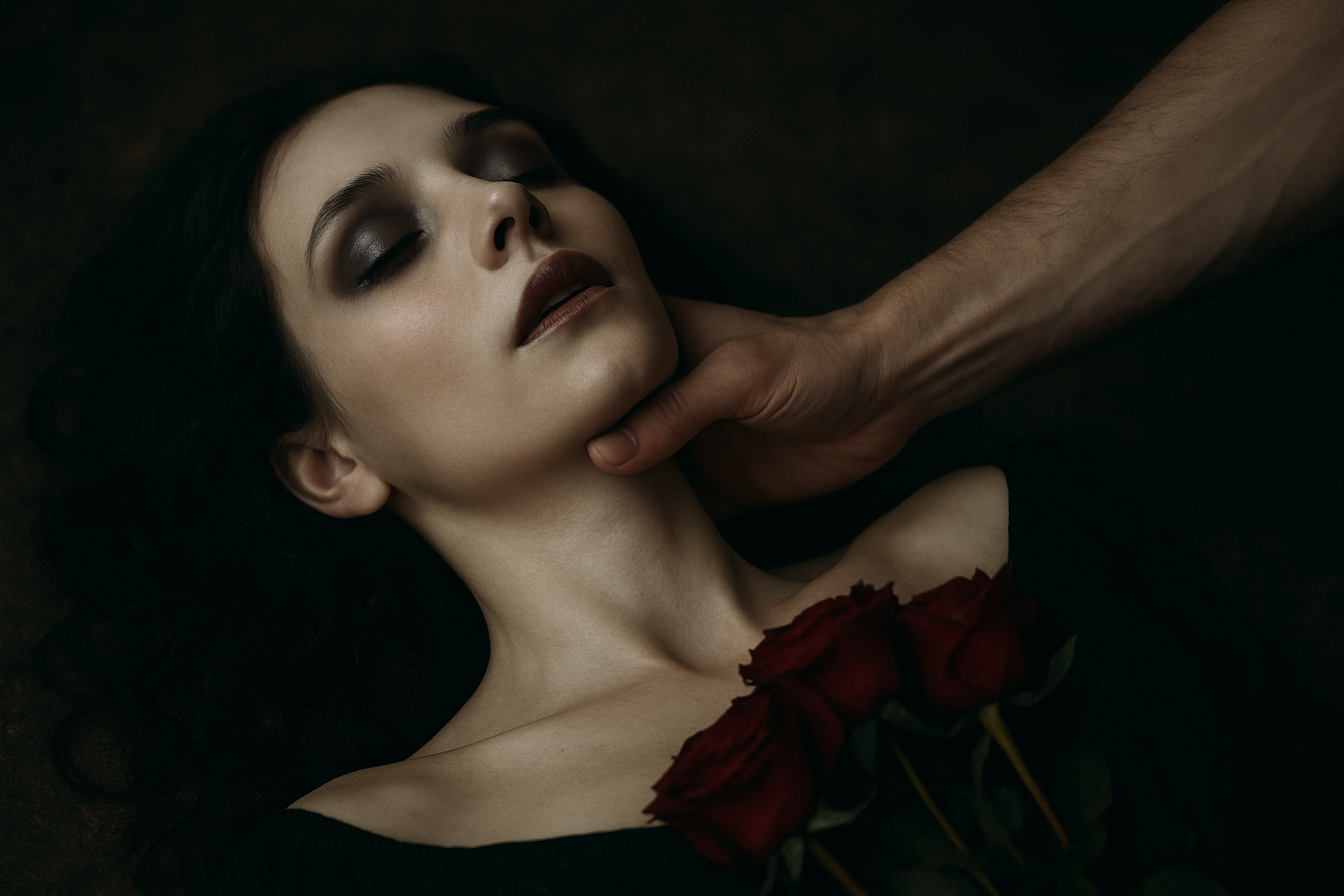
The phrase petit mort, which translates to “little death” in French, poetically captures the moment of intense physical or emotional release found in certain human experiences, most notably during orgasm. However, beyond its sexual connotation, the idea of petit mort opens a fascinating dialogue on the interplay between life and death, and how cultures around the world ritualize this symbolic dance.
Historical Context
Throughout history, societies have crafted rituals that meld ecstasy with existential themes. In ancient Dionysian rites, for instance, participants engaged in ecstatic dances and frenzied worship that symbolically traversed the terrain between life and death. As noted in Britannica, these rites celebrated Dionysus, the god of wine and ecstasy, showing how deeply interconnected the experiences of vitality and mortality were perceived to be.
Rituals of Ecstatic Abandon
- African Traditions: In various African cultures, rituals facilitated by rhythmic drumming and dance aim to transcend the ordinary. During these moments, participants are said to experience communion with ancestors or spirits, echoing the idea of small, symbolic deaths and rebirths in a spiritual sense.
- Sufi Whirling: Among the Sufi mystics, whirling is a form of physically intense movement intended to bring practitioners closer to the divine. This transcendence mirrors a petit mort, as the seekers temporarily die to their worldly selves to experience an ecstatic union with Allah.
Modern Interpretations
In contemporary thought, the concept of petit mort can be viewed through the lens of existential philosophy. Albert Camus, in his exploration of the absurd, pondered the ephemeral nature of life and the brief moments of reprieve that make human existence bearable. As Camus famously wrote, “We must imagine Sisyphus happy” (Source), suggesting that joy in the face of futility is itself a form of ecstasy akin to the petit mort.
Conclusion
“To die before you die,” a Sufi saying, encapsulates this concept beautifully, urging individuals to embrace death’s lesson of impermanence to appreciate life fully.
Thus, petit mort rituals are not mere cultural curiosities. They offer profound commentaries on the human condition, reminding us that in the acceptance of death, we may find deeper ecstasy and thus, a fuller life.