“The night is more than a time to rest,” wrote Henry David Thoreau. It is a boundary, a canvas, drawing us into the embrace of its abstractness. For centuries, poets, artists, and philosophers have explored the multifaceted dimensions of night, revealing profound insights about its nature and our experiences within it.
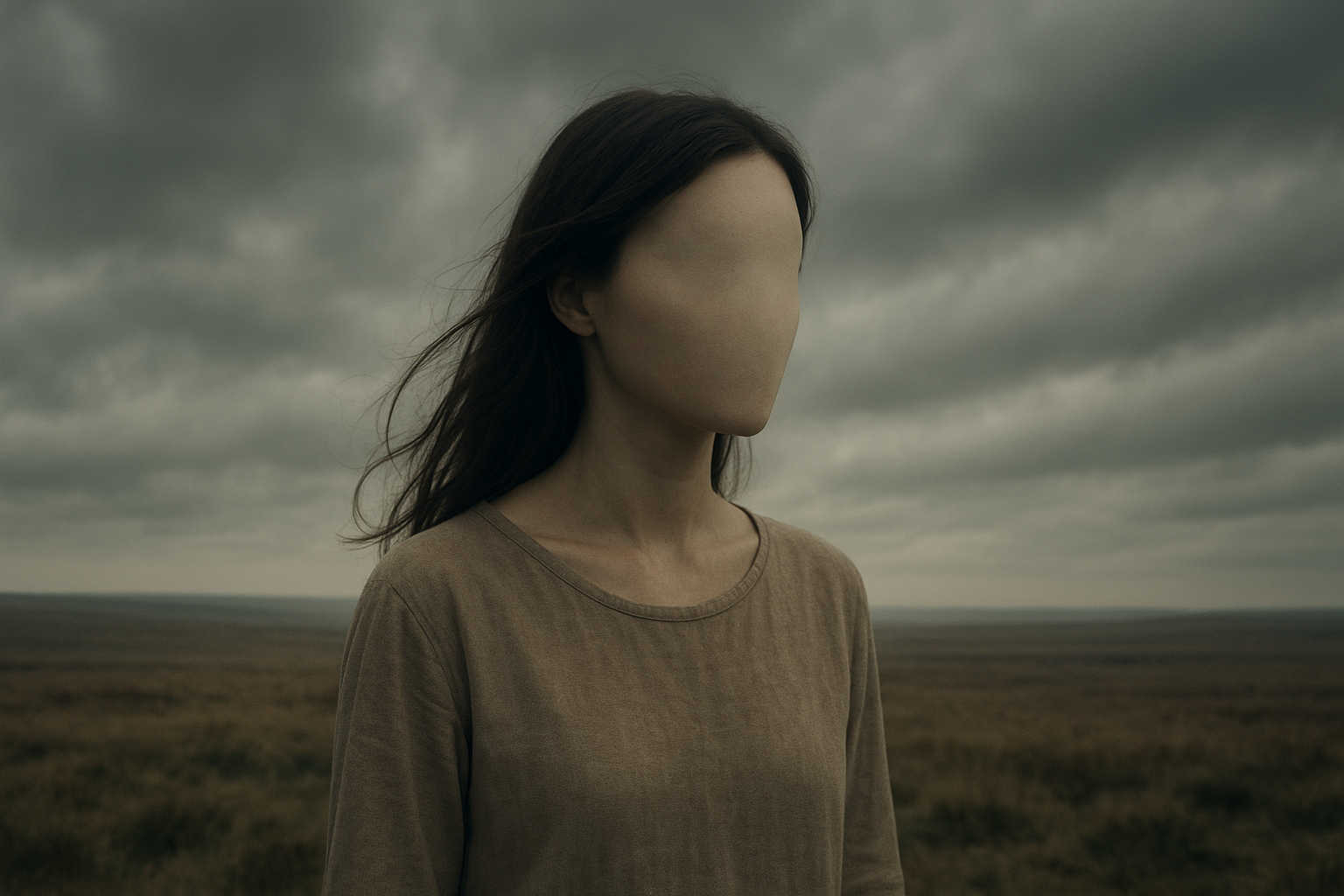
To venture into a nightscape is to enter a realm seemingly void, yet full of potential. This concept, referred to as the “abstract night,” is not a mere absence of light but a gateway to an experience of emptiness that is profoundly rich and transformative.
The Enigma of Darkness
From the earliest human history, night has been both feared and revered. In ancient cultures, darkness often stood as a synonym for the unknown, concealing dangers but also providing the solitude necessary for deep introspection. As Carl Jung observed, the darkness “carries both the threat of the untamed and the promise of the sacred.”
“Knowing your own darkness is the best method for dealing with the darknesses of other people.” — Carl Jung
Under the veil of night, the abstract becomes perceivable. The structured outlines of the day blur into shadows, allowing for a different perception of reality. This is not just a physical but a mental transformation, where emptiness fosters creativity and introspection.
The Artistic Interpretation
Artists have long been captivated by the abstract night, using it as a backdrop to explore themes of emptiness and existence. Joseph Mallord William Turner’s iconic painting The Fighting Temeraire immerses viewers in the twilight’s abstraction, where the visible dissolves into the subconscious.
- Van Gogh’s Starry Night: Emotionally charged swirls in the star-filled sky offer not the usual emptiness but a celestial fullness that hints at the universe’s vastness.
- Pablo Picasso’s Blue Period: The dominance of blue in paintings like The Old Guitarist creates an abstract void filled with melancholy that invites viewers to ponder the voids within themselves.
These artists illustrate how night’s perceived emptiness can be a cradle for imagination, turning the absence of light into a presence of mind.
Literature and Philosophy’s Dance with Night
In literature, writers repeatedly explore the abstract night to delve into themes of human solitude and potential. Through the words of Rainer Maria Rilke, night becomes a meditative state where words and thoughts take new forms: “The only journey is the one within.”
Nights, described by Emily Dickinson, become stages where the self is both the audience and the main act, as illustrated in her poem A Nerve Disconnected with Its Motion, portraying night as a theater of contemplation.
The Psychological Perspective
Modern psychology suggests that the concept of an abstract night relates deeply to mindfulness. It is a space for cultivating the inner world. In darkness, the mind is less distracted by visual stimuli, allowing for deeper perception and cognitive processing. This emptiness is not a void but a mental landscape primed for personal exploration.
Dr. Susan Cain, in her book Quiet: The Power of Introverts in a World That Can’t Stop Talking, discusses the value of such solitude inherent in abstract nights. According to her, these moments allow introverts—a third to a half of the population—to recharge, fostering innovative thinking and emotional health:
“Solitude is a catalyst for innovation. The night’s emptiness inspires insights that are often unheard in the noisy world of daylight.” — Susan Cain
Cultural Rituals and Night
Across cultures, the abstract night has inspired rituals and practices aimed at embracing the night’s potential. The Japanese concept of Yin and Yang positions night with the Yin, traditionally associated with dark, passive, and intuitive qualities, necessary to balance the energetic daylight.
- Ramadan: A month-long Islamic tradition where night gains importance as fasting occurs during daylight, reminding participants of the value of reflection and spiritual discipline under the night’s guidance.
- Shabbat: In Judaism, night marks the beginning of a day. This cultural interpretation transforms emptiness into a space for spiritual reflection and family connection.
These practices find their resonance in night’s abstractness, revealing how experiencing emptiness is embedded into the fabric of cultural meaning and understanding.
The Night and Technological Advances
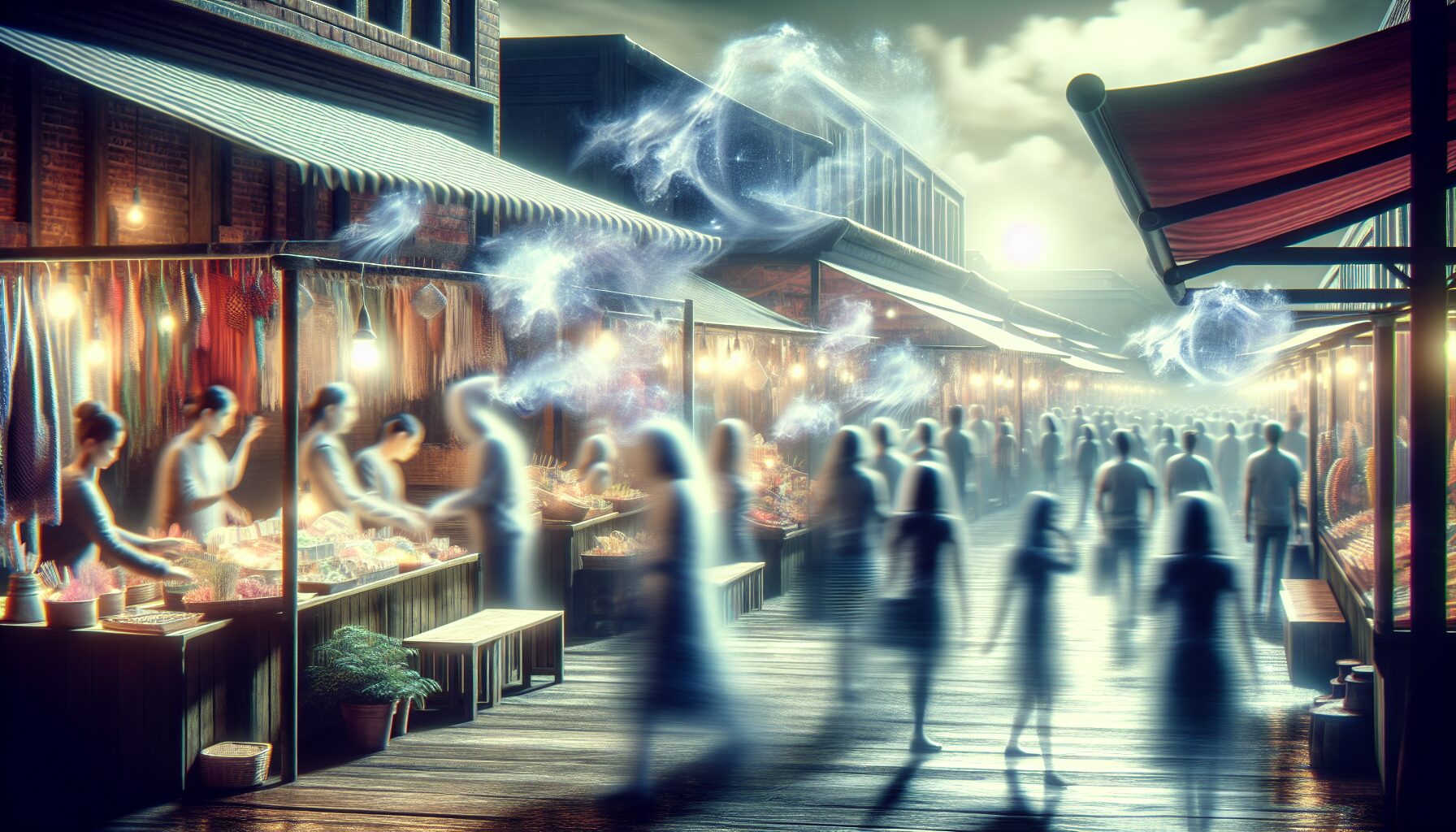
Today, technology attempts to redefine the abstract night, creating experiences that blend digital and physical realms. Virtual reality (VR) experiences are now capable of simulating nightscapes that challenge our perception of emptiness.
One such project is VR Trips, which offers immersive night environments where users can engage in meditative practices. As the CEO, John Smith, stated:
“We aim to provide users with a digital sanctuary that recreates the contemplative expanses of the night, aiding emotional well-being and creativity.”
These innovations underscore the timeless allure of the abstract night, now enhanced and explored through the lens of modern science and technology.
Embracing Emptiness
The abstract night, with its emptiness, does not solely exist to be filled but to be embraced. It is through this embrace that we acknowledge the whispers of the universe and the echoes of our own souls. The night allows us to see the intricacies of our inner landscapes, free from the cacophony of the world.
As darkness descends, the abstract night opens up a path. It invites not fear but exploration—an opportunity to seek and to understand, to find serenity in emptiness. In recognizing this, we discover that the abstract night is not a state of nothingness, but a profound experience waiting to be lived.