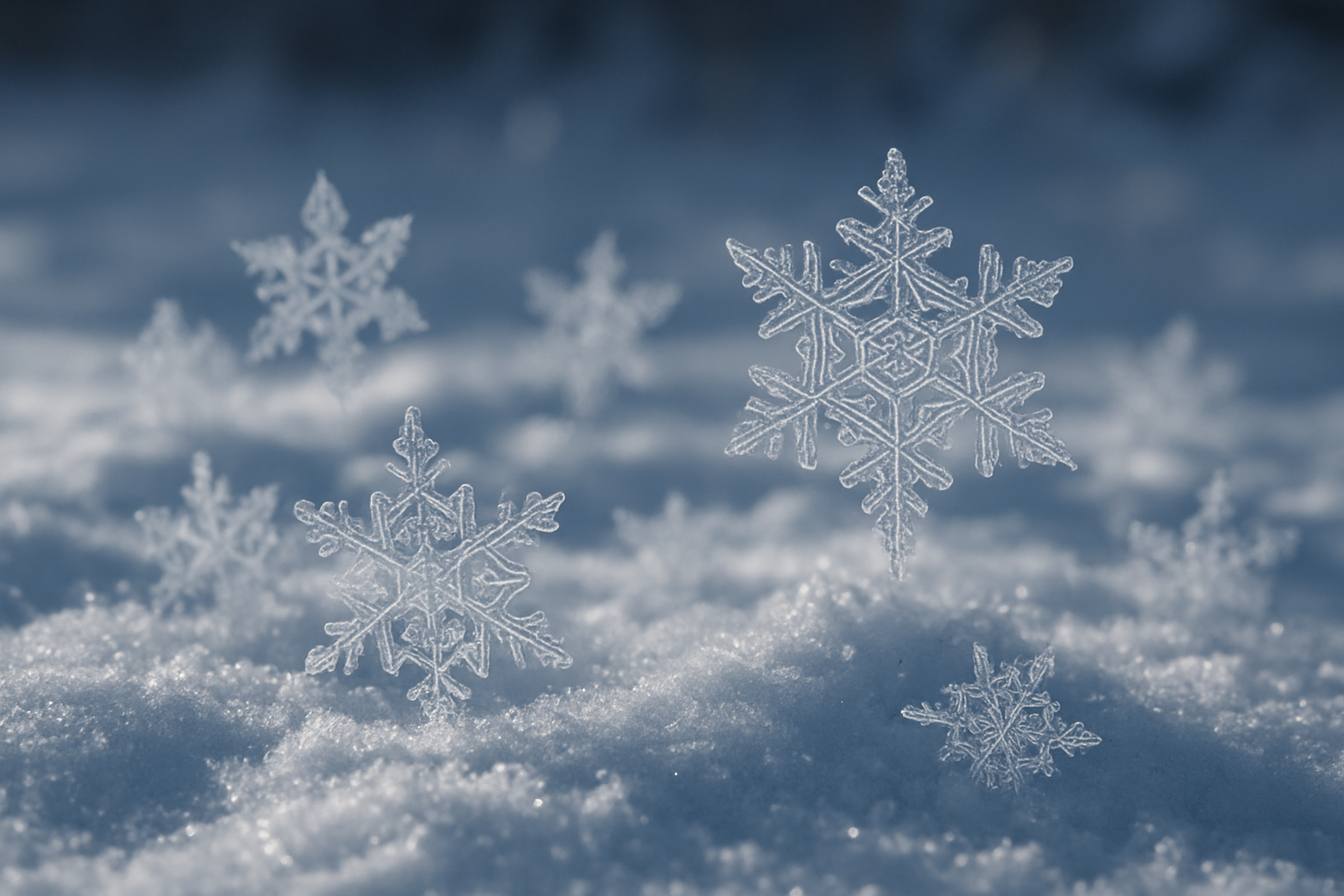
In the realms of uncharted terrains and wintery wonders, frostflowers stand out as a mysterious phenomenon not only for their transient beauty but also for the enigmatic secrets they might hold. These delicate ice structures, primarily found in the coldest environs, have intrigued scientists, artists, and the spiritually inclined alike.
The Science Behind Frostflowers
Frostflowers are a natural spectacle occurring on sea ice and cold surfaces. They form when a combination of specific cold conditions and humidity levels trigger an icy bloom. Typically appearing on young sea ice or even the thin layer of ice covering bodies of water, these flowers consist of tiny ice crystals that grow perpendicular to the surface.
- Temperature Influence: For frostflowers to form, the temperature has to be significantly below the freezing point. The moisture in the air condenses and freezes upon contact with the cold surfaces.
- Wind Factors: Gentle winds are essential for the creation of these structures, allowing moisture to be consistently supplied to the surface.
- Salinity Impact: Since many frostflowers originate from sea ice, the salt content in the underlying water can influence their formation.
According to research conducted by Douglas R. MacAyeal, “The extremely cold air immediately above the ice surface has much less capacity to hold moisture than the slightly warmer air above it, leading to condensation and frost flower formation.” (Nature Journal)
Cultural and Symbolic Interpretations
Beyond the scientific explanation, frostflowers hold a rich tapestry of cultural and symbolic meanings. Historically, such natural phenomena have been steeped in mysticism and regarded as messages from the divine.
- Ancient Nordic Legends: The Nordic cultures, known for their snow-draped landscapes, often associated frostflowers with the whispers of gods, considering them omens of prosperity or warnings based on their patterns and distribution.
- Japanese Symbolism: In Japan, frostflowers, although rare, are seen as a winter counterpart to cherry blossoms and represent beauty, ephemerality, and a poetic mystery that embraces both nature and the spiritual.
- Native American Beliefs: Some Indigenous tribes of North America interpret frostflowers as the Earth’s winter diary, inscripted with tales of past, present, and future.
Spiritual Significance and Meditation
For the spiritually inclined, frostflowers are more than just natural beauty. They are seen as manifestations of frozen thoughts or hidden insights. The ephemeral nature of their existence makes them powerful symbols in meditation and mindfulness practices.
“Frostflowers remind us of the transient beauty and the ever-changing nature of life. They capture the moment’s essence frozen in time.” — Dr. Patricia Holm, Environmental Philosopher
Many meditation practitioners use the image of a frostflower as a focal point, allowing the intricate patterns to guide their thoughts inward, reflecting on impermanence and the purity of the present moment.
The Role of Climate Change
While the formation of frostflowers has long been a natural occurrence, modern environmental changes threaten their existence. With rising global temperatures and the subsequent thinning of sea ice, scientists are closely monitoring these delicate formations.
According to Climate Scientist Dr. James Hansen, “The reduction in ice cover can significantly alter the conditions necessary for frost flower formation, impacting both their beauty and the ecological roles they play in polar regions.”
Frostflowers contribute to the albedo effect, reflecting sunlight and helping regulate global temperatures. They also serve as microhabitats for cold-adaptant microorganisms and contribute to atmospheric chemical processes.
Artistic Inspirations
Frostflowers have served as inspiration for artists across different mediums, from painting and poetry to modern digital creations. The intricate and unique designs are seen as nature’s art, different with every freeze-thaw cycle, echoing the creative process of humans capturing transient beauty.
- Poetry: Poets such as Robert Frost have captured the essence of snowy landscapes, though not explicitly about frostflowers, the style and subject evoke similar sentiments.
- Visual Art: Many artists use frostflowers as motifs, symbolizing purity and elegance. Their fractal-like structures inspire abstract representations.
In conclusion, frostflowers, while scientifically understood, retain an aura of mystery. Their formation, symbolism, and significance continue to captivate human imagination, earning them a cherished place in the annals of nature’s grand artistry. As winter landscapes come alive with these icy blossoms, may we hold onto the lesson they quietly teach about the fleeting yet profound beauty of existence.