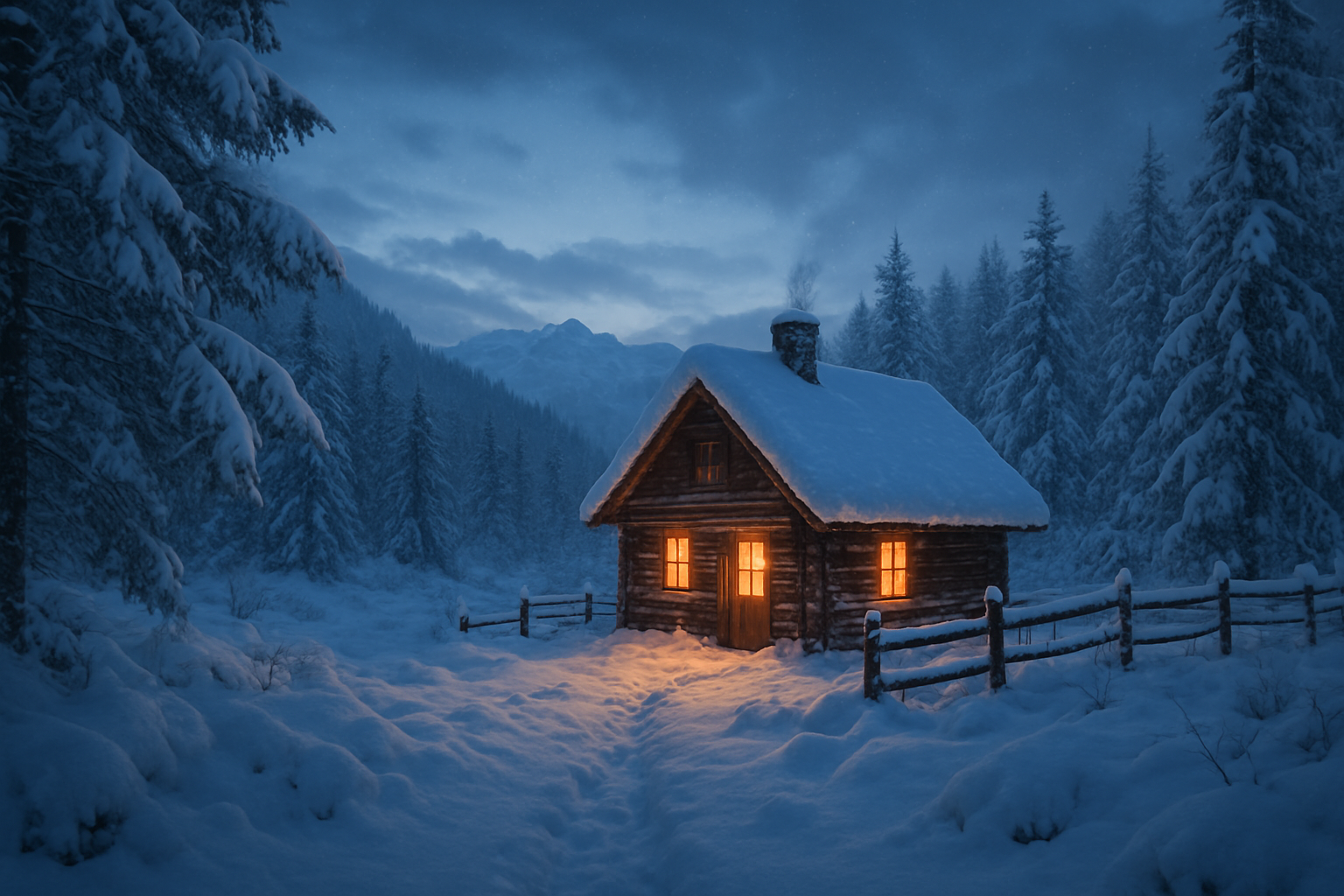
In a world where harsh winters and icy landscapes dominate, the concept of a warm and inviting sanctuary becomes indispensable. The Frostlit Sanctuary represents a beacon of warmth amidst the cold, enveloping those who enter in comfort and tranquility. This article explores how one can create such a haven in the midst of cold worlds, through thoughtful design, sustainable practices, and cultural inspirations.
The Essence of Warmth
Designing a sanctuary in a cold environment starts with understanding the essence of warmth, which transcends beyond physical heat to evoke a sense of emotional and spiritual comfort. The role of warmth is elegantly summarized by Mary Ann Shaffer and Annie Barrows in their book, The Guernsey Literary and Potato Peel Pie Society, where they state, “Perhaps there is some secret sort of homing instinct in books that brings them to their perfect readers.” Like books, spaces have a way of finding their residents, and the warmth of a sanctuary acts as a guiding beacon.
Design Principles for a Cozy Sanctuary
- Natural Materials: Embrace materials like wood and stone, which inherently carry warmth, both in appearance and thermal properties. Their use connects the space to its natural surroundings and adds a layer of rustic comfort.
- Layered Lighting: Implement a varied lighting scheme featuring ambient, task, and accent lighting to create depth and warmth. The importance of natural light cannot be overstated, as it plays a critical role in enhancing mood and spatial perception.
- Textural Elements: Incorporate diverse textures through textiles such as wool rugs, soft throws, and velvet cushions to evoke tactile comfort. The juxtaposition of textures fuels a sensorial richness that is central to warmth.
Sustainable Warmth
While aesthetics play a crucial role in creating a sanctuary, sustainability ensures that such warmth doesn’t deplete the environment. The integration of energy-efficient design features such as enhanced insulation, passive solar heating, and geothermal systems can drastically reduce heating requirements, making these sanctuaries eco-friendly.
“We must face the future with awareness and intention, knowing that the choices we make today determine the opportunities available for generations to come.”
This ideology drives the movement towards minimizing ecological footprints while ensuring inhabitants stay warm through natural means.
Cultural Inspirations
Different cultures offer unique perspectives on creating warmth in colder climates, with Scandinavia being a prime example. The concept of “Hygge”, a Danish term describing a mood of coziness and comfortable conviviality, emphasizes not just physical settings but also the relationships and atmospheres within. Writer Meik Wiking, author of The Little Book of Hygge, articulates it as “an art of creating intimacy” and it’s about making the ordinary extraordinary.
- Kotsuzumi: In Japan, small spaces known as kotsuzumi are designed to be intimate and warm, facilitating close personal interactions.
- Karst Cultural Influence: In Slovenia, where karst landscapes influence architecture, local materials and earth-friendly heating solutions create unique warm abodes.
Final Thoughts
Creating a Frostlit Sanctuary is not just about countering cold but enriching life with warmth that penetrates beyond the physical realm. It requires an amalgamation of considerate design, environmental mindfulness, and cultural appreciation to build spaces that resonate with their inhabitants. As we strive for harmony in our environments, these sanctuaries offer an opportunity for reflection, respite, and rejuvenation amidst the winter chill.