Tag: lantern

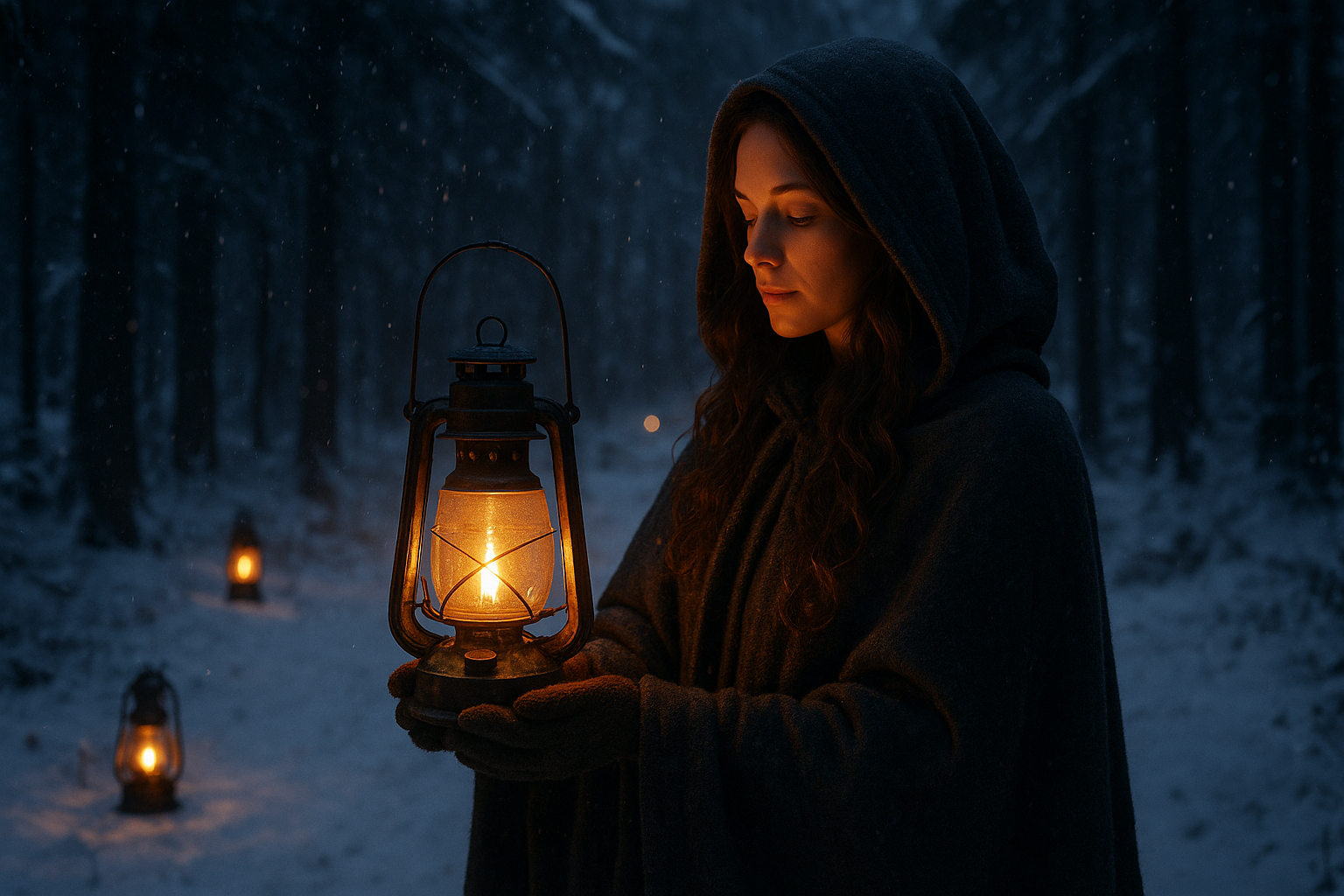
  • The Lantern Life – Carrying your own joy wherever you go.

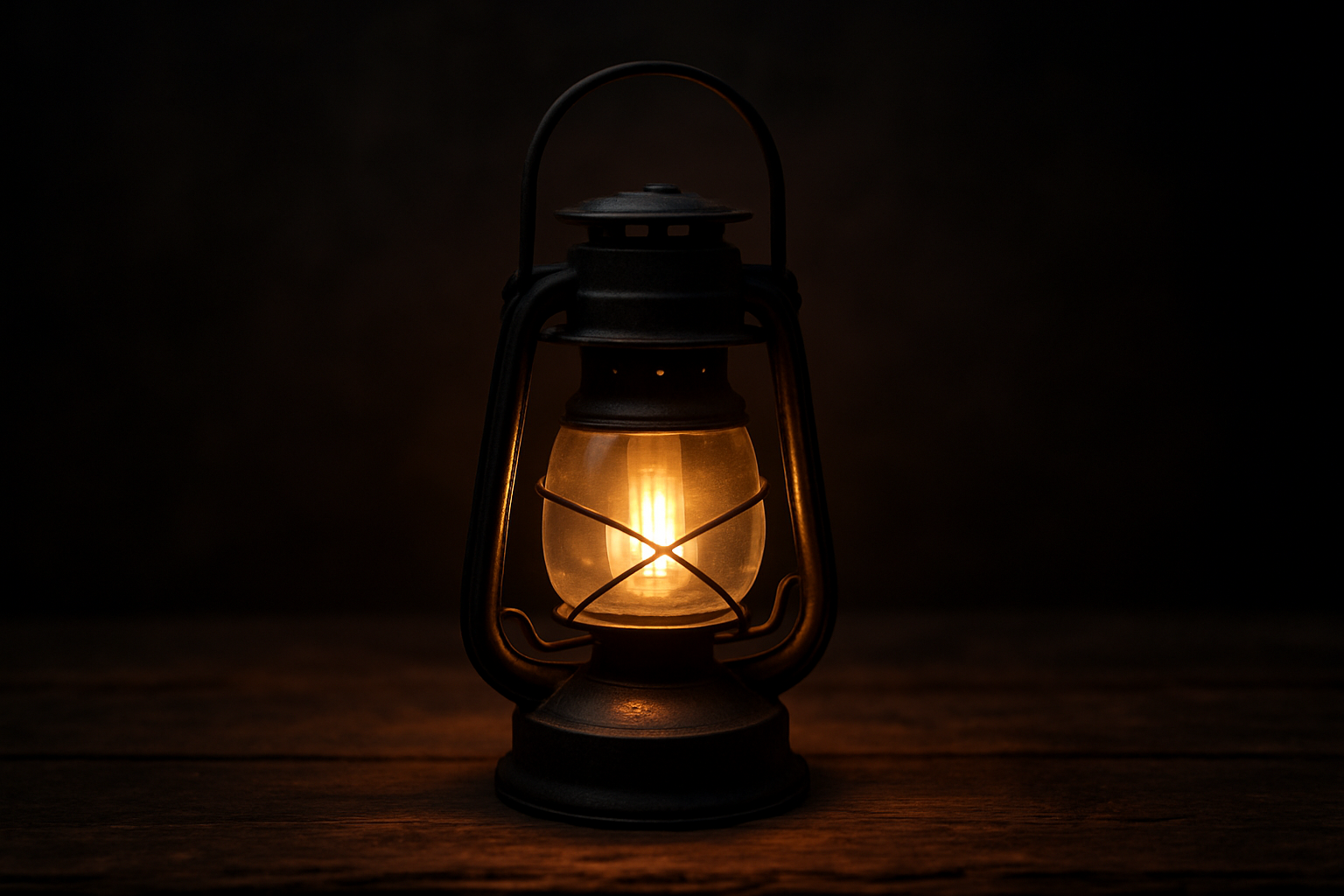
    The Lantern Life – Carrying your own joy wherever you go.

    You are the light in your own life. With the power to make yourself happy, you have the ability to bring light and joy wherever you go. You can choose to be the source of your own happiness and light up your surroundings, one step at a time.

    Remember, it’s important to find joy and happiness within yourself, rather than relying on external factors. Taking control of your own life and making the choices that bring you joy and fulfillment can lead to an overall more positive and fulfilling experience. So make your own lantern life by finding light within yourself, and bring the joy of your own light wherever you go!

    In order to make your own lantern life, you’ll need to understand your own unique values and beliefs. Once you have a clear understanding of what’s important to you, you’ll need to work hard to cultivate those values in order to bring your light to the world around you. Take care of your physical and emotional wellbeing, and find ways to connect with those around you. With a little bit of effort, you can create your own lantern life and find true joy and happiness.

  • Halo Lantern Nights – Rituals for the Longest Winters

    Halo Lantern Nights – Rituals for the Longest Winters

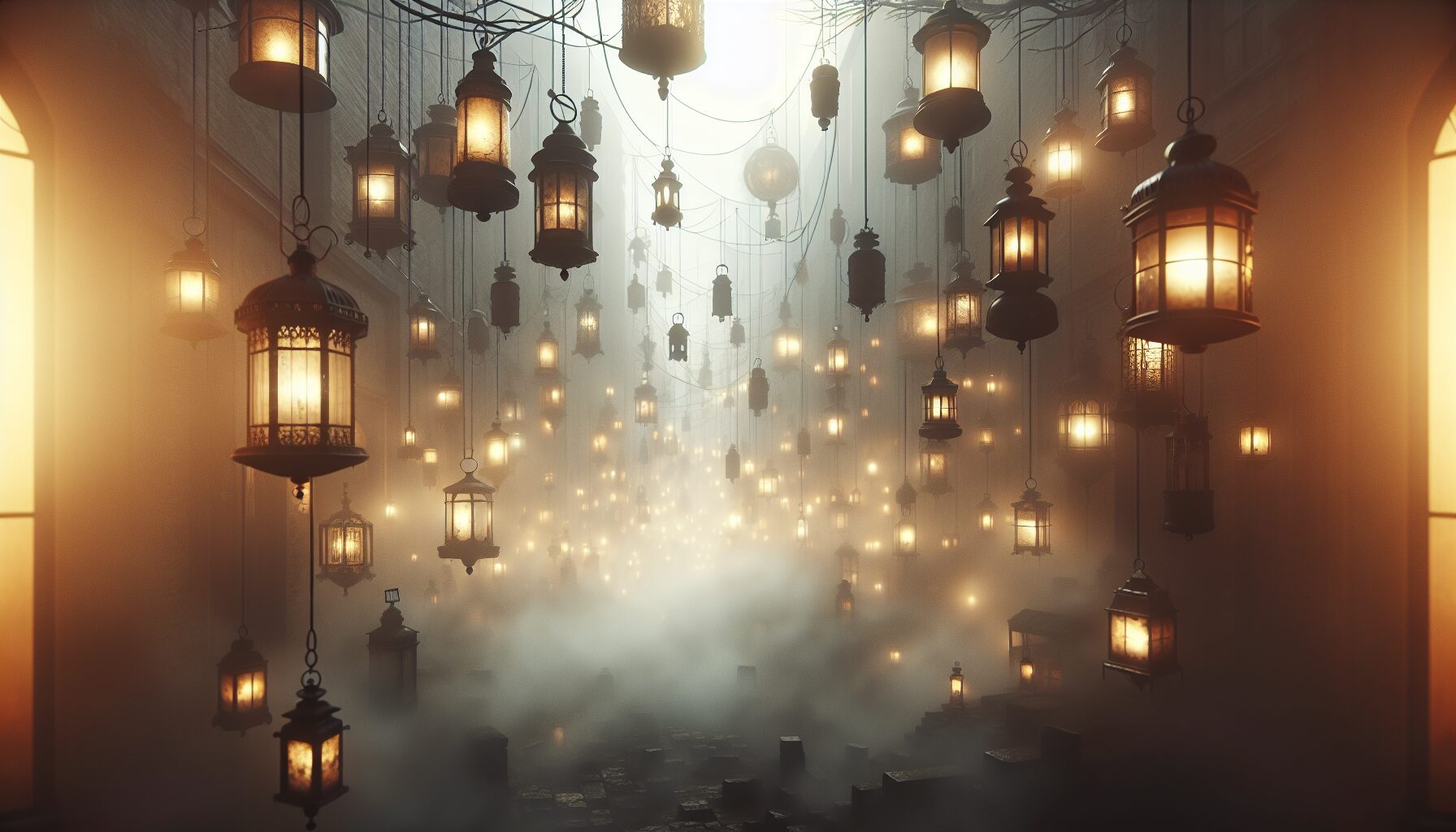
    The chill of winter brings with it a time for reflection, community gathering, and ritual. One of the most enchanting traditions that illuminates the cold, dark months is the celebration of Halo Lantern Nights. With origins deeply rooted in ancient customs and folklore, these nights are filled with rituals designed to embrace the longest winters and welcome the rebirth of light.

    The Origins and Significance of Halo Lantern Nights

    The tradition of Halo Lantern Nights dates back centuries, evolving from various cultural practices that aimed to provide comfort and hope during the darkest days of the year. Celebrated on the longest night of winter, this ritualistic event symbolizes the intertwining of darkness and light, a cycle observed since the pagan worship of winter solstice.

    “The Halo Lantern Nights are more than just a celebration; they are a spiritual pilgrimage into the light from the depths of winter’s shadow,” says folklore expert Dr. Elizabeth Carter.

    • Historical Roots: The celebration is believed to have originated from ancient Celtic and Norse festivals, where light was used to ward off evil spirits during the longest nights.
    • Symbolism of the Lantern: Lanterns are symbolic beacons, guiding spirits home and representing hope, enlightenment, and the promise of returning sunshine.

    Modern Day Celebrations

    Today, Halo Lantern Nights are celebrated across the globe, each community adding their unique cultural spin. The ritual has been adapted to fit modern life while preserving the essence of its ancient roots.

    Lanter Making Workshops

    Leading up to the event, communities host lantern making workshops for all ages. These gatherings are not only about crafting but also about sharing stories, learning the folklore, and understanding the significance of the symbolism.

    • Materials Used: Traditional materials like paper, reed, and wax are used to create intricate designs and patterns that reflect personal stories or communal legends.
    • Art and Creativity: “The lanterns are an expression of individuality. Each one tells a story crafted through hours of careful dedication,” says lantern artist Sophie Liu, website.

    Communal Processions

    The highlight of the celebration is the lit procession. People of all ages gather with their lanterns and proceed through villages and towns, illuminating pathways and public spaces. The procession is often accompanied by local music, dance, and the recitation of ancient poems.

    • Route Details: The route often includes significant landmarks and ends at a communal gathering spot where celebrations continue.
    • Community Bonding: “This shared experience fosters unity and reinforces cultural heritage. It’s a magical sight – one that strengthens the fabric of our community,” remarks town organizer Marcus Eldridge.

    Integrating Technology and Tradition

    In the digital age, technology plays a crucial role in enhancing the Halo Lantern Nights experience. From virtual workshops to social media promotions, technology bridges the gap between tradition and multicultural outreach.

    • Virtual Platforms: With the help of platforms like Zoom or Discord, people from around the world can participate in lantern making and storytelling sessions, expanding the reach of the tradition.
    • Innovative Designs: Some modern lanterns incorporate LED lights, solar power, and even interactive features, blending tradition with innovation.

    The Environmental Impact

    As awareness grows about our environmental impact, Halo Lantern Nights have also witnessed a transformation towards sustainability. Efforts are being made to ensure that the materials used are environmentally friendly and minimize waste.

    • Sustainable Practices: Communities encourage using recycled or biodegradable materials for lanterns and decorations.
    • Eco-friendly Celebrations: “We are committed to making Halo Lantern Nights as sustainable as possible, aligning the festivity with our responsibility toward the planet,” states environmental activist Claire Jensen.

    The Cultural Influence and Legacy

    The legacy of Halo Lantern Nights extends beyond the physical celebration. It serves as a cultural touchstone that passes down values, stories, and traditions from one generation to the next.

    “This celebration is not just about what happens on the longest night; it’s an ongoing tale of human endurance, creativity, and hope,” reflects cultural historian Tomás García.

    • Educational Outreach: Many schools now incorporate the history and art of Halo Lantern Nights into their curriculums to teach children about cultural diversity and heritage preservation.
    • Intergenerational Connections: Storytelling sessions during lantern nights serve as a platform for older generations to share experiences and wisdom with the younger ones.

    Conclusion

    In embracing the cold, dark embrace of winter, Halo Lantern Nights serve as a beacon of light, embodying hope and unity. This vibrant and auspicious tradition reminds us of our shared humanity, our relationship with the natural world, and the timeless dance between darkness and light.

    As the lanterns glow through the night, they promise a new dawn and a continued journey towards the light, symbolizing both an end and a beginning—a timeless cycle intricately woven into the fabric of human culture and nature.

  • The Winged Lantern Makers – How Angels Craft Hope

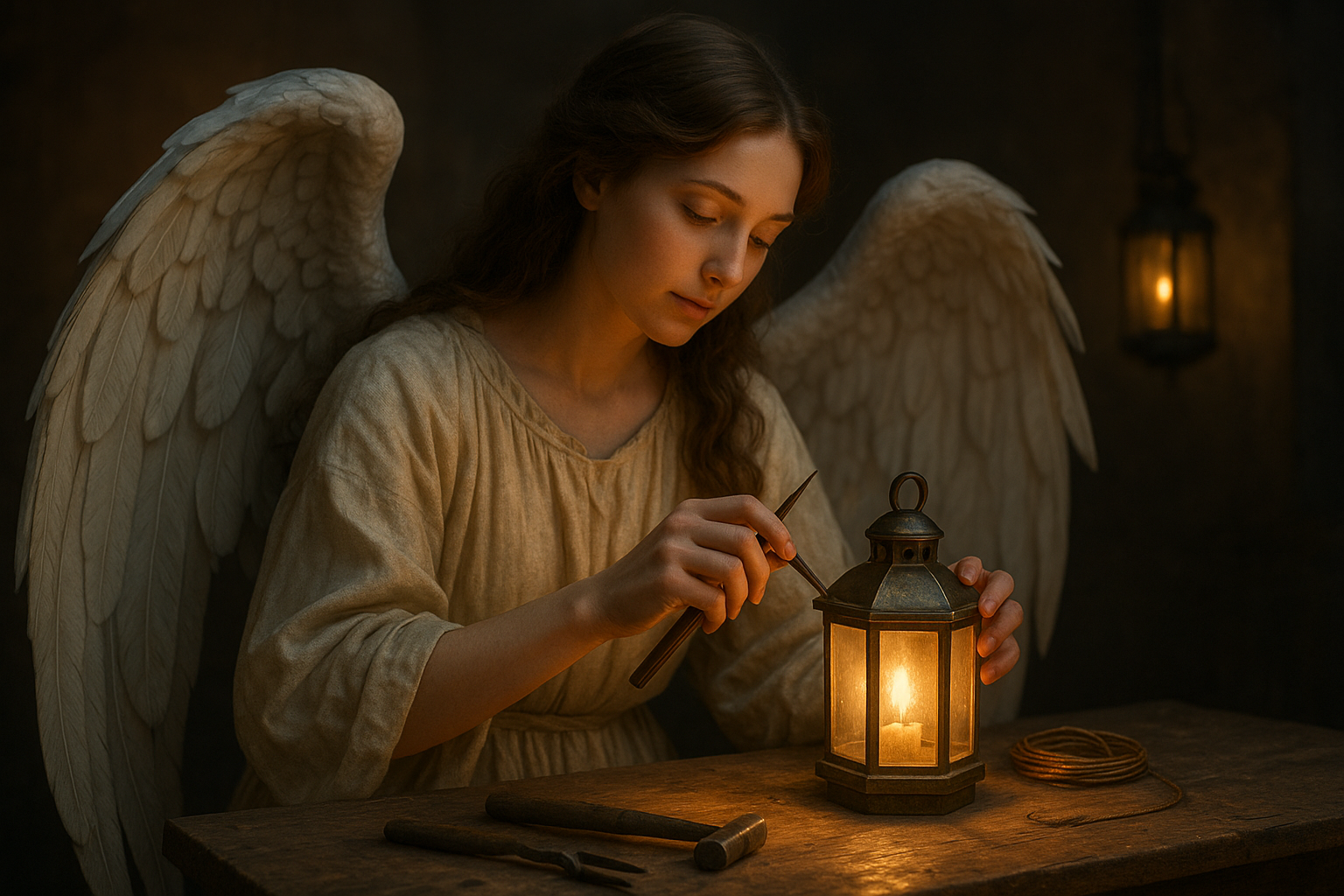
    The Winged Lantern Makers – How Angels Craft Hope

    In many religious and spiritual traditions, angels are often depicted as celestial beings tasked with various divine responsibilities ranging from protection to guidance. Among their many metaphorical occupations, the image of angels as lantern makers of hope is both compelling and profound. This article explores how the symbolic crafting of hope by angels has been a source of inspiration and solace throughout human history.

    The Symbolism of Light and Hope

    Light has long been a symbol of hope and illumination, with its use prevalent in countless religious texts and spiritual teachings. In Christianity, for instance, Jesus is often referred to as the “Light of the World,” offering salvation to mankind. Similarly, in Buddhist traditions, enlightenment itself is depicted as a luminous state of being.

    “Hope is being able to see that there is light despite all of the darkness.” – Desmond Tutu

    Angels, as divine messengers, are seen as bearers of this light, crafting lanterns of hope to guide and comfort humanity. These spiritual lanterns illuminate paths forward for those who find themselves in moments of despair or uncertainty, thus engendering a deep sense of hope.

    Historical and Cultural Perspectives

    Throughout history, the image of winged beings crafting hope is evident in various cultures:

    • Ancient Egypt: The ba-bird, depicted as a bird with a human head, was believed to be a soul bringing messages from the gods, providing glimpses of hope in the afterlife.
    • Classical Greece: The concept of Eudaimonia suggests a guardian spirit that guides individuals to fulfilment and happiness, a clear metaphorical lantern in the journey of life.
    • Christianity: Guardian angels are tasked with the protection and guidance of individuals, ensuring they remain on paths filled with divine light.

    In every culture, the function of angels as entities that bring hope beautifully aligns with their identity as divine craftsmen shaping the human experience towards optimism.

    The Craft of Creating Hope

    Creating hope, much like crafting a lantern, is an intricate process requiring both delicacy and intention. Angels, as metaphorical artisans, construct hope through:

    • Guiding Actions: By influencing decisions and guiding individuals towards positive outcomes, angels craft a framework within which hope can thrive.
    • Inspiring Thought: By instilling faith and courage within individuals, these celestial beings kindle an internal light, encouraging perseverance and resilience.
    • Healing Presence: Through their comforting aura, angels provide solace during times of distress, acting as reassuring presences that lift spirits.

    These actions illustrate the many ways in which angels metaphorically craft and sustain the light of hope within human hearts.

    Modern Interpretations and Inspirations

    In contemporary settings, the notion of angelic hope persists as a source of motivation and strength. Literature, art, and music frequently draw on angelic imagery to evoke a sense of hope and transcendence. For instance, the well-known poet Emily Dickinson eloquently stated,

    “Hope is the thing with feathers that perches in the soul—and sings the tunes without the words—and never stops at all.”

    Such expressions continue to inspire and remind individuals of the resilience and optimism embodied by the metaphorical winged lantern makers.

    Conclusion: Embracing the Light

    The allegory of angels as artisans of hope is a powerful testament to the enduring belief in spiritual guidance and the transformative power of light. Whether through ancient mythology or modern interpretations, the winged lantern makers serve as a reminder that hope is an ever-present beacon, ready to illuminate our paths. As we navigate the complexities of life, we are urged to welcome this divine light, trusting that it will guide us through the shadows and into a future defined by possibility and promise.

    Ultimately, the angels’ lanterns burn brightly not merely in celestial realms but within each of us, igniting an unending flame of hope that defies the darkness.

  • The Halo Lantern – Crafting Light for the Darkest Days

    The Halo Lantern – Crafting Light for the Darkest Days

    In a world perpetually shrouded by darkness, the Halo Lantern emerges as a beacon of hope. Designed with cutting-edge technology and imbued with the inspiration of ancient fires, the Halo Lantern is more than just a source of light; it is a symbol of human resilience and creativity.

    Origins and Design Philosophy

    The Halo Lantern project began as an ambitious venture by a group of astrophysicists and designers who sought to combat the long stretches of darkness endured in the polar regions of Earth. “We wanted to create something that not only illuminates physical spaces but also uplifts the human spirit,” said Dr. Lana Torvald, lead scientist on the project, during an interview with Science & Technology Magazine.

    Inspired by the simplicity of the traditional lantern and powered by solar energy, the Halo Lantern combines elegance with function. Its sleek, circular design allows it to emit an even, diffused glow that mimics the natural rays of the sun.

    Features and Technological Innovations

    • Adaptive Lighting: The Halo Lantern automatically adjusts its brightness according to ambient light conditions, providing just the right amount of illumination.
    • Long-lasting Power: Equipped with high-efficiency solar panels and a robust battery, it can store enough energy to last through 48 hours of continuous use.
    • Eco-friendly Materials: Constructed using recycled metals and biodegradable polymers, it reflects a commitment to sustainability.
    • Wireless Control: Users can manage multiple Halo Lanterns from a single device, tailoring the ambiance of their environment with just a touch.

    Impact and Reception

    The reception to the Halo Lantern has been overwhelmingly positive.

    “In our darkest moments, finding a way to light up not just our surroundings but also our hearts is crucial. The Halo Lantern does exactly this—it’s a marvel of engineering and empathy,”

    remarked Jocelyn Ambrose, a climate researcher, during a panel discussion on sustainable technologies.

    Available in various styles and colors, the Halo Lantern is already being adopted by communities in need, from the Arctic Circle to urban centers where light pollution solutions are essential. Its ability to function both as a brilliant luminaire and a subtle mood enhancer makes it a versatile tool in modern living.

    As we venture further into uncertain times, innovations like the Halo Lantern remind us of the profound possibilities that arise when science, design, and the human spirit intersect. It is not just light for the physical expanse but a guide through the darkest days of our inner realms.

  • The Hollow Lantern: Guides to Ephemeral Light

    The Hollow Lantern: Guides to Ephemeral Light

    In the realm of illumination, where the interplay between light and shadow crafts our perception of the world, the concept of the hollow lantern emerges not just as a metaphor but as a vital guide to understanding ephemeral light. Hollow by definition implies an emptiness, perhaps a void, yet when paired with the notion of a lantern, it evokes an intriguing juxtaposition—a vessel for holding light without being bound by its own solidity.

    Origins of the Hollow Lantern

    The idea of the hollow lantern transcends geographical and cultural barriers, resonating across various traditions from ancient Japan to modern artistic endeavors. Its inception can be traced to the Chōchin, a traditional Japanese lantern made of a bamboo frame covered with paper or silk. The Chōchin is both a practical and artistic device that encapsulates the essence of fleeting light.

    “The Chōchin, with its delicate paper walls, is a beautiful metaphor for the fleeting nature of life itself, casting a soft glow that is as temporary as a cherry blossom.” — Japanese Lifestyle

    This lantern, hollow yet capable of hosting a flame, represents the balance between utility and aesthetics—a theme that continues to inspire contemporary designers and philosophers alike.

    The Aesthetic and Functional Paradigm

    Modern interpretations of the hollow lantern reflect a profound understanding of light as an ephemeral force. Designers in the fields of architecture and art often leverage this concept to evoke emotional responses and alter perceptions of space.

    • In Architecture: Architects often incorporate open frameworks and translucent materials into structures, allowing natural light to permeate and transform spaces at different times of the day.
      Example: The Maison de Verre (House of Glass) in Paris, which uses glass blocks to diffuse daylight, creating an ever-changing interior environment.
    • In Art: Artists experiment with installations that utilize shadows and light projections, crafting experiences that are as temporal as they are tangible.
      Example: Olafur Eliasson’s installations that challenge viewers to reconsider their interaction with light, space, and time.

    The Science of Ephemeral Light

    Beyond its aesthetic allure, the science behind ephemeral light offers insights into the physics of luminescence, reflection, and refraction. Light behaves in curious ways when it interacts with hollow structures, leading to phenomena such as:

    • Diffusion: Light spreads out when passing through a medium, as in the case of paper or fabric lanterns, creating a soft glow.
    • Reflection and Refraction: Light can bounce within hollow shapes, bending and twisting to create unexpected patterns on surrounding surfaces.

    Such effects are not only visually captivating but also essential in applications ranging from photography to optical engineering, where control over light’s behavior can lead to technological innovations.

    Philosophical Perspectives

    The hollow lantern can also be seen as a symbol of the philosophical balance between emptiness and existence. It embodies the Zen principle of mu (nothingness), a concept central to understanding the nature of the universe:

    “When your mind is empty of thoughts, it reflects all. This is the Zen state of mind.” — Zen proverb

    This state of reflective emptiness is mirrored in the structure of the hollow lantern, which, though physically empty, becomes the perfect vessel for holding and displaying light.

    Guiding Through Ephemeral Light

    For centuries, lanterns have been used as guides both literally and symbolically, illuminating paths through darkness and uncertainty. The hollow lantern, with its transient light, serves as a guide in our ephemeral journeys, offering:

    • Spiritual Guidance: Rituals across various cultures use hollow lanterns in festivals and ceremonies, marking transitions and celebrating the impermanent nature of life.
    • Cultural Significance: Lantern festivals worldwide, from China’s Lantern Festival to Thailand’s Loy Krathong, showcase the timeless appeal of light in hollow vessels to unify and inspire communities.
    • Environmental Awareness: As design shifts towards sustainability, the hollow lantern symbolizes eco-friendly lighting, using minimal resources to achieve maximum aesthetic and functional impact.

    Conclusion

    The hollow lantern stands as a testament to the delicate interplay between light and darkness, presence and absence, permanence and transience. As guides to ephemeral light, they challenge us to rethink our perspectives on illumination, inviting us to explore the subtleties of both our physical and metaphysical environments. Embracing their simple yet profound design, we find a deeper connection to the ephemeral beauty that surrounds and permeates our world.

    In the end, the hollow lantern, much like the light it holds, reminds us that it is not the source of illumination that matters, but the way it shapes our experience of the world.
  • Lanterns in the Fog: Urban Legends Revisited

    Lanterns in the Fog: Urban Legends Revisited

    You need to be logged in to view this content. Please . Not a Member? Join Us