Tag: light

  • Night Windows: Photography of Liminal Hours

    Night Windows: Photography of Liminal Hours

    The world at night transforms into a canvas of shadow and light, offering a unique perspective to those who dare explore its depths. Night photography captures this ethereal beauty, portraying the hidden narratives that unfold during the liminal hours—the moments between dusk and dawn when the ordinary becomes extraordinary.

    The Allure of Night Photography

    Nighttime has long captivated artists and photographers alike. Its appeal lies in the mystery and magic that come alive when the sun sets and artificial lights begin to play their role. According to the renowned photographer Michael Kenna, “I find that the atmosphere at night is more otherworldly and mysterious, with the best possibilities for creative compositions.”

    Exploring night photography allows for experimenting with long exposures, light trails, and the interplay of natural and artificial lighting. These techniques bring an element of unpredictability and surprise, making each shot unique.

    Capturing the Liminal Space

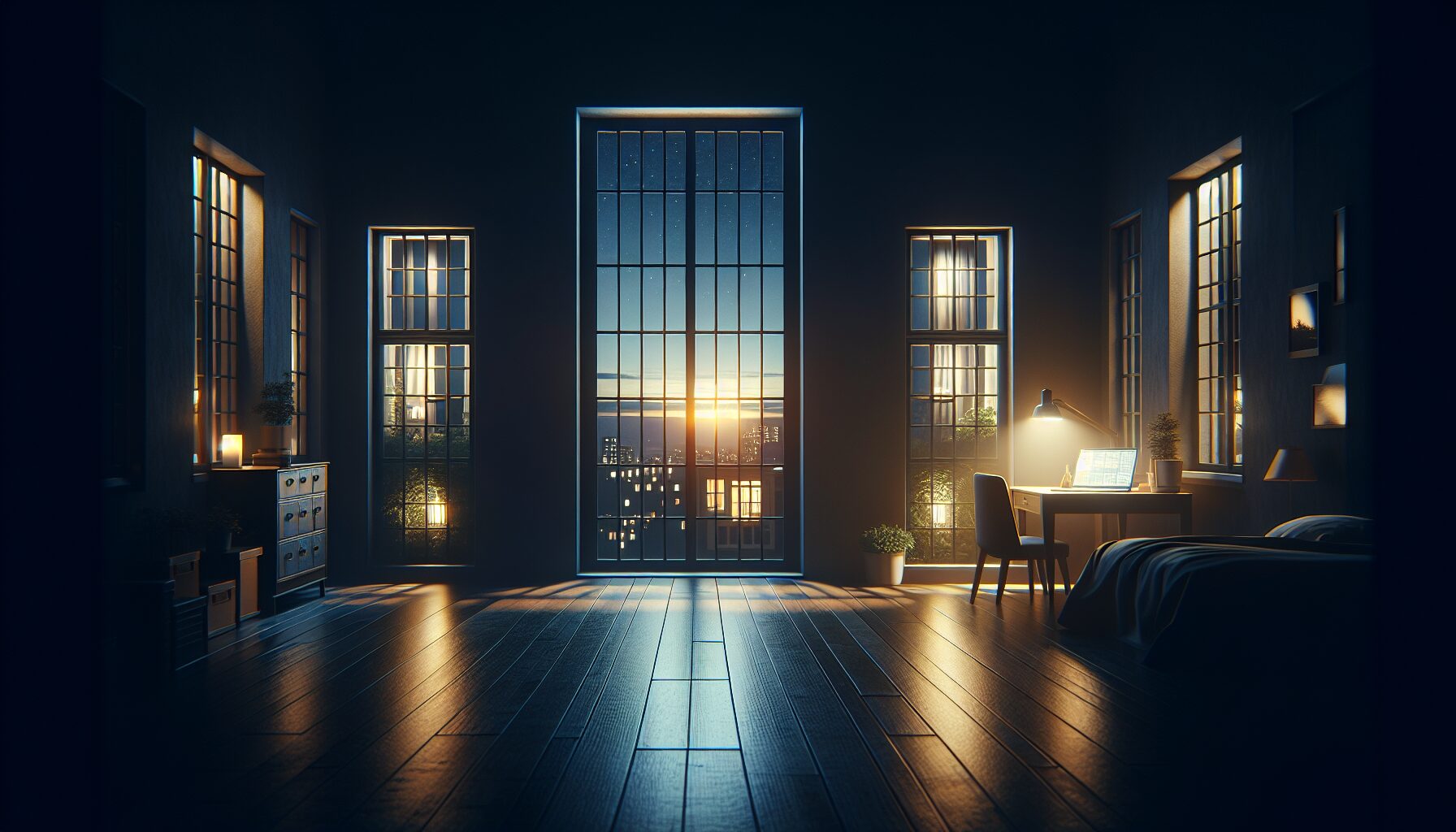
    The term liminal refers to an in-between or transitional space. In photography, capturing these in-between moments can evoke a strong sense of emotion and narrative. Night windows offer glimpses into these spaces—a peek into worlds that are normally hidden in daylight.

    “Photography is an immediate reaction, drawing is a meditation,” said Henri Cartier-Bresson. Night photography combines these elements, demanding both spontaneity in capturing fleeting moments and careful planning to manipulate light and shadow.

    • Technical Challenges: Night photography requires mastering technical aspects like ISO settings, aperture, and shutter speed to successfully navigate low-light situations.
    • Creative Opportunities: The night offers enchanting opportunities to capture elements like star trails, moonlit landscapes, and urban scenery bathed in neon.
    • Philosophical Themes: Liminal hours evoke a sense of introspection, tapping into themes of solitude, introspection, and existentialism.

    Iconic Night Photographers and Their Work

    Many photographers have made their mark by exploring the night. Here are a few who have excelled in capturing the spirit of liminality:

    • Brassaï: Known for his striking black and white captures of Paris nightlife in the 1930s, Brassaï’s work illuminated the character and mood of the city after dark. His collections, notably Paris de Nuit, showcase the allure and mystique of night photography.
    • Michael Kenna: A contemporary master, Kenna’s ethereal landscapes often depict serene, minimalist scenes. His work usually involves long exposures lasting hours, capturing the essence of places over time.
    • Fan Ho: The nighttime streets of Hong Kong became the muse for Ho, whose work brings to life the drama of urban environments and the poignant solitude of metropolitan nightscapes.

    Techniques for Capturing Night Windows

    To achieve captivating night photographs, photographers must embrace both simplicity and experimentation. Here are essential techniques to consider:

    • Long Exposure: Allows for the inclusion of movement, such as clouds or traffic, blurring them into a soft, dreamy effect.
    • High ISO Settings: Though it can introduce noise, a higher ISO is often necessary to capture a reasonably lit image. Balancing noise reduction in post-processing is key.
    • Wide Apertures: Letting in more light helps with exposure in dark scenes, while providing a shallow depth of field that isolates subjects for dramatic impact.
    • Tripod Use: Stabilizes the camera during longer exposures, preventing blur and ensuring composition accuracy.

    Conclusion: Embracing the Unknown

    Night photography is not simply about taking pictures after dark. It’s an exploration of the unknown, a journey into the in-between spaces where day meets night. Night windows offer a unique glimpse into these spaces, revealing the hidden worlds that thrive when most are asleep.

    As you delve into the liminal hours with your camera, remember to cherish the quiet moments, embrace the challenges, and capture the beauty found in shadows and light. Each photograph taken during these hours is a testament to the magic and mystery that the night holds.

    Embrace your curiosity and let the night guide your lens into uncovering the stories waiting to be told. The world at night is yours to explore—one frame at a time.

  • Dust and Light: Photography of Decay

    Dust and Light: Photography of Decay

    You need to be logged in to view this content. Please . Not a Member? Join Us
  • Lanterns and Ash: Night Photography Series

    Lanterns and Ash: Night Photography Series

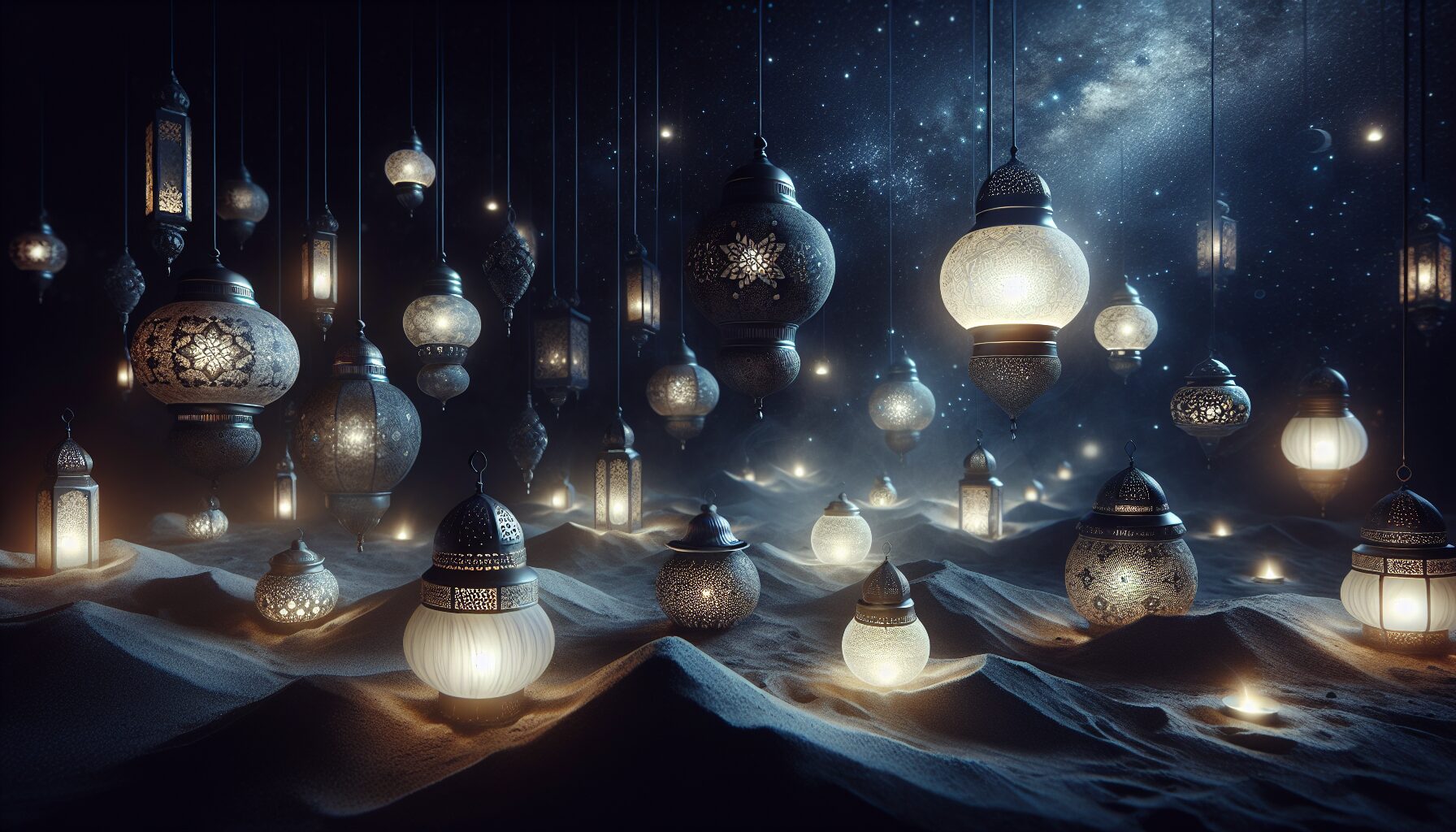
    In the hushed stillness of the night, a new realm of photography unveils itself, where shadows dance and light becomes the protagonist. “Lanterns and Ash,” a stunning nighttime photography series, captures this enigmatic domain with unparalleled elegance and poise.

    The Art of Night Photography

    Night photography is an art form where creativity meets the technical mastery of capturing light in low exposure settings. For centuries, photographers have been enchanted by the allure of the night. As the sun sets and the world grows darker, the landscapes transform, unveiling patterns and shapes hidden from the daylight’s gaze.

    Lewis Hine once articulated the profound allure of capturing the unseen:

    “If I could tell the story in words, I wouldn’t need to lug around a camera.”

    “Lanterns and Ash”: The Series

    In “Lanterns and Ash,” the photographer Emily Hart infuses her images with depth and emotion through an ethereal interplay of light and shadow. The series takes the observer on a visual journey through deserted city streets, serene countryside landscapes, and luminous, star-lit skies. Her pieces display a mastery over the elusive art of manipulating exposure and angles.

    “Photography is the story I fail to put into words.” – Destin Sparks

    • Deserted City Streets: Through creative use of streetlights and car headlights, Hart transforms urban stillness into a vibrant narrative of light and architecture.
    • Country Landscapes: The placid glow of lanterns placed amidst grassy fields evokes a sense of calm and tranquility.
    • Star-lit Skies: By embracing long exposure techniques, the series captures the splendor of the celestial realm, displaying stars as brushstrokes across a canvas of night.

    Technical Mastery

    Successful night photography demands not only an artistic eye but also profound technical understanding. Hart employs various tools and techniques—tripods for stability, wide-aperture lenses for capturing maximum light, and sometimes post-processing to enhance the images without losing their inherent authenticity. Photography Talk emphasizes that, “Nighttime photography is all about light—and the lack thereof.”

    “Lanterns and Ash” is not merely a photo series; it is a visual poem that captures the nocturnal world’s beauty, mystery, and emotion. This series reminds us that the night, while cloaked in darkness, is alive with stories waiting to be told through the lens of a camera.

  • The Light Beneath the Floorboards

    The Light Beneath the Floorboards

    You need to be logged in to view this content. Please . Not a Member? Join Us
  • Veins of Light: Exploring Abandoned Sacred Spaces

    Veins of Light: Exploring Abandoned Sacred Spaces

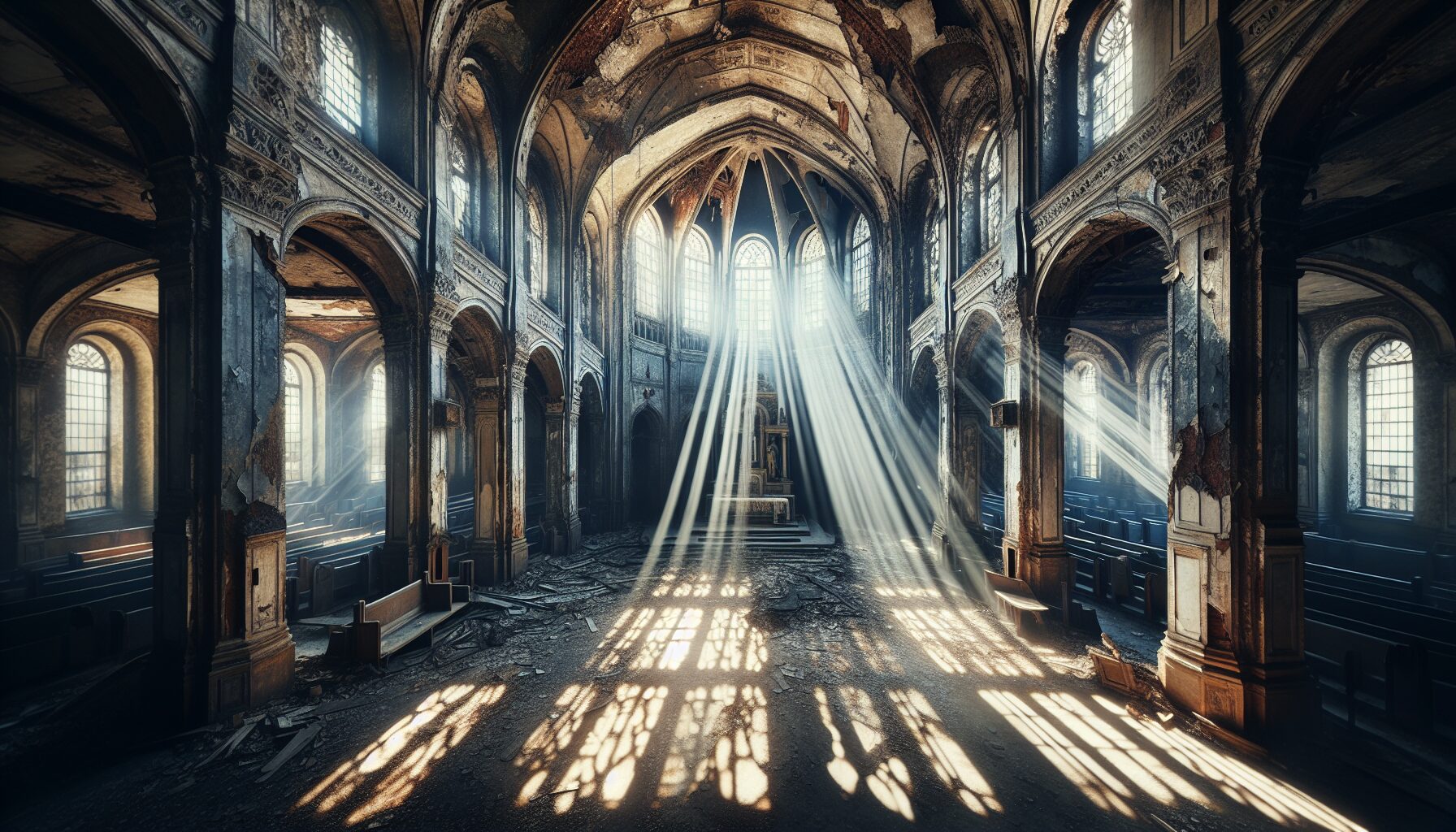
    Across the world, abandoned sacred spaces stand as haunting, yet beautiful relics of the past. These forgotten churches, temples, and shrines tell stories of communities that once gathered in worship, drawn together by shared beliefs and a common reverence for the divine. While the echoes of sacred chants have faded, these spaces are now filled with a new kind of allure, characterized by silence, decay, and a poetic interplay of light and shadow.

    “These abandoned churches, temples, and synagogues form a rich tapestry of architectural and cultural history, where nature and neglect collaborate in poignant serenity.”
    — Art Historian Susan Fisher

    Many of these buildings, though neglected, continue to captivate photographers, historians, and explorers alike. Here lies the unique aesthetic of impermanence—a reminder of the past’s grandeur reflected in crumbling frescoes and overgrown sanctuaries. As the sunlight filters through broken stained glass windows, it creates a stunning spectacle, transforming dust into specks of life momentarily suspended in mid-air.

    The Intersection of Nature and Human Craft

    Abandoned sacred spaces illustrate an extraordinary union between natural reclaim and human craftsmanship. Consider the Church of San Rocco in Venice, Italy, now overtaken by lush greenery which weaves itself through the wrought-iron gates and cracks in the walls. Similarly, in the French countryside, the Abbey of Saint-Evroult stands open to the elements, yet somehow retains a sense of its former sanctity.

    • Architectural Details: Ornate stonework and delicate tracery adorn these spaces, often surviving the ravages of time and acting as a testament to the artisans’ skills.
    • Natural Reclamation: Flora thrives in the humid, shadowed crevices, merging architecture with wilderness.
    • Historical Significance: Each site is a living archive, offering insights into historical cultural practices and religious rituals.

    A Modern Pilgrimage

    For contemporary visitors, exploring these sites often becomes a modern pilgrimage—a journey to experience the profound quiet and contemplative atmosphere that prevails in the absence of active worship. The abandoned church of St. George in the Czech Republic, for instance, with its eerie rows of ghostly statues, serves as both art and reminder of mortality, compelling those who enter to reflect on the larger existential questions.

    As these spaces slowly succumb to nature’s embrace, they offer a fleeting opportunity to touch the divine—in the undisturbed tranquility, in the whispers of the past, and in the veins of light that illuminate their sacred corridors.