Tag: like

  • Shadowed Corridors: Exploring Abandoned Places

    Shadowed Corridors: Exploring Abandoned Places

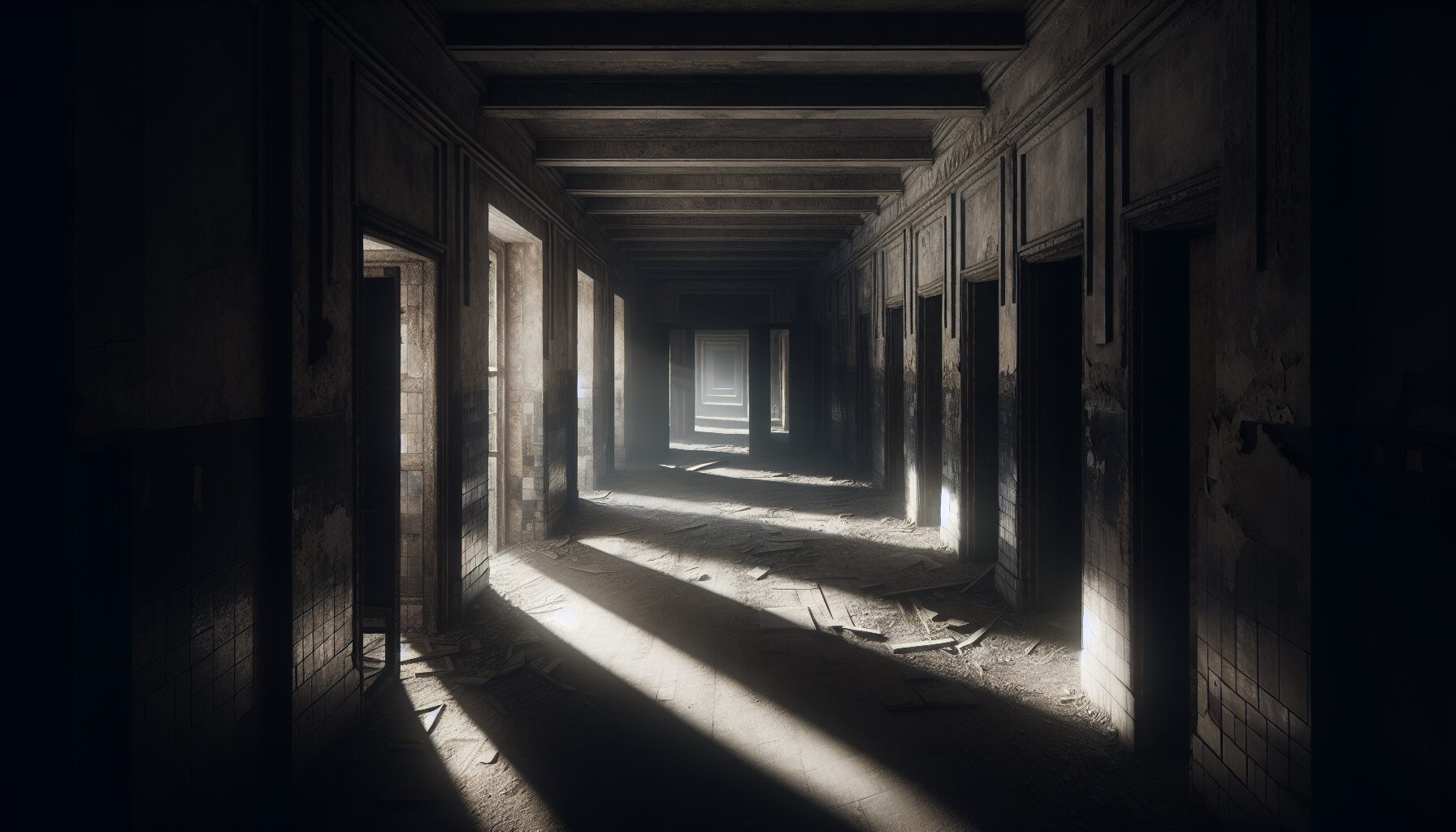
    There is a captivating allure in the abandoned, a silent testimony to the passage of time and the enduring legacy of human ambition. From forgotten factories to deserted theaters, these shadowed corridors tell stories of both past vibrancy and sudden desolation. In this article, we delve into the enigmatic world of abandoned places, exploring their history, charm, and the whispering echoes of the lives that once animated them.

    The Fascination with Abandoned Places

    The allure of abandoned sites often stems from their mysterious nature. According to The Atlantic, these spaces provoke a blend of curiosity and nostalgia. “There’s something hauntingly beautiful about places that have been left to the mercy of time,” notes urban explorer John Willard, “They are snapshots of a world that, in its haste to move forward, forgot to bring everything along.”

    Historical Narratives Encased in Ruins

    Each abandoned place has a story to tell. Take, for instance, the haunting halls of the Pripyat in Ukraine, left deserted after the Chernobyl disaster in 1986. Once a vibrant, burgeoning city, it now stands as a chilling reminder of the catastrophic implications of nuclear power gone awry. The town’s faded Soviet murals and decaying amusement park rides stand as poignant relics of the past.

    Similarly, the urban decay of Detroit tells a tale of industrial decline. Once a thriving hub, the decline of the American automobile industry left a landscape dotted with abandoned factories and homes. In some ways, the remains of these buildings serve as a stark canvas upon which the narrative of economic shifts and societal changes can be read.

    Exploration: A Journey through Decay

    For urban explorers, known as “urbexers,” stepping into these places is much more than an adventure—it’s a pilgrimage. They are drawn to the aesthetic of decay, where rust and ruin coalesce into unexpectedly stunning art forms.

    “The beauty of abandonment is its raw vulnerability,” says photographer Laura Iverson. “Each visit feels like a whispered secret between the walls and me.”

    • Infrared Photography: Some explorers use infrared photography to capture the eerie, otherworldly beauty of these sites, further enhancing their mysterious allure.
    • Videography: Others create haunting documentaries that chart their explorations, aimed at preserving these places in digital eternity.

    Safety and Legal Considerations

    Despite their appeal, abandoned places can be fraught with danger. Unstable structures, hazardous materials, and unauthorized access are real concerns. Explorers are often reminded of the motto “Take only pictures, leave only footprints.” It is essential to research and adhere to local laws, as trespassing can result in significant fines or penalties.

    Moreover, safety gear is indispensable. Wearing sturdy boots, gloves, and sometimes respirators can protect against potential hazards such as asbestos and sharp debris. Utilizing flashlights and reliable communication devices can help navigate these often dimly-lit, expansive places.

    The Cultural Impact of Abandonment

    Abandoned places have also left an indelible mark on pop culture. Movies like “28 Days Later” and series like “The Walking Dead” use abandoned urban settings to evoke a sense of foreboding and isolation. These representations tap into the universal fear of what could be lost, as well as the dystopian allure of what might arise from the ashes.

    Moreover, literature and art persist in exploring these themes, using ruins as metaphors for fallen empires, lost civilizations, and forgotten dreams. Sites like Detroit and Pripyat feature prominently in exhibitions and photography books that aim to capture their unique blend of beauty and desolation.

    Preserving the Past

    Efforts are increasingly being made to preserve some of these spaces as historical sites and museums. The crumbling remains of old buildings are seen not just as relics of failure but as opportunities for renewed cultural engagement and learning.

    The Plymouth Cordage Company in Massachusetts, once one of the largest rope manufacturers in the world, now serves as a rejuvenated commercial space while maintaining its historical charm. Similarly, the ghost towns of the American West, though silent, speak volumes about the dreams and hardships of the country’s early settlers.

    Conclusion

    Abandoned places are more than just deserted spaces; they are vibrant tapestries woven from stories of life, ambition, and entropy. They challenge us to ponder the impermanence of human endeavors and invite us into a dialogue with history itself. As they stand, silent yet resonant, these shadowed corridors will continue to captivate and inspire generations to explore not just with their eyes, but with their hearts and minds.
  • Mapping the Invisible: Spiritual Cartography

    Mapping the Invisible: Spiritual Cartography

    In an era where technology has mapped almost every corner of the earth, there remains a vast, unmapped expanse: the spiritual realm. Spiritual cartography explores how different cultures, faiths, and individuals conceptualize the unseen worlds surrounding and within us. This intriguing field serves as a bridge between the tangible and the transcendental, offering insights into human consciousness, beliefs, and the quest for meaning.

    What is Spiritual Cartography?

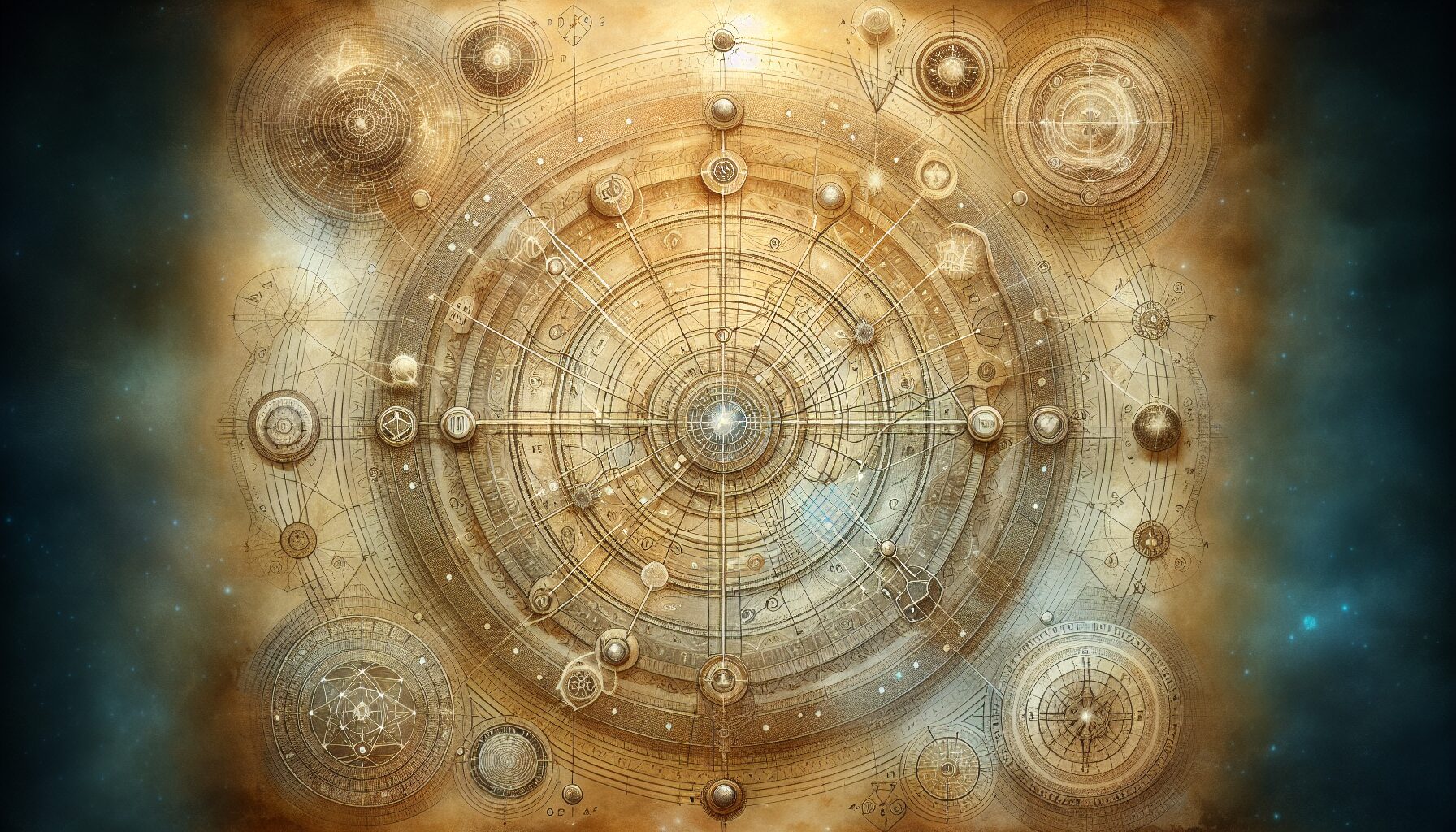
    Unlike traditional cartography, which renders geographical features on paper or digitally, spiritual cartography is an abstract discipline. It seeks to chart realms that are not visible to the naked eye yet are vividly real for those who traverse them. These maps are figurative, representing journeys through cultural myths, religious doctrines, personal introspections, and mystical experiences.

    Historical Perspectives: Tracing Early Spiritual Maps

    The idea of mapping spiritual terrains is not new. Ancient civilizations like the Egyptians, Mayans, and Greeks created maps to illustrate their beliefs about the cosmos and afterlife. The Egyptian Book of the Dead, for instance, can be seen as a form of spiritual cartography, guiding the soul through the complex geography of the afterlife to achieve immortality.

    In the realm of literature, The Divine Comedy by Dante Alighieri is a masterful exploration of the afterlife, delineating a journey through Hell, Purgatory, and Paradise. Similarly, John Bunyan’s The Pilgrim’s Progress serves as a metaphorical map for the Christian soul’s journey towards salvation.

    “Dante’s epic poem gives us more than a vision of the medieval Christian cosmos; it provides insight into the human psyche, reflecting our internal struggles, aspirations, and fears.” — Encyclopedia Britannica

    Indigenous Cultures and Sacred Geography

    Many indigenous cultures possess an intimate connection to their lands, often viewed as sacred geographies imbued with spiritual significance. These communities have crafted intricate spiritual maps, though they may not exist in a physical form.

    • Aboriginal Australians – Their conception of the Dreamtime is a spiritual map of Australia’s landscapes, embodying creation stories and guiding laws.
    • Native American Tribes – Tribes like the Navajo view their land as a living entity, with each sacred site signifying a spiritual node on their internal maps.

    Such maps emphasize the symbiotic relationship between landscape and spirituality, where geography acts as a canvas for cultural myths and spiritual practices.

    Modern Interpretations and Personal Journeys

    In contemporary times, spiritual seekers often create their personal spiritual maps. These may involve practices such as meditation, journaling, and art, helping individuals navigate their inner landscapes.

    “Meditation is akin to charting a map of one’s inner world, where each moment of insight represents a landmark in the journey towards enlightenment.” — Psychology Today

    The Role of Technology and Virtual Worlds

    The digital age presents new opportunities and challenges for spiritual cartography. Virtual reality and online platforms allow for the creation of immersive spiritual experiences, simulating journeys through spiritual realms. However, the risk of disconnecting from authentic experiences is real, prompting a need for integration of traditional wisdom with modern innovations.

    • Virtual Reality Meditation: Platforms like Headspace offer guided meditations, helping users explore their mental landscapes.
    • Interactive Storytelling: Games like Journey and Abzû create a sense of spiritual exploration and discovery through interactive, virtual worlds.

    Challenges in Spiritual Cartography

    Charting spiritual realms comes with its challenges. Unlike physical maps, spiritual maps are subjective, varying dramatically from one culture or individual to another. Their interpretation requires an openness to different belief systems and an understanding of the symbolic language unique to each faith or personal mindset.

    An essential challenge is ensuring respect for diverse spiritual practices while taking an inclusive approach toward the universal human quest for meaning and connection.

    The Future of Spiritual Cartography

    As global connectivity increases and cultural exchanges become more frequent, spiritual cartography could evolve into a more integrated discipline, blending insights from multiple traditions. Scholars, artists, and technologists may find new ways to depict the spiritual journey, offering guides for future generations seeking wisdom and solace in the unseen realms.

    Mapping the invisible is ultimately a reflection of humanity’s enduring longing to understand our place within the cosmos. As we continue to explore both outer and inner worlds, spiritual cartography remains a vital tool for navigating the mysteries of existence and embracing the invisible ties that bind us all.

    For further exploration and to dive deeper into your own spiritual journey, consider starting with resources like Mindful.org or engaging with communities that practice introspective art and meditation.

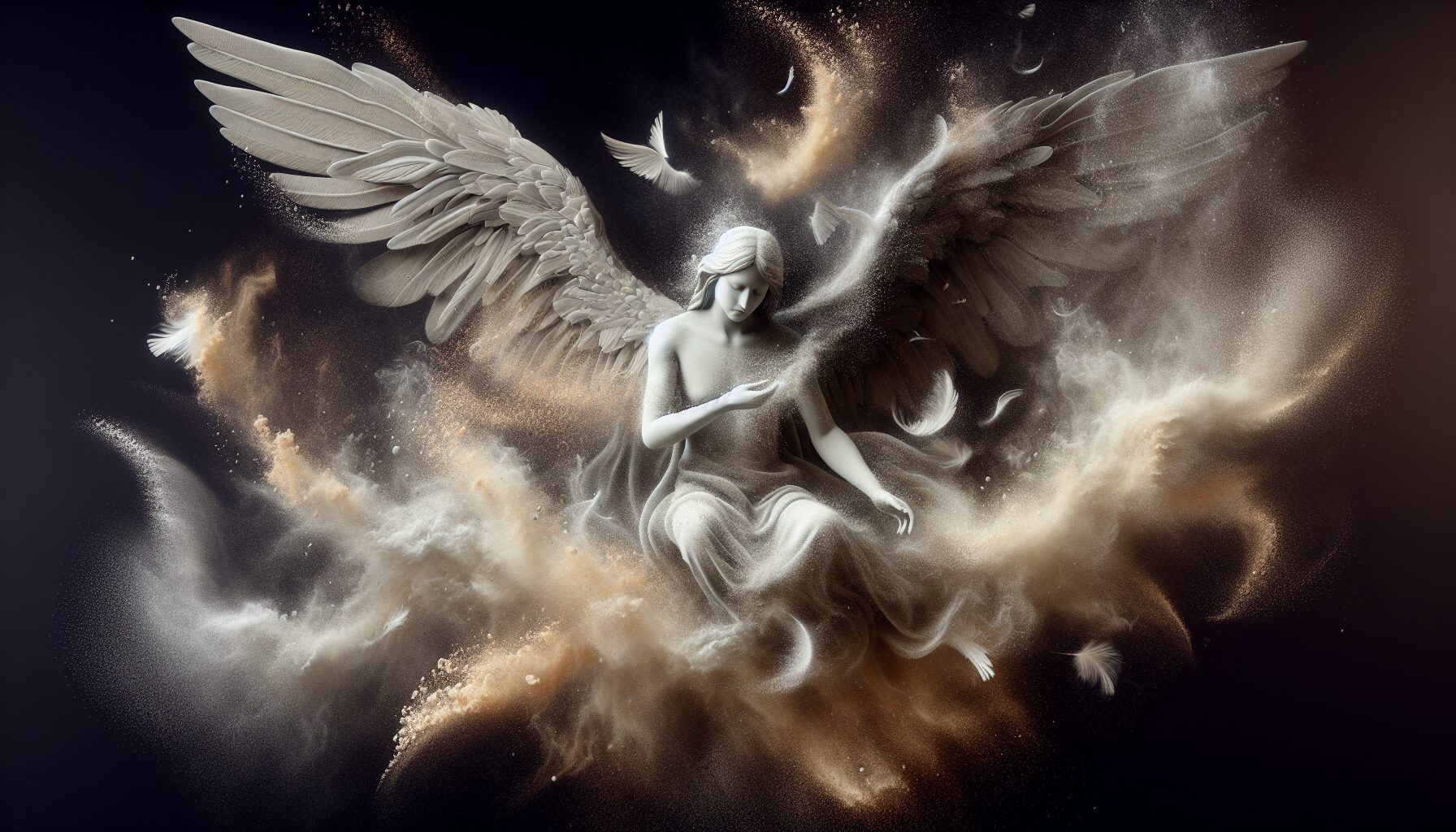
  • The Dust of Angels: Poetry and Prose

    The Dust of Angels: Poetry and Prose

    You need to be logged in to view this content. Please . Not a Member? Join Us
  • Songs from the Hollow: Experimental Music

    Songs from the Hollow: Experimental Music

    You need to be logged in to view this content. Please . Not a Member? Join Us
  • Postcards from Nowhere: Mail Art as Divination

    Postcards from Nowhere: Mail Art as Divination

    The art of communication has undergone significant transformations over the centuries, from spoken word to the digital age’s instant messages. Yet, amidst these changes, an intriguing and often overlooked form of expression persists: mail art. This unique practice blends tactile experiences with creative impulses, and in recent years, has taken on an almost mystical quality akin to divination.

    The Genesis of Mail Art

    Mail art, sometimes called correspondence art, began to emerge in the 1960s as part of the avant-garde movement. Artists sought to transcend geographic boundaries, using postal systems as their medium. According to The Metropolitan Museum of Art, “Mail art networks democratized artistic practice, embracing amateurism and accessibility.”

    This epistolary art form invites participants to exchange artworks through the mail, embodying democratized communication channels and fostering a global art community. Artists like Ray Johnson, often regarded as a pioneer of mail art, initiated the New York Correspondence School, encouraging interactions that were both intimate and public.

    Symbolism and Interpretation in Mail Art

    The essence of mail art intersects with the mystical when it serves as a vehicle for symbolic communication. The sender and receiver engage in a process that mirrors divination, where meanings are interpreted beyond their surface value. This phenomenon is reminiscent of reading tarot cards, where the cards’ imagery becomes infused with personal meaning through the querent’s perspective.

    “Art is a means of accessing that realm of communication which lies beyond the visible and tangible, offering material results imbued with the spiritual and unknowable.” – Elizabeth Finch, Artforum

    Like the tarot reader, the artist takes on the role of the diviner, crafting messages that evoke introspection. Each piece of mail art becomes a speculative clue, and its journey through the postal system infuses it with its own narrative and meaning.

    The Journey as the Message

    According to the Tate, “The emphasis in mail art is often as much on the act of communication and the journey of the object as it is on the finished artwork itself.” The element of chance inherent in this journey is akin to systems of divination like reading runes or interpreting omens. The mail art piece shifts from a mere message to a narrative shaped by its passage through hands and lands.

    The postal system becomes an oracular channel, dictating the fate of each piece. It may arrive altered, damaged, or intact; these variations and accidents yield interpretations unforeseen by the sender, enriching the work with an aura of serendipitous magic.

    Collaborative Creativity

    Mail art naturally lends itself to collaborative creativity, engaging multiple parties in the production of a single work. This collaboration can be seen as a form of collective divination, where each participant’s inputs alter the piece’s “prophecy.” Such communal creation echoes the spirit of ancient oracles, where multiple priestesses contributed to a singular vision.

    An example of this was the “Add and Pass” technique, where recipients were encouraged to add to the artwork before mailing it further. Each addition altered the original, creating a continuously evolving piece that embraced uncertainty and change, much like the continual revelations in a divinatory process.

    A Modern Renaissance

    With the rise of the digital age, mail art experienced a decline; however, the early 21st century has witnessed a revival. Artists and non-artists alike crave a return to tangible, physical exchanges amid the fleeting nature of digital communication.

    Mail art’s resurgence parallels a rekindled interest in divination and the mystical, suggesting that humans incessantly yearn for meaning beyond what is easily accessible. Platforms like Instagram and Reddit host thriving communities dedicated to mail art, providing forums for sharing, exchanging, and interpreting creations.

    Mail Art as Modern Divination

    Today, mail art continues to serve as a bridge between the mundane and the magical. Each exchange is rich with potential narratives, inviting both sender and recipient to engage in an interpretive dance akin to divining meaning from celestial constellations.

    “It’s an act of faith that your work will find its way to an audience. Like sending out a message and waiting for a reply from the universe.” – Caitlin McKenna, mail art enthusiast.

    The practice of mail art reminds us of the sacred art of waiting. In a world governed by immediacy, crafting and sending mail art can feel like planting seeds in a secret garden and trusting in the eventual bloom. This mystical patience, spurred by curiosity and the enchantment of the unknown, elevates mail art to an act of personal and communal divination.

    Conclusion

    Mail art, a beautiful intersection of creativity and mysticism, allows individuals to engage in global dialogue through personal lenses, interpreting and imbuing their creations with layers of meaning. It speaks to the human thirst for connection, the divine, and the inherent artistry of life’s random patterns.

    As we continue to navigate an increasingly virtual world, mail art remains a steadfast reminder of the magic in the tangible, inviting us to send and receive postcards from the uncharted expeditions of our own imagination.