Tag: longest

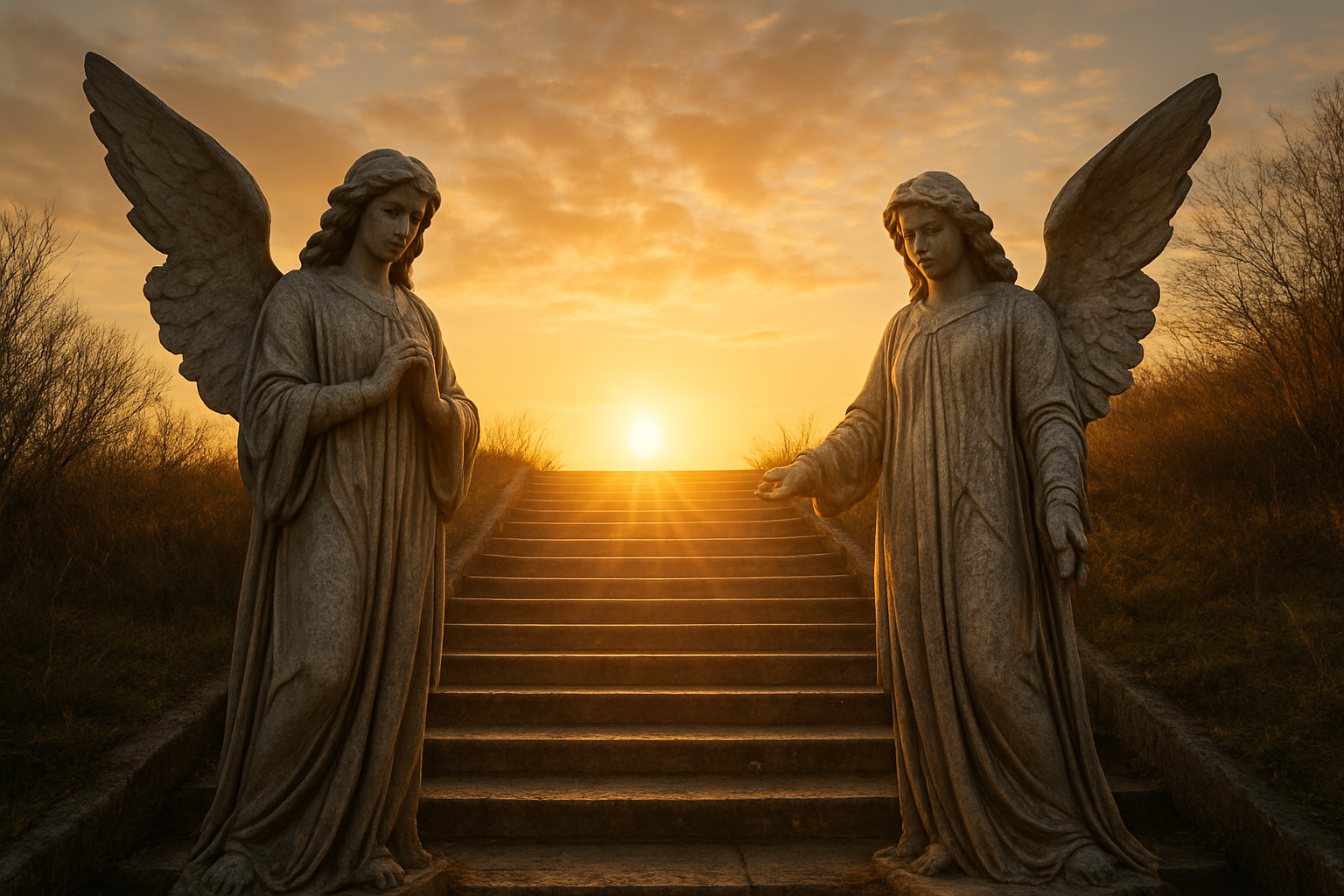
  • Angels on the Solstice Steps – Welcoming Returning Light

    Angels on the Solstice Steps – Welcoming Returning Light

    The solstice is a momentous occasion that marks the turning of the seasons—a time when celestial beings, often referred to as angels, are said to be closest to the Earth. It symbolizes a period of renewal, reflection, and the welcoming of light. This annual event is celebrated across various cultures with an array of traditions and ceremonies. Here’s a look into the magic of the solstice and the symbolic presence of angels during this time of year.

    The Solstice: A Celestial Event

    The solstice marks the point in the year when one hemisphere experiences the longest day while the other experiences the longest night. Occurring twice a year, around June 21st and December 21st, the solstice has been revered throughout history as a powerful symbol of transformation and balance.

    According to National Geographic, “The sun appears to stand still at the solstice. ‘Solstice’ comes from the Latin words sol (sun) and sistere (to stand still). That’s because it marks the point where the sun’s apparent movement north or south stops before changing direction.”

    The Symbolism of Angels

    Angels, often perceived as messengers or protectors, are symbolic of hope and guidance. Across numerous cultures and spiritual practices, angels are seen as symbols of light, offering support and reassurance. Their presence during the solstice is an emblem of the eternal cycle of light overcoming darkness.

    “Angels are believed to be with us during moments of significant change—a guiding presence as we transition through different phases of life,” says author and spiritual guide, Doreen Virtue. “In many ways, they symbolize a beacon lighting our path, just as the sun illuminates the Earth following the solstice.”

    Solstice Traditions and Celebrations

    The celebration of the solstice varies across cultures and regions, yet it universally centers around light, reflection, and new beginnings. Here are a few cherished traditions associated with the solstice:

    • Stonehenge Ceremony: Thousands gather at the enigmatic Stonehenge in England to witness the sunrise and perform rituals. The alignment of the stones with the solstice sunrise has led many to believe Stonehenge was an ancient solar calendar.
    • Yule Feast: In Pagan traditions, the winter solstice is celebrated as Yule. It is a time of feasting, gift-giving, and the lighting of the Yule log, symbolizing warmth and the rebirth of sunlight.
    • Inti Raymi: The Quechua people celebrate Inti Raymi, a homage to the Sun God in Peru. Rituals involve dancing, traditional attire, and offerings to honor the return of the sun.

    Reflecting on Light and Darkness

    The solstice also serves as a profound reminder of the duality of light and darkness, both in nature and within ourselves. The contrast between the longest night and the longest day provides an opportunity for introspection. It invites us to acknowledge the darkness, whether it manifests as challenges, fears, or struggles, and to anticipate the light—the growth, hope, and renewal that follows.

    Spiritual teacher Gabrielle Bernstein suggests, “Embrace your darkness so you can fully emerge into your light. The solstice is a divine time to honor every inch of our being and set intentions for what we wish to bring into the light.”

    Angels as Guides Through Transition

    As we stand on the solstice steps, welcoming the returning light, the presence of angels can symbolize the guidance we require during times of transition. They remind us that change, though sometimes daunting, is necessary for growth and renewal.

    According to Encyclopedia.com, “Angels are seen as the intermediaries of divine light, especially during times like the solstice when the boundary between the physical and spiritual realms is believed to be thin.”

    Conclusion: A Time for Celebration and Renewal

    The solstice encourages us to reflect, celebrate, and plan for the future while acknowledging the spiritual guardians believed to be by our side. Whether through ancient rituals, personal reflection, or gathering with loved ones, the solstice is a time to revel in the beauty of nature and the reassurance of celestial support.

    As we embrace these longer days or longer nights, let us welcome the light with open arms and invite the guiding angels to illuminate our path.
  • Halo Lantern Nights – Rituals for the Longest Winters

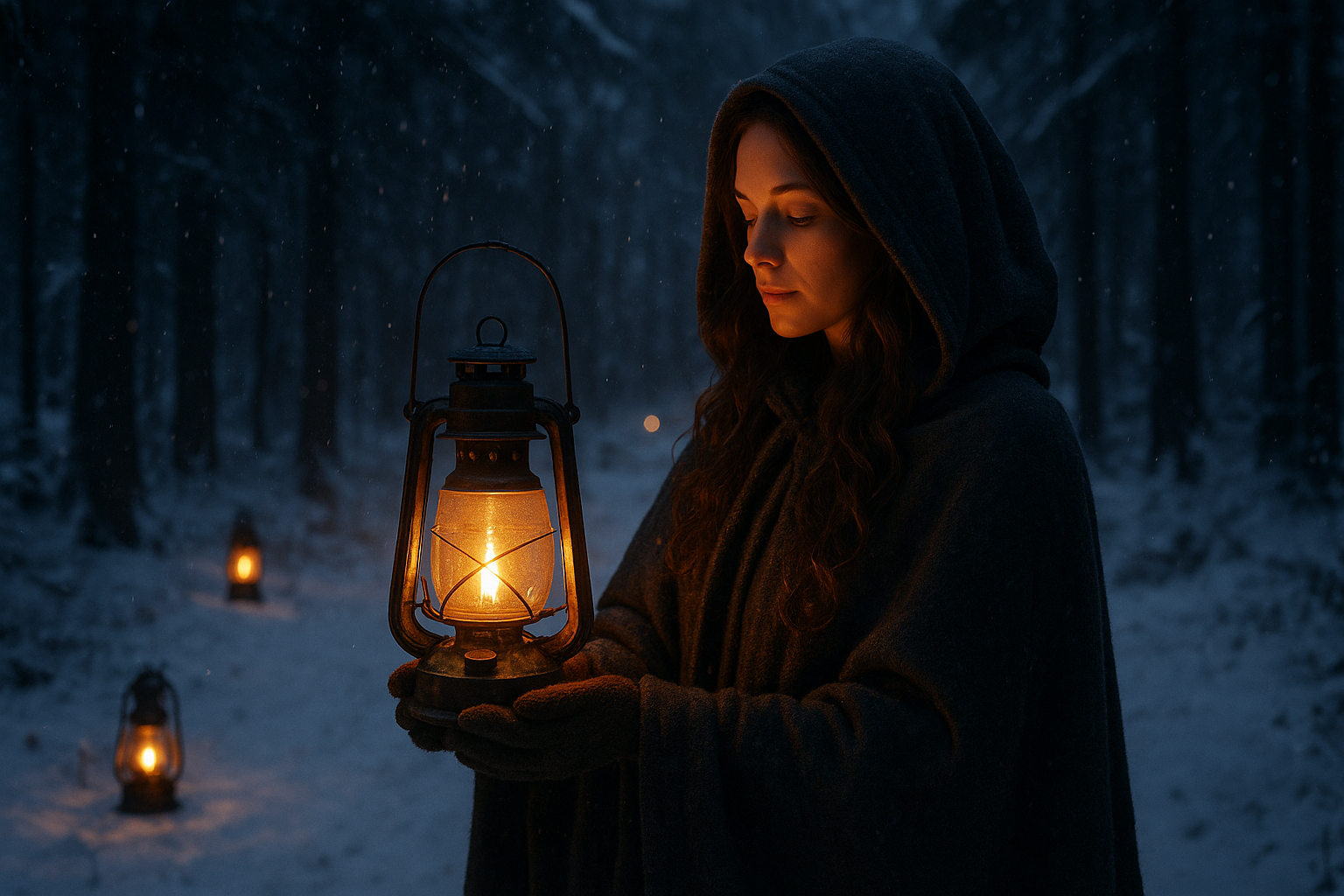
    Halo Lantern Nights – Rituals for the Longest Winters

    The chill of winter brings with it a time for reflection, community gathering, and ritual. One of the most enchanting traditions that illuminates the cold, dark months is the celebration of Halo Lantern Nights. With origins deeply rooted in ancient customs and folklore, these nights are filled with rituals designed to embrace the longest winters and welcome the rebirth of light.

    The Origins and Significance of Halo Lantern Nights

    The tradition of Halo Lantern Nights dates back centuries, evolving from various cultural practices that aimed to provide comfort and hope during the darkest days of the year. Celebrated on the longest night of winter, this ritualistic event symbolizes the intertwining of darkness and light, a cycle observed since the pagan worship of winter solstice.

    “The Halo Lantern Nights are more than just a celebration; they are a spiritual pilgrimage into the light from the depths of winter’s shadow,” says folklore expert Dr. Elizabeth Carter.

    • Historical Roots: The celebration is believed to have originated from ancient Celtic and Norse festivals, where light was used to ward off evil spirits during the longest nights.
    • Symbolism of the Lantern: Lanterns are symbolic beacons, guiding spirits home and representing hope, enlightenment, and the promise of returning sunshine.

    Modern Day Celebrations

    Today, Halo Lantern Nights are celebrated across the globe, each community adding their unique cultural spin. The ritual has been adapted to fit modern life while preserving the essence of its ancient roots.

    Lanter Making Workshops

    Leading up to the event, communities host lantern making workshops for all ages. These gatherings are not only about crafting but also about sharing stories, learning the folklore, and understanding the significance of the symbolism.

    • Materials Used: Traditional materials like paper, reed, and wax are used to create intricate designs and patterns that reflect personal stories or communal legends.
    • Art and Creativity: “The lanterns are an expression of individuality. Each one tells a story crafted through hours of careful dedication,” says lantern artist Sophie Liu, website.

    Communal Processions

    The highlight of the celebration is the lit procession. People of all ages gather with their lanterns and proceed through villages and towns, illuminating pathways and public spaces. The procession is often accompanied by local music, dance, and the recitation of ancient poems.

    • Route Details: The route often includes significant landmarks and ends at a communal gathering spot where celebrations continue.
    • Community Bonding: “This shared experience fosters unity and reinforces cultural heritage. It’s a magical sight – one that strengthens the fabric of our community,” remarks town organizer Marcus Eldridge.

    Integrating Technology and Tradition

    In the digital age, technology plays a crucial role in enhancing the Halo Lantern Nights experience. From virtual workshops to social media promotions, technology bridges the gap between tradition and multicultural outreach.

    • Virtual Platforms: With the help of platforms like Zoom or Discord, people from around the world can participate in lantern making and storytelling sessions, expanding the reach of the tradition.
    • Innovative Designs: Some modern lanterns incorporate LED lights, solar power, and even interactive features, blending tradition with innovation.

    The Environmental Impact

    As awareness grows about our environmental impact, Halo Lantern Nights have also witnessed a transformation towards sustainability. Efforts are being made to ensure that the materials used are environmentally friendly and minimize waste.

    • Sustainable Practices: Communities encourage using recycled or biodegradable materials for lanterns and decorations.
    • Eco-friendly Celebrations: “We are committed to making Halo Lantern Nights as sustainable as possible, aligning the festivity with our responsibility toward the planet,” states environmental activist Claire Jensen.

    The Cultural Influence and Legacy

    The legacy of Halo Lantern Nights extends beyond the physical celebration. It serves as a cultural touchstone that passes down values, stories, and traditions from one generation to the next.

    “This celebration is not just about what happens on the longest night; it’s an ongoing tale of human endurance, creativity, and hope,” reflects cultural historian Tomás García.

    • Educational Outreach: Many schools now incorporate the history and art of Halo Lantern Nights into their curriculums to teach children about cultural diversity and heritage preservation.
    • Intergenerational Connections: Storytelling sessions during lantern nights serve as a platform for older generations to share experiences and wisdom with the younger ones.

    Conclusion

    In embracing the cold, dark embrace of winter, Halo Lantern Nights serve as a beacon of light, embodying hope and unity. This vibrant and auspicious tradition reminds us of our shared humanity, our relationship with the natural world, and the timeless dance between darkness and light.

    As the lanterns glow through the night, they promise a new dawn and a continued journey towards the light, symbolizing both an end and a beginning—a timeless cycle intricately woven into the fabric of human culture and nature.