
Tag: meditation

  • Corpse Meditation – Facing Decay as Spiritual Practice

    Corpse Meditation – Facing Decay as Spiritual Practice

    Corpse Meditation: Facing Decay as a Spiritual Practice

    Meditation has long been revered as a pathway to inner peace and enlightenment, yet one of its more unusual and lesser-known forms involves contemplating death and decay. Known as Corpse Meditation, or Marana Sati, this practice originated in ancient Buddhist traditions and invites practitioners to engage deeply with the ephemeral nature of life.

    Understanding Corpse Meditation

    At its core, Corpse Meditation is a way to contemplate mortality by visualizing or even observing the decomposition of a body. Although the practice may seem morbid at first glance, its profound insights often lead to a greater sense of peace and acceptance of the natural cycles of life.

    “By contemplating a corpse, one learns the impermanence of life, reducing attachment and turning the mind towards spiritual growth,” notes Thanissaro Bhikkhu, a contemporary Buddhist monk and author. (Source)

    Historical Roots

    Corpse Meditation traces back to early Buddhist teachings where monks would meditate in charnel grounds. This practice is detailed in the Satipatthana Sutta, an essential discourse in the Pali Canon, where Buddha describes it as a way to develop mindfulness and the understanding of anicca (impermanence).

    • Practitioners would meditate on different stages of bodily decomposition.
    • The stages included the body bloating, decaying, and eventually turning to bones.
    • This meditation aimed at overcoming fear of death and eliminating attachment to the physical body.

    The Process of Corpse Meditation

    The practice of Corpse Meditation can be done in both physical settings—such as a certified retreat—and through guided imagery in personal spaces. The meditation involves several stages:

    • Visualization: Practitioners visualize a lifeless body going through various stages of decay.
    • Reflection: Each stage is reflected upon with understanding and acceptance of the inevitability of death.
    • Mindfulness: The meditator remains present with sensations and emotions, observing their transient nature.

    In some traditional settings, practitioners might actually meditate in morgues or places where bodies naturally decompose, an experience that provides a direct confrontation with death.

    The Psychological and Spiritual Benefits

    While confronting death might sound alarming, many find profound benefits in the practice:

    • Reduced Fear of Death: By repeatedly exposing oneself to the concept of decay, practitioners often report a diminished fear of their own mortality.
    • Decreased Attachment: Understanding the transient nature of the body helps reduce attachment to material possessions as well.
    • Heightened Mindfulness: The intense focus on present moment reality strengthens overall mindfulness and mental clarity.

    Robert Thurman, a scholar of Buddhism, mentions, “Coming face to face with death can bring a unique and profound awakening that life is fleeting. This realization can instill a renewed urgency to live authentically and lovingly.” (Source)

    Challenges and Considerations

    Despite its deep benefits, Corpse Meditation can be challenging and isn’t suitable for everyone. Those interested should proceed with caution and guidance:

    • Emotional Reactions: Some might find the practice triggering or overwhelming, particularly if they have unresolved grief or fear associated with death.
    • Guidance Required: Beginners are encouraged to seek guidance from experienced meditation teachers.
    • Personal Readiness: It’s critical to assess one’s comfort level with the practice’s themes before engaging deeply.

    Peter Harvey, an expert in Buddhist studies, warns of the intensity of the practice, stating, “This meditation requires mental fortitude and should be approached with sensitivity and respect for one’s emotional boundaries.” (Source)

    Modern Adaptations and Alternatives

    In today’s context, Corpse Meditation has been adapted for various cultures and spiritual practices, integrating modern therapeutic techniques to address its challenging aspects:

    • Yoga and Mindfulness: Practices such as Savasana in yoga can incorporate elements of Corpse Meditation by allowing relaxation and reflection on the body’s stillness.
    • Guided Imagery: Audio guides and virtual retreats offering gentle introductions to the practice are becoming popular.
    • Therapeutic Approaches: Psychotherapists may use death-related meditative techniques to help clients work through existential anxiety.

    Conclusion: Embracing Life Through Death

    Though unconventional, Corpse Meditation provides a transformative lens through which to view life and death. By facing decay, meditators not only diminish the fear of their own mortality but also cultivate a deeper appreciation and acceptance of life’s impermanence. Through mindful reflection, one can unlock profound spiritual insights, leading to a more authentic and fulfilled existence.

    In a society often in denial about death, embracing the practice of Corpse Meditation invites a foundational shift in perspective—one that acknowledges the beauty and necessity of both life’s beginning and its inevitable end.

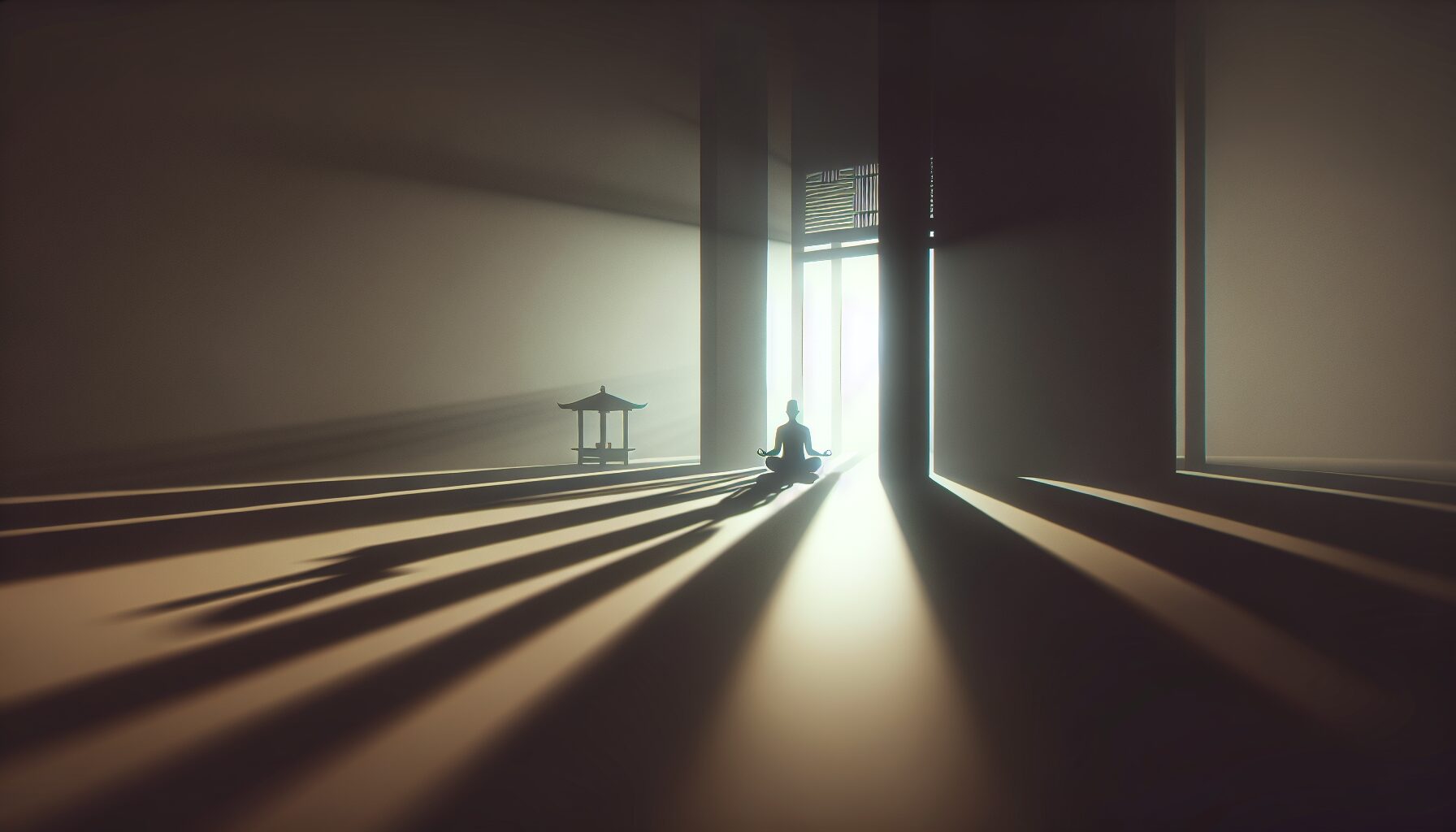
  • Twilight Meditations – Practices for Inner Darkness

    Twilight Meditations – Practices for Inner Darkness

    Twilight Meditations – Practices for Inner Darkness

    Twilight Meditations – Practices for Inner Darkness

    The concept of twilight meditations delves deep into harnessing the power of the inner darkness to find clarity and peace. Beyond the visual darkness of night descends a metaphorical darkness that invites introspection, healing, and transformation.

    Understanding Inner Darkness

    Inner darkness is a realm where the conscious mind meets its shadow, unveiling emotions and thoughts we often suppress. Carl Jung, a prominent Swiss psychiatrist, explained, “Everyone carries a shadow, and the less it is embodied in the individual’s conscious life, the blacker and denser it is” [Goodreads]. Approaching this shadow with meditation, we confront and embrace the parts of us that are integral to our whole existence.

    Practices for Embracing the Darkness

    Here are several meditation practices designed to guide you through your inner twilight:

    • The Candlelight Meditation
      • Set a single candle in a darkened room.
      • Focus your gaze on the flame, allowing its light to represent your conscious mind and the enveloping darkness to symbolize the subconscious.
      • Breathe deeply and visualize the interplay of light and dark within your mind.

      This meditation aids in understanding how fleeting and defined our awareness can be amidst the vast, undefined expanse of our subconscious.

    • Mindful Shadow Walking
      • Take a slow walk at dusk.
      • As shadows grow, reflect on aspects of your life that remain in the shadows of your awareness.
      • Ask yourself questions about these shadow elements and allow answers to surface without judgment.

      This practice can lead to profound insights into dormant areas of your life and help bring them into the light of awareness.

    • Imaginal Dialogue
      • During deep meditation, visualize a dialogue with an aspect of your inner darkness.
      • This can be a feeling, a recurring thought, or a past trauma.
      • Engage it in conversation to understand its origin and purpose.

      Conversations with your shadows can reveal motivations and offer peace where there was once conflict.

    The Benefits of Twilight Meditation

    The practices of twilight meditation open doors to understanding and transformation.

    • Self-acceptance: By embracing our imperfections, we cultivate compassion for ourselves.
    • Emotional Balance: Regular confrontation with our shadows helps in maintaining emotional equilibrium.
    • Enhanced Creativity: The darkness can spark creativity by pushing boundaries of conventional thinking.

    In order for the light to shine so brightly, the darkness must be present.” – Francis Bacon

    Navigating the Challenges

    Exploring inner darkness can be daunting. It requires courage and preparedness. Here are some tips:

    • Start Small: Begin with a few moments each day, gradually increasing as comfort grows.
    • Seek Guidance: Sometimes, guided meditations or a meditation coach can provide necessary direction and support.
    • Embrace Vulnerability: Allow yourself to be vulnerable. It’s a step towards healing and acceptance.

    Conclusion

    Twilight meditations offer a path into the profound depths of our psyche. By acknowledging and interacting with inner darkness, we come to a place of healing and self-awareness. As Rumi beautifully put it, “The wound is the place where the Light enters you” [BrainyQuote]. In meditative twilight, we find the potential for inner growth and serenity.

    By embracing the night within us, we transform it from an intimidating void into a nurturing space of discovery and renewal.

  • Ash and Silence – Meditative Practices in Shadow

    Ash and Silence – Meditative Practices in Shadow

    In a universe where the sentinels of light often overshadow their quieter counterparts, the practices of shadow meditation emerge as a path of introspection and balance. These ancient traditions, hushed in the echoing silence of cosmic abysses, allow practitioners to explore the hidden corners of their psyche, bringing harmony between light and dark.

    The Origins of Shadow Meditation

    While the practice of meditation has roots stretching far across different cultures and civilizations, shadow meditation is believed to have emerged from the deep-cave dwellings of the ancients. These early practitioners, shrouded in the depths of their subterranean abodes, found solace and enlightenment not in the blinding light of day, but in the calmness of darkness.

    “Darkness restores what light cannot repair,” writes renowned philosopher and historian Dr. Tara Meridan in her exploration of ancient meditative cultures.

    Principles of Shadow Meditation

    Shadow meditation, unlike its lighter counterparts, embraces the duality of existence. It recognizes the importance of facing one’s fears and discomforts—observing them, understanding their origins, and integrating them into one’s being.

    • Observing Shadows: Practitioners begin by embracing the paradox of seeking truth in shadow. Rather than looking outward for clarity, they turn inward, allowing darkness to unveil truths hidden by the distracting brightness of everyday life.
    • Silence and Stillness: Silence is paramount in shadow meditation. In the absence of sound, the mind is unburdened by distraction, offering space for deeper understanding and insight.
    • Integration of Dualities: The aim is to achieve balance, recognizing that shadow and light are not opposites but complementary forces. One cannot exist without the other.

    The Modern Practice

    In the frenetic pace of modern life, shadow meditation offers a respite—a return to essentials. Technology and the constant illumination of artificial lights have driven humanity away from its primal roots. Practitioners are encouraged to find spaces where artificial interference is minimal, allowing the natural ebb and flow of the universe to guide their practice.

    As society grapples with the consequences of enlightenment, many are seeking reconciliation with their darker selves, finding peace in places overlooked and forgotten. In embracing both ash and silence, shadow meditation stands as a testament to humanity’s enduring quest for balance and understanding.

    For more insights into the origins and practices of shadow meditation, visit Mindful.org.

  • Nightfall Meditations – Practices for Inner Stillness

    Nightfall Meditations – Practices for Inner Stillness

    Nightfall Meditations – Practices for Inner Stillness

    Nightfall Meditations – Practices for Inner Stillness

    As the sun dips below the horizon, a special time emerges—one that has been revered across cultures and centuries as a period for reflection and stillness. Though the day’s hustle and bustle may fade, the mind often does not. Nightfall meditations can be an invaluable tool for reaching a state of inner peace, allowing the mind to transition from activity to tranquility.

    The Importance of Meditating at Night

    Many meditation practitioners advocate for nighttime meditation due to its unique benefits:

    • Reduction of Stress: According to The American Institute of Stress, nightly meditations can significantly reduce stress levels accumulated throughout the day.
    • Enhanced Sleep Quality: Meditating before bed can help calm the mind, leading to improved sleep quality and duration.
    • Introspection: The quiet of night provides a setting for deeper self-reflection without daily distractions.

    As dusk falls, our internal rhythms prepare for rest, making it an opportune moment to engage with deeper states of consciousness. Love and understanding, the core themes of many spiritual traditions, often come more readily to us when we meditate in the evening.

    Practices for Nightfall Meditations

    Creating a personal nightly meditation practice involves finding the right techniques that resonate with you. Here are some effective practices:

    1. Breathing Meditation

    Known as the foundation of many meditation practices, breathing meditation can help tether the mind to the body, encouraging a state of stillness.

    “Breathe deeply, and you’re halfway into that meditative state,” says Dr. Robert Goleman, an expert in meditation research.

    • Technique: Focus on the natural rhythm of your breath. Inhale slowly through the nose, hold for a moment, and exhale gently through the mouth. This cycle can help clear a cluttered mind.

    2. Guided Visualization

    Guided meditations can transport you to tranquil environments or states of mind.

    • Methods: Use apps or audio guides that offer peaceful soundscapes or verbal instructions. Some popular applications include Headspace and Calm.

    3. Body Scan

    This type of meditation, often incorporated into mindfulness practices, involves tuning into sensations throughout the body.

    • Approach: With eyes closed, mentally travel through your body starting at the toes and working upwards, noticing areas of tension or relaxation.

    4. Gratitude Meditation

    Focusing on gratitude has been shown to elevate mood and mental clarity.

    • Execution: List things or experiences you are thankful for during the day, allowing yourself to fully appreciate each one as you reflect upon them.

    5. Loving-Kindness Meditation

    This meditation style centers around developing compassionate love for oneself and others.

    • Steps: Repeat phrases in your mind such as “May I be happy. May I be well,” gradually extending those wishes to loved ones and eventually, all living beings.

    Creating the Right Environment

    Setting a calm environment is crucial for effective nightfall meditations:

    • Lighting: Dim the lights or use candles to create a soft atmosphere.
    • Sound: Consider playing soft music or natural soundscapes, like rain or ocean waves.
    • Aroma: Use soothing scents like lavender or chamomile through incense or essential oils to invoke calmness.

    Overcoming Challenges

    Even with the best intentions, engaging in effective nighttime meditation can present its own challenges.

    • Distractions: Ensure that your meditation space is free from potential interruptions, such as electronic devices.
    • Restlessness: If the mind refuses to settle, acknowledge your thoughts without judgement, gently guiding focus back to your chosen practice.

    A consistent schedule, where you set aside specific time each evening, can help establish meditation as a lasting habit.

    Conclusion

    In a world brimming with constant connectivity and distractions, nightfall offers a sanctuary for personal reflection and unwinding. Incorporating meditation into your nightly routine can transform nighttime from a mere pause into a period of rejuvenation, preparing you for restful sleep and a fresh start the next day.

    Whether for stress reduction, enhanced introspection, or deeper relaxation, meditative practices performed at night can be tailored to individual needs, paving the way for profound inner stillness.