
Tag: mental

  • The Featherlight Games – Angelic Play for Heavy Days

    The Featherlight Games – Angelic Play for Heavy Days

    In a world that often feels weighed down by stress, anxiety, and an overwhelming amount of information, finding respite can seem like an uphill battle. However, the rise of The Featherlight Games offers a glimmer of hope, providing an oasis of soothing entertainment. These games are designed to deliver a tranquil, almost celestial experience, perfect for unwinding after a day of toil.

    The Featherlight Games are a growing genre within the digital gaming space, characterized by their aesthetically gentle design, calming soundscapes, and simple gameplay mechanics. Unlike fast-paced, adrenaline-fueled titles that dominate the market, The Featherlight Games focus on tranquility and relaxation.

    What Makes a Game Featherlight?

    • Simplicity: Featherlight Games are designed with simplicity at their core. They eschew complex mechanics and convoluted storylines, favoring straightforward objectives that encourage relaxation instead of stress.
    • Aesthetic Design: These games often feature pastel colors, minimalistic designs, and soothing animations. The art is intentionally serene, working in harmony with gameplay to create a peaceful environment.
    • Soundscapes: A key element of The Featherlight Games is their soundtracks, which feature ambient nature sounds, gentle melodies, and binaural beats that promote relaxation and focus.
    • Mindful Interaction: Gameplay focuses on meditative and calming activities, encouraging users to take slow, deliberate actions rather than rushing through objectives.

    Examples of Featherlight Games

    Several standout titles exemplify what The Featherlight Games aim to achieve:

    • Feather Drift: In this game, players guide feathers through soft breezes, collecting stardust and unraveling celestial constellations. It’s a perfect blend of visual beauty and gentle challenge.
    • Calm Waters: A game where players float leaf boats down serene rivers, avoiding obstacles in a journey of reflection and peace.
    • Breezy Meadows: Players tend to a peaceful garden, growing whimsical plants with captivating time-lapse animations.

    “It’s a reminder of how interactive media can be a wellness tool, not just a source of entertainment,” says game designer Samira Khalil, whose work focuses on creating experiences that prioritize mental health.

    The Benefits of Featherlight Gaming

    Researchers are beginning to explore the positive impacts of low-intensity gaming experiences on mental health. Featherlight Games promote mindfulness, offering similar benefits to meditation and yoga. They provide an accessible platform for individuals seeking mental solace without prior experience in relaxation techniques.

    A study published in the Journal of Psychological Health notes that “playing a Featherlight Game for just 10 minutes can significantly reduce self-reported stress levels, increase positive mood states, and improve concentration immediately afterward” (Journal of Psychological Health, 2023).

    Creating a World of Serenity

    As the world becomes increasingly fast-paced, the need for gaming experiences that promote wellness and reflection grows. The Featherlight Games are set to take center stage, capturing the hearts of those yearning for a mental retreat.

    Developers, too, are excited about the potential of this genre. According to industry expert Lucas Tan, “The Featherlight Games represent a new frontier in how we think about entertainment technology—it’s about creating a universe where peace and relaxation come first.”

    The Future of Featherlight Games

    As the genre continues to grow, developers are exploring how to integrate virtual reality (VR) and augmented reality (AR) technologies to enhance the feeling of immersion and tranquility. Imagine stepping into a virtual garden or floating through a starry sky, all while experiencing the tangible sensations provided by VR interfaces.

    With more people seeking relief from the pressures of modern life, The Featherlight Games offer a novel, serene alternative. They are not just games but tools for emotional and mental recuperation, a haven amid the chaos of daily existence.

    Conclusion

    The Featherlight Games provide not only a distraction but also a return to simplicity. They harness the power of interactive technology to deliver peace and serenity, crafting a gentle escape from the relentless pace of the outside world.

    “As technology evolves, so too should its role in helping us find balance,” concludes Khalil, “The Featherlight Games are just the beginning of a broader movement towards mindful interaction.”
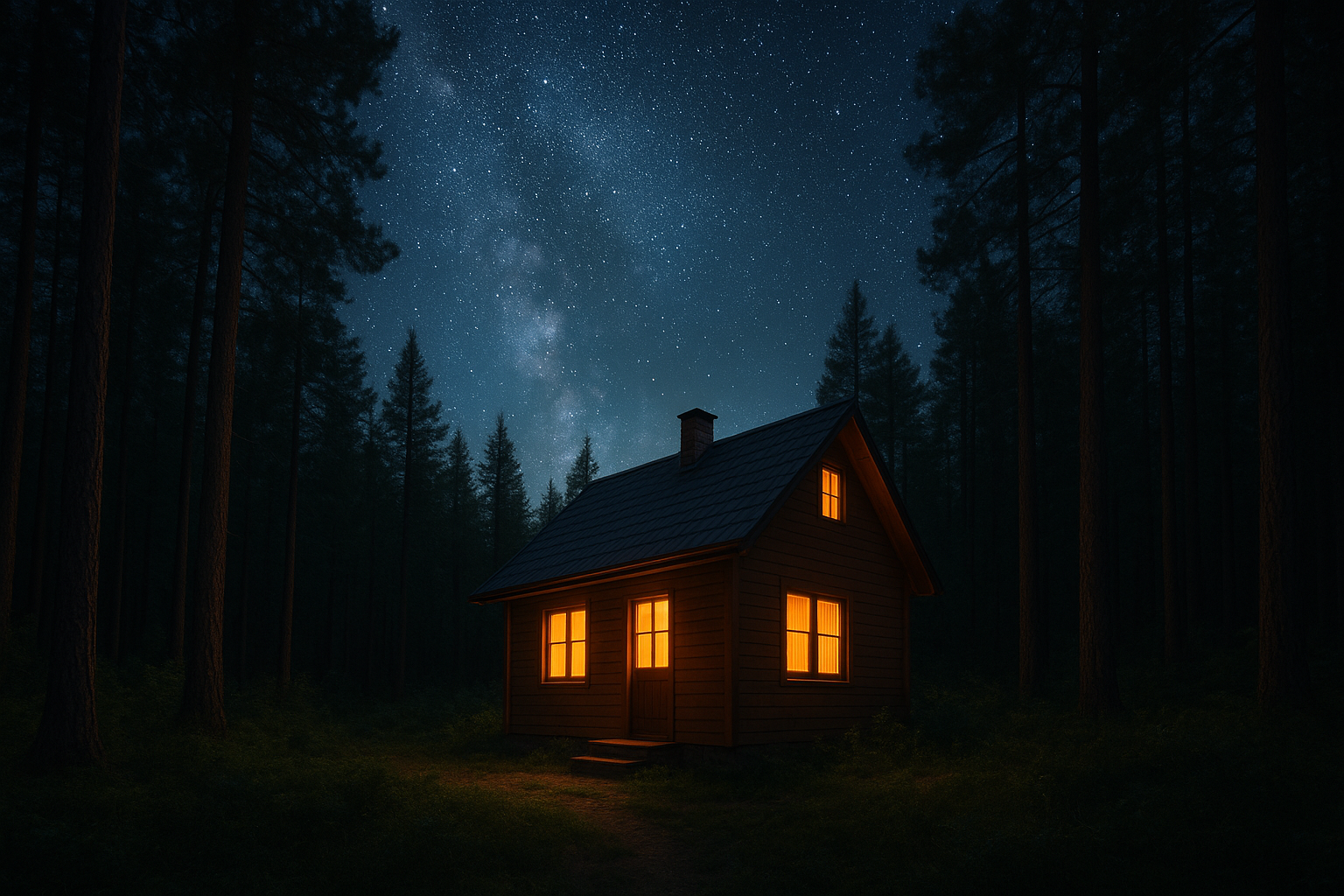
  • Starglow Hideaways – Building Safe Inner Spaces

    Starglow Hideaways – Building Safe Inner Spaces

    Starglow Hideaways: Building Safe Inner Spaces

    In the hustle and bustle of today’s world, the search for peace and tranquility becomes ever more pressing. Amidst the chaos, individuals are starting to find refuge in a concept that’s both ancient and continually evolving—a psychological safe space. Enter Starglow Hideaways, a burgeoning approach to mental wellness that emphasizes the creation of personal sanctuaries within the mind.

    The Concept of Inner Safe Spaces

    The idea of creating a ‘safe space’ is not new. Psychologists often encourage the mental visualization of peaceful settings as a means to reduce stress and anxiety. These mental spaces serve as a sanctuary—a place where one can escape, if only in their mind, to recuperate and find solace. Starglow Hideaways takes this concept a step further by actively involving the senses and the imagination in the careful crafting of this personal refuge.

    As Bernard J. Luskin, EdD, LMFT, points out in his article for Psychology Today, “In many ways, these places are designed to calm the mind, much like a familiar tune or a nostalgic scent can take us back to a happy moment in time.”

    Why We Need Safe Inner Spaces

    Modern life is fraught with uncertainties and pressures that affect our mental health. The need for a mental retreat becomes critical when we acknowledge the emotional and psychological benefits that come from having a space to process thoughts and feelings without judgment or fear.

    • Combating Anxiety: According to the Anxiety and Depression Association of America, anxiety disorders are the most common mental illness in the U.S., affecting 40 million adults. Starglow Hideaways provide a mental buffer against stressors.
    • Fostering Creativity: A mental safe space encourages free thinking, which can enhance creativity and problem-solving skills.
    • Emotional Regulation: When an individual can mentally retreat to a serene place, they find it easier to manage overwhelming emotions and react more calmly to external stimuli.

    The Power of Imagination

    Human imagination is a powerful tool that can have tangible effects on our feelings and thoughts. Creating a Starglow Hideaway involves using visualization techniques to construct this mental environment. Dr. Norman Doidge, author of “The Brain That Changes Itself”, emphasizes the transformative potential of imagination: “The brain is adaptable and can be rewired to help one develop certain habits of thought and perception.”

    “A mental hideaway is more than an escape; it’s a tool for empowerment and resilience, fostering an internal harmony that reflects on one’s external life,” writes Doidge.

    Creating Your Starglow Hideaway

    Building an inner sanctuary involves more than just closing your eyes and picturing an idyllic setting. It requires a thoughtful approach to ensure this space is truly restorative. Here’s how you can create your own Starglow Hideaway:

    • Choose Your Environment: What landscape resonates most with you? It could be a forest, a beach, or even an alien planet. Choose a setting that brings you peace and happiness.
    • Engage Your Senses: Imagine the sounds, sights, smells, and even the tactile sensations you would experience in this place. The more detailed and sensory-rich your visualizations, the more effective the hideaway becomes.
    • Incorporate Safety Elements: Include elements symbolizing protection and comfort—be it a cozy blanket, a trusted companion, or tranquil ambient lighting.

    Maintaining and Visiting Your Hideaway

    Like any skill, the ability to quickly access and use your Starglow Hideaway requires practice. Regular ‘visits’ strengthen this mental skill, enabling faster transitions from stress to calm.

    • Set Aside Time: Dedicated time for meditation or mindful visualization helps reinforce the neural pathways that facilitate this retreat.
    • Adapt as Necessary: As life changes, so might the configuration of your hideaway. Remain open to altering your space to better meet your evolving needs.
    • Incorporate Rituals: Rituals or routines can effectively signal a transition into your sanctuary time, such as lighting a candle or playing soothing music.

    The Science Behind Safe Spaces

    The mental health benefits of creating safe spaces are supported by science. Research in cognitive behavioral therapy (CBT) often employs similar visualization techniques to help manage anxiety and depression. According to Dr. Aaron Beck, one of the pioneers of CBT, “Visualizing peaceful or positive scenarios can provide individuals with a reprieve from negative thought patterns.”

    Psychological Resilience and Starglow Hideaways

    Incorporating the concept of Starglow Hideaways into daily life can significantly enhance psychological resilience. By fostering a routine practice of transporting oneself to a mental sanctuary, individuals can handle stress more effectively and maintain a balanced mental state, even amidst chaos.

    Conclusion

    Whether you’re dealing with the pressures of modern life or simply seeking to enhance your mental well-being, Starglow Hideaways represent a simple yet potent tool. By consciously shaping these mental sanctuaries, individuals can promote healing, foster creativity, and ensure emotional wellness.

    Creating a safe inner space is no longer just a psychological exercise—it’s becoming a lifestyle choice that more and more people are embracing for a healthier, more balanced life. In our fast-paced world, taking the time to retreat into your personal sanctuary is not just beneficial; it’s essential.