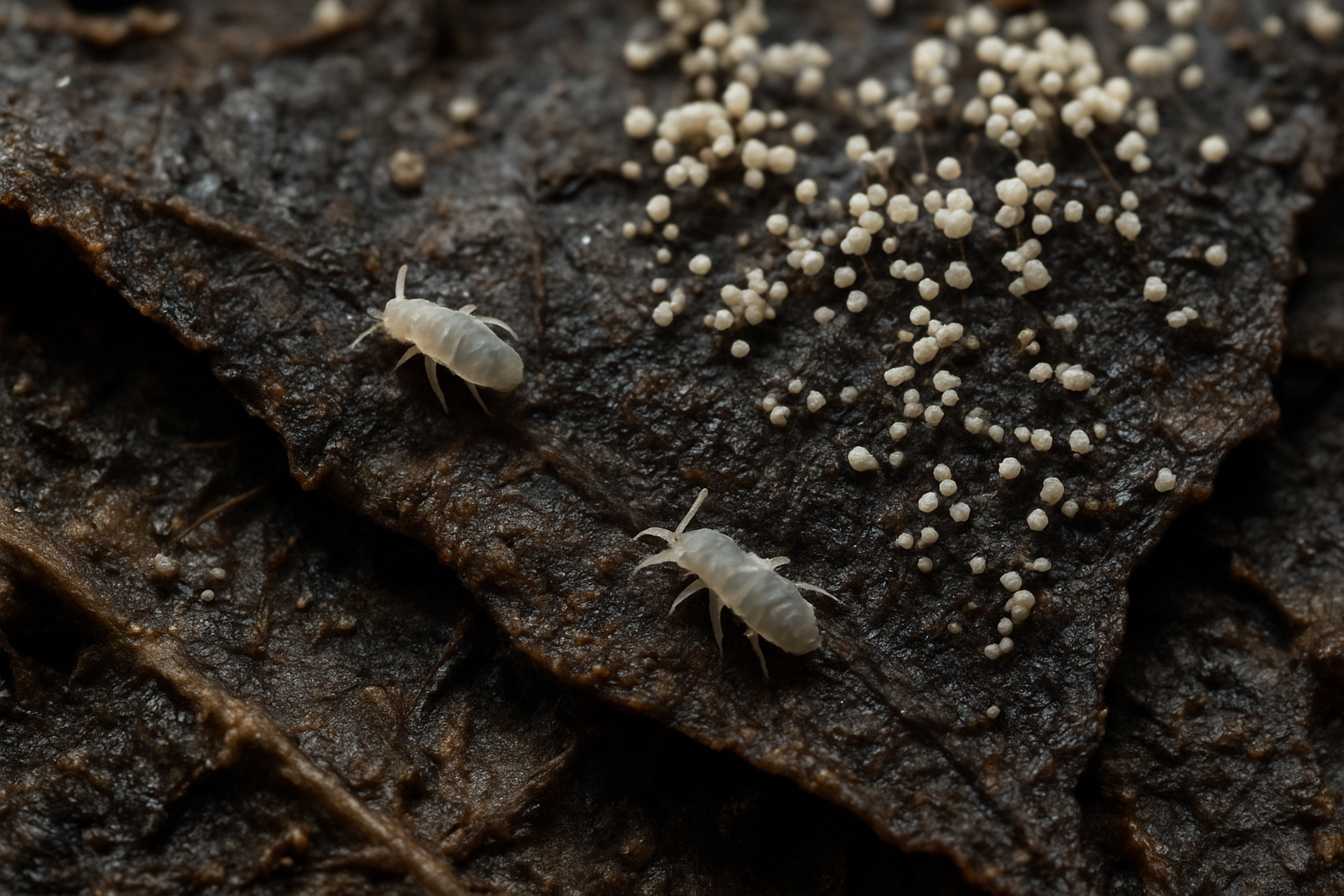
In the vast expanse of the universe, life and death often present themselves in grand, monumental terms. Yet, the same cycle unfolds within the subtle realms of the microcosm, where the lifespan and demise of microorganisms carry profound implications. This delicate dynamic presents a fascinating perspective on the notion of petit mort—the “little death”—in realms otherwise unnoticed by the naked eye.
The Vital Role of Microorganism Death
Microorganisms, though microscopic, play an enormous role in maintaining ecological balance. “Microbial death is not merely the cessation of life, but a transformative event that affects entire ecosystems,” notes Dr. Sarah Greene, a microbiologist at the University of California. The death of these entities can result from natural causes, environmental shifts, or anthropogenic impacts.
When microorganisms die, they contribute to nutrient cycling, releasing essential elements back into the environment. This process, known as decomposition, supports the growth of plants and the health of ecosystems. In this regard, even the end of life fosters new beginnings—a fundamental principle of ecology.
Death’s Influence on Biodiversity
The impact of microorganism death extends to biodiversity. In the diverse communities of soil and aquatic environments, species’ deaths can alter competitive dynamics, promoting stability or accelerating shifts in population structures. According to a study published in Nature, “The turnover and death of microorganisms contribute significantly to the resilience of microbial communities.”
“Just as the death of a star influences the cosmic balance, so too does the death of microorganisms affect the intricate web of life on Earth.” – Journal of Microbial Ecology
An Oft-Ignored Biological Phenomenon
Despite their crucial functions, the significance of microbial death is often overshadowed by their various symbiotic and pathogenic interactions with larger organisms. However, focusing solely on their life activities misses the vital contributions their demise brings. As interest in microbial ecology grows, so does the understanding of microbial death’s role in global processes like carbon cycling and climate regulation.
Implications for Future Research
As research delves deeper into the pathways of microbial life and death, potential applications emerge in bioengineering, waste management, and agriculture. Harnessing the natural mechanisms of decomposition and nutrient release could innovate approaches to soil fertility and carbon sequestration.
In summation, while the concept of petit mort in human culture often refers to a metaphorical death, the literal little death of microorganisms reveals itself as a pillar of life across Earth’s ecosystems, charting pathways to understanding and sustaining the natural world.