Tag: might

  • Extraterrestrial Immortality – Myths of Eternal Beings

    Extraterrestrial Immortality – Myths of Eternal Beings

    Extraterrestrial Immortality: Myths of Eternal Beings

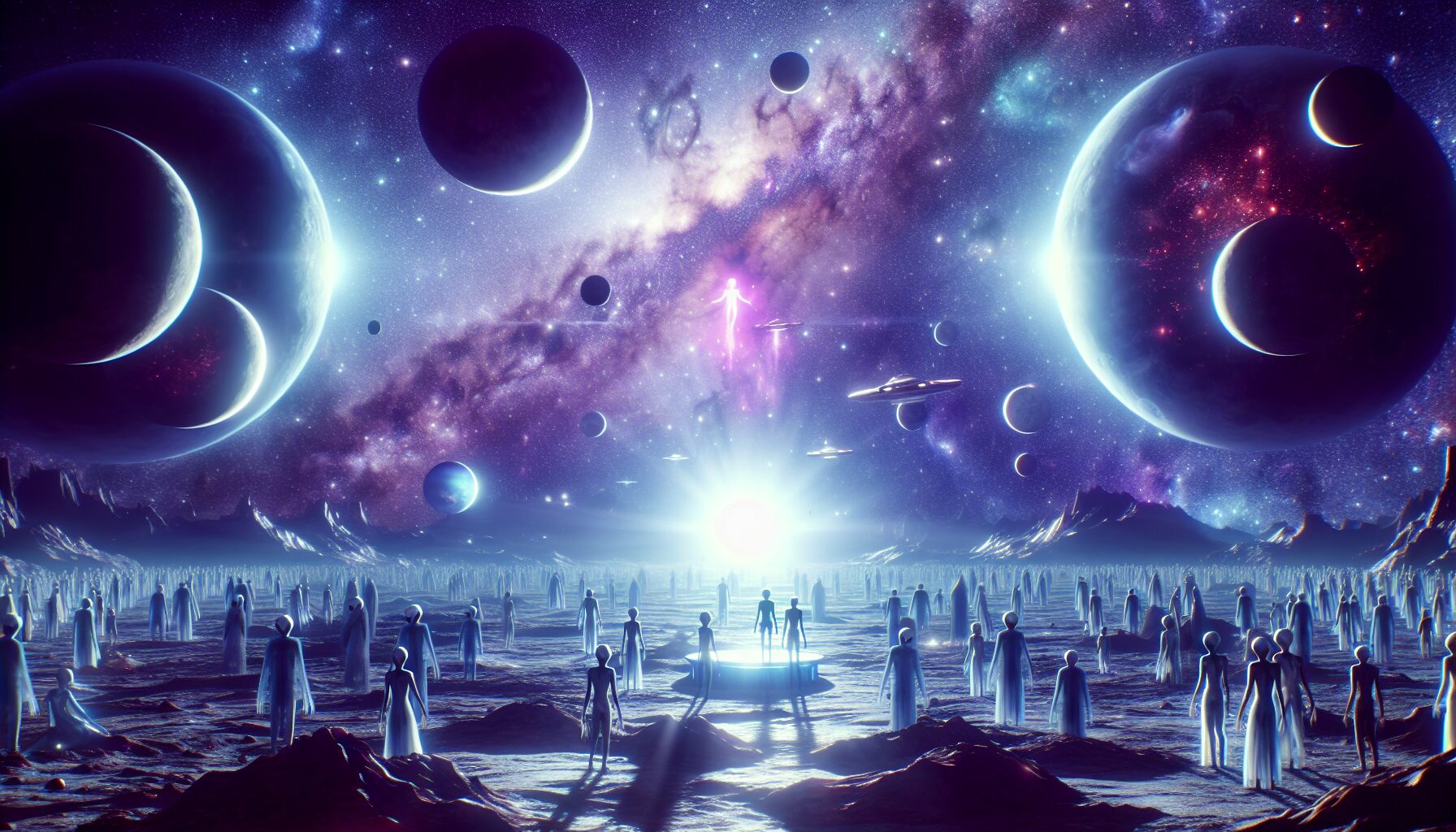
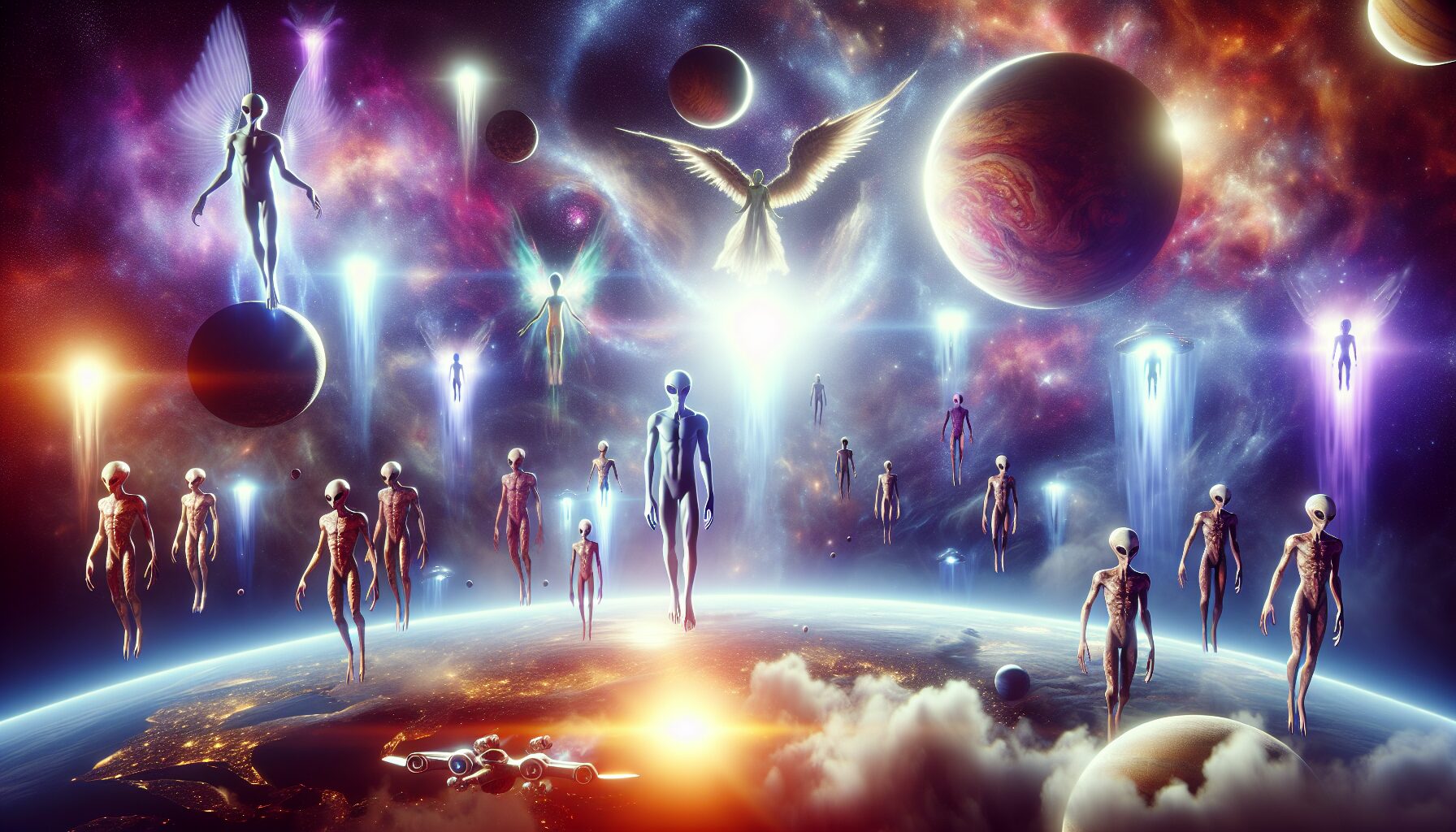
    The concept of extraterrestrial life has forever fueled our imagination, with countless stories exploring beings from other worlds. Among the most captivating of these tales is the idea of extraterrestrial immortality. The notion that otherworldly creatures might possess the secret to eternal life raises both curiosity and existential questions about our place in the universe.

    An Ancient Fascination

    From the annals of mythology to modern science fiction, immortality has been a recurring theme. Ancient cultures, such as the Egyptians and Greeks, often depicted gods and celestial beings possessing eternal life. These stories served as both moral lessons and reflections of human desires and fears surrounding death and the unknown realms beyond our earthly existence.

    In works like The Epic of Gilgamesh, one of the oldest surviving pieces of literature, the quest for immortality is central. Gilgamesh’s journey reflects an age-old human pursuit for eternal life—echoing modern-day aspirations and perpetuating myths that extraterrestrial beings might have already achieved this transcendence.

    Modern Mythology and Science Fiction

    Contemporary media continues to explore the idea of extraterrestrial immortality. In the realm of science fiction, countless narratives depict extraterrestrials as timeless entities. Films and television series, such as Doctor Who and Star Trek, explore the coexistence of mortal humans with near-immortal aliens, probing the ethical and psychological effects of such interactions.

    Ray Bradbury, in The Martian Chronicles, discusses the transformation and ultimate transcendence in extraterrestrial contexts. “We earth men have a talent for ruining big, beautiful things,” Bradbury writes, highlighting our transient nature in contrast with the suspected perpetual wisdom of alien life forms (Wikipedia).

    Scientific Interpretations

    The scientific community has taken keen interest in the study of longevity and potential immortality. Though the possibility of extraterrestrial life forms achieving timelessness remains speculative, research into biology and technology continues to pave the way for understanding potential mechanisms for extending life.

    Prominent physicist and futurist Michio Kaku suggests that advanced extraterrestrials might manipulate biological and technological elements to achieve long lifespans, potentially akin to immortality. “Extraterrestials a million years ahead might be immortal,” posits Kaku, urging us to consider the possibilities of what advanced sciences could entail (Michio Kaku’s Website).

    Philosophical and Ethical Considerations

    The potential existence of immortal extraterrestrial beings invites profound philosophical and ethical questions. Would immortality change the essence of what it means to be sentient? How might the existence of immortal beings affect human identity and our understanding of life and death?

    “If aliens exist, they may not just be smarter—some might be immortal. But would that be living?” – Maria Popova, Brain Pickings

    The intersection of immortality and extraterrestrial life sparks debates on the values we place on mortality, creativity, and the human spirit. Questions about control, power, and the morality of eternal life further complicate the discussion as we attempt to imagine living in a universe with beings that defy the temporal limitations that define Earthly experiences.

    Conclusion

    While the reality of immortal extraterrestrial life remains firmly in the realm of speculation, its implications continue to inspire both awe and trepidation. Exploring these narratives enriches our understanding of the universe and challenges us to ponder fundamental questions about existence, impermanence, and the human condition.

    As we continue to gaze at the stars and dream of possibilities beyond our planet, the mythology of extraterrestrial immortality serves not only as a source of wonder but as a mirror reflecting our own hopes, fears, and aspirations.
  • The Fragility of Alien Life – Why They Might Be Extinct Already

    The Fragility of Alien Life – Why They Might Be Extinct Already

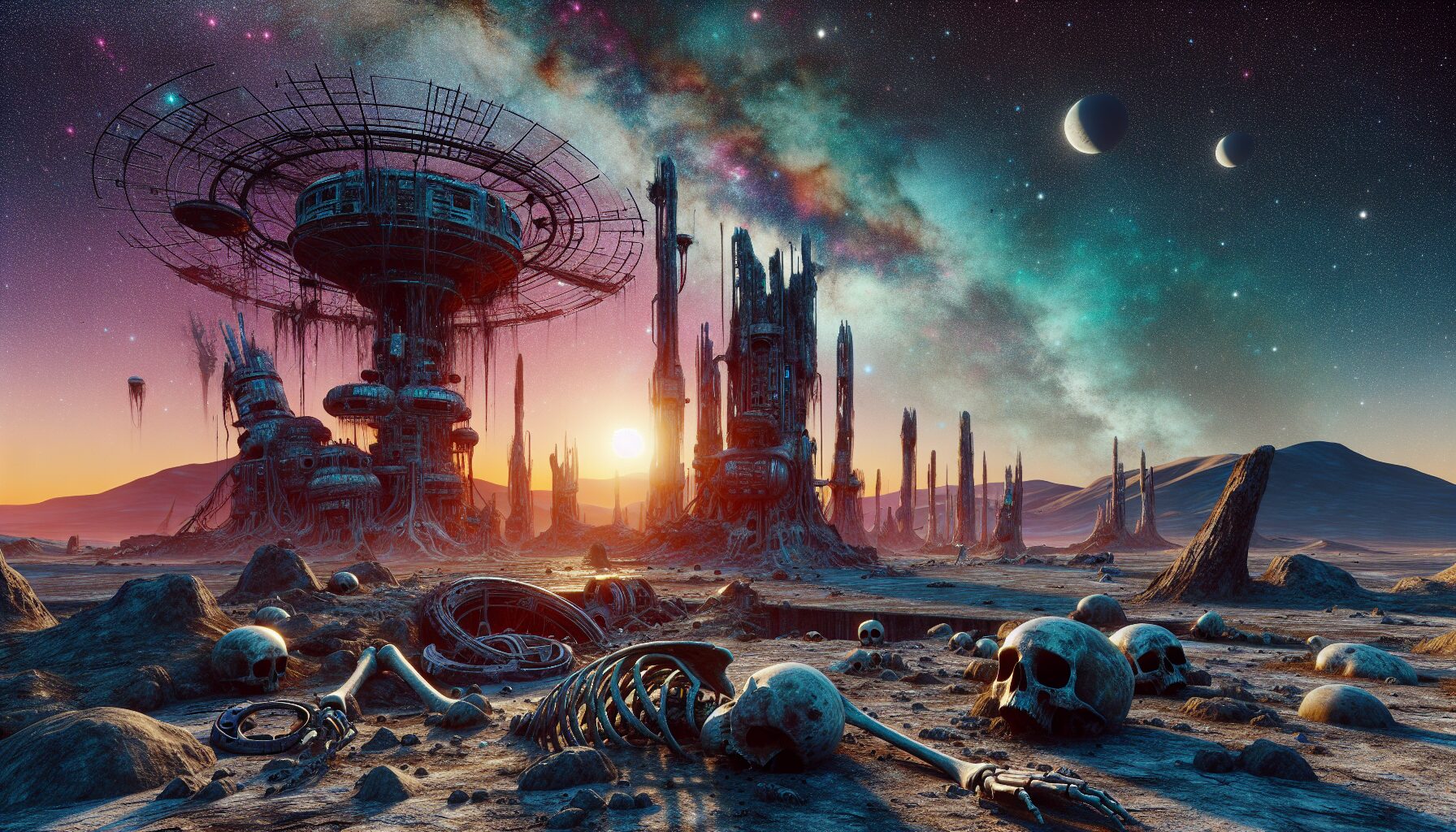
    The search for alien life has long been a topic of fascination and intrigue. Despite vast efforts, the evidence of extraterrestrial life remains elusive. The enduring question is not only whether life exists elsewhere in the universe but also why it might already be extinct.

    The Odds of Survival

    Stephen Hawking once pondered the existence of alien life, suggesting that intelligent life, if it exists, might not last long enough to reach out to us. He remarked,

    “It might be that primitive life is very common and intelligent life is fairly rare. Some would say it has yet to occur on Earth.”

    The universe is a vast, incredibly harsh environment where the conditions for life are temporary and precarious. Craig Hogan, director of the Fermilab Center for Particle Astrophysics, notes,

    “While life on Earth might seem robust, it has only existed for about 0.03% of the history of the universe.”

    In this context, the fragility of alien life becomes evident.

    The Drake Equation and the Great Filter

    The Drake Equation seeks to estimate the number of active, communicative extraterrestrial civilizations in the Milky Way galaxy. Yet, a concept that partners with this equation is the “Great Filter” theory. This theory posits that at some point from pre-life to a type III civilization on the Kardashev scale, there’s a step that is unlikely or impossible for life to get past. If this filter is behind us, humanity is unique and rare. If it is ahead, alien civilizations might have succumbed to it.

    The Great Filter suggests that many alien races could have reached technological singularity or self-destruction before becoming spacefaring. As the physicist-environmentalist James Lovelock posited,

    “Gaia is an evolutionary story driven not by natural selection alone but by the whole planet, the biota and the Earth, and we are one of those species.”

    This interconnectedness is both a strength and a potential vulnerability.

    Nurturing or Neglecting Advanced Life

    Beyond environmental factors, technological failures, wars, or cosmic events could have led to the extinction of intelligent extraterrestrial life. An advancing civilization might become more capable of self-destruction before mastering cosmic survival. As Carl Sagan wisely noted, “The universe is a pretty big place. If it’s just us, it seems like an awful waste of space.” Despite this space, advanced civilizations might not endure.

    In conclusion, the potential for alien life is significant, yet its longevity might be inherently threatened. Whether through environmental challenges, self-destruction, or cosmic misfortune, the survival of intelligent, alien organisms faces many hurdles, leading to the possibility that many such civilizations might have already vanished before we even had the chance to learn of their existence.

  • Alien Funerals – Speculations on Ritual Beyond Earth

    Alien Funerals – Speculations on Ritual Beyond Earth

    Alien Funerals: Speculations on Ritual Beyond Earth

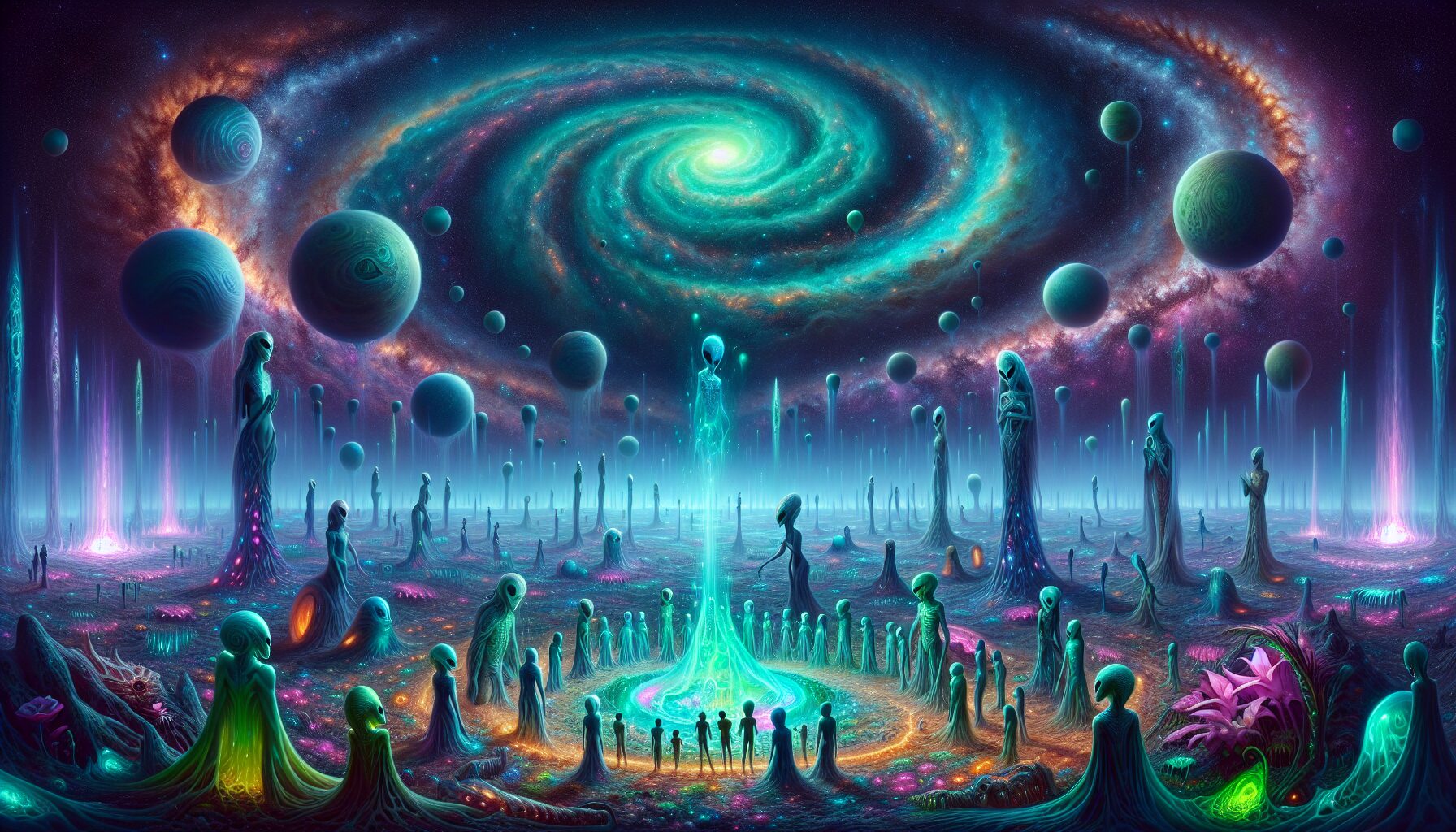
    Humanity has long been fascinated by the possibility of alien life. From science fiction stories to serious scientific endeavors, the question of whether we’re alone in the universe has captivated our collective imagination. But beyond discovering alien life, another intriguing question emerges: How might extraterrestrial beings mourn their dead? In this article, we’ll delve into the speculative yet fascinating topic of alien funerals and explore how such rituals might differ from or resemble those of Earth.

    Cultural and Biological Influences

    Just as Earth’s funeral rites are shaped by culture and biology, so too might alien funerals be influenced by these factors. Diverse human societies have developed distinct customs around death based on various religious beliefs, environmental conditions, and social structures. When considering alien funerals, it is important to account for these dynamics:

    • Biological Factors: What form might alien life take? The biology of a species could determine their lifespan, method of reproduction, and corporeal composition—all of which would influence how they might treat their dead.
    • Cultural Complexity: The level of technological and cultural advancement might dictate the complexity of alien memorial practices. A more advanced civilization might administer elaborate ceremonial rites, whereas a simpler one might employ more basic rituals.
    • Environmental Context: The natural environment of an alien planet could shape funeral practices. For example, a planet covered in water might lead to water-based funerals, while a barren, rocky landscape could involve burial or cremation akin to Earth’s.

    Hypothetical Alien Funeral Practices

    With the above considerations in mind, let us explore some speculative funeral practices that alien civilizations might employ:

    Skyward Send-Offs

    In an advanced alien civilization, the dead might be sent off into space as part of a celestial burial tradition. This could serve both as a means of honoring the deceased and as a practical method of conserving planetary resources. The body might be launched into orbit, becoming a part of the cosmos they once observed. Intriguingly, this custom could mirror concepts explored in notable science fiction works like “Hyperion Cantos” by Dan Simmons, where space burials are part of the cultural landscape.

    Energy Reclamation and Transformation

    For species with the ability to harness and transform energy, funerals might focus on the reclamation and transformation of a being’s energy essence. Such practices would align with the principle of conservation, reincorporating life-force back into the community or environment. Arthur C. Clarke hinted at this idea in his novel “Childhood’s End,” where evolved beings transcend physical form, becoming beings of pure energy.

    Collective Remembrance Sculptures

    An artfully communal approach might be employed by socially oriented alien species, using the act of remembrance to foster unity. Deceased individuals might become part of large, evolving art installations, crafted to hold memories and interact indirectly with the living. A similar artistic fusion is found in human practices, such as the Dia de los Muertos in Mexican culture, where artistic expressions play a key role in memoriam.

    “For death is no more than a turning of us over from time to eternity.” – William Penn

    Potential Philosophical Implications

    Speculating on alien funerals not only prompts us to contemplate extraterrestrial life but also challenges our assumptions about life and death itself. Could alien funerals reveal universality among sentient beings regarding loss and remembrance, or highlight stark cultural divergences?

    • Universal Themes: The drive to memorialize and honor those who have passed may be a shared trait among intelligent species. It may embody an inherent desire to preserve the connections that shape societies.
    • Existential Questions: Alien funerals could bring into focus the relativity of existential beliefs, perhaps differing vastly from Earth’s theologies. Such an understanding might enrich our own perceptions of mortality.

    Encountering an Alien Burial Ceremony

    Imagining a scenario where humans observe an alien funeral could force us to reevaluate our conceptual frameworks for tradition, ritual, and spiritual practice. It might also spur discussions about the sanctity of life as understood among varying intelligences, an idea eloquently expressed by Carl Sagan in his work “The Cosmos.”

    If we find that our rituals share common threads with those of extraterrestrial beings, such similarities could lead to a newfound appreciation of our bio-social connections across planets. Alternatively, profound differences might provide insights into the diverse concepts of existence.

    Conclusion: The Infinite Possibilities

    Until the day comes when we make contact with alien civilizations—whether through technology or a stroke of serendipity—our visions of alien funerals will remain within the realm of speculation. However, exploring such possibilities stirs our imagination and fosters an open-minded curiosity about life beyond Earth.

    As humanity continues to search the stars, let us not only seek to uncover life but also embrace the infinite narratives that might accompany it, acknowledging that the story of life in the universe is a tale that remains unwritten.

  • The Martian Dead – Imagining Civilizations Buried in Red Dust

    The Martian Dead – Imagining Civilizations Buried in Red Dust

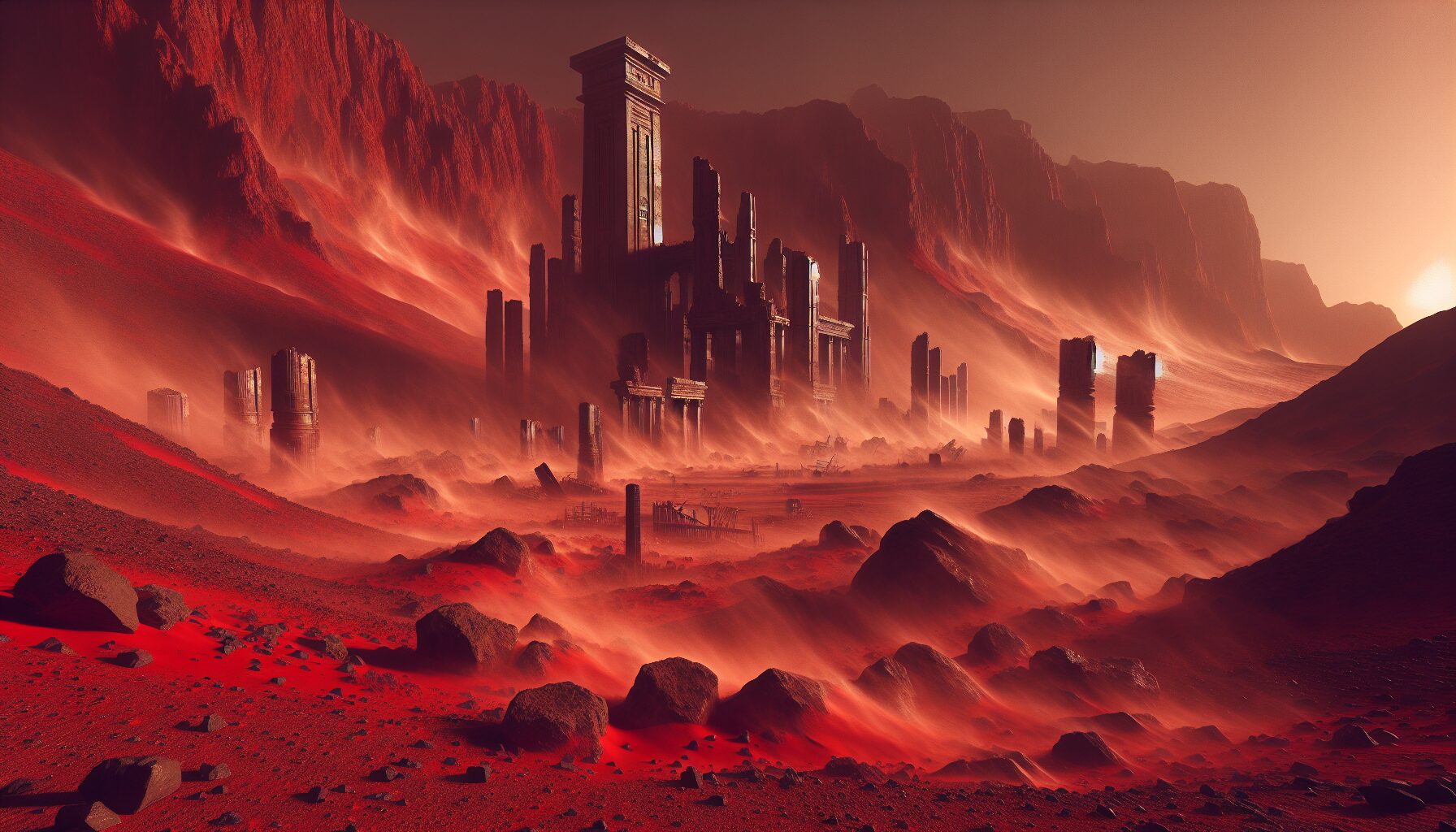
    For centuries, humanity has gazed at the red orb in the night sky with wonder and curiosity. Mars—a planet that once inspired myths and incited imagination—continues to be the center of speculation, especially when it comes to the possibility of ancient Martian civilizations buried beneath its iconic red dust.

    The Allure of Mars

    Mars has always held a special place in human culture and history. Known as the “Red Planet,” its distinct hue made it a subject of fascination for astronomers and dreamers alike. The idea that Mars might have once harbored life similar to Earth’s is a concept that has shaped science fiction for decades. From H.G. Wells’ “The War of the Worlds” to Ray Bradbury’s “The Martian Chronicles,” the planet has been consistently depicted as both mysterious and familiar.

    Scientific inquiry into Mars began in earnest during the late 19th and early 20th centuries when telescopic observations, like those of Percival Lowell, suggested the presence of “canals” on Mars. These observations spurred theories of intelligent life but were later explained as optical illusions. Nonetheless, they planted the seed that Mars could once have hosted complex life forms.

    Unveiling the Red Dust

    The surface of Mars is predominantly covered by iron oxide, giving it the reddish appearance that is so distinctive. But what mysteries might be hiding beneath this vast layer of dust and sand? Modern exploration has begun to shave away at the veil of mystery surrounding Mars, with missions like NASA’s Perseverance Rover systematically analyzing the Martian surface.

    In 2018, the European Space Agency’s Mars Express discovered what appeared to be a lake beneath the planet’s southern polar ice cap, renewing interest in the possibility of life. “This thrilling discovery is a highlight for us in our journey to find water on Mars,” said Dmitri Titov, ESA’s Mars Express project scientist, in an ESA statement. Such findings suggest that liquid water—an essential ingredient for life—might not just be a relic of the past.

    Imagining the Ancient Civilizations

    But what if Mars was once home to civilizations, long before its atmosphere thinned and its surface froze? Some researchers suggest that ancient Martian life might have evolved underground, surviving the harsh surface conditions, much like extremophiles on Earth.

    Consider a civilization that thrived millions of years ago, relying on subsurface lakes and geothermal energy. Could remnants of their culture still lie hidden, awaiting discovery by our robotic explorers? The technological advances in rover capabilities may soon allow us to explore these possibilities more thoroughly. What insights into resilience and adaptation might such findings bring to our understanding of life?

    “Mars is very Earth-like in a lot of ways, and it’s the closest planet to Earth with a similar atmosphere, length of day, tilt of its axis, and a history of water,” noted Dr. Jim Bell, Professor of Earth, The School of Earth and Space Exploration at Arizona State University.

    Looking Towards the Future

    As we continue to explore, the knowledge we gain from Mars not only satisfies scientific curiosity but potentially prepares us for human settlement. If signs of past life are discovered, they could provide clues on how to prepare Mars for future inhabitants.

    While the prospect of discovering ancient civilizations remains speculative, the real excitement lies in the possibility that even microbial life might have once flourished there. Discovering the Martian dead—or signs of them—would substantially alter our understanding of life in the universe.

    With the constant advancements in space technology, particularly with international missions planned by NASA, ESA, and private entities like SpaceX, the dream of uncovering long-buried Martian secrets might not be too distant. As Dr. Lori Glaze, Director of NASA’s Planetary Science Division, once commented, “Every time we send a rover to Mars, we learn more about the Red Planet, and it’s exciting to piece together its mysteries from afar.”

    Conclusion

    The fantasies of ancient Martian civilizations captured in the imaginations of authors and scientists alike have yet to be substantiated by concrete evidence. However, the drive to explore and explain Mars continues to push boundaries, encouraging humanity to look beyond Earth for answers to the origins and possibilities of life.

    Until we uncover definitive signs of intelligent design under the Martian sands, the dusty wilderness of Mars remains an open book, waiting for the hands of curiosity to turn its pages.

  • Alien Ghosts – Memories of Species Long Gone

    Alien Ghosts – Memories of Species Long Gone

    Alien Ghosts: Memories of Species Long Gone

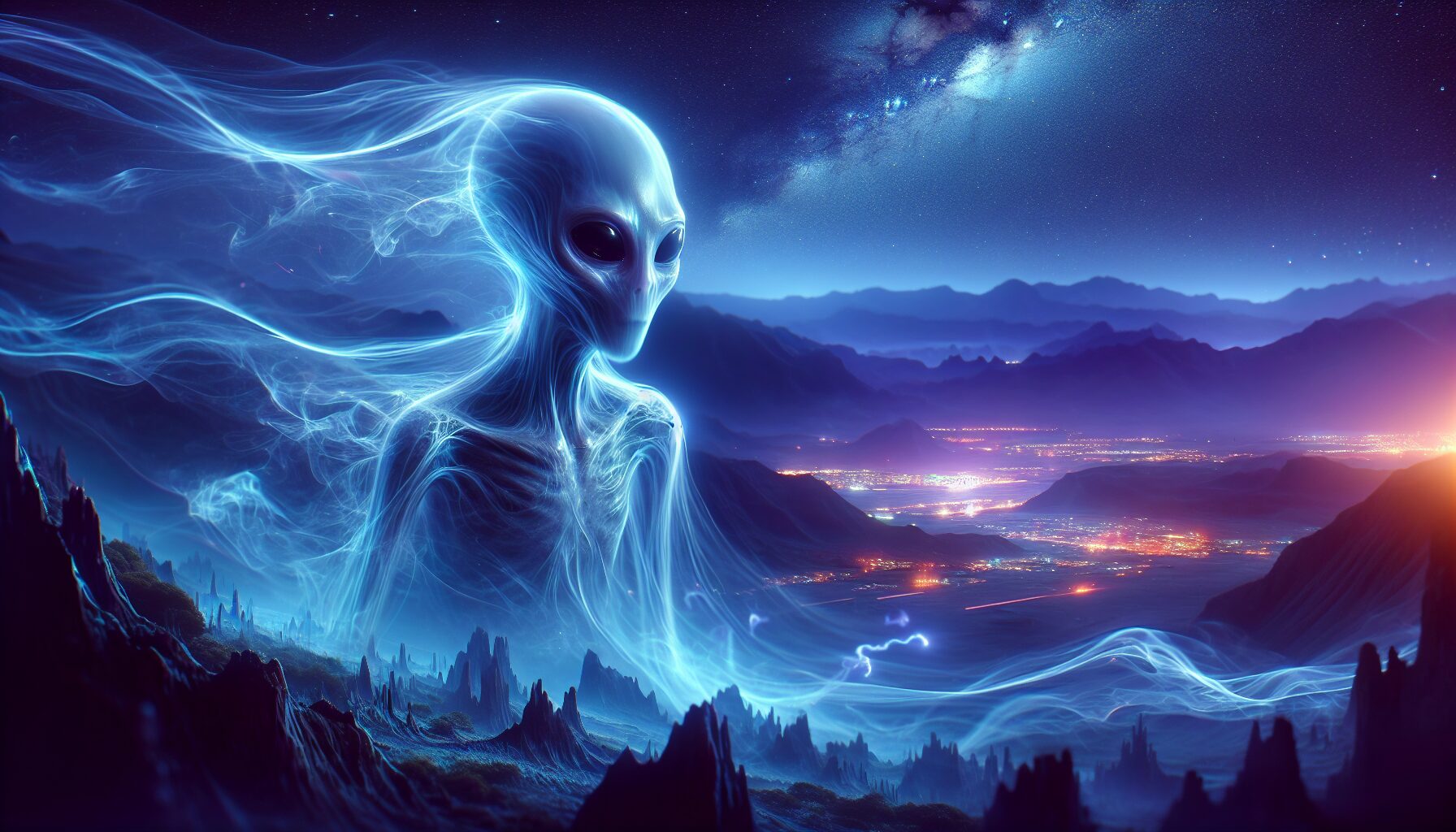
    In the vast expanse of the universe, countless star systems harbor their secrets, whispers of the past echo through time and space. While humanity has yet to discover conclusive evidence of extraterrestrial life, the concept of Alien Ghosts—the memories of species long gone—continues to captivate our imagination and scientific inquiry. This article delves into the hypothetical realm of alien ghosts, exploring how these spectral remnants might manifest, how they relate to Earth’s own extinctions, and what they can tell us about the fragility of life.

    The Ghosts of Our Past

    Understanding alien ghosts requires an examination of our own planet’s history. Earth has witnessed several mass extinctions, each reshaping the planet’s biological tapestry. From the Permian extinction’s devastation to the cataclysmic asteroid impact that ended the reign of the dinosaurs, these events serve as stark reminders of life’s vulnerability.

    Extinction-level events, whether caused by natural phenomena or potential anthropogenic effects, highlight a crucial fact: Life, regardless of its complexity, is ephemeral. As paleontologist Jack Horner suggests, “Extinction is the rule. Survival is the exception.” The idea that a civilization, no matter how advanced, could perish is not far-fetched.

    How Alien Ghosts Might Manifest

    But how might we detect these alien ghosts? The answer might lie in the concept of technosignatures—evidence of technology that survives the demise of its creators. Potential technosignatures could take many forms:

    • Ruins and Artifacts: Just as archaeologists unearth ancient relics on Earth, future space explorers may discover remnants of alien civilizations on distant planets or moons.
    • Radio Signals: Bouncing through the cosmos, radio waves can travel vast distances. If an advanced civilization communicated via radio signals, traces might still be detectable, ghosts of their presence.
    • Dyson Spheres: Proposed by physicist Freeman Dyson, these theoretical megastructures could encapsulate stars to harness their energy. A partially constructed Dyson Sphere might signify a civilization that once thrived.

    Lessons from Fermi’s Paradox

    Fermi’s Paradox, named after physicist Enrico Fermi, questions why we have not yet observed evidence of alien life, given the vast number of potentially habitable planets. This conundrum aligns with the idea of alien ghosts, as it poses the question: Could the aliens we seek already be extinct?

    Several hypotheses attempt to address Fermi’s Paradox, including the possibility that advanced civilizations self-destruct—a sobering thought that holds lessons for humanity. As noted by theoretical physicist Michio Kaku, “The real threat facing the future of humanity is not the universe, but ourselves.” If we hope to avoid the fate of becoming our own ghosts, understanding the paths and pitfalls of extinct civilizations could be vital.

    The Importance of Cosmic Archeology

    The study of alien ghosts ties into the emerging field of cosmic archeology. Just as terrestrial archaeologists decipher the history of human societies, cosmic archaeologists seek to uncover the stories of extraterrestrial civilizations. This discipline aims to explore several key questions:

    • What causes civilizations to fall? Understanding the factors that lead to the demise of advanced societies can offer insights into longevity and resilience.
    • How can we interpret alien cultural artifacts? Developing methodologies for understanding potential alien languages and symbols is a critical task.
    • What technological advancements did they achieve? Uncovering the technologies of lost civilizations could provide humanity with technological blueprints for the future.

    Humanity’s Role in Preserving Memories

    While we ponder the existence of alien ghosts, we must also consider our role in preserving our own legacy. In an era characterized by unprecedented technological advancements and existential threats, the actions we take today have long-lasting implications.

    “We are a way for the cosmos to know itself,” Carl Sagan famously said. Our quest to understand the universe and our place within it compels us to ensure that our story doesn’t become another silent echo in the vast theater of stars.

    The construction of resilient societies, the pursuit of sustainable development, and the exploration of space are all steps toward preserving the human narrative. Through such endeavors, we not only secure our future but also ensure that, should we encounter another life-bearing world, we do so as equal participants in the cosmic dance.

    Conclusion

    The allure of alien ghosts lies in their ability to reflect our own potential destinies. While they remain hypothetical, they encourage us to look to the stars not just with wonder, but with caution and responsibility. They implore us to ask critical questions about our survival and our legacy.

    As we turn our gaze skyward, let us remain vigilant stewards of our world. Let us learn from the silence of the stars and the whispers of worlds past. In doing so, we may one day encounter the echoes of another’s existence—an exchange not with ghosts but with living, thriving comrades among the stars.

  • Alien Rituals – How Other Beings Might Face Mortality

    Alien Rituals – How Other Beings Might Face Mortality

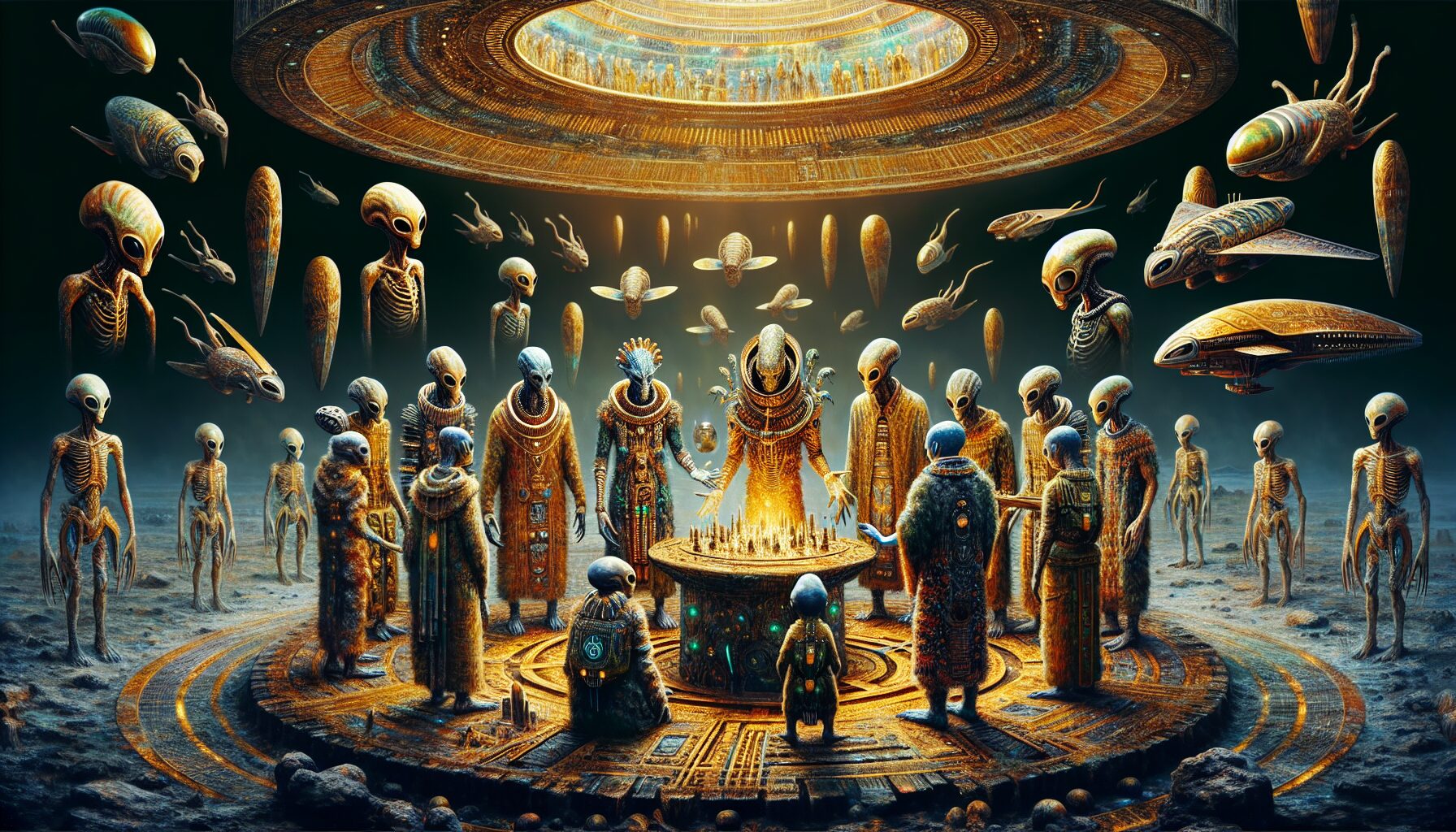
    As humans contemplate existence beyond Earth, one intriguing question surfaces: How might alien civilizations confront the concept of death? The idea that extraterrestrial beings could have their own unique death rituals offers a fascinating lens into the diversity of life forms across the cosmos.

    On Earth, rituals surrounding death vary widely, from the ancient Egyptian embalming processes to modern-day cremations and celebrations of life ceremonies. What then, might alien cultures practice when facing mortality?

    Potential Alien Rituals

    • Energy Reconversion: Advanced civilizations might harness scientific understanding that allows them to convert the life force of the deceased back into usable energy. In this view, death becomes a practical process rather than a sorrowful departure.
    • Memory Preservation: Aliens with a networked consciousness could upload memories of the deceased into communal consciousness systems, allowing individuals to live on in collective memory. This could echo the idea of a digital afterlife that humans speculate about today.
    • Elemental Return: According to some theories, aliens may practice a ritual akin to sky burial, where the bodies are returned to nature’s elements, feeding their planet’s ecosystem in a circular life process.
    • Ritualistic Storytelling: Cultures focused on oral traditions may engage in ritualistic storytelling, retelling the lives and achievements of the deceased as an act of remembrance, potentially accompanied by communal contact with spiritual planes.

    Cultural Insights from Earth

    To imagine these alien rituals, we can draw parallels from Earth’s own traditions. The philosopher Alan Watts once said,

    “We need a mythology that will help us identify not with the individual but with the universe and with the age.”

    His words underline how cultural expression surrounding death often seeks to transcend the individual.

    In a cosmos potentially teeming with life, understanding alien approaches to death could enrich our perspective on mortality, life, and existence. As Arthur C. Clarke suggested,

    “Two possibilities exist: either we are alone in the Universe or we are not. Both are equally terrifying.”

    As we ponder this dichotomy, imagining how other beings might cope with death broadens our understanding of the possible avenues through which life itself is understood in the vast universe.

    While the idea of alien life remains speculative, thinking about how extraterrestrial life forms contemplate their mortality helps humans reflect on their own rituals and the universal quest for meaning in the face of the inevitable.

  • Alien Afterlife – Imagining Death Beyond Earth

    Alien Afterlife – Imagining Death Beyond Earth

    What happens after death? This universal question extends into the curious domain of extraterrestrial life. If intelligent beings exist beyond our planet, how might they conceive of an afterlife? Or would they view death through an entirely different lens altogether?

    Exploring Concepts of Life Beyond Earth

    As humans, our notions of the afterlife are deeply intertwined with cultural, religious, and philosophical beliefs. From the grand halls of Valhalla in Norse mythology to the eternal cycle of reincarnation in Hinduism, these concepts shape our understanding of existence beyond death. Considering the potential for alien life forms introduces a vast array of possibilities and challenges us to think beyond earthly constraints.

    Alien Theologies and Philosophical Thought

    Imagining how extraterrestrial civilizations might perceive death requires understanding the cultural and intellectual frameworks they might have developed. Would their societies formulate religious beliefs, scientific hypotheses, or philosophical theories about life and death?

    • Religious Constructs: Just as humanity has developed diverse religious beliefs, alien societies might possess their own spiritual traditions. These could center around energy, cosmological cycles, or entirely unknown elements.
    • Scientific Perspectives: Perhaps alien civilizations, driven by advanced technology, lean more towards scientific explanations, viewing death as a transformation of energy or a temporary state until reanimation is possible.
    • Philosophical Musings: Alien thought might focus on existential philosophies, contemplating consciousness and the universe in ways humans have yet to conceive.

    Astrobiologist Douglas Vakoch suggests, “By considering the diversity of life on Earth, we open our minds to the myriad possibilities of alien life and their unique perspectives on death and an afterlife” (Daily Galaxy).

    Cultural Constructs and Their Impact on Alien Afterlife Perceptions

    Cultural differences on Earth elucidate how varied alien cultures could perceive death. Consider:

    • Community vs. Individuality: Alien societies that prioritize communal existence might see death as a transition to a collective consciousness, while those that value individuality could focus more on personal continuity.
    • Technological Influence: Societies with advanced technology could view immortality or consciousness transfer as realistic outcomes.
    • Environmental Factors: The environment of an alien planet—such as extreme climates—could foster unique survival strategies that influence beliefs about life and death.

    Scientific Speculations: From Energy to Entropy

    Physicist Michio Kaku posits that “an alien civilization might have overcome death, potentially achieving a form of immortality through technology” (Scientific American). Imagine a society that has mastered the manipulation of consciousness, transferring it seamlessly from one vessel to another, sidestepping the traditional notion of death.

    “We are not bound to the same cosmic laws and limitations to which we believe ourselves enslaved,” writes Arthur C. Clarke. “Each new wave of discovery presses back the envelop of the known universe—opening further mysteries” (Goodreads).

    Speculative Narratives in Fiction

    Science fiction literature and media have long explored the concept of alien afterlife, crafting narratives that stretch the imagination. The Orville, Star Trek, and other series explore civilizations with unique afterlife beliefs. Authors such as Arthur C. Clarke and Philip K. Dick have delved into these themes, proposing myriad possibilities for life after death.

    • The Enhancement of Human Understanding: Such fictional accounts push the boundaries of human creativity, prompting deeper inquiry into our own beliefs about life and death.
    • Anthropocentric Limitations: These narratives remind us of the limitations of projecting human experiences onto alien paradigms, inviting us to embrace broader perspectives.

    Conclusion: The Infinitude of Possibilities

    Whether advanced civilizations have outgrown our perceptions of death, or regard it with as much complexity as we do, only the future knows. They may possess wholly unimagined systems of belief and understanding. When speculating about alien afterlife, one must remain open to the vast, unpredictable possibilities the universe holds.

    The intrigue of imagining an alien afterlife lies not only in what it reveals about hypothetical extraterrestrial beings but also in what it suggests about human limitations and aspirations. Our quest to understand life and death extends beyond earthly confines, inviting us to travel among the stars in search of boundless truths.

    In the words of the astronomer Carl Sagan, “Somewhere, something incredible is waiting to be known.” As we ponder the afterlife, may we continue to look to the cosmos with wonder and humility.

  • Neuroscience of Dying – What Happens in the Final Seconds

    Neuroscience of Dying – What Happens in the Final Seconds

    The act of dying remains one of life’s greatest mysteries, a complex process where science, spirituality, and emotion intertwine. Recent advances in neuroscience, however, offer compelling insights into what happens in the brain during the final moments of life.

    The Final Moments

    As the body approaches the final stages of life, significant neurological changes take place. Understanding these changes requires a closer look at what transpires within the brain during these moments. Researchers have identified a sequence of neural activity that paints a curious picture of the dying brain.

    • Gamma Waves Surge: In the seconds before death, the brain exhibits a surge in high-frequency brainwaves known as gamma waves. These waves are associated with states of consciousness and cognitive activity. A study observed in dying rats in 2013 noted that their brains experienced a heightened state of synchrony in gamma activities, suggesting that the brain might be experiencing a form of heightened consciousness.
    • Life Review: The phenomenon of life flashing before one’s eyes, also known as a life review, might have a neurological basis. This could be attributed to the activation of the occipital lobes and memory centers in the brain, as it attempts to process information under the dire conditions.

    Entering a Transcendental State

    Many individuals report transcendental experiences during near-death episodes. These experiences often include a sense of peace, detachment from the body, and an encounter with a bright light. Neuroscientist Dr. Eben Alexander, author of “Proof of Heaven,” describes his near-death experience thusly:

    “I was encountering the reality of a world of consciousness that existed completely free of the limitations of my physical brain.”

    Current theories suggest these experiences may result from the brain’s intricate network entering a hyper-excited state, potentially flooded with neurochemicals like endorphins and DMT (N,N-Dimethyltryptamine), creating a potent, dreamlike state as the brain senses its impending shutdown.

    The Role of Oxygen and Blood Flow

    As death approaches, oxygen levels drop, and blood flow to the brain diminishes. This lack of oxygen triggers a chain reaction leading to massive neural firing. A study from the University of Michigan highlighted how reduced oxygen could lead to heightened electrical activities, creating a vivid internal experience.

    • Oxygen Deprivation: During this phase, neurons may fire erratically, attempting to compensate for decreased oxygen. This could contribute to the sensation of vivid experiences.
    • Wave of Suppression: Following the increase in neuron firing, a period of suppression occurs as neuronal activity ceases, usually signifying the last effort of a dying brain.

    The Science of Peacefulness

    While the decline in the brain’s function might sound distressing, many reports from hospice care professionals and researchers indicate a calming phase that aligns with chemical changes in the amygdala and hypothalamus, parts of the brain responsible for emotional regulation. As Jacob Kahn, a renowned neurologist, notes:

    “The brain’s biochemical balance shifts, potentially removing fear and stress, bestowing an uncanny sense of tranquility during the dying process.”

    Spiritual and Philosophical Implications

    The scientific understanding of these final moments also opens doors to broader philosophical dialogues. While neuroscience offers explanations rooted in biological processes, individuals might interpret these dying experiences through spiritual or philosophical lenses. For those who view this stage as a passage, the neurochemical explanations complement rather than contradict their beliefs.

    • Consciousness Exploration: The rise of gamma waves and the experiences reported challenge the boundaries of where consciousness ends and supports theories suggesting consciousness as potentially persisting beyond physical death.
    • Bridging Science and Spirituality: As Dr. Peter Fenwick, a leading expert on dying, articulates: “Science and spirituality, rather than opposing forces, may actually be two sides of the same coin in the context of dying.”

    Conclusion

    The neuroscience of dying presents an awe-inspiring glimpse into our final moments, weaving together threads of biological functionality and potential consciousness beyond. Although we might not fully unravel all the mysteries of dying, these scientific insights provide comfort and a deeper understanding of how the human brain orchestrates its final chapter. As research continues, the puzzle of life’s ultimate mystery promises to reveal more about the interplay between mind, body, and the enigma of what may lie beyond.

  • Rogue Planets – Wanderers Without Home, Mirrors of Death

    Rogue Planets – Wanderers Without Home, Mirrors of Death

    In the vast, dark stretches of the universe, untethered worlds known as rogue planets drift silently, detached from the gravitational embrace of any star. These nomadic globes emerge in the cosmos like cosmic orphans, casting light on both the mysterious dynamics of planetary formation and the grim realities reflected in their solitary voyage.

    The Origin of Rogue Worlds

    Rogue planets may form in a manner similar to regular planets but undergo unique evolutionary paths. Once part of a distant solar system, these planets could have been ejected by gravitational disturbances or violent interactions with neighboring celestial bodies. According to The Astrophysical Journal, “planets can be hurled from their orbits during the formation and early evolution of planetary systems” (source).

    “Some rogue planets could have formed free-floating in space, like stars, but failed to ignite into stellar flames—never achieving that critical mass for stardom,” explains astrophysicist Mike Brown of Caltech.

    The Search for the Unseen

    Rogue planets are challenging to study due to their lack of an illuminating star. However, advancements in astronomical technology and methods, such as gravitational microlensing, have enabled scientists to catch fleeting glimpses of these mysterious travelers. A significant finding in 2011 suggested the Milky Way might harbor as many as two rogue planets for every star, highlighting their potential abundance.

    • Gravitational Microlensing: This technique involves observing the effects of a rogue planet’s gravitational pull on the light from a background star. The planet acts like a lens, magnifying the stellar light and alerting astronomers to its presence.
    • Infrared Surveys: Rogue planets emit low levels of infrared radiation, giving astronomers clues about their thermal properties and composition.

    The European Space Agency’s Gaia mission plays a critical role in these discoveries, precisely mapping the positions and motions of stars and rogue planets alike.

    Lonely Wanderers Reflecting Death

    Rogue planets offer a mirror to death in celestial terms. Stripped of their systems, they invoke a cosmic isolation that might be dwarfed only by black holes. On an astronomical scale, they represent a life extinguished—a memory of a dynamic past lost to the chaos and violence of cosmic evolution.

    Though melancholic, the rogue planets’ serene paths through space contribute richly to our understanding of life and death beyond Earth. Each wandering world might once have hosted conditions favorable to life, circles of warmth and promise transformed into frozen, unyielding giants.

    As mirrors of demise, these planets challenge our perception of survival beyond the safe havens of solar systems. They prompt existential questions: Could our Earth one day experience a rogue fate? What circumstances ensure a planet’s ultimate safety from cosmic threats?

    Hope and Survival in the Cosmos

    While rogue planets might conjure desolate images, they also speak of potential resilience and adaptation. It’s conceivable that life finds a foothold even without starlight, perhaps through geothermal processes or other unknown mechanisms. In 2020, a study published in Nature Astronomy proposed that some of these planets could host conditions amenable to life beneath thick atmospheres.

    • A potential heating mechanism might be the decay of radioactive elements, providing sufficient warmth to maintain liquid water.
    • Thick atmospheres could insulate and protect any nascent forms of life thriving unseen, deep beneath the surface.

    Indeed, the wild potential embedded within rogue planets reminds us of our need to look beyond conventional boundaries to understand life’s resilience. By casting our gaze into the dark void where these planetary vagabonds roam, we might glimpse new possibilities for existence amidst stark isolation and eternal night.

    Conclusion

    Rogue planets remain enigmatic shadows across the breadth of space, offering windows into the past’s tumult and the grim poetry of mortality. Yet they also represent the fierce persistence of worlds untethered, hinting that life could persist in formidably harsh environments.

    As our cosmic understanding deepens, these nomadic planets will no doubt continue to challenge the boundaries of our imagination. Driven by curiosity and scientific inquiry, humanity strives to illuminate these wanderers, seeking answers amid the universe’s darkest reaches.

  • The Hidden Altar – Sacred Spaces Beyond Religion

    The Hidden Altar – Sacred Spaces Beyond Religion

    In a rush through daily life, we often overlook the sacred spaces that exist beyond the physical boundaries of religious structures. Typical images of altars might conjure up thoughts of churches, temples, or mosques, but a sacred space doesn’t have to be religious—it can be anywhere that brings a sense of peace, purpose, or connection. In this article, we explore the notion of sacred spaces in the secular world and their psychological impacts.

    Understanding the Concept of Sacred Spaces

    Sacred spaces are traditionally defined by the presence of objects and rituals that instill a sense of devotion or spiritual alignment. However, they can also refer to any environment—even a moment—that invites reflection, healing, and personal growth.

    According to Dr. Miya Tokumitsu, an art historian and author, “A sacred space is one that allows us to step outside the mundane world and enter a realm of contemplation and renewal” (Artsy).

    Examples of Secular Sacred Spaces

    • Natural Environments: Many find sacredness in nature. Forests, oceans, and mountains often serve as spiritual sites that celebrate the majesty and interconnectivity of life.
    • Creative Spaces: Artists’ studios, writing nooks, and music rooms become sanctuaries of creation and self-expression.
    • Mindfulness Zones: Meditation corners or yoga mats provide refuge and internal focus, fostering mental clarity.
    • Memorials and Monuments: Spaces dedicated to memory, like the Vietnam Veterans Memorial, offer profound emotional catharsis.

    Psychological Benefits of Sacred Spaces

    Studies suggest that spending time in such spaces can substantially benefit mental health by providing stress relief, improving focus, and promoting emotional healing. The practice of creating or regularly visiting sacred spaces aligns closely with the principles of attention restoration theory, which posits that nature or contemplative environments can renew depleted attention capacities.

    “Natural environments are particularly rich in the characteristics necessary for restorative experiences, such as fascination and escape from routine” — Kaplan and Kaplan, With People in Mind: Design and Management of Everyday Nature.

    Creating Your Own Sacred Space

    Creating a personal sacred space does not require grand elements. All it needs is the embodiment of meaning and intention. Consider the following steps to create your own space:

    1. Identify the Purpose: Understand why you need a sacred space. It might be for meditation, quiet reflection, creative work, or simply finding peace.
    2. Select the Location: Choose a space free from distractions. This could be a corner of a room, a garden, or a quiet park.
    3. Personalize It: Incorporate objects that evoke significance. These could be photographs, plants, meaningful texts, or aesthetic objects that invoke tranquility.
    4. Set Boundaries: Create clear mental or physical boundaries to signify it as a special place where worry and routine cannot enter.

    Sacred Spaces in Community Life

    Sacred spaces, though deeply personal, can also play pivotal roles in community life. Shared gardens, art installations, or communal event spaces can foster social cohesion and shared experiences of serenity and inspiration. These spaces often hold the potential to transcend divisions by bringing people together in mutual appreciation of peace and beauty.

    As urban planner Jan Gehl noted, “Cities must face the task of providing places where people meet informally. Urban spaces can create a sense of community, belonging, and local pride” (Tomorrow Magazine).

    Conclusion

    The presence and creation of sacred spaces are not confined to religious contexts or grand temples. They reside in the quiet corners of our homes, our communities, and our hearts, offering serenity and a sense of belonging. Exploring these hidden altars allows us to connect more deeply with ourselves and the world around us.

    Whether through nature, art, or solitude, the sacred is accessible to anyone who chooses to find it. In a world filled with noise and haste, discovering your sacred space might just offer the peace and perspective you need.