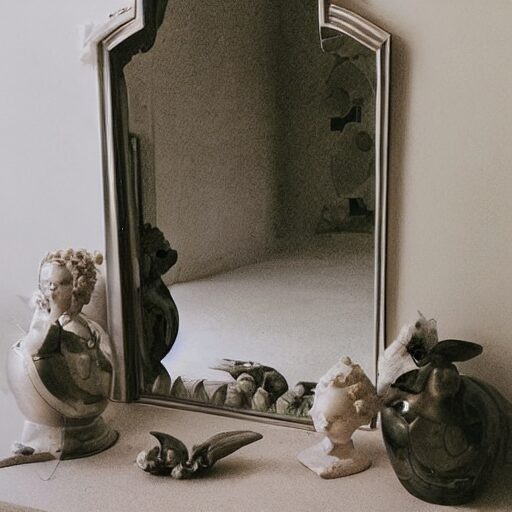
You are using the following HTML tags:
Tag: mirror
-
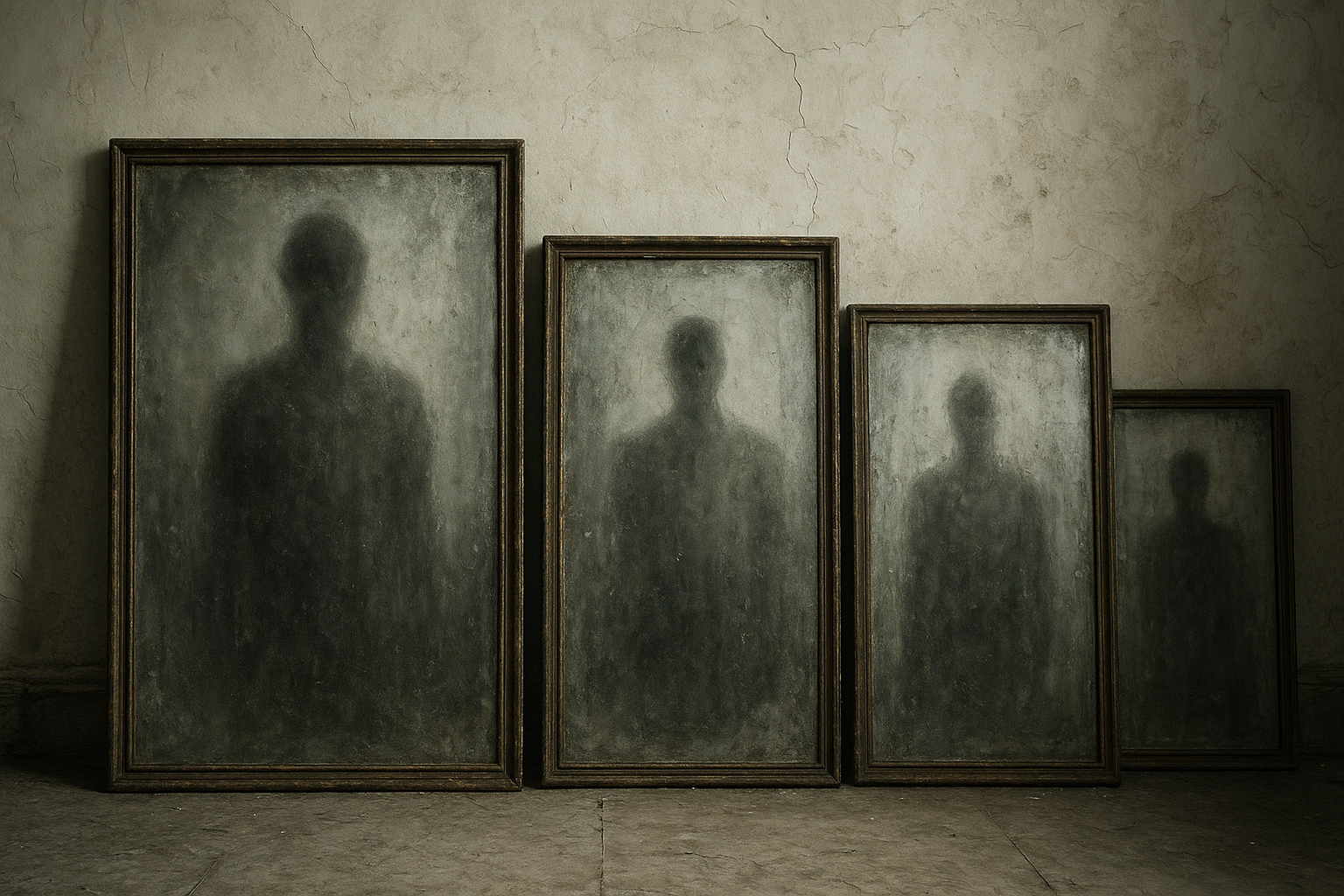
Depersonalized Mirrors – Archetypes in Dissolution
Depersonalized Mirrors: Archetypes in Dissolution
Mirrors have long been symbols of reflection—both literally and metaphorically. They serve as conduits to self-awareness, holders of truth, and sometimes agents of deception. As we delve into the notion of depersonalized mirrors, the dissolution of archetypes emerges as a central theme. This article explores how mirror symbolism intersects with shifting paradigms in identity and archetypal theory.
The Symbolic Nature of Mirrors
For centuries, mirrors have been endowed with symbolic meaning across different cultures and philosophies. They are often seen as portals to self-exploration and metaphysical understanding. In literature, mirrors act as reflective tools, revealing the innermost essence of characters. As Lewis Carroll famously wrote in Alice’s Adventures in Wonderland, mirrors allow us to see “who in the world am I?” (Project Gutenberg).
Archetypes: A Brief Overview
Archetypes are innate, universal symbols and themes that reappear across various narratives and cultural expressions. Carl Jung, the Swiss psychiatrist and psychoanalyst, introduced the concept of archetypes as part of his theory of the collective unconscious. These symbols, such as The Hero, The Shadow, and The Anima, are thought to reside within each individual, shaping behaviors and beliefs.
“The mirror would reflect something more than just a face; it would reflect all the accumulated, supportive symbolisms rooted in archetypes.” – Carl Jung
From Archetypal Symbols to Dissolution
In our contemporary world, the traditional archetypes are undergoing a process of dissolution, much like the depersonalized mirrors that reflect vague and shifting identities. The postmodern critique challenges these age-old symbols, questioning their universal applicability and often highlighting their limitations in accounting for diverse human experiences.
- The Depersonalized Mirror: As a metaphor, it represents the fragmented self, a reflection of modern existential crises where identity is continuously redefined.
- The Dissolution of The Hero: No longer does the monomyth of the hero’s journey resonate with all individuals, as varied narratives arise challenging the traditional heroic virtues.
- The Evolving Shadow: Jung’s Shadow, once a stable repository of the unconscious, now shifts and transforms with societal changes, absorbing deviations and contradictions.
These changes prompt us to ask whether archetypes still hold relevance in personal development and cultural narratives.
Identity in the Age of Individualism
Today’s focus on individualism poses further challenges to classical archetypal frameworks. People are more inclined to carve personal identities, unique narratives diverging from collective myths. The digital age further complicates this with social media acting as a metaphorical mirror, offering reflections that are often distorted or idealized.
As Sherry Turkle, a professor at MIT, argues in her book Alone Together:
“The social networks themselves become a mirror, reflecting idealized self-images rather than authentic ones.” – Sherry Turkle
Recalibrating the Mirror: Towards New Archetypes
The evolution of identity demands new symbols and archetypes that are more inclusive and adaptable. Emerging archetypes take into account complexities beyond traditional binaries, acknowledging fluidity in gender, culture, and belief systems. This recalibration reflects a growing need for symbols that resonate with the contemporary human experience.
Some scholars propose that rather than abandoning archetypes altogether, we should transform them to accommodate diverse narratives. By doing so, literature and media can offer mirrors that reflect a more nuanced reality, echoing both personal and collective transformations.
Conclusion
The depersonalized mirror and the dissolution of archetypes represent a dual narrative of change. While our understanding of identity evolves, mirrors continue to symbolize the quest for self-awareness, albeit now through multifaceted and fluid reflections. As mirrors of the modern psyche, they challenge us to rethink our narratives and embrace new crystalline patterns of meaning.
In a world where the symbolic is in constant flux, the task lies in finding, or perhaps co-creating, archetypes that speak to the kaleidoscope of human experiences, serving as both guides and reflections for the future.
-

The Vanishing Mirror – Depersonalization in Mythic Reflection
The Vanishing Mirror: Depersonalization in Mythic Reflection
Throughout the tapestry of human culture, myths have acted as mirrors reflecting the complexities of our inner worlds. Among these reflections, the phenomenon of depersonalization—wherein an individual feels detached from their own identity—finds intriguing representation. This age-old feeling, resonating through various cultures, offers insight into the human psyche’s confrontation with the uncanny.
Understanding Depersonalization
Depersonalization is a dissociative disorder characterized by a pervasive sense of disconnection from oneself. Individuals describe it as observing oneself from outside the body, akin to living within a dream. Often, this is coupled with derealization, a sense of disconnection from the external world.
The National Institute of Mental Health states, “It can be very distressing when a person feels like they have lost their sense of ‘self’ or personal identity.”
This alienation from self and reality occurs across various contexts, from moments of intense stress to more chronic conditions. However, it also finds expression in myths and stories that transcend individual experience, suggesting a universality to these feelings over time and culture.
Mythic Narratives of Self-Reflection
- The Myth of Narcissus: One of the most well-known tales, the story of Narcissus involves a young man captivated by his reflection in the water, eventually losing himself in it. This echoes the experience of being drawn into one’s own fragmented sense of self, a captivating yet disturbing mirror image.
- The Japanese Tale of Yurei: In Japanese mythology, yurei are spirits caught between the living and the dead, unable to recognize their own demise. They are a haunting representation of unmoored identity, embodying both presence and absence.
- The Greek Myth of Io: Transformed into a cow, Io wanders the earth pursued by a gadfly, disconnected from her former human self. Her tale reflects the alienation and search for identity amidst transformative experiences.
Each of these myths serves as narrative threads weaving through the larger story of human search for identity and confrontation with self-alienation.
Psychological and Cultural Interpretations
Scottish anthropologist Joseph Campbell observed that myths often represent metaphorical truths. He posited that the disconnection experienced by mythic figures reflects psychological states that resonate deeply with our subconscious mind.
Campbell famously stated, “Myth is the secret opening through which the inexhaustible energies of the cosmos pour into human cultural manifestation.”
Indeed, myths that involve depersonalization and identity struggles are not just relics of ancient storytelling but ongoing dialogues within the human condition. These stories allow for a symbolic exploration of themes that might be too abstract or complex to articulate directly.
Modern Echoes and Interpretations
In contemporary culture, depersonalization is frequently explored in literature, film, and art, echoing ancient myths but layered amidst modern contexts. Consider films like “Black Swan” or novels like Haruki Murakami’s “Kafka on the Shore”, where protagonists endure profound psychological fragmentation.
- Film: In Darren Aronofsky’s “Black Swan”, the protagonist’s descent into madness is paralleled with a dissociation from her own identity, mirroring the mythic struggle against oneself.
- Literature: Haruki Murakami often explores themes of duality and alienation, capturing the essence of mythic depersonalization within contemporary narratives.
These modern tales continue the conversation on human identity and self-perception, suggesting that while technology and society evolve, foundational elements of our psyche remain constant.
The Role of Myths in Today’s World
As we move through an increasingly digital and interconnected age, the reflections seen in the mythic mirror remain relevant. Depersonalization, whether through personal experience or mythical narrative, offers a unique exploration of identity. It underscores the enduring mystery of self-perception and the unchanging nature of human struggles.
Ultimately, the stories we pass down—whether from centuries past or penned yesterday—serve as anchors. They remind us that while individual experiences may differ, the fundamental quest for identity and connection is universal.
-

The Infernal Mirror – Demons Reflecting the Self
The Infernal Mirror: Demons Reflecting the Self
For centuries, demons have plagued the imagination, serving as both terrifying adversaries and potent symbols of humanity’s inner struggles. Whether through literature, art, or religion, these diabolical figures manifest an intricate web of meanings that reflect the multifaceted nature of human psychology and morality.
The Historical Context of Demonic Imagery
Demons have been a significant part of mythologies and religions throughout history. From the Assyrian Alû spirits to the malevolent forces described in the New Testament, these entities have personified the darker aspects of the human condition. As Jeffrey Burton Russell, a prominent historian of theology, states, “Demons reflect the social, psychological, and moral dilemmas of their times” (Harvard University Press).
The role of demons evolved from mere external threats to intricate symbols that cast a spotlight on human imperfections and fears. In many early texts, they were seen as literal beings causing havoc, while later interpretations view them as metaphors for internal battles.
Psychoanalytic Perspectives: Demons as Archetypes
The psychoanalytic approach offers a compelling framework for understanding demons as projections of the self. Sigmund Freud’s theories on the subconscious mind suggest that our deepest fears and desires often manifest as external symbols. Carl Jung expanded on this by introducing the concept of archetypes.
“Demons are symbolic of the shadow – the repressed aspects of our psyche that we refuse to acknowledge.” – Carl Jung
In Jungian analysis, the shadow is a part of the unconscious mind composed of repressed weaknesses and instincts. When these elements remain unexamined, they can project outwardly in the form of ‘demons,’ representing the struggle between our conscious ideals and subconscious drives.
Demons in Literature: A Mirror to Morality
Literature has long been a medium through which the struggle between good and evil is explored. Demonic figures in stories often serve as mirrors of the protagonists’ internal conflicts and societal dilemmas. In John Milton’s “Paradise Lost,” Satan is depicted not just as the ultimate evil but as a complex character embodying rebellion, pride, and ambition.
William Blake, a well-known critic of Milton, argues that Milton was “of the Devil’s party without knowing it,” suggesting that the poet subconsciously aligned more with Satan’s rebellious nature than with divine authority. This notion underscores how demons can symbolize the attractive yet destructive qualities within ourselves.
Religious Interpretations: Redemption and Damnation
In religious contexts, demons often embody the struggle between sin and virtue. The Catholic Church’s depiction of demonic possession symbolizes a soul at war, torn between divine grace and mortal sin. Exorcisms traditionally serve as rituals of purification, the ultimate battle between good and evil fought within the individual.
Father Gabriel Amorth, a renowned exorcist, described in his writings that “demons are terrifying reminders of the consequences of human error and the potential for redemption through faith” (Catholic Education Resource Center).
The Artistic Depiction: A Reflection of Culture
In art, demons have been depicted in myriad forms, reflecting cultural attitudes toward sin, morality, and human nature. The Medieval period saw an intense focus on demonic forms as both literal creatures of Hell and allegories for earthly vices. Hieronymus Bosch’s nightmarish landscapes and figures represent not only religious warnings but also a mirror to the human imagination.
Mary Douglas, a social anthropologist, observed that “artistic depictions of demons often reflect societal boundaries, embodying the chaos and disorder that lie just beyond the borders of accepted norms” (Oxford Reference).
The Modern Demon: Technology and Isolation
In contemporary society, demons have taken on new forms, often embodying the challenges presented by modern technology and urban isolation. Films and literature explore themes of technological corruption, where artificial intelligence and digital landscapes spawn new ‘demons’—manifestations of our fear of losing control to an increasingly automated world.
For instance, the demon in Fyodor Dostoevsky’s The Possessed can be seen as a precursor to modern interpretations of societal upheaval and ideological madness, reflecting fears of personal and communal transformation.
Conclusion: The Everlasting Presence of Demonic Reflection
Demons, in their myriad forms, continue to serve as powerful symbols reflecting the deepest conflicts within the human soul. Their presence persists as a testament to our continued struggle with personal and societal challenges. As external manifestations of our inner fears and desires, demons compel us to confront aspects of the self that we would rather hide.
From ancient texts to modern cinema, these infernal reflections question, challenge, and ultimately, illuminate the complexities of the human experience.
As we continue to evolve, so too will our demons, adapting to new contexts and challenges, yet always holding up the mirror to our innermost beings, forcing us to question who we are and what we might become.