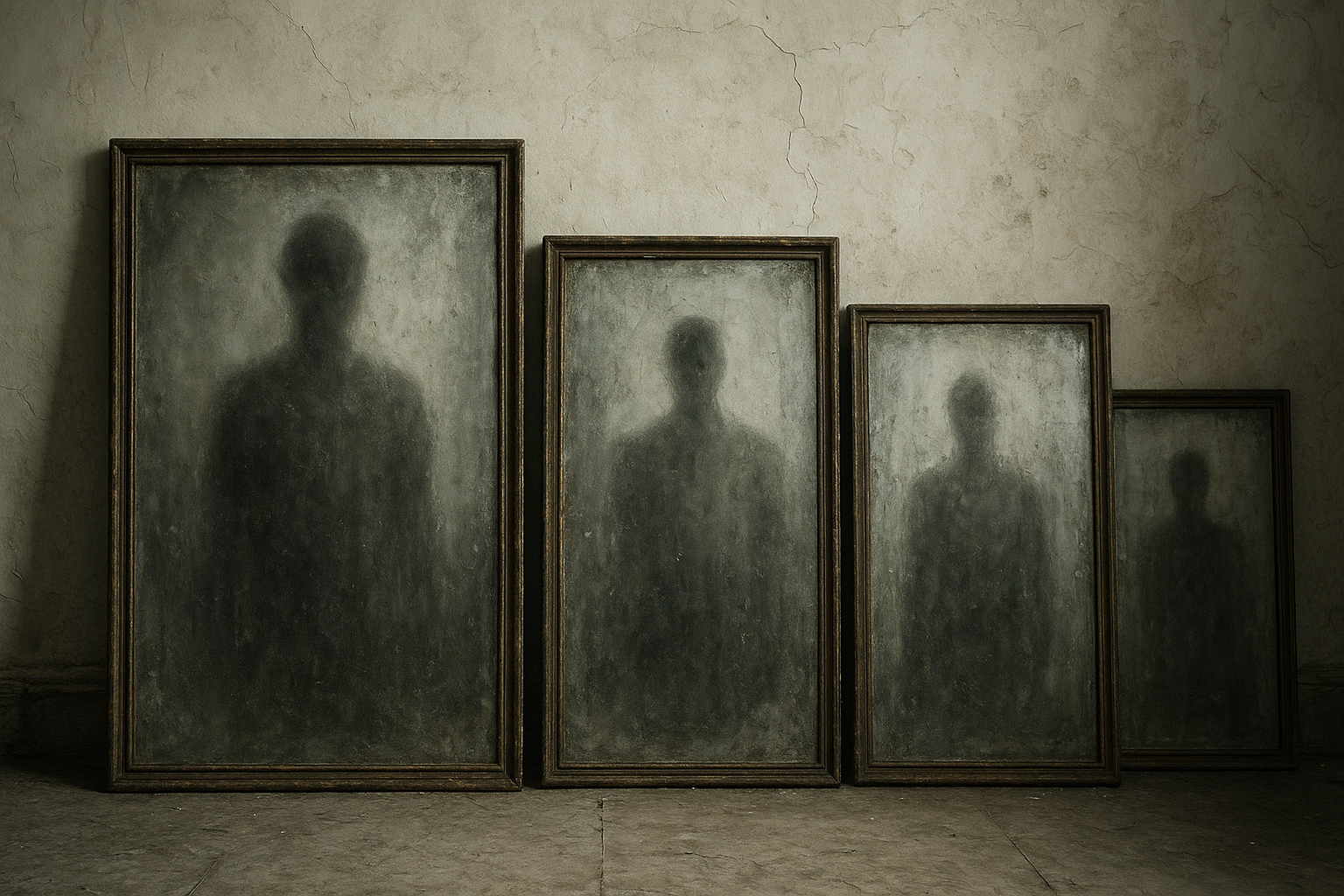
Tag: mirrors

  • Depersonalized Mirrors – Archetypes in Dissolution

    Depersonalized Mirrors – Archetypes in Dissolution

    Depersonalized Mirrors: Archetypes in Dissolution

    Mirrors have long been symbols of reflection—both literally and metaphorically. They serve as conduits to self-awareness, holders of truth, and sometimes agents of deception. As we delve into the notion of depersonalized mirrors, the dissolution of archetypes emerges as a central theme. This article explores how mirror symbolism intersects with shifting paradigms in identity and archetypal theory.

    The Symbolic Nature of Mirrors

    For centuries, mirrors have been endowed with symbolic meaning across different cultures and philosophies. They are often seen as portals to self-exploration and metaphysical understanding. In literature, mirrors act as reflective tools, revealing the innermost essence of characters. As Lewis Carroll famously wrote in Alice’s Adventures in Wonderland, mirrors allow us to see “who in the world am I?” (Project Gutenberg).

    Archetypes: A Brief Overview

    Archetypes are innate, universal symbols and themes that reappear across various narratives and cultural expressions. Carl Jung, the Swiss psychiatrist and psychoanalyst, introduced the concept of archetypes as part of his theory of the collective unconscious. These symbols, such as The Hero, The Shadow, and The Anima, are thought to reside within each individual, shaping behaviors and beliefs.

    “The mirror would reflect something more than just a face; it would reflect all the accumulated, supportive symbolisms rooted in archetypes.” – Carl Jung

    From Archetypal Symbols to Dissolution

    In our contemporary world, the traditional archetypes are undergoing a process of dissolution, much like the depersonalized mirrors that reflect vague and shifting identities. The postmodern critique challenges these age-old symbols, questioning their universal applicability and often highlighting their limitations in accounting for diverse human experiences.

    • The Depersonalized Mirror: As a metaphor, it represents the fragmented self, a reflection of modern existential crises where identity is continuously redefined.
    • The Dissolution of The Hero: No longer does the monomyth of the hero’s journey resonate with all individuals, as varied narratives arise challenging the traditional heroic virtues.
    • The Evolving Shadow: Jung’s Shadow, once a stable repository of the unconscious, now shifts and transforms with societal changes, absorbing deviations and contradictions.

    These changes prompt us to ask whether archetypes still hold relevance in personal development and cultural narratives.

    Identity in the Age of Individualism

    Today’s focus on individualism poses further challenges to classical archetypal frameworks. People are more inclined to carve personal identities, unique narratives diverging from collective myths. The digital age further complicates this with social media acting as a metaphorical mirror, offering reflections that are often distorted or idealized.

    As Sherry Turkle, a professor at MIT, argues in her book Alone Together:

    “The social networks themselves become a mirror, reflecting idealized self-images rather than authentic ones.” – Sherry Turkle

    Recalibrating the Mirror: Towards New Archetypes

    The evolution of identity demands new symbols and archetypes that are more inclusive and adaptable. Emerging archetypes take into account complexities beyond traditional binaries, acknowledging fluidity in gender, culture, and belief systems. This recalibration reflects a growing need for symbols that resonate with the contemporary human experience.

    Some scholars propose that rather than abandoning archetypes altogether, we should transform them to accommodate diverse narratives. By doing so, literature and media can offer mirrors that reflect a more nuanced reality, echoing both personal and collective transformations.

    Conclusion

    The depersonalized mirror and the dissolution of archetypes represent a dual narrative of change. While our understanding of identity evolves, mirrors continue to symbolize the quest for self-awareness, albeit now through multifaceted and fluid reflections. As mirrors of the modern psyche, they challenge us to rethink our narratives and embrace new crystalline patterns of meaning.

    In a world where the symbolic is in constant flux, the task lies in finding, or perhaps co-creating, archetypes that speak to the kaleidoscope of human experiences, serving as both guides and reflections for the future.

  • Depersonalization Mirrors – Loss of Self in Archetypes

    Depersonalization Mirrors – Loss of Self in Archetypes

    Depersonalization Mirrors: Loss of Self in Archetypes

    In the realm of psychology and narrative theory, the phenomenon of depersonalization is a significant topic, often manifesting as a pervasive sense of disconnect from one’s own identity. At its core, this experience is intricately linked with archetypes—universal symbols and themes that recur across cultures and time. As individuals encounter these archetypes in various cultural narratives, they can experience a profound loss of self, a journey that mirrors the characteristics of depersonalization.

    The Nature of Archetypes

    Archetypes, as introduced by Carl Jung, are “universal, archaic symbols and images that derive from the collective unconscious.” These figures, such as the Hero, the Shadow, and the Anima/Animus, serve as templates upon which individuals project their own experiences and emotions. While these archetypes can offer insight and understanding, they can also perpetuate a sense of alienation when individuals find themselves at odds with these established narrative roles.

    Depersonalization as a Modern Dilemma

    Depersonalization is often described as a disconnection from one’s sense of identity and reality. According to the National Center for Biotechnology Information, depersonalization can manifest as a “persistent or recurrent feeling of detachment from one’s mental processes or body, as if one is an outside observer.”

    This feeling of detachment is echoed in stories where characters become estranged from their archetypal roles. The existential angst of the modern person—caught between the desire to fulfill societal roles and the pursuit of individual identity—mirrors this disconnect. As individuals struggle to align with the archetypal images, they may grapple with a loss of self.

    Navigating the Mirror

    The challenge lies in navigating these archetypal mirrors without losing oneself. As Joseph Campbell famously noted,

    “The privilege of a lifetime is being who you are.”

    This journey involves recognizing the influence of archetypes while actively shaping one’s identity beyond these confines.

    Ultimately, overcoming the depersonalization effect of archetypes requires a balance between reflection and self-creation. By embracing a conscious awareness of the stories we inhabit and the roles we assume, individuals can craft unique identities that honor both their personal experiences and the collective symbols that shape human experience.

    As we continue to explore the depth of our unconscious through archetypes, we must also remain vigilant in cherishing the authentic self—a journey that resists the pull of depersonalization and embraces the fullness of individual identity.

  • Mythic Mirrors – Archetypes in Human Reflection

    Mythic Mirrors: Archetypes in Human Reflection

    From the dawn of civilization, humans have been fascinated by stories. These narratives, often rich with characters and motifs, serve not only to entertain but also to mirror our innermost beliefs and fears. Among these motifs, archetypes play a crucial role. Carl Jung, the Swiss psychiatrist and psychoanalyst, introduced the concept of archetypes as recurring symbols or motifs in literature, art, and mythology that are derived from the collective unconscious.

    “Archetypes are, by definition, factors and motifs that arrange the psychic elements into certain images, characterized more precisely as archetypes.”
    – Carl Jung

    Through analysis, we recognize that these mythic mirrors reflect not only cultural values but universal truths about the human experience. This article explores some of these archetypes, delving into their roles in shaping narratives and their significance in human reflection.

    The Hero

    Arguably the most recognizable archetype, the Hero embodies courage, strength, and the ability to overcome great odds. From Hercules to modern-day icons like Superman, the Hero is a pervasive figure across cultures and ages. Joseph Campbell, in his seminal work “The Hero with a Thousand Faces”, describes the Hero’s journey as a monomyth shared globally, emphasizing the transformation of a humble individual into a savior through trials and tribulations.

    • Classical Examples: Odysseus, King Arthur
    • Modern Icons: Katniss Everdeen, Harry Potter

    These figures resonate with audiences because they symbolize the potential for greatness within all of us, encouraging us to face our own challenges with bravery and resilience.

    The Shadow

    Where there is light, there must also be dark. The Shadow archetype represents the hidden, repressed parts of the human psyche, encompassing undesirable traits and ideas crushed by societal norms. The Shadow appears in myriad forms: the monster under the bed, the villain in the narrative, and even within ourselves.

    • Notable Examples: Darth Vader, Mr. Hyde
    • Historical Parallels: Richard III, Macbeth

    Jung suggested that understanding and integrating the Shadow is vital for personal growth. By acknowledging our darker sides, we achieve a harmonious balance in our psyche, leading to a more authentic life.

    The Wise Old Man

    Regarded as the archetype providing knowledge and guidance, the Wise Old Man often appears as a mentor or spiritual guide assisting heroes on their journeys. This figure exudes wisdom gained from years of experience, often dispensing cryptic yet profound advice.

    • Classic Mentors: Merlin, Gandalf
    • Modern Mentors: Dumbledore, Yoda

    Such characters embody the ideal of wisdom and contemplation, illustrating a path toward enlightenment and understanding. They remind us of the value of knowledge and the importance of seeking counsel in times of uncertainty.

    The Anima and Animus

    Exploring the Anima and Animus archetypes, Jung emphasizes the importance of the inner feminine side of a man and the inner masculine side of a woman, respectively. These delineations embody the complementary nature of gendered aspects of the unconscious.

    Accepting and integrating these dualities enriches personal relationships and enhances self-awareness. The goal is to transcend gender binaries, encouraging emotional equilibrium and mutual understanding.

    • Culture References: Disney’s Mulan, Taming of the Shrew

    By examining and embracing these dualities, individuals learn to harmonize their own identities and connect with others on a deeper level, fostering empathy and unity.

    Conclusion

    Archetypes, these mythic mirrors, reflect the essential truths of our existence. They help us understand ourselves better by serving as guides in the complex narrative of life. In each retelling, they affirm the enduring human spirit and our shared journey. The study of archetypes offers a window into our collective psyche, emphasizing that beneath our diverse stories, we are part of a shared human tapestry.

    As we continue to explore the power of archetypes, we draw inspiration and guidance from these timeless figures, shaping our futures while honoring our pasts. The dance between individual experience and collective heritage remains an ode to human resilience and creativity, ensuring that these ancient mirrors will continue to resonate in the stories of tomorrow.

    For more on Carl Jung’s thoughts on archetypes and the collective unconscious, visit the C.G. Jung Center.