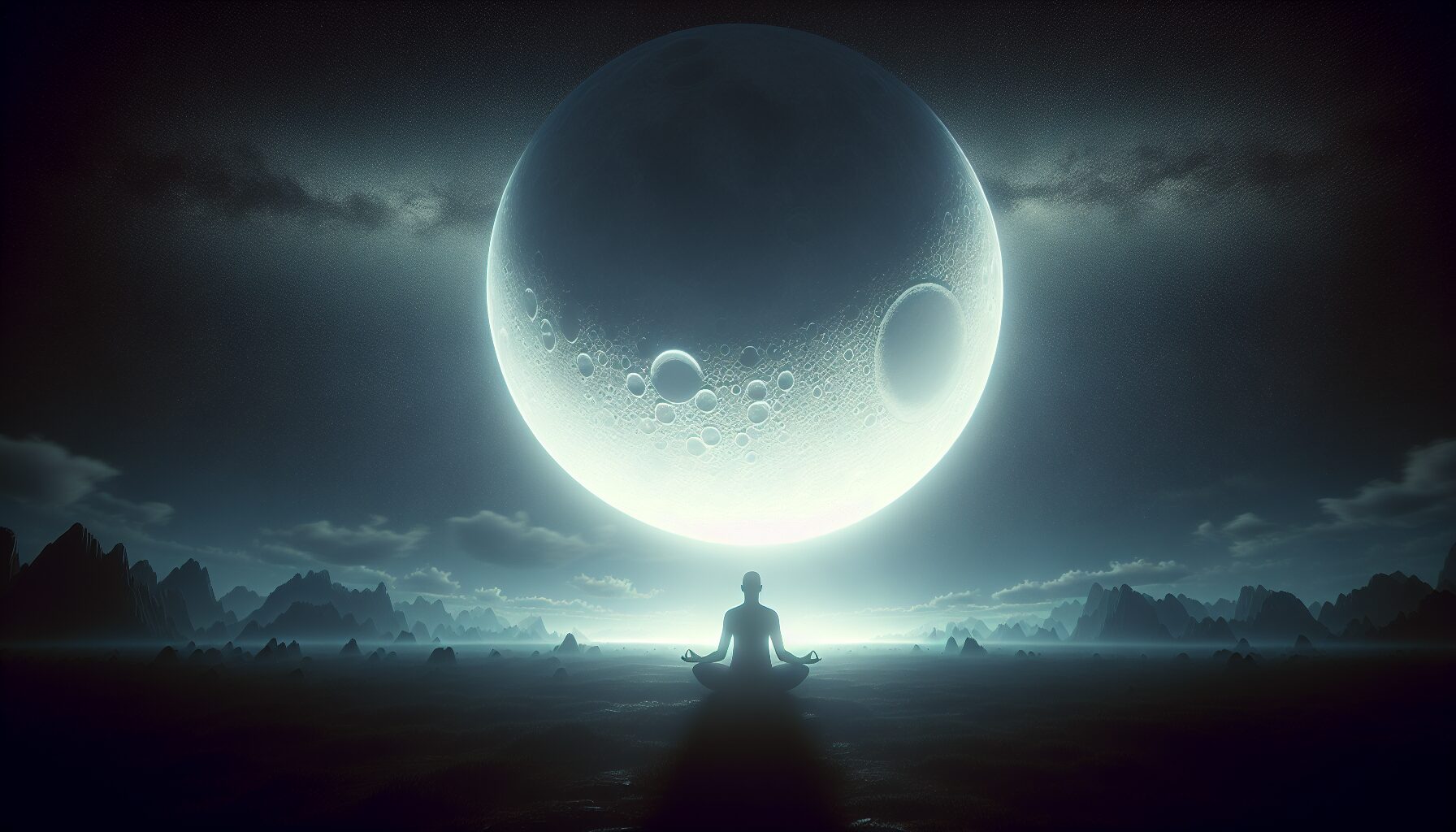
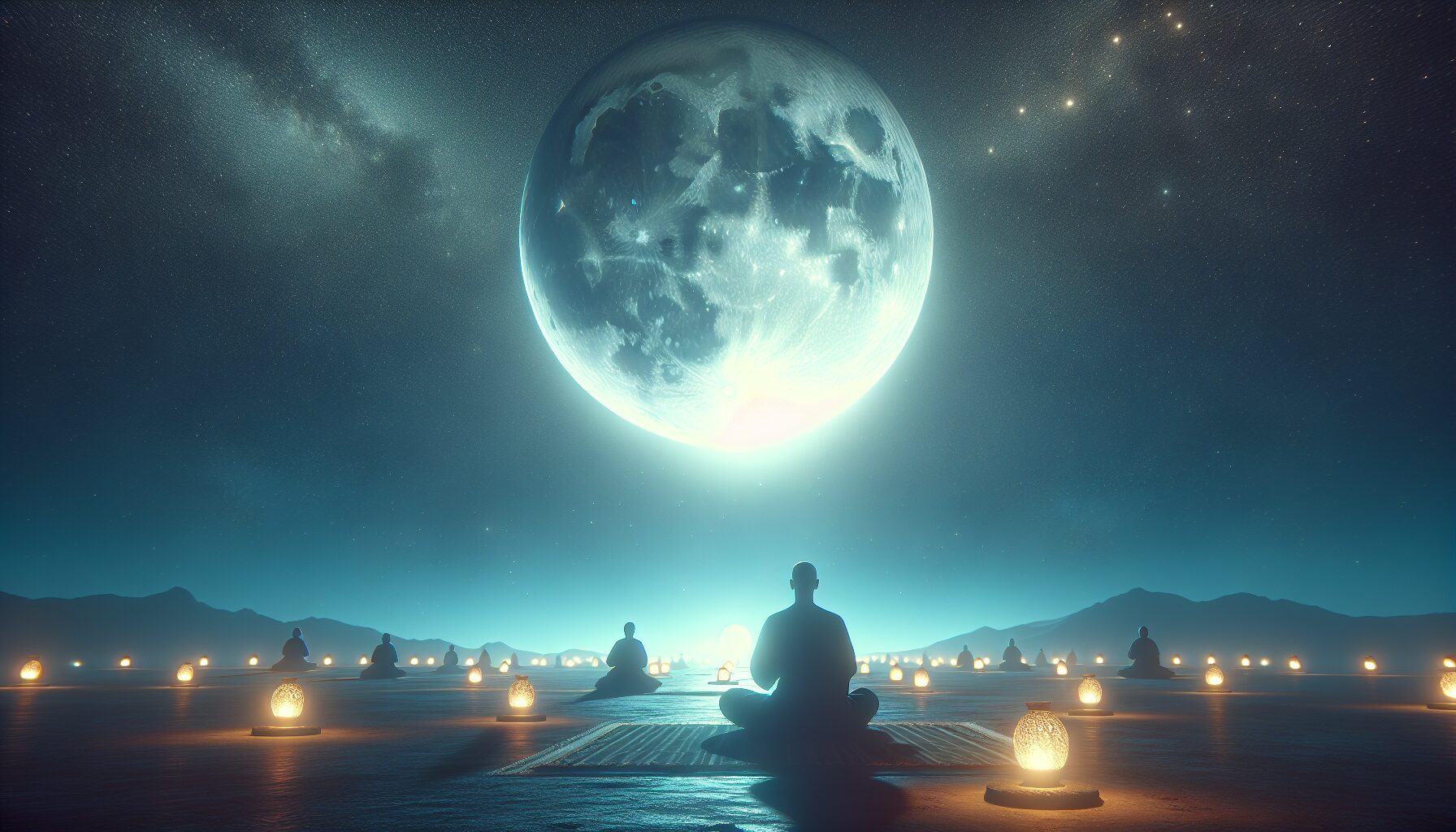
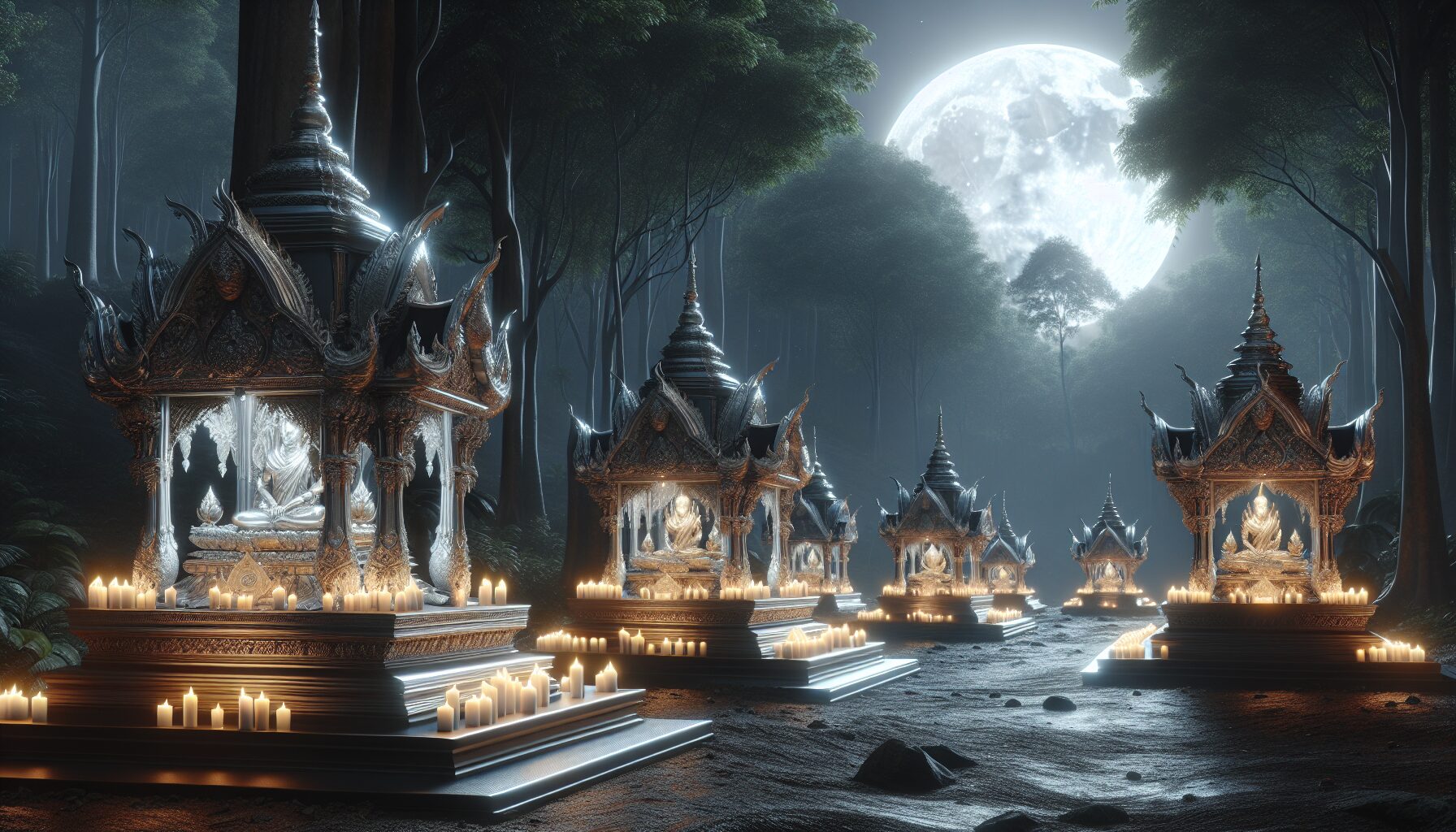
The night has always held a mystical allure, a time when the veil between the mundane and the magical seems to thin. Across cultures and epochs, the moonlit hours have given rise to the construction of moonlight altars, spaces for nighttime devotion. These sacred sites are dedicated to reflection, worship, and communication with the divine. In this article, we will explore the history, significance, and contemporary practices associated with moonlight altars, underlining their timeless appeal.
The Historical Roots of Moonlight Altars
Moonlight altars have an ancient lineage, with evidence of their existence in cultures as far back as the prehistoric era. The moon has always been a powerful symbol, associated with rhythm and time. Archaeological findings, such as the passage tomb at Newgrange in Ireland, suggest that ancient peoples constructed sites aligned with lunar cycles. The Newgrange tomb, dating back to around 3200 BC, is oriented such that the inner chamber is illuminated by the rising sun on the winter solstice, an event often celebrated at night with rituals aimed at rebirth and renewal under the moonlight.
In ancient Rome, the moon goddess Luna was worshipped with altars dedicated to her on hilltops, where her followers could gather under the celestial glow. Similarly, in ancient Egypt, the moon god Khonsu was associated with time and nighttime, and temples were often sites for devotions held during the night.
Symbolism and Significance
The moon influences tides and time, symbolizing change, cycles, and renewal. As the poet John Keats once wrote,
“The moon, like a flower in heaven’s high bower, With silent delight Sits and smiles on the night.”
The symbolism of the moon has been central to the creation of moonlight altars, which serve as focal points for spirituality and human connection to the cosmos.
These altars are designed to harness the moon’s energy, providing a sacred space for introspection, meditation, and worship. The shifting phases of the moon echo the cycles of human life, including birth, growth, decay, and renewal. The nighttime silence enhances these spiritual experiences, allowing individuals to delve deeply into their consciousness.
Cultural Perspectives on Moonlight Altars
- In the East: In Hinduism, the goddess Chandra is revered during nighttime rituals. In Japan, the moon is celebrated in festivals like Tsukimi, where altars are adorned with offerings such as dango (rice dumplings) and seasonal produce to honor the autumn moon.
- In the West: The Western mystics often constructed altars for moon phases, especially during the esoteric practices of the Middle Ages. Wiccan traditions have inherited these practices, using moonlight altars for full moon ceremonies that focus on healing and manifestation.
- Indigenous Cultures: Native American tribes have a longstanding tradition of moon veneration, celebrating the Grandmother Moon in cycles marked by rituals and storytelling aimed at connecting individuals with nature and their ancestors.
Modern Interpretations and Practices
Today, moonlight altars are witnessing a resurgence among those seeking spiritual solace in modern life. Known as neo-paganism and modern witchcraft, these practices have evolved but still hold a deep reverence for the moon. Social media platforms feature communities sharing their altar setups, exchanging rituals, and guiding lunar-based meditative practices.
Creating a moonlight altar can be a deeply personal venture. Essential elements typically include:
- Nature-inspired items: Stones, crystals, and seashells that reflect the altar creator’s intentions.
- Candles and incense: Used for purification and invoking the moon’s energy.
- Symbolic objects: Statues, offerings, or talismans representing lunar deities.
Devotional practices often include meditation, prayer, and chanting under the moonlight. These rituals aim to foster a connection with the subconscious, encouraging mindfulness and inner peace.
The Science and Psychology Behind Nighttime Devotion
While moonlight altars are steeped in tradition, there is a psychological element that modern science acknowledges. The tranquility of night, coupled with dim lighting, can enhance relaxation and focus. Taking time for quietude and reflection without the clanging demands of daily life can have a meditative effect, similar to modern mindfulness practices.
Psychologically, the act of constructing and attending to an altar can serve as a healthy ritual that provides structure and comfort. These repetitive actions are found to reduce stress and allow individuals to process their emotions. The presence of a tangible, sacred space can also be grounding, acting as a physical marker of spiritual intention.
Creating Your Own Moonlight Altar
If you feel drawn to the idea of a moonlit altar, the process of creation is simple and open to personalization. Begin by selecting a location that you can easily access at night, such as a garden, balcony, or even a windowsill that catches moonlight.
Consider the following elements to include in the creation of your altar:
- Moon Journal: Keep a journal for reflections and aspirations you wish to revisit during different lunar phases.
- Botanical Arrangement: Use flowers, leaves, or plants that bloom uniquely under moonlight, such as moonflowers or night-blooming jasmine, to create natural beauty.
- Lunar Artwork: Artistic representations of the moon or its deities can personalize your altar further and foster deeper connections.
Above all, allow your altar to reflect personal spirituality and connection to the moon’s energy. Whether it’s for meditation, ritual, or simply a moment of peace under the night sky, a moonlight altar can become a cherished focal point in your spiritual journey.
Moonlight altars are symbolic of humanity’s long-standing reverence for the night and its celestial overseer. These sacred spaces are not only a testament to ancient wisdom but also a bridge to contemporary spiritual exploration, continuing to offer solace and reflection under the tranquil gaze of the moon.