Tag: myth
-
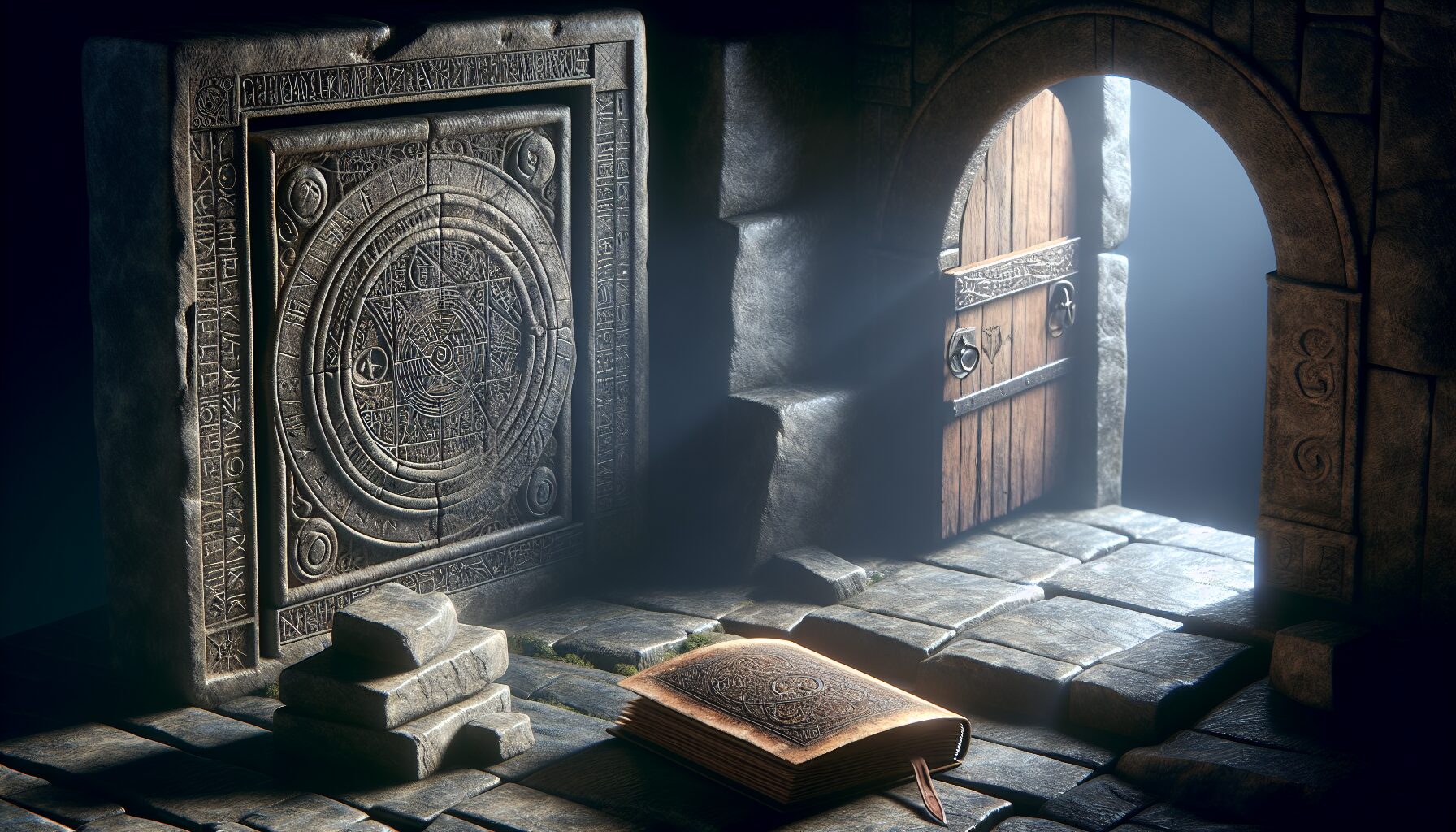
Veiled Mysteries – Secret Knowledge in Myth and History
Veiled Mysteries: Secret Knowledge in Myth and History
Throughout human history, the allure of secret knowledge has captivated the minds of scholars, mystics, and the general populace alike. This fascination manifests in myths, religious texts, and historical accounts, illustrating humanity’s persistent quest to uncover the hidden layers of reality. Veiled mysteries provide not only a window into past belief systems but also illuminate current cultural narratives about power, wisdom, and the unknown.
The Mythological Foundations of Hidden Wisdom
Many myths and legends across cultures recount tales of forbidden knowledge. Often, these stories warn of the dangers that accompany such knowledge. A quintessential tale from Greek mythology is that of Pandora’s Box. Crafted by the gods, Pandora was given a box—or, more accurately, a jar—which she was instructed not to open. Her curiosity, however, got the better of her, leading to the release of all the world’s ills but leaving hope inside.
“Stronger than lover’s love is lover’s hate. Incurable, in each, the wounds they make.”
Another profound myth is that of Prometheus, who defied Zeus by stealing fire from the gods to give to humanity. This act of rebellion was punished severally, highlighting the double-edged nature of imparted wisdom. Knowledge, once dispensed, held the potential for great progress but also invited divine retribution.
Religious Texts and the Quest for Esoteric Knowledge
In religious traditions, secret knowledge often holds salvation’s key yet remains restricted to chosen individuals. The Gnostic texts, such as those found in the Nag Hammadi library, offer an alternative Christian narrative. These writings, too dangerous for early orthodox Christianity, preached personal spiritual enlightenment through hidden truths rather than dogmatic rituals.
In Judaism, the Kabbalistic tradition contains deeper interpretations of the Torah, accessible only to those deemed spiritually mature enough. The Kabbalah explores the nature of God, the universe, and the human soul. Initiates must study intensively to decode the divine wisdom hidden within sacred texts.
Historical Accounts of Secret Societies
Secret knowledge extends beyond myth into historical record through the presence of secret societies. The Freemasons, for instance, have been the center of fascination and conspiracy theories for centuries. With roots purportedly stretching back to the time of King Solomon, Freemasonry encapsulates a blend of moral philosophy and mystical knowledge guarded by oaths and rituals.
In Renaissance Europe, the Rosicrucians claimed access to esoteric truths and alchemical wisdom. Their writings inspired generations of mystics and scientists intrigued by the promise of intellectual and spiritual renaissance expansion. The emblem of the rose and cross symbolizes the harmony of body and spirit, concealed from the uninitiated.
Secret Knowledge in Literature
Many literary works explore the theme of hidden knowledge. In Umberto Eco’s The Name of the Rose, the labyrinthine library holding forbidden texts represents the tension between sanctioned doctrine and revolutionary ideas. The pursuit of such materials can turn deadly, enveloping seekers in intrigue and danger.
Similarly, in The Da Vinci Code by Dan Brown, the narrative centers around clandestine symbols and societies protecting ancient secrets capable of rocking the foundations of modern belief systems. The work of Franz Kafka, particularly The Castle, epitomizes the struggle against inscrutable, hidden bureaucratic structures representing elusive knowledge and power.
The Role of Secret Knowledge Today
Contemporary society continues to grapple with themes of secret knowledge. The internet has become a modern manifestation of both vast accessible information and clandestine ‘dark webs.’ The struggle between transparency and privacy reflects an ongoing societal tension mirrored in the archetypes of hidden wisdom.
Moreover, revolutionary technologies—from artificial intelligence to genome editing—pose new ethical quandaries akin to mythical allusions. As humanity treads uncertain paths, the ancient lessons surrounding secret knowledge remain salient: with wisdom comes responsibility, and with great power, potentially great peril.
Conclusion
Veiled mysteries have consistently enchanted humanity by promising the ability to transcend our mortal limitations through forbidden wisdom. By understanding these mythological, religious, and historical contexts, we gain insight not just into the past but also into present and future challenges. As we encounter new doors shrouded in mystery, the lessons of those who sought hidden knowledge before us become invaluable guides.
-
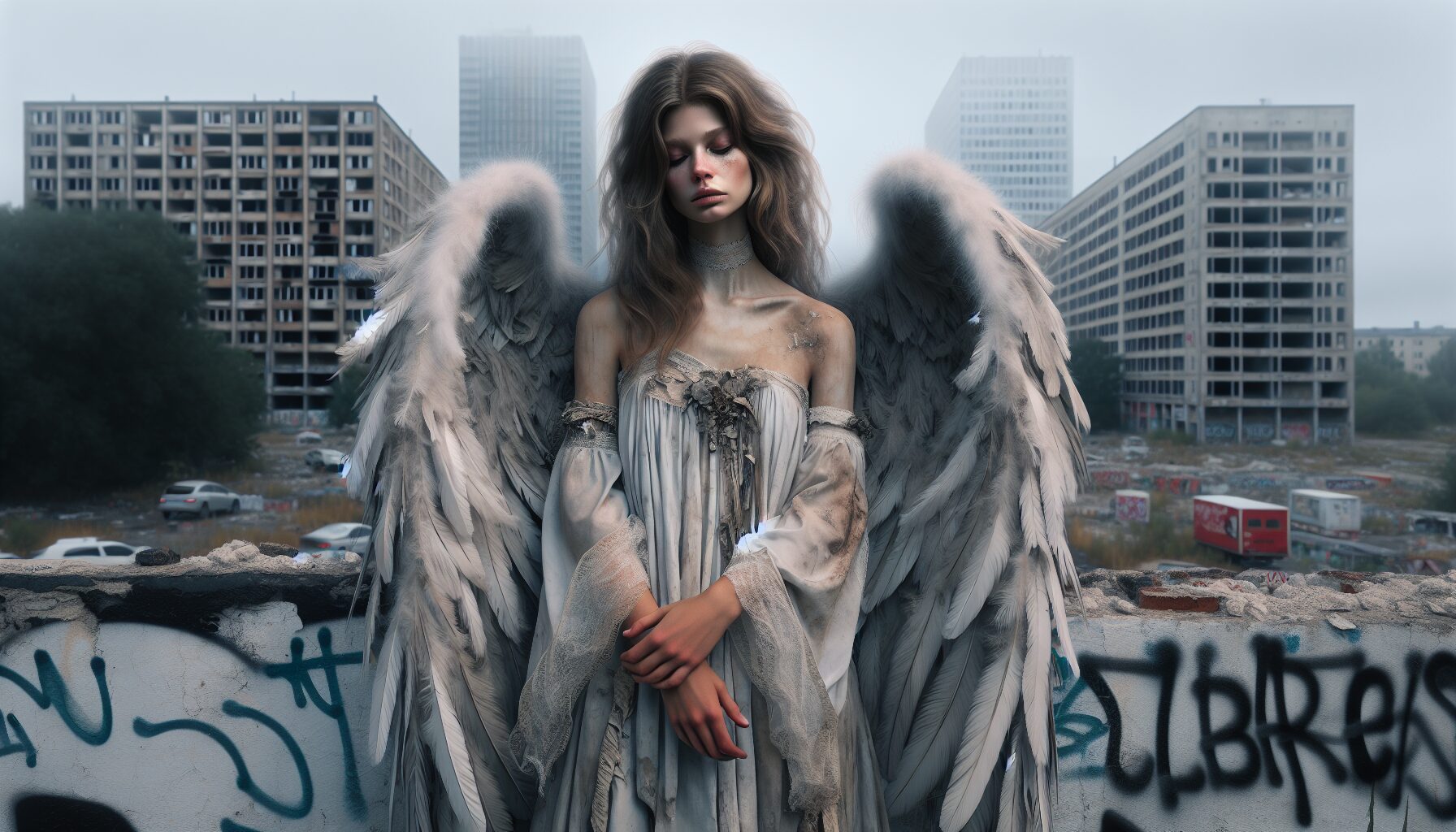
Angels in Decay – Mythcore Reflections on Modern Society
Angels in Decay: Mythcore Reflections on Modern Society
In the iridescent tapestry of contemporary culture, the term “Mythcore” emerges as a niche yet profoundly evocative artistic and philosophical stream. Bridging mythological motifs with modern existential reflections, it unveils layers of hidden truths through the lenses of metaphor and allegory. The concept of “Angels in Decay” provides a poignant backdrop through which we can explore the disintegration of societal myths and their reverberations across human consciousness.
The Rise of Mythcore
Before delving into the specifics of contemporary society’s angels in decline, it is essential to understand the foundational aspects of Mythcore. As a cultural movement, Mythcore seeks to reimagine ancient narratives within the framework of modern existential dilemmas. It intertwines elements of literature, art, and philosophical critique to question prevailing societal norms and offer escape or enlightenment.
“Mythcore isn’t just about revisiting old stories; it’s about finding meaning in a world that seems increasingly devoid of it,” notes cultural theorist Jonathan Jones.
Angels as Archetypal Beings
Angels, within various mythologies and religious discourses, have always embodied intermediary forces between the divine and the earthly planes. They represent purity, guidance, and the unseen hand of providence. However, within the Mythcore framework, angels often symbolize grandeur that has fallen from grace, mirroring society’s diminishing ideals and increasing moral ambiguity.
These divine messengers, in their decay, reflect how the sanctified notions of truth, justice, and beauty have eroded in the face of relentless modernity.
Decaying Myths in Modern Society
As technology and media shape our reality, societal myths — those longstanding beliefs and ideals that shaped our ancestors’ worldviews — are transforming into relics of a bygone era. The phenomenon of “Angels in Decay” encapsulates this transition.
- The Myth of Progress: The 20th and 21st centuries marked an era of unprecedented technological and scientific advancements. Yet, amid prosperity, myths of unbridled progress have been tarnished by environmental degradation and ethical dilemmas in artificial intelligence. The angel of technology, once a beacon of hope, now bears wings soiled by overreach and hubris.
- The Myth of Common Good: In theory, society thrives on collective well-being. In practice, however, the myth decays under the weight of individualism and divisive politics. As the angel of communal harmony struggles amid stark inequality, the Mythcore narrative questions if genuine altruism is obsolete.
- The Myth of Truth: In the digital age, information flows ceaselessly, yet the pursuit of truth appears more elusive than ever. Misinformation clouds our collective understanding, ensuring that the angel of truth is beleaguered by the shadows of lies and deception.
Art and Literature: Mirrors to a Decaying Society
Throughout history, art and literature have provided critical reflections on societal changes, serving as both commentary and catalyst. Within the Mythcore domain, they remain vital in unraveling the metaphysical underpinnings of angels in decay.
Consider the works of Neil Gaiman and his depictions of celestial beings in decay in The Sandman series—a profound exploration of myth intersecting with everyday reality. These narratives challenge the reader to witness angels as fallible, engaging characters that resonate with humanity’s struggles.
“Stories are how we perceive the world; they are the way we talk to each other; they are the things that we aspire to. They are the things we make up… about ourselves,” writes Gaiman (The Guardian).
Philosophical Implications
The philosophical undertones of angels in decline offer fertile ground for discourse. What does the decay of these celestial figures imply about our self-perception? What can we learn from the myths as they crumble? The Mythcore perspective encourages a reevaluation of existential crises and a resurgence of wonderment in understanding mortality and morality.
Philosopher Jean Baudrillard articulates the hyperreal condition of society, a space where truths become distorted by mere simulations. Mythcore advocates for peeling away these veneers to recover authenticity, even in entropic forms—championing beauty in decay.
Embracing the Decay: A Call to Action
Where does Mythcore’s narrative of decaying angels lead us? It urges not resignation but reflection and renaissance. By acknowledging the erosion of archaic myths, individuals are hopefully inspired to foster new narratives that embrace change, complexity, and compassion.
The call is clear: to transcend traditional belief systems and improve our shared social fabric, understanding that decay is not only an end but the prelude to rebirth and transformation. The angelic myth, even as it decays, can illuminate pathways for renewed hope and ethical evolution.
Conclusion
“Angels in Decay” within Mythcore reflections impel us to scrutinize, reimagine, and reconfigure contemporary society’s metaphoric angels for a promising future. Yes, angels may falter, but their essence lingers, urging humanity to navigate the labyrinthine modern milieu with a fresh sense of curiosity and conscience.
The intertwined fabric of myth, art, and philosophy beckons for new stories, scripting the unfinished symphony of angels, both celestial and earthbound.