Tag: nature

  • Necrotic Rituals – Practices to Embrace Impermanence

    Necrotic Rituals – Practices to Embrace Impermanence

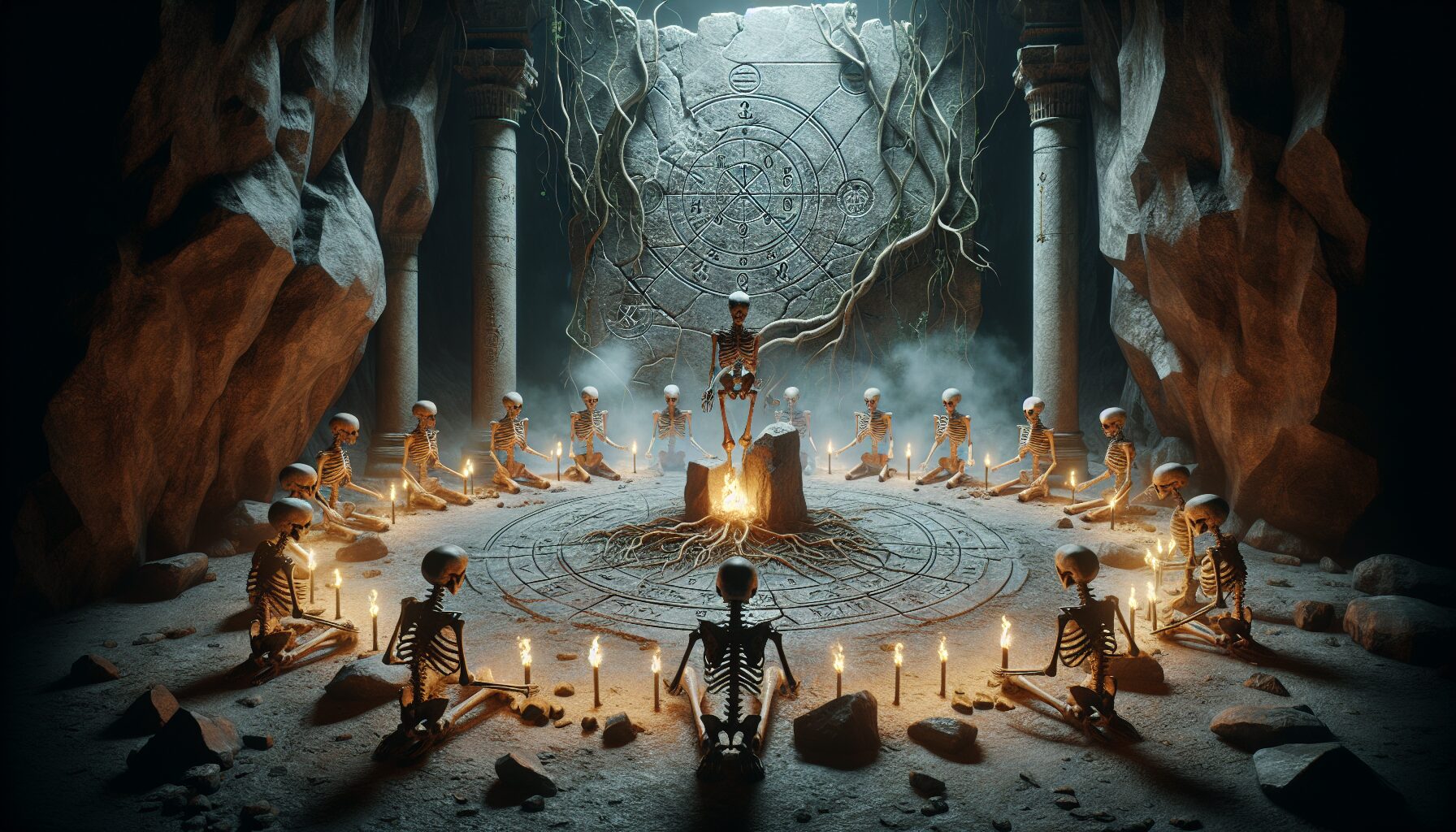
    In the rich tapestry of human civilization, the inevitability of death has always been a profound muse. Across cultures and eras, necrotic rituals have offered a lens through which societies understand impermanence and the art of letting go. Far from being mere macabre observances, these rituals are testaments to humanity’s enduring endeavor to embrace the transient nature of life.

    The Philosophical Underpinnings of Necrotic Rituals

    Impermanence is a central theme in many spiritual philosophies, serving as a reminder that everything that begins also has an end. This concept is especially pronounced in the philosophical traditions of Buddhism. Thich Nhat Hanh, a renowned Buddhist monk, once said, “Thanks to impermanence, everything is possible.” (Thich Nhat Hanh) This quote underscores the potential for growth and change, highlighting the importance of accepting life’s ephemerality.

    Necrotic rituals manifest this understanding by providing frameworks within which communities can process loss, celebrate life, and transition between states of being. By engaging with death in a structured way, participants can find peace and closure.

    Historical Practices Acknowledging Impermanence

    • Ancient Egyptian Mummification: The intricate processes involved in mummification demonstrate the Egyptians’ profound respect for the afterlife. By preserving the bodies of the deceased, Egyptians viewed death not as an end but a transition to another state, underscoring the cyclical nature of existence.
    • Mexican Día de los Muertos: Celebrated primarily in Mexico, the Day of the Dead is a vibrant remembrance of ancestors. Altars, or ofrendas, are adorned with photographs, marigold flowers, and favorite foods of the deceased, illustrating a joyous acceptance of death as a natural part of life’s continuum.
    • Tibetan Sky Burials: This practice is based on the Vajrayana Buddhist belief in transmigration of spirits. The ritual involves exposing the body to the elements and scavengers, symbolizing the return of the body to nature and the continuous cycle of life and death.

    The Modern Resurgence of Necrotic Rituals

    In contemporary times, there is a growing movement to rekindle traditional necrotic rituals. This resurgence is often driven by a desire to counteract the often sterile and impersonal modern treatment of death. By re-engaging with these ancient practices, individuals can find solace and meaning in death’s inevitability.

    “Death is not the opposite of life but a part of it.” —Haruki Murakami

    This recognition has led to the development of new ceremonies that emphasize sustainability and community. Green funerals and natural burials, for instance, reflect a growing awareness and respect for the environment, resonating with the ethos of returning to the Earth.

    Ritual as a Personal Journey

    Participation in necrotic rituals is often a deeply personal journey. For many, these practices provide a space for reflection, catharsis, and the fostering of connections. Here are a few ways individuals engage with these practices today:

    • Personal Altars: Inspired by traditions such as Día de los Muertos, individuals create small altars at home. These spaces often include photographs, mementos, and offerings, serving as a daily reminder of loved ones who have passed.
    • Journaling and Creative Expression: Many turn to writing, art, or music as a means to process grief and explore the concept of impermanence. Through these creative outlets, people can transform pain into something beautiful and enduring.
    • Mindful Practices: Meditation and mindfulness are powerful tools for embracing change and impermanence. These practices can cultivate a deeper appreciation for the present moment and foster acceptance of life’s fleeting nature.

    Embracing Impermanence in Everyday Life

    While traditional rituals provide structured ways to engage with death, there are countless opportunities to embrace impermanence in daily life. Simple activities such as mindful breathing, spending time in nature, or appreciating the ephemeral beauty of a sunset can serve as reminders of life’s transient beauty.

    Moreover, rethinking our relationship with material possessions can lead to greater peace and fulfillment. Adopting a minimalist lifestyle, for instance, encourages the notion that less is more, emphasizing experiences over things.

    A Global Dialogue on Death

    The conversation surrounding necrotic rituals is becoming increasingly global. With platforms that connect people from around the world, there is a unique opportunity to share and learn from diverse cultural practices. As societies continue to evolve, the integration of traditional and contemporary rituals can provide a holistic approach to embracing impermanence.

    In conclusion, necrotic rituals offer profound opportunities for reflection and growth. By engaging with these practices, individuals and communities around the world can find deeper meaning and connection with the cycle of life and death. Through understanding and acceptance, the acceptance of impermanence becomes not a source of fear, but a catalyst for living more fully.

    For more insights into these practices, explore resources from cultural studies, browsing through collections such as the fascinating articles at The Metropolitan Museum of Art.
  • The Silent Cathedral – Sacred Spaces Beyond Religion

    The Silent Cathedral – Sacred Spaces Beyond Religion

    You need to be logged in to view this content. Please . Not a Member? Join Us
  • Necrotic Landscapes – Art Inspired by Decay and Death

    Necrotic Landscapes – Art Inspired by Decay and Death

    You need to be logged in to view this content. Please . Not a Member? Join Us
  • The Invisible Garden: Urban Nature Mysticism

    The Invisible Garden: Urban Nature Mysticism

    You need to be logged in to view this content. Please . Not a Member? Join Us
  • Walking Among Ruins: Urban Mysticism

    Walking Among Ruins: Urban Mysticism

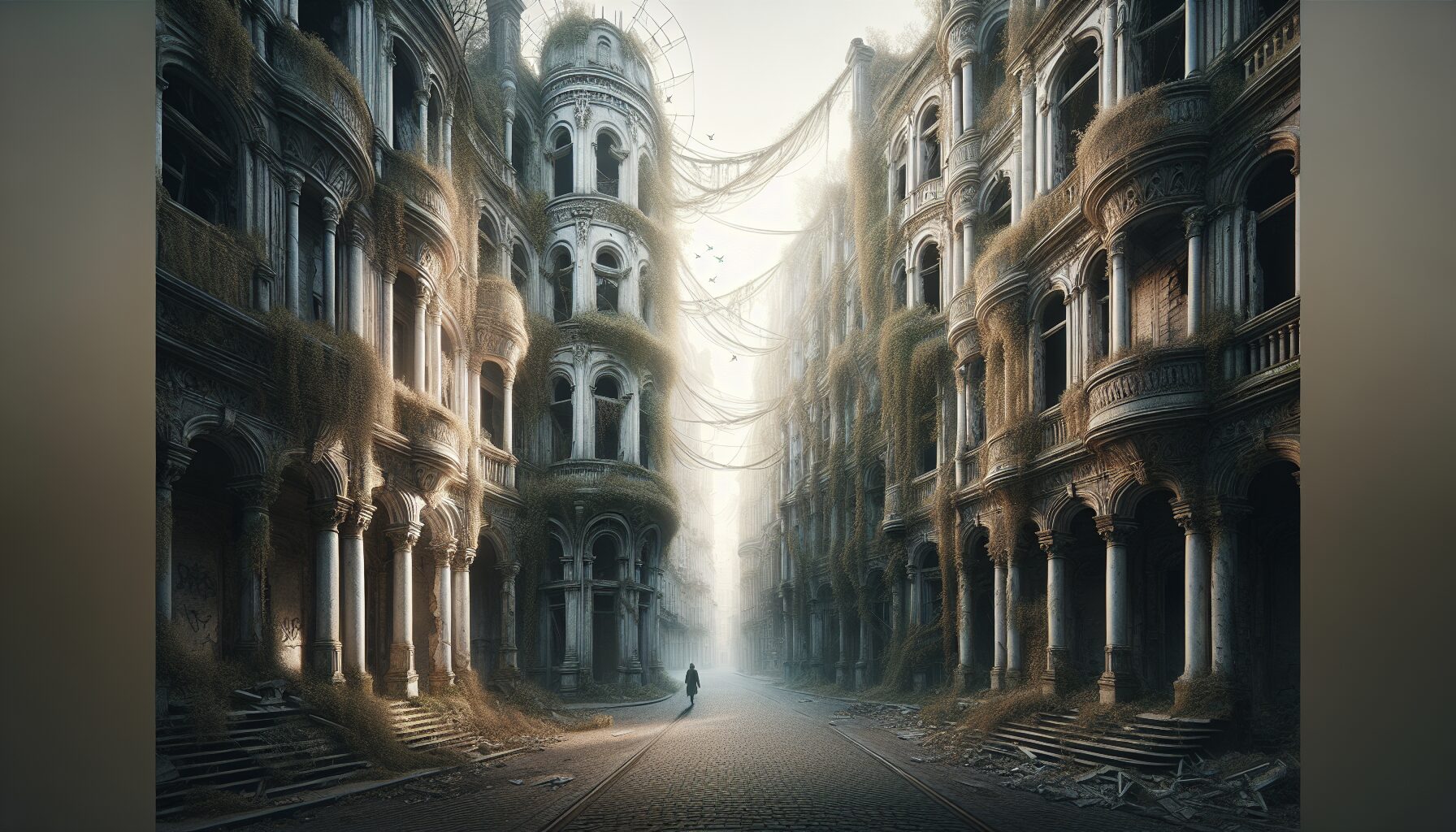
    The modern cityscape is often characterized by sleek skyscrapers, vibrant nightlife, and bustling streets. Yet, hidden in the shadows of this urban landscape lies an enduring fascination with the remnants of the past. Exploring the ruins of a city’s history can unlock a unique form of mysticism that resonates deeply with urban explorers and history enthusiasts alike.

    The Allure of Urban Ruins

    Urban ruins, often neglected and overgrown, hold an undeniable allure. These spaces are relics from another time, frozen in a state of decay. This paradox of both presence and absence captures the imagination and invites reflection. The popularity of movements such as urban exploration or “urbex” has grown significantly in recent years, with adventurers drawn to sites that range from industrial factories to abandoned theaters.

    Renowned photographer Romain Veillon, who has captured countless hauntingly beautiful images of these spaces, notes, “Ruins are like a portal to the past; they give us a glimpse into the lives and dreams of those who came before us.” Such encounters provide a stark reminder of the impermanence of human endeavors, juxtaposed against nature’s relentless reclaiming of space.

    Mysticism and Reflection

    The mysticism associated with urban ruins extends beyond mere visual appeal. Walking through these spaces fosters a form of deep, almost spiritual reflection. The silence, often punctuated only by the sounds of nature or the occasional graffitied wall, encourages a contemplative state of mind. These sites become places of sanctuary, where one can escape the relentless pace of urban life and engage with the metaphysical.

    “In every walk with nature, one receives far more than he seeks,” wrote the influential naturalist John Muir. While he referred to wild landscapes, the sentiment also applies to these urban jungles. Ruins invite visitors to ponder existential questions, consider the passage of time, and reflect on personal histories intertwined with the built environment.

    Famous Urban Ruins

    • Chernobyl Exclusion Zone: Perhaps the most infamous of urban ruins, Chernobyl’s deserted towns and villages offer a haunting glimpse into a world interrupted by disaster. Guided tours allow visitors to witness how nature has begun to reclaim these spaces.
    • The Detroit Packard Plant: Once the largest and most advanced automobile factory in the world, this mammoth facility now stands as a symbol of Detroit’s industrial rise and fall. Its vast spaces, now inhabited by street artists and wildlife alike, exemplify urban decay.
    • Hashima Island, Japan: Known as “Battleship Island,” Hashima was once a bustling center of coal mining. Today, its abandoned concrete structures provide a dramatic testament to the boom and bust of industrial modernity.
    • Pompeii, Italy: Though not a modern ruin, Pompeii’s excavation allows visitors to walk streets frozen in time by volcanic ash, a powerful reminder of nature’s strength.

    Reclaiming Lost Spaces

    While many ruins remain untouched, others have been integrated into the living urban fabric, offering opportunities for communities to reclaim these spaces in creative and sustainable ways. Adaptive reuse is a practice that transforms derelict structures into new venues for art, culture, and community engagement.

    The transformation of the High Line in New York City from an old railway to a thriving city park exemplifies this process. It has become a cherished green space that celebrates both the past and present, offering insight into how the scars of a city’s history can be healed and repurposed.

    Conclusion

    Walking among urban ruins is an experience that opens the door to a unique kind of mysticism that is as relevant today as it was when these structures were first built. They serve as reminders of the impermanence of human achievements and the enduring power of nature, inviting us to question our place within this world.

    “We are all visiting this time, this place. We are just passing through. Our purpose here is to observe, to learn, to grow, to love… and then we return home,”

    This quote serves as a poignant reminder of the transcendent nature of our existence. In the ruins of our cities, we find echoes of those who wandered before us and perhaps, a clearer understanding of our own journey.

  • The Dust of Angels: Essays on Ephemerality

    The Dust of Angels: Essays on Ephemerality

    You need to be logged in to view this content. Please . Not a Member? Join Us
  • The Invisible Garden: Secret Places in Plain Sight

    The Invisible Garden: Secret Places in Plain Sight

    You need to be logged in to view this content. Please . Not a Member? Join Us