Tag: occult

  • The Occult City – Exploring Hidden Spiritual Spaces

    The Occult City – Exploring Hidden Spiritual Spaces

    The Occult City: Exploring Hidden Spiritual Spaces

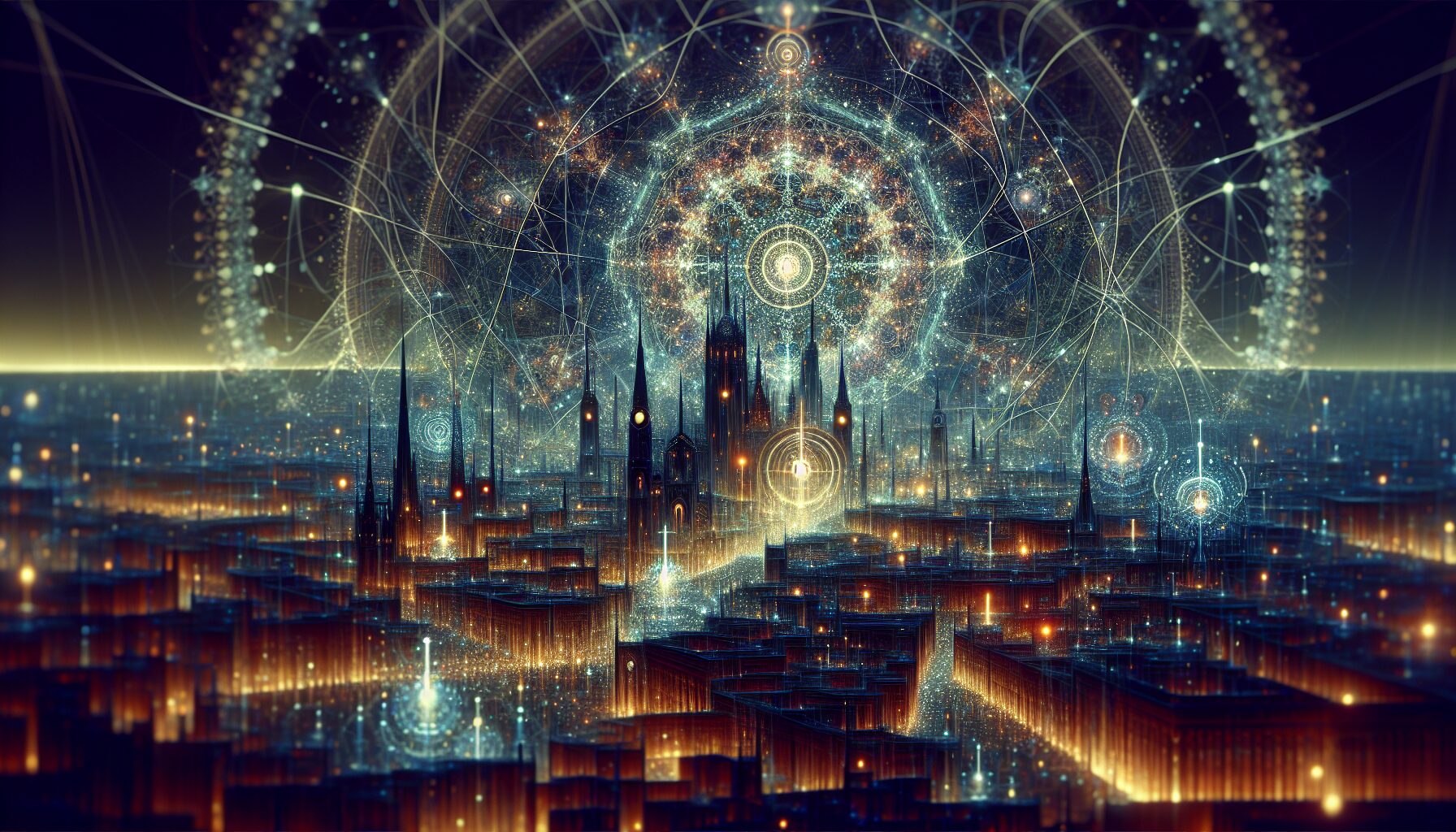
    In the shadowy corners of bustling urban landscapes, there exists a parallel world resonating with whispers of mysticism and the esoteric. The occult city, often hidden in plain sight, offers spaces where spiritual seekers and curious souls converge to explore metaphysical realms. This exploration delves into the fascinating world of secret sanctuaries, mystical histories, and the thriving communities that sustain the occult in today’s modern cities.

    The Allure of Occult Spaces

    Urban environments, with their fast-paced lifestyles, often mask the subtle enchantments lying beneath their surfaces. Yet, for those willing to seek, the city reveals itself as a labyrinth of hidden occult spaces. Places such as hidden bookstores filled with ancient texts, intimate coven gatherings, and spiritualist reading rooms transform the urban sprawl into a haven for esoteric exploration.

    “There is a deeper reality beneath the visible city—a spiritual city within the material one,” writes Alain de Botton, capturing the essence of these mystical enclaves.

    Mystical History Woven Into the Urban Fabric

    The history of many cities is interwoven with myth and magic. From the ancient alchemists of Paris to the spiritualist movements in New York, urban centers have long been fertile grounds for occult practices. Exploring these historical roots offers a glimpse into how past esoteric traditions continue to influence present-day spiritual landscapes.

    • Paris: Often dubbed the city of light and shadow, Paris has been home to notable occult figures, including alchemists like Nicolas Flamel, whose legendary quest for the philosopher’s stone still captivates imaginations.
    • London: This metropolis boasts numerous tales, such as the reputedly haunted Highgate Cemetery and the secretive gatherings of the Hermetic Order of the Golden Dawn, a group dedicated to exploring Western esoteric traditions.
    • New York: The late 19th-century spiritualist movement found a vibrant community in New York, with figures like Madame Blavatsky bringing Theosophy to the forefront of urban spiritual life.

    Modern Manifestations of the Occult

    In contemporary cities, the occult thrives within both conventional and unconventional spaces. Mystic shops sell talismans and tarot cards, while online platforms offer virtual communities for those unable to visit physical locations. The accessibility of spiritual practices through social media and digital resources enables an ever-growing community of practitioners.

    Esoteric Bookstores: Bookstores dedicated to arcane subjects are hubs for the modern seeker. These stores offer more than just books; they host workshops, tarot readings, and lectures that connect individuals on their spiritual paths. Stores like Watkins Books in London and The Astrology Store in Phoenix are quintessential examples of such spiritual nexuses.

    Urban Rituals: In the heart of the city, occult practitioners create sacred spaces for rituals and ceremonies. Rooftop gatherings under a full moon, public city park ceremonies, and private apartment rituals showcase a blend of old traditions with new urban realities.

    “The city is not merely a landscape of concrete and steel; it is a world alive with energies waiting to be felt and understood,” notes urban culture analyst Sarah Goode.

    Connecting with Urban Spiritual Communities

    To truly explore the occult landscape of a city, one must engage with its communities. Meetups, social media groups, and local clubs provide platforms for both novice and veteran practitioners to connect. These networks serve as vital lifelines, facilitating learning and growth within the spiritual practice.

    The advent of Meetup and other social networking sites has revolutionized how seekers find and engage with like-minded individuals. Whether through organized meditation groups or informal gatherings, these communities foster a sense of belonging and shared purpose.

    Conclusion: The Unseen City

    The journey through the occult city is one of discovery, revealing a world layered with mysticism and hidden knowledge. As urban life continues to evolve, the spiritual undercurrents persist, inviting inhabitants to look beyond the material and engage with the mystical tapestry of their environment. In this quest, the true heart of the city is unveiled—not in its skyscrapers and streets, but in its quiet corners and secret gatherings where the occult finds its home.
  • The Occult Archive – Unveiling Hidden Cultural Texts

    The Occult Archive – Unveiling Hidden Cultural Texts

    The world of the occult has fascinated generations, offering a labyrinth of intriguing beliefs, practices, and texts that often lie at the heart of mystical traditions. These cultural texts, veiled in secrecy and mystery, provide a window into the metaphysical and esoteric beliefs of ancient and modern societies.

    Understanding Occult Texts

    Occult texts are written works that delve into the hidden aspects of the universe. The word “occult” itself is derived from the Latin occultus, meaning “hidden” or “secret.” These texts cover a wide range of topics including alchemy, astrology, magic, divination, and other supernatural phenomena. They are considered to be key to understanding the mysteries of the universe and human experience beyond empirical science.

    One of the most famous collections is the Corpus Hermeticum, a series of writings attributed to Hermes Trismegistus, a mythical figure considered a sage and mystic. As noted by Stanford Encyclopedia of Philosophy, these texts influenced Renaissance magic and contributed to the development of science and philosophy.

    The Role of Occult Texts in Culture

    Occult texts have played a crucial role in cultural and religious movements around the world. They often serve as foundational documents for various secret societies and organizations, which hold arcane knowledge as their core tenet. Groups such as the Freemasons and the Rosicrucians have long been associated with the preservation and dissemination of occult knowledge.

    “The magical writings that inspired much of Renaissance thought were secretly passed down through initiatory orders that kept these texts hidden from mainstream view,” wrote Esoteric scholar Dr. William Cooper, underlining the deep cultural impact of these works.

    Notable Occult Texts

    • The Book of the Dead – An ancient Egyptian funerary text used to guide the deceased through the afterlife. This text contains magical spells designed to protect and aid the soul in its journey, providing invaluable insight into ancient Egyptian beliefs about life after death.
    • The Zohar – A foundational work in the literature of Jewish mysticism, the Zohar explores complex philosophical and mystical questions about the universe, God, and the nature of human beings. It plays a critical role in Kabbalistic tradition.
    • The Picatrix – An influential grimoire of astrological magic originally written in Arabic and later translated into Latin. The Picatrix offers comprehensive magical knowledge from various ancient traditions, including rituals and spells aimed at harnessing cosmic energies.
    • The Necronomicon – While largely fictional and popularized by H.P. Lovecraft’s stories, it symbolizes the fear and fascination surrounding occult knowledge. Lovecraft described it as a “blasphemous tome” that brought danger to those who dare to explore its secrets.

    The Reemergence of Occult Texts in Modern Times

    In the 21st century, interest in the occult is once again on the rise. This resurgence is fueled by a digital age where once-hidden texts are more accessible than ever, thanks to scans and translations available online. Websites and forums dedicated to esoteric knowledge foster discussions and exploration, inviting a new generation to delve into these mysterious subjects.

    Moreover, popular culture has embraced the aesthetic and narrative of the occult. Books, films, and television series often draw from such texts to create compelling stories that blend reality with the supernatural. As noted by cultural historian Sarah Laskow, “Today’s creators are capturing the public’s imagination by fusing historical mysticism with modern storytelling.”

    The Significance of Occult Texts

    While the occult may forever remain shrouded in mystery, its texts offer a unique lens through which to understand human curiosity and the quest for knowledge beyond the tangible world. These cultural artifacts remind us of our eternal desire to unlock and understand the mysteries of existence.

    As we continue to unearth and interpret these texts, the scope of their influence grows, illustrating our shared history of seeking wisdom in the shadows. Each page turned reveals not only the world’s hidden past but promises new futures bound by the same thirst for the unknown.

    Thus, the occult archive remains a timeless repository of cultural secrets waiting to be explored by both skeptics and believers alike.

  • Night Visions – Dreams, Symbols, and the Occult Mind

    Night Visions – Dreams, Symbols, and the Occult Mind

    The domain of dreams is a mysterious realm, bridging the gap between waking reality and the subconscious. Throughout history, humans across various cultures and belief systems have sought to understand the symbols and signs that appear during these nightly sojourns. The occult, with its deep roots in mysticism and ancient wisdom, offers intriguing insights into the symbolic language of dreams.

    The Symbolic Nature of Dreams

    Dream symbols are the mind’s way of communicating complex ideas and emotions in a visual language. According to Psychology Today, dreams often reflect personal feelings, societal issues, or even unresolved trauma. Carl Jung, a pioneer in dream analysis, suggested that “dreams are the royal road to the unconscious” and spoke of the “collective unconscious,” a reservoir of shared symbols and archetypes.

    Dreams and the Occult Mind

    Within the occult tradition, dreams serve as a portal to other realms. They’re believed to be a form of astral projection, where the soul travels to different planes of existence. This perspective views dreams as more than mere psychological phenomena, but as spiritual experiences that can reveal profound truths and insights.

    “The interpretation of dreams is the royal road to a knowledge of the unconscious activities of the mind.” – Sigmund Freud

    Engaging with Dream Symbols

    Practitioners within the occult often keep a dream journal to record and analyze their nightly visions. This practice aids in identifying recurring symbols and patterns, helping individuals decipher their personal meaning. Common symbols include:

    • Water: Represents emotion, intuition, and the unconscious mind.
    • Paths: Symbolize life decisions or one’s journey through life.
    • Animals: Reflect instincts or aspects of the personality.
    • Houses: Represent the self and various aspects of the psyche.

    The Transformative Power of Dreams

    By engaging with our dreams using both psychological and occult frameworks, one can experience personal growth and transformation. The process of interpreting dreams is not just about analyzing symbols but understanding one’s own emotions and desires.

    In today’s fast-paced world, connecting with our dreams offers a rare opportunity for introspection and healing. Whether viewed through the lens of psychology or the mystic traditions of the occult, the value of dreams remains undiminished. As the veil of night falls, allow the visions that emerge to guide, teach, and inspire.