Tag: pathways

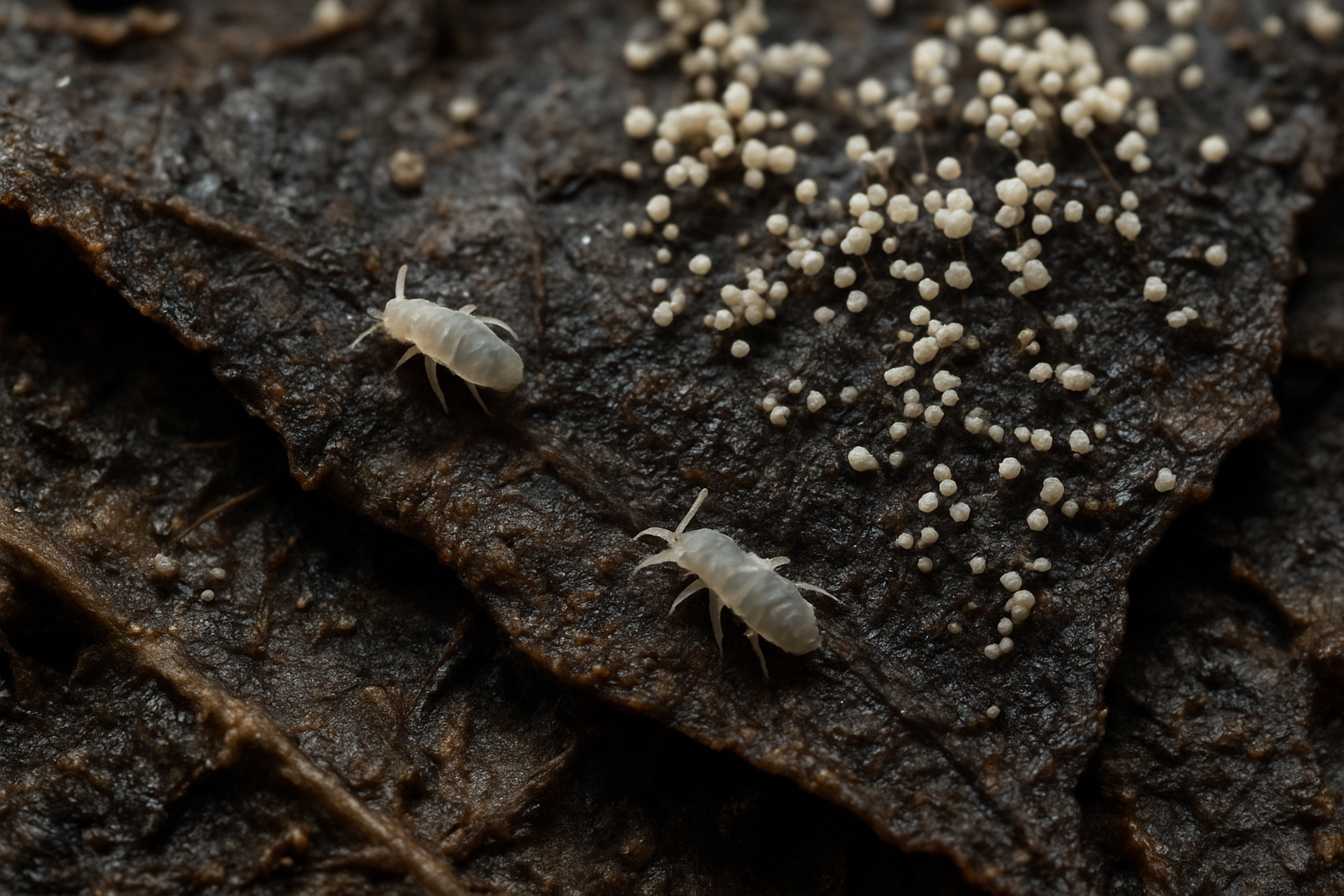
  • Petit Mort Pathways – Death in the Microcosm

    Petit Mort Pathways – Death in the Microcosm

    In the vast expanse of the universe, life and death often present themselves in grand, monumental terms. Yet, the same cycle unfolds within the subtle realms of the microcosm, where the lifespan and demise of microorganisms carry profound implications. This delicate dynamic presents a fascinating perspective on the notion of petit mort—the “little death”—in realms otherwise unnoticed by the naked eye.

    The Vital Role of Microorganism Death

    Microorganisms, though microscopic, play an enormous role in maintaining ecological balance. “Microbial death is not merely the cessation of life, but a transformative event that affects entire ecosystems,” notes Dr. Sarah Greene, a microbiologist at the University of California. The death of these entities can result from natural causes, environmental shifts, or anthropogenic impacts.

    When microorganisms die, they contribute to nutrient cycling, releasing essential elements back into the environment. This process, known as decomposition, supports the growth of plants and the health of ecosystems. In this regard, even the end of life fosters new beginnings—a fundamental principle of ecology.

    Death’s Influence on Biodiversity

    The impact of microorganism death extends to biodiversity. In the diverse communities of soil and aquatic environments, species’ deaths can alter competitive dynamics, promoting stability or accelerating shifts in population structures. According to a study published in Nature, “The turnover and death of microorganisms contribute significantly to the resilience of microbial communities.”

    “Just as the death of a star influences the cosmic balance, so too does the death of microorganisms affect the intricate web of life on Earth.” – Journal of Microbial Ecology

    An Oft-Ignored Biological Phenomenon

    Despite their crucial functions, the significance of microbial death is often overshadowed by their various symbiotic and pathogenic interactions with larger organisms. However, focusing solely on their life activities misses the vital contributions their demise brings. As interest in microbial ecology grows, so does the understanding of microbial death’s role in global processes like carbon cycling and climate regulation.

    Implications for Future Research

    As research delves deeper into the pathways of microbial life and death, potential applications emerge in bioengineering, waste management, and agriculture. Harnessing the natural mechanisms of decomposition and nutrient release could innovate approaches to soil fertility and carbon sequestration.

    In summation, while the concept of petit mort in human culture often refers to a metaphorical death, the literal little death of microorganisms reveals itself as a pillar of life across Earth’s ecosystems, charting pathways to understanding and sustaining the natural world.

  • Angelic Pathways – Mysticism Through the Soul

    Angelic Pathways: Mysticism Through the Soul

    The quest for understanding and experiencing the divine has been a central theme in human history. Among the myriad of practices that claim to offer a glimpse into the spiritual realm, angelic pathways stand out as a profound approach to mysticism through the soul. This journey involves communing with celestial entities, unraveling sacred messages, and transforming the soul in the pursuit of enlightenment and guidance.

    The Concept of Angelic Pathways

    Angelic pathways refer to the spiritual practices and experiences that enable humans to connect with angels, often considered as divine messengers and protectors. This form of mysticism is centered around direct encounters and communications with angelic beings, believed to inhabit heavenly domains.

    Prominent spiritual traditions, including Christianity, Judaism, Islam, and even certain New Age beliefs, all recognize the presence of angels. In these traditions, angels are intermediaries between the divine and humanity, serving specific roles such as delivering messages, offering protection, and inspiring revelations.

    Methods of Connection

    The journey through angelic pathways involves various methods that seekers employ to establish contact with these celestial beings. These practices typically rely on enhancing spiritual awareness and attuning the soul to divine frequencies:

    • Meditation and Prayer: Silent meditation and fervent prayer are fundamental in opening the heart and mind to angelic communication.
    • Angel Card Readings: Using angel oracle cards can help individuals receive insights and messages from angels. These cards are designed to connect people with specific angelic energies.
    • Dreamwork: Angels often use dreams as portals for communication. Keeping a dream journal and reflecting on messages within dreams can provide divine guidance.
    • Symbols and Signs: Many believe that angels communicate through symbols and signs in everyday life, such as feathers, coins, or specific numbers.

    Angelic Encounters: Testimonies from the Mystics

    Throughout history, numerous mystics have reported life-changing encounters with angels. The celebrated Christian mystic, St. Teresa of Avila, recounted her visions in her autobiography, The Life of Saint Teresa of Avila. She describes a piercing vision seen with the “eyes of the soul,” rather than physical sight.

    “I saw an angel beside me on my left hand in bodily form… but when he spoke I was very quickly reassured.” — St. Teresa of Avila

    Such experiences often result in a deeper understanding of one’s purpose and a strengthened resolve to pursue a life of spiritual significance.

    The Role of Faith and Intuition

    While angelic pathways invite skepticism due to their inherently supernatural nature, faith and intuition play crucial roles in these mystical practices. Believers are encouraged to nurture an open heart and trust their inner wisdom when discerning the messages and guidance purportedly received from angels.

    Dr. Julie Loar, author and spiritual teacher, suggests that “we need to learn to trust more deeply what goes beyond our senses and rational minds.” In her work on spiritual development, Loar emphasizes the importance of intuitive understanding as a means to connect with the divine.

    Benefits of Angelic Pathways

    Engaging with angelic pathways can offer several benefits to those seeking personal growth and transformation:

    • Enhanced Spiritual Awareness: Regular engagement with angelic practices can heighten one’s sensitivity to spiritual realms and develop a greater awareness of divine presence.
    • Inner Peace and Healing: Many testify to experiencing a profound sense of peace and emotional healing through angelic encounters, leading to a more balanced and harmonious life.
    • Guidance and Inspiration: Seeking angelic wisdom, individuals often find clarity and inspiration in decisions and life directions.

    Conclusion: A Soulful Journey

    The journey through angelic pathways is deeply personal, offering a mystical understanding of the soul’s connection to the divine. Whether viewed through the lens of religious tradition or personal spirituality, the interactions with these heavenly beings continue to fascinate and inspire seekers across the globe.

    As we open our minds and embrace the possibilities beyond the physical, the experiences shared by countless mystics suggest that a peaceful and profound understanding awaits us. Engaging with angelic pathways may not only illuminate our souls but also reinforce our trust in the unseen forces that guide and protect us on our life’s journey.