Tag: peak

  • Halo Polishing 101 – Keeping your glow at peak brightness.

    Halo Polishing 101 – Keeping your glow at peak brightness.

    Halo Polishing 101 – Keeping Your Glow at Peak Brightness

    A well-polished halo is the key to unlocking the full potential of your gemstone or crystal pendant. In this article, we’ll cover the basics of halo polishing and provide tips on how to keep your glow at peak brightness.

    What is Halo Polishing?

    Halo polishing refers to the process of cleaning and polishing the surface of a gemstone or crystal pendant to reveal its natural beauty. This process involves using specialized tools and techniques to remove dirt, oils, and other substances that can dull the stone’s appearance.

    The Importance of Regular Polishing

    Regularly polishing your halo is crucial to maintaining its brilliance and longevity. When you don’t polish your halo regularly, it can become dull and lackluster, which can affect its overall appearance and even lead to damage over time.

    • Prevents Grime Buildup: Polishing your halo regularly prevents grime and dirt from building up on the surface of the stone, which can make it look dull and discolored.
    • Preserves Brilliance: Regular polishing helps preserve the brilliance and sparkle of your halo by removing any scratches or imperfections that may have developed over time.
    • Saves Time in the Long Run: Polishing your halo regularly can save you time in the long run by preventing more serious damage from occurring. A well-polished halo is less likely to develop deep scratches or chips, which can require more extensive repairs.

    How to Polish Your Halo

    Polishing your halo doesn’t have to be a difficult or time-consuming process. Here are some simple steps you can follow:

    • Use the Right Tools: Use a soft, clean cloth and a gentle polishing compound specifically designed for gemstones or crystals.
    • Start with a Small Area: Begin by polishing a small area of the halo to ensure you’re using the right amount of pressure and polish. This will help you avoid applying too much pressure or using too much polish, which can damage the stone.
    • Work in Circular Motions: Use circular motions to polish the surface of the halo, starting from the center and working your way outward. Be gentle and apply even pressure to avoid scratching the stone.

    “A well-polished halo is like a work of art – it takes time and patience, but the end result is truly stunning.” – Gemologist Emily Chen

    Additional Tips for Maintaining Your Halo’s Brightness

    • Store Your Halo Properly: When not wearing your halo, store it in a cool, dry place away from direct sunlight or harsh chemicals. This will help prevent damage and maintain its brilliance.
    • Avoid Exposure to Harsh Chemicals: Avoid exposing your halo to harsh chemicals, such as bleach or ammonia, which can dull the stone’s appearance over time.

    In conclusion, keeping your glow at peak brightness requires regular polishing and proper care. By following these simple steps and tips, you’ll be able to maintain your halo’s brilliance and extend its lifespan. Happy polishing!
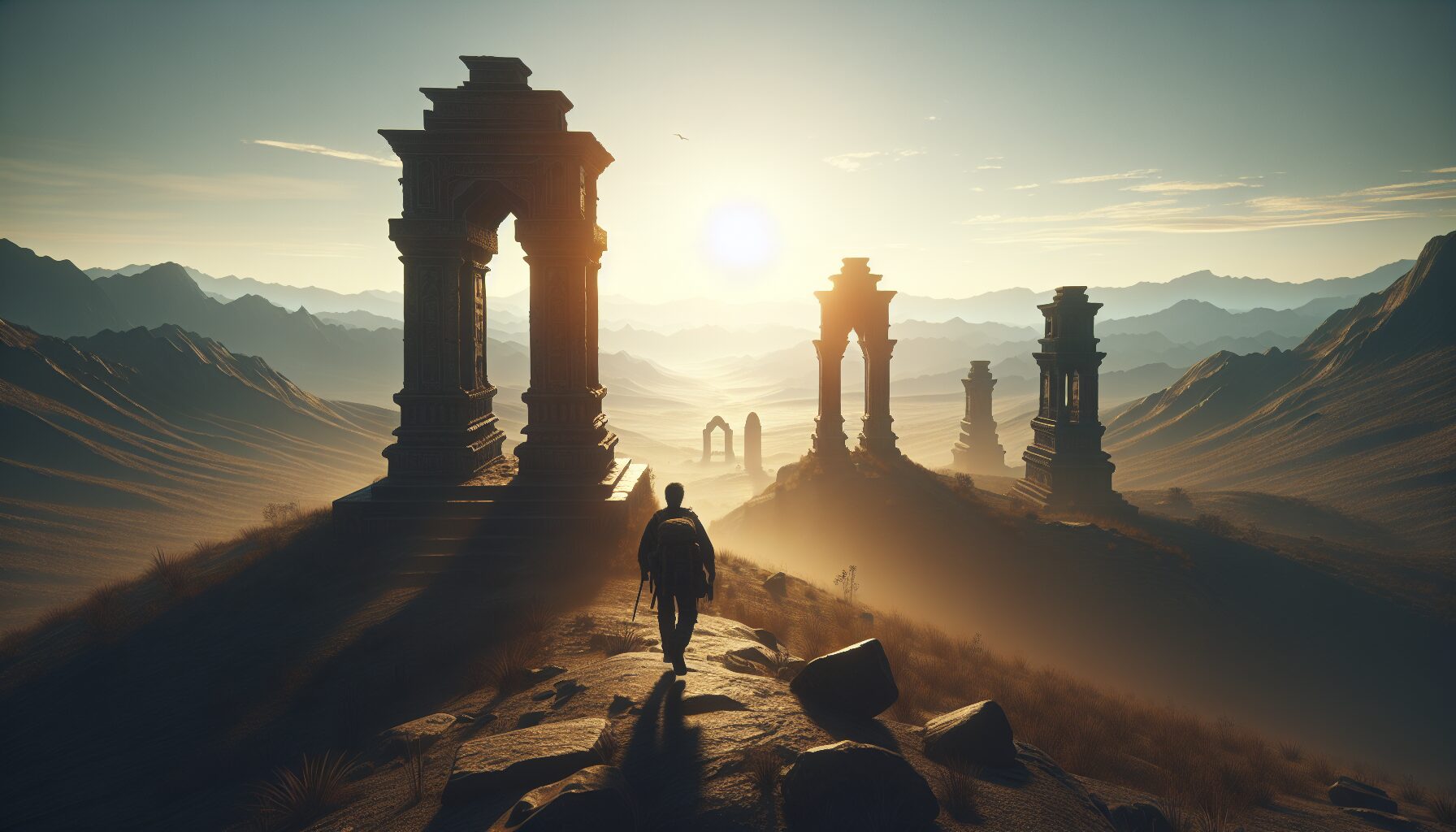
  • The Last Pilgrim: A Travelogue of Forgotten Shrines

    The Last Pilgrim: A Travelogue of Forgotten Shrines

    In an age where the hustle of modern life often takes precedence, the ancient practice of pilgrimage offers a serene escape, a journey into the heart of forgotten shrines that dot the world’s landscape. These sacred sites, once teeming with believers and seekers, now stand forlorn and largely forgotten, yet they hold stories worth telling.

    “The history of pilgrimage always served to remind humankind of its insignificance and its potential for transcendence.” — John Brierley, Author of renowned pilgrimage guides. (johnbrierleycamino.com)

    A Journey Through Time

    Pilgrimages have been undertaken by devout followers across various religions for thousands of years. These journeys are not limited to any single faith; they resonate across landscapes in the form of forgotten shrines belonging to Buddhism, Christianity, Islam, and indigenous traditions. Let’s delve into some of these hidden gems, stored away in the folds of time yet vibrant with tales of past devotion.

    Unheard Whispers: The Shrines of the East

    • Mount Oyama, Japan

      Nestled within the verdant ranges of the Tanzawa Mountains, Mount Oyama is home to the Oyama Afuri Shrine. This Shinto shrine, celebrated for its picturesque beauty and tranquility, was once a beacon for Edo-period worshippers who braved the arduous hike to seek blessings.

      Over time, with the rise of urban priorities, the trek to Mount Oyama saw a decline, leaving this serene shrine in the embrace of mother nature.

    • Adam’s Peak, Sri Lanka

      Known locally as Sri Pada, or “sacred footprint,” Adam’s Peak is a spiritual summit revered by Buddhists, Hindus, Muslims, and Christians alike. According to each faith, the prominent footprint at the peak belongs to Buddha, Shiva, Adam, or St. Thomas respectively.

      While tourism has kept Adam’s Peak in the public eye, its roots as a pilgrimage site have subtly faded into the spectral outlines of history.

    The Silent Echoes of Western Shrines

    • Vale of Mow Cop, England

      Once echoing with the hymns of believers, the Vale of Mow Cop in Staffordshire held an annual gathering known as the “Mow Cop Bible Convention.” These began in the 19th century, initiated by Primitive Methodists seeking religious revival.

      In present times, the event has dwindled to sporadic commemorations, leaving the old altar and pulpit as silent witnesses to fervent offerings of the past.

    • The Hermitage of San Juan de Gaztelugatxe, Spain

      Perched upon islets off the coast of Basque Country, this isolated hermitage, dedicated to John the Baptist, remains a site of deep significance. Accessed by a winding path of 241 steps, the symbolism of its arduous journey mirrors the pilgrimage to Compostela.

      Despite its recent pop culture fame due to a fantasy series backdrop, the hermitage maintains its essence as a site of pious visitation.

    Reviving the Pilgrimage Spirit

    The decline of pilgrim interest is multifaceted: ease of modern travel, shifting spiritual landscapes, and the commodification of cultural sites have all contributed. Yet, there lies potential in the revival of these journeys.

    Spiritual Renewal: In the vortex of life’s challenges, pilgrimages offer a unique opportunity for contemplation and spiritual renewal. Such journeys encourage the slowing down of pace, connecting travelers to the history, culture, and spiritual aura of these sacred locations.

    Cultural Preservation: By rediscovering forgotten shrines, we contribute to the preservation of cultural heritage, ensuring that these vestiges of devotion are not lost to the sands of time. Awareness can spur efforts towards conservation and adaptation.

    A Future Rooted in the Past

    As modern pilgrims or simply intrepid travelers, visiting forgotten shrines offers a remarkable journey into the past while sowing seeds of hope for future exploration. The value lies not just in physical discovery, but in the introspective journey that accompanies it.

    To those who seek a unique path to knowledge, faith, or enlightenment, these forgotten shrines stand waiting—a testament to the ceaseless human quest for meaning.

    “What matters is not the destination, but the journey and how the experience enriches your soul.” — Unknown.

    Thus, as the last pilgrims of today, may we venture forth, rekindling the flames of forgotten shrines and embracing the enduring spirit of pilgrimage.