Tag: physical

  • Arcane Warmth – Secret Fires Kept by Celestial Wanderers

    Arcane Warmth – Secret Fires Kept by Celestial Wanderers

    Arcane Warmth: Secret Fires Kept by Celestial Wanderers

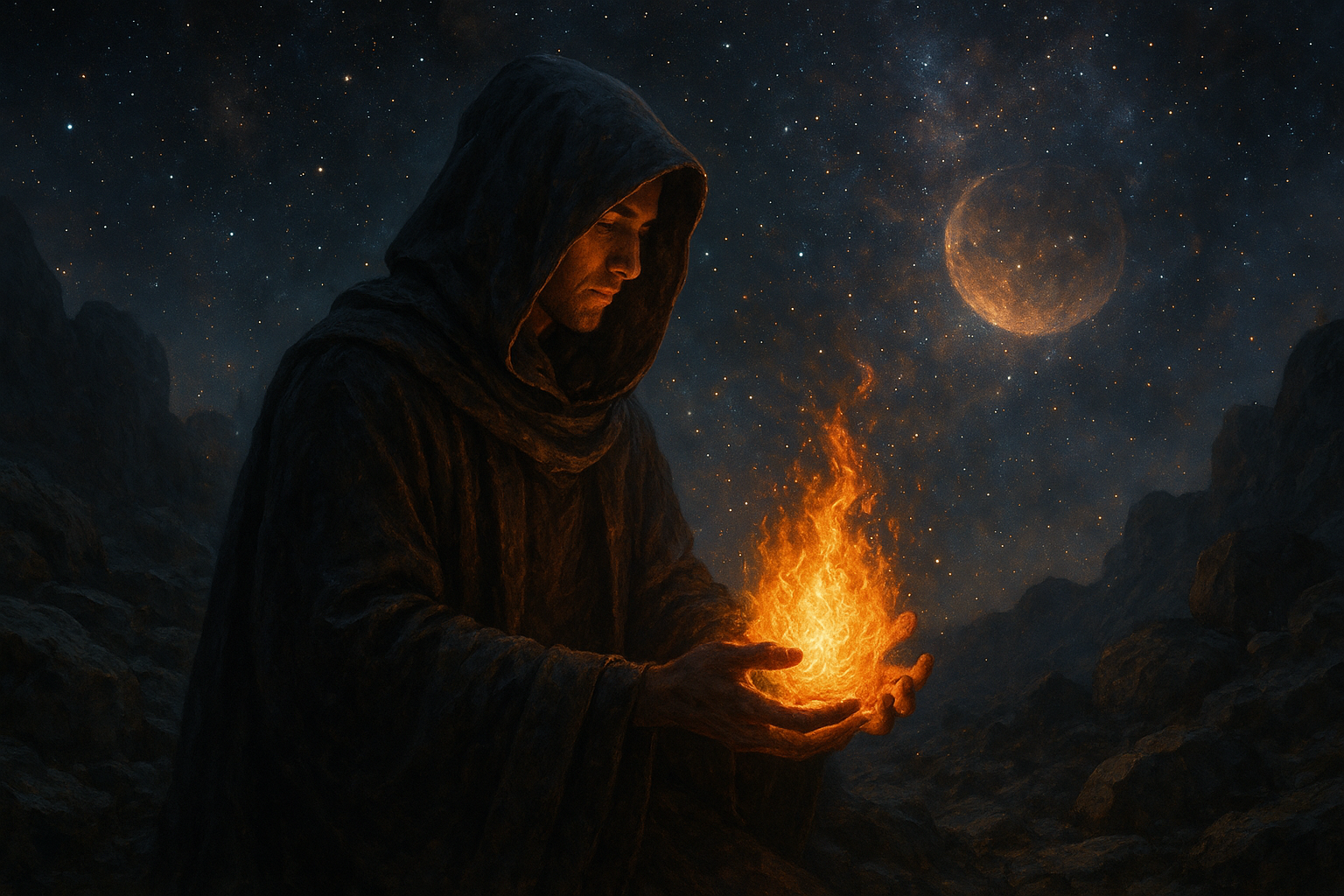
    The celestial wanderers, often referred to as the planets and stars that grace our universe, are not merely distant orbs in the night sky. They are ancient travelers, whose journeys across the cosmic expanse are seen as both a spectacle and a mystery. Among their many secrets, perhaps the most enduring and enigmatic is the concept of ‘arcane warmth.’ This mystical heat, preserved and nurtured by celestial beings, has fascinated humanity for countless generations.

    The Concept of Arcane Warmth

    Arcane warmth is believed to be an ethereal energy emanating from celestial bodies, imbued with the power to sustain life, wisdom, and magical capabilities. This warmth is not merely the scientific heat that we know, which is measurable and explicable through physical laws. Instead, it is an undefinable essence, intertwined with the spiritual and mystical aspects of the universe.

    “The celestial bodies are not merely bodies of matter; they are repositories of arcane warmth, driving the machinery of life and mystery.” — Elara Greenwood, The Mysteries of Celestial Fires

    Astronomical Origins

    The notion of arcane warmth is often rooted in various ancient astronomical and astrological traditions. Many cultures viewed the stars and planets as divinities or vessels of divine power. The Egyptians, for example, revered the sun god Ra, who traveled across the sky bringing light and heat, but also something deeper—a spiritual essence that nourished life.

    • Babylonian Influence: The Babylonians believed in star deities that controlled both fate and fortune. Their view was that arcane warmth was a reflection of divine intervention in human lives.
    • Greek Philosophy: Greek philosophers such as Pythagoras and Plato contemplated the cosmos not only in terms of spatial and temporal dimensions but also as carriers of hidden truths and energies that interconnect humanity with the divine.
    • Vedic Traditions: Vedic texts describe the Sun as Surya, the source of all life-force energy, linking human spiritual and physical vitality to solar emissions.

    Myths and Legends

    Countless myths from around the world speak of sacred fires and hidden warmth that deities control or bestow upon worthy individuals. The legend of Prometheus stealing fire from the gods is a classic example of human appropriation of divine warmth, symbolizing not just physical fire but also enlightenment and knowledge.

    The Norse myth of the Sun and Moon, chased perpetually by wolves across the sky, describes their warmth as a source of eternal power that sustains the worlds of both gods and men. Similarly, in Zoroastrianism, the eternal flame burns as a symbol of divine light and wisdom, representing the arcane warmth of the universe itself.

    The Science Behind Celestial Fires

    Modern science sheds light on the physical aspects of celestial warmth. Stars, through nuclear fusion, generate tremendous energy and heat, illuminating the cosmos and supporting life on planets such as Earth. However, the question remains if there is more to this energy than fundamental physics.

    “Perhaps there is something we cannot comprehend; a hidden tapestry of forces at work, intertwining the physical warmth of the universe with the spiritual and magical.” — Dr. Stellarius Kepler, Intersections of Science and Spirituality

    The Role of Arcane Warmth in Magic and Alchemy

    Alchemy, the medieval precursor to chemistry, frequently arrived at the notion of arcane warmth. Alchemists pursued the Philosopher’s Stone, believed to have the power to transmute base elements into gold and grant immortality by channeling celestial energies. They saw the essences of celestial fires as crucial components of their mystical experiments.

    In magical traditions, such as those practiced by Druids or pagan religions, the sun and celestial bodies are invoked for their warmth which is thought to infuse rituals with power. Arcane warmth is perceived as a vital energy that can be harnessed to influence outcomes, enhance vitality, and connect with spiritual planes.

    The Metaphysical Interpretation

    In the realms of metaphysics, the arcane warmth is akin to the ether, a hypothetical substance once thought to fill the universe, transmitting light and sound. While modern science has moved beyond the concept of ether, metaphysical interpretors regard arcane warmth as an ever-present, all-encompassing connection between the material world and greater cosmic consciousness.

    Some mystics and spiritualists claim the ability to tap into this warmth during meditation or through esoteric practices, aligning themselves with the universal energies. These practices suggest that humans might possess an innate ability to interact with celestial energies, fostering personal and collective transformation.

    Arcane Warmth’s Place in Contemporary Thought

    Today, the idea of arcane warmth continues to inspire both wonder and exploration. While science offers profound insights into the physical nature of stars and planets, the spiritual dimension retains its allure and invites a synthesis of science, spirituality, and imagination.

    • Interdisciplinary Insights: Researchers in fields ranging from astrophysics to philosophy explore the possibilities of consciousness and universal energies, inspired by the concept of arcane warmth.
    • Artistic Influence: Artists and writers often draw from celestial themes and the mysticism of starry realms, inviting audiences to contemplate their connection with the cosmos.

    In conclusion, the secret fires kept by celestial wanderers—the arcane warmth—serves as a powerful metaphor and mystical reality that underscores humanity’s eternal fascination with the universe. It bridges the known and the unknown, beckoning us to explore further, dream deeper, and imagine the possibilities that lie beyond the stars.
  • Mystery of the Astral Void – Emptiness Beyond Form

    Mystery of the Astral Void – Emptiness Beyond Form

    The Mystery of the Astral Void – Emptiness Beyond Form

    The astral void is a concept often steeped in mystery and intrigue, evoking images of an uncharted realm beyond the physical world. This metaphysical construct, discussed by mystics and philosophers throughout the ages, suggests a plane where form gives way to the ephemeral, blurring the lines between reality and imagination.

    “The astral body, the psychic ‘double’, believed to be able to detach itself from the physical body and travel at will, represents man’s quest for transcendence.” – Encyclopedia Britannica

    Historical Perspectives

    Throughout history, the notion of an astral void, or a realm beyond the tangible, has captivated human imagination. In ancient times, various cultures perceived the astral plane as an extension of spiritual and religious belief systems. The Egyptians, for instance, believed that the soul or Ka could traverse worlds, bridging the gap between the earthly and the divine.

    • Ancient Egypt: Their profound spiritual beliefs included intricate understandings of life after death and the soul’s journey beyond.
    • Greek Philosophy: Philosophers like Plato considered the astral dimension as a realm of perfect forms—beyond the shadowy cave of perceptual reality.
    • Hinduism and Buddhism: These traditions describe multiple planes of existence, transcending the illusory nature of the material world, with meditation and enlightenment as paths to reach these higher realms.

    Modern Interpretations

    In recent times, the exploration of the astral void has taken on new dimensions. With the advent of the New Age movement, interest in astral travel and out-of-body experiences surged, intertwining ancient wisdom with contemporary practices. This has brought about a modern yet esoteric understanding of astral phenomena.

    Modern science, while largely skeptical, notes that altered states of consciousness can be achieved through various means, potentially explaining the sensations experienced during perceived astral projections. Studies suggest that these experiences could be linked to deep meditative states, lucid dreaming, or neurological phenomena.

    The Mechanics of Astral Projection

    Astral projection is often depicted as a journey where consciousness separates from the physical form, allowing for exploration of the astral plane. While documented occurrences are largely anecdotal, some believe that specific techniques can facilitate this practice.

    • Relaxation and Meditation: Finding a calm and comfortable setting can be crucial in inducing the necessary state of mind.
    • Visualization: Imagining oneself floating or gently leaving the body is a common methodology.
    • Mind-Awakening Techniques: Some practitioners employ visualization exercises where they rotate or manipulate their perceived ‘astral self’ to induce an out-of-body state.

    “Numerous people have reported waking suddenly, feeling an intense pressure on their chest—like a ‘body asleep and mind awake’ situation, a sensation not wholly unlike what some astral projectors describe.” – Scientific American

    Mind, Myth, or Metaphor?

    The validity of the astral plane remains a topic of debate. For some, it is a profound metaphysical reality, while others see it as a manifestation of the mind’s limitless imaginative capabilities. Psychological and spiritual interpretations abound, presenting the astral realm as either a tangible experience or a symbolic representation of subconscious exploration.

    From a psychological standpoint, the astral void could be interpreted as a metaphorical space where one’s unconscious processes conflicts, desires, and existential ponderings absent from the constraints of the physical world.

    The Astral Void in Popular Culture

    Beyond philosophical and spiritual realms, the astral void has permeated popular culture. Media portrayals range from fantastical to philosophical, often serving as a potent narrative device:

    • Film and Literature: Movies like Doctor Strange and books like Paulo Coelho’s The Alchemist touch on themes that resonate with the idea of journeying beyond the physical self.
    • Video Games: Titles such as Control and fantastical role-playing games incorporate the astral plane, allowing players to navigate parallel dimensions.

    Conclusion: The Endless Quest

    The astral void remains shrouded in the allure of the unknown, enticing seekers both ancient and modern to gaze beyond the veil. Whether a literal space, a psychological construct, or a spiritual metaphor, this void invites us to explore the enigma of our consciousness. As long as humanity longs to transcend the limitations of the physical realm, the mystery of the astral void will persist as a testament to our ever-evolving quest for understanding.

    In contemplating the astral, one reflects on the very nature of existence, the boundless potential of the human mind, and the universal quest for meaning. The astral void may yet hold secrets waiting to unravel for those willing to venture into its depths.

  • Ritual Cartography: Mapping Spiritual Spaces

    Ritual Cartography: Mapping Spiritual Spaces

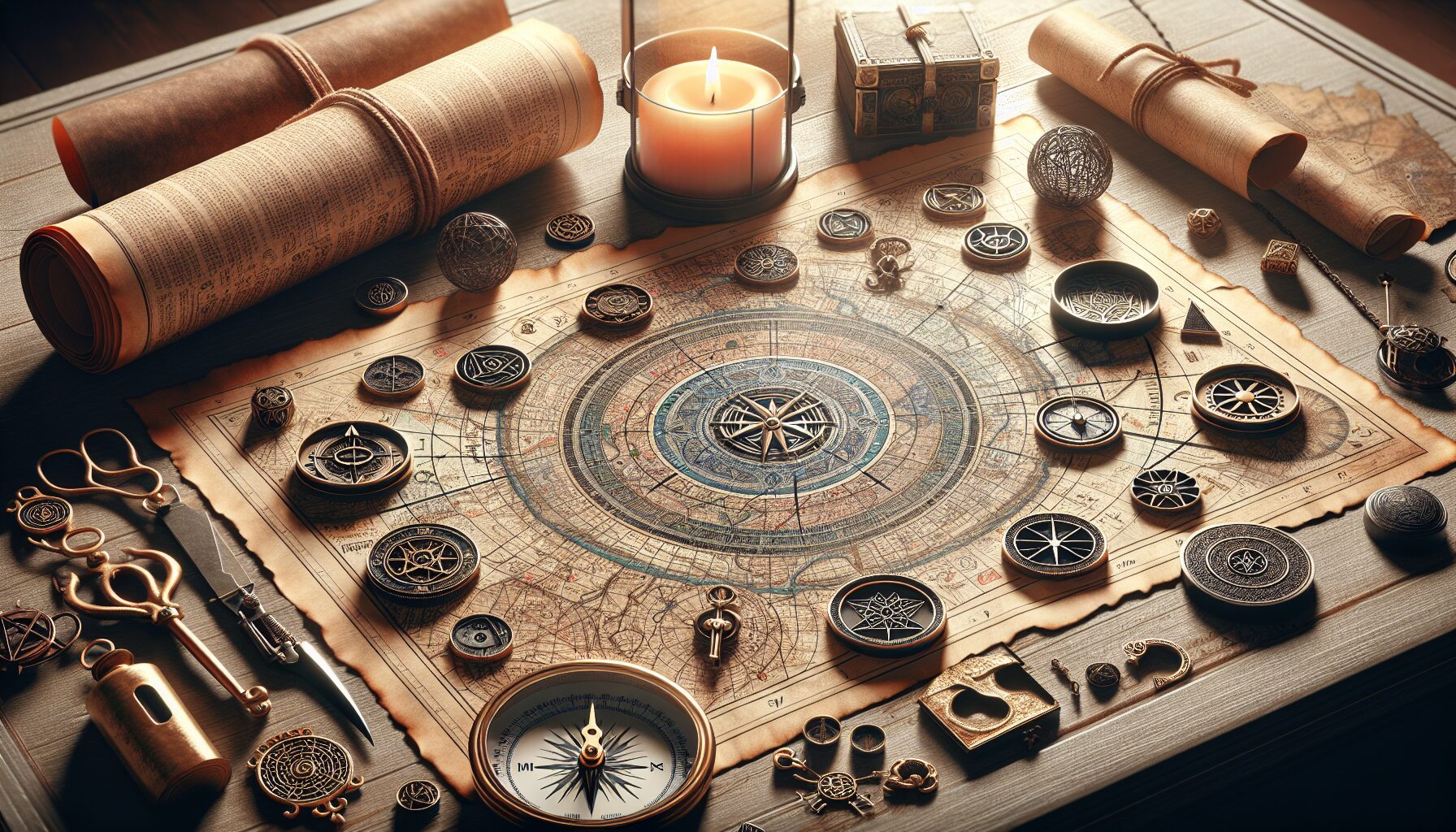
    The concept of ritual cartography might initially appear as an intersection of disparate fields—geography and spirituality. However, this unique blend offers profound insights into how humans interpret and interact with spiritual spaces and landscapes. Exploring this concept involves understanding how spiritual practices are mapped out, both physically and metaphorically, across landscapes and within communities. This journey highlights the significance of ritual spaces and their transformative impact on human consciousness.

    Understanding Ritual Spaces

    Ritual spaces are locations where spiritual practices and ceremonies are performed. These can range from ancient stone circles, like Stonehenge, to modern-day places of worship. As anthropologist Victor Turner noted, “A ritual is like a journey, and the ritual space a map that traces the road.” These spaces are imbued with significance, often marked by cultural, historical, and symbolic layers that communicate profound meanings to their participants.

    Humans have been creating and using ritual spaces for millennia, and these spaces serve as focal points for communal identity, storytelling, and spiritual practices. Today, ritual spaces continue to be dynamically linked to how communities envision the sacred and enact their beliefs.

    The Cartographer’s Role in Ritual Spaces

    Cartography, the study and practice of making maps, plays a crucial role in ritual spaces. The act of mapping these spaces not only marks physical locations but also brings to light their symbolic dimensions. Cartographers translate spiritual and ritualistic practices into visual forms that can be interpreted and studied.

    Cartographers often rely on a combination of traditional mapping techniques and ethnography. They consider geographical features and the spiritual narratives that overlay them. For instance, the mapping of Mount Kailash in Tibet offers insight into how a physical space is perceived spiritually. Mount Kailash is revered in several religions including Hinduism, Buddhism, and Jainism, each of which ascribes different spiritual meanings to its features.

    Symbolic Landscape and Spiritual Narratives

    Ritual cartography often transcends physical dimensions, delving into the metaphysical space created by spiritual narratives. This symbolic landscape is populated with myths, legends, and religious teachings that are grounded in physical locations. These narratives serve to deepen the spiritual resonance of a site, transforming simple geographical locations into sacred spaces.

    For example, the Plains of Abraham in Canada host a rich tapestry of history and spirituality. Initially a battleground, they now symbolize various socio-cultural identities intertwined with ecological and ceremonial practices of the First Nations. Such sites demonstrate how ritual cartography can encompass both cultural remembrance and spiritual renewal, charting a path between past and present.

    Modern Technologies and Spiritual Mapping

    In recent years, advancements in technology have revolutionized how we engage with ritual spaces. Technologies such as GIS (Geographic Information Systems) and remote sensing are now being employed to map spiritual sites across the globe. These technologies provide new insights into the layout and scope of historical ritual spaces, revealing hidden structures or previously unknown aspects of known sites.

    “By interpreting spiritual landscapes through GIS, we can appreciate not only the physical but also the symbolic connections these sites maintain,” says Maria Lobo, a geospatial analyst specializing in cultural landscapes.

    Virtual reality (VR) has also made it possible to experience ritual spaces in previously unimaginable ways, offering digital pilgrimages and immersive encounters with sacred spaces that may be inaccessible due to distance or preservation concerns.

    The Impact of Ritual Cartography

    Mapping spiritual spaces allows us to preserve sacred narratives and comprehend the geographical expressions of faith. It enables present and future generations to connect with inherited and evolving spiritual identities. Understanding the spatial dimensions of rituals encourages appreciation for cultural diversity and promotes cross-cultural dialogue.

    Ritual cartography also highlights the geopolitical aspects of spiritual spaces: the conflicts over sacred sites, accessibility issues, and the interplay between different religions and cultural practices. By documenting and recognizing these spaces, peace-building and community engagement initiatives can be fostered, offering reconciliation and mutual understanding in areas fraught with historical tensions.

    Conclusion

    Ritual cartography serves as a bridge between the physical and metaphysical, documenting human interactions with sacred spaces throughout history. It respects and preserves the myriad expressions of human spirituality, allowing for a deeper understanding of our world and ourselves. As technology continues to evolve, so too will our methods of capturing and interpreting the stories contained within ritual maps, continually offering fresh insights into the sacred dimensions of our landscapes.

    “`

  • Ghost Maps: Cartography of the Unseen

    Ghost Maps: Cartography of the Unseen

    You need to be logged in to view this content. Please . Not a Member? Join Us