Tag: players

  • Angelic Aliens and Their Favorite Games – A Whimsical Exploration

    Angelic Aliens and Their Favorite Games – A Whimsical Exploration

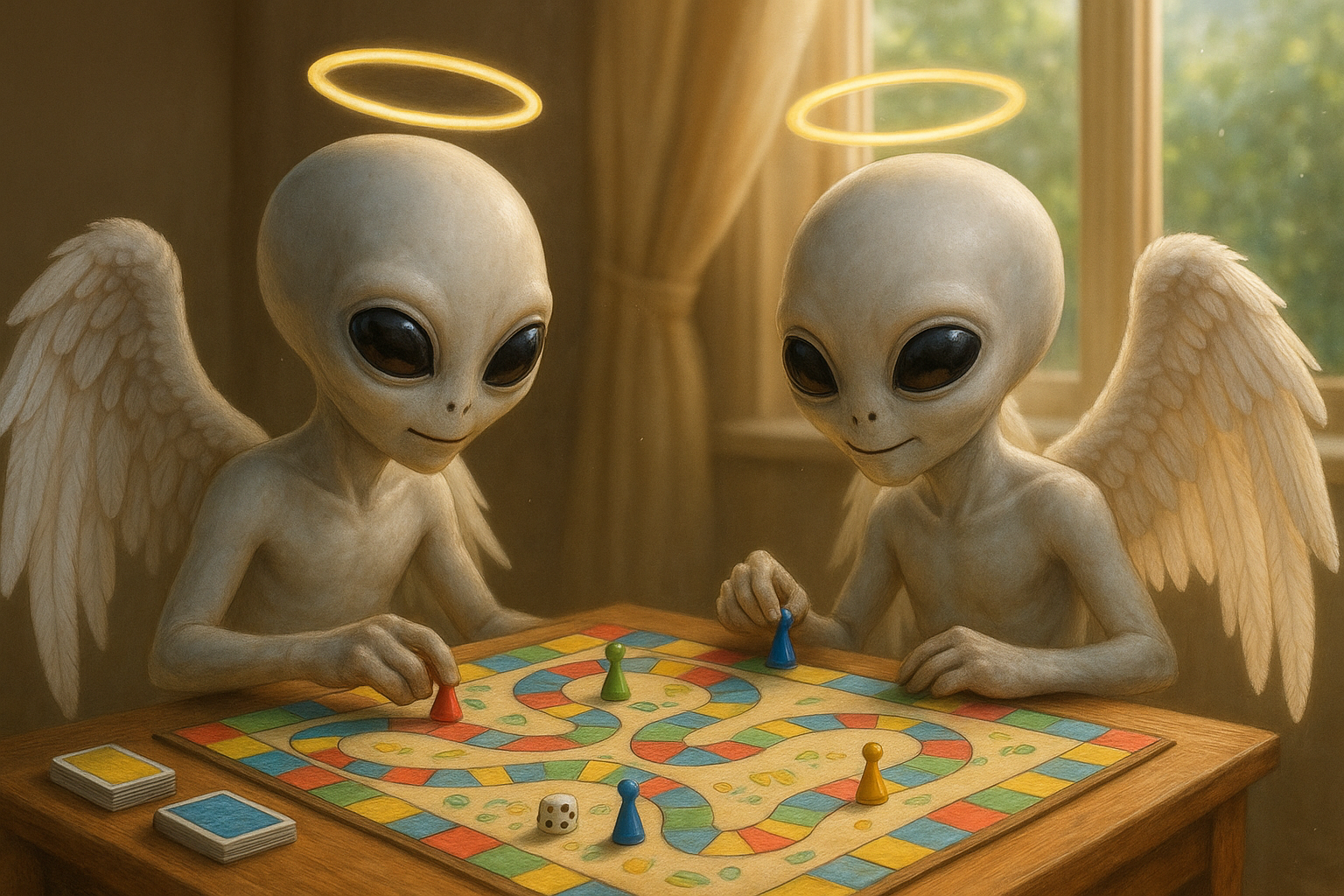
    The cosmos brims with mysteries, and among the most enchanting of them is the idea of angelic aliens visiting Earth. What if these celestial beings, with their luminous presence and advanced intellect, engage in recreational activities much like us? This whimsical exploration delves into the favorite games of these otherworldly visitors.

    The Galactic Holographic Chess

    Among the games enjoyed by angelic aliens, Galactic Holographic Chess stands out. Inspired by Earth’s chess but infused with cosmic complexity, this game requires an understanding of quantum mechanics and parallel universes. Played on a three-dimensional board, each move reshapes the game’s landscape.

    • Interdimensional Pieces: Each piece can traverse different dimensions, making the strategy as unpredictable as it is thrilling.
    • Time-Warp Gimmicks: Moves can manipulate time, allowing players to undo mistakes or fast-forward outcomes.

    “In Galactic Holographic Chess, the game is not just a battle of wits but a dance through time and space.” – Anonymous Galactic Historian

    Celestial Harmony

    Another beloved pastime is Celestial Harmony, a game that reflects the aliens’ quest for universal balance and peace. This game is a blend of strategy and music, where players aim to create harmonious cosmic symphonies.

    • Star Notes: Players choose from a palette of star sounds, each note contributing to a celestial melody.
    • Harmony Points: Combining notes that resonate with the universe earns players harmony points, leading to enlightenment.

    Quantum Sudoku

    Quantum Sudoku is another brain-teaser these ethereal entities adore. Moving beyond the traditional 9×9 grid, it involves multiple layers of puzzles interlaced through quantum entanglement principles.

    • Entangled Cells: Numbers in entangled cells have ripple effects throughout the grid, making the puzzle mind-bendingly intricate.
    • Light-Barriers: Certain paths are blocked or unveiled based on players’ predictive success.

    Speculating on the games angelic aliens might enjoy offers a lighthearted lens into the possible lives of these beings. Their games combine elements of strategy, art, and science, suggesting that their intellect and creativity surpass our understanding. As we continue to search the stars, perhaps one day we will join them in a game or two, bridging galaxies with fun and friendship.

    For those curious about the possibility of encountering these celestial beings and their pastimes, visit SETI Institute for the latest research on extraterrestrial life.

  • Death’s Codex – Demons and the Rules of Oblivion

    Death’s Codex – Demons and the Rules of Oblivion

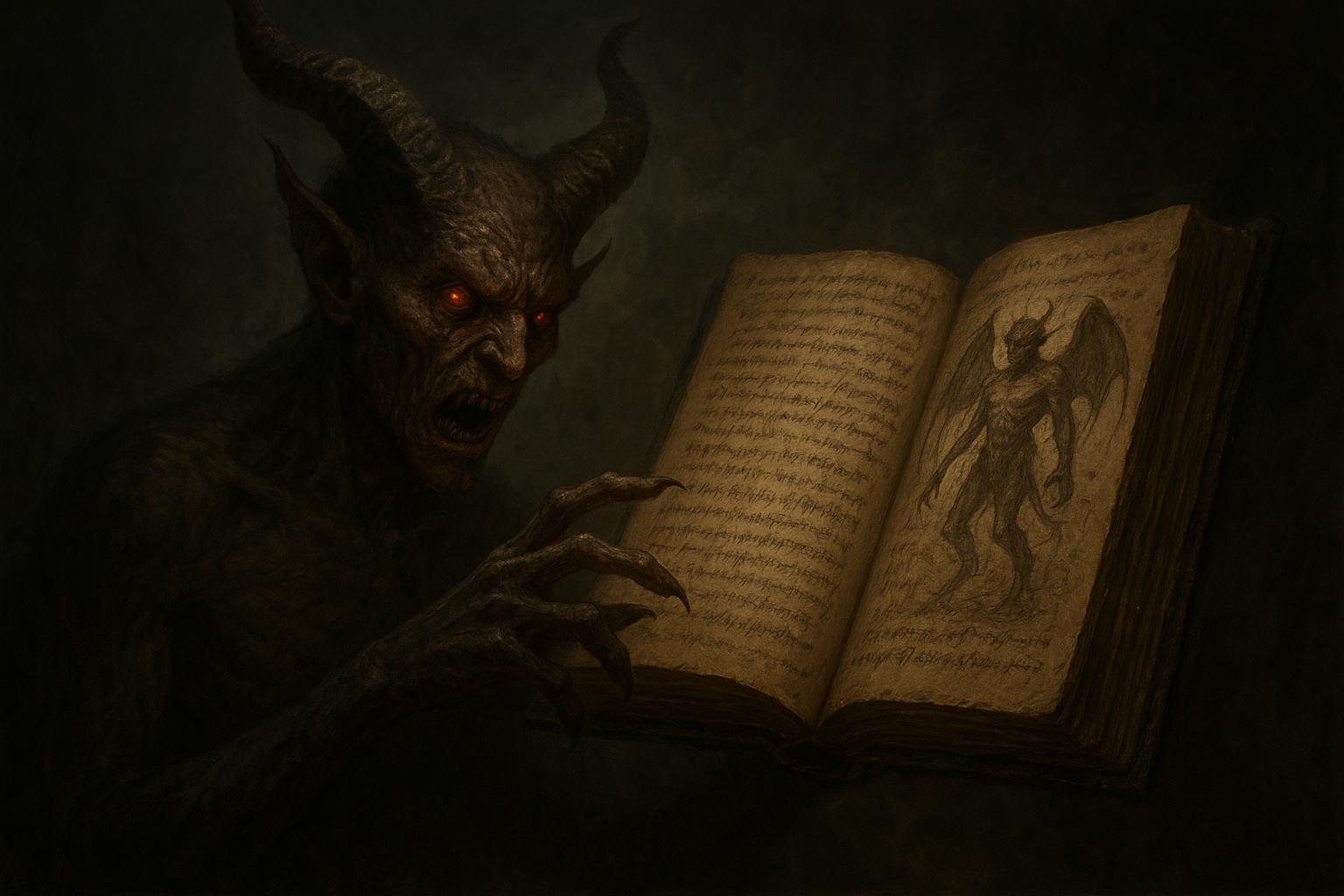
    In the rich tapestry of mythical fantasy, where the boundaries between imagination and reality are gloriously blurred, “Death’s Codex” stands as an enthralling entry into the world of high-stakes, supernatural intrigue. This latest title in the ever-expanding universe of role-playing games (RPGs) invites players to explore a realm where demons aren’t just relics from ancient lore but active participants in shaping the destiny of entire worlds.

    The World of Death’s Codex

    At the heart of Death’s Codex is a universe governed by the rules of oblivion—a place where darkness holds sway and demons, each with their own agendas, vie for power and survival. The game invites players to delve into this sinister landscape where every decision can tip the scales toward salvation or destruction.

    The developers have meticulously crafted an environment that combines elements of horror, fantasy, and existential inquiry. Inspired by the classics yet imbued with modern sensibilities, the game’s world challenges traditional narratives by asking: What are the true costs of power when death is not the end?

    “At every turn, Death’s Codex seeks to redefine the boundaries of horror and fantasy role-playing.”

    Demons at the Forefront

    The demons in Death’s Codex are not monolithic embodiments of evil but nuanced characters with intricate backstories and motivations. Each demon is a part of the complex tapestry that makes up the Codex, serving purposes that range from the merely mischievous to the outright malevolent.

    • Azkalith – Known as the Harbinger of Silence, Azkalith lures victims into unending muteness, trading their voices for the secrets of the universe.
    • Faragoth – The Keeper of Lost Souls, Faragoth thrives on the despair of those who have been forgotten by the world, using their pain as currency in the underworld.
    • Valstris – A demon of chaos, Valstris revels in disrupting the natural order, warping reality and leaving disorder in their wake.

    These demons are designed to be both adversaries and uneasy allies, forcing players to weigh their choices carefully. The interactions with these creatures probe deeply into the realms of moral ambiguity and personal strength.

    The Mechanics of Oblivion

    The rules of oblivion introduce unique gameplay mechanics that set Death’s Codex apart from other RPGs. Players must navigate a constantly shifting landscape influenced by their own actions and alliances. This dynamic world-building is orchestrated through a series of choices that each carry significant consequences, impacting character development and plot progression.

    “Your deeds dictate the very fabric of the Codex, leading to outcomes as varied as the demons themselves.”

    Central to these mechanics is the concept of ‘soul currency,’ a system where players barter pieces of their humanity for power, knowledge, or respite from death’s grip.

    Moral Complexity

    Unlike many RPGs that present morality in binary extremes, Death’s Codex embraces moral complexity. Players must grapple with the ethical dilemmas posed by pacts with demons, while the game provokes discussions about the nature of evil and redemption.

    This push towards deeper storytelling is reflected in player testimonials as well as critical reviews. According to a recent review by IGN, “Players will find themselves caught in a web of intrigue that is as intellectually satisfying as it is viscerally engaging.”

    Community and Critique

    The game’s thriving community has embraced this holistic vision, with forums and fan sites dedicated to unraveling the layers of narrative intricacy. Fans frequently contribute fan fiction, artwork, and gameplay strategies, collectively expanding and enriching the universe of Death’s Codex.

    However, the game is not without its criticisms. Some players have noted the steep learning curve associated with mastering the rules of oblivion. Others have expressed frustrations over the game’s difficulty levels, which can be unforgiving for beginners. Nevertheless, these challenges enhance the sense of accomplishment for those who persevere, adding depth and value to the game experience.

    A Final Verdict

    Death’s Codex is a haunting tale woven through with threads of grand ambition, ethical nuance, and cunning gameplay. It stands as a testament to the ever-evolving landscape of RPGs, one that invites newcomers and veteran players alike to confront their darkest fears and desires.

    In the end, Death’s Codex is more than just a game; it is an exploration of what it means to exist at the intersection of hope and despair. As players journey through this netherworld, they must decide what they are willing to sacrifice in their search for truth, a question that resonates long after the screen fades to black.

  • The Arcane Loom – Weaving Fate and Magic

    The Arcane Loom – Weaving Fate and Magic

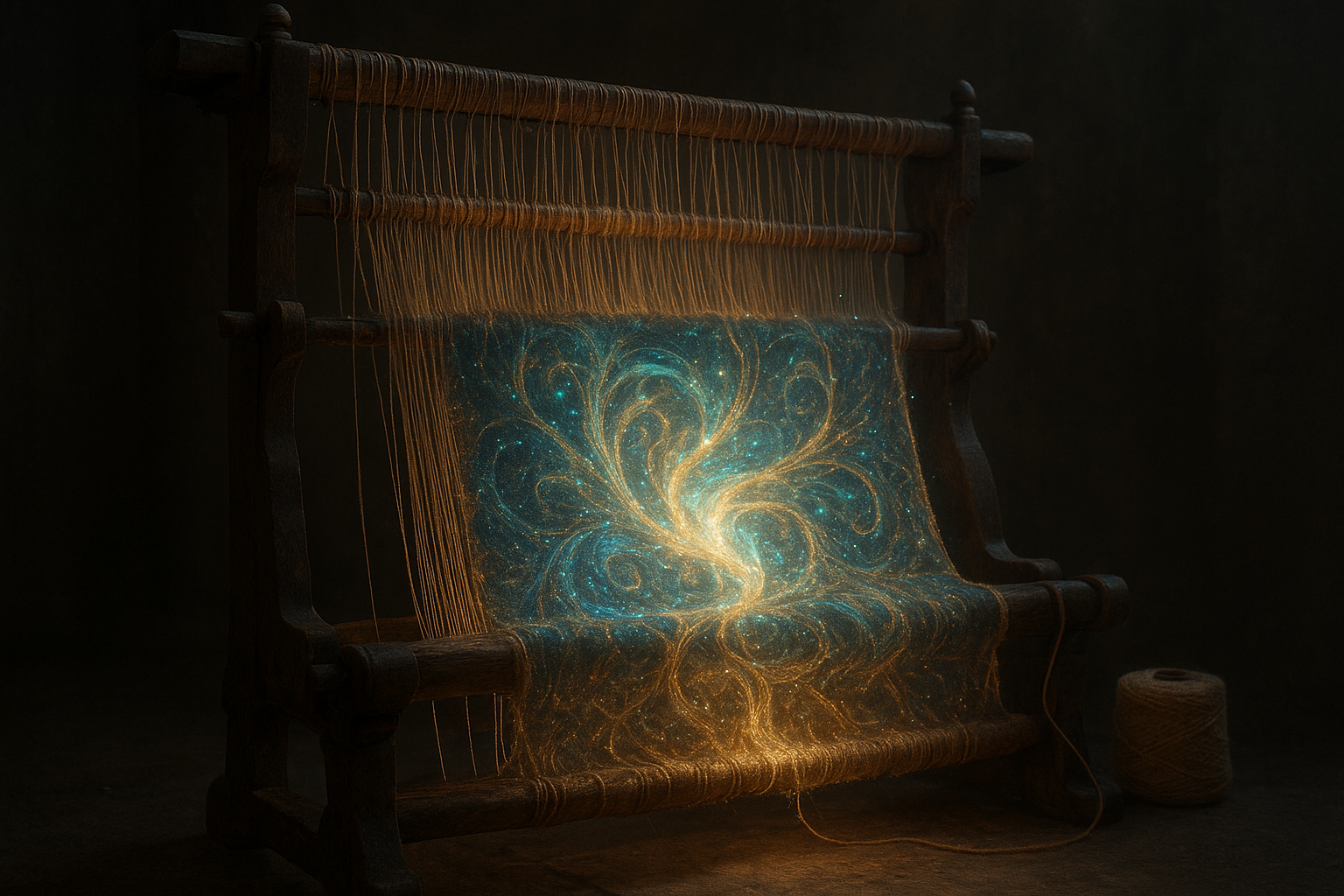
    The intricate art of weaving magic into the fabric of reality has long been a fascinating endeavor, both in myth and in the diverse worlds of modern gaming. The concept of the Arcane Loom metaphorically represents this sublime confluence of fate and magic, where every thread holds potential—every weave a choice.

    The Mythical Foundation of the Arcane Weave

    Historically, the motif of weaving has been a powerful symbol of fate and destiny. In Greek mythology, the Moirai, or the Fates, were often depicted as weavers who spun the threads of mortal lives. Similarly, in Norse mythology, the Norns wove the strands of fate beneath the roots of Yggdrasil, the world tree.

    “Man’s life is a thread – the Norns weave and the loom is shuttled with whispers of the future.”

    Norse Proverb

    In these tales, the loom acts as a stage where cosmic forces—be it destiny, luck, or magic—intersect, bringing about a tapestry that dictates the course of life and events. Such narratives lay an indelible foundation for the entwining of arcane power and destiny in gaming environments.

    Arcane Loom in Modern Fantasy Gaming

    Translating this mythos into interactive experiences, game developers have ingeniously crafted worlds where the Arcane Loom manifests as a critical game mechanic. Through strategic choices, players become active participants in weaving the fate of their characters and shaping the game’s narrative tapestry.

    Example 1: “The Elder Scrolls V: Skyrim”

    • System of Fate: In Skyrim, the skill tree represents the players’ ability to influence and control destiny via choices. Each skill advancement feels like a new thread added to the player’s unique story quilt.
    • Magic as the Thread: Magic and shouts (known as Thu’um) serve as the mystical threads of the Arcane Loom, allowing players to perform feats that alter their fate and the world around them.

    Franchises like The Elder Scrolls illustrate how fate and magic interplay to provide players with a dynamic and immersive experience, merging choice with power.

    Example 2: “Final Fantasy XIV”

    • Arcane Sciences: In the realm of Eorzea, players don not just engage with magic but engage with a more intricate network of fate termed ‘the Echo’ which enables players to glimpse into the past.
    • The Fabric of Destiny: The elaborate job system allows players to switch between roles, weaving a complex tapestry of combat and support that pivots on tightly-knit strategies and fate-deciding spells.

    Final Fantasy XIV exemplifies how players can manipulate destiny using arcane might, maintaining balance and progress within the game’s universe.

    The Mechanics of the Arcane Loom

    The core of the Arcane Loom lies not just in the accumulation of magical powers or fatalistic threads, but in the interplay of causality and consequence. The successful integration of such systems springs from well-balanced game mechanics and narrative structures that ground player choices in meaningful outcomes.

    Dynamic Outcome Systems

    In games like Telltale’s releases, the choice-driven stories highlight how every choice branches into unprecedented outcomes. While magic remains a thematic element, it’s the player’s actions—woven together—that define the storyline’s resolution.

    Skill Trees and Arcane Choice

    Modern RPGs employ skill trees that allow players to invest in various magical and non-magical abilities. These function as individual threads, with the individual choices advancing character development and plotline evolution.

    Take, for example, Path of Exile—its intricate skill tree embodies the very essence of planning and fate-weaving, giving players countless ways to construct their path.

    Visual Artistry in Weaving Magic

    The artistic representation of the Arcane Loom in video games is as essential as mechanical design. The visual component not only enhances immersion but provides a tangible representation of magical threads and objects of power.

    Games often visually represent magic and fate weaving through iconic visuals like shimmering threads, glowing auras, or ethereal patterns that provide sensory feedback to the players. Such designs ensure that the mystical nature of the Arcane Loom is an integral and visible aspect of the gaming experience.

    The Future of Fate and Magic in Gaming

    As gaming technology advances, developers continue to push the boundaries of how magic and fate are intertwined. Virtual reality and augmented reality present new frontiers for the experience of the Arcane Loom, allowing players to engage with the mythos on an unprecedented visceral level.

    With AI-driven narratives and procedural generation, the notion of fate and magical interaction can be further expanded, offering dynamic, evolving storylines that grow and react to every choice, every spell, and every action of the player.

    The art of weaving fate and magic into intricate tapestries will remain a hallmark of fantasy games, challenging players to both strategize and immerse themselves in worlds where every choice is a new thread in their desired destiny.

    Conclusion

    The Arcane Loom represents one of the most potent symbols in interactive fantasy. It bridges ancient mythologies with modern technologies, providing a playground in which players actively engage with their destinies. As with the weavers of old, today’s gamers don the mantle of creators, binding magic with fate into a singular narrative tapestry that is forever their own.