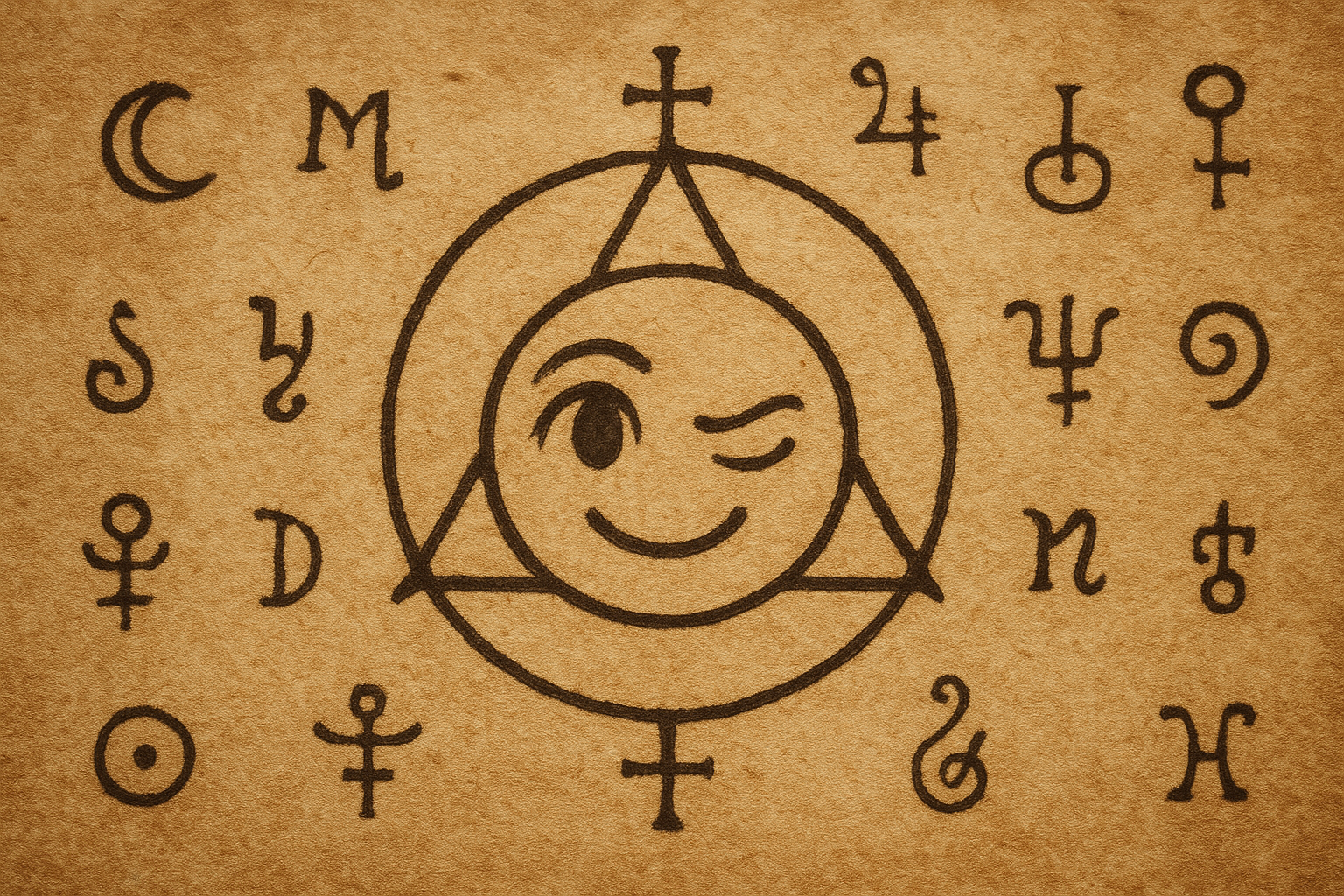
In the realm of the mystical, where imagination intertwines with belief, the concept of sigils stands out as a curious bridge between the unseen forces of the universe and the tangible reality of the human psyche. Often depicted as scribbled symbols that encapsulate intent, sigils are more than mere doodles of the mystical world—they are whispers of ancient magic, designed to manifest desires, alter consciousness, or invoke protective energies. Yet, some of these arcane symbols seem to carry with them a playful hint, a suggestion of mirthful, hidden knowledge that winks back at their creators.
A Brief History of Sigils
Sigils have roots that stretch deep into antiquity, with their usage documented across various cultures and epochs. The term “sigil” itself is derived from the Latin word sigillum, meaning “seal.” Historically, these symbols served as a representation of divine names, often carved into amulets and talismans that were thought to possess protective or magical properties.
- Ancient Cultures: In Mesopotamia, scholars invoked the god Enki through symbols etched into clay tablets, while in Norse traditions, runes were inscribed to call upon the power of deities like Odin.
- Medieval Times: The grimoires of medieval Europe are replete with sigils, crafted often as part of complex rituals designed to summon spirits or angels. The “Lesser Key of Solomon,” a notorious collection of occult manuscripts, describes numerous sigils used to bind demons to the magician’s will.
- Modern Occultism: The resurgence of interest in the occult during the 19th and 20th centuries furthered the development of sigils, with figures like Aleister Crowley and Austin Osman Spare refining the practice into contemporary forms.
The Craft of the Sigil
The process of creating a sigil can be as structured or as free-form as the practitioner desires. Typically, it involves a series of steps designed to focus intention and harness energies:
- Statement of Intent: The practitioner begins by clearly articulating a desire or wish, such as “I attract prosperity and health.”
- Letter Elimination: Repetitive letters are removed from the phrase, simplifying it to its essence.
- Symbolic Design: The remaining letters are creatively merged or distorted into a unique symbol, personal and powerful in its obscurity.
- Charging and Release: The sigil is then charged, often through meditation, visualizations, or rituals, and finally “released” into the subconscious or the universe to do its work.
Sigils With a Sense of Humor
While the solemnity of ceremonial magic has historically dominated the use of sigils, there exists a realm where symbols lighten up, reflecting the whimsical nature of their crafters. These are the playful sigils—arcane marks that seem to have a cheeky character of their own.
“The essence of magic is intent and humor, always remember that magic is about will,” said Terry Pratchett, whose works often reflect the subtle connections between the mystical and the mundane.
A playful sigil may appear as a jest, capturing the dynamic and humorous side of magical practice. For some practitioners, injecting humor into their work with sigils allows them not only to demystify magic but also to celebrate life’s unpredictable and joyful nature.
The Psychology of Playful Sigils
Magic requires belief, but belief comes easier with the suspension of disbelief, often achievable through humor. Psychologically, playfulness in sigils could serve as a method to bypass the conscious mind’s filters and engage directly with the subconscious. When the conscious mind is distracted by a laugh or a smirk, the subconscious can more easily accept and work with the intent encoded within the sigil.
Moreover, humor can alleviate the pressure of high-stakes outcomes often associated with magic. By infusing sigils with a playful spirit, practitioners can approach their craft with a detachment, allowing them to release their desires without overattachment—paradoxically a key principle in magical success.
Modern Adaptations and Cultural References
The playful sigil has found its way into modern pop culture, particularly in fiction and art, emphasizing its broad and flexible appeal. Consider the whimsical glyphs found in works like “Harry Potter”, where the very language of magic can sometimes feel like a dance of imagination as much as a tool of wizardry.
Additionally, the internet has become a fertile ground for these modern mystical expressions. Online communities centered around chaos magic and personal spirituality frequently share instructional stories on creating sigils focused on the absurd, manifesting everything from minor miracles to true love through a blend of intention and lightheartedness.
Conclusion
The world of sigils is as vast and varied as the human spirit. While many approach this practice with solemnity and gravity, there is undeniable power in approaching the mystical with a sly grin. The playful sigil, with its humble origin as a seal and mark of intent, has evolved into an element of arcane expression where humor, creativity, and the sacred intersect. Whether seeking to manifest profound change or simply to giggle at the cosmic joke, these symbols offer more than just a path to power—they offer a gentle wink from the universe itself.