Tag: psyche

  • Infernal Archetypes – Demons in Myth and Psyche

    Infernal Archetypes – Demons in Myth and Psyche

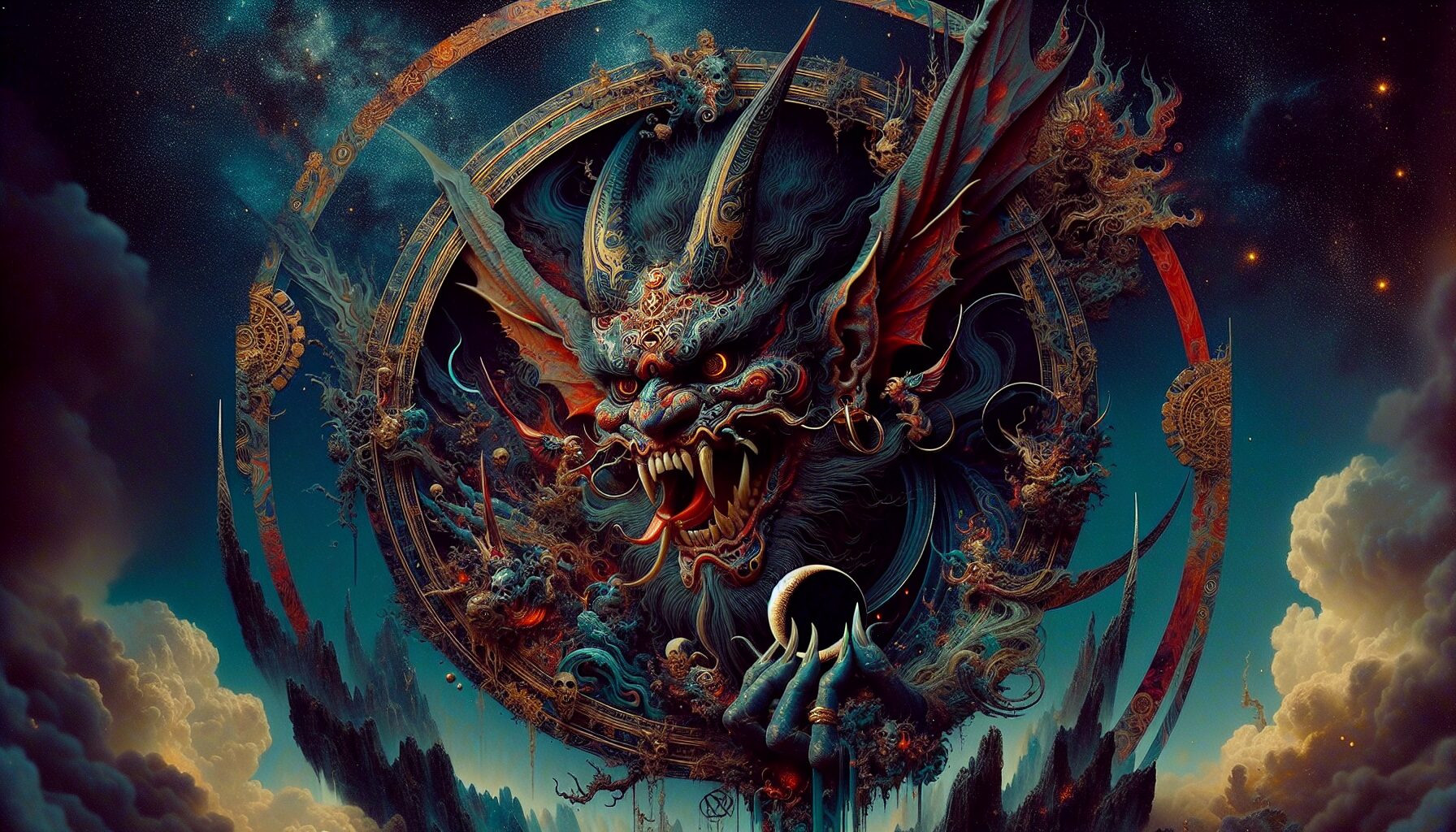
    Throughout history, demons have held a potent place in the myths and stories of cultures worldwide. These infernal entities embody fear, temptation, and the unknown, acting both as figures of evil and as reflections of the human psyche. From the terrifying Asuras of Hindu mythology to the cunning tempters of Judeo-Christian lore, demons represent complex archetypes that bridge the supernatural and the psychological.

    Demons in Cultural Myths

    The presence of demons in mythology is pervasive and diverse. In Japanese folk traditions, Oni are malevolent spirits, often depicted as gigantic, ogre-like creatures wielding iron clubs. These figures are feared for their capacity to disrupt order and bring calamity.

    In contrast, Middle Eastern tales feature the notorious Djinn, which are considered spirits capable of good or evil. These beings, as noted in Islamic culture, can shape-shift, alter reality, and influence human fates, creating narratives that challenge our understanding of free will and destiny.

    Demons and the Human Psyche

    Psychologically, demons can be seen as manifestations of the darker elements of the human mind. Renowned psychoanalyst Carl Jung discussed the concept of the “shadow,” which represents the suppressed aspects of personality. Jungian theory suggests that encountering our inner demons is a necessary part of personal growth and self-discovery.

    “One does not become enlightened by imagining figures of light, but by making the darkness conscious.”

    This quote, attributed to Jung, highlights the importance of integrating these shadowy parts into conscious awareness, thereby reducing their potential to control and manipulate behavior unknowingly.

    Modern Interpretations and Significance

    In contemporary culture, demons continue to captivate and terrify, from horror films to literature. They often symbolize internal struggles such as guilt, addiction, and fear. By externalizing these internal demons, modern narratives provide a platform for audiences to confront and question their own fears and anxieties.

    Thus, demons remain a vital part of both collective myths and individual psychology. They are reminders of the innate balance between light and shadow, good and evil, in the vast tapestry of human experience. The study of these archetypes offers valuable insights into the consciousness, encouraging a journey into the depths of the mind where these infernal entities reside.

    In exploring demons as archetypes of myth and psyche, we can better understand the roles they play in our stories and in our lives—a dance of darkness and light, always compelling, always relevant.

  • Psychic Archetypes – Human Patterns Through Time

    Psychic Archetypes – Human Patterns Through Time

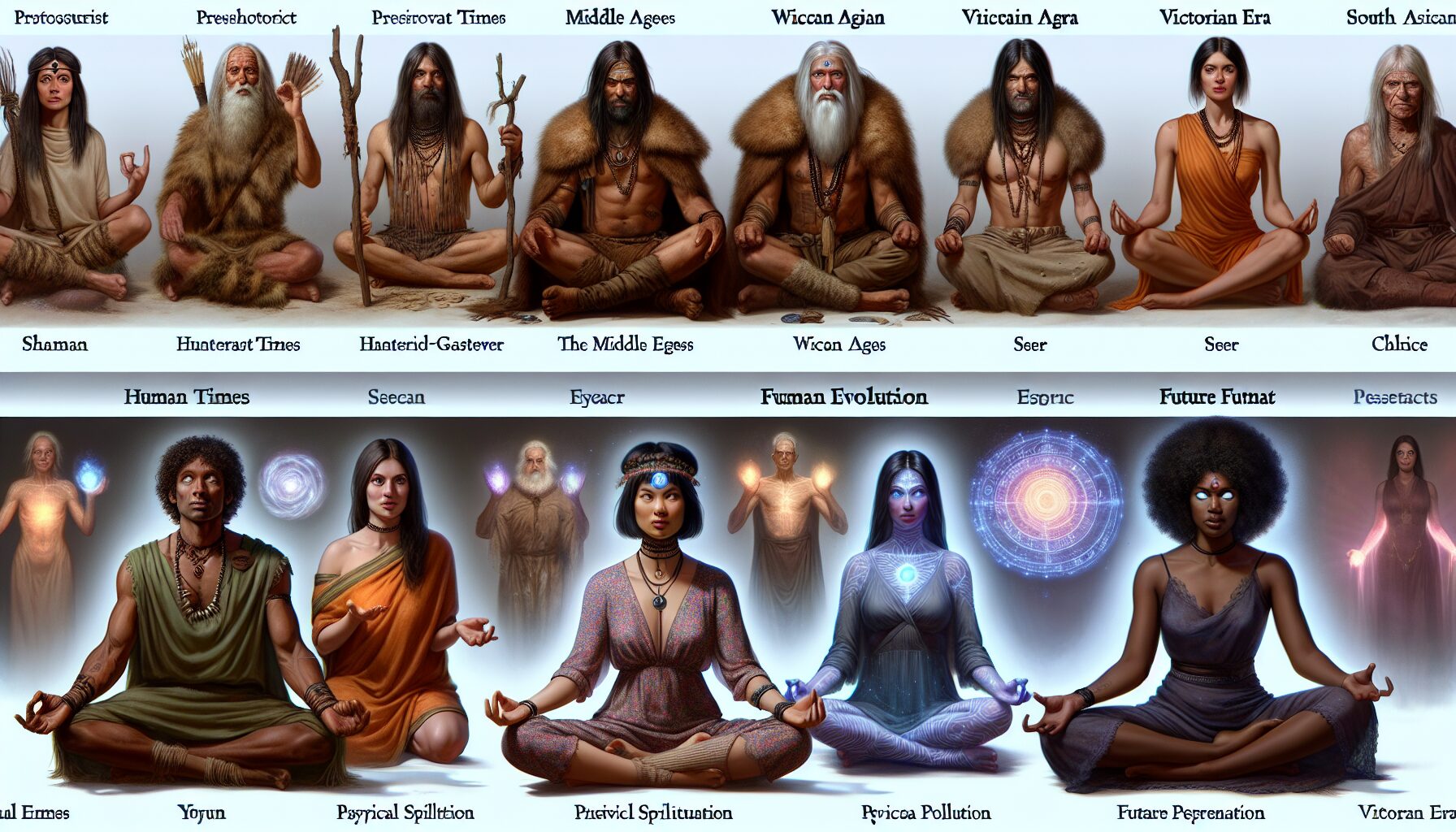
    Throughout history, human civilization has been captivated by the idea of archetypes—universal patterns and symbols residing in the collective psyche. These archetypes are recurring motifs found across cultures, encapsulating the essence of human experience in a truly profound way.

    The Origins of Archetype Theory

    The concept of archetypes was first popularized by Swiss psychiatrist Carl Gustav Jung. Jung proposed that these archetypes are not learned but innate elements of the human psyche, manifesting as common themes in dreams, myths, art, and behaviors worldwide.

    “Archetypes… are residues of the most ancient and universal types of expressions of the human mind. They tell us stories of the struggles and triumphs of humanity.” — C.G. Jung

    Jung identified several key archetypes, including the Self, the Shadow, the Anima/Animus, and the Persona. Each of these represents different facets of the human experience, navigating the inner world and reflected in our outer reality.

    Key Archetypes Across Cultures

    Despite cultural differences, similar archetypes emerge around the globe, embodying fundamental aspects of life and identity.

    • The Hero: Seen in figures such as Hercules from Greek mythology and Knight Arthur from the Arthurian legends, the Hero embarks on a journey filled with trials and transformations.
    • The Mother: The nurturing force represented by deities like Gaia or Demeter, symbolizing fertility, protection, and nourishment.
    • The Trickster: A shape-shifting character with cunning and wit, found in Norse Loki and Native American Raven mythologies, often disrupting norms to challenge or enlighten.

    The Psychological Significance of Archetypes

    Archetypes carry significant psychological weight. They guide individuals through their personal growth and development.

    “An understanding of the interplay between different archetypes leads to greater self-awareness and personal integration.” — Analytical Psychology Studies

    The Hero’s Journey, for instance, illustrates the path of self-discovery and transformation, suggesting that each person’s life is a quest filled with opportunities for growth and learning.

    Archetypes in Modern Culture

    The influence of archetypes extends into modern literature, film, and art. From the epic quests of Frodo Baggins in The Lord of the Rings to the introspective journey of Neo in The Matrix, these narratives tap into archetypal patterns that resonate deeply with audiences.

    Consider Star Wars, where archetypal characters like Luke Skywalker (the Hero), Yoda (the Wise Old Man), and Darth Vader (the Shadow) epitomize the timeless struggle between light and darkness, good and evil.

    The Future Role of Archetypes

    In an ever-evolving society, will archetypes continue to hold relevance? As psychologists and anthropologists delve deeper into the workings of the mind, the archetype framework may expand or adapt, yet their core essence will likely remain intact.

    They offer a lens through which to view contemporary challenges and uncertainties, providing insight into human behavior and inspiring creativity and tradition across generations.

    Psychic archetypes weave the tapestry of human history—from the distant past to an unknowable future—showcasing our shared journey through time. As we embrace these patterns, we perhaps draw closer to understanding the complexities of our collective psyche, enabling us to connect with one another on deeper, more meaningful levels.

    Conclusion

    Psychic archetypes signify a universal language of the human soul. As we continue to study and interpret these archetypes, we unlock timeless wisdom and find parallels between ancient lives and modern experiences. By embracing these enduring patterns, humanity may gain not only a greater sense of cultural identity but also profound personal insight.

    For further reading, consider exploring Jung’s seminal works, such as Collected Works, to dive deeper into his theories and insights.