Tag: renewal

  • The Titan’s Funeral – Mythology of Cosmic Endings

    The Titan’s Funeral – Mythology of Cosmic Endings

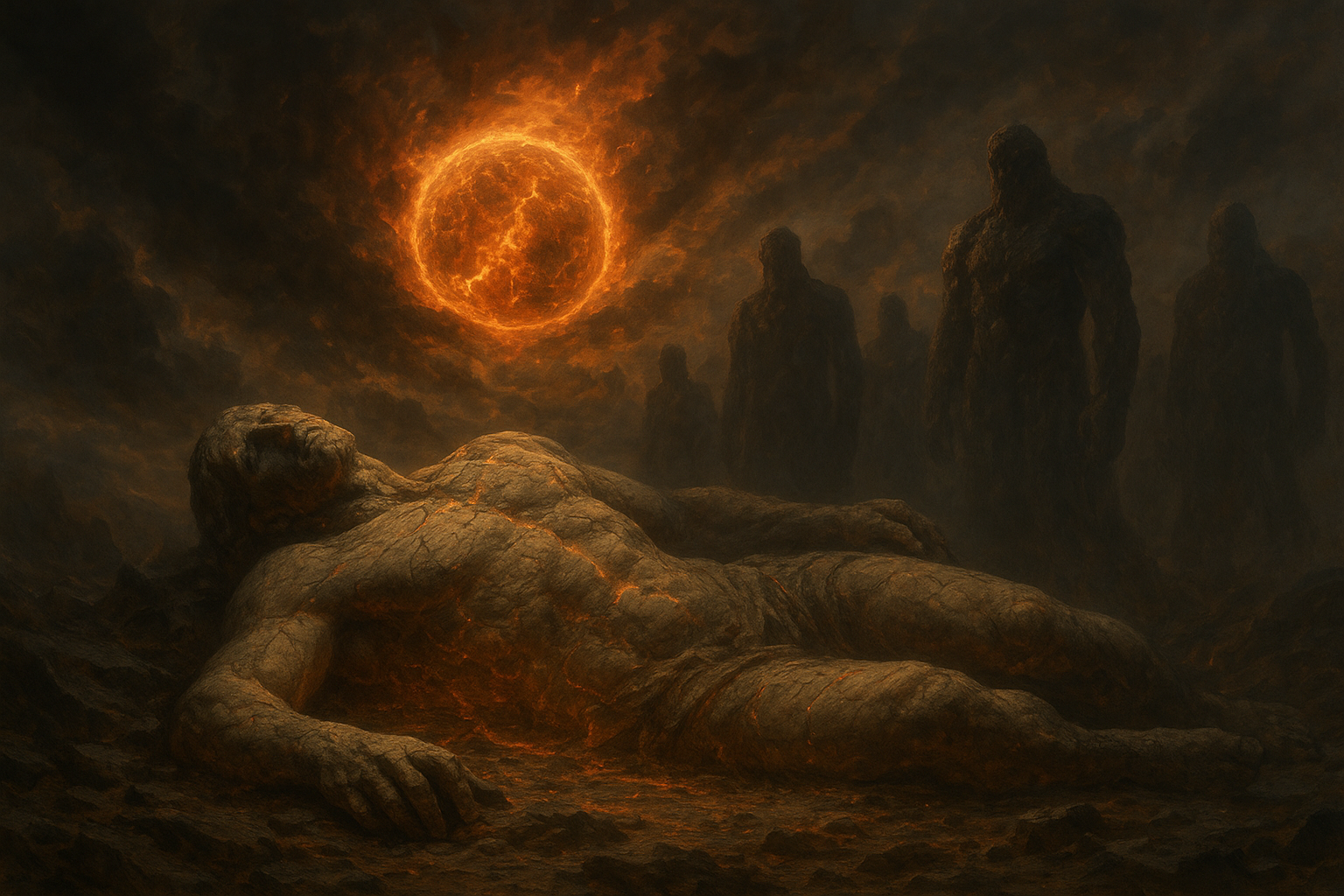
    In the tapestry of human culture, end-of-the-world myths captivate our imagination, exploring themes of destruction, renewal, and the cyclical nature of existence. From Norse Ragnarök to the Hindu great disillusion, these narratives weave cosmic endings into the stories of gods and giants. Within this rich tradition, the concept of a “Titan’s Funeral” stands as a symbolic representation of the ultimate sacrifice and rebirth.

    The Titan Archetype in Mythology

    Titans play a central role in many mythologies as primordial beings embodying great power and vast potential. In Greek mythology, Titans are the children of Uranus (Sky) and Gaia (Earth). They once reigned supreme before being overthrown by the Olympian gods. Such tales echo themes of divine conflict and transition, typical of myths addressing cosmic order and chaos.

    The Greek poet Hesiod, in his work Theogony, describes the dramatic battles between Titans and Olympians, known as the Titanomachy. After their defeat, many Titans were cast into Tartarus, a deep abyss used as a dungeon of torment and suffering for the wicked.

    “…hold the ground, many-rooted and shade-mountainous Olympus. But these, banished far from Heaven’s everlasting gods, are in the froggy gulf of deep Tartarus.”

    Cosmic Endings across Cultures

    While the Titans’ saga may not explicitly describe a “funeral,” the idea aligns with the broader theme of cosmic endings. Let’s explore similar motifs across different mythologies:

    • Norse Mythology:

      Ragnarök, the prophesied end of the world, involves a series of events including a great battle, natural disasters, and the submersion of the world. Here, gods, giants, and creatures like the wolf Fenrir play crucial roles. The saga describes the death of major figures such as Odin, Thor, and Loki, which might be considered a “funeral feast” that marks the end of an era.

      “There will be many hard battles, and many lost lives. Come, gather with your kin, for this is the twilight of the gods.”

    • Hindu Mythology:

      The concept of Pralaya refers to the cyclical dissolution of the universe, with all creation submerged until the next cycle of existence begins. In these spans, divine entities like Vishnu take on roles framing cosmic destruction and renewal, resonating with the notion of cosmic endings.

      “When creation becomes wild and unpure, when the best becomes the worst, then I come to destroy the unfaithful and protect the faithful.”

    • Egyptian Mythology:

      The legend of Osiris, the god of the afterlife, fertility, and resurrection, blends death and rebirth. Osiris’s death and resurrection could symbolize the cycle of life and rebirth inherent in cosmic transformations.

      “I am Osiris, who is enduring in the land of the living, forever.”

    Symbolism of the Titan’s Funeral

    The concept of a Titan’s Funeral can be viewed symbolically as acknowledging the death of an order, thus paving the way for new beginnings. The funeral signifies:

    • Endings and Purity: Just as a funeral marks the end of a life, this concept symbolizes the ultimate cessation of a previous cosmic phase.
    • Sacrifice and Transformation: The demise of Titans and deities alike symbolizes great sacrifices leading to transformational processes, where endings are necessities for births of new eras.
    • Hope and Renewal: Death of titanic figures is not simply end; it signals hope, insisting that creation is cyclical and one end births new possibilities.

    Titanic Rebirth in Modern Culture

    Modern storytelling continues to draw inspiration from such mythologies, particularly seen in books, films, and art. This cultural lineage emphasizes unavoidable endings and embraces the hope for renewal. For instance, works like J.R.R. Tolkien’s The Lord of the Rings, with its ages of men and elves, and the narrative arc of Game of Thrones, with its intricate power struggles and prevailing motifs of ice and fire, echo these themes of cosmic rebirth.

    The Enduring Legacy of Cosmic Mythologies

    Ultimately, these mythologies offer not only narratives of destruction and despair but narratives rich with meaning and inspiration. They remind humanity that while calamity seems inevitable, what follows the last chapter is an endless opportunity for rebirth and creation. Perhaps the Titan’s Funeral is not a story of finality but one of sustained hope and renewal, encouraging new growth from the ashes of the old.

    Conclusion

    Across cultures and times, the death of giants like Titans and the circumstance of cosmic endings reign unto the ethos of creation myths. They resonate with universal truths about the human experience, questioning our understanding of life and suggesting deeper reflections about endings. Through the concept of the Titan’s Funeral, humanity contemplates the mystery of existence, blending cycles of destruction with the dawn of renewal, immortalising the belief that every end is just the beginning of a new story.

  • Ashen Meditations – Practices for Transformation and Renewal

    Ashen Meditations – Practices for Transformation and Renewal

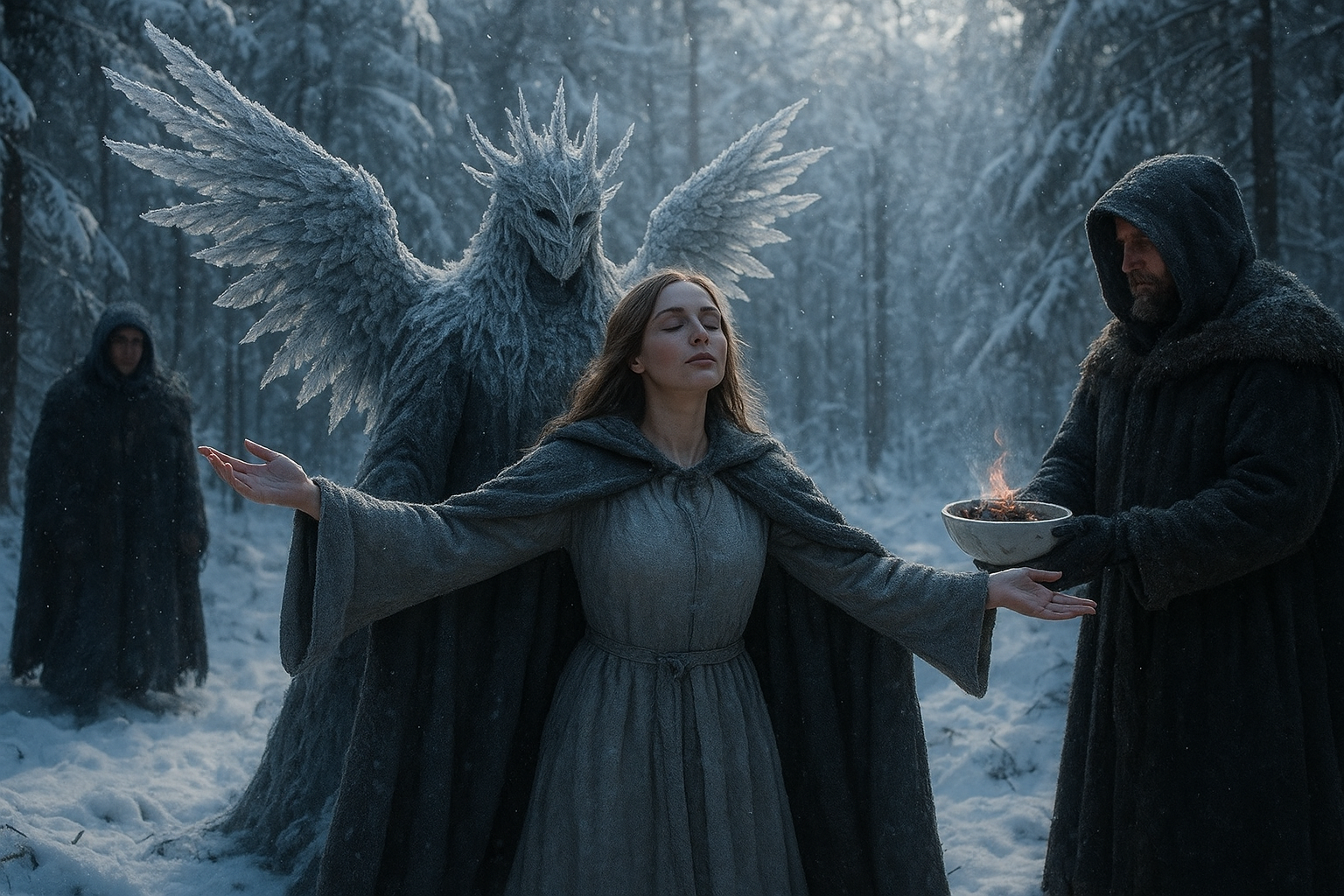
    In the ever-evolving journey of life, there are times when introspection and renewal become essential. It is during these moments that practices such as Ashen Meditations offer a path to transformation and rejuvenation. Drawing on ancient traditions and modern mindfulness techniques, Ashen Meditations are a powerful tool for personal growth and healing.

    The Origins of Ashen Meditations

    Ashen Meditations have their roots in spiritual and philosophical traditions that emphasize the transformative power of reflection and contemplation. The term “ashen” metaphorically represents the residue of what was once vibrant, which, through cycles of renewal, can lead to new growth and understanding. Similar to the ancient practice of observing the ashes left behind from a fire, these meditations encourage individuals to contemplate the remnants of past experiences and emotions, paving the way for renewal.

    Core Practices of Ashen Meditations

    • Contemplation and Release: Participants focus on the residue of past experiences—emotional, physical, or spiritual—and actively embrace the process of letting go. By releasing the hold of these remnants, individuals make space for new perspectives and opportunities.
    • Mindful Breathing: Integral to these meditations is the practice of mindful breathing. Through deep, conscious breaths, practitioners ground themselves in the present moment, fostering clarity and calmness. As the mindfulness expert Jon Kabat-Zinn notes, “Mindfulness is about being fully awake in our lives. It is about perceiving the exquisite vividness of each moment.
    • Visualization Techniques: Visualizing the transformation of ashes into fertile soil is a powerful metaphor used in these sessions. This mental imagery aids in understanding that from decay comes the possibility of growth and new beginnings.

    The Benefits of Ashen Meditations

    Regular practice of Ashen Meditations can provide numerous benefits, such as reduced stress, increased emotional resilience, and greater self-awareness. Moreover, it allows individuals to process past traumas and disappointments, thereby fostering a renewed sense of hope and purpose.

    “Transformation is a process, and as life happens, there are tons of ups and downs. It’s a journey of discovery—there are moments on mountaintops and moments in deep valleys of despair.” — Rick Warren

    Incorporating Ashen Meditations into one’s daily routine can pave the way for personal transformation and renewal, serving as a reminder that from the ashes of the past, new growth can emerge. To explore these practices further and find guides on beginning your journey, you may refer to various resources and support groups that specialize in mindfulness and meditation.

    For those seeking spiritual and emotional renewal, Ashen Meditations offer a path that intertwines reflection, acceptance, and growth, leading to profound personal development. Embrace the ashes, and let the journey of transformation begin.