Tag: rituals

  • Ritual of Ash – Transforming Loss into Spiritual Practice

    Ritual of Ash – Transforming Loss into Spiritual Practice

    Losing a loved one is one of the most profound experiences of human life. Throughout history, communities and cultures have devised rituals to navigate this challenging journey, transforming mourning into a healing process. Among these, the ritual of using ash has emerged as a practice imbued with spiritual significance, offering solace and continuity to the bereaved.

    A Tradition Rooted in History

    The use of ash in death rituals can be traced back to ancient civilizations. The ancient Greeks and Romans, for instance, practiced cremation, viewing it as a way to return the body to the divine cosmos. In the ashes, they saw a metaphor for life’s cycle of death and rebirth.

    “To everything there is a season,
    a time to be born and a time to die.”
    Ecclesiastes 3:1-2

    The Symbolism and Meaning of Ash

    Ashes symbolize both endings and beginnings. This dual nature makes them a powerful symbol of transformation and renewal. In many spiritual practices, ash represents the potential for growth emerging from destruction. It embodies the understanding that from death comes new life, a belief that is central to many Eastern and Western philosophies.

    A Modern Take on Ancient Practices

    Today, the ritual of ash is experiencing a resurgence as more people seek personalized and meaningful ways to honor their deceased. This modern adaptation often blends tradition with contemporary values, creating rituals that respect both spiritual beliefs and environmental consciousness.

    • Eco-Friendly Cremation: As awareness of environmental impacts rises, practices like green cremation are becoming more popular. Instead of traditional methods, these use less energy and reduce harmful emissions.
    • Memorial Ashes: Families often choose to incorporate ashes into memorial objects such as jewelry or reef structures that support marine life.
    • Scattering Ceremonies: The act of scattering ashes in significant places is another profound ritual. It provides a space for reflection, connection to nature, and a sense of returning the loved one to the earth.

    Transforming Grief Through Ritual

    Engaging in a ritualized process can be exceptionally cathartic. According to grief therapist Dr. Kevin Skinner, “Rituals provide a structure that helps individuals express and manage their grief in a healthy and communal way.” By participating in these ceremonies, individuals can work through their emotions in a supportive environment, often finding a profound sense of peace.

    The Role of Community and Connection

    Rituals engage community members, fostering a sense of connection among those affected by the loss. In many cultures, communal aspects of ash rituals help ensure that no one grieves alone. Shared experiences can bridge differences, creating bonds rooted in shared humanity and understanding.

    “Grief is the price we pay for love.”
    Queen Elizabeth II

    Bringing Closure with Ceremony

    Creating a meaningful end to the mourning process is as vital as its beginning. The act of returning ashes to the earth or sea provides closure. It is a symbolic gesture of letting go while celebrating the life that was lived. Many find comfort in the idea that their loved ones become part of the eternal cycle, enriching the world they left behind.

    A Personal Journey

    Ultimately, the ritual of ash is a deeply personal journey. It is a testament to how we choose to honor those we have lost, reflecting our beliefs, values, and hopes for continued connection. Whether traditional or innovative, these practices offer a path to healing that resonates across time and cultures.

    In embracing the ritual of ash, we acknowledge that loss, while painful, is also a powerful catalyst for spiritual growth and transformation.


  • Twilight Rituals – Practices for the Modern Occultist

    Twilight Rituals – Practices for the Modern Occultist

    As the sun sets and the shadows lengthen, many modern occultists find this liminal time ideal for engaging in rituals that bridge the mystical and the mundane. Twilight, a time of transition, carries ancestral memories of practices repeated throughout history. Here, we delve into some contemporary twilight rituals that continue to inspire and connect practitioners with their spiritual paths.

    Understanding the Significance of Twilight

    Twilight signifies a magical in-between time; neither fully day nor night. It has always represented a gateway between worlds, a time ripe for reflection and introspection. As Marie-Louis von Franz, a Swiss psychologist and scholar of Jungian psychology, once remarked, “Twilight is that place between where one thing becomes another, and anything is possible.” (Source)

    Popular Twilight Rituals

    • Shadow Work Meditation: This practice is about delving into one’s subconscious to acknowledge and heal hidden aspects of the self. As shadows blend in during twilight, practitioners sit in meditative states, often outdoors, to merge and reconcile their darker sides.
    • Elemental Invocation: In this ritual, practitioners call upon the four elements—earth, water, air, and fire—during twilight. This can involve lighting candles for fire, pouring water for the element of water, standing barefoot on grass for earth, and taking deep breaths for air, typically in an open space where the fading light can be embraced.
    • Creating a Sigil: Sigil magic involves creating an abstract symbol that holds personal meaning or intent. With twilight’s fading light, many find it conducive to focus and silently meditate on these symbols, infusing them with purpose and intention.

    The Role of Community in Modern Practices

    The sense of community and shared experience can greatly enhance individual practices. Many occultists participate in group rituals, often conducted during twilight to harness collective energy. These gatherings may include exchanging knowledge, performing group spells, or simply being present with others who share similar beliefs. As noted by Dion Fortune, a prominent occultist, “Magic is the art of changing consciousness at will,” a process that can be amplified in communal settings. (Source)

    Conclusion

    Twilight rituals offer a profound way for modern practitioners to bridge the old and the new, the mystical and the tangible. Whether practiced in solitude or community, these rituals remain a testament to the enduring human quest for spiritual connection and transformation.

  • The Forgotten Rituals: DIY Guide

    The Forgotten Rituals: DIY Guide

    The Forgotten Rituals: DIY Guide

    The Forgotten Rituals: DIY Guide

    In a world that races ahead at the speed of technological breakthroughs and constant connectivity, the quiet
    undertones of ancient rituals are often forgotten. Yet, these rituals, steeped in tradition and cultural
    significance, offer a serene counterbalance to our otherwise hectic lives. This guide provides a glimpse into
    some lesser-known rituals across the world and how you can incorporate aspects of these forgotten traditions
    into your daily routine to find meaning and mindfulness.

    The Power of Rituals

    Rituals have been an intrinsic part of human culture for millennia. They offer us a sense of identity and
    community and provide a moment to pause and reconnect with ourselves. As Joseph Campbell once
    said,

    “Rituals are an enactment of myth. By moving into altered space with intention, we invite in something
    sacred that regularly gets ignored in the hustle and bustle of life.”

    Exploring Forgotten Rituals

    Although many rituals are tied to specific cultural events or religious beliefs, others simply celebrate life and
    the rhythm of nature. Here, we delve into a few fascinating rituals from around the globe that you can adapt for
    personal use.

    • The Japanese Tea Ceremony

      The Japanese Tea Ceremony, or Chanoyu, is more than just sipping brewed leaves—it’s a performative art that celebrates mindfulness and simplicity. The ritual is deeply rooted in Zen Buddhism, emphasizing a serene and contemplative atmosphere. To incorporate this into your life:

      • Designate a small space in your home as a tea corner, where you can escape from daily distractions.
      • Choose your favorite tea, and prepare it mindfully, focusing on each step from boiling water to steeping the leaves.
      • Invite a friend or loved one to share in the experience, emphasizing presence and silence.
    • Balinese Offerings

      In Bali, Canang Sari are offerings made to thank the Hindu deities for peace and harmony on Earth. These small, handmade baskets are filled with flowers, rice, and fragrance, symbolizing self-sacrifice. To create your own version:

      • Craft a simple basket using banana leaves or any natural material readily available.
      • Fill it with fresh flowers, herbs, or other items that hold personal significance.
      • Set your intention for the day as you place your offering, focusing on gratitude.
    • Native American Smudging Rituals

      Smudging involves burning sacred herbs like sage to cleanse one’s space and self. It’s an ancient ritual for purifying and bringing balance to the energy in a space. To incorporate smudging:

      • Gather a bundle of sage or palo santo and light the end until it smolders, producing smoke.
      • Move through your space, allowing the smoke to enter every corner, while setting an intention to remove negativity.
      • Once finished, extinguish the sage and express gratitude for the cleansing.

      Note: Always respect the origins of this practice, understanding it’s a sacred tradition for Native Americans.

    Creating Your Own Rituals

    Alongside adopting historical practices, crafting your own rituals can be just as powerful. Here are steps to
    create meaningful rituals tailored to your personal needs:

    • Identify the Purpose: Decide whether your ritual aims to cultivate gratitude, promote relaxation, or achieve another personal goal.
    • Create a Sacred Space: Find a quiet and comfortable area where you won’t be disturbed.
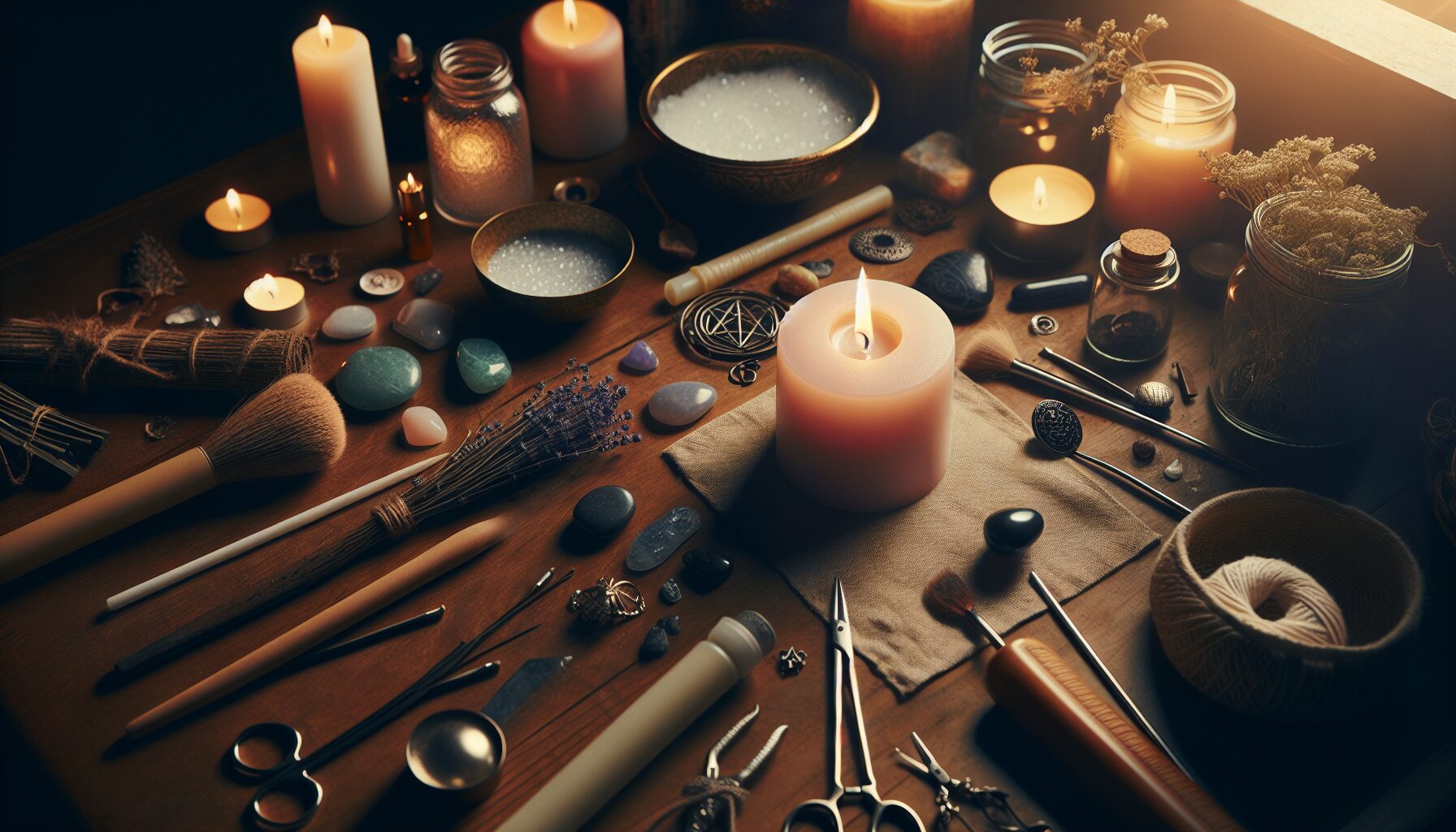
    • Gather Personal Objects: Use candles, crystals, music, or scents that evoke the desired emotions.
    • Set an Intention: Begin your ritual with a clear intention, focusing your thoughts on what you wish to achieve.
    • Reflect and Adjust: After completing your ritual, reflect on how it made you feel and adjust to enhance its effectiveness.

    The Return to Rituals

    The revival of traditional rituals offers a pathway to restoring balance in our lives. Whether you choose to delve
    into an ancient culture’s practice or develop something entirely personal, the grounding effect of rituals is
    undeniable. As we navigate the future with its inevitable innovations, let us not forget the past’s wisdom that
    can guide us to more mindful living.

    Conclusion

    Rekindling the forgotten rituals is akin to rediscovering parts of ourselves that long to be acknowledged. As
    Maria Popova
    writes,

    “Rituals are the placeholders of meaning in our lives, reminders of heritage and habit.”

    Embrace them, and in doing so, embrace a richer, more centered existence.

  • Ash and Echoes: Tracing Forgotten Rituals

    Ash and Echoes: Tracing Forgotten Rituals

    In the quiet corners of the world where tradition and time intermingle, rituals long forgotten by mainstream society are experiencing a subtle resurgence. These ancient practices, echoing through the corridors of history, offer a profound connection to an era when spirituality and daily life were closely woven together. Ash and Echoes: Tracing Forgotten Rituals unveils the journey of rediscovering these practices, revealing their enduring relevance and beauty.

    The Significance of Rituals in Human Culture

    Rituals have been an intrinsic part of human culture for millennia, often serving to mark significant life stages, agricultural cycles, and celestial events. As noted by cultural anthropologist Victor Turner,

    “Rituals can be seen as the performance of social dramas, reaffirming the community’s values and beliefs.”

    From ancient Egyptian burial ceremonies to Native American healing circles, these practices have shaped societies and cultures.

    Rituals Hidden in the Ashes

    Many rituals, though forgotten by the modern world, continue to exist in the ashes of tradition. Practices such as the Celtic festival of Samhain, which marks the end of the harvest season and the beginning of winter, are seeing a revival. According to a study by Harvard University, interest in these rituals has increased over the past decade, largely driven by a growing desire for authentic connection and mindfulness.

    Celtic Rooted Practices like Samhain provide a lens into how ancient communities understood and celebrated the natural world. Today, people are observing this festival not only for its historical significance but also as a means to connect with the land and its cycles.

    The Revival of Mindful Practices

    In an era dominated by technology and constant connectivity, many individuals are turning to ancient practices to find solace and grounding. The resurgence of interest in rituals such as meditation, yoga, and seasonal ceremonies reflects a yearning for introspection and presence. Psychology Today suggests that these practices contribute significantly to mental health and well-being by fostering a sense of community and shared intention.

    Seasonal Ceremonies, once primarily agricultural in intent, are now celebrated as moments of reflection and gratitude. This shift transforms these historical markers into contemporary moments of mindfulness.

    Echoes Across Borders

    The revival of forgotten rituals is not confined to any single culture or region. In Asia, the ancient art of tea ceremonies is celebrated for its meditative qualities and emphasis on mindfulness. Meanwhile, the African continent’s traditional dance and storytelling rituals are being rediscovered as forms of cultural preservation and identity. As anthropologist Margaret Mead eloquently stated,

    “A culture is only as great as its dreams, and its dreams are dreamed by artists.”

    Through these revived rituals, the stories of ancestors are retold, renewing cultural pride and continuity.

    Challenges in Revival

    While there is a surge in interest, reviving forgotten rituals presents challenges. Questions of authenticity and cultural appropriation often arise. It’s crucial to approach these practices with respect and understanding of their roots, as the line between appreciation and appropriation can sometimes blur. Ensuring that rituals are conducted authentically and with respect to their origins is essential to their revival.

    The Cultural Appropriation and Arts organization emphasizes the importance of engaging with the communities to whom these rituals belong, to ensure they are celebrated correctly and respectfully.

    The Future of Rituals

    As these echoes from the past gain new life, their future looks promising. The integration of old rituals with contemporary practices has the potential to enrich collective human experience and foster deeper connections between past and present. The rediscovery and revival of such practices can illuminate pathways toward a more mindful, interconnected society.

    Ultimately, the journey of tracing forgotten rituals is one of rekindling humanity’s collective memory, drawing on the ashes of the past to create an echoing symphony of cultural resurgence that resonates across the globe.

  • The Candle’s Edge: Minimalist Ritual Projects

    The Candle’s Edge: Minimalist Ritual Projects

    You need to be logged in to view this content. Please . Not a Member? Join Us
  • The Candlelight Project: DIY Rituals

    The Candlelight Project: DIY Rituals

    You need to be logged in to view this content. Please . Not a Member? Join Us
  • Ritual in the Margins: Small Acts of Devotion

    Ritual in the Margins: Small Acts of Devotion

    You need to be logged in to view this content. Please . Not a Member? Join Us
  • The Mourning Garden: Botanical Rituals

    The Mourning Garden: Botanical Rituals

    Gardens have long been spaces of solace and reflection, serving as sanctuaries where the complexities of grief can unfurl amidst nature’s embrace. Botanical rituals in mourning gardens offer unique pathways for the bereaved to navigate their sorrow, with each plant, flower, and tree holding its own symbolic significance—a testament to the enduring relationship between humans and the natural world.

    The Historical Roots of Mourning Gardens

    Throughout history, various cultures have turned to nature as a source of comfort and healing during times of loss. Mourning gardens are not a novel creation; instead, they are steeped in tradition and cultural significance:

    • Ancient Egypt: The Egyptians believed in the regeneration of the soul and used gardens to connect with the afterlife. The Lotus flower, a symbol of resurrection and regeneration, was commonly used in their funerary practices.
    • Victorian Era: During the Victorian period, people often expressed their emotions and paid tribute to deceased loved ones through meticulously curated gardens. Each flower had a specific meaning, creating a language of flora that communicated sorrow and hope alike.
    • Japanese Culture: In Japan, the art of Karesansui (dry landscape gardens) is often employed as a meditative space. These gardens encourage reflection on life’s transience and the acceptance of impermanence, known as Mono no Aware.

    The Psychological Benefits of Mourning Gardens

    Recent studies highlight the profound psychological benefits of engaging with nature during the grieving process:

    • Reduction in Anxiety and Depression: A study published in the Frontiers in Psychology found that horticultural therapy can significantly reduce symptoms of anxiety and depression.
    • Mindfulness and Reflection: Gardening requires focus and presence, offering a therapeutic distraction and an opportunity for mindful reflection. The rhythmic nature of gardening activities can serve as a grounding practice.
    • Connection and Memory: Planting a garden in memory of a loved one provides a tangible connection to those who have passed. Each bloom can become a living tribute, a reminder that life continues in cycles.”

    Symbolic Plants in Mourning Gardens

    Each plant and flower used in a mourning garden carries its own symbolic narrative. Here’s a look at some commonly used flora and their meanings:

    “Flowers and plants have a language of their own. They are the physical manifestations of emotions and thoughts that we sometimes struggle to verbalize.” — Unknown

    • Roses: Often symbolizing love and respect, roses are a staple in many mourning gardens. White roses, in particular, represent purity and innocence.
    • Lilies: A traditional funeral flower, lilies convey the restored innocence of the soul of the deceased. The white lily is emblematic of purity and rebirth.
    • Forget-Me-Nots: As the name suggests, these delicate blue flowers are a symbol of remembrance and enduring love.
    • Cypress Trees: In many cultures, cypress trees are planted in cemeteries due to their evergreen nature, representing eternal life.

    Creating a Mourning Garden

    When creating a mourning garden, it is essential to incorporate elements that resonate personally with the individual or family involved. Here are steps to consider when designing your own sanctuary of remembrance:

    1. Choose a Suitable Location

    Select a peaceful and accessible area. Whether it’s a small backyard plot or a larger community setting, the space should provide comfort and tranquility.

    2. Incorporate Personal Elements

    Include plants, sculptures, or artifacts that hold personal significance. This could be a beloved tree from a family homestead or a bench inscribed with a meaningful quote.

    3. Use Symbolic Plantings

    Select plants and flowers whose meanings align with your sentiments. Researching the symbolic meanings of different flora can help personalize your space even more.

    4. Integrate Pathways and Seating

    Creating pathways invites movement and contemplation. Seating areas encourage prolonged reflection and moments of rest within the natural environment.

    5. Plan for Perpetual Care

    Gardens require ongoing attention and care. Make arrangements for the continued upkeep of the space to ensure it remains a vibrant and enduring tribute.

    The Mourning Garden as a Community Space

    Beyond personal loss, mourning gardens can serve as vital community spaces, fostering collective healing. Communities can establish gardens after events that result in shared grief, such as natural disasters or tragic incidents. These spaces become symbols of resilience and hope:

    • They provide a communal area for rituals and ceremonies.
    • Gardens facilitate ongoing remembrance events, such as an annual day of reflection or planting.
    • Community gardens can also bolster environmental efforts, acting as green spaces that combat urban heat and support local biodiversity.

    The establishment of community mourning gardens can fortify bonds among community members, offering mutual support and the collective nurturing of both the garden and each other.

    Embracing the Cycle of Life

    “To plant a garden is to believe in tomorrow.” — Audrey Hepburn

    Mourning gardens embody the intertwining of love, loss, and the unending cycle of life. As the seasons change and each plant fulfills its role in the ecosystem, so too does the human spirit find a way to blossom anew. Embracing the natural cycle of life and death through botanical rituals not only honors those lost but also nourishes the living, fostering a profound connection between the earth and the soul.

  • Rituals for a Small Apartment

    Rituals for a Small Apartment

    You need to be logged in to view this content. Please . Not a Member? Join Us
  • The Candle’s Edge: Minimalist Rituals

    The Candle’s Edge: Minimalist Rituals

    You need to be logged in to view this content. Please . Not a Member? Join Us