Tag: snow

  • Wingprints in Fresh Snow – Reading Messages from Above

    Wingprints in Fresh Snow – Reading Messages from Above

    Wingprints in Fresh Snow: Reading Messages from Above

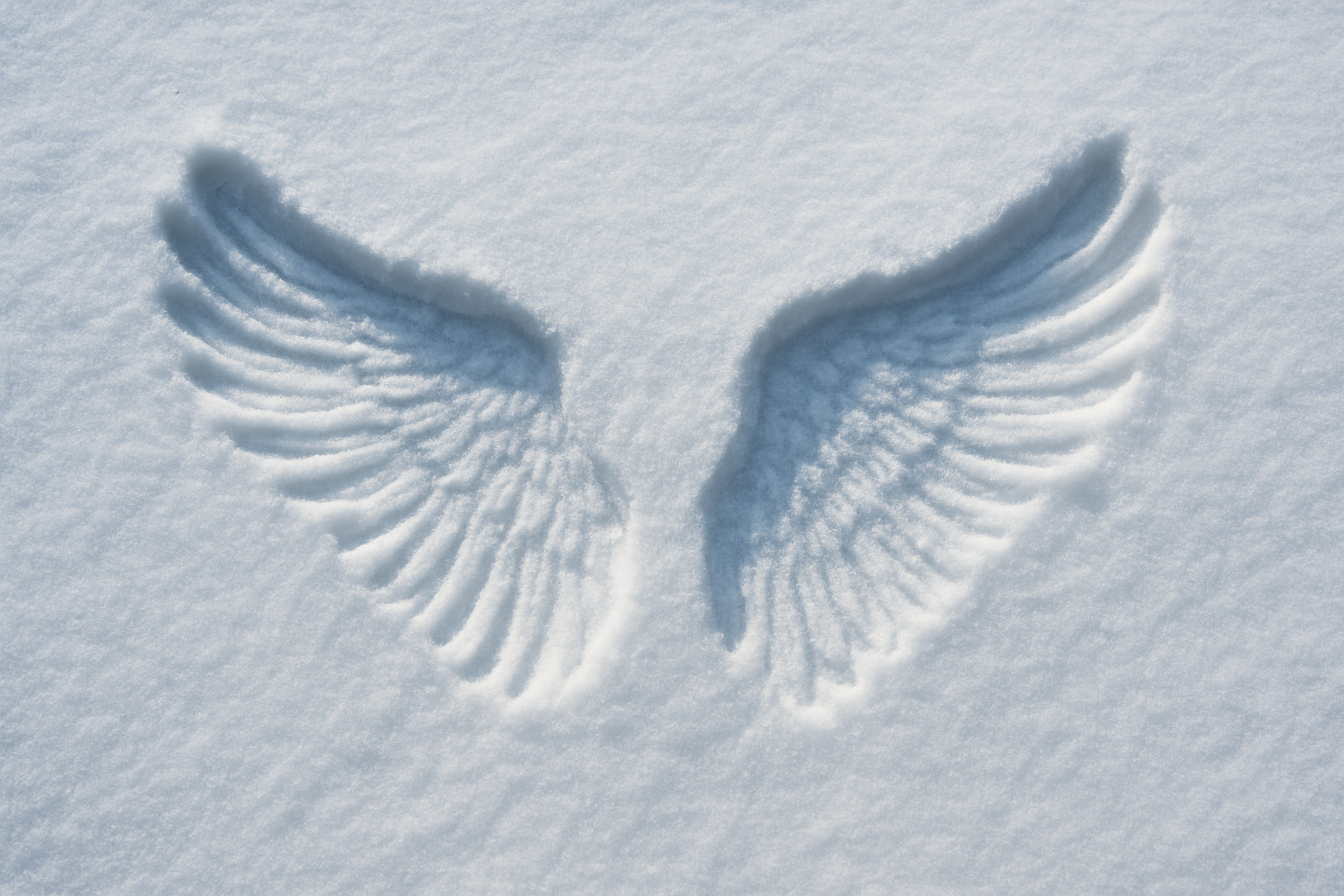
    In the silent elegance of freshly fallen snow, nature often leaves messages that tell tales of the unseen. Among these cryptic signatures are wingprints—the whimsical, temporary imprints left by birds as they come into contact with the white canvas below. The study of these patterns offers not only a connection with nature but an insight into the behaviors and lives of winged creatures.

    The Art of Wingprints

    Snow has always been a surface for storytelling, capturing the footprints of various animals and, more mysteriously, the impression of bird wings. These wingprints occur when birds descend to capture prey, rest briefly, or simply glide too low, brushing against the shimmering whiteness. Each wingprint is a fleeting work of art, a brief moment frozen in time, only to fade away with the next snowfall or gust of wind.

    “The snow didn’t give a soft white damn whom it touched.”E.E. Cummings captured the spirit of how snow interacts universally and indiscriminately, preserving stories of all who grace its surface.

    Interpreting the Signs

    Interpreting these messages from above involves patience and a keen eye. Bird experts and enthusiasts analyze these prints to decode information about the birds’ flight patterns, their hunting behavior, and even their species. The size, depth, and shape of the imprints can insinuate whether a large owl swooped in softly to snatch a mouse or if a raven landed briefly out of curiosity.

    “In nature, nothing is perfect and everything is perfect. Trees can be contorted, bent in weird ways and they’re still beautiful.”

    Alice Walker

    Walker’s words remind us that the beauty of these natural imprints lies in their imperfections. Even a seemingly chaotic pattern in the snow is a direct result of a perfectly adapted creature navigating its world.

    The Science Behind the Snow

    Scientifically, the study of wingprints can offer data on bird population movements, health, and interactions with their habitats. When field biologists come across wingprints, they often document them through photos, measurements, and sketches. Over time, these records contribute to broader ecological studies, aiding in conservation efforts.

    • Size and Shape: The wingspan impression can help identify species. A large, circular impression might suggest a predatory bird like an eagle or hawk.
    • Depth of Imprint: A deep indentation could indicate a swift landing or a capture in motion.
    • Contextual Clues: Surrounding prints or disturbances can tell if the bird interacted with another animal or foraged for food.

    Learn how to read signs from owls in winter hiking, courtesy of the Audubon Society.

    An Invitation to Explore

    The allure of wingprints in fresh snow serves as an open invitation to explore and connect with the natural world. Just as astronomers look to the stars for guidance, those walking through a wintry forest can look down at the snow for stories untold.

    Walking through a snow-draped landscape becomes an act of discovery. Each sway and dip in the pattern left behind tells a tale not just of survival and instinct but also of coexistence with the environment. Such engagement deepens our appreciation for nature’s subtleties and celebrates the beauty found in fleeting moments.

    “To see a world in a grain of sand and heaven in a wildflower, hold infinity in the palm of your hand and eternity in an hour.”
    William Blake

    Blake’s poetry perfectly encapsulates the desire to find significance in the small, often overlooked details around us, just like the delicate brush of wings against snow.

    Conclusion

    Ultimately, wingprints in fresh snow are more than just evidence of avian presence; they are nature’s way of communicating the rhythm and pulse of life above ground. As the snow spreads its cold embrace, it draws upon itself a map that is as enlightening as it is beautiful. We are invited, if only for a moment, to pause, observe, and celebrate the messages from above.

    So, next time you find yourself treading lightly through a snowy wonderland, look closely at the patterns laid before you. You might just find that the whispers from the wings above are waiting to be heard.
  • Angels of the Snowbound Roads – Guardians of Travelers in Cold Times

    Angels of the Snowbound Roads – Guardians of Travelers in Cold Times

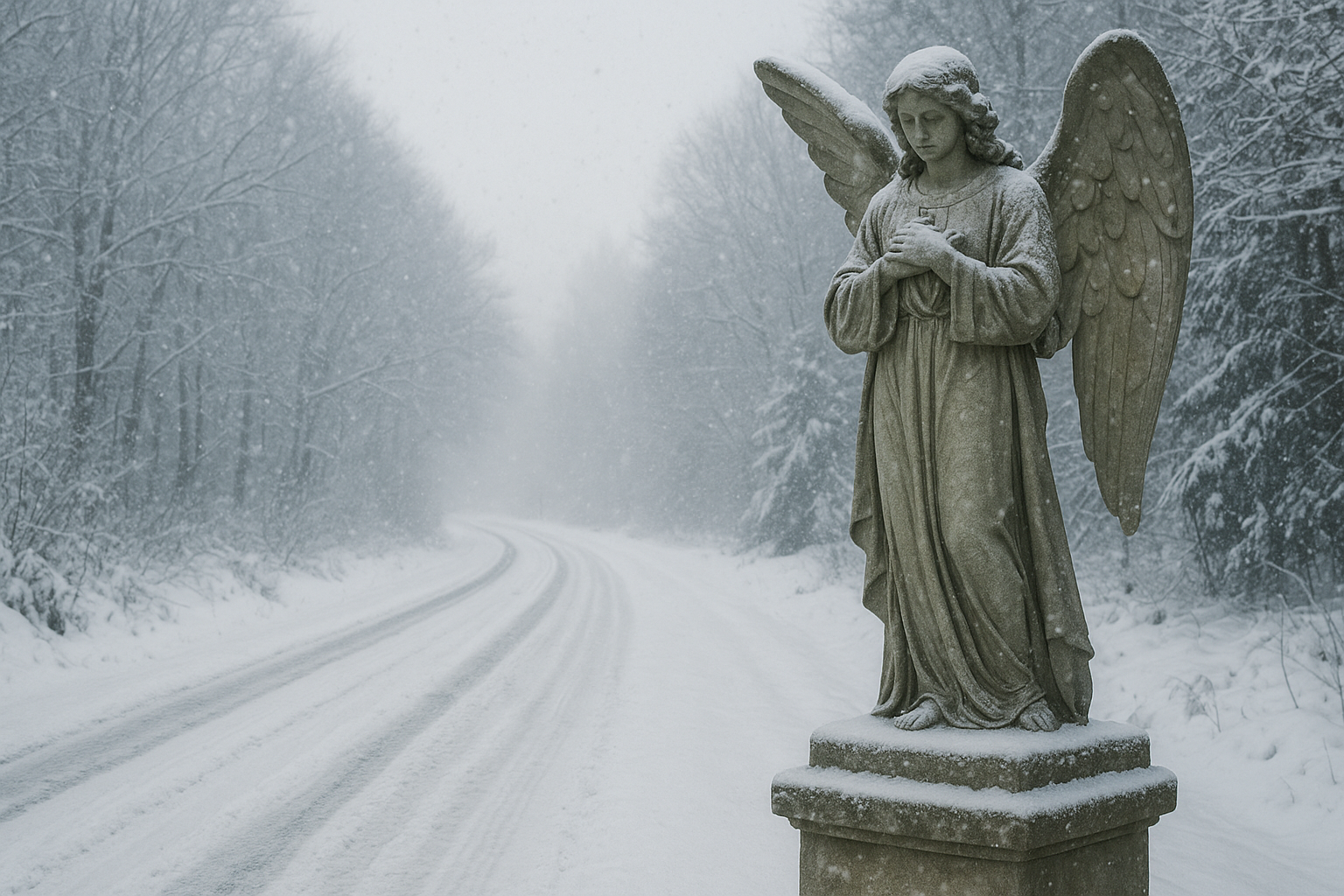
    As winter’s chill envelops the landscape, a unique breed of guardians emerges—dedicated souls known as the “Angels of the Snowbound Roads.” These are the individuals and groups who ensure safe passage for travelers braving treacherous winter conditions.

    During the coldest months, snow and ice transform roads into hazardous pathways. Still, whether through official organizations or grassroots efforts, these angels are committed to the welfare of travelers in distress.

    The Role of Snow Angels

    Snow angels, as they are commonly referred to, take on various roles:

    • Rescue Operations: Many are part of official rescue teams, such as local fire departments or volunteer services like The Red Cross. They brave the elements to assist stranded vehicles and rescue individuals caught in unexpected storms.
    • Essential Services: Some offer essential services like providing warm shelters, food, and medical care to those in need. Local community centers often serve as temporary havens during severe snowstorms.
    • Visibility Enhancements: Volunteers often enhance the visibility of roads by marking hazardous areas. This simple act can prevent accidents and save lives.

    “It’s heartwarming to see communities come together, offering their time and resources to make sure everyone stays safe,” says John Rivera, a volunteer coordinator from the CNN coverage on community snow rescue initiatives.

    Technology Meets Tradition

    Today’s snow angels are equipped with modern technology to boost their efforts. Utilizing GPS systems and social media platforms, they can efficiently coordinate rescues and communicate real-time updates on road conditions.

    Mobile apps like Waze and MapQuest now integrate user-submitted data on weather conditions and road safety tips, further assisting these winter guardians. In addition, technology enhances collaboration between official agencies and local volunteers.

    Community Heroes

    The tradition of helping fellow humans in times of need is centuries old, yet the angels of the snowbound roads continue to embody this spirit with renewed dedication each year. As Rivera aptly puts it, “When faced with the formidable power of nature, our greatest strength lies in our willingness to support one another.”

    As a traveler this winter, remember these guardians who devote their time and energy to ensure you reach your destination safely. Whether through a simple thank you or participating in local efforts, we can all play a part in supporting these angels on the snowy paths.

  • Midnight Snow Angels – Rituals of Joy in the Deepest Hours

    Midnight Snow Angels – Rituals of Joy in the Deepest Hours

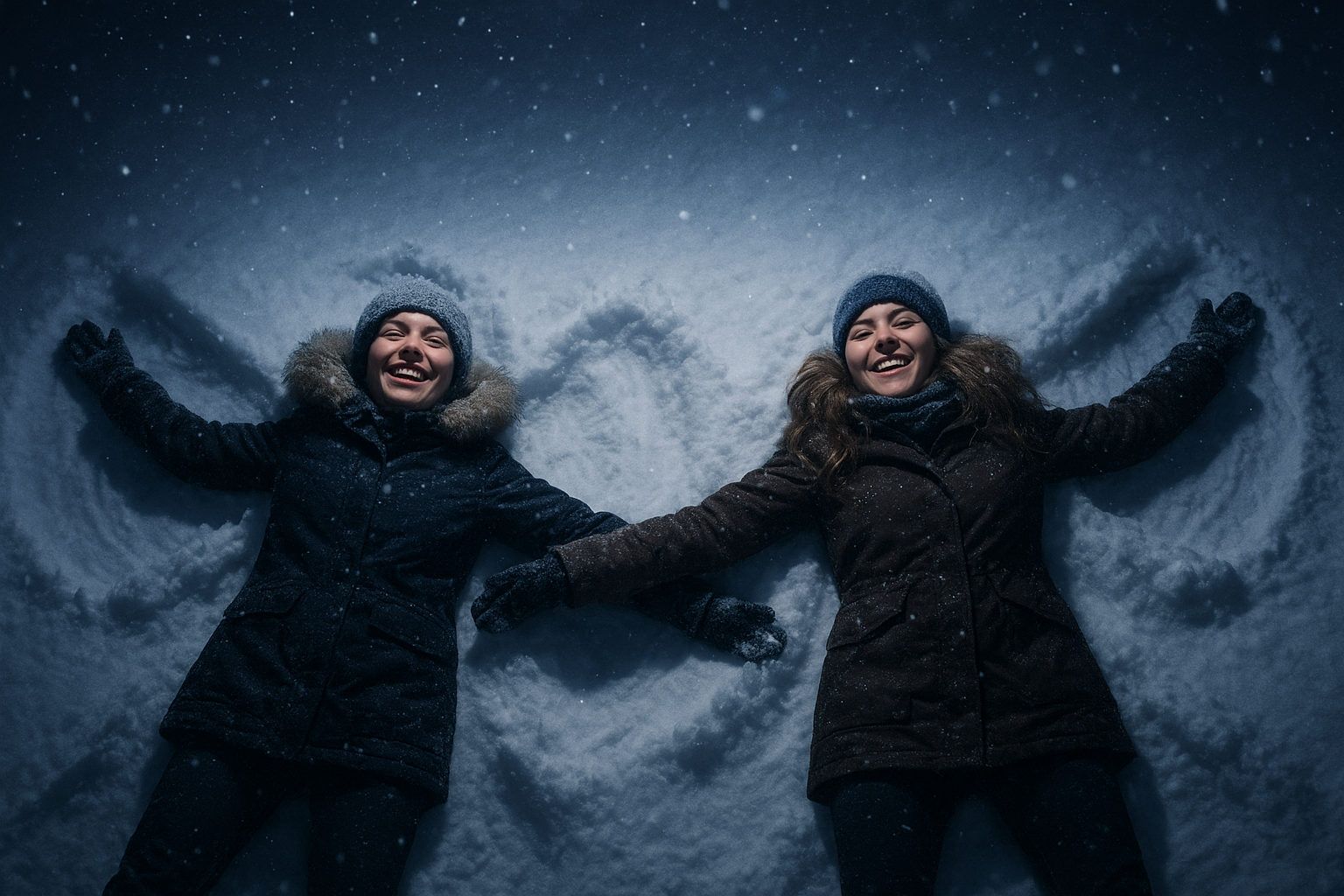
    As the world slumbers under a blanket of white, a select few venture out into the chilled embrace of winter’s midnight. For them, the creation of snow angels is more than a fleeting childhood activity—it’s a ritual of joy, a moment where time stretches and the soul finds release.

    “To appreciate the beauty of a snowflake, it is necessary to stand out in the cold.” — Aristotle

    There’s something uniquely serene about stepping into the hush of a snowy night. The streetlights turn into soft orbs, and the world seems to shrink down to only what’s illuminated before you. It’s in these moments that the ritual of making snow angels takes on a mystical air, a practice of pure, unadulterated joy.

    The Origins and Meaning

    The act of creating snow angels has been cherished for generations. Smithsonian Magazine suggests that the tradition goes back to the Middle Ages, where villagers would create snow angels to ward off evil spirits or welcome good fortune. This simple act has evolved over centuries, taking on new meanings for those who partake in its magic today.

    For many, it’s a chance to reconnect with nature. Amidst the cold bite of winter, there’s a profound sense of peace that can only be found under the cover of darkness, with snowflakes gently cascading around you.

    The Midnight Ritual

    Creating a snow angel in the middle of the night carries a certain intimacy with the universe. The process is meditative: stepping back into the fresh snow, feeling it crunch beneath your boots, and then surrendering to its wonder as you fall back, arms outspread. This ritual is something more than an act—it’s an experience, a dance with the universe clothed in winter’s attire.

    • Preparation: Choose a night where the snow is fresh, blanketing the world in a smooth and untouched layer. Dress warmly, but ensure you have mobility for the task.
    • Quietude: Find a spot away from the bustle of homes and vehicles, where only the snowfall interrupts the silence. Take a moment to listen to the world as it breathes around you.
    • Creation: Lie back into the snow, sweeping your arms and legs in wide arcs, creating the graceful outline of wings. As you move, imagine casting aside your worries with each gentle stroke.
    • Reflection: Once your angel is complete, sit quietly for a moment. The night sky, often clearer in winter’s chill, invites contemplation.

    The Joy of Community

    While making snow angels is often a solitary experience, it can also be a shared joy. Families and friends sometimes gather under the guise of night to create sprawling patterns of angels, their laughter and the whisper of snowflakes providing a soundtrack to the beauty of their creations.

    “Winter is not a season, it’s a celebration.” — Anamika Mishra

    Such gatherings foster connections that are rare in our busy, light-polluted world. As novelist Mary Oliver once wrote, “Tell me, what is it you plan to do with your one wild and precious life?” These shared moments, these collective rituals in the silky embrace of a winter’s night, remind us of the simple pleasures that life offers.

    A Tradition for All Ages

    Snow angels are not confined to any specific age. The elderly find joy in revisiting memories of their own youthful escapades, watching as new generations create their own. Children learn firsthand that joy can be found in nature’s quiet corners, far from screens and digital interruptions.

    In a society often driven by productivity, the act of stopping, of laying back in the snow, is an act of rebellion. It’s a proclamation that joy and art can thrive outside conventional hours and structures.

    Conclusion: An Invitation

    The next time snow falls and the night feels expansive and welcoming, consider stepping outside. Whether alone or with loved ones, create a snow angel and leave behind a testament to joy in the most unexpected places.

    In the embrace of winter’s deepest hours, may you find a quiet celebration just for you—a reminder of the beauty in simplicity and the timeless dance on nature’s grand canvas.

  • The Snowfall Choir – How Angels Sing When Winter First Arrives

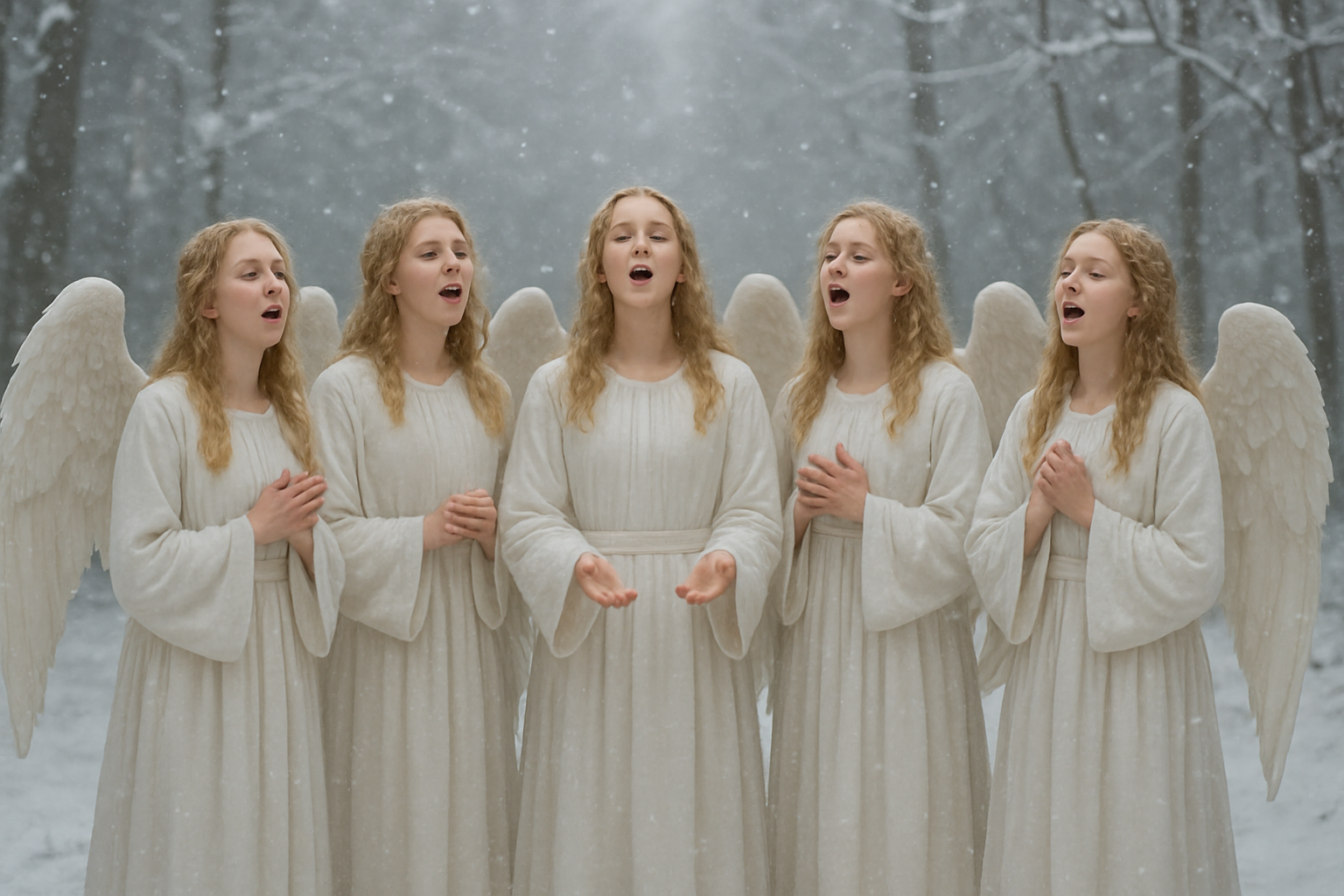
    The Snowfall Choir – How Angels Sing When Winter First Arrives

    As the days grow shorter and the air turns crisp, the world readies itself for winter’s arrival, a season that brings with it a unique symphony often described as the “Snowfall Choir.” This ethereal concert begins when the first snowflakes descend, and some like to believe that angels sing to usher in the winter. How does this concept blend the natural beauty of wintry weather with the divine?

    “To appreciate the beauty of a snowflake, it is necessary to stand out in the cold.” — Aristotle

    The notion of angels singing during snowfall is not steeped in scientific fact but rather embraced in folklore and the poetic soul of humanity. Although no sound accompanies the actual snowfall, many find a peaceful, almost musical tranquility in the event. According to Psychology Today, the silence that blankets the world during snowfall is due to the soft, porous quality of snow, which absorbs sound: source.

    The Allegorical Song

    The idea of angels singing as snow falls is metaphorical at its core. Concepts of angels are symbolic and found across various cultures, depicted as messengers of peace and the divine. Winter often serves as a time for reflection and stillness, akin to a meditative state where one might feel closer to the spiritual or the divine.

    • Calm and Quiet: Snowfall brings a distinct hush to the world, immediately evoking serenity, similar to listening to a sacred choir.
    • Visual Symphony: The intricate patterns of ice crystals form a stunning visual composition, often called “nature’s orchestra.”
    • Reflection of Light: Sunlight dancing on fresh snow resembles heavenly luminance, intensifying the imagery of angelic presence.

    A Spiritual Reawakening

    Each year, the first snowfall marks not just the beginning of a change in weather but an opportunity for inner transformation. The celestial imagery of angels singing is a reminder to embrace the profound and joyful moments that winter can bring. As Swiss author Hermann Hesse puts it:

    “I watch the snow falling — white caresses from the skies, like blessings, never clashing, singing with a quiet love.” — Hermann Hesse

    Whether inspired by nature or imagination, the “Snowfall Choir” invites all to pause and listen to the perfection of silence, encouraging an appreciation of life’s seasonal rhythms and the quiet wonders of the universe.