Tag: snowfall

  • Snowfall Games of the Ancients – Play as Ritual

    Snowfall Games of the Ancients – Play as Ritual

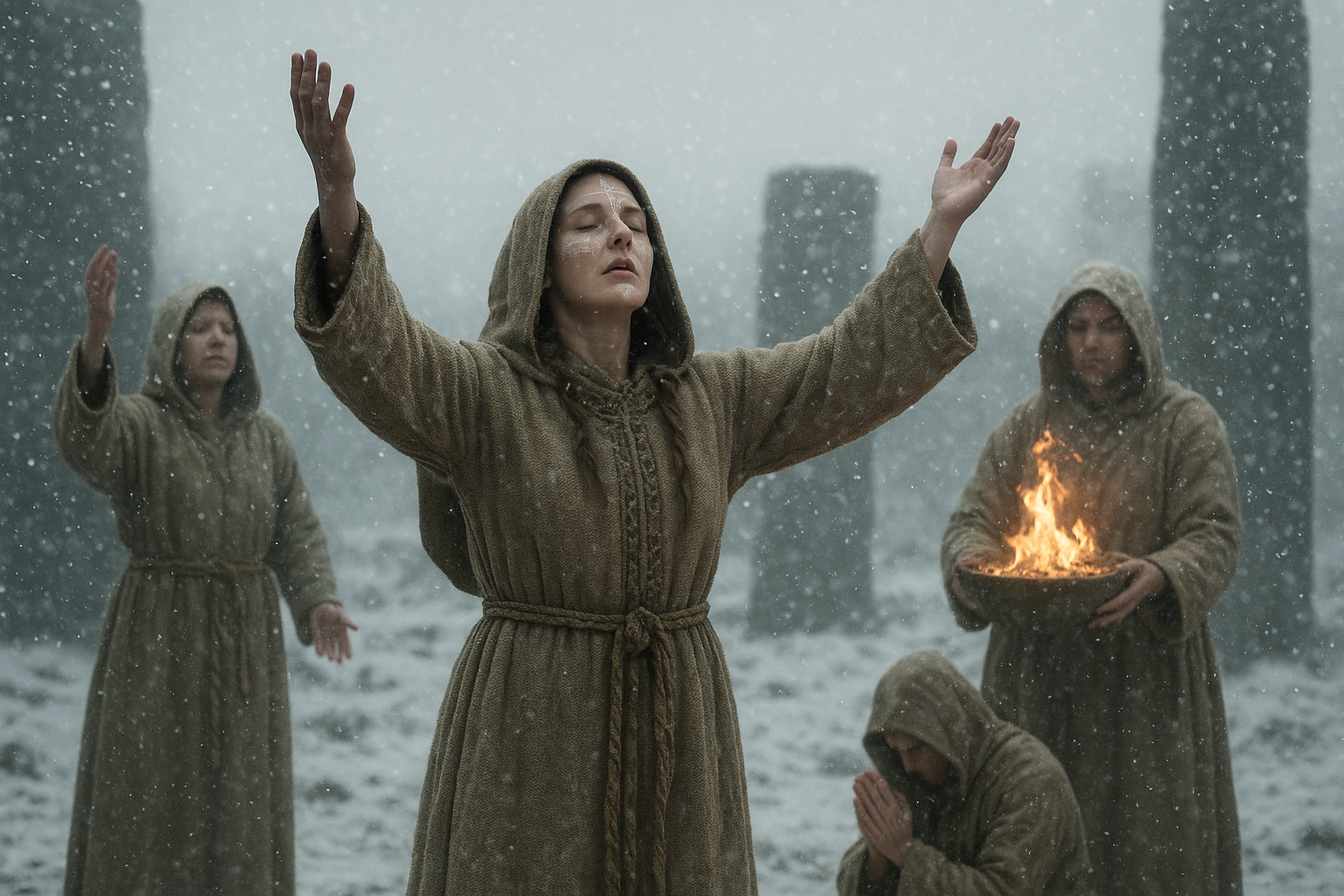
    Snow, a transformative element of nature, envelops the landscape in silence and solemnity. Yet, for ancient societies, snowfall was not merely a seasonal change; it was a harbinger of rituals and communal activities steeped in tradition and reverence. The snow-laden fields became arenas where rituals and games converged, embodying both play and sacred ceremony.

    The Cultural Significance of Snow in Ancient Societies

    In many ancient cultures, snow was imbued with spiritual significance. It was a time when the earth was linked closer to the heavens—a canvas for the divine. For the Inuit, snowfall was not just a meteorological event but an integral part of their spiritual and cultural identity. The snow, with its ability to purify and renew, symbolized new beginnings and provided an opportunity to connect with ancestral spirits.

    “The snow itself is a gift from our ancestors, a reminder of the pure and untamed world they cherished and lived upon,” noted anthropologist Dr. Martha Black in her research on Inuit traditions.

    Ritualized Games in Antiquity

    Across regions and epochs, snowy landscapes became the setting for games that were far more than mere sport. These activities blurred the lines between competitive play and ritual observance.

    Snow Snake

    Among the Native American tribes of the Northern United States and parts of Canada, the Snow Snake game was an essential seasonal activity. Encompassing elements of skill and luck, this game involved gliding a carved and polished wooden stick—called a “snake”—as far as possible along a trough carved in the snow. This was not only a test of skill but also a ritual of storytelling and symbolism, linking the players to their community and ancestors.

    • Origins: The game dates back at least 500 years and was used as a method for tribes to simulate hunting strategies and the relationship between humans and the natural world.
    • Ritual Element: The construction of the snake and the choice of wood were considered sacred, with each tribe imbuing personal and spiritual significance into the creation of their game pieces.

    Ski and Sled Rituals of the Norse

    Norse mythology and archaeological discoveries reveal that skiing played a significant role in the lives of ancient Scandinavians. More than a mode of transportation, skiing was also practiced in communal games and rituals.

    • Mythological Ties: The Norse god Ullr, often depicted with skis and a bow, was considered the deity of skiing and hunting. People invoked his blessings through these skiing rituals during snowy winters.
    • Social Rites: Nordic tribes conducted skiing competitions that doubled as rites of passage, where young warriors demonstrated their prowess and agility.

    Spiritual Dimensions and Communal Celebrations

    Many ancient societies saw snowfall as the perfect backdrop for seasonal festivals, where games played a critical role in community bonding and spiritual expression. These activities were often intertwined with music, dance, and storytelling.

    East Asian Snow Festivals

    In ancient East Asia, particularly in regions like China and Japan, snow festivals were grand affairs that included music, dance, and a variety of snow and ice games. The formative intention was to honor the winter deities and celebrate the beauty and impermanence of the season.

    • Ice Lantern Festivals: Harbin’s ice festivals, with their origins traced back to ancient times, included elaborate ice sculpture competitions that symbolized communal harmony and creativity.
    • Sacred Games: Ice skating was more than a mere diversion; it was believed that the rhythmic gliding on ice mirrored the harmony of the cosmos.

    The Legacy of Ancient Snow Rituals

    Today, the rituals and games of ancient societies have evolved, yet their essence remains alive in modern winter sports and festivals. Recognizing the cultural roots of these activities provides a deeper appreciation for their role in fostering community bonds and continuity of tradition.

    While modern interpretations often emphasize competition and recreation, understanding the spiritual and communal dimensions allows present-day societies to recapture some of the awe and reverence with which their ancestors viewed snow. As civilizations progress, these age-old rituals offer timeless insights into the enduring human spirit and its unbreakable connection to nature.

    “The pivot from playful ritual to contemporary sport is a testament to our enduring desire to explore, connect, and celebrate the cyclical rhythms of nature,” writes historian Professor Elise Gabbert [source needed].

    As we continue to explore the historical context of ancient snowfall games, it becomes clear that these practices were not only about survival or amusement. They were—and remain—integral to the cultural and spiritual fabric of human societies, transcending time and place.

  • Snowfall Portals – Doors Opening in Quiet Moments

    Snowfall Portals – Doors Opening in Quiet Moments

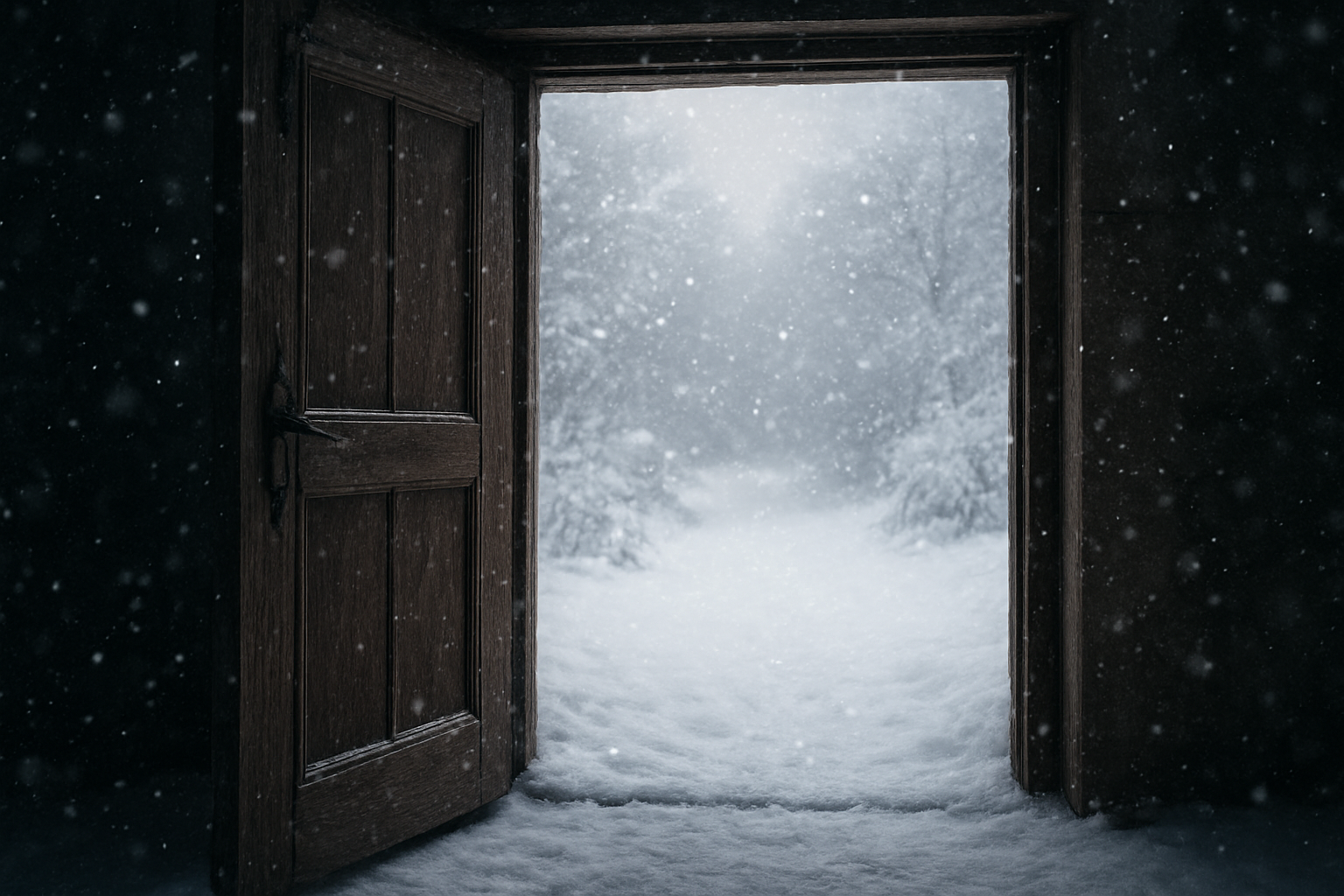
    In the quiet embrace of winter, when the world is cloaked in a soft layer of snow, something magical happens. As the flakes swirl down, blanketing the earth in pristine whiteness, there emerges a unique phenomenon known as “snowfall portals.” These ethereal doorways open into realms where time slows, and the mind is free to wander on untrodden paths. These moments of serene beauty and introspection provide a powerful and transformative experience for those who take the time to pause and listen.

    The Magic of Snowfall

    Snow has long captivated human imagination, inspiring countless works of art, literature, and poetry. It is a powerful symbol of purity, transformation, and calm. As John Muir, the eminent naturalist, once remarked,

    “The snow is melting into music.”

    This music, often heard only in the quiet of a snowfall, creates a sense of peaceful enchantment, drawing open portals to our inner thoughts and dreams.

    Historical Perspectives on Snowfall Portals

    The concept of snowfall as a portal is not new. It is ingrained in folklore and tradition across various cultures. In Norse mythology, Ullr, the god of snow, was seen as a bridge between worlds. In Japan, the gentle snowfall is linked to the appearance of Yuki-onna, the snow woman who glides through the night, often leaving an aura of mystery and discovery.

    • Norse Mythology: Ullr was revered as the god who could traverse snow-covered landscapes effortlessly, a symbol of seamless movement between different worlds.
    • Japanese Folklore: Yuki-onna is woven into tales of mystery, representing both the beauty and the potentially otherworldly aspects of snow.

    Psychological Impact and Introspection

    Snowfall portals serve as metaphors for introspection and psychological tranquility. In the serene quiet, people often report a deeper connection to their thoughts and feelings. Studies suggest that snowfall induces a calming effect, lowering stress levels and encouraging a meditative state.

    • Mindfulness: Snowfall’s cadence invites mindfulness, urging individuals to fully experience the present moment.
    • Reflection: The quiet environment encourages self-reflection, acting as a mirror to one’s innermost thoughts.

    An interesting article in Psychology Today noted, “Snow days give us an unexpected break from the hustle and bustle of our everyday lives, providing a much-needed pause for contemplation.”

    Artistic Expressions of Snowfall Portals

    Artists and writers have often drawn inspiration from the serene landscape of snow and the portals they seem to open. These profound interactions with nature have given birth to some of the most iconic and evocative works of art.

    • Painting: Artists like Claude Monet and Henri Matisse captured the allure of snow in their masterpieces, using light and color to suggest other worlds lurking just beyond the canvas.
    • Literature: Writers such as Robert Frost and Jack London often used snow as a literary device to transport readers into different realms and states of mind.

    Robert Frost’s famous poem, “Stopping by Woods on a Snowy Evening,” is a quintessential example, where the imagery of snow serves as a gateway to contemplation and deeper meaning.

    The Scientific Explanation

    Beneath the philosophical and artistic interpretations, there’s a scientific underpinning to the idea of snow opening portals. Research has shown that the unique structure of snowflakes has an impact on sound and light, creating an acoustic and visual phenomenon that alters perception.

    • Acoustic Properties: Snow absorbs sound, creating a muffled, serene environment often described as “sound insulation” by meteorologists.
    • Light Reflection: Snow reflects light in a unique way, resulting in brighter nights that seem ethereal, fostering a sense of otherworldliness.

    Paul Ruschmann, a winter landscape expert, notes in his Scientific American article, “The silent, altered landscape transforms familiar settings into something unrecognizable and dreamlike, initiating mental journeys.”

    Modern Reflections

    Today, the concept of snowfall portals extends into the digital realm as well. With increasing usage of virtual reality and augmented reality technologies, people are finding new ways to experience the tranquility brought about by snowfall without leaving their homes.

    Applications and online platforms recreate the sounds and visuals of snowfall, providing a digital doorway into quiet reflection. These modern portals are helping people connect with the time-honored serenity of snow from the comfort of their screens.

    Conclusion: Embracing the Portal

    Snowfall portals, whether viewed through the lens of culture, psychology, art, or science, remain a profound and peaceful experience. They invite us to pause, ponder, and journey inward as the world is silenced and softened by the snow. In our fast-paced lives, these quiet moments open doors to rest, creativity, and insight, encouraging us to listen to the gentle music of the snow and the accompanying moment of introspection it bestows.

    As we stand at these doors, let us embrace the quiet and let the snowscape guide us through the portals, enriching our souls and refreshing our perspectives.
  • Arcane Snowfall – Hidden Codes in the First Snow

    Arcane Snowfall – Hidden Codes in the First Snow

    Arcane Snowfall: Hidden Codes in the First Snow

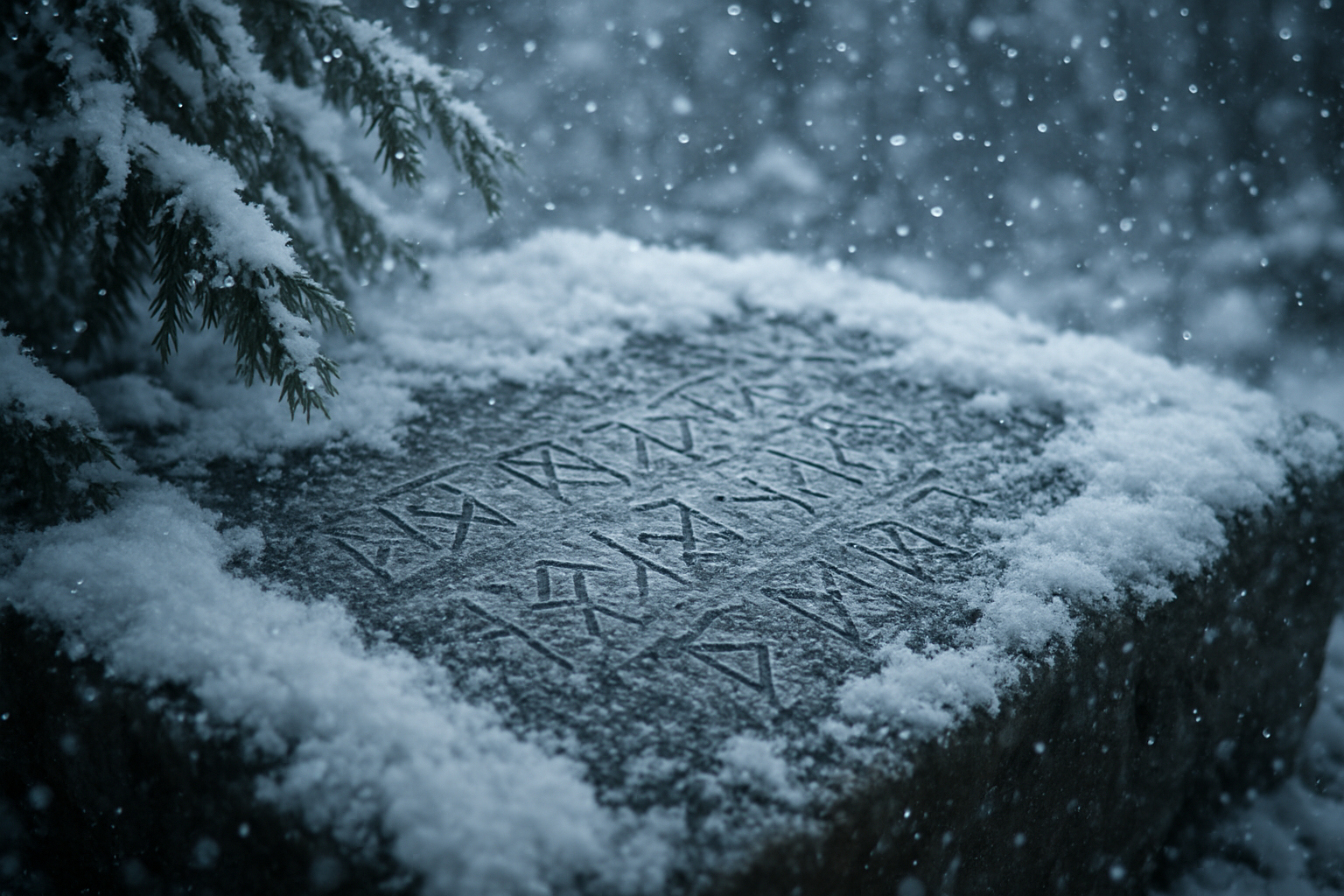
    As the first snow blankets the world in a shimmering white silence, there has long been a mystical allure associated with its arrival. The pristine, untouched landscape suggests not only beauty but also a realm of secrets and codes waiting to be unraveled. It is as though with each flake that settles, a message is delivered—a cryptic script written by nature itself.

    “To appreciate the beauty of a snowflake it is necessary to stand out in the cold.”

    Aristotle

    Snowflakes: Nature’s Lattice

    The intricate design of a snowflake is unique, with no two snowflakes being identical. This phenomenon has intrigued scientists and philosophers for centuries, contemplating the underlying rules that govern such variation. Some view the diversity of snowflakes as a reflection of the universe’s complexity.

    Indeed, the geometric patterns are not mere random designs. Each flake is a visual representation of the atmospheric conditions it experienced during formation. Microscopically, we discover patterns, formations, and structures that can inspire curiosity about the natural order of the universe itself.

    Encoded in Snow

    The first snowfall acts as a blank page, yet some believe it holds an encoded message. Philosophically, this presents questions about chaos and order. Is there a binary measure in the manner snowflakes cover the ground, suggesting an algorithmic nature to their descent?

    Joseph Flanagan, a contemporary philosopher in metaphysical studies, suggests that snowflakes may operate as a metaphor for understanding how the universe communicates abstract concepts. “There is a message in the multiplicity,” he notes, “and each flake represents both the beauty and the complexity of our existence.”

    Aesthetic and Poetic Interpretations

    Beyond science, poets and artists have long celebrated snowfall as a muse. The silent arrival of snow can evoke emotions and inspire creativity, urging us to listen closely to its silent whisper. Consider Robert Frost’s reflections on snow, wherein he captures the profound solitude and introspection imbued by a snow-filled night.

    “The first fall of snow is not only an event but it is a magical event.”

    J.B. Priestley

    Conclusion

    Ultimately, whether seen as a carrier of messages or simply marvels of nature, the first snowfall remains a symbol of introspection and hidden mystery. As we ponder these potentially arcane codes, we are reminded of our connection to the natural world and its profound mysteries.

    For more exploration into the metaphysical aspects of snowfall, one might turn to archives available through JSTOR for further readings on nature’s codes and patterns.

  • The Snowfall Choir – How Angels Sing When Winter First Arrives

    The Snowfall Choir – How Angels Sing When Winter First Arrives

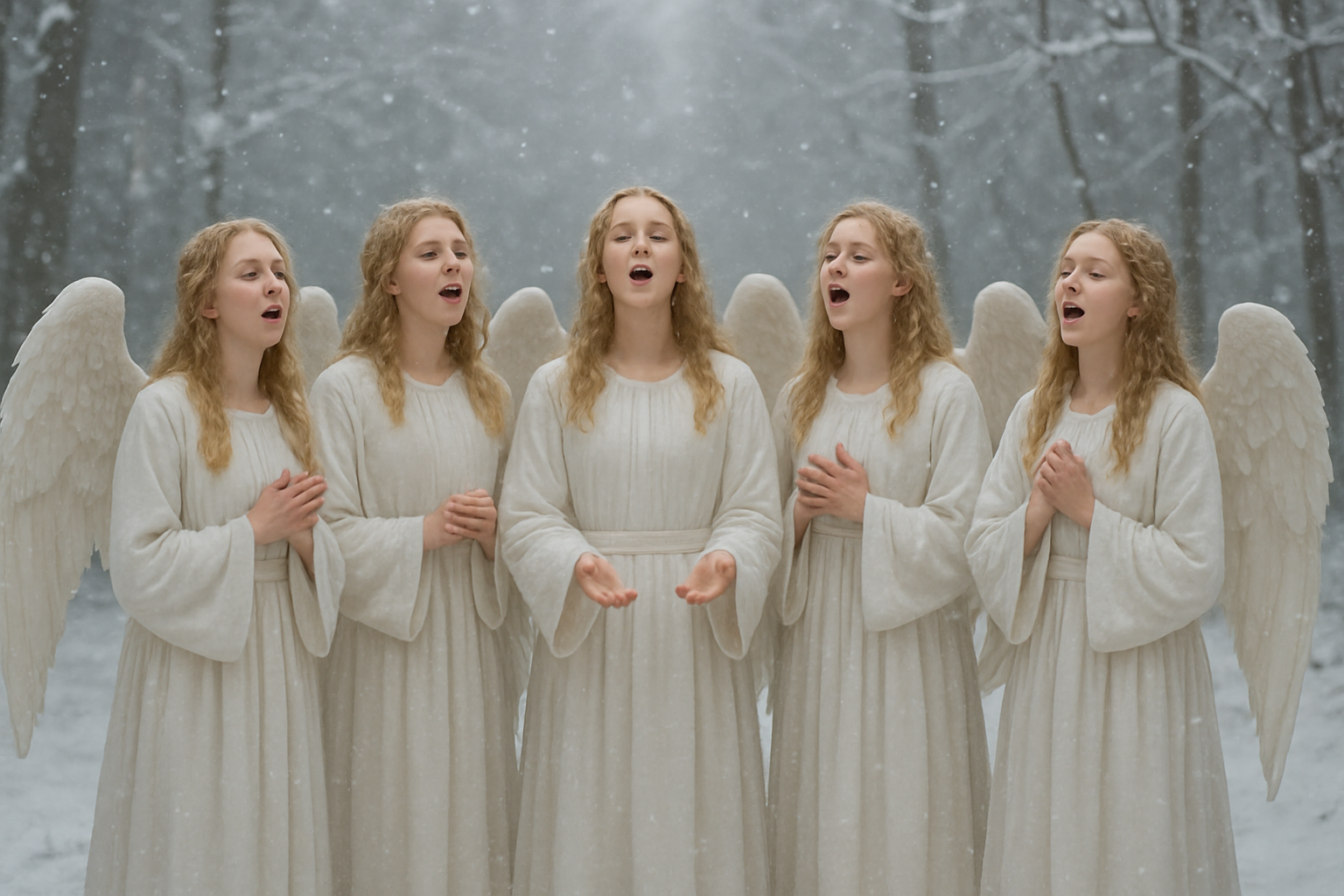
    As the days grow shorter and the air turns crisp, the world readies itself for winter’s arrival, a season that brings with it a unique symphony often described as the “Snowfall Choir.” This ethereal concert begins when the first snowflakes descend, and some like to believe that angels sing to usher in the winter. How does this concept blend the natural beauty of wintry weather with the divine?

    “To appreciate the beauty of a snowflake, it is necessary to stand out in the cold.” — Aristotle

    The notion of angels singing during snowfall is not steeped in scientific fact but rather embraced in folklore and the poetic soul of humanity. Although no sound accompanies the actual snowfall, many find a peaceful, almost musical tranquility in the event. According to Psychology Today, the silence that blankets the world during snowfall is due to the soft, porous quality of snow, which absorbs sound: source.

    The Allegorical Song

    The idea of angels singing as snow falls is metaphorical at its core. Concepts of angels are symbolic and found across various cultures, depicted as messengers of peace and the divine. Winter often serves as a time for reflection and stillness, akin to a meditative state where one might feel closer to the spiritual or the divine.

    • Calm and Quiet: Snowfall brings a distinct hush to the world, immediately evoking serenity, similar to listening to a sacred choir.
    • Visual Symphony: The intricate patterns of ice crystals form a stunning visual composition, often called “nature’s orchestra.”
    • Reflection of Light: Sunlight dancing on fresh snow resembles heavenly luminance, intensifying the imagery of angelic presence.

    A Spiritual Reawakening

    Each year, the first snowfall marks not just the beginning of a change in weather but an opportunity for inner transformation. The celestial imagery of angels singing is a reminder to embrace the profound and joyful moments that winter can bring. As Swiss author Hermann Hesse puts it:

    “I watch the snow falling — white caresses from the skies, like blessings, never clashing, singing with a quiet love.” — Hermann Hesse

    Whether inspired by nature or imagination, the “Snowfall Choir” invites all to pause and listen to the perfection of silence, encouraging an appreciation of life’s seasonal rhythms and the quiet wonders of the universe.