Tag: spaces

  • Veils of Fog: Photography of Hidden Spaces

    Veils of Fog: Photography of Hidden Spaces

    In the enigmatic realm where nature’s breath cloaks landscapes with misty veils, photographers find an elusive canvas to capture the ethereal beauty of hidden spaces. This niche of photography, where fog becomes both a veil and a brush, transforms ordinary scenes into mysterious and magical compositions that intrigue and inspire.

    The Allure of the Mist

    The allure of fog photography lies in its ability to shroud the familiar, turning well-known spaces into secret havens. Photographers like Michael Kenna, known for his black and white landscapes, often utilize the fog to highlight shapes and silhouettes. Kenna once said, “I find beauty in the simple, quiet, and sometimes overlooked details.” The fog acts as a natural diffuser, softening harsh lines and allowing the photographer to focus on form and shadow.

    Techniques and Approaches

    • Embracing Minimalism: Fog inherently simplifies scenes by hiding distracting elements. Photographers can use this to their advantage by composing minimalistic photos that stress form and texture over detail.
    • Playing with Depth: The layers of mist provide a natural depth to photographs. By capturing more layers, photographers create a sense of infinity, inviting viewers to lose themselves in the composition.
    • Utilizing Silhouettes: Fog provides a unique opportunity to highlight stark contrasts between light and dark. Silhouettes become more pronounced, forming striking focal points against the softened backgrounds.

    “Photography takes an instant out of time, altering life by holding it still.” – Dorothea Lange

    Challenges in Fog Photography

    Despite its beauty, fog photography presents unique challenges. The diminished light levels and lack of contrast require photographers to adjust exposure settings and potentially use tripods for longer exposures. Additionally, the unpredictable nature of fog means photographers must be patient, sometimes waiting for hours to capture the perfect moment.

    Artists and Inspirations

    Works of contemporary artists like Sarah Ann Loreth and Simon Baxter provide excellent reference points. Their photography highlights how fog transforms the landscape, adding depth, emotion, and drama to their compositions. Viewing their captured ethereal scenes can ignite a passion for photographers and onlookers alike to explore the hidden spaces that fog can unveil.

    For enthusiastic photographers and nature lovers, these veiled landscapes offer something profoundly novel—a reminder that beauty often lies in what remains unseen at first glance. To delve deeper into the world of fog photography, websites like National Geographic offer a wealth of stunning images and inspiration.

  • Celestial Graffiti: Angels in Public Art

    Celestial Graffiti: Angels in Public Art

    The presence of angels in public art is a phenomenon that transcends cultural boundaries and historical periods, embodying a universal symbol of hope, spirituality, and guidance. From frescoes and sculptures to modern street art, the depiction of these celestial beings continues to inspire and captivate the public imagination. This article explores how angels have seamlessly integrated into the realm of public art, enhancing communal spaces and enriching urban landscapes.

    Historical Significance

    For centuries, angels have played an integral role in art and religious iconography. In the words of art historian Dr. Lewis Williams, “Angels serve as the ultimate muse, bridging the tangible and the ethereal in ways that connect deeply with the human psyche.” These figures have appeared in numerous biblical artworks and have gradually evolved in their representation to reflect the values and aesthetics of different times.

    Modern Interpretations

    • Street Art: In contemporary urban art, angels often appear as graffiti or murals. These pieces can be found on alleyways and building facades, where artists use the angel motif to convey messages of hope or to memorialize individuals.
    • Sculptures: Angel sculptures adorn parks and public squares, providing both aesthetic beauty and a focal point for community gatherings. These timeless figures invite contemplation and serve as emblems of peace and solace.
    • Interactive Installations: Modern installations invite viewers to engage with angelic figures in public spaces, offering experiences that range from virtual reality environments to kinetic sculptures that react to audience movement.

    Angels as Cultural Connectors

    Artists across the globe utilize angelic imagery to create a sense of unity within public spaces. For instance, street artist Eduardo Kobra created a stunning mural called “Angel of Hope” in São Paulo, which has become a landmark and a symbol of social change. You can view more details about his work on Kobra’s official site.

    “In each piece, the aim is not just to beautify but to speak, to remind people of the unseen guardians that protect and guide us.” — Eduardo Kobra

    The Future of Angelic Art

    The enduring popularity of angels in public art reflects a collective yearning for connection and guidance. As urban environments continue to evolve, artists will undoubtedly find new ways to reinterpret and reintroduce these celestial guardians into the public sphere. Whether through digital media or interactive installations, the angelic form will likely remain a powerful and poignant element within the tapestry of public art.

  • Veins of Light: Photography of Abandoned Sacred Spaces

    Veins of Light: Photography of Abandoned Sacred Spaces

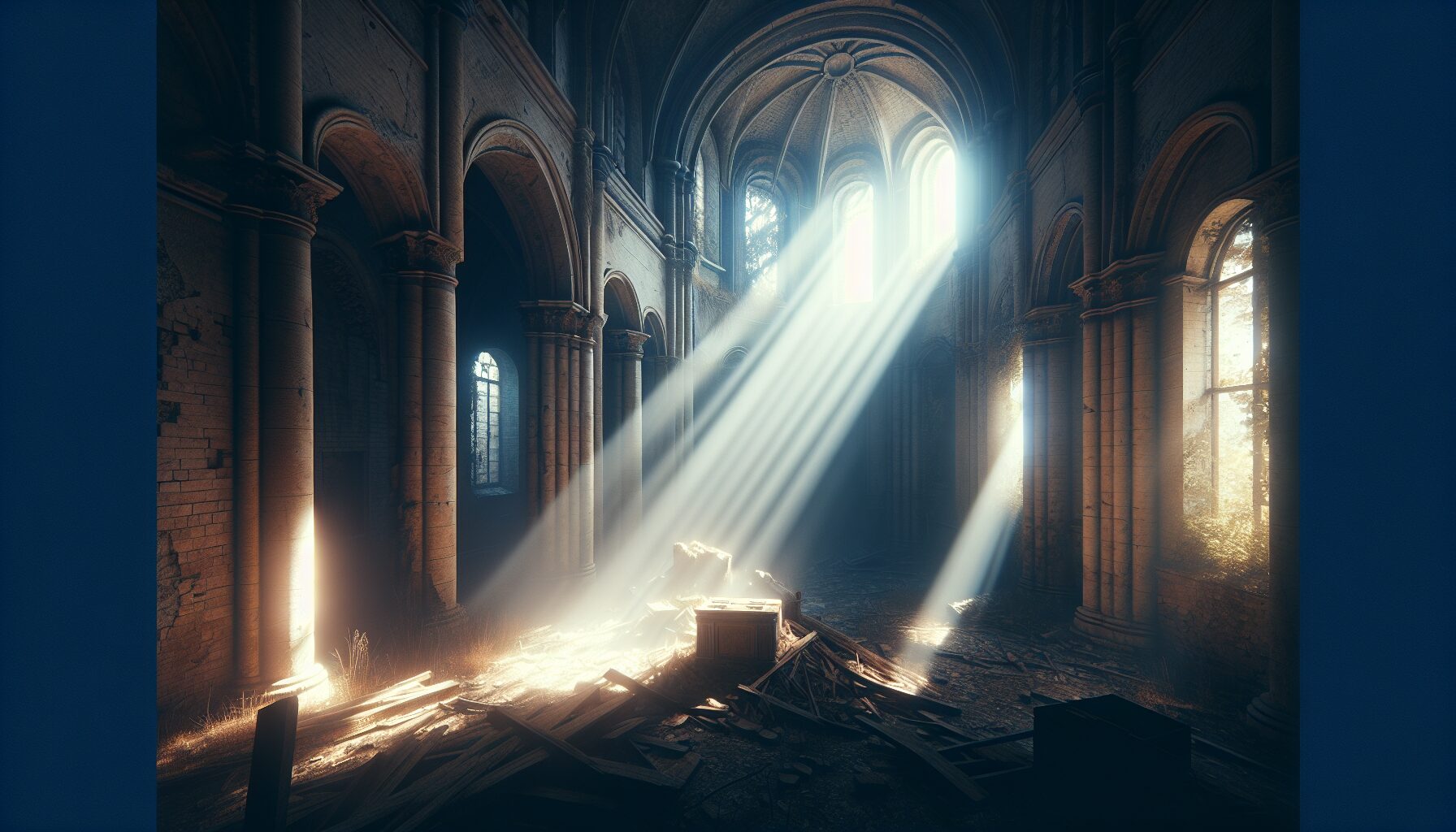
    The art of photography has long been about capturing moments of beauty, curiosity, and sometimes even desolation. Amongst the myriad of subjects, the photography of abandoned sacred spaces stands out as a poignant exploration of the intersection between architecture, history, and spirituality.

    The Allure of Abandoned Sacred Spaces

    These spaces, once bustling with life and devotion, now exist in a state of quietude, waiting to be rediscovered. Photographers are drawn to these sites for various reasons, be it their architectural grandeur, the stories they whisper, or the interplay of light and shadow that occurs naturally through the decay.

    “There’s a melancholy beauty in these places, where time seems suspended,” notes The New York Times.

    • Architectural Grandeur: The intricate designs of cathedrals, temples, and mosques are a testament to human ingenuity and devotion. Abandoned, they carry a ghostly elegance that’s both awe-inspiring and haunting.
    • Stories Embedded in Silence: Each abandoned sacred site has its own story, etched into walls and worn pews, offering a window into different cultures and epochs.
    • Lighting as a Natural Artist: Abandoned sites often feature broken roofs and windows, allowing natural light to seep in, casting ethereal patterns that photographers cherish.

    The Techniques Behind the Lens

    Capturing the essence of deserted holy places requires a blend of technical skill, artistic vision, and, often, a touch of luck. Here are some techniques photographers use to enhance their snapshots of these enigmatic sites:

    • Long Exposure: Many photographers utilize long exposure to blur motion, like drifting clouds or shadows, adding a dreamlike quality to their images.
    • High Dynamic Range (HDR): Given the often stark contrast between light and shadow in these spaces, HDR photography can help to balance these elements and bring out detail in both high and low exposure areas.
    • Composition: Utilizing the natural lines created by architectural elements, photographers can guide the viewer’s eye through the image, enhancing the narrative behind the photograph.

    Notable Photographers and Projects

    Numerous photographers have dedicated their craft to exploring the haunting beauty of abandoned sacred spaces. Here are a few notable figures whose work offers profound insights into these spaces:

    1. Roman Robroek: Known for capturing abandoned places across Europe, Robroek’s work often focuses on the melancholic beauty of forgotten churches and cathedrals. His images evoke a sense of nostalgia and reverence.
    2. Matthias Haker: Haker’s atmospheric photography is renowned for its vibrant color and exquisite detail, bringing a sort of immortal vibrance to the deteriorating echoes of sacred spaces.
    3. Rebecca Bathory: Bathory’s series “Soviet Ghosts” explores abandoned sites across the former USSR, blending elements of beauty with decay. Her images serve not only as art but as documentation of political and cultural shifts.

    The Challenges of Photographing Abandoned Spaces

    While the rewards are clear, photographing these sites comes with its own set of challenges and sometimes ethical considerations:

    • Access and Safety: Many of these sites are difficult to reach and may be structurally unsound, posing risks to explorers and photographers alike.
    • Legal Restrictions: Gaining permission to enter and photograph can be a hurdle, as these sites are often on private property or have heritage status that restricts access.
    • Ethical Considerations: There is a fine line between capturing beauty and intruding upon or disrupting a space that still holds significance for communities or individuals.

    “When approaching buildings with sensitive histories, respect and awareness are key,” advises Photography Life.

    The Impact of Photography on Preservation and Awareness

    Photography plays a crucial role in the preservation of these forgotten spaces, raising awareness of their existence and historical importance.

    • Documentary Purpose: Photographs can serve as historical records, capturing the state of a site before it deteriorates further or is restored.
    • Public Awareness: Exhibitions and publications featuring abandoned sacred spaces can inspire public interest and, occasionally, efforts to preserve or restore these landmarks.
    • Cultural Reflection: They offer society a cultural mirror, prompting reflection on themes of legacy, impermanence, and the passage of time.

    The Future of Sacred Spaces in Photography

    As the world changes, so too will the sacred spaces that punctuate its landscape. Technology offers new tools for capturing these places. Drone photography, for instance, allows for stunning aerial shots that reveal the larger context around isolated sanctuaries.

    Furthermore, virtual reality and 3D mapping technology are opening up new frontiers in the documentation and experience of historical sites. These innovations offer enriched perspectives and allow wider accessibility to these remote locations.

    As noted in Forbes, “New visual technologies promise not just preservation, but a democratization of access to the world’s forgotten wonders.”

    Ultimately, the photography of abandoned sacred spaces is more than just a documentation of structures; it is an exploration of what these spaces mean to humanity. Through each image, a conversation continues—about history, decay, and the quiet, relentless pursuit of finding beauty in solitude.

    In a world that’s constantly moving forward, these photographs remind us of what remains still and silent, inviting us to pause and appreciate the often-unseen currents of history and spirituality beneath the surface.

  • Twilight Between Worlds: Reflections on Liminality

    Twilight Between Worlds: Reflections on Liminality

    The concept of liminality is one that captures our imagination, offering a rich tapestry of meanings that extend beyond the academic sphere into everyday life. Defined in anthropology as the quality of ambiguity or disorientation occurring in the middle stage of a ritual, liminality represents a state of transition where one has left one stage behind but has yet to arrive at the next. The term was popularized by the cultural anthropologist Victor Turner, who expanded on Arnold van Gennep’s original concepts of rites of passage.

    “Liminality is where most interesting — and frightening — transformations happen. It is a place of risk and ambiguity, but also of tremendous innovation and change.”

    – Victor Turner

    The Liminal Spaces in Literature and Myth

    In literature, liminality often manifests as a boundary or threshold space that creates a suspenseful anomaly in storytelling. Consider the crossroads in Robert Johnson’s folklore, where decisions of eternal consequence are made, or Lewis Carroll’s Alice’s Adventures in Wonderland, where the rabbit hole serves as a gateway to another world. Such spaces in narratives symbolize the transition between familiar realities to the realms of the unknown.

    This concept is also prevalent in mythology. The Greek god Hermes, a liminal figure, is known as a guide between worlds, particularly in his role as a psychopomp, leading souls to the afterlife.

    Liminality in Modern Culture and Society

    Beyond the literary and mythical, liminality finds a robust presence in modern culture and society. In our rapidly changing world, transitional phases such as adolescence, job changes, and migrations embody liminality. These are periods often marked by instability but also profound growth and innovation.

    • Adolescence: A stage fraught with transformation, exploring identity, and envisioning possibilities.
    • Career Transitions: Changing professions, which often involve uncertainty but lead to personal fulfillment and growth.
    • Migration: The physical and cultural border-crossing, often encompassing adaptation and new beginnings.

    As individuals or societies stand on the threshold of new epochs, they experience the “liminal spaces” that so many modern theorists write about. These spaces, be they airports, hotels, or unfinished buildings, act as metaphorical waiting rooms before a new lifecycle begins.

    The Psychological Impact of Liminal Spaces

    Psychologically, the state of being between phases can have a profound impact. It is often during these times that personal transformation is catalyzed. Philosopher and psychoanalyst Carl Jung referred to these moments as periods when critical personal discovery takes form, facilitated by the tension and ambiguity of being in-between.

    “The greatest and most important problems of life are all fundamentally insoluble. They can never be solved, but only outgrown. This outgrowth requires one to go through a state of being in-between — a twilight of the old and the new.”

    – Carl Jung

    Embracing the Liminal

    Accepting and even embracing liminality can be a profound journey toward self-discovery and societal evolution. Though the uncertainty inherent in these spaces can be daunting, they also provide fertile ground for cultivating resilience and creativity.

    Our approach to liminal experiences can shape their impact on our lives. By acknowledging the importance and inevitability of these in-between moments, we can reduce the anxiety they may evoke and instead, see them as opportunities for growth and transformation.

    In conclusion, navigating the twilight between worlds is part of the human condition. Liminal spaces, whether real or metaphorical, remain integral to our evolution, both individually and collectively. As we find ourselves frequently at the junctions of various experiences and phases, it may serve us well to remember that each liminal moment holds within it the promise of change and the possibility to redefine our destinies.

  • The Hidden Chapel: Secret Urban Spaces

    The Hidden Chapel: Secret Urban Spaces

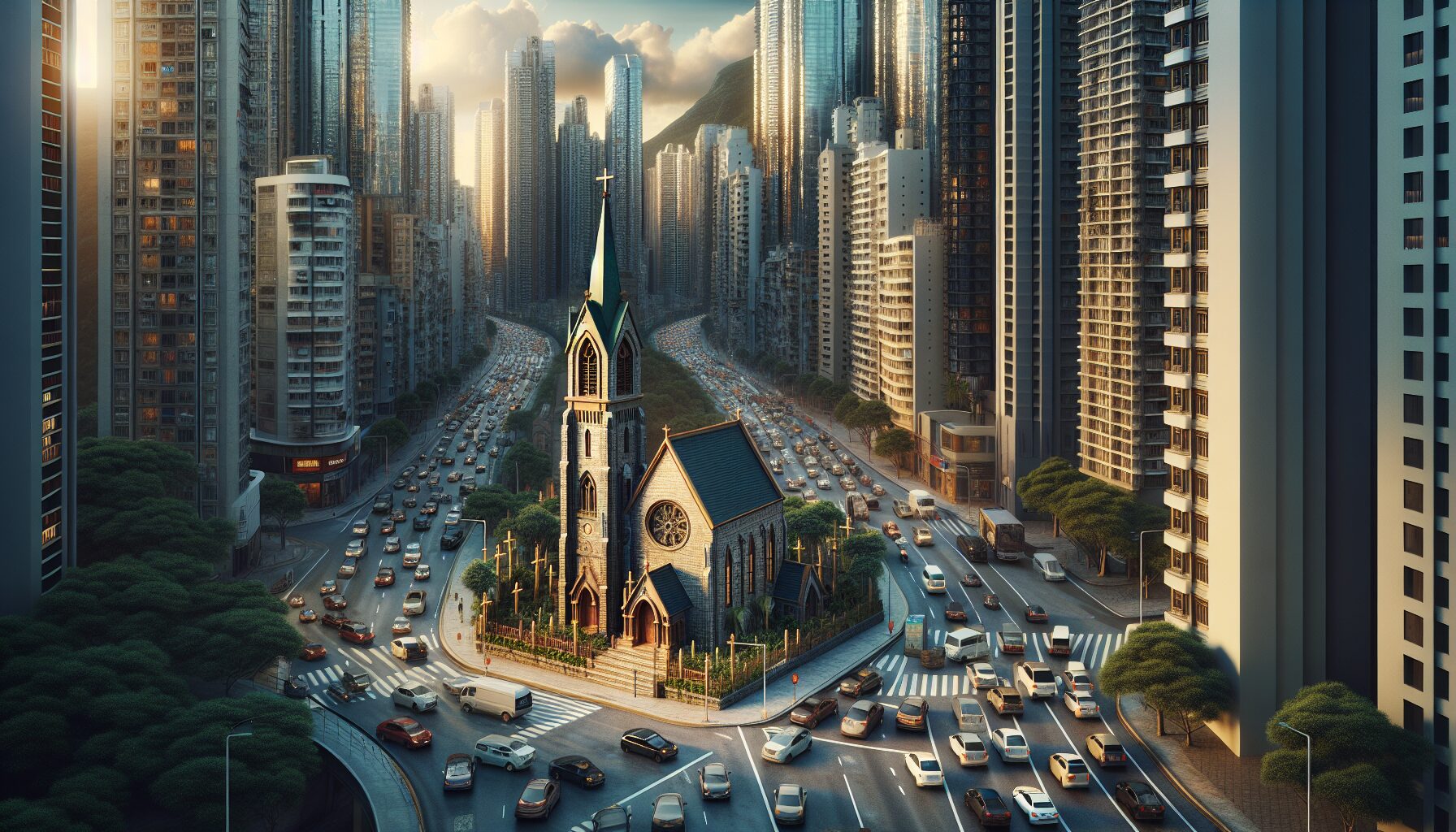
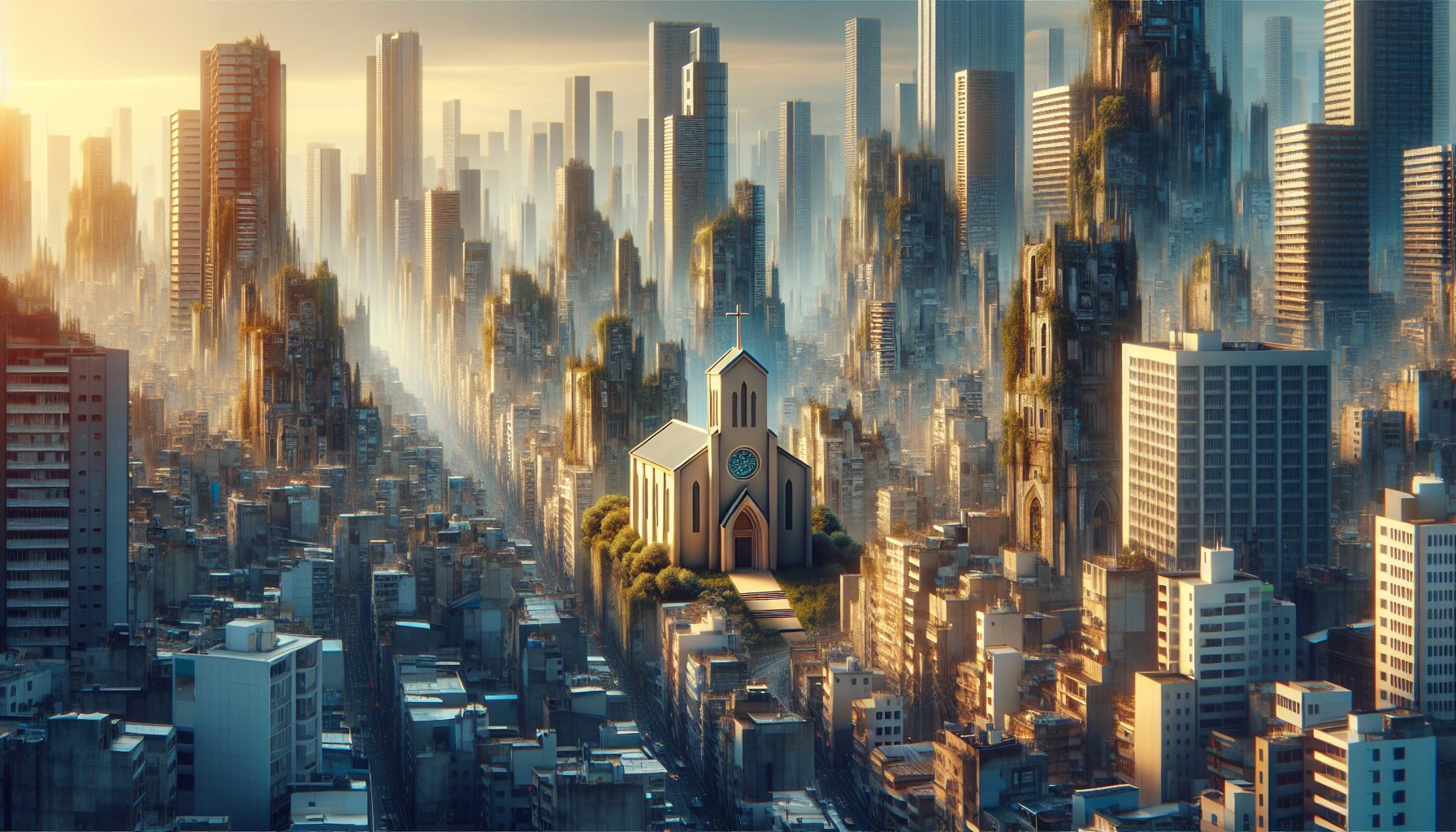
    Cities are often seen as bustling hubs of activity, brimming with towering skyscrapers, busy streets, and endless opportunities. Yet, within these concrete jungles lie hidden sanctuaries that offer moments of peace and reflection. Among these secret urban spaces, hidden chapels stand out as remarkable shelters from the city’s constant hum. These sacred spaces, often tucked away in the most unsuspecting corners, provide both spiritual solace and aesthetic delight.

    The Allure of Secret Urban Spaces

    The charm of secret urban spaces lies in their duality. They are both visible and invisible, tangible yet ethereal. Hidden chapels exemplify this paradox with their clandestine existence—open to those who know where to look, yet concealed from the unobservant eye. As urban environments grow increasingly crowded, these spaces offer a refuge, fostering a deeper connection to oneself and even the divine.

    “The more hidden a sacred place, the more powerful it feels.” – Anonymous Urban Explorer

    Historical Significance of Hidden Chapels

    Historically, many hidden chapels emerged in response to political or religious strife. During times of persecution, such as the Reformation in Europe, clandestine chapels provided a safe haven for those wishing to practice their faith in secrecy. These spaces often feature discreet architecture and hidden entrances, contributing to their secretive allure.

    For instance, the Our Lord in the Attic in Amsterdam, a clandestine church built during the 1660s, is hidden within the upper floors of a canal house. Built during the Protestant Reformation, it allowed Catholic worshippers to practice away from the eyes of the authorities.

    The Modern-Day Pilgrimage

    The appeal of these secret chapels extends beyond their religious significance. They have become destinations for modern-day pilgrims—urban explorers seeking a journey rather than a destination. Each visit to a hidden chapel becomes a personal odyssey, a step away from the mundane into a world of history, spirituality, and peace.

    • Finding Solace: Hidden chapels offer a space for introspection, meditation, and connection. Whether you seek spiritual insight or simply a quiet place to gather your thoughts, these spaces provide a rare opportunity for contemplation.
    • Aesthetics and Design: Despite their discreet exteriors, many hidden chapels boast magnificent interiors. Ornate decorations, intricate stained glass, and symbolic artwork often adorn these secret spaces, offering a visual feast for visitors.
    • Architectural Marvels: Ranging from minimalist designs to elaborate edifices, hidden chapels showcase architectural innovation and adaptation. The juxtaposition of their humble facades with lavish interiors often leaves visitors in awe.

    The Role of Hidden Chapels in Community

    Beyond personal solace, hidden chapels often serve as quiet anchors within their communities. These secret spaces may host small gatherings, provide shelter for the homeless, or act as venues for community events. In a world that constantly changes, these chapels remain steadfast, offering a sense of stability and continuity.

    “In the shelter of each other, we live.” – Irish Proverb

    The community role of these chapels underscores the idea that sacredness isn’t solely bound to religious activities but extends to social and communal engagements.

    Popular Hidden Chapels Around the World

    To uncover the essence of hidden chapels, one must embark on a journey across the globe, discovering the unique narratives each one tells.

    • The Catacombs of Paris: Known for their mysterious aura, these catacombs host hidden chapels, etched into the labyrinthine passages beneath the city.
    • St. Martin’s Chapel, London: Tucked away under Trafalgar Square, this chapel is a testament to the undiscovered spaces that lie beneath iconic public areas.
    • Chiesa di San Bernardino alle Ossa, Milan: Famous for its macabre chapel adorned with skulls and bones, it offers a poignant reminder of mortality nestled inconspicuously in the city’s treasures.
    • Capela do Senhor da Pedra, Portugal: Seemingly isolated, this coastal chapel stands on a rock formation, often hidden by crashing waves but revealing itself as the tide recedes.

    The Future of Secret Urban Spaces

    As cities continue to expand and urban landscapes evolve, the future of hidden chapels and similar secret spaces remains a topic of intrigue. Urban planning increasingly recognizes the need to integrate green spaces and quiet zones into chaotic cityscapes. There’s a growing appreciation for the preservation of these chapels as cultural and historical landmarks.

    Technological advancements like augmented reality may soon offer more immersive ways to experience these hidden gems, allowing broader accessibility while maintaining the mystery and magic they possess.

    “Preserving the mystery is as important as revealing the history.” – Urban Planner

    A Final Reflection

    The hidden chapel remains a spiritual oasis amidst our ever-busy urban landscapes. In seeking these secret urban spaces, we are reminded of the importance of preserving places of reflection and tranquility. These chapels not only enrich the architectural tapestry of our cities but also hold profound meanings and stories, bridging the past with the present and offering a hopeful glance into the future.

    Let us cherish these hidden sanctuaries, not merely as relics of the past but as living, breathing embodiments of humanity’s enduring quest for peace and understanding within the chaos of modern life.

  • Whispers in the Library: Experiments in Silence

    Whispers in the Library: Experiments in Silence

    You need to be logged in to view this content. Please . Not a Member? Join Us
  • Walking Among Ruins: Urban Mysticism

    Walking Among Ruins: Urban Mysticism

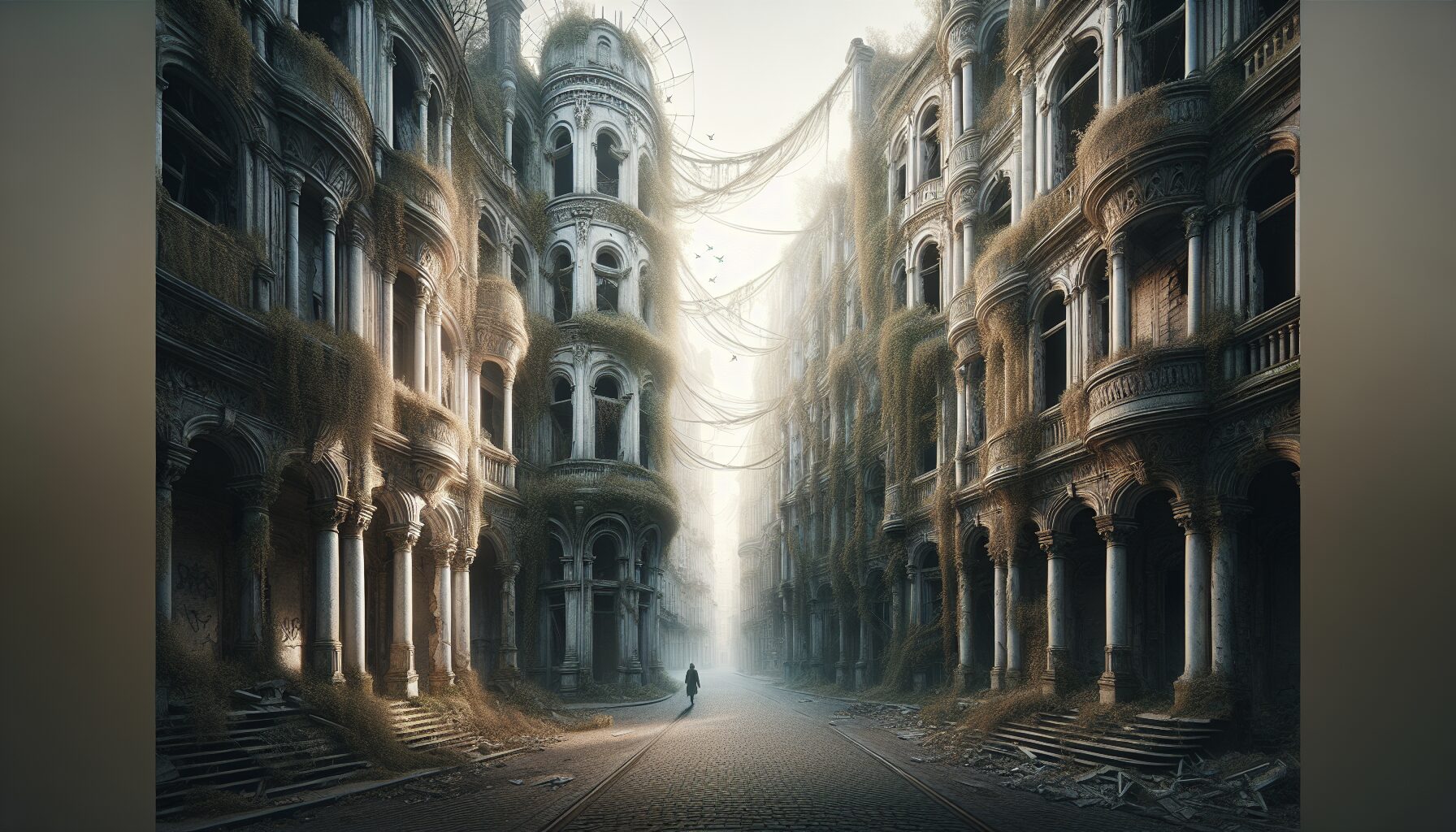
    The modern cityscape is often characterized by sleek skyscrapers, vibrant nightlife, and bustling streets. Yet, hidden in the shadows of this urban landscape lies an enduring fascination with the remnants of the past. Exploring the ruins of a city’s history can unlock a unique form of mysticism that resonates deeply with urban explorers and history enthusiasts alike.

    The Allure of Urban Ruins

    Urban ruins, often neglected and overgrown, hold an undeniable allure. These spaces are relics from another time, frozen in a state of decay. This paradox of both presence and absence captures the imagination and invites reflection. The popularity of movements such as urban exploration or “urbex” has grown significantly in recent years, with adventurers drawn to sites that range from industrial factories to abandoned theaters.

    Renowned photographer Romain Veillon, who has captured countless hauntingly beautiful images of these spaces, notes, “Ruins are like a portal to the past; they give us a glimpse into the lives and dreams of those who came before us.” Such encounters provide a stark reminder of the impermanence of human endeavors, juxtaposed against nature’s relentless reclaiming of space.

    Mysticism and Reflection

    The mysticism associated with urban ruins extends beyond mere visual appeal. Walking through these spaces fosters a form of deep, almost spiritual reflection. The silence, often punctuated only by the sounds of nature or the occasional graffitied wall, encourages a contemplative state of mind. These sites become places of sanctuary, where one can escape the relentless pace of urban life and engage with the metaphysical.

    “In every walk with nature, one receives far more than he seeks,” wrote the influential naturalist John Muir. While he referred to wild landscapes, the sentiment also applies to these urban jungles. Ruins invite visitors to ponder existential questions, consider the passage of time, and reflect on personal histories intertwined with the built environment.

    Famous Urban Ruins

    • Chernobyl Exclusion Zone: Perhaps the most infamous of urban ruins, Chernobyl’s deserted towns and villages offer a haunting glimpse into a world interrupted by disaster. Guided tours allow visitors to witness how nature has begun to reclaim these spaces.
    • The Detroit Packard Plant: Once the largest and most advanced automobile factory in the world, this mammoth facility now stands as a symbol of Detroit’s industrial rise and fall. Its vast spaces, now inhabited by street artists and wildlife alike, exemplify urban decay.
    • Hashima Island, Japan: Known as “Battleship Island,” Hashima was once a bustling center of coal mining. Today, its abandoned concrete structures provide a dramatic testament to the boom and bust of industrial modernity.
    • Pompeii, Italy: Though not a modern ruin, Pompeii’s excavation allows visitors to walk streets frozen in time by volcanic ash, a powerful reminder of nature’s strength.

    Reclaiming Lost Spaces

    While many ruins remain untouched, others have been integrated into the living urban fabric, offering opportunities for communities to reclaim these spaces in creative and sustainable ways. Adaptive reuse is a practice that transforms derelict structures into new venues for art, culture, and community engagement.

    The transformation of the High Line in New York City from an old railway to a thriving city park exemplifies this process. It has become a cherished green space that celebrates both the past and present, offering insight into how the scars of a city’s history can be healed and repurposed.

    Conclusion

    Walking among urban ruins is an experience that opens the door to a unique kind of mysticism that is as relevant today as it was when these structures were first built. They serve as reminders of the impermanence of human achievements and the enduring power of nature, inviting us to question our place within this world.

    “We are all visiting this time, this place. We are just passing through. Our purpose here is to observe, to learn, to grow, to love… and then we return home,”

    This quote serves as a poignant reminder of the transcendent nature of our existence. In the ruins of our cities, we find echoes of those who wandered before us and perhaps, a clearer understanding of our own journey.

  • Dust and Light: Photography of Decay

    Dust and Light: Photography of Decay

    You need to be logged in to view this content. Please . Not a Member? Join Us
  • The Altar in the Attic: Personal Spiritual Spaces

    The Altar in the Attic: Personal Spiritual Spaces

    You need to be logged in to view this content. Please . Not a Member? Join Us
  • The Hidden Chapel: Urban Exploration and Devotion

    The Hidden Chapel: Urban Exploration and Devotion

    You need to be logged in to view this content. Please . Not a Member? Join Us